Table of Contents

 19 August 2025 (updated)
 Dipped Headlights: Meaning, Symbol, Bulbs, Usage, and UK Road Rules
Car headlights do more than just brighten the road, they shape how we drive in the dark, through fog, or during sudden downpours. These front-facing lights help you see what’s ahead and make sure that others can spot you too.
Among them, dipped headlights play a specific role in everyday driving. In this post, we’ll break down the light symbol, bulb types, when to use them, and how they fit into UK driving regulations.
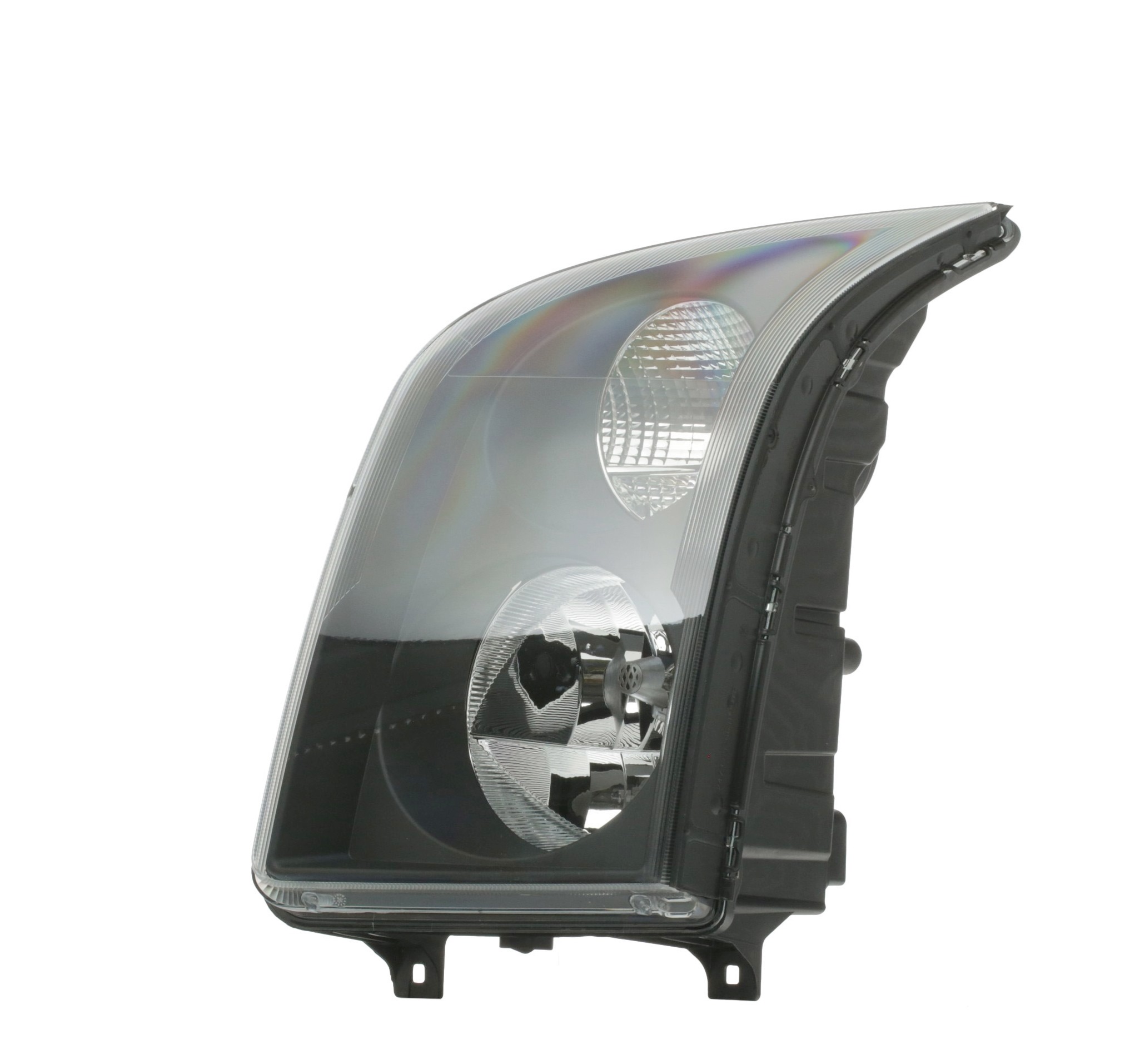
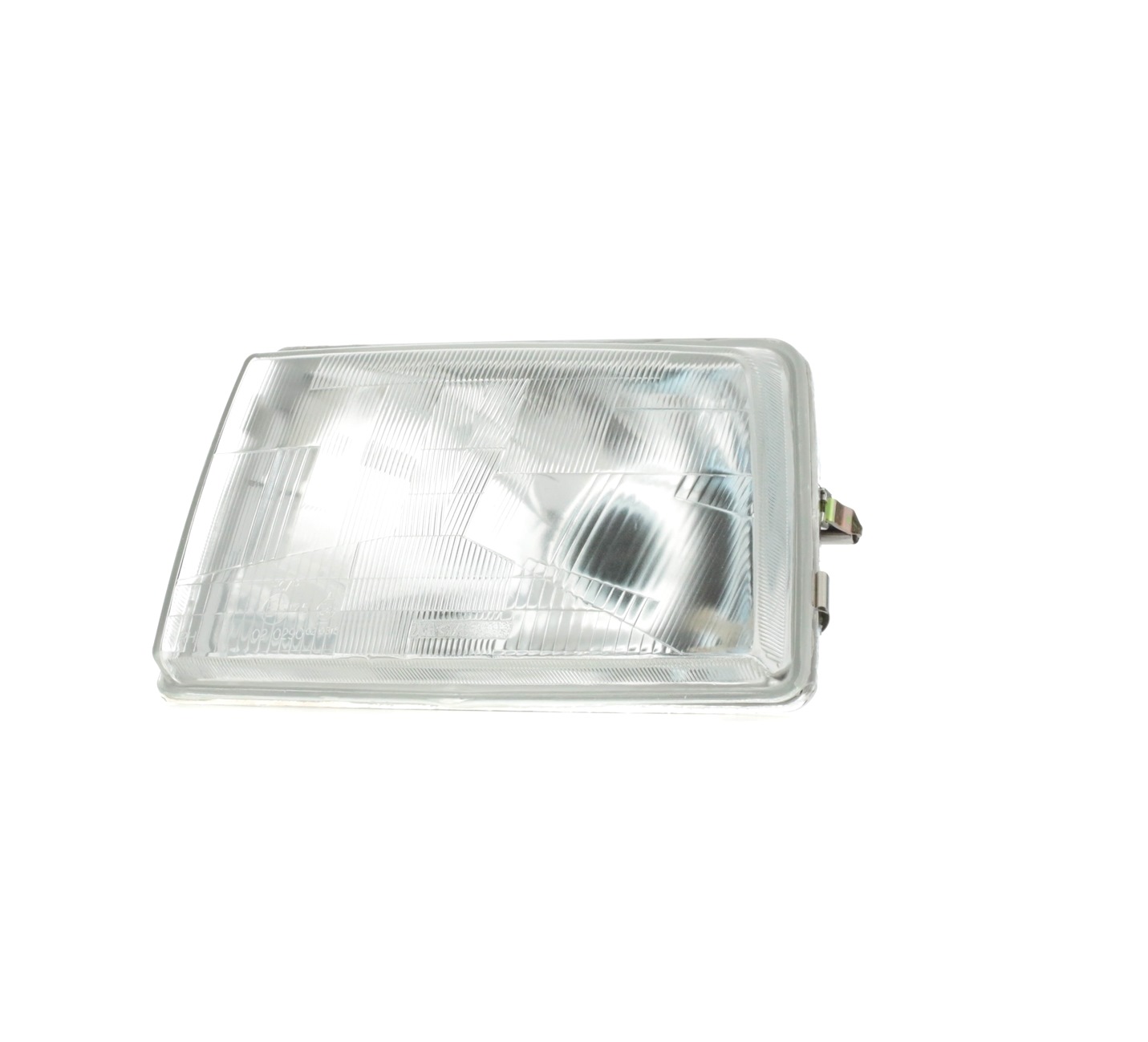
What are dipped headlights?
Dipped headlights are a type of car headlight designed to provide adequate road visibility without dazzling other drivers. Unlike full beam headlights, which shine straight ahead and cover a longer distance, these headlights angle slightly downward. This reduces glare and is safer for oncoming traffic and vehicles in front of you.
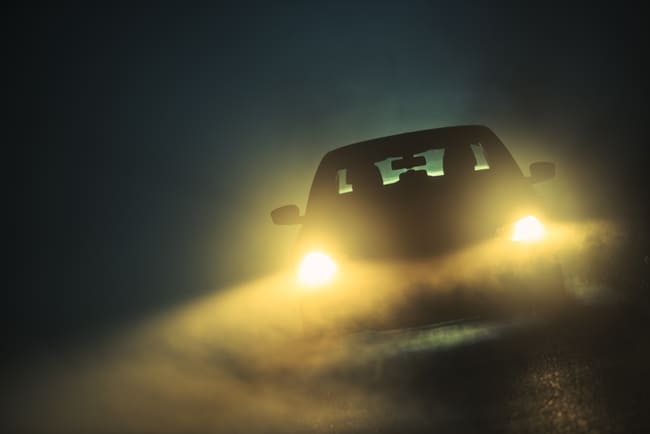
The meaning of dipped headlights refers to their purpose – lights that “dip” to the ground but still illuminate the road ahead. They’re the car lights most drivers use by default in low-light conditions.
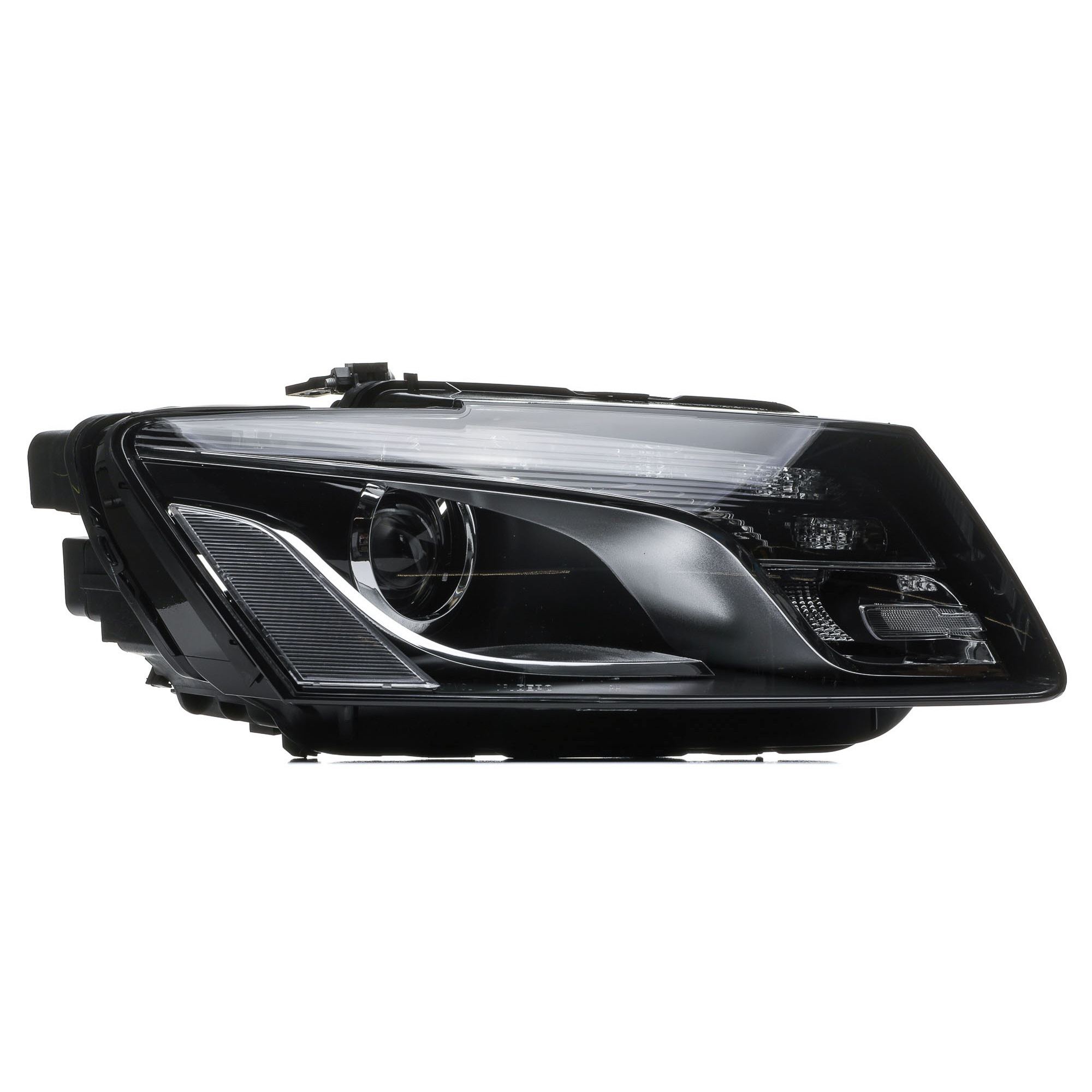
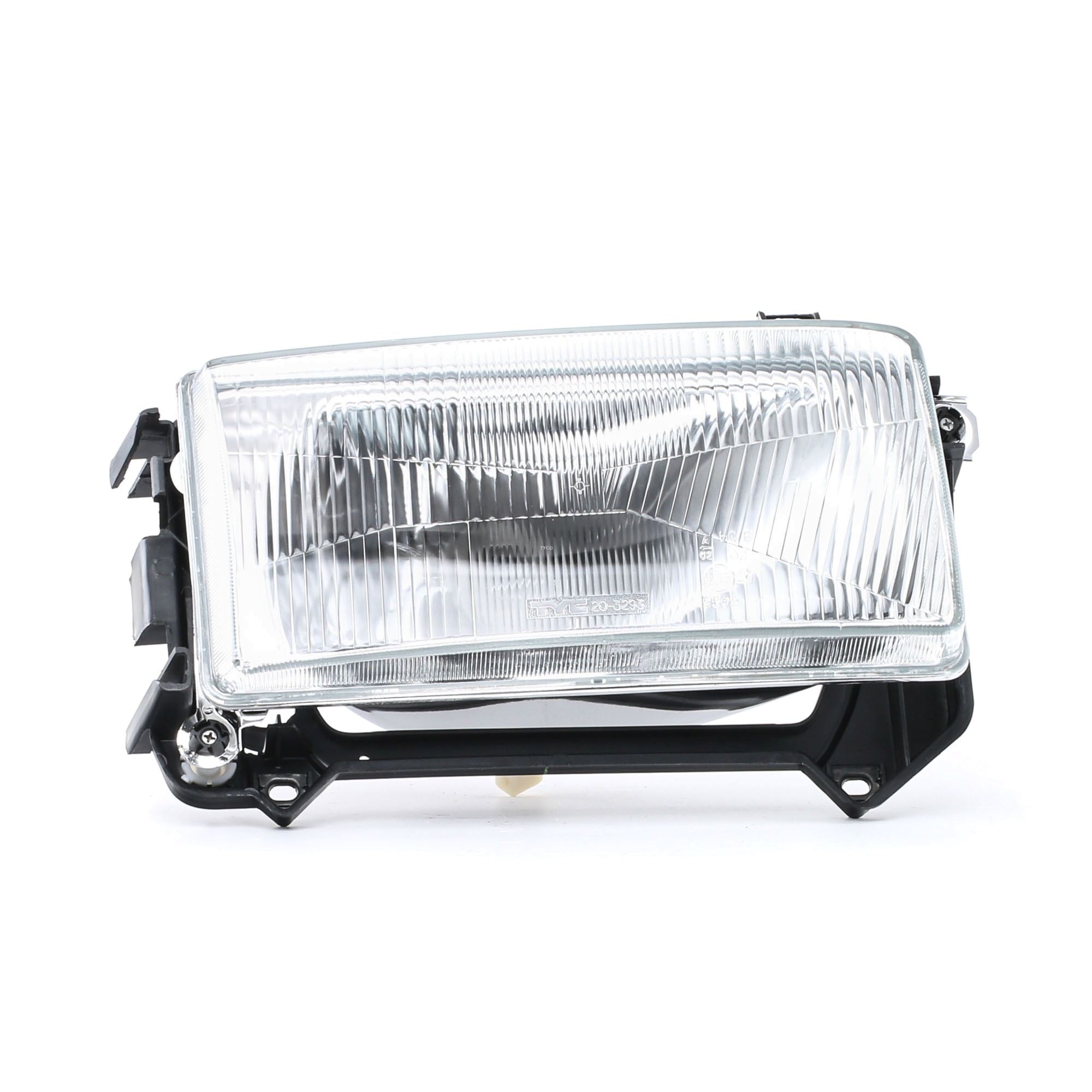
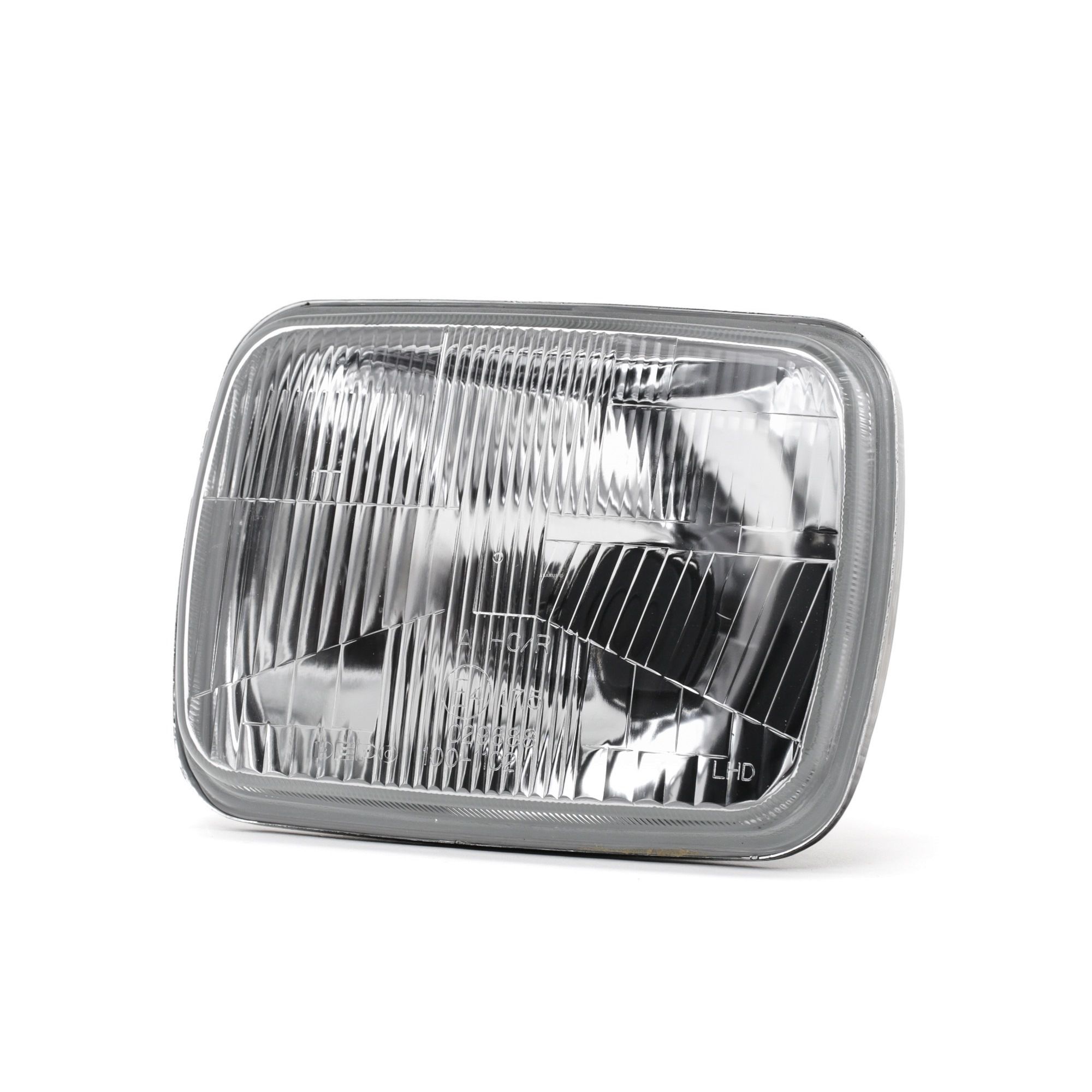
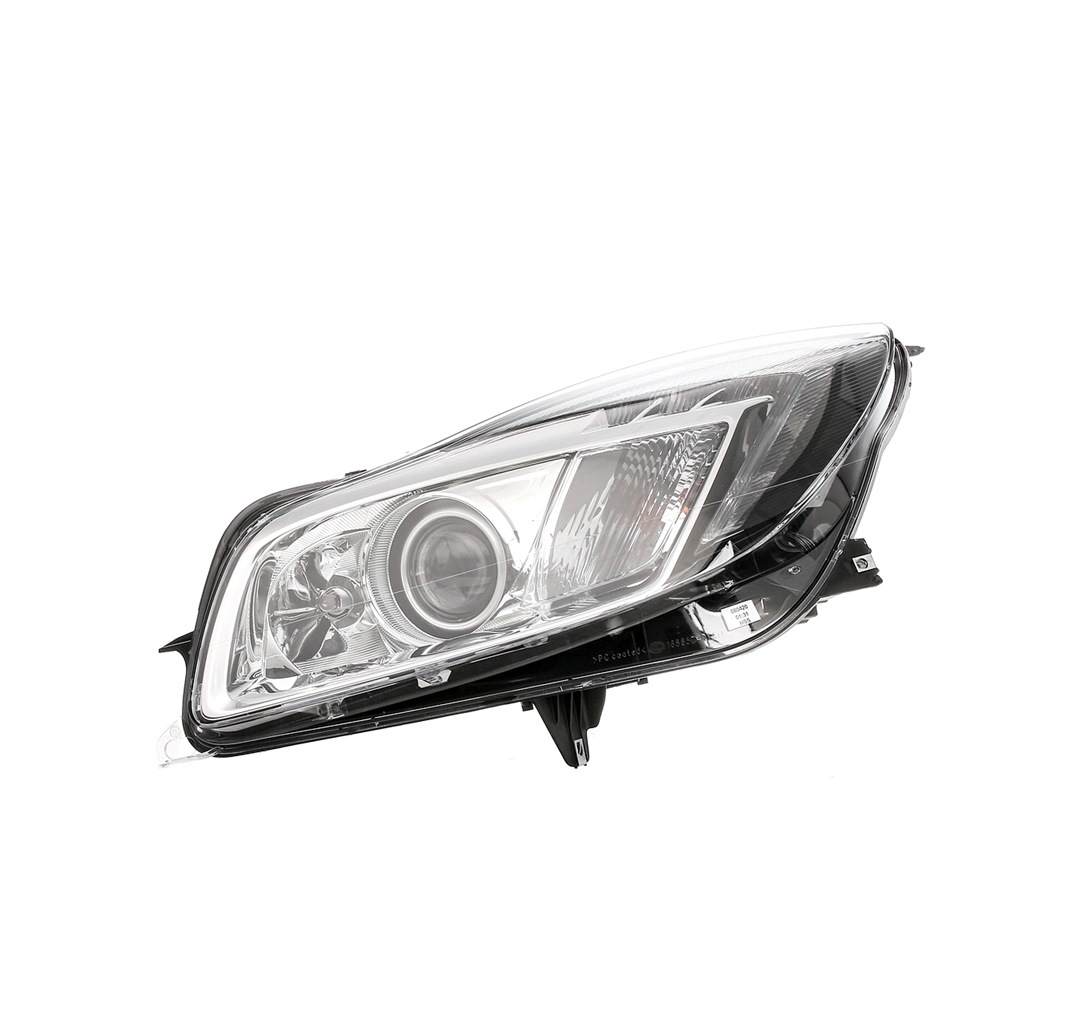
So, what do dipped headlights look like? Visually, when switched on, dipped headlights emit a softer, more focused light compared to the intense glare of full beams. They can be used in both built-up and rural environments.
Dipped headlights symbol
The dipped headlights symbol usually has a headlamp shape with several diagonal or horizontal lines pointing downward to the left, representing the angle of the beam being “dipped” towards the road. This design visually differentiates it from the high beam symbol, which features upward-pointing lines.
In most cars, the symbol lights up green when the dipped headlights are active, although the exact colour can vary by manufacturer. Knowing this symbol is essential for quickly switching between lighting modes, especially when driving at night or in changing weather conditions. It’s also a key part of the UK driving test and highway safety rules.
 Article number: 20-6066-25-2
£60.99price incl. 20% VAT, excl. delivery costs
-35%
Article number: 20-6066-25-2
£60.99price incl. 20% VAT, excl. delivery costs
-35%
 Article number: 1EX 010 818-351
compared to
RRP
£804.85
£522.00price incl. 20% VAT, free delivery
-34%
Article number: 1EX 010 818-351
compared to
RRP
£804.85
£522.00price incl. 20% VAT, free delivery
-34%
 Article number: 1EL 247 014-831
compared to
RRP
£596.60
£390.50price incl. 20% VAT, free delivery
-35%
Article number: 1EL 247 014-831
compared to
RRP
£596.60
£390.50price incl. 20% VAT, free delivery
-35%
 Article number: 1EG 011 919-411
compared to
RRP
£467.65
£302.00price incl. 20% VAT, free delivery
-37%
Article number: 1EG 011 919-411
compared to
RRP
£467.65
£302.00price incl. 20% VAT, free delivery
-37%
 Article number: 25 22 09-5
compared to
RRP
£238.18
£148.49price incl. 20% VAT, free delivery
Article number: 25 22 09-5
compared to
RRP
£238.18
£148.49price incl. 20% VAT, free delivery
How to turn on dipped headlights
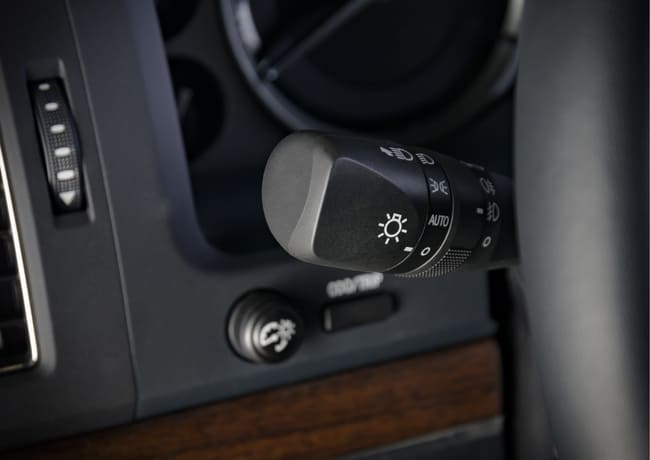
To turn on dipped (low beam) headlights, start by switching your car’s ignition to the “on” position. Then, locate the headlight control, which is usually a dial or stalk found near the steering wheel. Turn the dial to the headlight symbol (lamp with lines pointing downwards) or push the stalk to activate them.
In many modern cars, the low beam lights come on automatically when sensors detect low light. However, it's still important to know how to activate them manually when needed, especially in changing weather conditions.
When to use dipped headlights
You should use dipped headlights in the following situations to stay visible and comply with UK road laws:
- At night – from sunset to sunrise, whenever street lighting is not adequate.
- In poor weather – during rain, fog, or heavy cloud cover where visibility drops.
- At dusk or dawn – when natural light levels are low, even if it's not fully dark.
- In tunnels – even if they’re well-lit, headlights help you stay visible to others.
- When following another vehicle – use dipped beams instead of full beams to avoid dazzling drivers.
- When approaching oncoming traffic – always switch from high beam to dipped headlights.
- In daytime if visibility is seriously reduced – as per the Highway Code.
Dipped headlights vs Main beam
| Feature | Dipped headlights | Main (full) beam |
|---|---|---|
| Direction of beam | Angled downwards and to the left | Points straight ahead and higher |
| Brightness | Moderate, suitable for shared roads | Brighter and covers a longer distance |
| When to use them | Night, poor weather, dusk, tunnel driving | Dark, empty roads with no oncoming traffic |
| Symbol | Headlamp icon with downward lines | Headlamp icon with straight, upward lines |
| Purpose | Improve visibility without dazzling others | Maximise visibility on unlit, country roads |
| Requirement | Required in low visibility | Must be switched off when there are oncoming or nearby vehicles |
What dipped headlight bulb do I need?
The type of dipped headlight bulb you need depends on your vehicle's make, model, and year. Common bulb types include H1, H4, and H7 halogen bulbs, as well as HID (xenon) and LED options in more modern vehicles. The most widely used for dipped beams is the H7 halogen bulb, but you should check your owner's manual or consult a parts specialist to be sure.
Using the wrong bulb can affect visibility, dazzle other drivers, or even damage your headlight unit. If you're unsure, many auto parts websites offer registration look-up tools that show compatible bulbs for your car. LED and HID bulbs typically last longer and provide a whiter, brighter beam, but they cannot be used in regular halogen sockets. Always replace bulbs in pairs to ensure even lighting and consistent performance.
 Article number: 20-14374-15-2
£128.99price incl. 20% VAT, excl. delivery costs
-7%
Article number: 20-14374-15-2
£128.99price incl. 20% VAT, excl. delivery costs
-7%
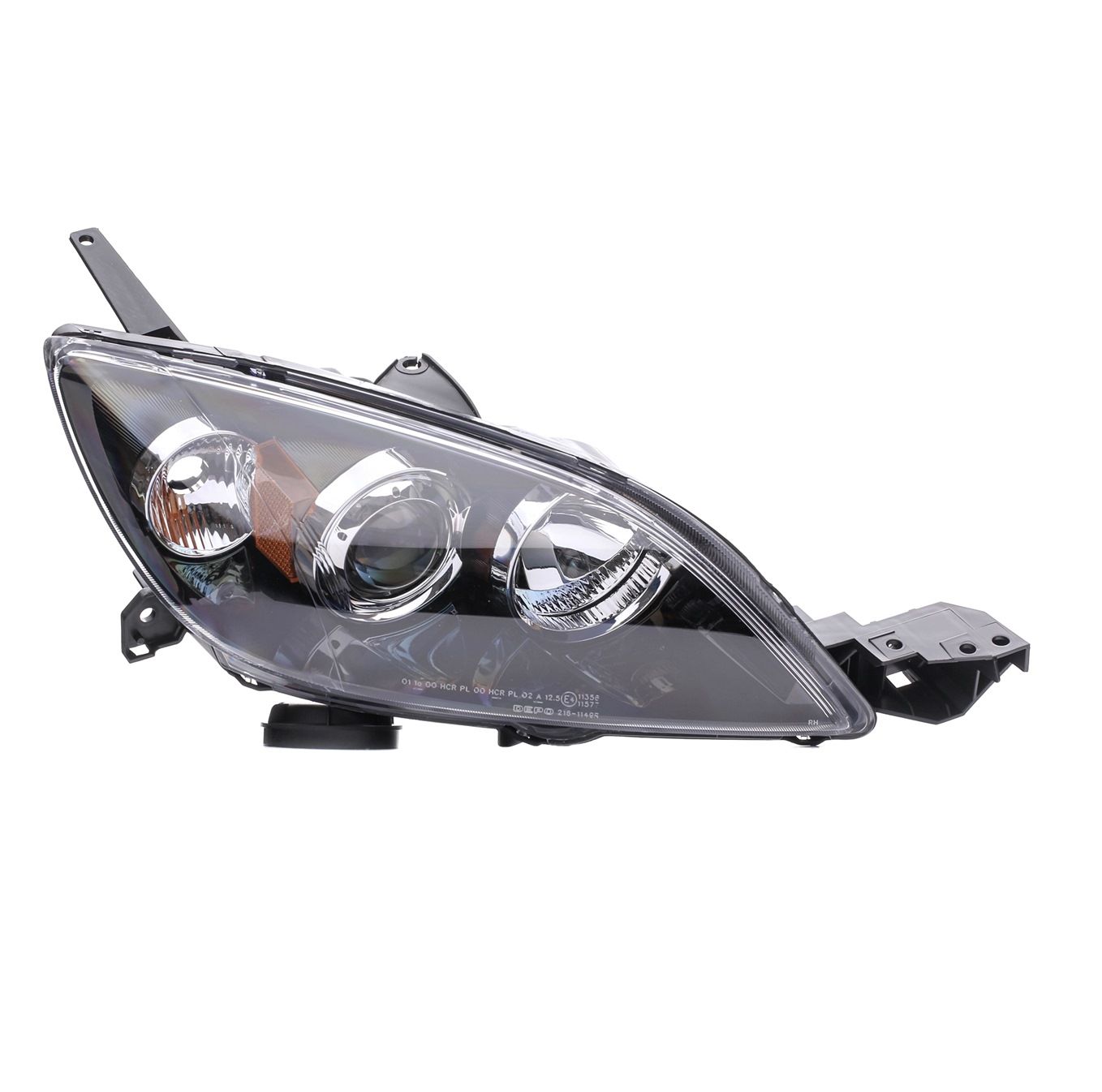 ABAKUS Headlight
Right, H7, HB3/H7, HB3
Article number: 216-1149R-LD-EM
compared to
RRP
£104.10
£95.99price incl. 20% VAT, excl. delivery costs
ABAKUS Headlight
Right, H7, HB3/H7, HB3
Article number: 216-1149R-LD-EM
compared to
RRP
£104.10
£95.99price incl. 20% VAT, excl. delivery costs
 Article number: 12342CVUBW
£13.49
Price per item
£26.98 / Price per 2 items
price incl. 20% VAT, excl. delivery costs
Article number: 12342CVUBW
£13.49
Price per item
£26.98 / Price per 2 items
price incl. 20% VAT, excl. delivery costs


Dipped headlight FAQs
When must you use dipped headlights during the day?
According to the UK Highway Code, you must use dipped headlights during the day when visibility is seriously reduced, which is generally defined as when you can’t see more than 100 metres (328 feet) ahead. This typically occurs in conditions such as heavy rain, fog, snow, or during thick mist.
Using dipped headlights in these situations helps ensure you're visible to other road users. Daytime running lights alone are not sufficient in low visibility, as they often don’t illuminate the rear of your vehicle. If in doubt, switch on your dipped headlights – it’s better to be seen early than not at all.
Can I be stopped if one or both dipped headlights are out?
Yes, you can be stopped by the police if one or both of your dipped headlights are not working. Driving without properly functioning headlights is considered a safety hazard, especially at night or in poor visibility. It can lead to a fine or even points on your licence.
Additionally, your vehicle could fail its annual MOT test if the bulbs, lenses, or switches are faulty. It’s important to regularly check your lights and replace any bulbs that are out to stay safe and compliant.
What colour are dipped headlights in the UK?
In the UK, dipped headlights are required to emit a white or yellowish-white light. The law specifies that headlights must produce a clear, white beam to ensure good visibility without causing excessive glare to other drivers.
Some older vehicles may have dipped headlights with a slightly yellow tint, which is still legal, but modern cars generally use bright white bulbs, especially with the rise of LED and HID lighting technologies. Using bulbs that produce other colours, such as blue or red, is illegal and can lead to fines or vehicle inspection failures.
Top products related to this topic: