Table of Contents

 20 March 2025 (updated)
 How Long Do Spark Plugs Last? Signs You Need New Spark Plugs, Replacement Intervals
No spark means no ignition, and no ignition means no power. These small plugs are therefore critically important for your engine. Unfortunately, over time they become worn and sooty, reducing fuel efficiency and power. In this blog, we’ll cover exactly how long spark plugs last, the typical replacement intervals, warning signs, and tips for keeping your engine running smoothly.
How long do spark plugs last?
Most spark plugs last somewhere between 30,000 and 100,000 miles depending on the fuel quality, product materials, and engine operating conditions. The spark plug lifespan might not be as long as the replacement interval recommended by the car manufacturer.
For example, if there are problems with the fuel mixture, the spark plugs can become covered in soot as a result of excess fuel being burned. This reduces their effectiveness. They can also fail prematurely due to oil or coolant leaks in the engine, overheating, or incorrect gapping or installation.
How long do iridium spark plugs last?
Iridium spark plugs are designed for longevity and typically last between 60,000 and 120,000 miles, depending on driving conditions and engine performance. Iridium is a highly durable metal that resists wear and maintains a strong spark over time, making these plugs more reliable than copper or platinum alternatives.
Some iridium products reportedly last up to 25% longer than platinum ones. However, factors like frequent stop-and-go driving, poor fuel quality, and carbon buildup can shorten their lifespan.
-21%
 Article number: 1496
compared to
RRP
£23.65
£18.49
Price per item
£73.96 / Price per 4 items
price incl. 20% VAT, excl. delivery costs
-52%
Article number: 1496
compared to
RRP
£23.65
£18.49
Price per item
£73.96 / Price per 4 items
price incl. 20% VAT, excl. delivery costs
-52%
 Article number: Z332
compared to
RRP
£24.01
£11.49
Price per item
£45.96 / Price per 4 items
price incl. 20% VAT, excl. delivery costs
-12%
Article number: Z332
compared to
RRP
£24.01
£11.49
Price per item
£45.96 / Price per 4 items
price incl. 20% VAT, excl. delivery costs
-12%
 Article number: 90911
compared to
RRP
£14.79
£12.99
Price per item
£51.96 / Price per 4 items
price incl. 20% VAT, excl. delivery costs
-13%
Article number: 90911
compared to
RRP
£14.79
£12.99
Price per item
£51.96 / Price per 4 items
price incl. 20% VAT, excl. delivery costs
-13%
 Article number: 97098
compared to
RRP
£15.54
£13.49
Price per item
£53.96 / Price per 4 items
price incl. 20% VAT, excl. delivery costs
-19%
Article number: 97098
compared to
RRP
£15.54
£13.49
Price per item
£53.96 / Price per 4 items
price incl. 20% VAT, excl. delivery costs
-19%
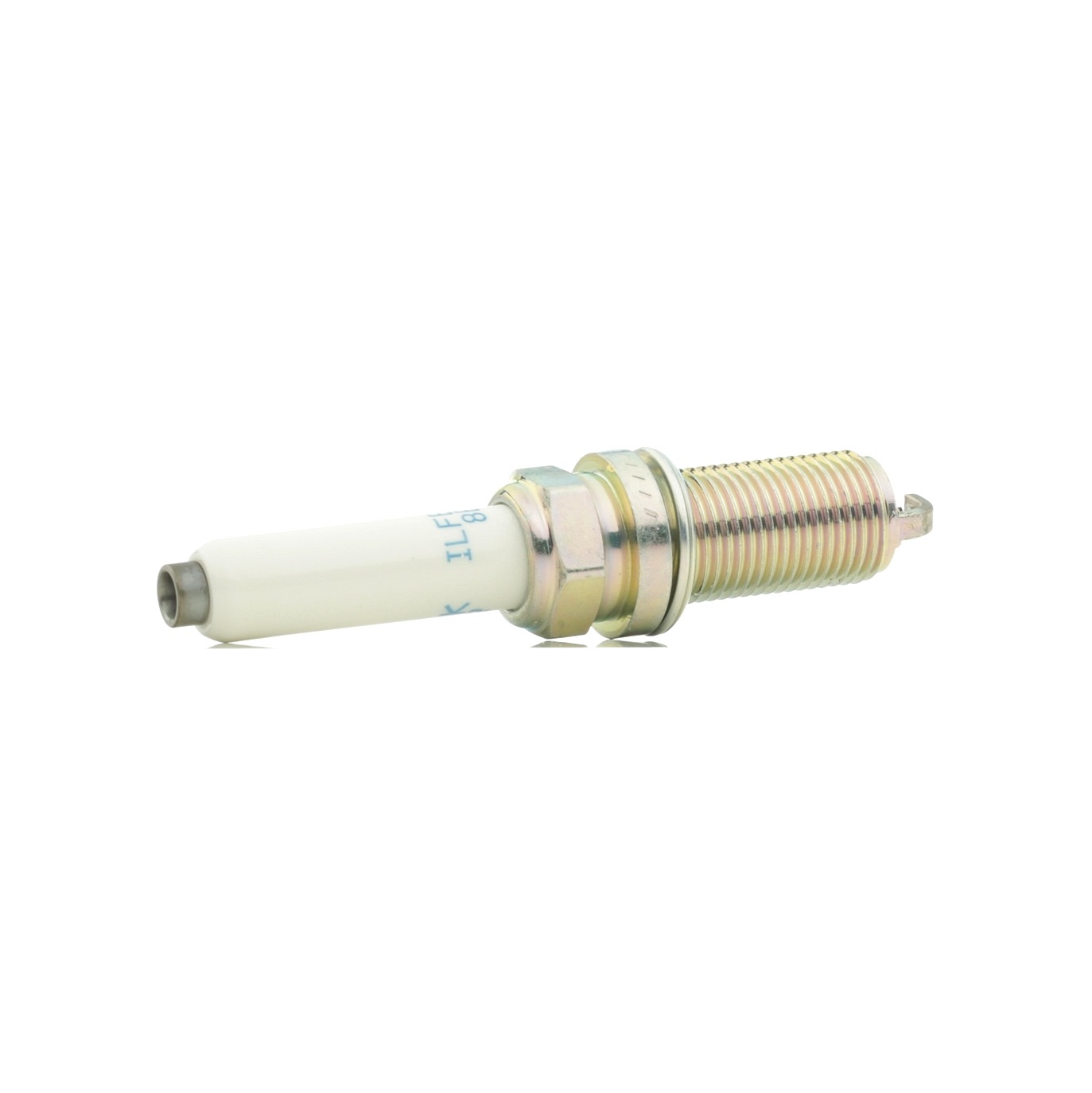 NGK Spark plug
M14 x 1,25, Spanner Size: 16 mm
Article number: 91898
compared to
RRP
£19.16
£15.49
Price per item
£61.96 / Price per 4 items
price incl. 20% VAT, excl. delivery costs
NGK Spark plug
M14 x 1,25, Spanner Size: 16 mm
Article number: 91898
compared to
RRP
£19.16
£15.49
Price per item
£61.96 / Price per 4 items
price incl. 20% VAT, excl. delivery costs
How long do platinum spark plugs last?
Platinum spark plugs typically last between 50,000 and 100,000 miles, offering greater durability than copper plugs but less than iridium ones. They have a platinum disc on the electrode, which resists wear and maintains performance over time. Compared to iridium spark plugs, platinum plugs are less durable because platinum is softer and less heat-resistant than iridium.
This means iridium plugs generally last longer and provide better ignition efficiency. However, platinum plugs are more affordable and still offer high performance. Always check your vehicle owner’s manual for recommended replacement intervals.
Recommended Article
How to test a spark plug
How often to change spark plugs
Spark plugs should typically be changed every 30,000 to 100,000 miles, depending on the type of spark plug, operating conditions, and the vehicle manufacturer’s recommendations. Copper plugs wear out faster and may need replacement around 30,000 miles, while iridium and platinum plugs can last 60,000 to 100,000 miles.
If you mainly use the car for frequent short trips, you may need to inspect and change the parts more often as they can easily get contaminated. Furthermore, signs that spark plugs are starting to fail may include rough idling, engine misfires, poor acceleration, reduced fuel efficiency, and difficulty starting the car.
Regular maintenance and timely replacement help ensure optimal engine performance, fuel economy, and lower emissions. Always check your owner’s manual for the recommended interval and inspect the plugs periodically for wear.
Signs you need new spark plugs
These are the most common signs that your spark plugs need changing:
- Rough idling/erratic RPM: The engine may vibrate excessively, feel unstable, or fluctuate in RPM while idling or driving.
- Knocking or pinging sounds: Unusual metallic noises occur due to incomplete or uncontrolled combustion caused by faulty or worn-out spark plugs.
- Poor fuel economy: Increased fuel consumption due to petrol not being ignited properly.
- Starting issues: Difficulty starting the engine, requiring multiple attempts or extended cranking. Note: this may also be a sign of issues with the electrical system or fuel/air supply.
- Weak acceleration: Sluggish response and reduced power when accelerating or climbing hills.
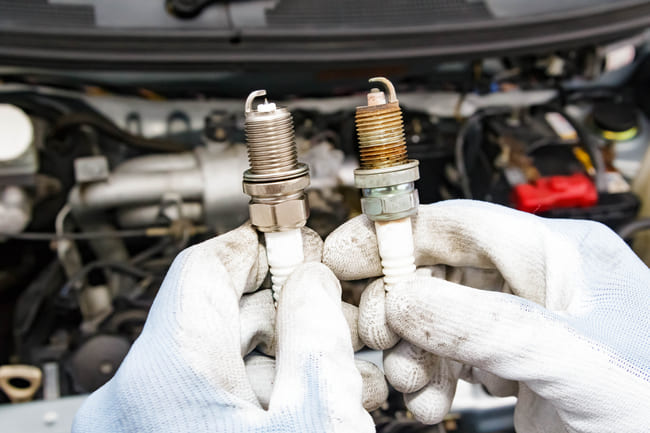
- Sooty/filthy plugs: Black, carbon-coated spark plugs indicate incomplete combustion or fuel-related issues.
-43%
 Article number: Z90
compared to
RRP
£12.91
£7.29
Price per item
£29.16 / Price per 4 items
price incl. 20% VAT, excl. delivery costs
-43%
Article number: Z90
compared to
RRP
£12.91
£7.29
Price per item
£29.16 / Price per 4 items
price incl. 20% VAT, excl. delivery costs
-43%
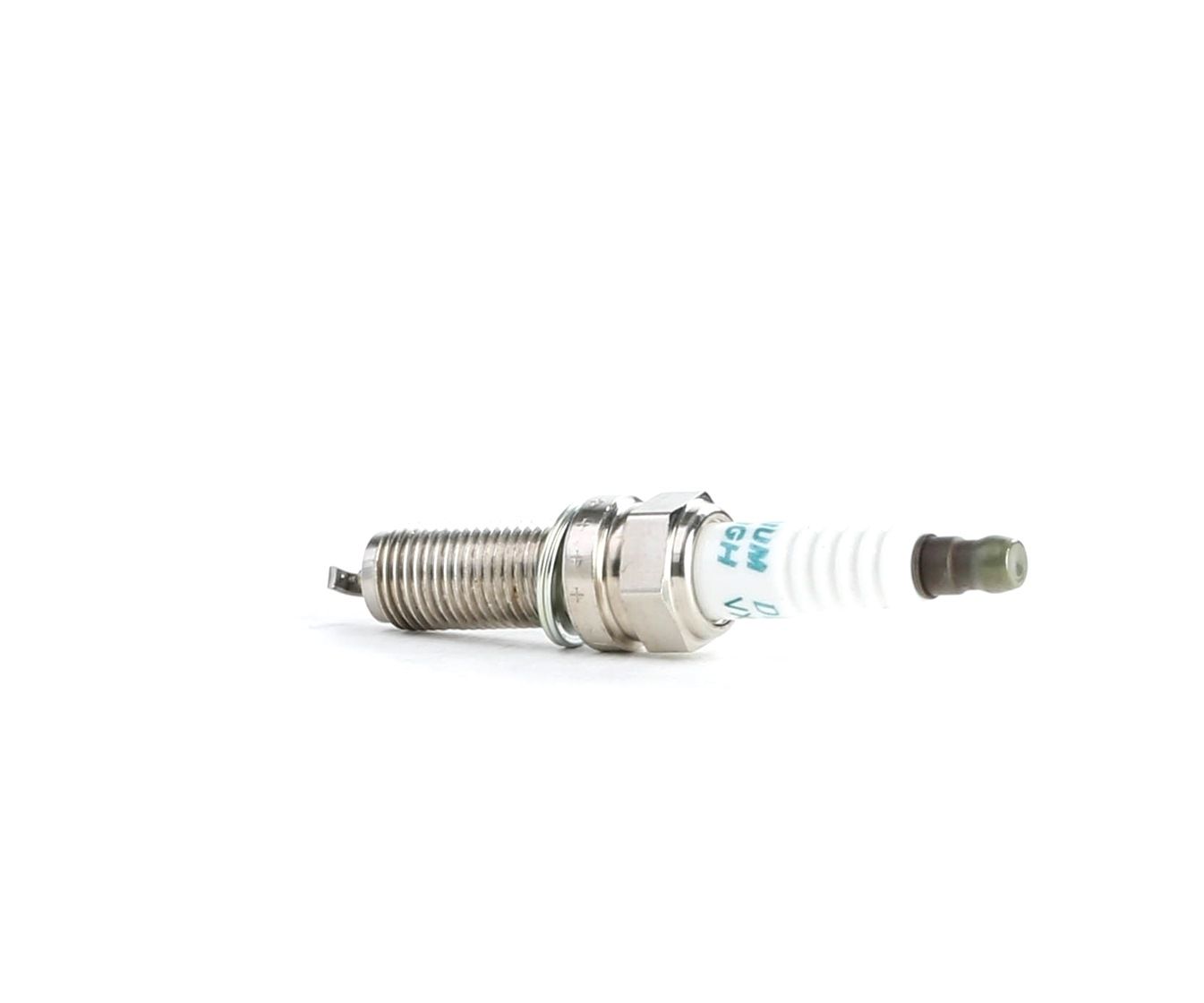 DENSO Spark plug
M12x1.25,
Article number: VXUH20I
compared to
RRP
£31.83
£17.99
Price per item
£71.96 / Price per 4 items
price incl. 20% VAT, excl. delivery costs
DENSO Spark plug
M12x1.25,
Article number: VXUH20I
compared to
RRP
£31.83
£17.99
Price per item
£71.96 / Price per 4 items
price incl. 20% VAT, excl. delivery costs
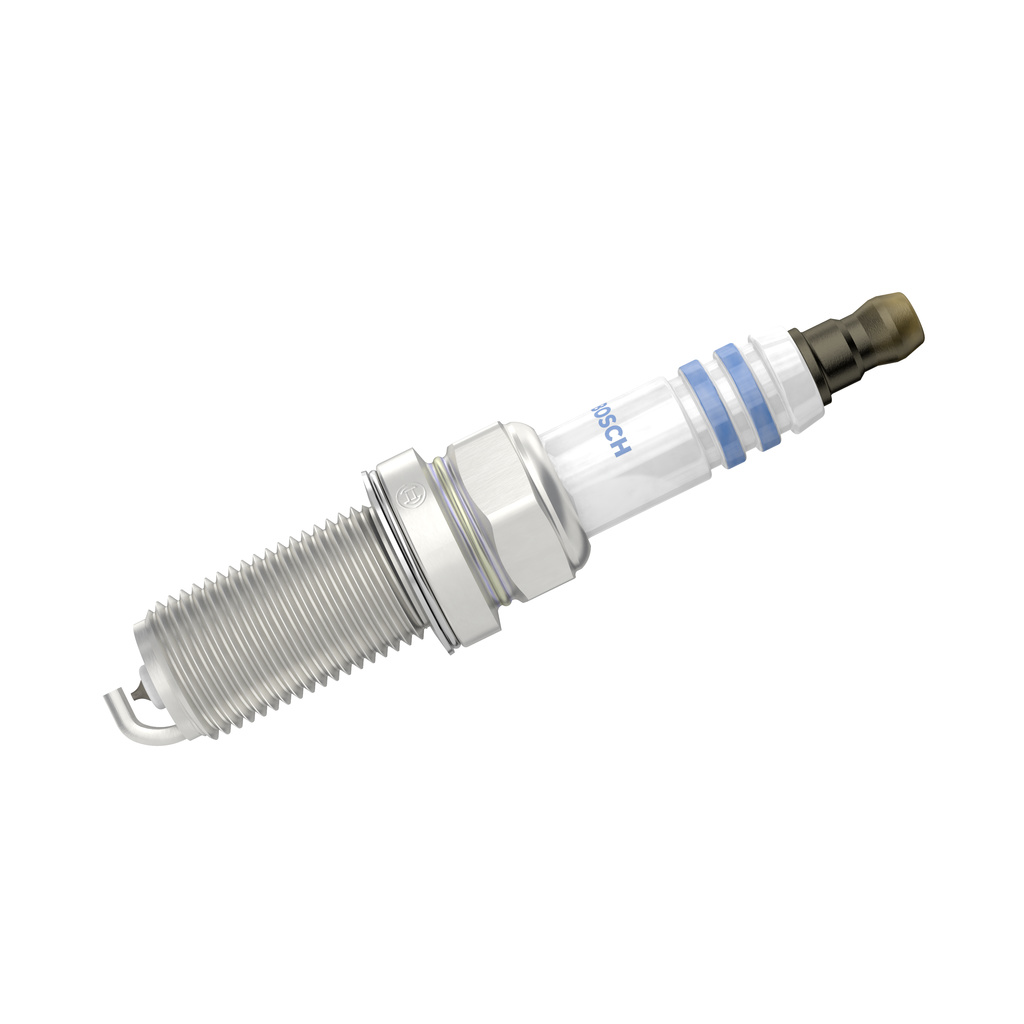
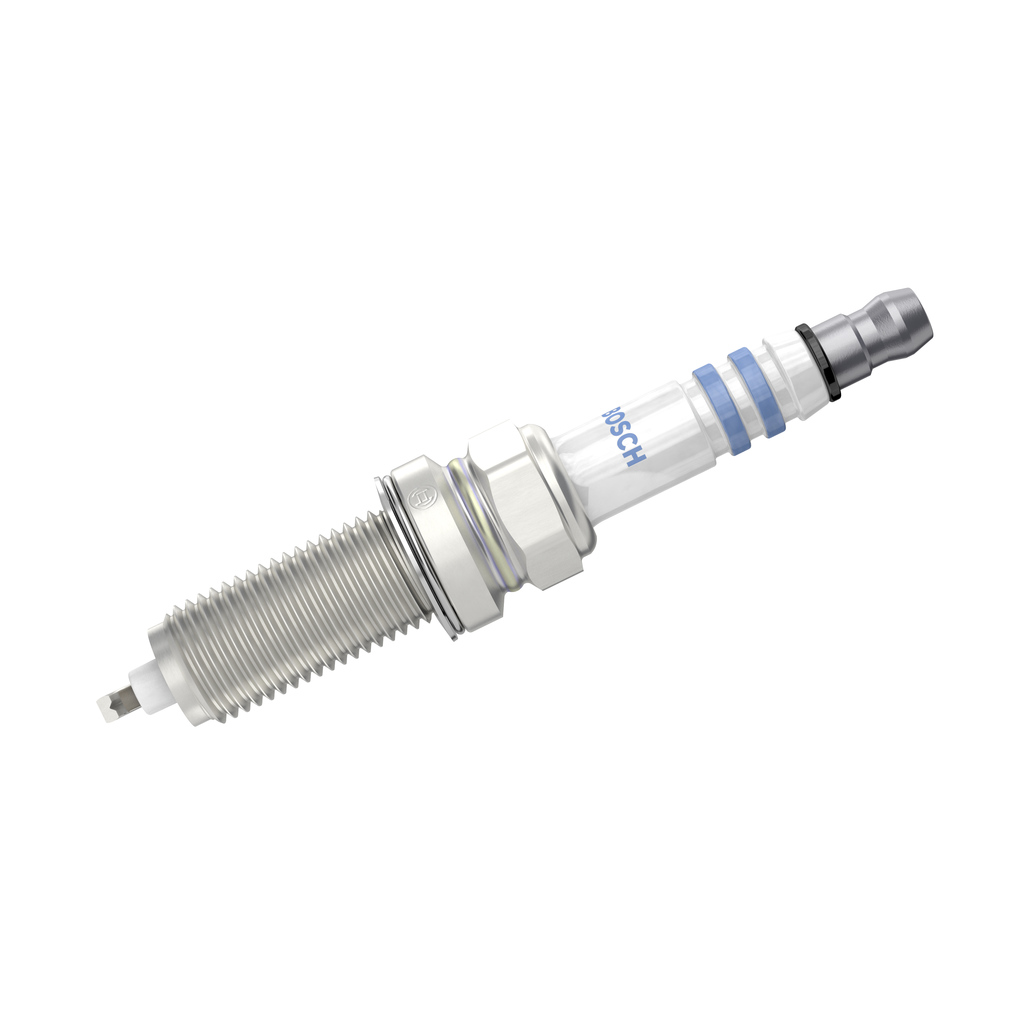 BOSCH Spark plug
M 12 x 1,25, Spanner Size: 14
Article number: 0 242 129 510
£5.99
Price per item
£23.96 / Price per 4 items
price incl. 20% VAT, excl. delivery costs
BOSCH Spark plug
M 12 x 1,25, Spanner Size: 14
Article number: 0 242 129 510
£5.99
Price per item
£23.96 / Price per 4 items
price incl. 20% VAT, excl. delivery costs
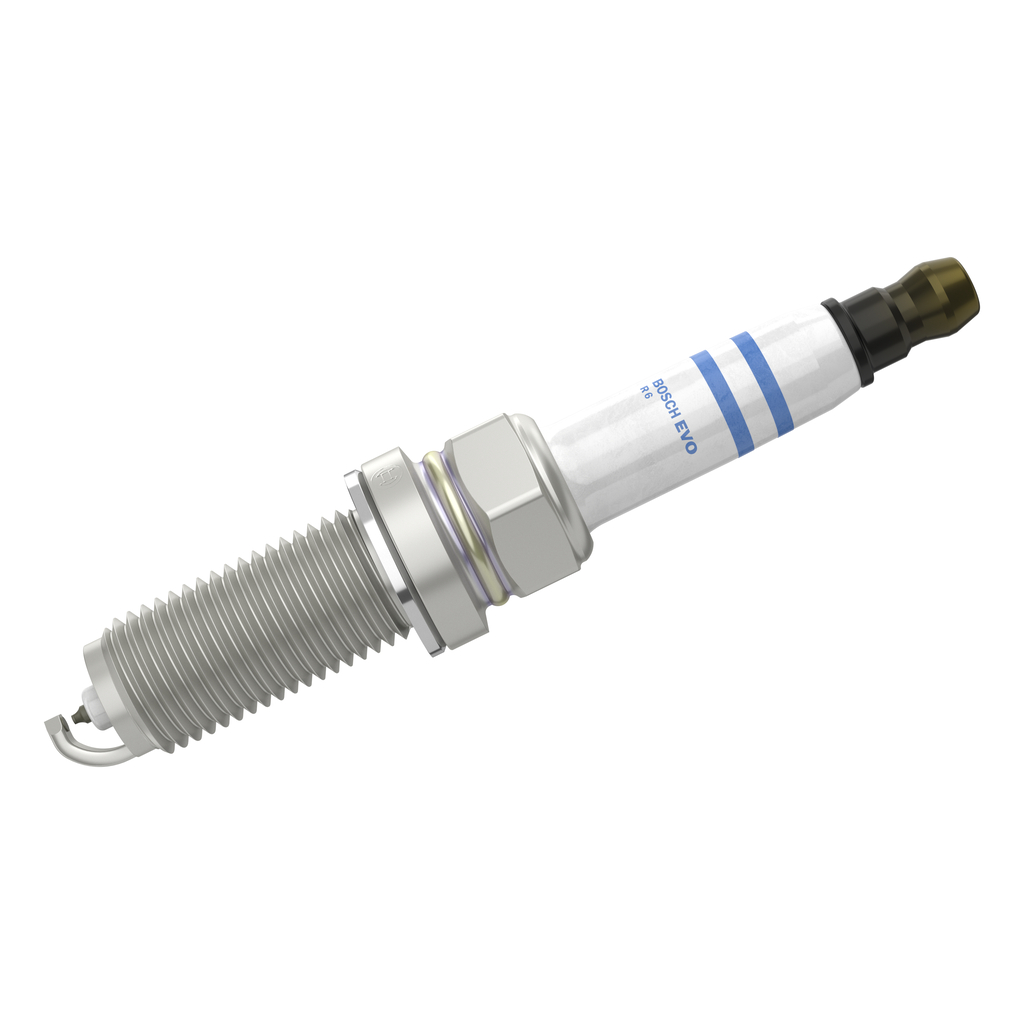 BOSCH Spark plug
M 12 x 1,25, Spanner Size: 14
Article number: 0 242 140 565
£16.49
Price per item
price incl. 20% VAT, excl. delivery costs
-30%
BOSCH Spark plug
M 12 x 1,25, Spanner Size: 14
Article number: 0 242 140 565
£16.49
Price per item
price incl. 20% VAT, excl. delivery costs
-30%
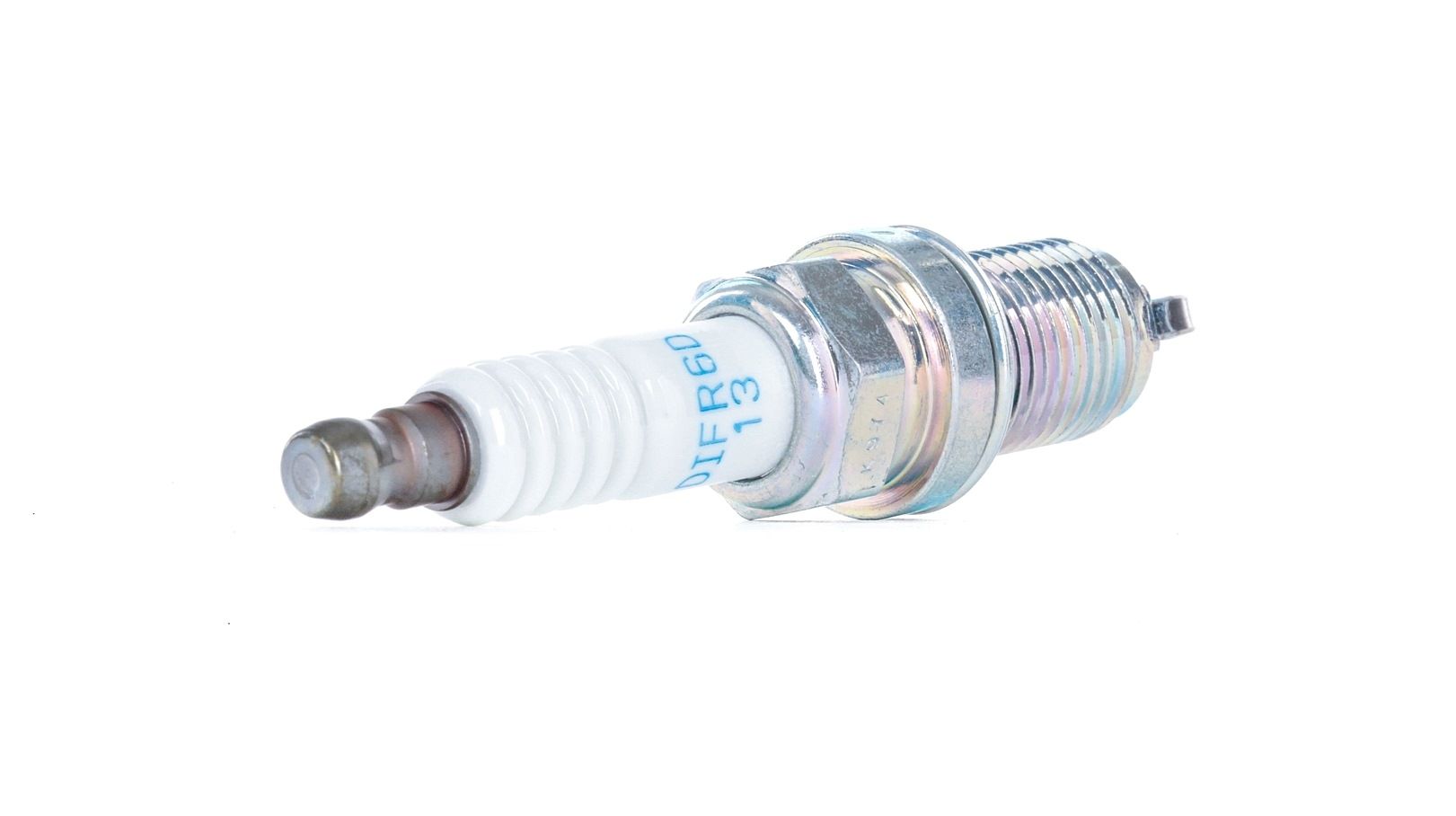 NGK Spark plug
M14 x 1,25, Spanner Size: 16 mm
Article number: 94167
compared to
RRP
£33.67
£23.49
Price per item
£93.96 / Price per 4 items
price incl. 20% VAT, excl. delivery costs
NGK Spark plug
M14 x 1,25, Spanner Size: 16 mm
Article number: 94167
compared to
RRP
£33.67
£23.49
Price per item
£93.96 / Price per 4 items
price incl. 20% VAT, excl. delivery costs
What happens when spark plugs go bad?
When spark plugs go bad, the engine struggles to ignite the air-fuel mixture properly, leading to performance issues. You may experience rough idling, misfires, and difficulty starting the vehicle. Acceleration can feel sluggish, and fuel efficiency may drop as the engine burns more fuel than necessary. Faulty spark plugs can also cause knocking or pinging sounds due to incomplete combustion.
Over time, continued use of worn-out plugs can lead to increased emissions, potential engine damage, and costly repairs. Replacing them at the recommended intervals ensures smooth performance, better fuel economy, and prevents further engine complications.
Recommended Article
TOP 5 best spark plugs
How much does it cost to change spark plugs? UK
In the UK, the cost to change spark plugs typically ranges from £50 to £150, depending on the make and model of the vehicle. Labour costs usually account for £30 to £80, while the price of the spark plugs themselves can vary from £10 to £60, depending on the type (copper, platinum, or iridium).
For more complex vehicles or those with harder-to-reach spark plugs, the cost can be higher. If you opt for a dealership, the cost may also be on the higher end. Carrying out the replacement yourself can help you to save your pennies.
Top products related to this topic: