Problems with the Audi S6

Reliability Audi S6: common problems, issues symptoms and faults
- Automatic transmission problems in older models: The automatic transmission does not jump properly or does not shift properly, especially in models from 2007 onwards. These symptoms often occur between 80,000-120,000 km and can be caused by wear on the clutch plates or defective control units.
- Turbocharger wear on the 4.0 TFSI: The turbocharger of the 4.0 TFSI engine often shows the first signs of wear after 60,000-80,000 km. Typical complaints include loss of power, unusual noises and increased oil consumption.
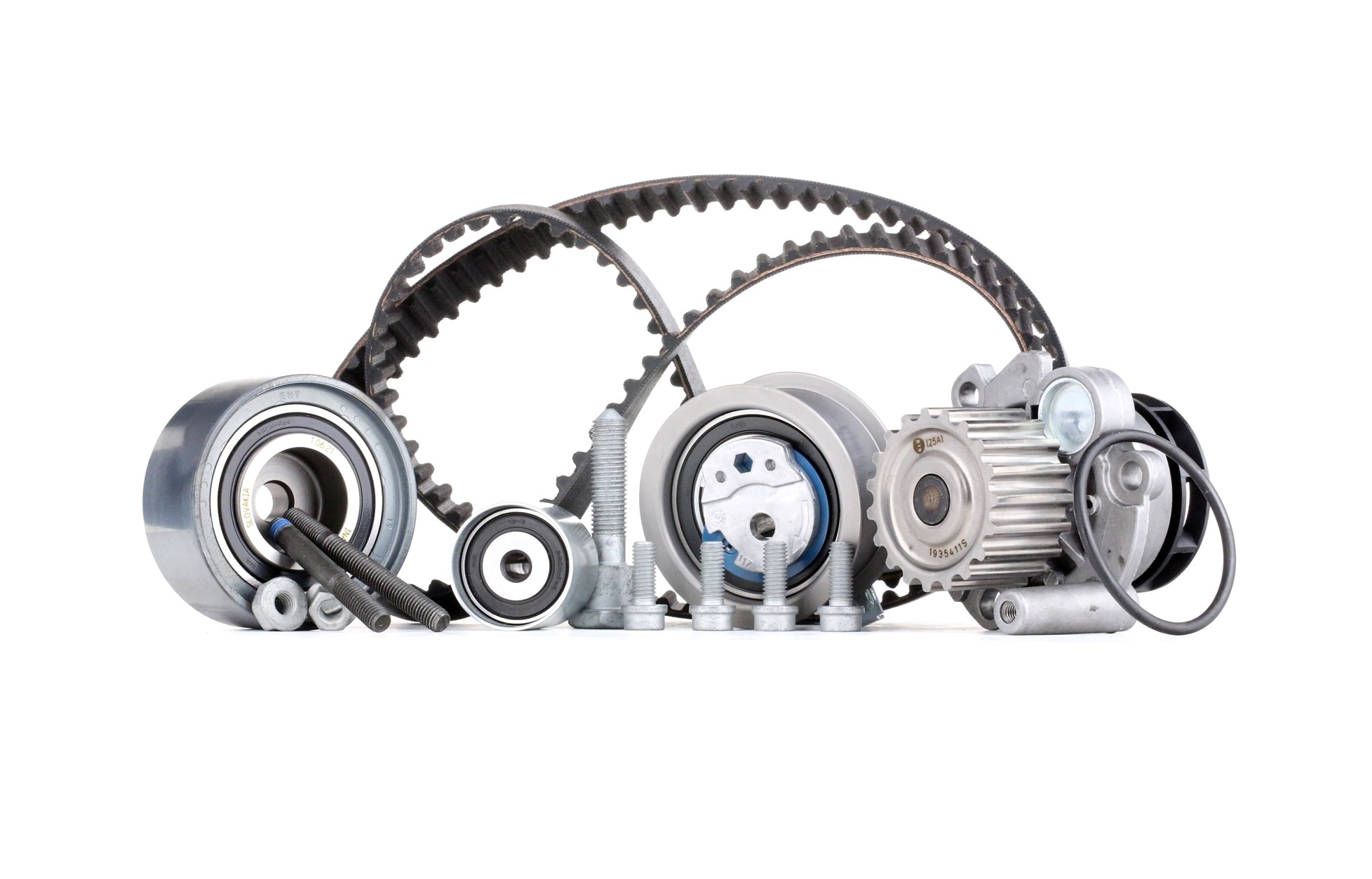
- Timing chain problems in the 4.2 V8: The timing chain in the 4.2 V8 engine can cause problems between 100,000-150,000 km. Common symptoms are rattling noises during cold starts and engine unsteadiness, which indicate chain stretching.
- Air suspension defects: The air suspension stops working properly, especially after 80,000-100,000 km. Typical breakdowns include the vehicle sinking or uneven height adjustment between the axles.
Audi S6: Problems with the automatic transmission
The automatic transmission of the Audi S6, especially in models from 2007 onwards, exhibits various common faults, which manifest themselves in jerky gear changes, delays when changing gear or complete failure of the shift function. These weak points occur particularly at higher mileages and can lead to costly repairs. The transmission does not start properly or does not shift properly between gears, which significantly impairs the reliability of the vehicle. Typical symptoms include shift shocks, extended shift times and, in severe cases, complete failure of the automatic function. The service life of the automatic transmission is negatively affected by aggressive driving, irregular maintenance and high thermal loads.
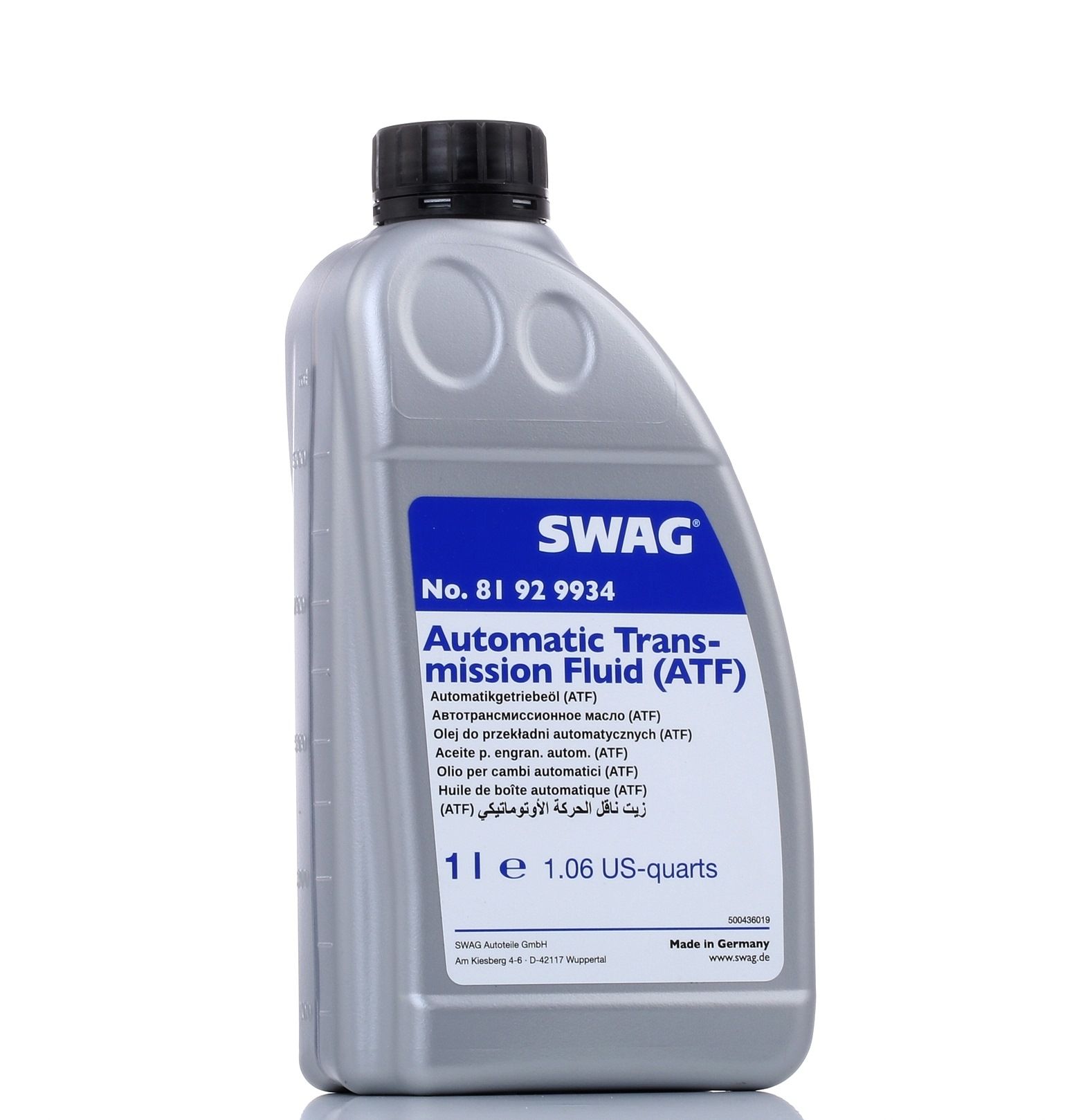
Regular maintenance is crucial for the longevity of the transmission system. The complex Audi S6 automatic transmissions require an oil change with special ATF oil every 60,000-80,000 kilometres and regular diagnostics for early detection of problems. At the first sign of shifting problems, a transmission analysis should be carried out, which includes fault code readout, pressure test and oil quality check. Preventive measures such as gentle starting, avoiding kick-down manoeuvres and regular flushing can significantly extend the service life.
Audi S6: Problems with the 4.0 TFSI engine
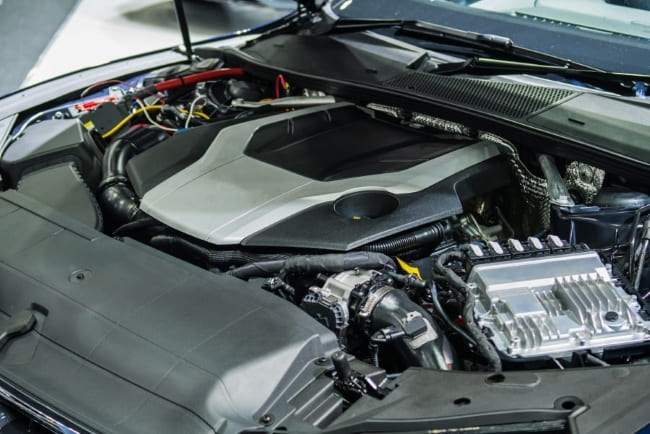
The 4.0 TFSI engine of the Audi S6 has specific weak points, which mainly manifest themselves in the turbochargers, direct injection and valve controls. These common faults can occur after just 60,000 kilometres and include loss of power, increased oil consumption and uneven engine running. The system does not function optimally if the turbochargers wear out or the direct injection high-pressure pump is faulty. Typical symptoms are reduced acceleration, black smoke from the exhaust and increased operating temperatures. Reliability is challenged by the complex technology with two turbochargers and direct fuel injection, which makes regular maintenance essential.
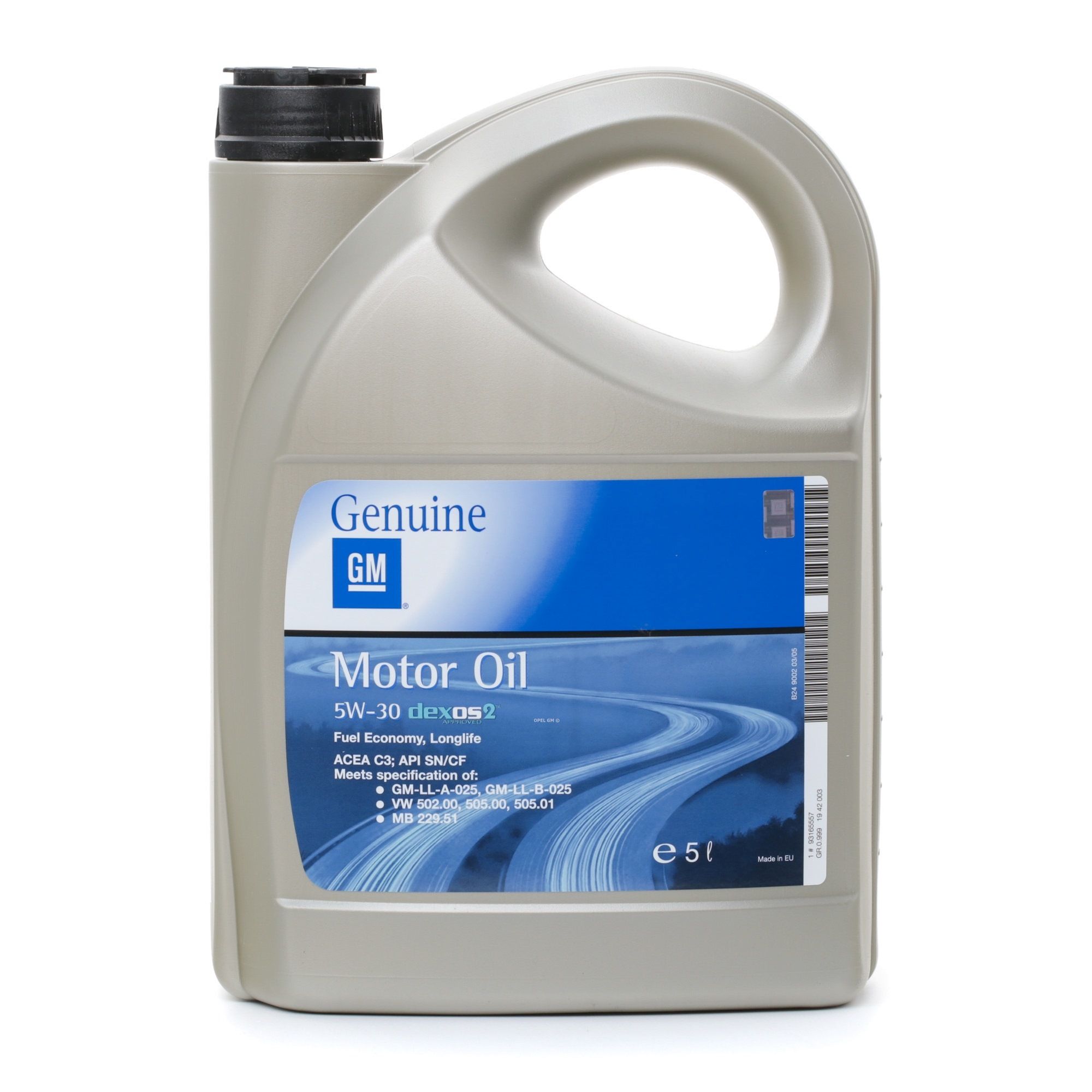
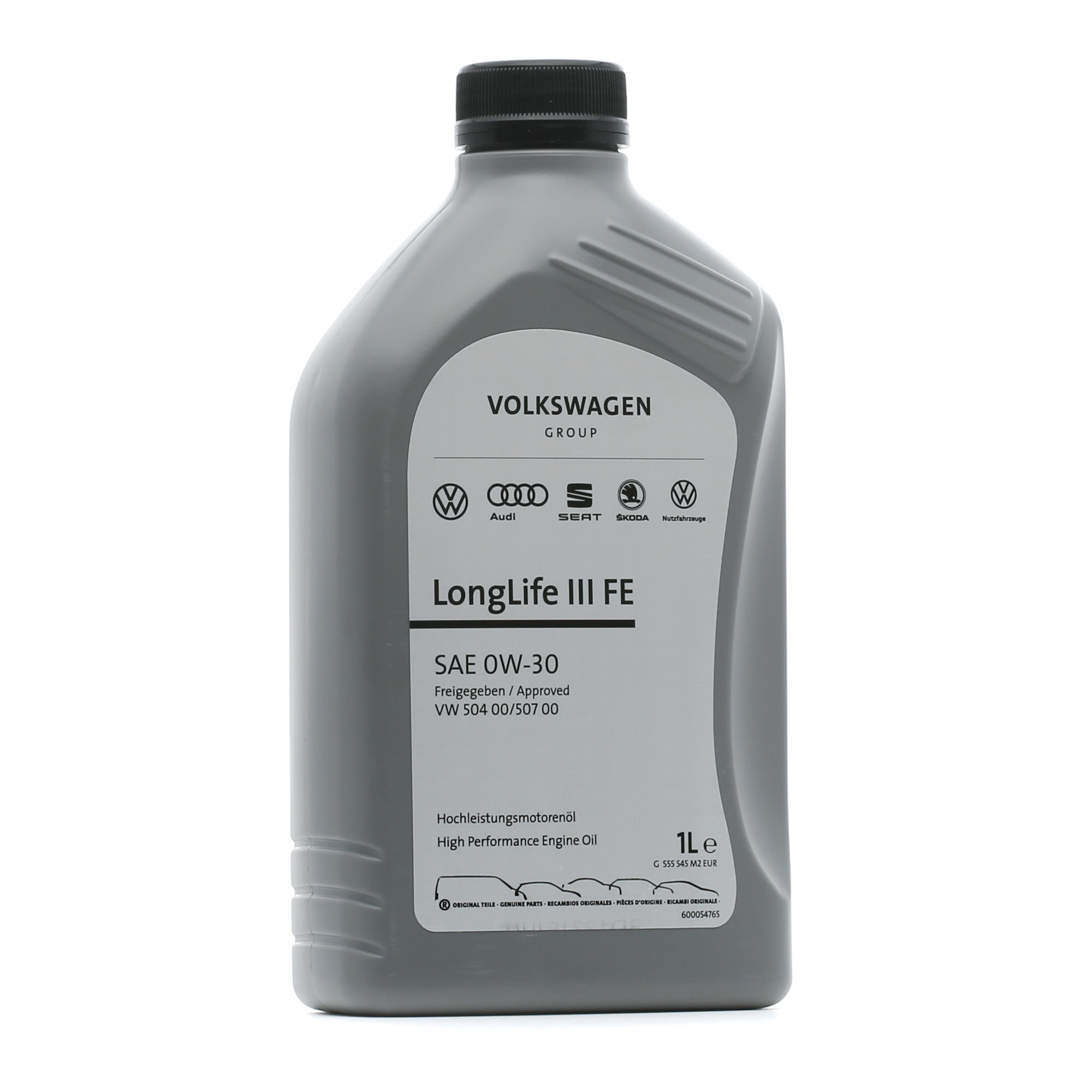
Systematic inspection is fundamental to maintaining engine performance. The demanding Audi S6 4.0 TFSI units require oil changes every 15,000 km with high-quality 5W-30 engine oil and regular checks of the turbocharger oil supply. Diagnostic measures include compression tests, turbocharger pressure tests and injector nozzle cleaning. The use of premium fuel and additives for system cleaning can prevent deposits and significantly extend the service life of sensitive components.
Audi S6: Problems with the 4.2 V8 engine
The 4.2 V8 engine of the Audi S6 develops characteristic problems that mainly affect the timing chain, valve timing and oil supply. These weak points typically occur between 100,000-150,000 kilometres and are manifested by rattling noises during cold starts, rough idling and loss of power. The system will not function properly if the timing chain is stretched or the chain tensioners fail. Common faults also include problems with the camshaft phasers and valve cover gaskets. Complaints range from audible noises to engine damage due to valve-piston contact. The service life is negatively affected by irregular maintenance and the use of inferior oils.
A professional inspection is essential for early detection of timing chain problems. The precision Audi S6 4.2 V8 engines require oil changes every 10,000 km with specially approved 5W-40 oil and regular visual inspections of the timing chain. Diagnostic procedures include endoscope examinations, camshaft timing checks and chain tension measurements. At the first sign of chain noise, a workshop should be visited immediately, as delays can lead to costly engine damage.
Audi S6: Problems with the 3.0 TDI engine
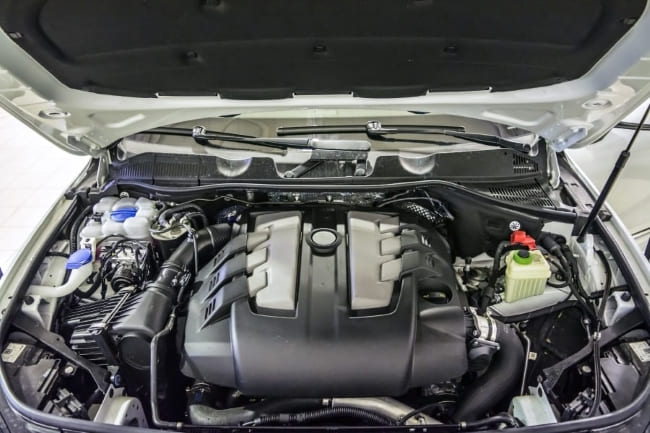
The 3.0 TDI engine in the Audi S6 has specific problems that mainly affect the exhaust gas recirculation system, the particulate filters and the high-pressure injection system. These frequent faults manifest themselves particularly on short journeys and can occur after just 80,000 kilometres. The system does not start properly or runs erratically if the EGR cooler is clogged or the particulate filter is overloaded. Typical symptoms include emergency running programme activation, increased fuel consumption and reduced engine performance. The breakdowns are often caused by incomplete regeneration cycles of the diesel particulate filter or coking of the intake valves. Reliability is challenged by modern exhaust aftertreatment and complex electronics, which requires regular maintenance.
Professional maintenance is crucial for the functionality of the diesel engine. The complex Audi S6 3.0 TDI systems require special diesel oil changes every 20,000 km and regular particulate filter regeneration through motorway driving. Diagnostic measures include EGR valve cleaning, particulate filter pressure measurements and fuel injector tests. The use of high-quality diesel fuel and regular long-distance driving can prevent deposits and significantly extend the service life of the exhaust gas aftertreatment systems.
Audi S6: Problems with the 5.2 V10 engine
The legendary 5.2 V10 engine of the Audi S6 has specific weak points, which mainly manifest themselves in the complex valve control, the ignition coils and the fuel supply. These common faults can occur after just 70,000 kilometres and include misfiring, uneven engine running and increased fuel consumption. The system does not function optimally if individual ignition coils fail or the fuel pump weakens. Typical complaints are engine vibrations, loss of power and increased exhaust emissions. The faults are often caused by the high thermal loads of the high-performance engine and the complex electronics with ten cylinders. The service life is negatively affected by aggressive driving and irregular maintenance, although reliability is very high with proper care.
Systematic inspection is fundamental to maintaining V10 performance. The demanding Audi S6 5.2 V10 units require oil changes every 10,000 km with high quality 5W-40 engine oil and regular checks of all ten ignition coils. Diagnostic procedures include compression tests of all cylinders, fuel pressure measurements and ignition coil resistance tests. The use of premium fuel and regular engine flushing can prevent deposits and maintain the exceptional performance of the V10 engine for many years.
Additional common faults of the Audi S6
Based on the experiences of Audi S6 owners, the following additional problems occur:
- Air suspension compressor defects: Often occur after 90,000-120,000 km, caused by continuous operation and seal wear.
- MMI system faults: Electronic problems with the infotainment system often manifest themselves after 60,000-80,000 km due to screen failures or system crashes.
- Xenon headlight problems: Xenon lighting ballasts typically fail after 80,000-100,000 km, especially if switched on and off frequently.
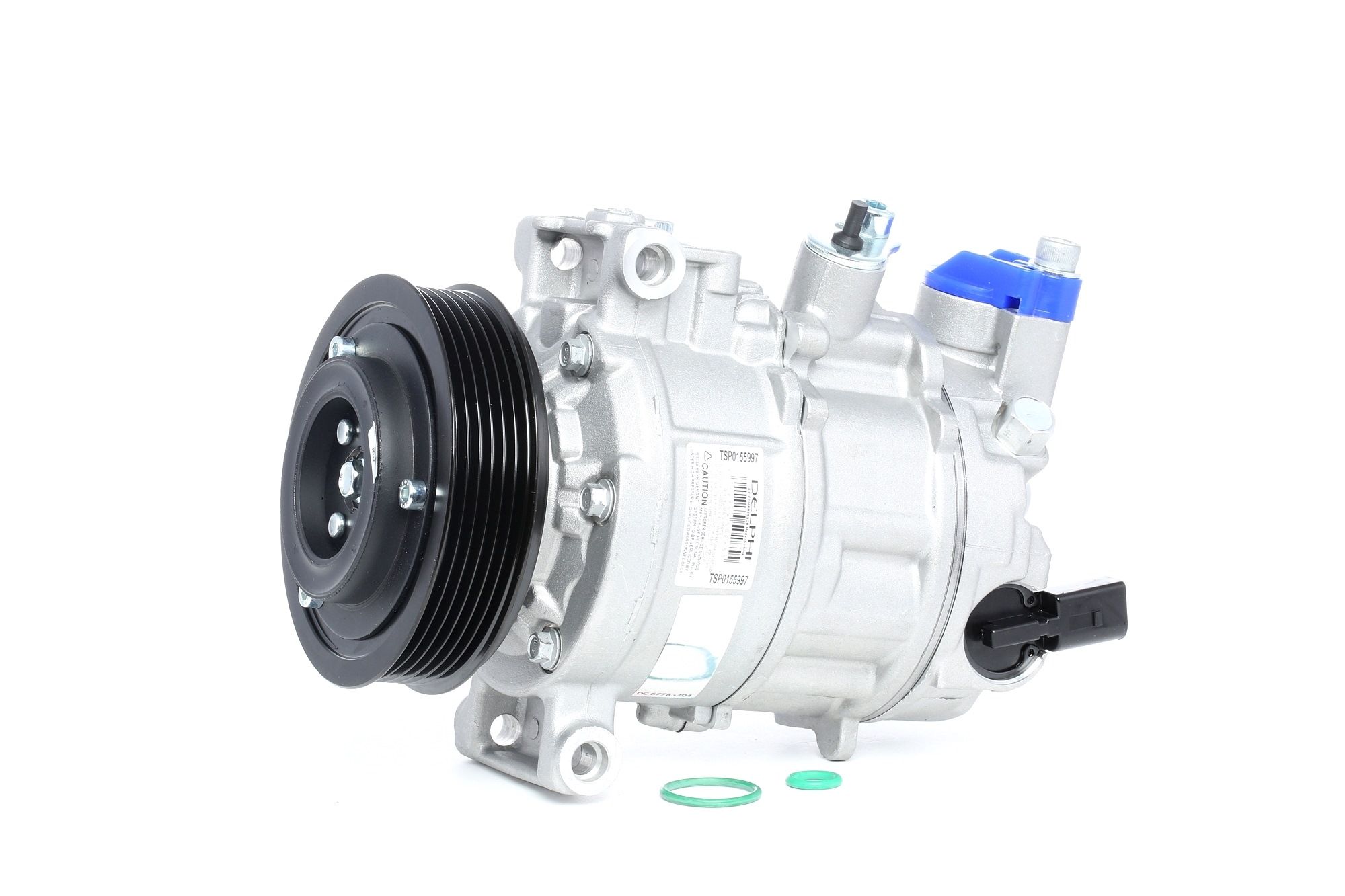
- Air conditioning compressor failures: The air conditioning compressor often shows its first signs of weakness after 100,000-130,000 km due to loss of refrigerant or bearing damage.
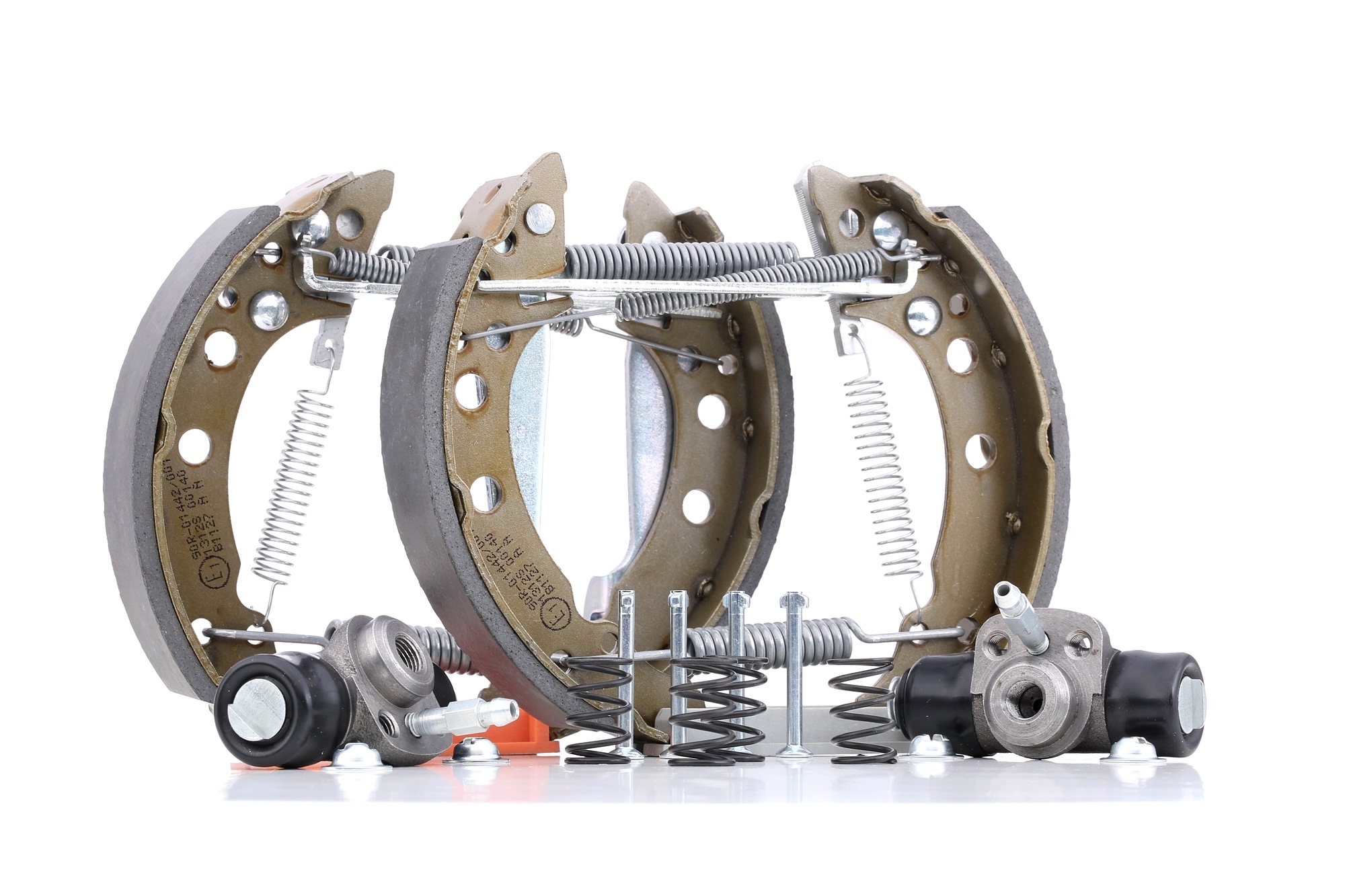
- Brake disc wear: Due to the high vehicle mass and power, brake discs wear out at an above-average rate after just 40,000-60,000 km.
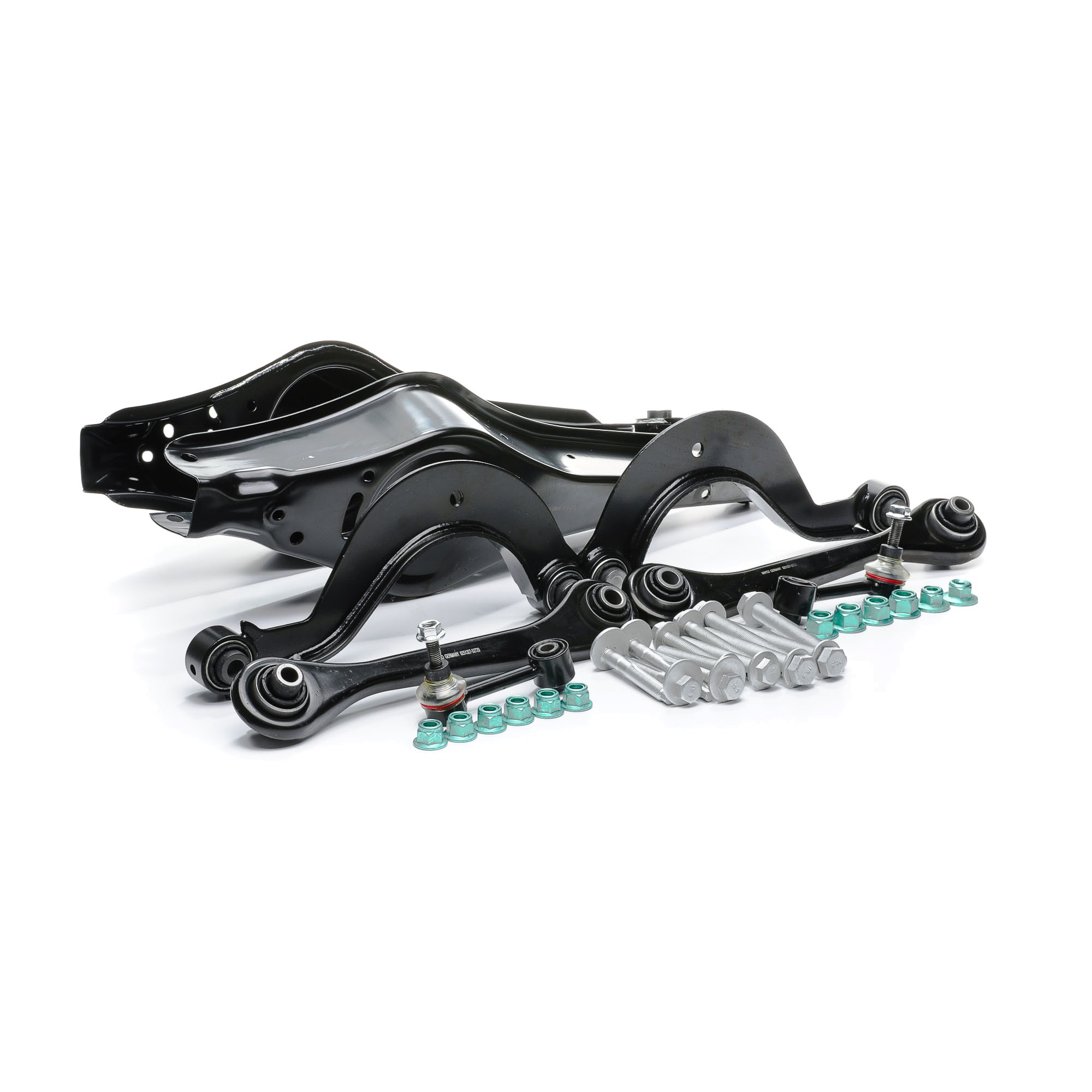
- Tie rod wear: The tie rod ends often show wear after 70,000-90,000 km due to the wide tyres and sporty suspension set-up.

Audi S6: Weak points and strengths
| Strengths |
Weak points |
| Exceptional engine performance |
High maintenance costs |
| High-quality workmanship |
Complex electronics |
| Sporty driving behaviour |
Automatic transmission problems |
| Luxurious equipment |
Turbocharger wear |
| Quattro all-wheel drive |
Air suspension defects |
| High resale value |
Fuel consumption |
| Modern safety systems |
Spare parts costs |
The Audi S6 proves to be an exceptional high-performance vehicle, but one that requires intensive maintenance and care. Most problems can be avoided through preventive measures and timely intervention. The complex engines and automatic gearbox in particular require regular specialised checks to ensure its impressive performance and reliability over the long term.


 5 December 2025