Problems with the Audi SQ5

Reliability Audi SQ5: common problems, issues symptoms and faults
- Timing chain problems with the 3.0 TFSI engine: The timing chain shows frequent signs of wear from 80,000-120,000 km, especially in the 2014-2017 model years. Typical symptoms are rattling noises during cold starts and error codes in the control unit.
- Injector failures at high mileages: The injectors of the 3.0 TFSI engine can lose their reliability between 100,000-150,000 km, resulting in rough idling and reduced engine performance.
- Transmission problems with the S tronic: The dual-clutch transmission in 2015-2018 models occasionally exhibits shifting problems from 60,000-100,000 km, which manifest themselves in jerky gear changes and error messages.
- Turbocharger wear with intensive use: The turbocharger of the 3.0 TFSI can show signs of wear from 120,000-180,000 km with a sporty driving style, which leads to a loss of power and increased oil consumption.
Audi SQ5: Problems with the timing chain in the 3.0 TFSI engine
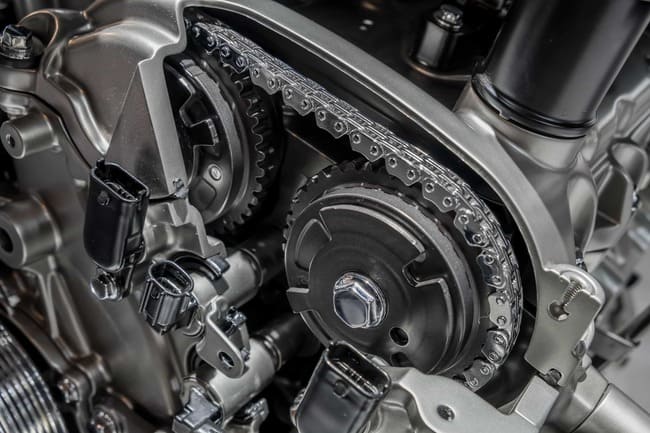
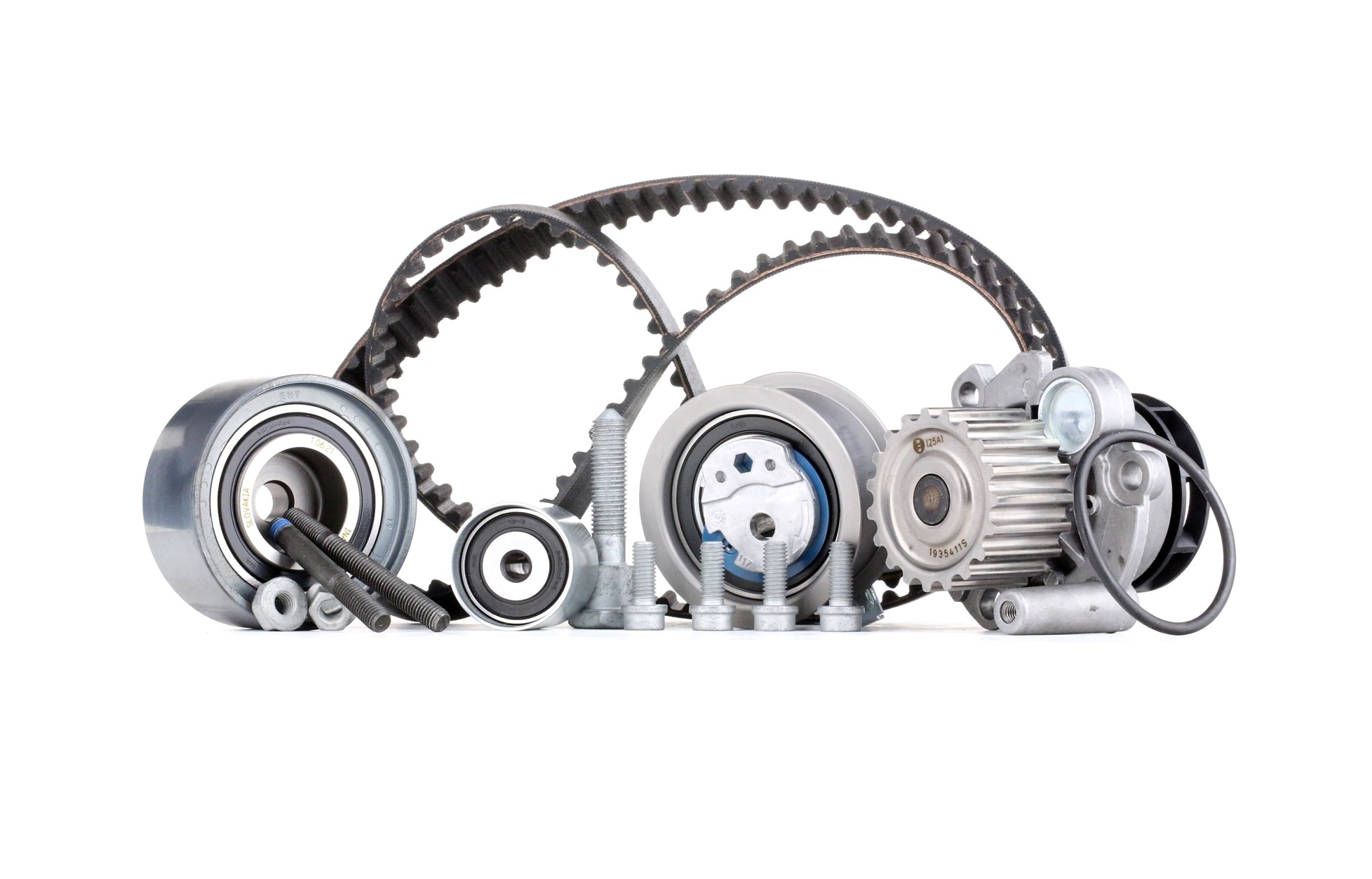
The timing chain of the 3.0 TFSI engine in the Audi SQ5 shows frequent signs of wear, particularly in model years 2014 to 2017, which can occur from 80,000 kilometres. These frequent faults manifest themselves in the form of characteristic rattling noises during cold starts, which may initially disappear after the engine has warmed up. However, as wear progresses, the noises also occur when the engine is warm and can lead to serious engine damage. The timing chain no longer functions properly if the chain tensioners or guide rails are worn, which can lead to uneven engine running and possible valve damage. What is particularly problematic is that these weak points often occur without warning and the vehicle suddenly stops starting or can only be driven to a limited extent.
Regular maintenance is crucial for the early detection of timing chain problems. The sensitive Audi SQ5 timing chain systems require a systematic check every 15,000-20,000 kilometres, paying particular attention to unusual noises and vibrations. Diagnosis is carried out by visually inspecting the chain tensioners and measuring the chain elongation using special measuring devices. At the first sign of wear, the complete timing chain, including tensioner and guide rails, should be replaced to prevent major engine damage. The service life of the timing chain can be significantly extended by regularly changing the oil with high-quality engine oil and avoiding short journeys.
Audi SQ5: Problems with the injectors in the 3.0 TFSI
The injectors of the 3.0 TFSI engine in the Audi SQ5 show typical signs of wear between 100,000 and 150,000 kilometres, with the 2015 and 2016 model years being particularly affected. These symptoms are manifested by unsteady idling, reduced engine performance and increased fuel consumption. The fuel injectors can become clogged with deposits or mechanically worn, resulting in uneven fuel distribution. Symptoms such as engine stuttering, especially at low engine speeds, and the engine control light coming on are typical signs of defective injectors. In severe cases, the engine can no longer start properly or switches to emergency running mode.
A systematic check is essential for diagnosing injector problems. The precise Audi SQ5 injection systems require regular cleaning with special additives and professional maintenance every 30,000-40,000 kilometres. Diagnosis is carried out by reading out the error codes and measuring the injection quantities with a diagnostic device. Defective injectors must be replaced individually or as a set, and the system must be calibrated. Preventive measures such as the use of fuel additives and regular injector cleaning can significantly extend the service life of the injectors and prevent breakdowns.
Audi SQ5: Problems with the S tronic transmission

The S tronic dual-clutch transmission in the Audi SQ5 occasionally exhibits shifting problems in model years 2015 to 2018, which typically occur between 60,000 and 100,000 kilometres. These weak points are characterised by jerky gear changes, delayed shift reactions and occasional jamming in individual gears. The gearbox no longer shifts smoothly and in extreme cases can fail completely, making the vehicle undriveable. Particularly problematic are the clutches and the hydraulic unit, which can wear out prematurely due to intensive use or inadequate maintenance. Errors in the control unit can also lead to unpredictable shift patterns.
Professional maintenance is crucial for the longevity of the transmission. The complex Audi SQ5 S tronic systems require regular oil changes every 60,000 kilometres and an adjustment of the clutches by authorised workshops. Diagnosis is carried out by reading out the transmission control units and checking the hydraulic pressures. At the first sign of shifting problems, the transmission software should be updated and the clutch adaptation replaced. Preventive measures such as a gentle driving style, especially during the running-in period, and regular maintenance can significantly improve the reliability of the transmission.
Audi SQ5: Problems with the turbocharger in the 3.0 TFSI
The turbocharger of the 3.0 TFSI engine in the Audi SQ5 can show signs of wear from 120,000 to 180,000 kilometres with intensive sporty use, with the 2017 and 2018 model years being particularly affected. These frequent faults manifest themselves through a noticeable loss of power, increased oil consumption and characteristic whistling noises when accelerating. The turbocharger no longer functions optimally if the bearings are worn or the compressor blades have been damaged. Typical symptoms are reduced acceleration, black or blue smoke from the exhaust and illumination of the engine control light. In severe cases, the turbocharger may fail completely, resulting in a significant loss of power.
A professional inspection is necessary to recognise turbocharger damage at an early stage. The highly stressed Audi SQ5 turbocharger systems require regular checks of the oil supply and a check of the boost pressure every 20,000-30,000 kilometres. Diagnosis is carried out by measuring the boost pressure, visually inspecting the compressor vanes and analysing the engine oil for metal particles. At the first sign of wear, the turbocharger should be replaced and the entire oil and air system cleaned. The service life can be extended considerably by regularly changing the oil with high-quality oil, warming up the engine before sporty driving and running it after intensive use.
Audi SQ5: Problems with the air suspension
The adaptive air suspension of the Audi SQ5 shows typical signs of wear at higher mileages from 80,000-120,000 kilometres, which are manifested by uneven vehicle height and error messages in the instrument cluster. These weak points mainly affect the air bags and the compressor, which are subject to constant pressure changes and weather influences. The system no longer functions correctly if there are leaks in the air lines or defective valves. Symptoms such as one-sided lowering of the vehicle, prolonged levelling and compressor noises indicate problems. In severe cases, the system switches to emergency mode and the suspension becomes stiff.
Regular maintenance is essential for the air suspension to function properly. The sensitive Audi SQ5 air suspension systems require an annual inspection of all components and a check for leaks. Diagnosis is carried out by measuring the pressure, visually inspecting the spring bellows and reading out the control unit error codes. In the event of leaks, the affected components must be replaced and the system recalibrated. Preventive measures such as regular cleaning of the spring bellows and avoiding extreme loads can significantly increase the service life of the system.
Additional common faults of the Audi SQ5
Based on the experiences of Audi SQ5 owners, the following additional problems occur:
- High pressure pump failures: Typically occur after 80,000-120,000 km, especially with irregular maintenance or low-quality fuels.
- Exhaust gas recirculation valve problems: Can occur as early as 60,000-90,000 km, often caused by soot deposits.
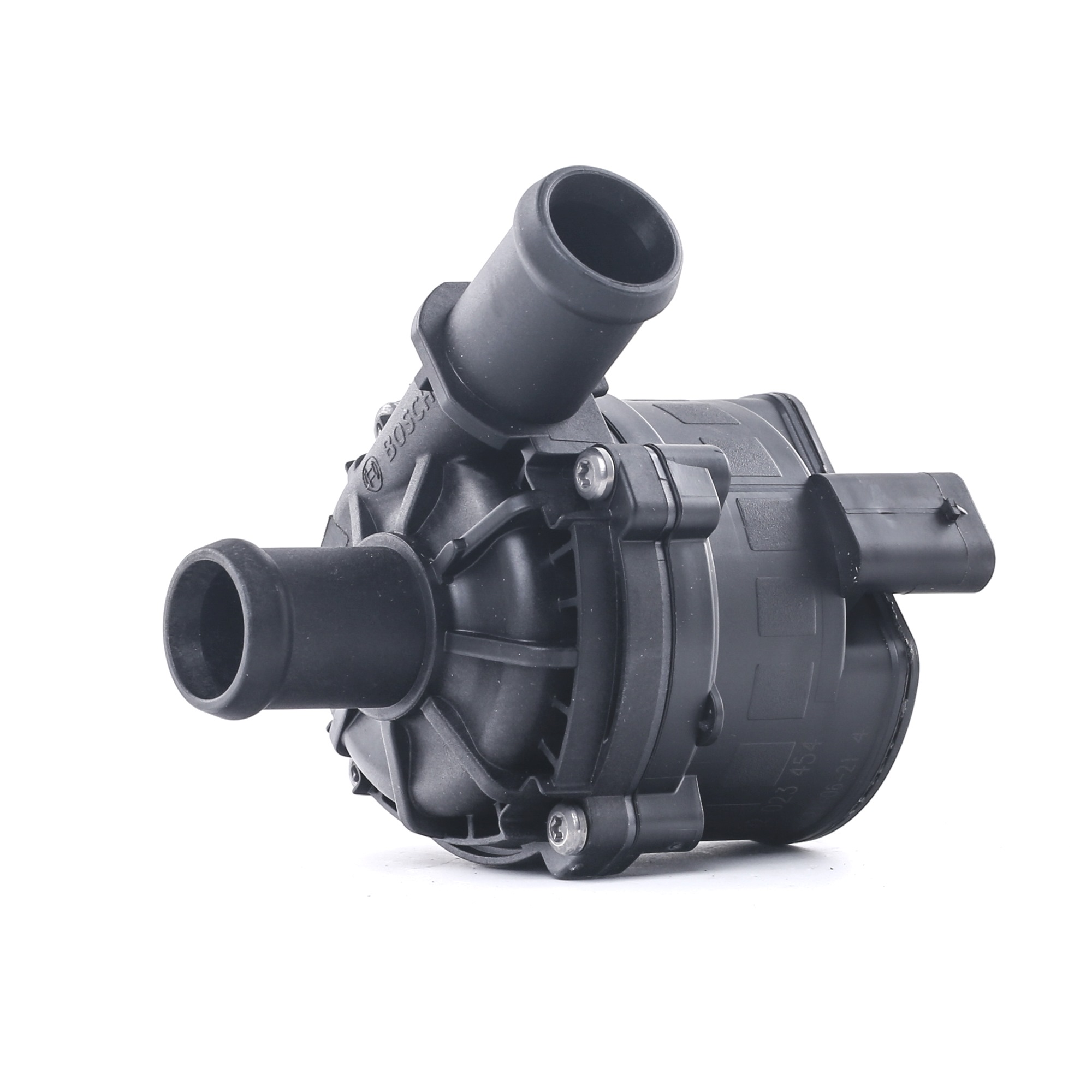
- Water pump leaks: Often show up after 100,000-140,000 km, especially in early 3.0 TFSI engines.
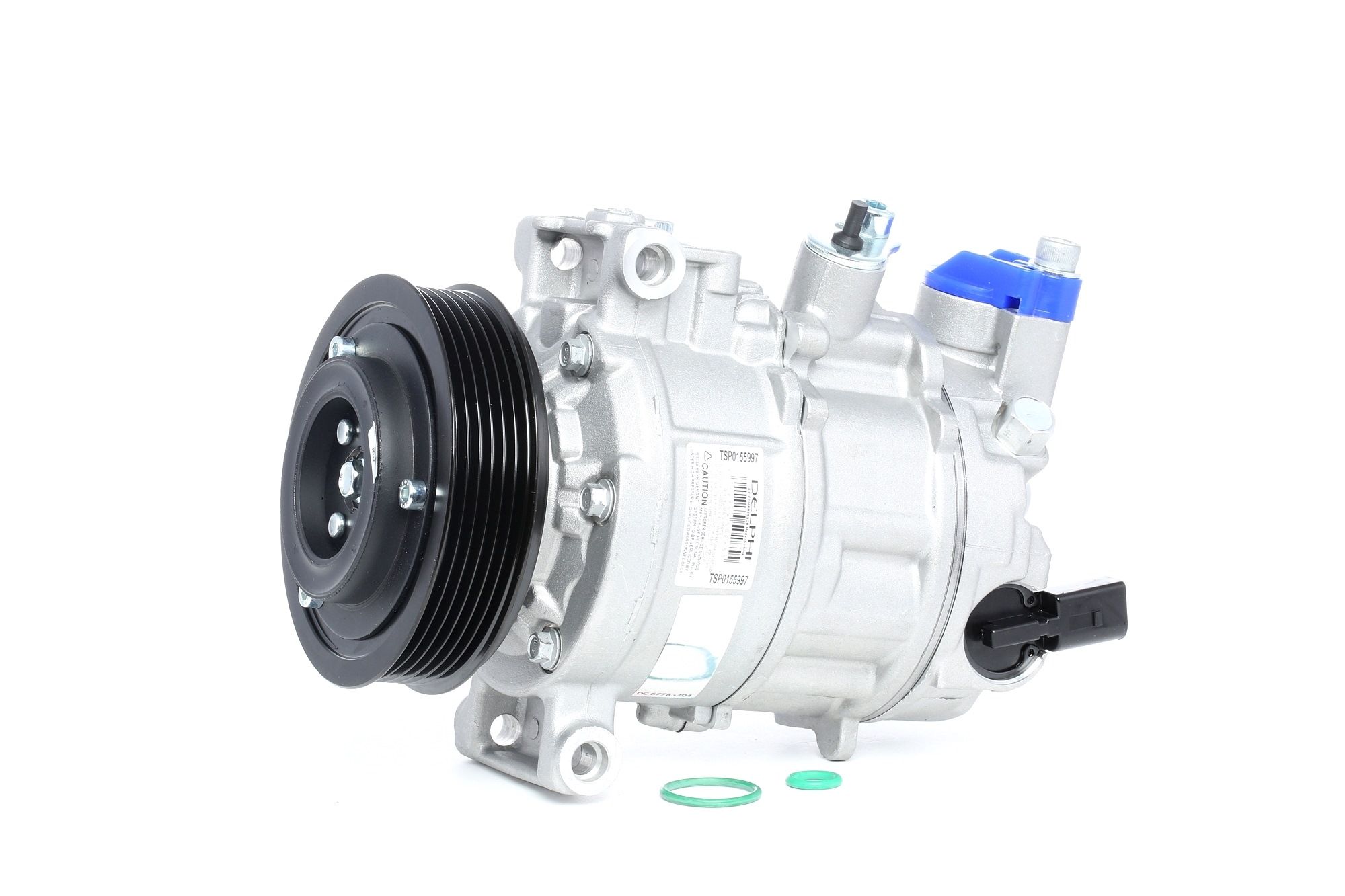
- Air conditioning compressor failures: Often occur after 80,000-120,000 km, usually due to wear of the internal seals.
- Xenon headlight problems: Can occur after 50,000-80,000 km, often due to defective ballasts or burners.
- Parking sensor failures: Often show up after 60,000-100,000 km, especially with frequent use in urban areas.

Audi SQ5: weaknesses and strengths
| Strengths and weaknesses |
Weak points |
| Powerful engine performance |
Timing chain wear |
| High-quality interior |
Injector problems |
| Excellent build quality |
Transmission shifting problems |
| Advanced assistance systems |
Turbocharger wear |
| Sporty driving behaviour |
Air suspension failures |
| Good everyday usability |
High maintenance costs |
| High resale values |
Electronic faults |
The Audi SQ5 proves to be a powerful and comfortable SUV, but it requires regular and professional maintenance. Most problems can be avoided through preventive measures and timely intervention. The mechanical components in particular, such as the timing chain and turbocharger, require attentive care to ensure the reliability and service life of the vehicle.


 5 December 2025