Problems with the Mini Cooper S

Reliability Mini Cooper S: common problems, issues symptoms and faults
- Timing chain problems: The timing chain in a Mini Cooper S can show signs of wear as early as 60,000-80,000 km, especially in the R53 and R56 models. Typical symptoms include rattling during cold starts and metallic noises from the engine compartment.
- Immobilizer won't start: The "immobilizer won't start" problem often occurs in models from 2008 onwards when the key no longer communicates properly with the electronics. This can occur as early as 40,000-60,000 km.
- Compressor problems: In the R53 models from 2005-2006, compressor defects can occur as early as 80,000 km, which are noticeable through loss of power and unusual noises.
- Air conditioning does not cool: The problem “air conditioning does not cool” particularly affects the convertible models R52 and R57 from 2007-2011 and can occur as early as 50,000 km due to defective compressors or leaking lines.
Mini Cooper S R53: Timing chain problems
The timing chain in the Mini Cooper S R53 (2005-2006) with 163 hp and 170 hp often exhibits premature wear, manifesting with characteristic symptoms such as rattling during cold starts, metallic noises from the engine compartment, and rough idling. These issues typically occur between 60,000 and 80,000 km, but can develop earlier if maintenance is inadequate. The supercharged engine in the R53 is particularly susceptible to timing chain problems, as the additional load from the turbocharger places greater strain on the chain. Aggressive driving or irregular oil changes can significantly shorten the timing chain's lifespan.
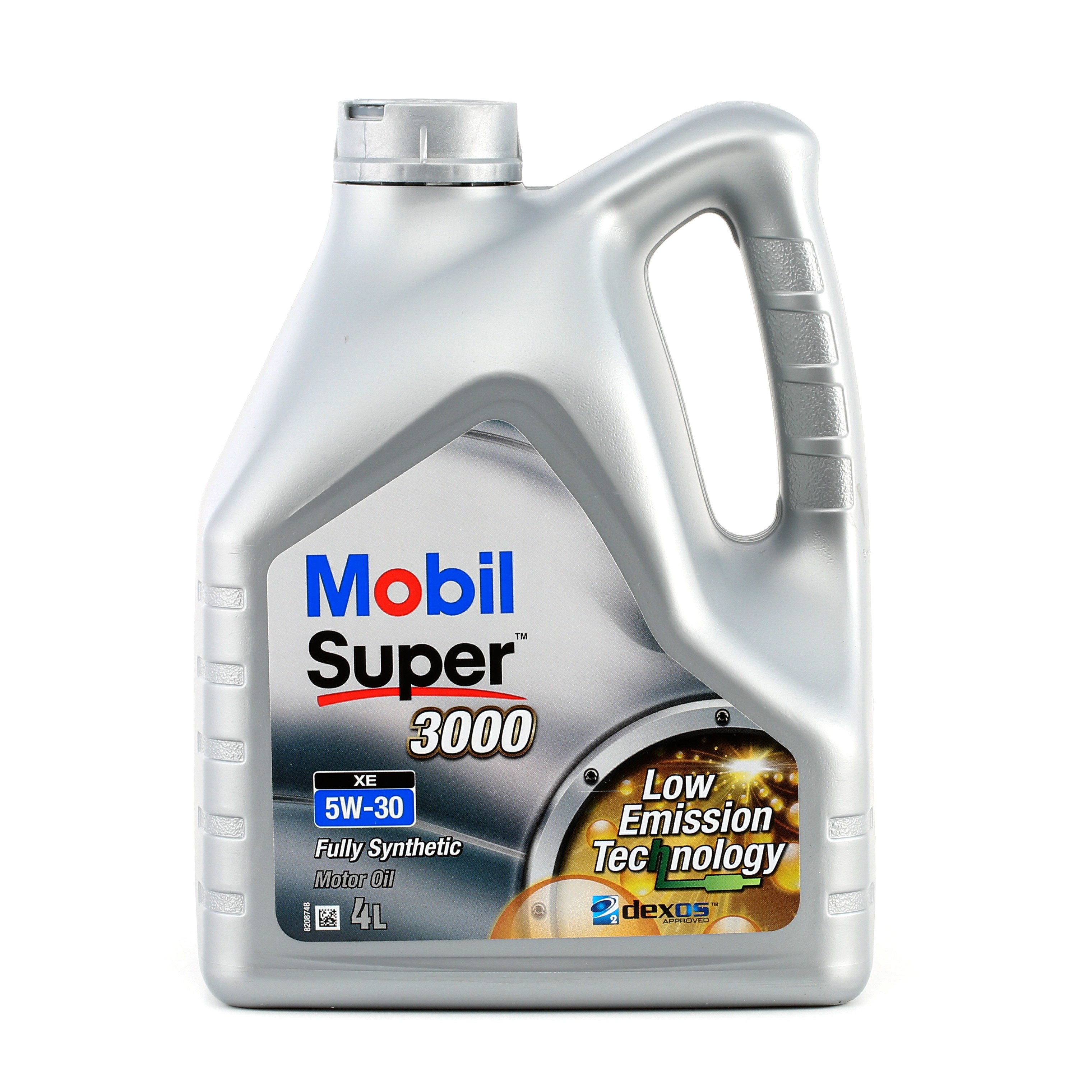
A systematic inspection is essential for the early detection of timing chain problems. The sensitive Mini Cooper S R53 timing chain tensioners require regular inspections every 30,000 km and prompt replacement at the first sign of wear. Professional maintenance with high-quality oils and adherence to service intervals can significantly improve reliability and prevent costly consequential engine damage.
Mini Cooper S R56: Problems with the immobilizer
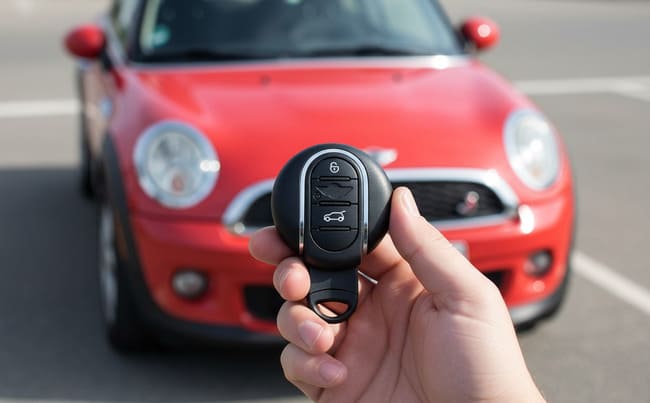
The "immobilizer won't start" problem in the Mini Cooper S R56 (2007-2012) with 174 hp, 178 hp, and 184 hp manifests itself in a complete inability to start, even though all other systems appear to be functioning. These errors occur particularly frequently in 2008 and 2009 models when the key no longer works properly and communication between the key and the control unit is disrupted. The electronic immobilizer can cause failures as early as 40,000-60,000 km, especially if the key has been exposed to frequent temperature fluctuations or humidity. Symptoms include the immobilizer warning light illuminating, the starter motor not responding, and occasionally problems with the central locking system.
Regular maintenance is crucial for the functionality of the electronic systems. The complex Mini Cooper S immobilizer modules require regular software updates and key battery checks every 24 months. A professional diagnosis using special BMW/Mini diagnostic tools can uncover hidden errors in the system and correct them through reprogramming or key reprogramming.
Mini Cooper S F56: Engine problems
The Mini Cooper S F56 (from 2014) with 192 hp and 211 hp exhibits specific engine problems, primarily manifesting as loss of power, rough idling, and increased fuel consumption. These symptoms typically occur between 80,000 and 120,000 km and particularly affect the direct injection and turbocharger systems. The engine does not switch properly between different operating modes, resulting in jerky acceleration and reduced performance. Common faults include clogged injectors, faulty ignition coils, and exhaust gas recirculation problems, which manifest themselves as black smoke from the exhaust and increased emissions.
A professional inspection is required for precise diagnosis of the complex engine control system. The sophisticated Mini Cooper S F56 turbocharger systems require thorough cleaning of the injectors every 60,000 km and regular checks of the boost pressure lines. Preventative maintenance with high-quality fuel additives and adherence to the prescribed service intervals can significantly extend the engine's service life.
Mini Cooper S Cabrio: Problems with the air conditioning

The "air conditioning not cooling" problem in the Mini Cooper S Convertible R52 (2005-2008) and R57 (2009-2016) affects both the 163 hp and 184 hp variants and manifests itself in insufficient cooling performance, warm air from the vents, and unusual noises from the air conditioning compressor. These complaints are particularly common in convertible models, as the additional sunlight and larger interior space place greater strain on the system. Symptoms typically appear after 50,000-70,000 km due to defective compressors, leaking refrigerant lines, or clogged condensers. In the 2010 and 2011 models, electronic control unit defects are also common, leading to intermittent air conditioning failures.
Professional maintenance is essential for optimal air conditioning function. The sophisticated Mini Cooper S Convertible air conditioning systems require a full inspection every 40,000 km, including refrigerant refills and condenser cleaning. Regular disinfection of the evaporator and replacement of the cabin filter every 15,000 km can prevent odor buildup and ensure system reliability.
Mini Cooper S All4: Problems with the automatic transmission
The automatic transmission in the 192 hp Mini Cooper S All4 exhibits characteristic weaknesses, manifesting as jerky shifts, delayed gear changes, and the problem of "not shifting" into certain gears. These problems typically occur between 100,000 and 140,000 km and particularly affect all-wheel drive models due to the additional mechanical stress of the All4 system. The automatic transmission does not function properly in cold temperatures and frequently exhibits errors in the electronic control system, leading to limp mode and reduced performance. Symptoms include harsh shifting, slippage between gears, and occasionally complete failure of the automatic function.
Systematic inspection is critical for the longevity of the transmission system. The complex Mini Cooper S All4 automatic transmissions require a complete oil change with special ATF every 80,000 km and regular software updates for the control units. Preventative maintenance, including a transmission filter change and avoiding trailer loads over 1.200 kg, can prevent premature wear and ensure optimal function.
Additional common defects of the Mini Cooper S
Based on the experiences of Mini Cooper S drivers, the following additional problems occur:
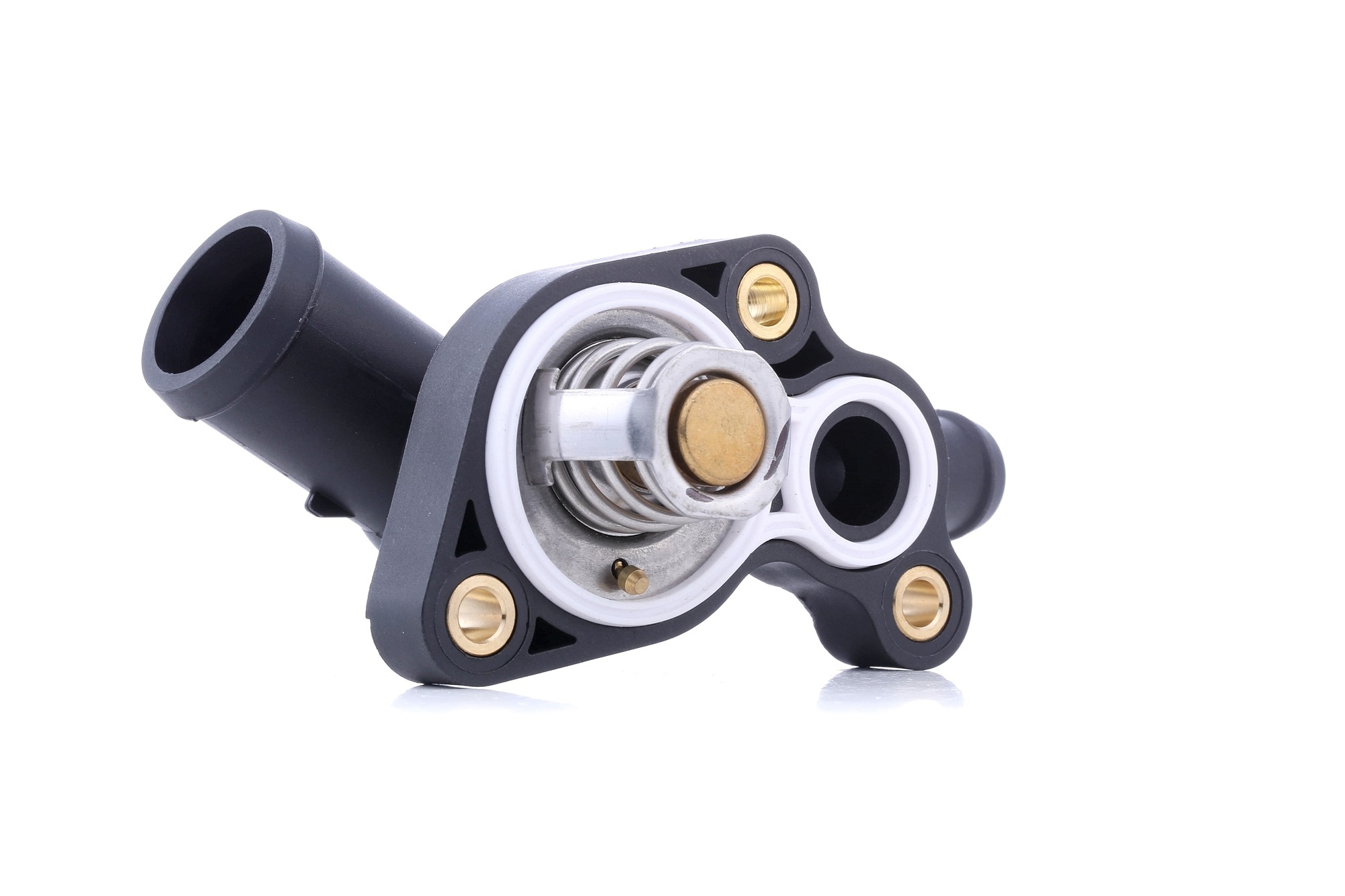
- Thermostat defects: Often occur after 90,000-110,000 km, especially in R56 models with 174 hp, leading to overheating or low operating temperatures.
- Fuel pump problems: Can occur as early as 70,000 km, affect all engine variants and manifest themselves as starting problems and loss of power.
- Window regulator defects: Typically occur after 80,000-100,000 km, especially in convertible models R52 and R57, due to wear of the guide rails.
- Steering gear leaks: Usually appear after 120,000-150,000 km due to hydraulic oil loss and stiff steering.
- Xenon headlight failures: Mainly affect 2009-2012 models after 60,000-80,000 km due to defective ballasts.

Mini Cooper S: Weaknesses and strengths
| Strengths |
Weak points |
| Sporty driving performance |
Timing chain problems |
| Precise steering |
Immobilizer failures |
| High-quality workmanship |
Air conditioning defects |
| Strong brakes |
Automatic transmission defects |
| Good road holding |
Electronic malfunctions |
| Characteristic design |
High maintenance costs |
| Extensive equipment |
Thermostat problems |
The Mini Cooper S proves to be a sporty car with distinctive characteristics, but one that requires consistent maintenance. Common defects tend to be mechanical wear parts and electronic components, which, if detected promptly and repaired professionally, can ensure the vehicle's reliability. Regular inspection of the timing chain, air conditioning, and electronic systems is particularly crucial for long-term satisfaction with the vehicle.


 10 October 2025 (updated)