Problems with the Mini Countryman

Reliability Mini Countryman: common problems, issues symptoms and faults
- Timing chain won't start: The timing chain in the Mini Countryman R60 begins to show signs of wear after 80,000-100,000 km, especially in the 1.6 turbo engines. The problem manifests itself in starting difficulties and engine noise when starting.
- Air conditioning not cooling: A common problem in the Mini Countryman F60 and R60 is a faulty air conditioning system, which loses its cooling capacity after just 40,000–60,000 km. Models from 2011 to 2013 are particularly affected by this problem.
- Automatic transmission does not shift: The automatic transmission in many Countryman models shows shifting problems from 120,000-150,000 km, especially in the ALL4 variants with 184 hp and 122 hp output.
- Battery severely discharged: The hybrid versions of the Mini Countryman suffer from frequent battery problems, which can occur after just two to three years. The high-voltage battery shows premature signs of aging, leading to reduced electric range.
Mini Countryman: Timing chain and starting problems
The timing chain in the Mini Countryman, especially in the 2012 and 2013 R60 models, exhibits characteristic weak points that manifest themselves with typical symptoms. The 1.6-liter turbo engine with 184 hp is particularly susceptible to timing chain wear, which can occur as early as 80,000 km. The problem manifests itself as metallic noises during cold starts, rough idling, and, in severe cases, complete failure during starting. The service life of the timing chain is significantly shortened by irregular oil changes and the use of substandard oils, with the first signs often appearing as early as 60,000-70,000 km.
Regular maintenance is essential for the longevity of the timing chain system. The precise Mini Countryman timing chains require special attention and regular inspections every 15,000 km to detect early signs of wear. Diagnosis is achieved by listening to engine noises, checking the timing, and, if necessary, an engine endoscopy. At the first sign of wear, the timing chain, including tensioners and guide rails, should be replaced to prevent further engine damage.
Mini Countryman: Problems with the air conditioning
The Mini Countryman's air conditioning system frequently exhibits defects that manifest themselves as insufficient cooling performance or complete failure. Models from 2011 to 2013 are particularly affected by this problem, with the first symptoms often appearing after just 40,000–50,000 km. The most common causes are defective compressors, leaking condensers, or clogged expansion valves. In ALL4 models, there is also the problem that the increased energy demand of the all-wheel drive system places additional strain on the air conditioning system. The reliability of the air conditioning system is compromised by the compact design and the associated poor ventilation of the engine compartment.
A systematic inspection is necessary to detect air conditioning problems early. The sensitive Mini Countryman air conditioning components require annual maintenance, including a leak test and refrigerant refill. Diagnosis includes checking the refrigerant pressure, inspecting all lines for leaks, and testing the compressor for proper function. Preventative measures such as regular filter changes every 15,000 km and annual disinfection of the evaporator can significantly extend its service life.
Mini Countryman: Problems with the automatic transmission
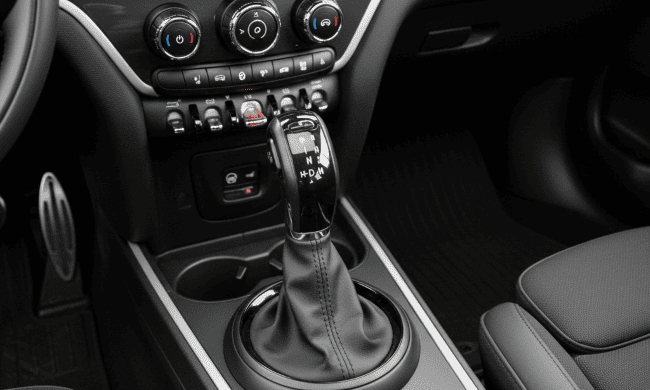
The automatic transmission of the Mini Countryman, especially the ALL4 variants, exhibits characteristic weaknesses that manifest themselves in jerky gearshifts, delayed responses, or complete failure. The 8-speed automatic transmission in the newer F60 models is particularly susceptible to software problems and mechanical clutch wear. Problems occur more frequently in vehicles with higher mileage, starting at 120,000–150,000 km, with the diesel variants being more severely affected due to their higher torque. The 184 hp and 122 hp versions exhibit different failure patterns, with the more powerful engines potentially causing transmission failure earlier.
A professional inspection is essential for the timely detection of transmission problems. The complex Mini Countryman automatic transmissions require an oil change with special oil every 60,000 km and regular software updates. Diagnosis is performed by reading error codes, checking shift timing, and, if necessary, an endoscopy of the transmission. Preventative maintenance through regular oil changes and careful driving can significantly extend the service life of the transmission and avoid expensive repairs.
Mini Countryman: Problems with the hybrid battery
The hybrid versions of the Mini Countryman suffer from specific battery problems, which manifest themselves in reduced electric range, frequent discharge, and error messages on the display. The high-voltage battery begins to show signs of aging after just 2-3 years or 50,000-80,000 km, with individual cells losing their capacity. Particularly problematic is the severe discharge of the 12V battery, caused by the increased energy demand of the hybrid electronics. The battery life is significantly shortened by extreme temperatures, frequent deep discharge, and irregular use of the vehicle. Breakdowns caused by completely discharged batteries are significantly more common in hybrid models than in conventional drive systems.
Professional maintenance is crucial for the longevity of battery systems. The sensitive Mini Countryman Hybrid batteries require special diagnostic equipment and regular capacity measurements every 20,000 km. Diagnostics include checking cell voltages, temperature monitoring, and analyzing charging curves. Preventative measures such as regular charging, avoiding deep discharge, and using battery conditioning programs can significantly extend the service life of these expensive battery systems.
Mini Countryman: Problems with the tailgate

The Mini Countryman's electric tailgate frequently exhibits malfunctions, manifesting as incomplete opening, jamming, or complete failure. Models from 2012 onwards are particularly affected by this problem, with the first symptoms often appearing after just 30,000–50,000 km. The most common causes are defective actuators, worn gas springs, or problems with the electronic control system. Frost and low temperatures place additional strain on the mechanism. Dirt and moisture in the guide rails impair the reliability of the tailgate, leading to premature wear.
Regular maintenance is essential for the proper functioning of the tailgate. The mechanical Mini Countryman tailgate systems require cleaning and lubrication of the guide rails, as well as inspection of the gas springs, every 20,000 km. Diagnosis is performed by functionally testing the actuator motors, checking the electrical connections, and measuring the closing force. Preventative maintenance through regular cleaning and lubrication can prevent most problems and extend the lifespan of the expensive electronics.
Additional common defects of the Mini Countryman
Based on the experiences of Mini Countryman drivers, other typical weak points present themselves:
- Defective water pump: Often occurs in 1.6 turbo engines after 100,000-120,000 km, especially in the 184 hp variants due to increased thermal stress.
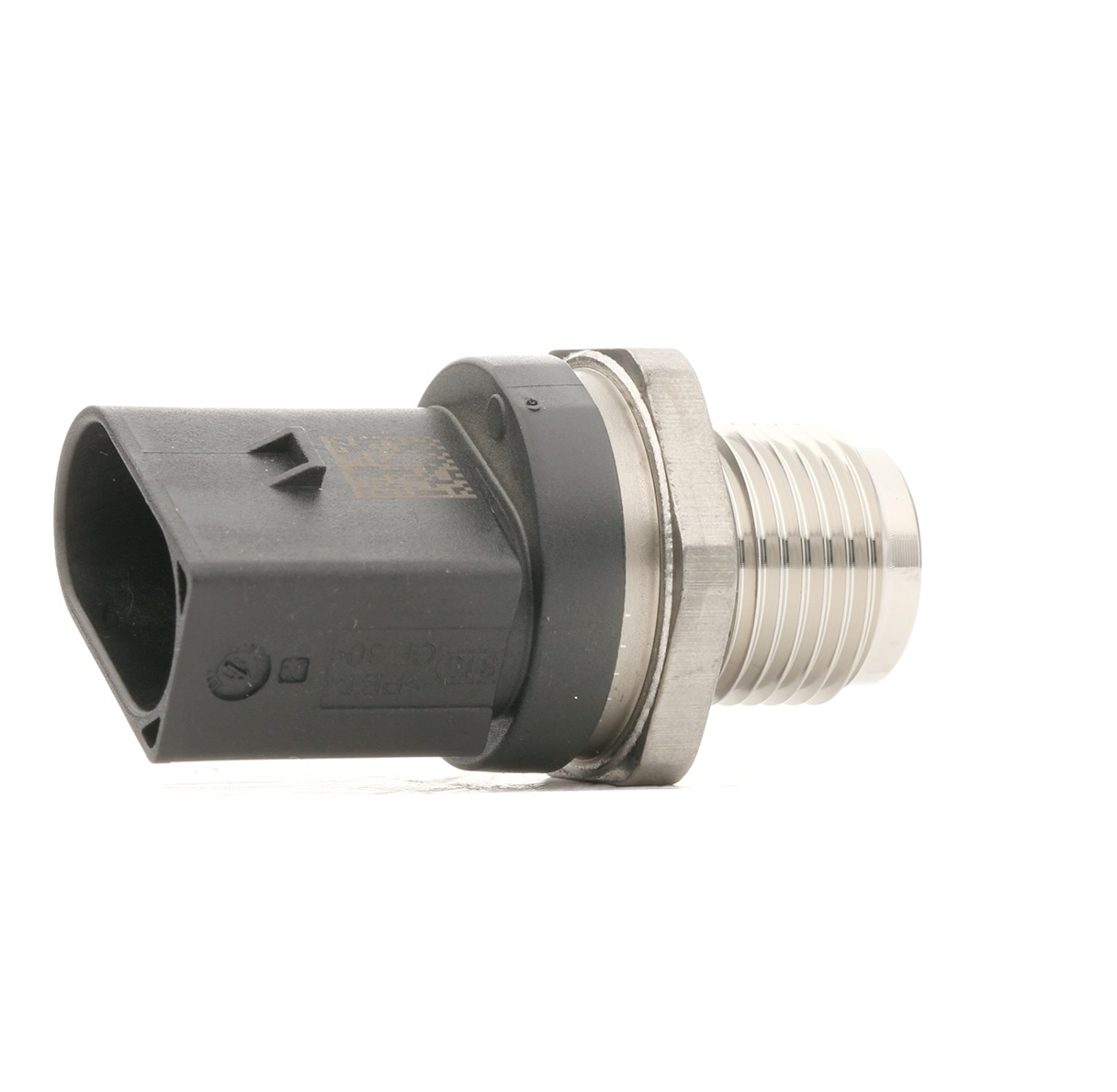
- Fuel pump problems: Manifest themselves after 80,000-100,000 km through irregular engine running and starting problems, especially in diesel models.
- Brake wear: The front brake discs show significant wear after just 40,000-60,000 km, due to the higher vehicle weight of the ALL4 models.
- Defective xenon headlights: Xenon bulbs often fail after 60,000-80,000 km, and replacement is expensive due to the special control units.
- Problems with exhaust gas recirculation: Diesel models in particular suffer from dirty EGR valves after 120,000 km, which leads to a loss of power.
- Clutch wear: In manual transmissions, clutch wear occurs as early as 80,000-100,000 km, depending on driving style.
- Defective lambda sensors: Occur in all engine variants after 100,000-150,000 km and lead to increased consumption and exhaust problems.

Mini Countryman: Weaknesses and strengths
| Strengths |
Weak points |
| High-quality interior |
Timing chain wear in turbo engines |
| Good driving performance |
Air conditioning problems |
| ALL4 all-wheel drive |
Automatic transmission defects |
| Modern assistance systems |
Hybrid battery problems |
| Characteristic design |
High maintenance costs |
| Good workmanship |
Electric tailgate faults |
| Sporty suspension tuning |
Common electronic malfunctions |
The Mini Countryman is a distinctive vehicle with typical premium qualities, but requires consistent and regular maintenance. The most common complaints concern the complex technology and electronic systems, which can lead to costly repairs if improperly handled. A preventative maintenance strategy and adherence to manufacturer specifications are crucial for the long-term reliability of this sophisticated vehicle.


 10 October 2025