Problems with the Opel Grandland X

Reliability Opel Grandland X: common problems, issues symptoms and faults
- Automatic transmission faults: The 8-speed automatic transmission shows abnormalities such as jerky gear changes or refusal to change gear from 20,000-40,000 km. The 2018 and 2019 models with 1.6 Turbo engine are particularly affected.
- Start-stop system malfunctions: The start-stop system does not work reliably and often deactivates for no apparent reason. These faults occur after just 5,000-15,000 km and affect all engine variants.
- Fuel filler cap problems: The electric fuel filler cap does not pop open or close properly. These complaints typically manifest after 10,000-25,000 km and are particularly documented in 2017-2019 models.
- Heated seat failures: The seat heater does not turn on or heats unevenly. These faults usually occur after the first winter, around 8,000-20,000 km mileage.
Opel Grandland X: Problems with the automatic transmission
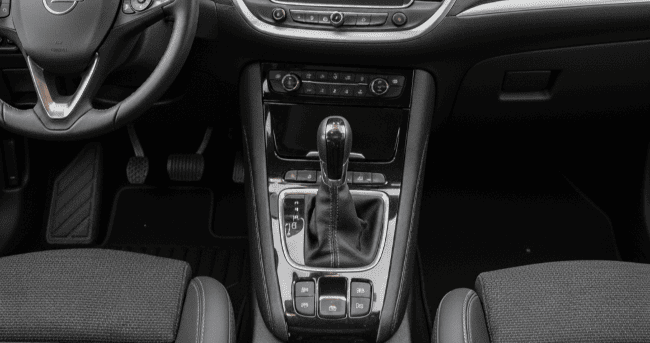
The 8-speed automatic transmission of the Opel Grandland X shows considerable weaknesses, especially in the 2018 and 2019 models with 1.6 Turbo engine. The most common symptoms are jerky gear changes, delayed reactions when changing gears and complete refusal to shift into certain gears. These problems typically manifest themselves between 20,000 and 40,000 km mileage, with a second wave of problems occurring at around 80,000-100,000 km. The reliability of the gearbox is particularly affected by frequent stop-and-go traffic, which significantly reduces its service life.
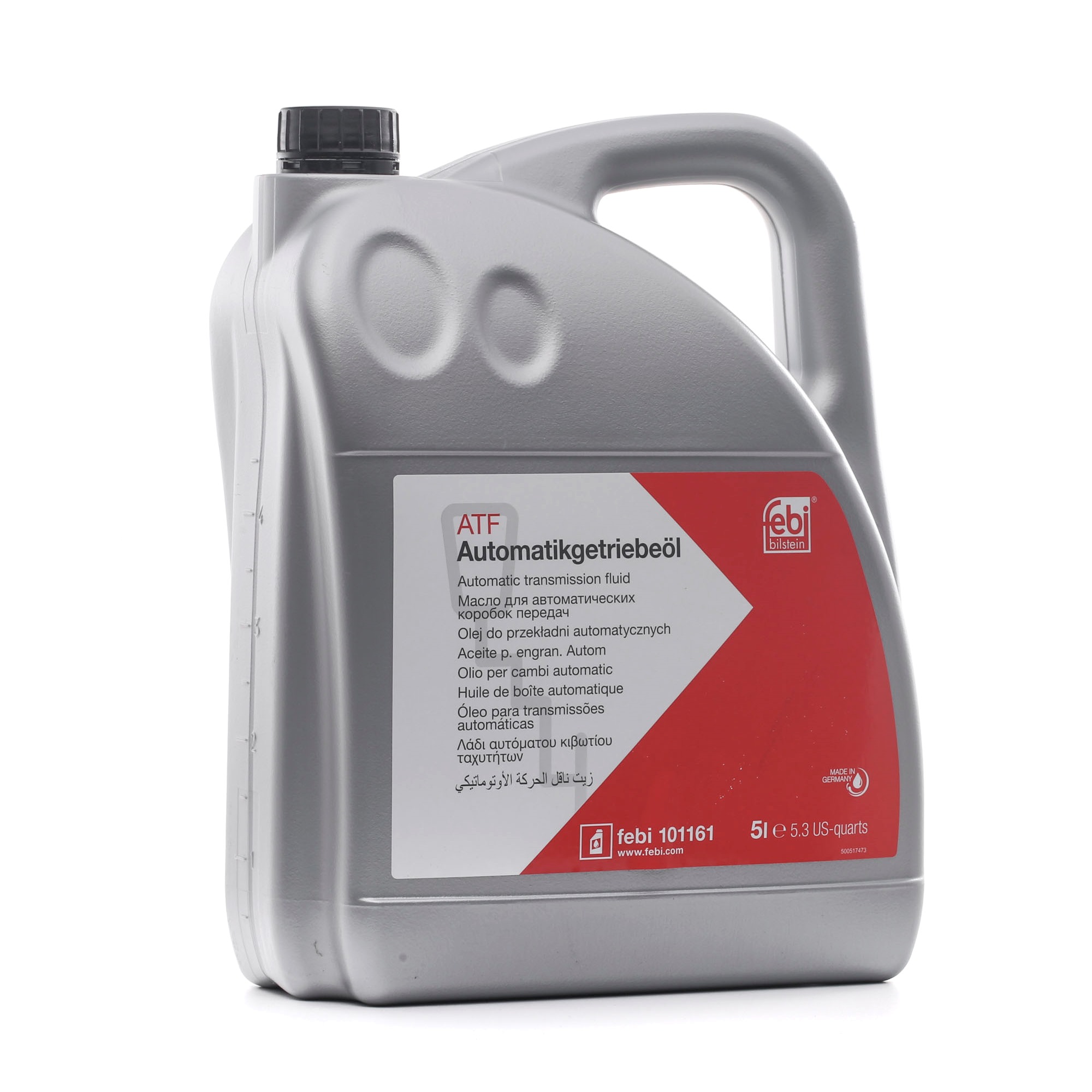
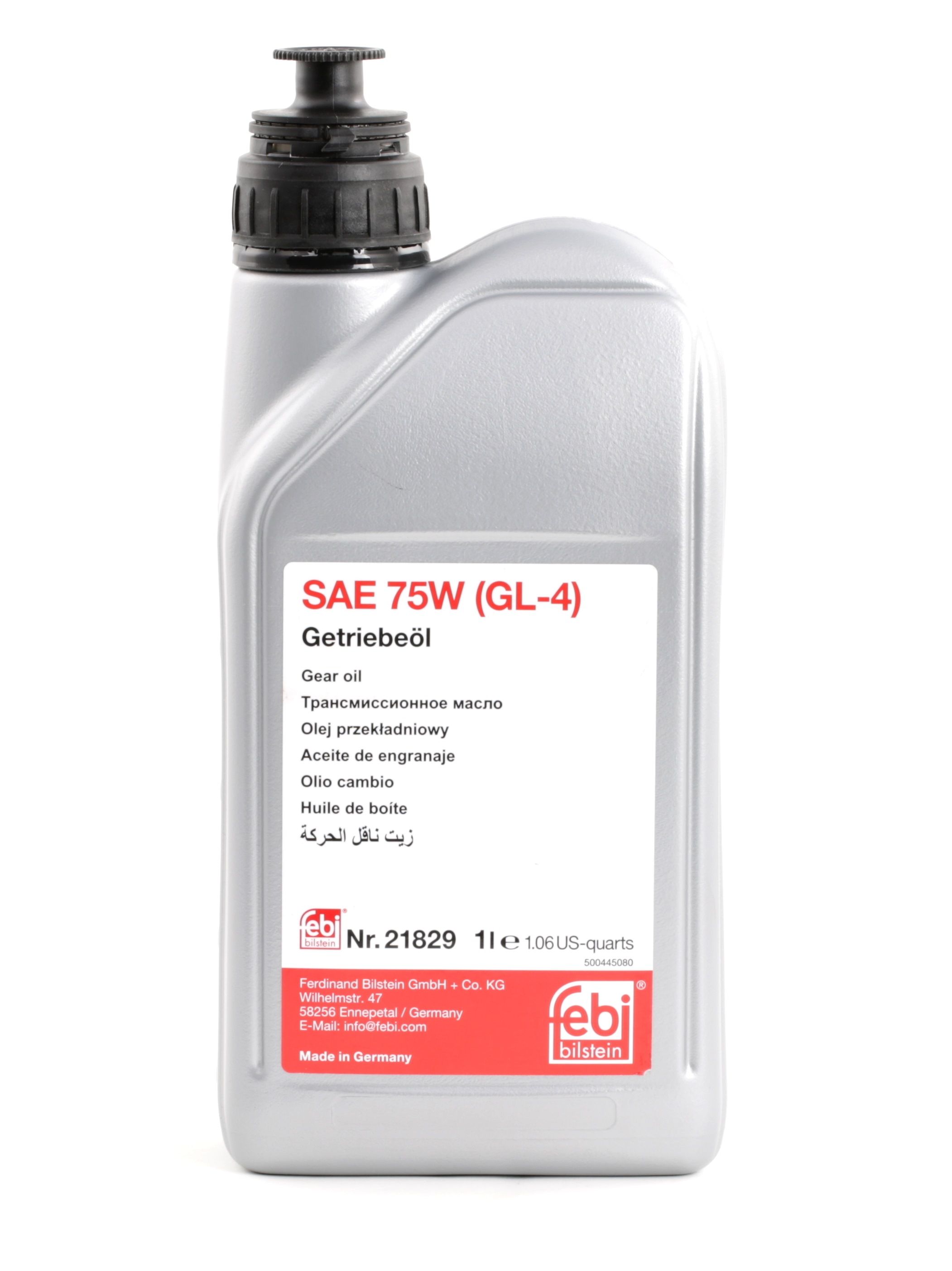
A systematic check is crucial for the early detection of transmission problems. The complex Opel Grandland X automatic transmissions require regular oil changes every 60,000 km and professional diagnosis at the first sign of shifting problems. Software updates can improve shifting characteristics in many cases, while more serious mechanical defects often require replacement of the transmission control unit or even the entire transmission.
Opel Grandland X: Problems with the 1.2 Turbo engine
The 1.2 Turbo engine of the Opel Grandland X has specific weak points that mainly manifest themselves in two phases. The first wave of problems occurs at 15,000-30,000 km and mainly affects the turbocharger unit and the high-pressure pump. Typical symptoms are loss of power, irregular idling and increased oil consumption. The second critical phase is at 60,000-80,000 km, where problems often occur with the timing chain and the injection valves. The reliability of this engine is particularly affected by short distances and frequent cold starts.
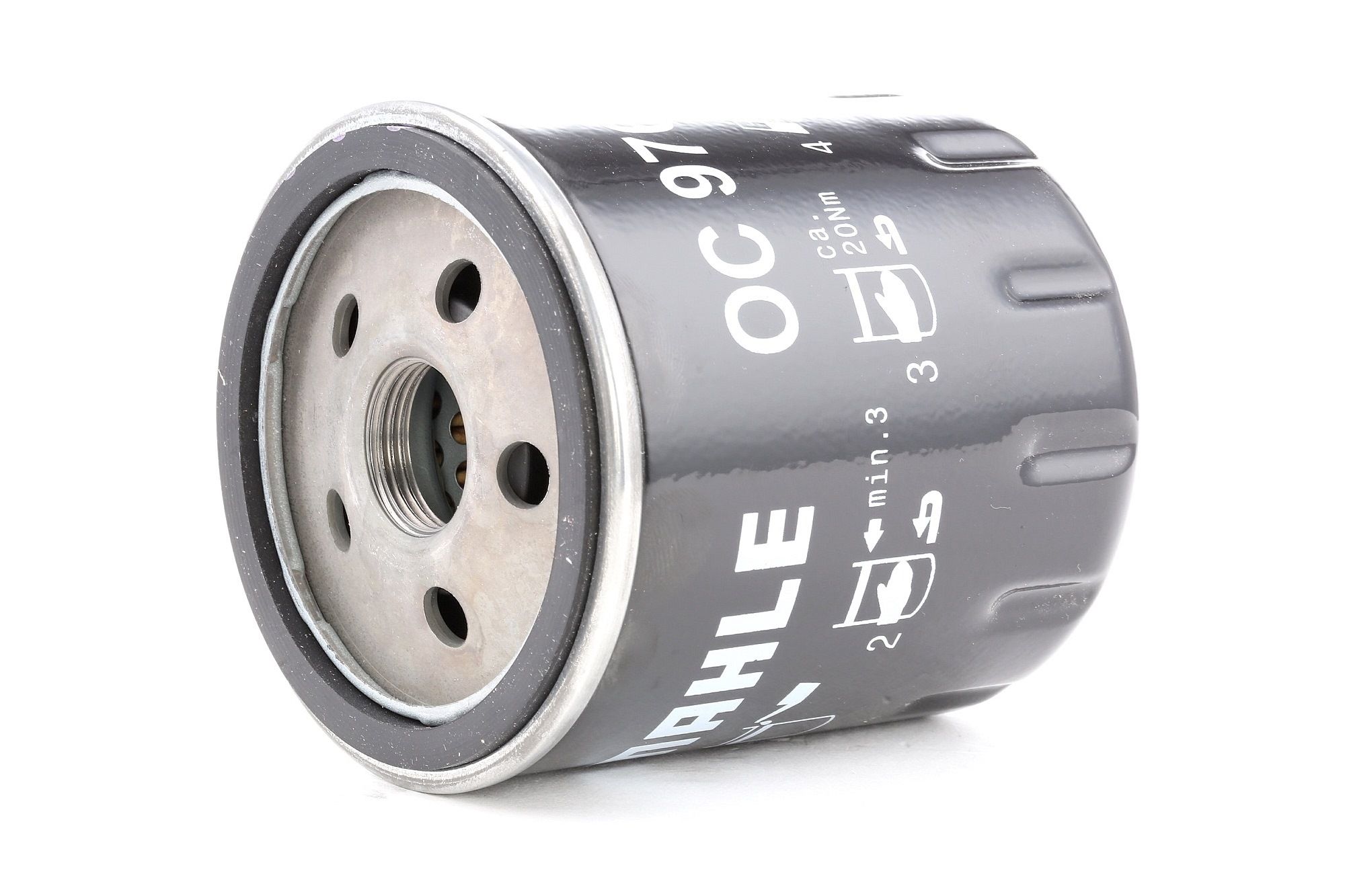
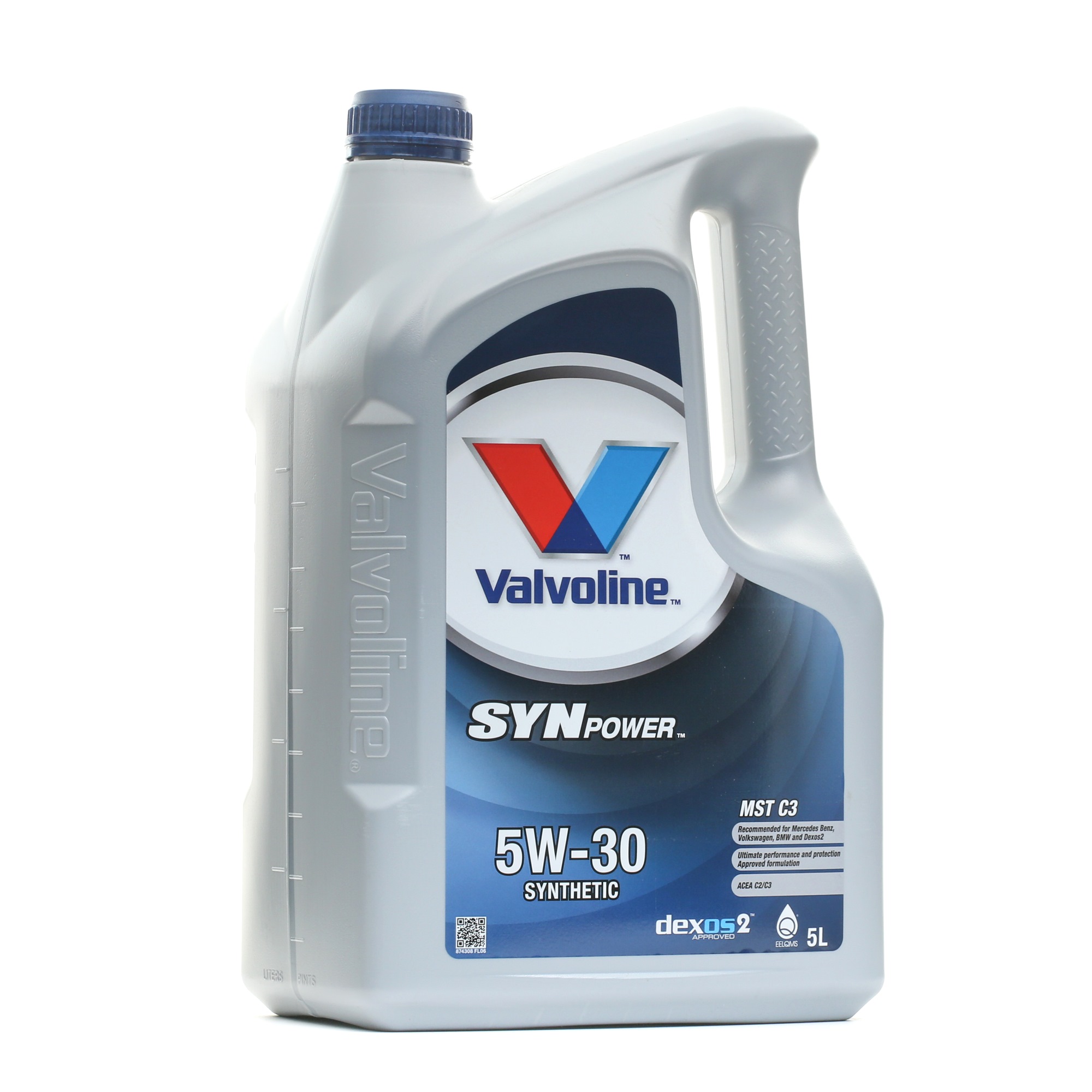
Regular maintenance is essential for the longevity of the engine. The sensitive Opel Grandland X 1.2 Turbo components require high-quality engine oils with low viscosity and regular change intervals of maximum 15,000 km. Preventive measures such as the use of fuel additives and regular cleaning runs at higher engine speeds can significantly extend the service life.
Opel Grandland X: Problems with the 1.5 diesel engine
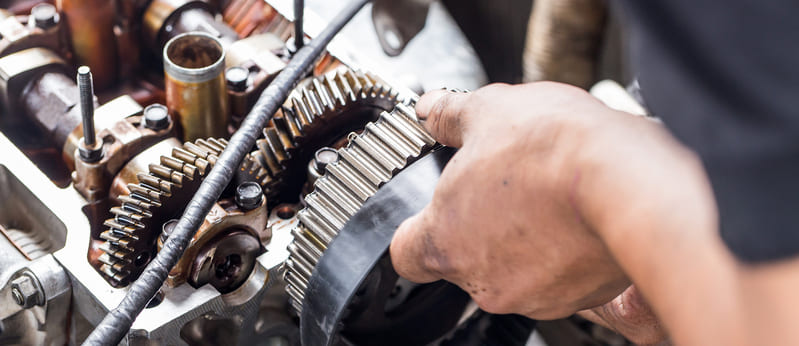
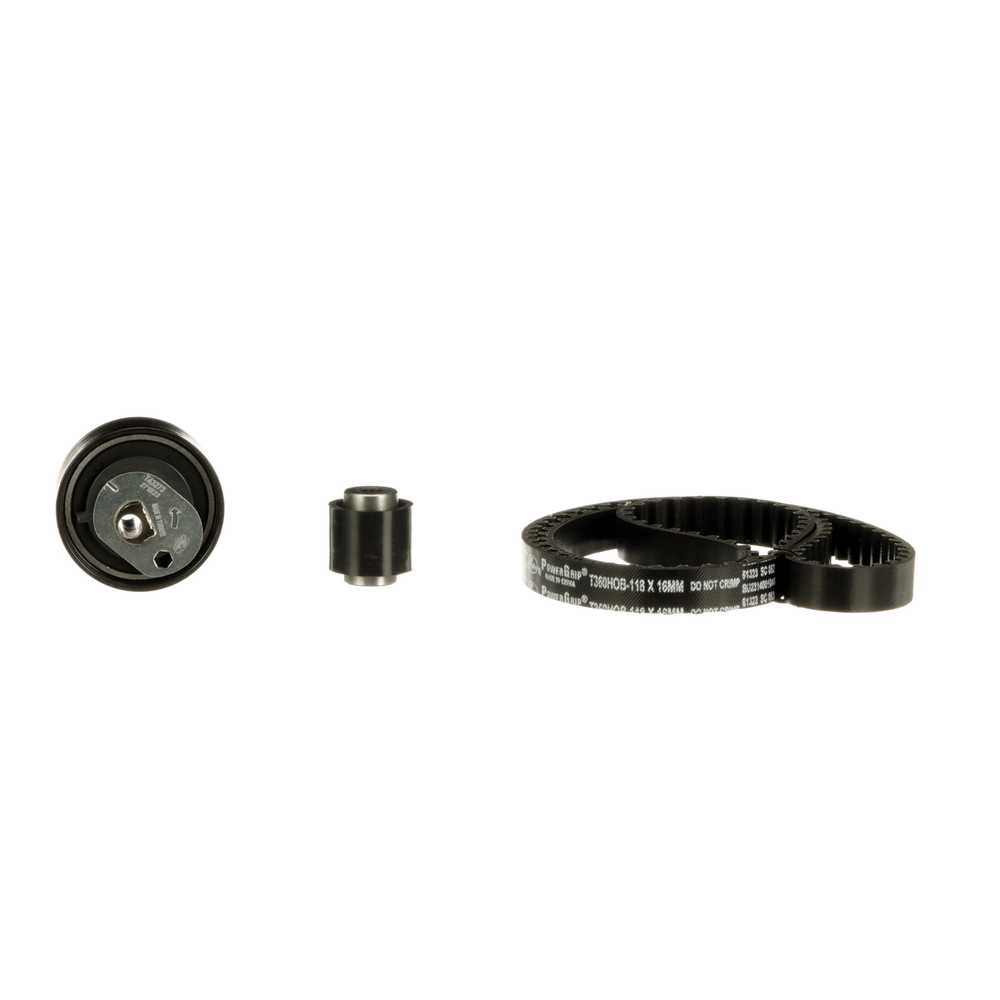
The 1.5 diesel engine of the Opel Grandland X shows specific problem patterns that mainly affect the exhaust aftertreatment. Critical phases occur at 30,000-45,000 km, where AdBlue consumption is often unusually high or the system fails completely. Typical symptoms are error messages regarding exhaust gas treatment, reduced engine performance in emergency running mode and problems with the SCR catalytic converter. Another wave of problems manifests itself at 70,000-90,000 km due to wear of the timing belt and associated components, which is particularly documented in the 2018 and 2019 models.
A systematic check is fundamental for the maintenance of the diesel unit. The sensitive Opel Grandland X 1.5 Diesel exhaust systems require regular checks of AdBlue consumption and professional cleaning of the SCR components every 40,000 km. The timing belt should be changed preventively at 100,000 km to avoid catastrophic engine damage, as it is an interference engine.
Opel Grandland X: Problems with the 2.0 diesel engine
The 2.0 diesel engine shows characteristic faults that occur particularly in vehicles with low annual mileage. The main problems are clogging of the diesel particulate filter as early as 25,000 km with predominantly short urban journeys, as well as defects in the EGR valve control at 40,000-60,000 km. Another wave of problems manifests itself at 100,000-120,000 km due to wear of the high-pressure pump and injectors. The most common complaints include loss of power, increased fuel consumption and engine warning lights indicating exhaust gas recirculation problems.
A professional inspection is required for optimum maintenance of the diesel unit. The sophisticated Opel Grandland X 2.0 Diesel systems require regular regeneration runs on the highway and special diesel additives to clean the fuel system. Preventive maintenance every 20,000 km with fuel and air filter changes and regular DPF regeneration can prevent costly repairs.
Opel Grandland X: Problems with the tailgate
The electric tailgate of the Opel Grandland X has several characteristic weak points that manifest themselves in different phases of use. Early problems occur at 5,000-15,000 km and mostly affect the sensors for contactless opening and the programming of the opening height. The tailgate does not work correctly, opens only partially or does not respond to commands from the remote control. A second wave of problems appears at 35,000-50,000 km due to wear of the gas struts and mechanical defects in the closing mechanisms, especially in the 2017 and 2018 models.
Professional maintenance is crucial for the tailgate to function properly. The complex Opel Grandland X tailgate systems require regular calibration of the sensors and lubrication of the mechanical components every 30,000 km. Software updates can fix many electronic problems, while mechanical defects often require replacement of the gas struts or the entire drive motor.
Additional common defects of the Opel Grandland X
Based on the experiences of Opel Grandland X drivers, we present an overview of additional weak points:
- Problems with the infotainment system: often occur after 12,000-25,000 km, manifested by system crashes and connectivity issues with smartphones.
- Defective parking sensors: Typically manifest after 20,000-35,000 km through false warnings or complete failure of the parking aid.
- Air conditioning problems: Usually occur after 25,000-40,000 km due to defective air conditioning compressors or leaking lines, especially in 1.6 diesel models.
- Problems with the immobilizer: Often manifest themselves after 15,000-30,000 km due to communication errors between the key and the vehicle.
- Defective LED headlights: Occur more frequently at 30,000-50,000 km due to moisture or electronic defects in the control units.
- Problems with the tire pressure monitoring system: Typically appear after the first tire change at 20,000-40,000 km due to a lack of sensor calibration.

Opel Grandland X: weaknesses and strengths
| Strengths |
Weak points |
| Spacious interior |
Automatic transmission faults |
| Modern safety equipment |
Start-stop system breakdowns |
| Good road holding |
Gas cap problems |
| Extensive warranty |
Seat heating failures |
| Low running costs |
1.2 Turbo reliability issues |
| Attractive design |
Tailgate malfunctions |
| Versatile engine range |
Diesel particulate filter blockages |
The Opel Grandland X presents itself as a modern SUV with good equipment, but with some characteristic teething troubles that particularly affect the first years of production. Most problems can be successfully rectified through consistent maintenance and timely intervention. It is particularly important to observe the maintenance intervals and use original parts for repairs to ensure the longevity of the vehicle.


 6 November 2025