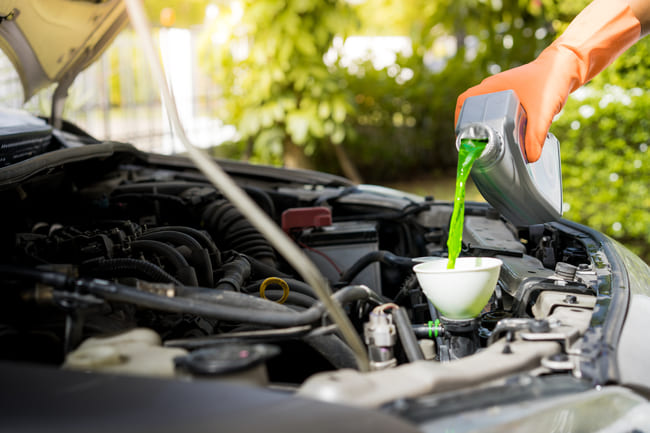
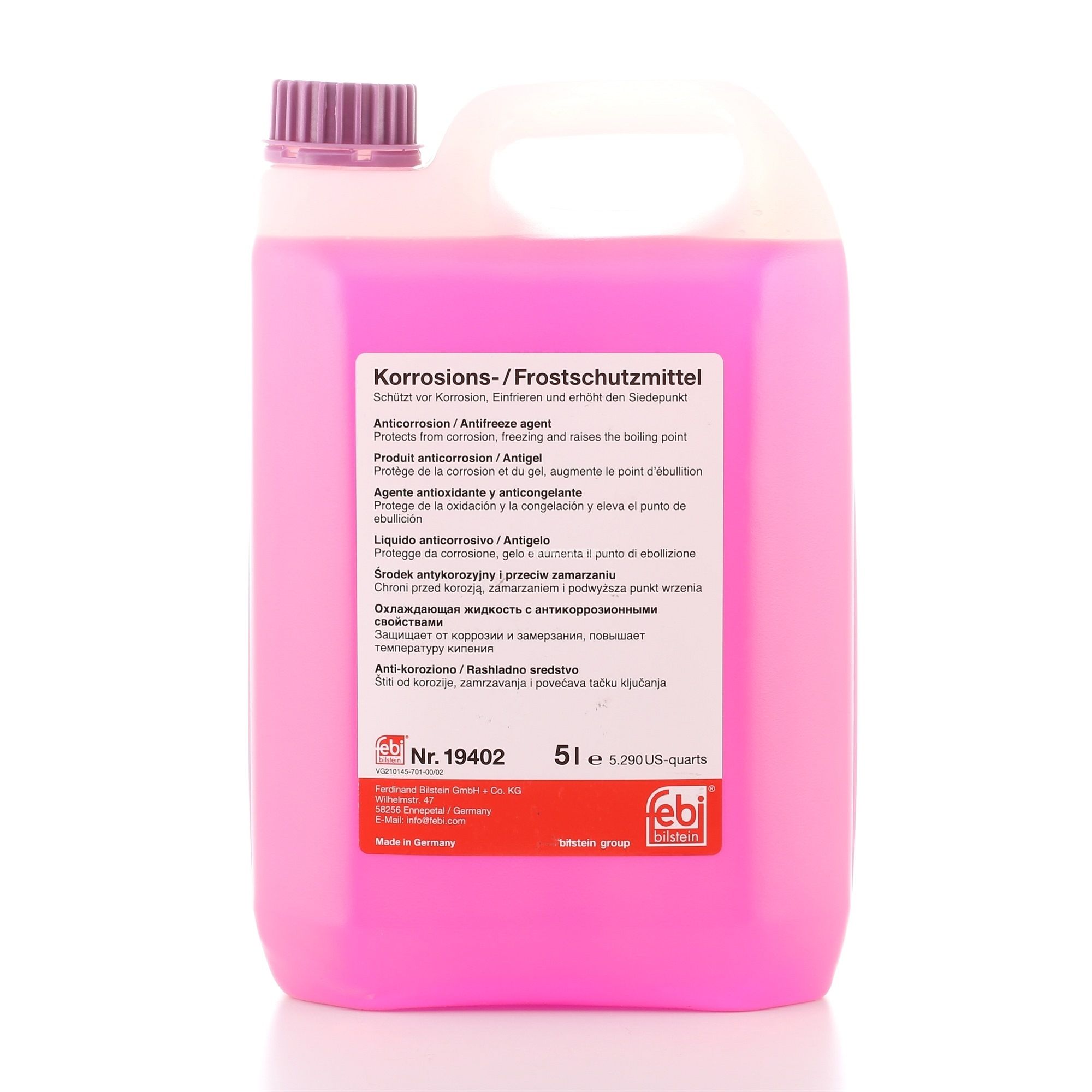
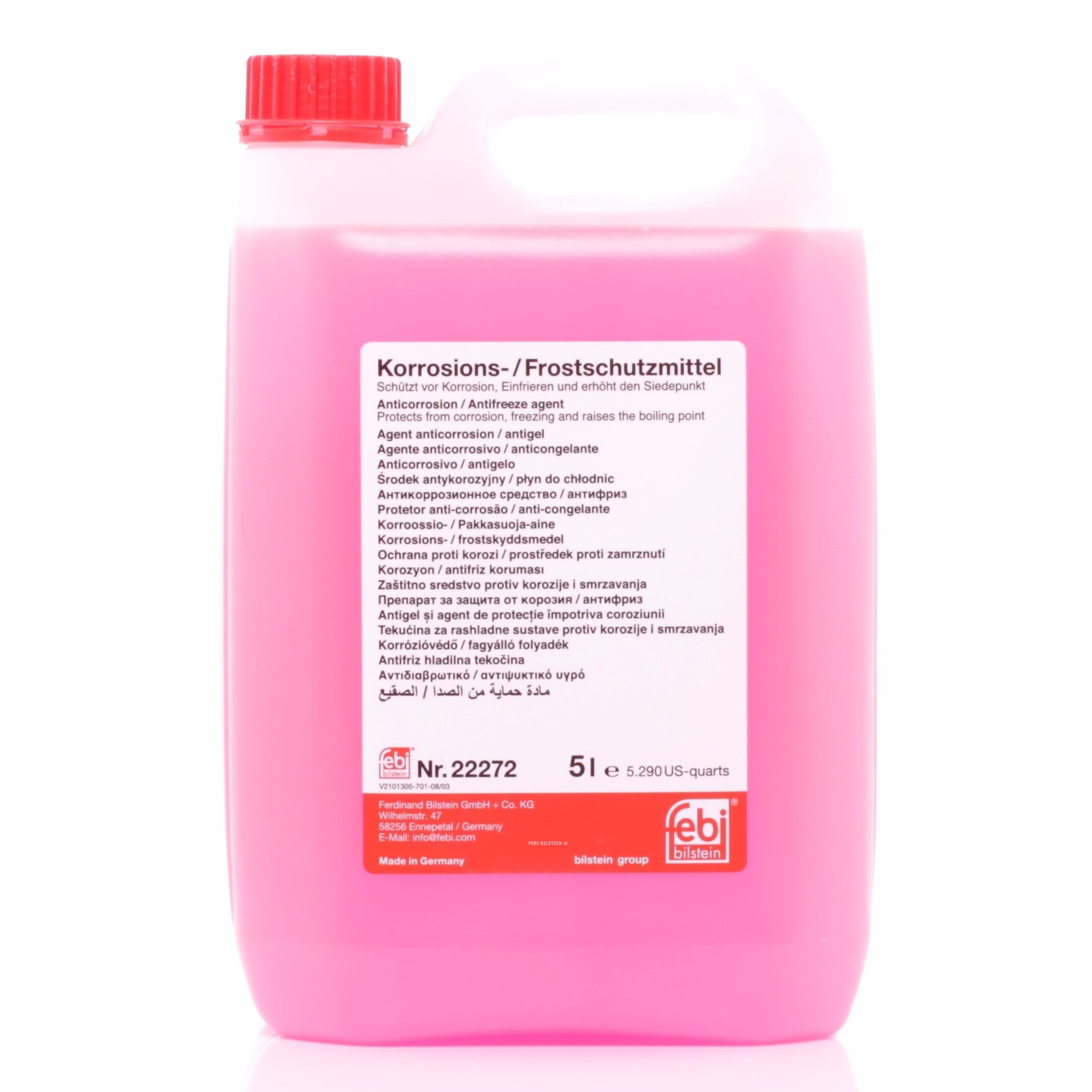
Choosing the right engine coolant is crucial to protecting your engine, ensuring reliable performance in all weather conditions, and avoiding expensive repairs. It regulates your engine’s temperature, prevents overheating, and helps stop corrosion inside the system.
In this guide, we’ll cover everything you need to know about engine coolant: what it is, how it works, which type to choose, and when it should be replaced.
What is antifreeze? Is coolant the same as antifreeze?
While the terms antifreeze and coolant are often used interchangeably, there is technically a difference. Antifreeze is a concentrated, glycol-based fluid, typically made from ethylene glycol or propylene glycol.On its own, it can’t cool the engine effectively. It must be diluted with water (usually 50/50) to form coolant, the liquid that circulates through your engine’s cooling system.
It mixes with the water in the reservoir to prevent it from freezing up. It also reduces its boiling point and prevents the metal parts of the motor from overheating and corroding. The coolant mixture absorbs heat from the engine and releases it through the car cooling system radiator.
While it’s more convenient to purchase pre-mixed car engine coolant, buying concentrated antifreeze and diluting it yourself can be more economical if done correctly.
Why is engine coolant so important?
Coolant is more than just a temperature-control liquid. It plays several roles in maintaining the engine’s health:
Temperature regulation – prevents both overheating and freezing.
Corrosion protection – inhibits rust and scale build-up inside the cooling system.
Lubrication – keeps the water pump and seals functioning smoothly.
System longevity – extends the life of the engine components and radiator.
Driving with old or insufficient coolant increases the risk of major damage to internal engine parts, such as blown head gaskets or cracked cylinder heads.
Coolants are usually classified by the type of corrosion inhibitor technology they use. The three main types are IAT, OAT, and HOAT coolant fluid (antifreeze).
Types of antifreeze explained
1. IAT – Inorganic Additive Technology
Colour: usually green
Used in: older cars (pre-1998)
Features: contains silicates and phosphates to protect metals like copper and steel
Service life: ~2 years or 30,000 miles
IAT coolants work quickly but degrade fast, which is why they require more frequent replacement.
2. OAT – Organic Acid Technology
Colour: often orange or red
Used in: most modern vehicles
Features: long-lasting, silicate-free formula using organic acids
Service life: ~5 years or 150,000 miles
OAT coolant is efficient and low-maintenance but unsuitable for older engines with copper or brass parts.
3. HOAT – Hybrid Organic Acid Technology
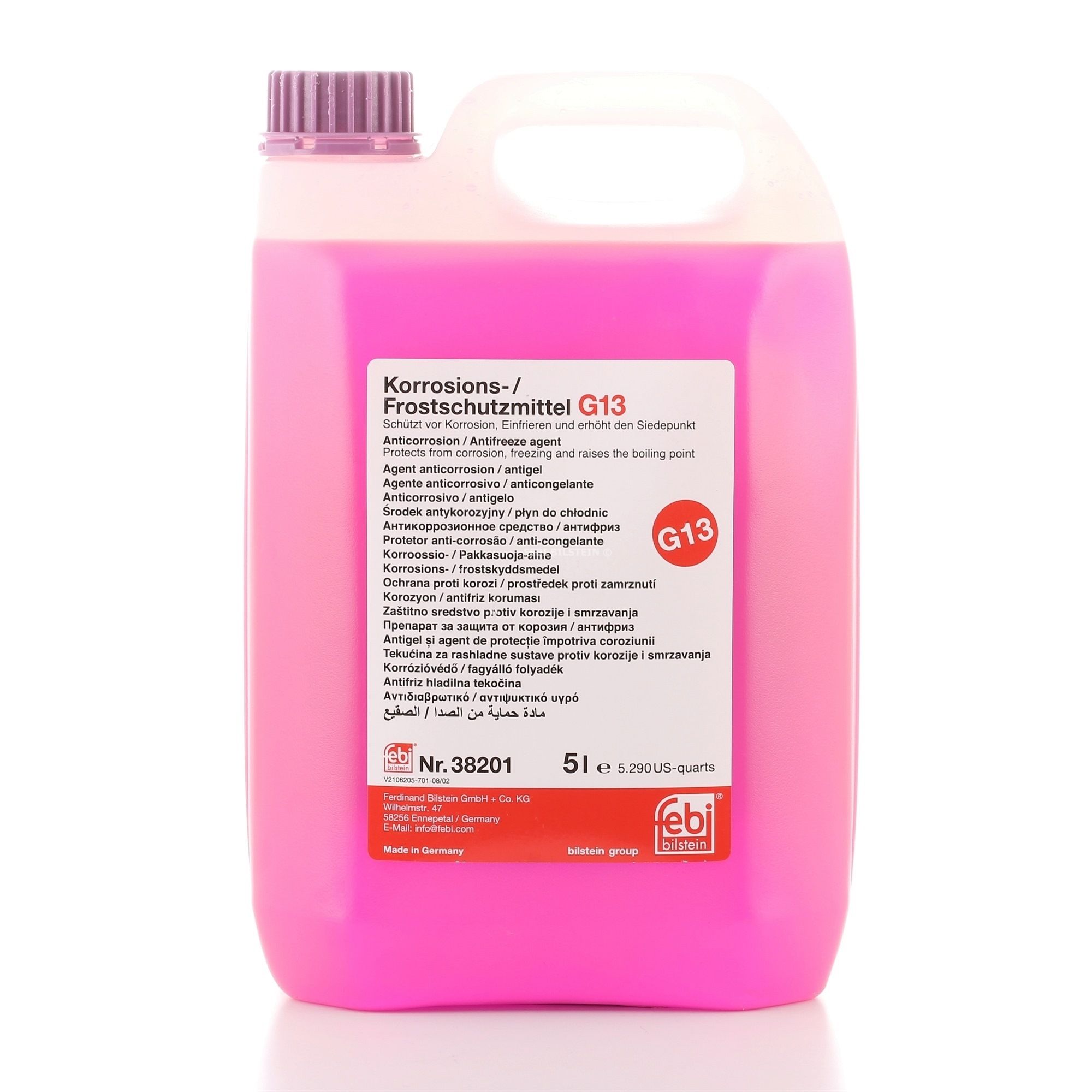
Colour: typically yellow, pink, or purple
Used in: European and some American cars
Features: combines IAT and OAT technologies for broad protection
Service life: 5+ years depending on the formula
Important! Never mix different coolant types. This can cause adverse chemical reactions leading to sludge or blockages in the radiator and water pump.
The safest way to choose the correct coolant is by checking your vehicle’s owner’s manual or using a trusted product compatibility tool on the supplier’s website.
Does coolant colour matter?
Many people believe the coolant colour alone indicates its chemical makeup, but this is no longer a reliable method. Manufacturers often use different dyes for marketing purposes, so colour can vary even within the same coolant category.
Historically:
Green = IAT
Orange/red = OAT
Yellow/pink = HOAT
However, to avoid confusion and ensure compatibility, you should always go by the coolant’s specification (such as G12++, G13, or Dex-Cool) rather than the colour alone. When in doubt, consult your manual or ask a mechanic.
How often should I change my car coolant?
The replacement interval for coolant depends on its type, your vehicle, and driving conditions. As a general guide:
IAT: Every 2 years or 30,000 miles
OAT: Every 5 years or 150,000 miles
HOAT: Around every 5 years, though some newer variants last up to 10
Other factors to consider:
Driving habits: Frequent short trips or towing can shorten coolant lifespan.
Vehicle age: Older cars are more prone to corrosion and require more frequent coolant changes.
You can also test your coolant using a hydrometer or coolant test strips. If the liquid is discoloured, rusty, oily, or contains floating particles, it’s time to flush the system.
Signs the coolant needs replacing
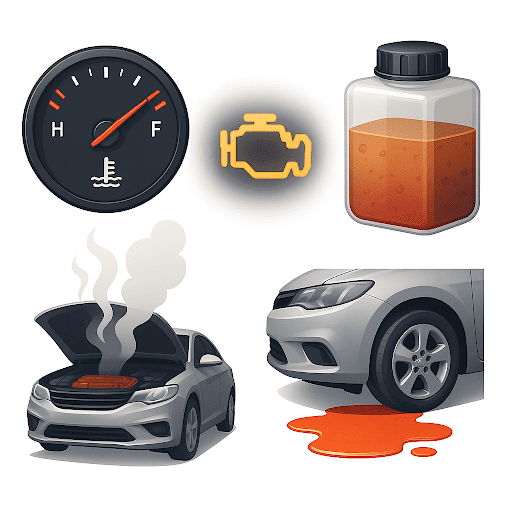
Don’t wait until your engine overheats to take action. Look for the following symptoms that may indicate cooling system issues:
Rising engine temperatures and steam coming from the bonnet
Sweet smell from the bonnet (ethylene glycol vapour)
Leaks under the front of the car
Sludgy or brownish coolant in the reservoir
Heating system blowing cold air in winter and/or an illuminated Check Engine light
Ignoring these warning signs can lead to severe damage and expensive repairs.
How to choose the right coolant for your car
Here’s a quick guide to selecting the best coolant from AUTODOC experts:
Check your owner’s manual This will tell you the exact coolant specifications your vehicle requires (e.g. G12evo, G13, Dex-Cool).
Don’t mix coolant types Stick to the recommended technology as mixing different types can lead to engine damage.
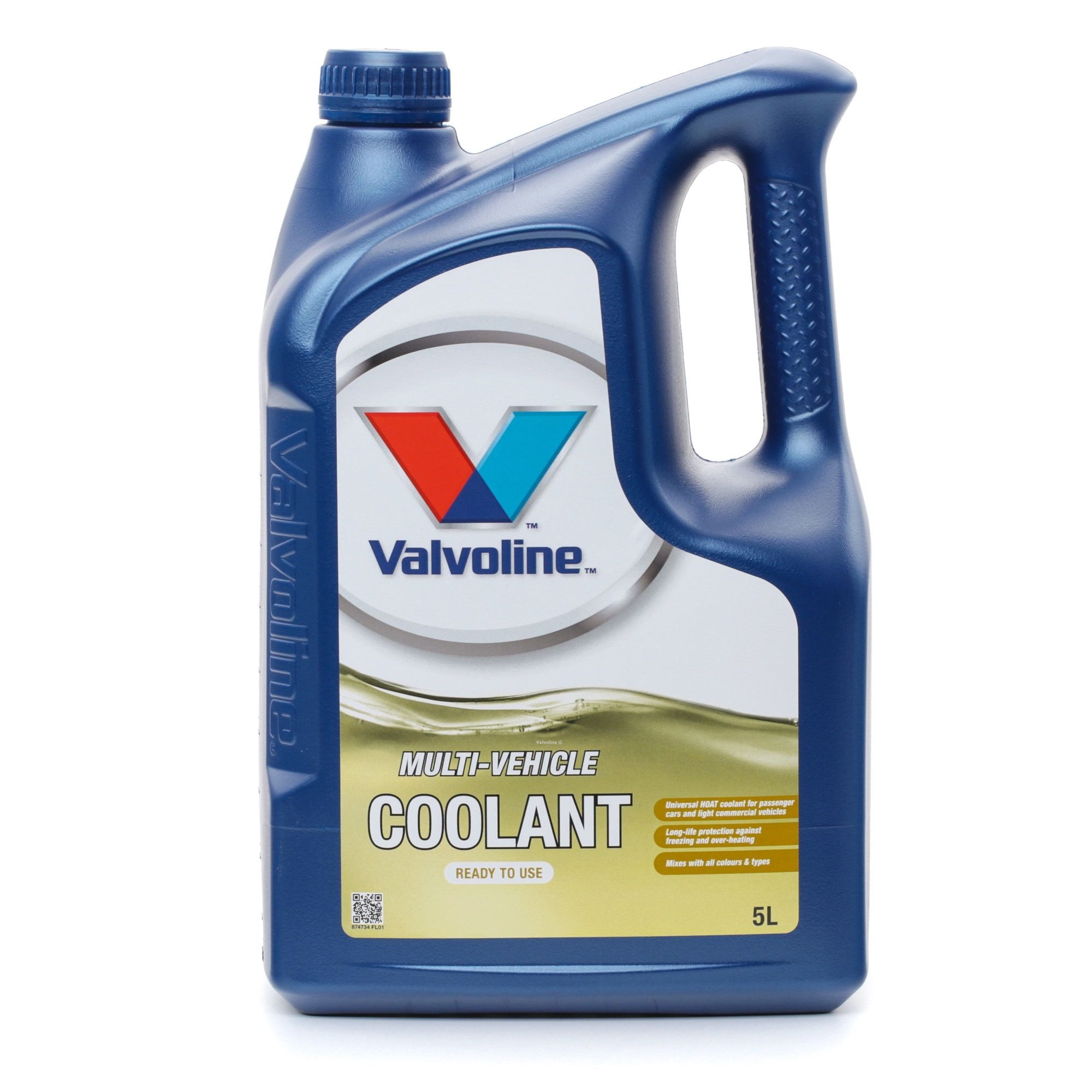
Decide between pre-mixed or concentrate Pre-mixed is convenient. If you buy concentrate, use distilled water in a 50:50 ratio unless advised otherwise by the manufacturer.
Buy from a trusted source Stick to reputable brands and retailers to ensure you're getting reliable products.
-15%
Reviews - 70
Parts Details
Specification:
G11
Colour:
green
Properties:
Ready mixed
Manufacturer recommendations:
Renault Typ D, Glaceol RX type D
Manufacturer recommendations:
Fiat 9.55523, BMW GS 94000, Chrysler MS-7170, Cummins 85T8-2, DQC CA-14, Iveco 18-1830, JI Case JIC-501, MAN 324 NF, MB 325.0, MB 325.2, MTU MTL 5048, GM GME L 46014, Volvo 128 6083, Volvo Trucks
Capacity [litre]:
1
Product line:
KFS 11
Packing Type:
Canister, Bottle
Oil manufacturer recommendation:
002, Alfa Romeo 9.55523, Audi TL-774 C = G11, Avtovaz TTM VAZ 1.97, Behr, BMW GS 94000, Chrysler MS-7170, Construction, Cummins 85T8-2, Deutz DQC CA-14, Fiat 9.55523, IVECO 18-1830, JI Case JIC-501, Lada, Lancia 9.55523, MAN 324 Typ NF, MB 325.0 / 325.2, MTU MTL 5048, Opel / GM GME L 46014, Perkins, Porsche TL-774 C = G, Saturn, Seat TL-774 C = G11, Skoda TL-774 C = G11, Tesla, Toyota Motor Corpora, Trucks, Vauxhall GMEL1301, Volkswagen TL-774 C, Volvo Cars 128 6083
Antifreeze contains toxic chemicals (especially ethylene glycol), which can be harmful if ingested by pets or wildlife. Always store coolant safely and clean up any spills immediately. When replacing coolant, dispose of the old fluid responsibly according to local regulations. Many local garages and recycling centres accept used antifreeze for proper disposal.
Visual tips for coolant checks
Check the coolant reservoir – look for the minimum and maximum markers on the transparent container.
Inspect coolant appearance – it should be clear and brightly coloured, not murky or sludgy.
Check hoses and caps – look for signs of leakage, cracking, or bulging.
If you're unsure, consult a mechanic or watch a verified step-by-step video tutorial online. Check out AUTODOC’s handy video guide to inspecting your coolant:
How to check your coolant: when, how, and why
Concluding thoughts
Coolant is one of the most vital yet often overlooked fluids in your car. Using the correct type, checking levels regularly, and replacing it on schedule will keep your cooling system running efficiently and prevent serious engine issues.
Whether you’re maintaining a new model or restoring a classic car, understanding the coolant system gives you the confidence to care for your vehicle properly and avoid expensive surprises later on.
Frequently Asked Questions (FAQ)
Q: What happens if I overfill my coolant reservoir?
A: Overfilling can cause pressure build-up and lead to leaks or damage. Excess coolant may be expelled through the overflow tube when the engine heats up.
Q: Can coolant affect my fuel economy?
A: Indirectly, yes. An overheating engine caused by poor coolant performance can reduce fuel efficiency and engine performance over time.
Q: Can I drive with low coolant levels?
A: It’s strongly advised against. Driving with low coolant can cause the engine to overheat quickly, potentially leading to severe thermal damage like a blown head gasket or warped cylinder head.
Manufacturer recommendations:
SAE J1034, ASTM D3306, ASTM D4340, ASTM D4985, NATO S759, MAN M 324, JAGUAR, BMW, SAAB, ROVER, Renault Typ D, Ford ESE-M978B4H-A, Ford AF Plus, OPEL-GM QL130100, John Deere, DAF, GM 1825M, GM 1899M, GM SATURN
Capacity [litre]:
10
Temperature range to [°C]:
+125
Temperature range from [°C]:
-40
Product line:
Antifreeze 913+
Version:
-40
Chemical Properties:
Free of nitrite, Phosphate free, Amine free
Manufacturer recommendations:
SAE J1034, ASTM D3306, ASTM D4340, ASTM D4985, NATO S759, MB 325.0, MAN M 324, BMW, JAGUAR, SAAB, ROVER, Renault Typ D, Ford ESE-M978B4H-A, Ford AF Plus, OPEL-GM QL130100, John Deere, DAF, GM 1825M, GM 1899M, GM SATURN
Capacity [litre]:
5
Temperature range to [°C]:
+125
Temperature range from [°C]:
-40
Product line:
Antifreeze 913
Version:
-40
Chemical Properties:
Free of nitrite, Phosphate free, Amine free


 27 November 2025 (updated)