Table of Contents
 7 September 2025 (updated)
 What type of headlight bulbs does my car use: finding the right headlight bulb
Replacing headlight bulbs can be confusing with today's variety of options. Whether your vehicle uses traditional halogen bulbs, bright HID xenon lights, or modern LED technology, finding the correct replacement is crucial for safety and performance. This guide will help you identify the right bulb for your specific vehicle.
What headlight bulb do I need?
To determine the correct headlight bulb for your vehicle, check your owner's manual, which should list the exact bulb type and code. If you don't have the manual, check the current bulb for markings like "H11" or "9005". Alternatively, enter your vehicle's make, model and year into auto parts websites or in-store databases. Many auto parts stores also offer a free look-up service. Remember that front headlight bulbs come in three main types, halogen, HID or LED, and each vehicle requires a specific fit.
What dipped headlight bulb do I need?
Dipped headlights (also known as low beams) require specific bulbs for adequate illumination without dazzling other drivers. As with other bulb types, you can check your vehicle's owner manual for the exact specifications, look for markings on the old bulb, or use a look-up tool from a parts retailer to find the correct match. Remember that while you can upgrade to higher performance versions, the base bulb type must be compatible with your vehicle's electrical system and housing.
 Article number: 12342CVUBW
£13.49
Price per item
£26.98 / Price per 2 items
price incl. 20% VAT, excl. delivery costs
-64%
Article number: 12342CVUBW
£13.49
Price per item
£26.98 / Price per 2 items
price incl. 20% VAT, excl. delivery costs
-64%
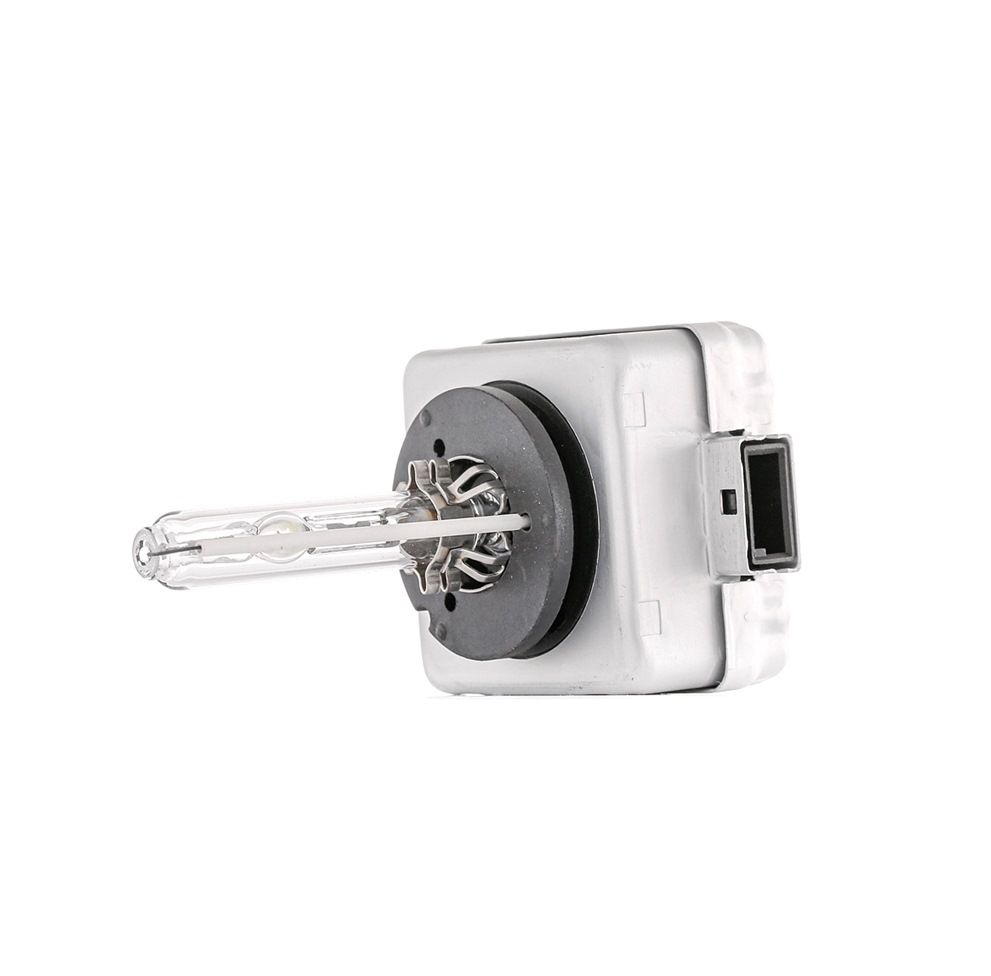 MAGNETI MARELLI Xenon bulb
D1S, 85V, 35W, 3400K
Article number: 002544100000
compared to
RRP
£102.01
£36.49
Price per item
£72.98 / Price per 2 items
price incl. 20% VAT, excl. delivery costs
MAGNETI MARELLI Xenon bulb
D1S, 85V, 35W, 3400K
Article number: 002544100000
compared to
RRP
£102.01
£36.49
Price per item
£72.98 / Price per 2 items
price incl. 20% VAT, excl. delivery costs
 Article number: 12278C1
£16.49
Price per item
£32.98 / Price per 2 items
price incl. 20% VAT, excl. delivery costs
-9%
Article number: 12278C1
£16.49
Price per item
£32.98 / Price per 2 items
price incl. 20% VAT, excl. delivery costs
-9%
 Article number: 8GJ 004 173-121
compared to
RRP
£3.64
£3.29
Price per item
£6.58 / Price per 2 items
price incl. 20% VAT, excl. delivery costs
Article number: 8GJ 004 173-121
compared to
RRP
£3.64
£3.29
Price per item
£6.58 / Price per 2 items
price incl. 20% VAT, excl. delivery costs
 Article number: 9012LLC1
£27.99
Price per item
£55.98 / Price per 2 items
price incl. 20% VAT, excl. delivery costs
Article number: 9012LLC1
£27.99
Price per item
£55.98 / Price per 2 items
price incl. 20% VAT, excl. delivery costs
What LED headlights fit my car?
When upgrading to LED headlamps, compatibility is crucial for both performance and legality. LED conversion kits must match your vehicle's existing bulb socket type (such as H11, 9005, or H7). Consider beam pattern and brightness; LEDs should provide proper light distribution without causing glare that could be dangerous to oncoming traffic. Check if your vehicle has a CANbus electrical system, which may require special LED bulbs with built-in resistors to prevent error messages. The AUTODOC technical team advises checking local regulations, as not all LED conversions are street-legal in every region. Premium brands like Philips, SYLVANIA, and OSRAM offer vehicle-specific LED options that ensure proper fitment and optimal illumination.
What type of low beam headlight do I need?
There are various technologies available for low beam headlights, each with their own distinct characteristics. Halogen bulbs are the most common factory-installed option and offer an affordable replacement with a lifespan of 1,000–2,000 hours. HID (xenon) bulbs provide a brighter, whiter light and can last for 2,000–3,000 hours, but require ballasts to function. LED options are energy efficient and long-lasting (15,000–20,000 hours) and produce minimal heat. When choosing a low-beam headlight, consider your driving conditions: rural drivers may benefit from brighter options, while city drivers might prioritise a neutral colour temperature for better visibility in varied lighting environments.
Types of headlight bulbs
Modern vehicles use several different types of headlight technologies, each with its own particular characteristics, advantages and disadvantages.
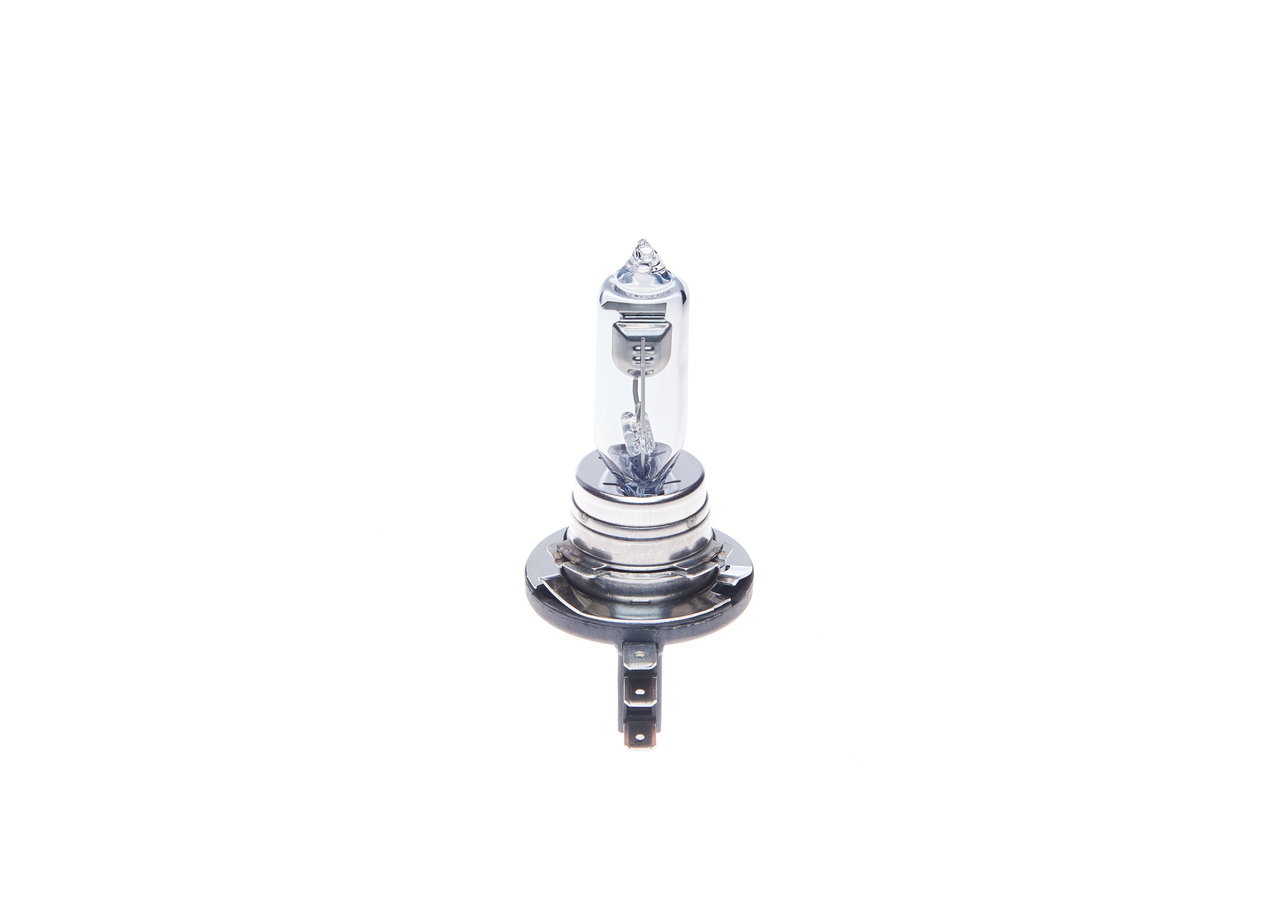
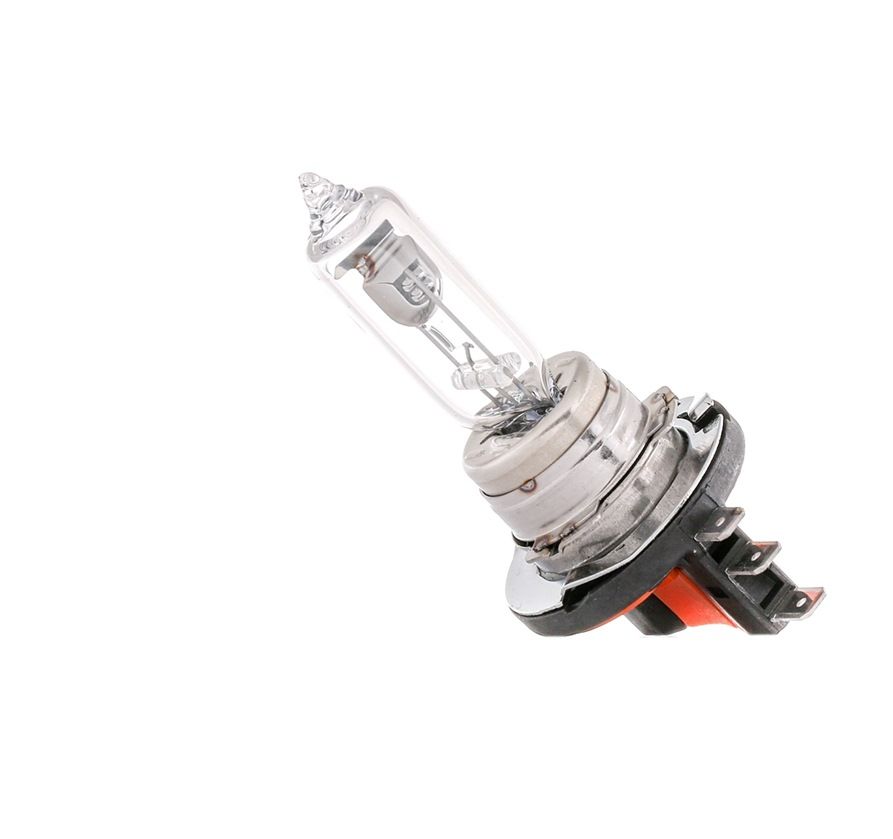
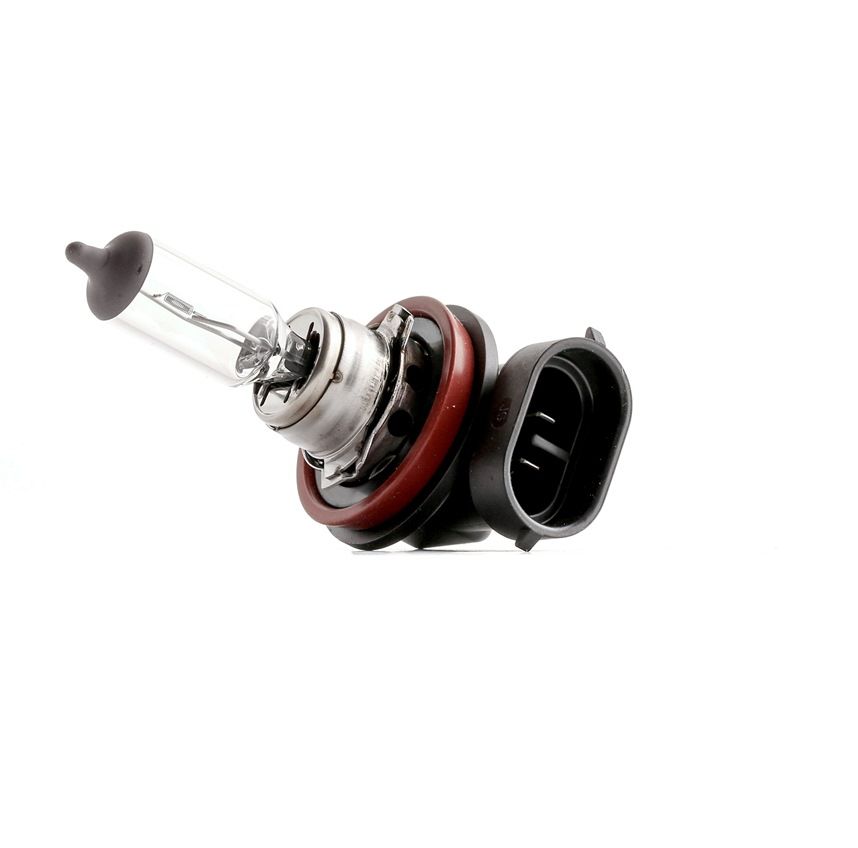
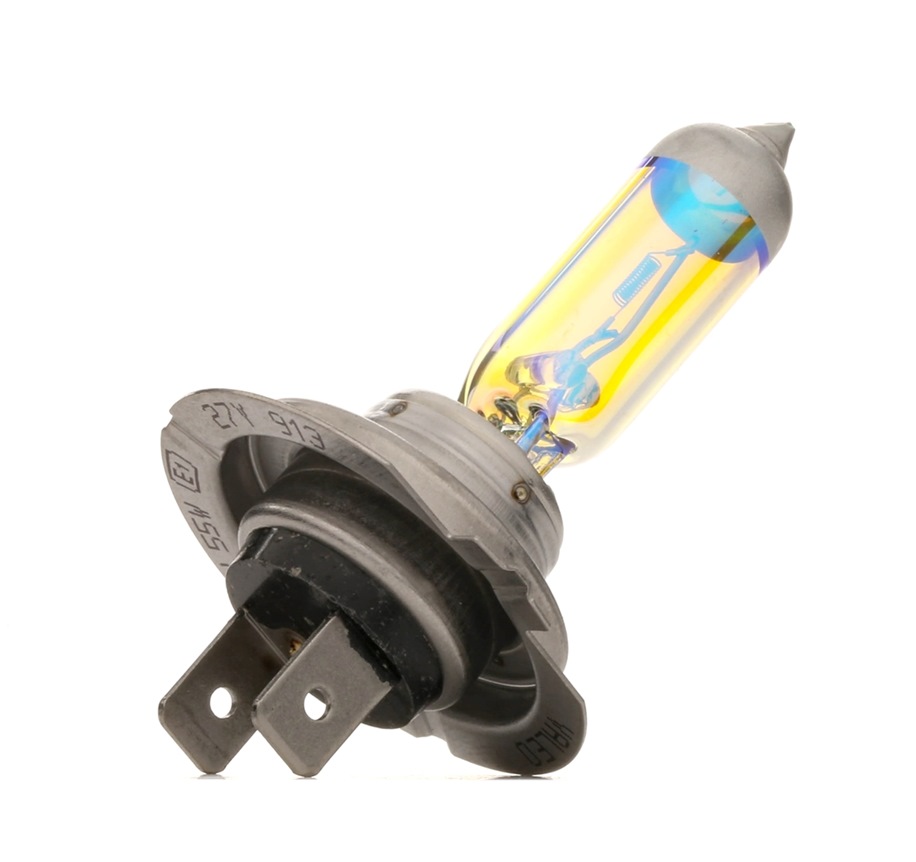
Halogen bulbs remain the most common and affordable option. They use a tungsten filament in a chamber filled with halogen gas, producing a warm yellowish light with a colour temperature of 3000–3500 K. Although they are inexpensive and easily replaceable, halogen bulbs have the shortest lifespan and consume more energy than other options.
HID (high-intensity discharge) xenon bulbs create light through an electric arc between tungsten electrodes in a xenon gas chamber. They produce a brighter, whiter light (4300–6000 K) and have a lifespan 2–3 times longer than halogens. However, they require ballasts, have a warm-up period and are significantly more expensive.
LED (light-emitting diode) front lights use semiconductor chips that illuminate when current passes through them. They offer exceptional longevity, instant illumination, energy efficiency and a compact, flexible design. Available in various colour temperatures (5,000–6,000 K is common), LEDs provide a crisp, bright light, but come at a premium price.
Laser headlamps, the newest technology, use laser diodes to excite phosphorus, creating an intense white light. They provide a significantly larger illumination distance than LEDs while using less energy, but remain limited to high-end luxury vehicles due to their substantial cost.
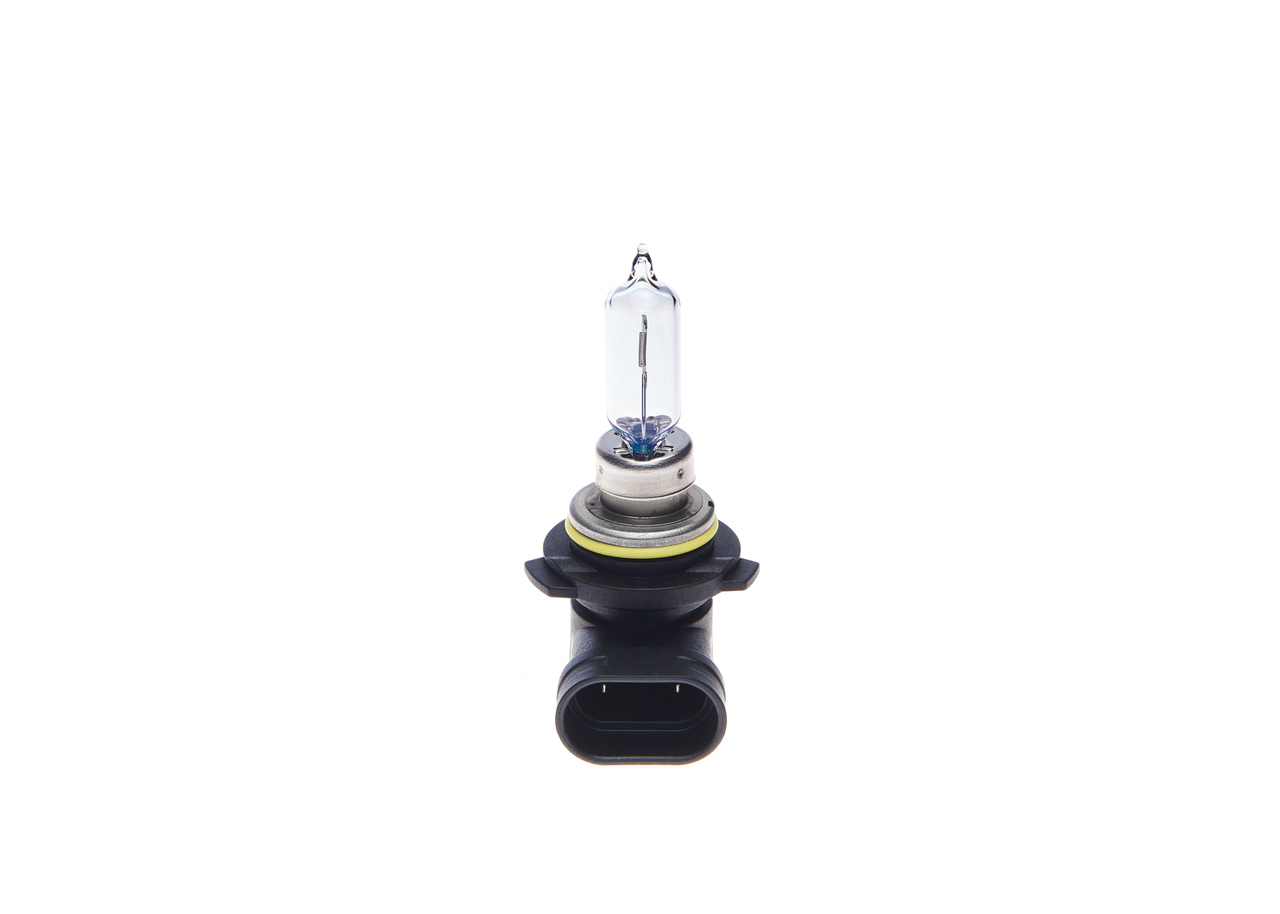 BOSCH Bulb, spotlight
HIR2 12V 55W PX22d, Halogen
Article number: 1 987 302 026
£14.49
Price per item
£28.98 / Price per 2 items
price incl. 20% VAT, excl. delivery costs
-45%
BOSCH Bulb, spotlight
HIR2 12V 55W PX22d, Halogen
Article number: 1 987 302 026
£14.49
Price per item
£28.98 / Price per 2 items
price incl. 20% VAT, excl. delivery costs
-45%
 Article number: 64176CBN
compared to
RRP
£47.62
£25.99
Price per item
£51.98 / Price per 2 items
price incl. 20% VAT, excl. delivery costs
Article number: 64176CBN
compared to
RRP
£47.62
£25.99
Price per item
£51.98 / Price per 2 items
price incl. 20% VAT, excl. delivery costs
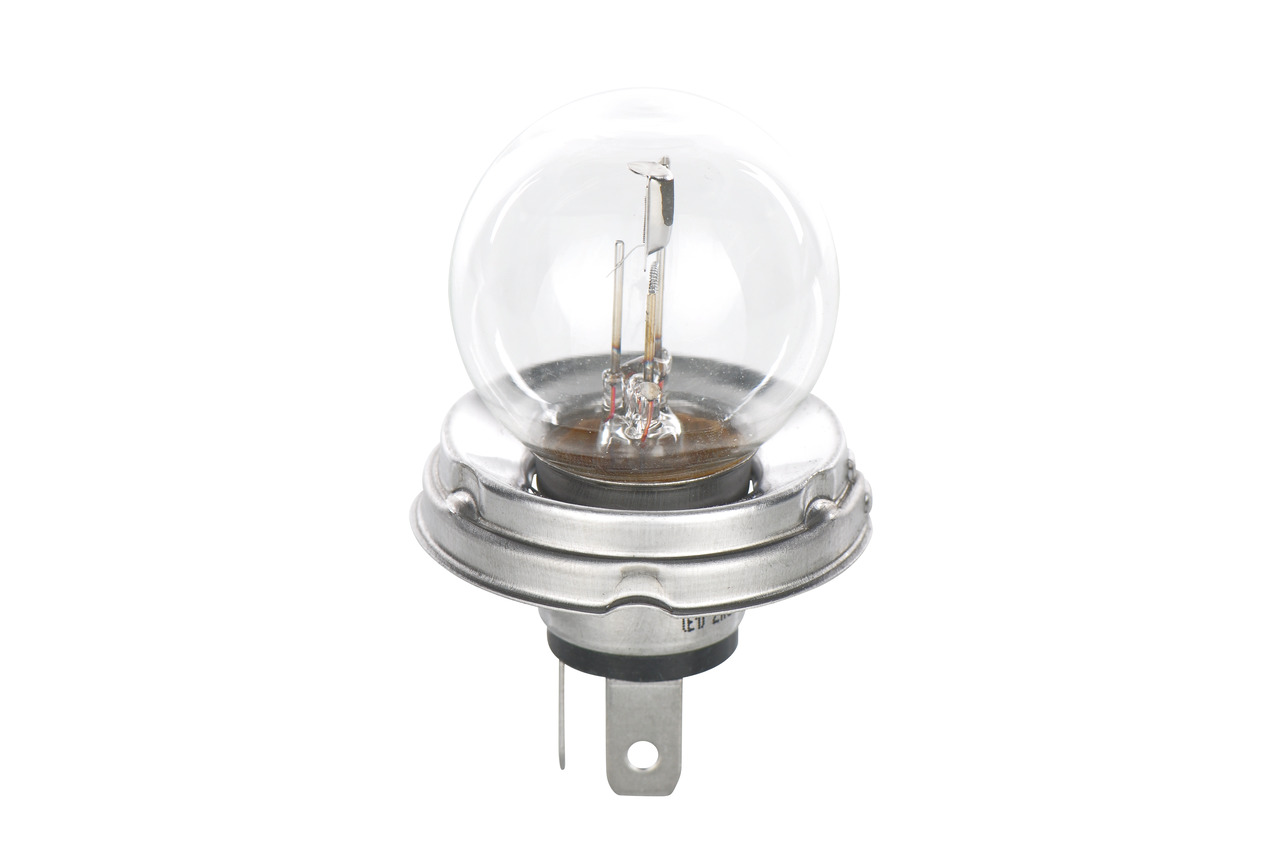 BOSCH Bulb, spotlight
R2 (Bilux) 12V 45/40W P45t, Halogen
Article number: 1 987 302 023
£2.99
Price per item
£5.98 / Price per 2 items
price incl. 20% VAT, excl. delivery costs
-23%
BOSCH Bulb, spotlight
R2 (Bilux) 12V 45/40W P45t, Halogen
Article number: 1 987 302 023
£2.99
Price per item
£5.98 / Price per 2 items
price incl. 20% VAT, excl. delivery costs
-23%
 Article number: 8GH 008 358-121
compared to
RRP
£8.23
£6.29
Price per item
£12.58 / Price per 2 items
price incl. 20% VAT, excl. delivery costs
-60%
Article number: 8GH 008 358-121
compared to
RRP
£8.23
£6.29
Price per item
£12.58 / Price per 2 items
price incl. 20% VAT, excl. delivery costs
-60%
 Article number: 9005NL
compared to
RRP
£35.81
£13.99
Price per item
£27.98 / Price per 2 items
price incl. 20% VAT, excl. delivery costs
Article number: 9005NL
compared to
RRP
£35.81
£13.99
Price per item
£27.98 / Price per 2 items
price incl. 20% VAT, excl. delivery costs
What to consider when choosing a headlight bulb
When selecting front headlight bulbs, balance several key factors to make the best choice for your driving needs. Consider brightness and visibility alongside bulb lifespan and value for money. Factor in your typical driving conditions: rural drivers may benefit from longer-range illumination, while urban drivers might prioritise colour temperature for better contrast. Remember that premium bulbs often deliver better performance and longevity despite higher initial cost. Always ensure your chosen bulbs comply with local regulations and are properly aligned to maintain safety for yourself and other road users.
Car headlight bulb FAQs
What headlight bulb fits my car?
The correct bulb for your vehicle is specified in your owner's manual or can be identified by the code on your existing bulb (like H7 or H4). Many online retailers provide vehicle-specific search tools to ensure compatibility. When checking your existing bulb, you'll need to access the headlight assembly. This varies by vehicle but typically involves opening the bonnet and removing a dust cover or accessing from behind. If you're still uncertain, vehicle-specific forums often contain detailed information about bulb types and replacement procedures for your particular model.
Can I put LED headlights in my car in the UK?
Retrofitting LED bulbs into headlight units originally designed for halogen bulbs is generally not legal for road use in the UK. If you're considering an upgrade, HID or higher-performance halogen bulbs might be better legal alternatives, or you can consult with an auto electrician about approved LED assemblies, which need to have proper E-mark certification and be specifically type-approved for your exact vehicle model.
Where can I get my car headlight bulb replaced?
You can have it replaced at motoring retailers, main dealer service centres, independent garages, quick-fit centres, and mobile mechanics. You can also try your hand at replacement as a DIY project with basic tools, though some vehicles require partial dismantling of the front end for access. Replacement costs range from £10–25 for basic halogen bulbs to £80+ for premium LED or HID options, plus labour costs if you don’t take on the job yourself.