
Tyre pressure sensor (TPMS) for my car
Where to buy tpms sensor at a good price? At AUTODOC!
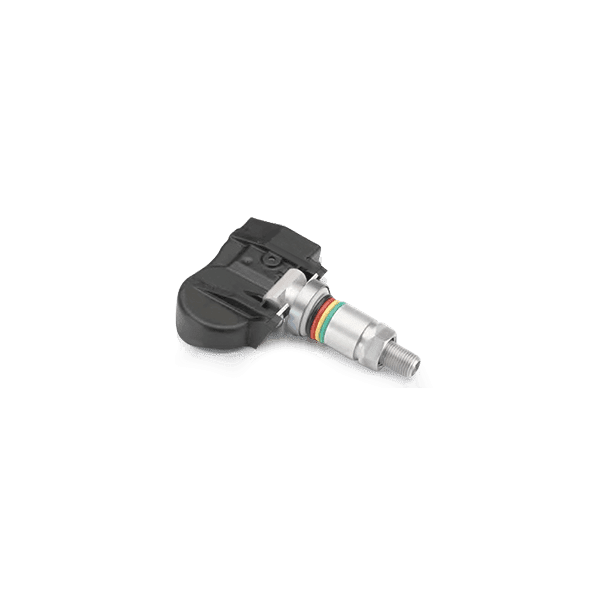
Best tyre pressure sensor (tpms) brands: original equipment manufacturer
Find tpms sensor for all top car brands
Buy and change the tpms on your car model
AUTODOC Bestsellers: car tyre pressure sensor buy online at a good price to reduce replacement cost
The best-selling replacement parts from the Tyre pressure sensor (TPMS) section. We have a large selection of spare parts from different brands for Tyre pressure sensor (TPMS) and further low-price offers in our range of parts
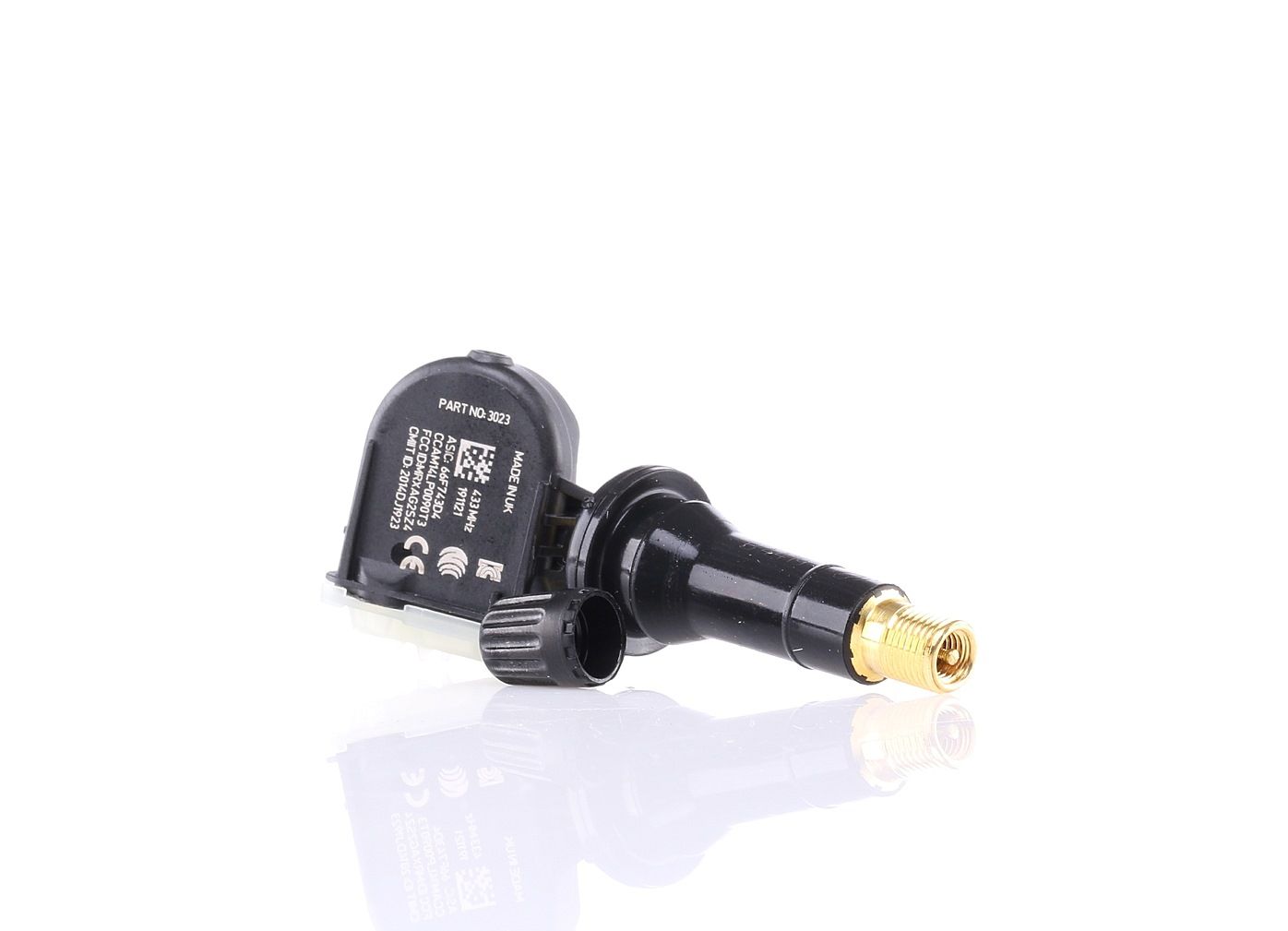 SCHRADER 3023 Tyre pressure sensor (TPMS)
with screw, with valves
SCHRADER 3023 Tyre pressure sensor (TPMS)
with screw, with valves
Sold by AUTODOC
 HERTH+BUSS ELPARTS AirGuard Tyre pressure sensor (TPMS)
with battery, with pressure sensor, with integrated air temperature sensor, with valves, with screw
HERTH+BUSS ELPARTS AirGuard Tyre pressure sensor (TPMS)
with battery, with pressure sensor, with integrated air temperature sensor, with valves, with screw
Sold by AUTODOC
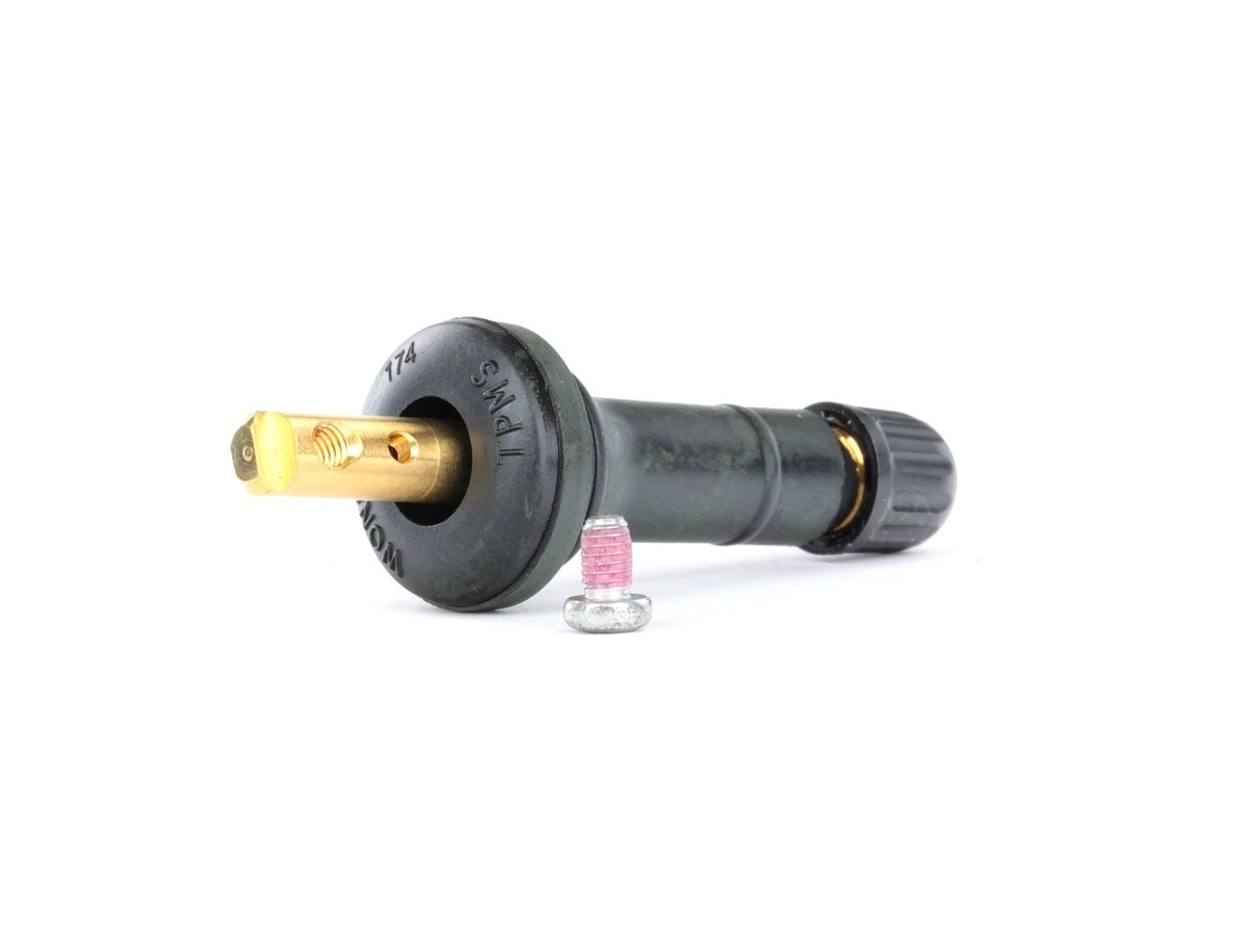 HUF RDV041 Valve, tyre pressure control system
Sold by AUTODOC
 VDO A2C59517073 Valve, tyre pressure control system
Sold by AUTODOC
 WONDER 1337 Valve, tyre pressure control system
Fitted Ø: 9,7 mm
WONDER 1337 Valve, tyre pressure control system
Fitted Ø: 9,7 mm
Sold by AUTODOC
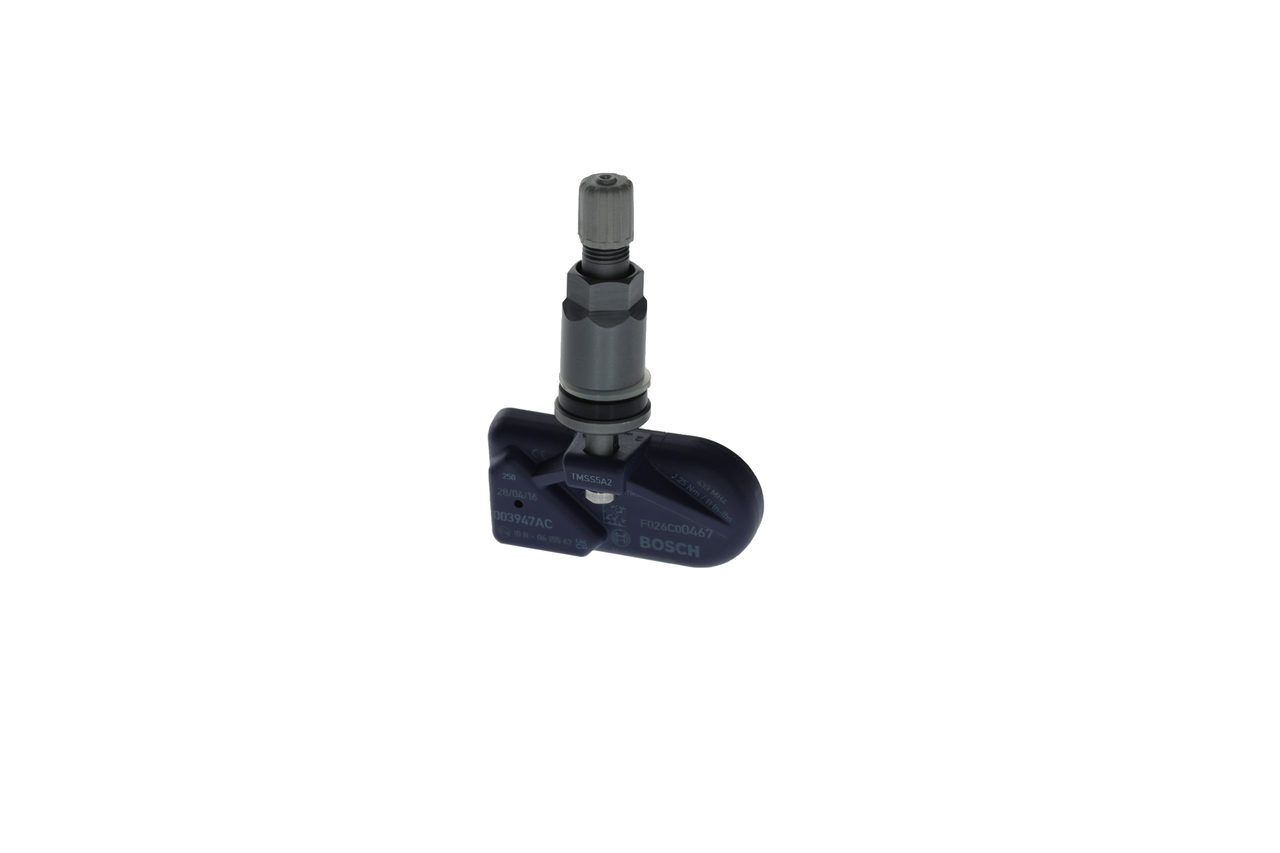 BOSCH QF 0467 Tyre pressure sensor (TPMS)
Sold by AUTODOC
 WONDER 1420 Valve, tyre pressure control system
Fitted Ø: 9,7 mm
WONDER 1420 Valve, tyre pressure control system
Fitted Ø: 9,7 mm
Sold by AUTODOC
 SCHRADER 3021 Tyre pressure sensor (TPMS)
with screw, with valves
SCHRADER 3021 Tyre pressure sensor (TPMS)
with screw, with valves
Sold by AUTODOC
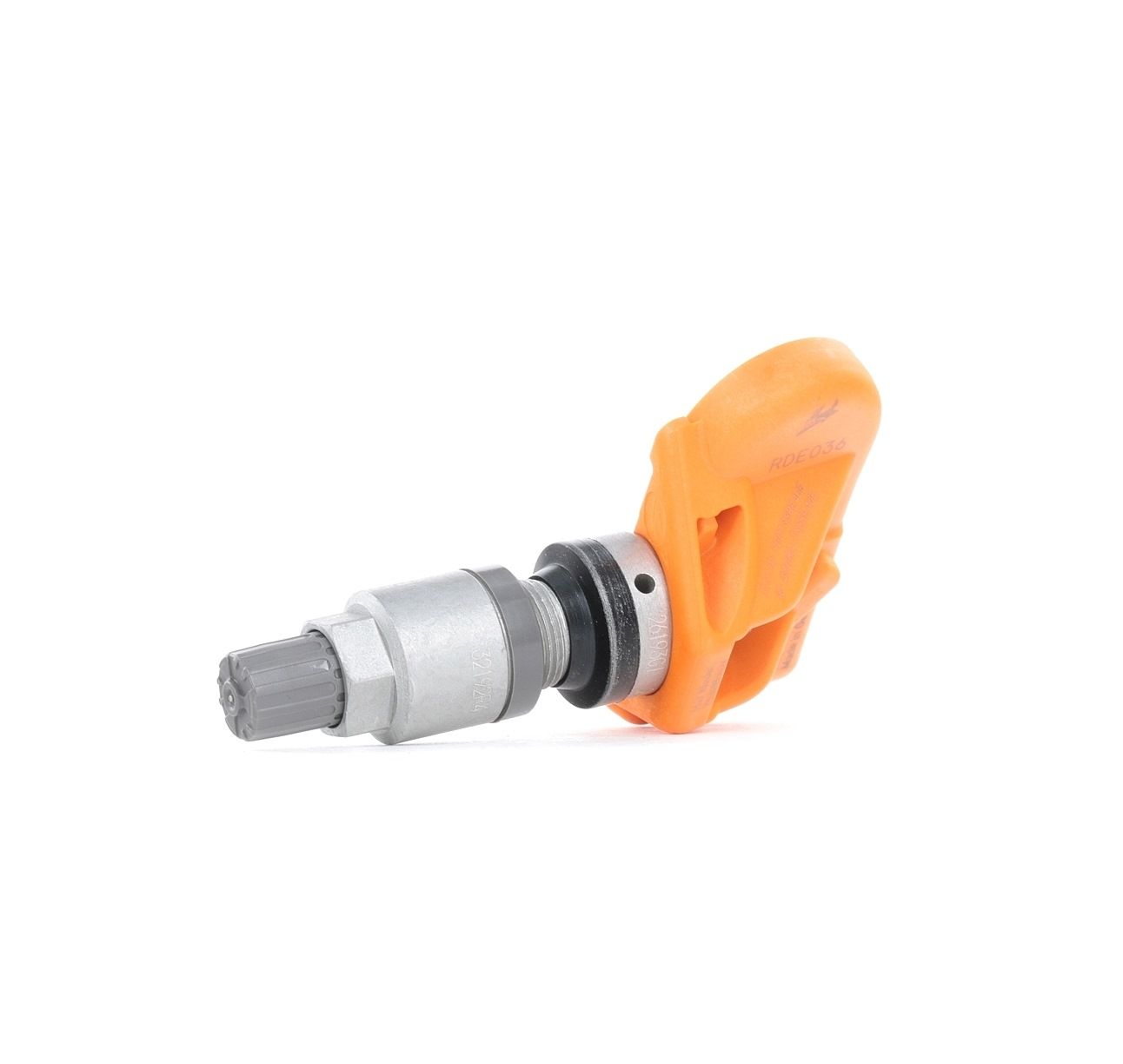 HUF RDE036V21 Tyre pressure sensor (TPMS)
Sold by AUTODOC
 KS TOOLS 149.1003 Valve, tyre pressure control system
Sold by AUTODOC
 HUF RDV021 Valve, tyre pressure control system
Sold by AUTODOC
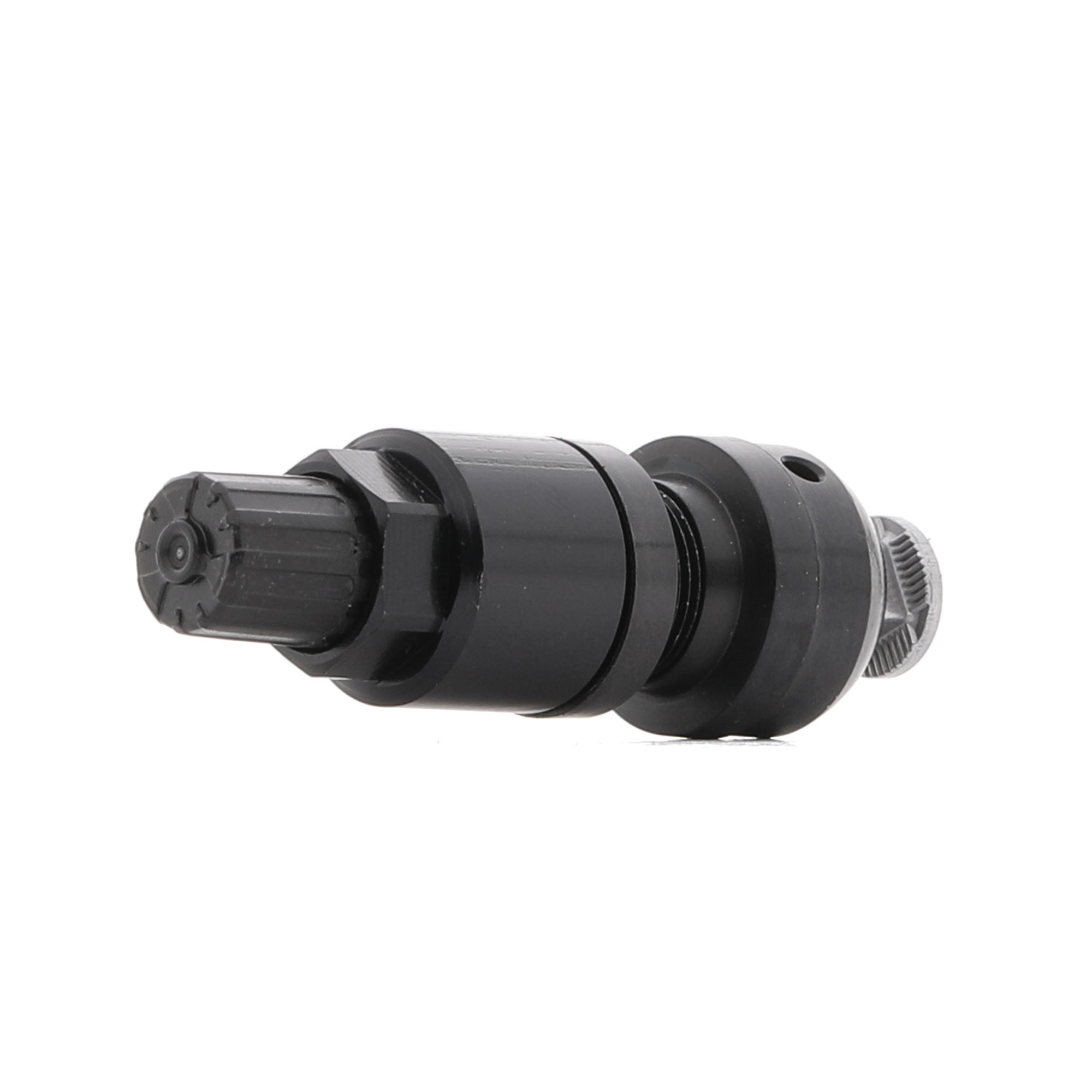 HUF RDV026 Valve, tyre pressure control system
Sold by AUTODOC
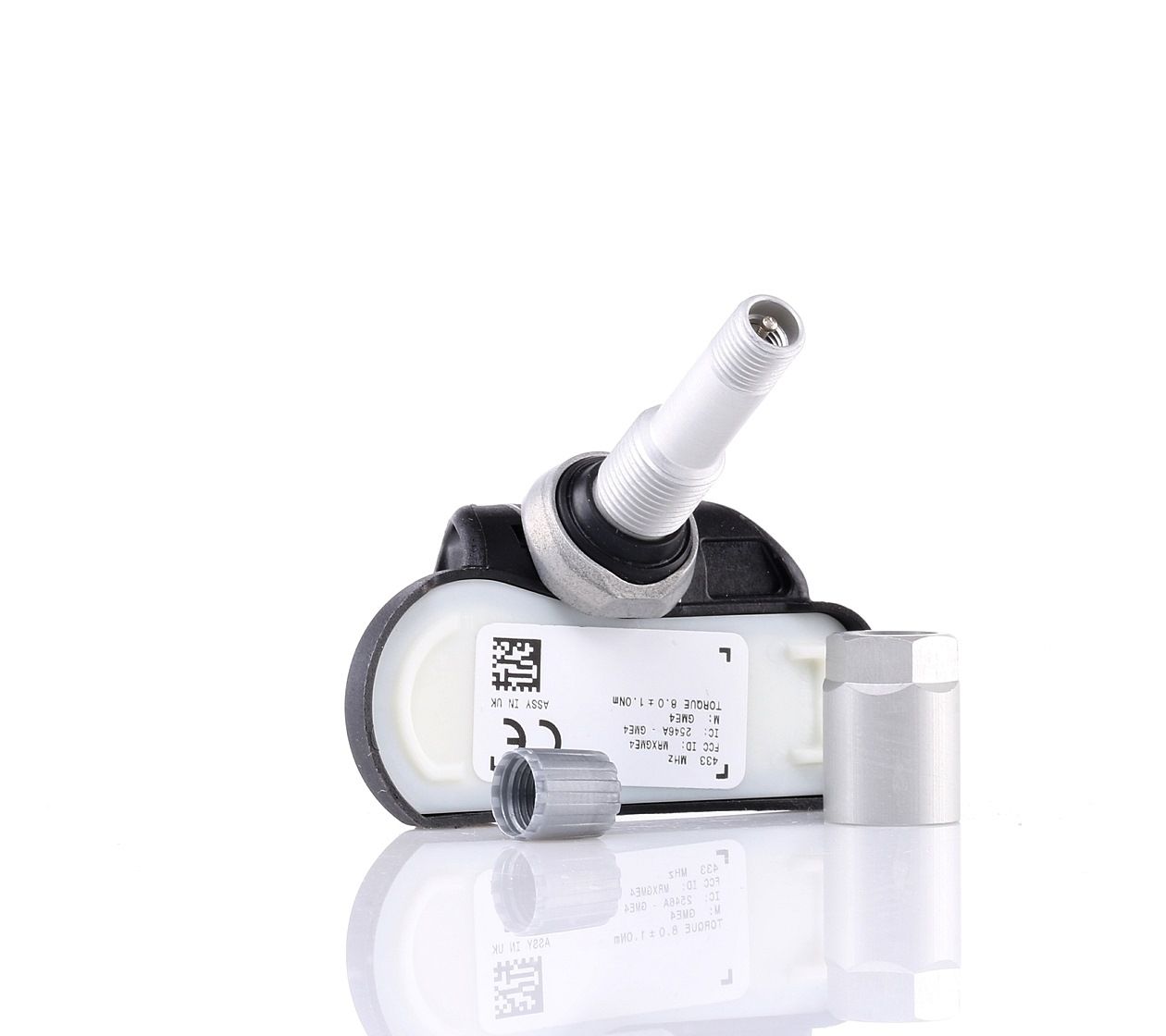 SCHRADER 3033 Tyre pressure sensor (TPMS)
with groove, with valves
SCHRADER 3033 Tyre pressure sensor (TPMS)
with groove, with valves
Sold by AUTODOC
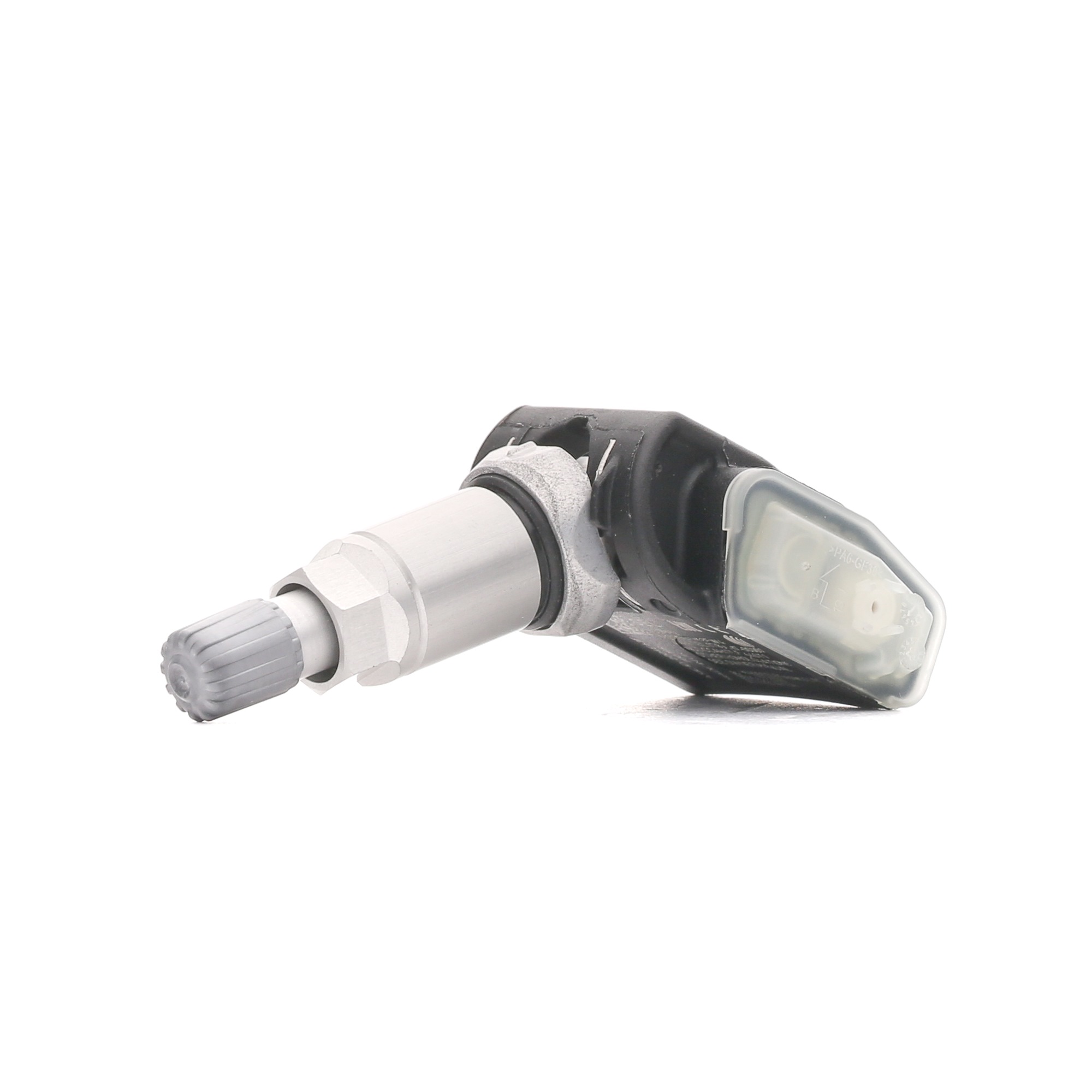 SCHRADER 3108 Tyre pressure sensor (TPMS)
with groove, with valves
SCHRADER 3108 Tyre pressure sensor (TPMS)
with groove, with valves
Sold by AUTODOC
 WONDER 1427/C Valve, tyre pressure control system
Sold by AUTODOC
 SCHRADER 3057 Tyre pressure sensor (TPMS)
with groove, with valves
SCHRADER 3057 Tyre pressure sensor (TPMS)
with groove, with valves
Sold by AUTODOC
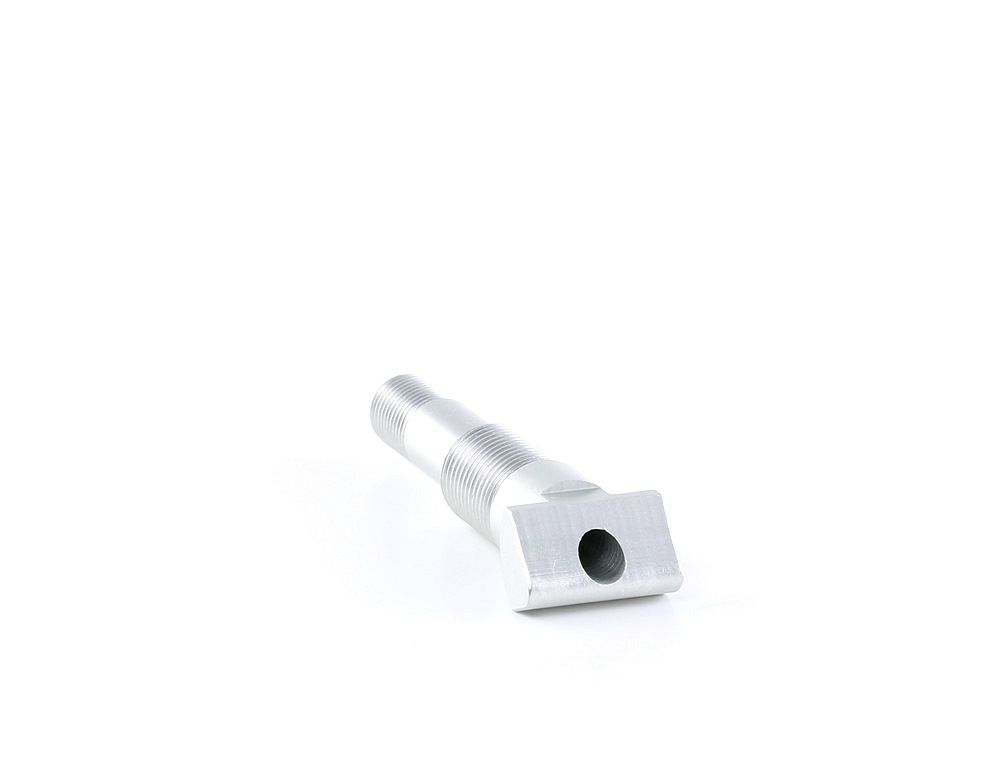 VDO A2C59517072 Valve, tyre pressure control system
Sold by AUTODOC
 SCHRADER 5028 Repair Kit, wheel sensor (tyre pressure control system)
Sold by AUTODOC
 SCHRADER 3153 Tyre pressure sensor (TPMS)
with groove, with valves
SCHRADER 3153 Tyre pressure sensor (TPMS)
with groove, with valves
Sold by AUTODOC
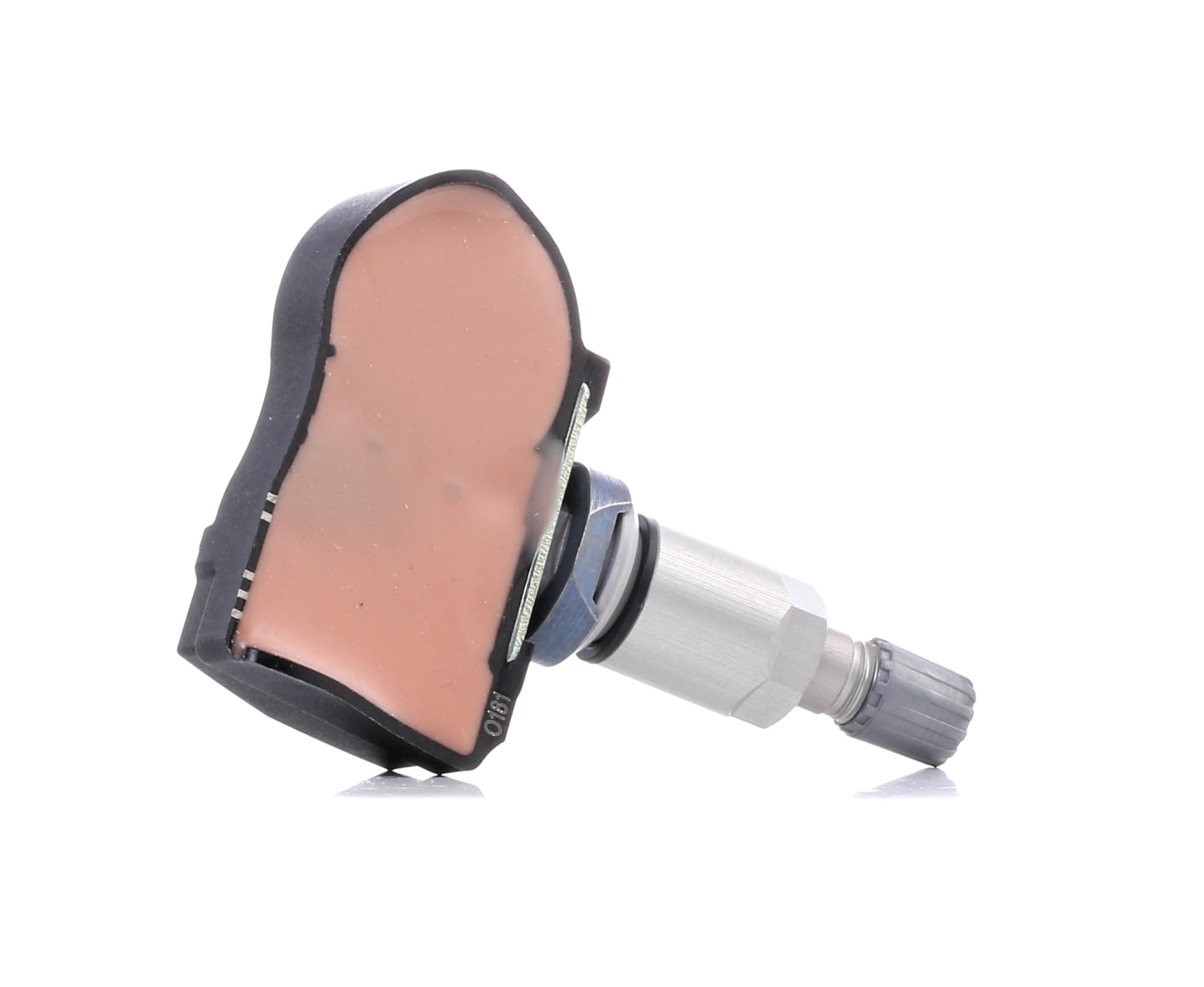 VDO S180052080Z Tyre pressure sensor (TPMS)
Sold by AUTODOC
Car TPMS sensor : which brand is better?
According to our customers, the best spare parts in the auto Tyre pressure sensor product category come from the following brands:
- BOSCH
- HUF
- SCHRADER
- QUINTON HAZELL
- VEMO
Auto Tyre pressure sensor (TPMS): how much does this product cost?
The price of car parts within the auto Tyre pressure sensor (TPMS) category ranges from £4 to £47, depending on the vehicle type, manufacturer, and product specifications.
Tyre pressure sensor (TPMS): useful information
| The bestselling products: | |||||
|---|---|---|---|---|---|
| 1427/C | 1337 | 1420 | 149.1003 | F 026 C00 488 | 73902021 |
| For popular car brands: | |||||
| BMW | VW | AUDI | MERCEDES-BENZ | FORD | VAUXHALL |
TPMS sensor for cars: find out more! How to choose, when to change , and how much they cost
A tyre pressure monitoring system is made as a set of devices designed for monitoring the pressure and temperature inside the tyres during driving. These parameters are important for driving safety. Moreover, they affect the steerability of the vehicle, fuel consumption, and the working lifespan of the tyres themselves.
Types
By the measurement method, the systems are divided into:
- Indirect monitoring systems (iTPMS). In its operation it uses the sensors of the anti-lock braking and stability control systems. Estimation of the pressure level is performed on the basis of changes in the wheel rotation speed, caused by the change of the tyre section height at different pressure values. Systems of this kind require no additional equipment, however, are not characterized by accuracy as they are very sensitive to the road surface quality, tyre size and other parameters. Moreover, they only give a warning when the tyre pressure drops by 30% of normal value.
- Direct monitoring systems (dTPMS). They require installation of sensors on each wheel. Such systems are characterized by high accuracy and are able to detect gradual pressure reduction. They allow to assess the condition of each tyre.
Various types of sensors can be used in dTPMS tyre pressure monitoring systems:
- External. They are mounted instead of the tyre valve, and are characterized by installation simplicity. They can be reused on other vehicles. However, they are exposed to aggressive environmental factors and are not protected from vandalism. Readings of these devices can be controlled visually or are transmitted via Bluetooth.
- Internal. Their installation requires tyre removal. Such products are more long-lasting, as they do not contact with dirt and moisture. They transmit information to the display, using a radio signal.
Operating tips
Check the condition of the sensors at least twice a year, during seasonal tyre change. It is recommended to replace these devices every 7–10 years: their built-in batteries usually serve this long. Take into account that wheel balancing may be necessary after installation of the parts. It is better to entrust it to professionals – they will perform all measurements and adjustments using special balancing machines.
Do not rely fully on the sensors. Measure the pressure yourself from time to time. The best solution is to buy special tyre inflation equipment – a compressor with a built-in pressure gauge. With its help you’ll be able not only to monitor the pressure inside your tyres but also to adjust it to a prescribed level.
Malfunction symptoms
Most modern tyre air pressure monitoring systems have a self-testing function. That is why in case of a sensor malfunction or absence of signal, a red or yellow dashboard indicator goes on, and the corresponding message is displayed on the screen. Blinking of the indicator during engine start, its turning on and subsequent turning off may indicate a malfunction of the system itself.
Causes of malfunctions
Malfunctions of the tyre air pressure monitoring system control module can be caused by a short circuit or corrosion of terminals. The sensors themselves can break down mostly due to mechanical damages. Also, they are to be replaced in case their battery is depleted.
autodoc.co.uk: only high-quality automotive products
You can buy a tyre pressure monitoring system for your vehicle from us. We offer affordable prices, a wide assortment of products, and prompt delivery.
Useful information on functions, causes of malfunction, diagnosis and replacement intervals

Confidence in online shopping! You can return tyre pressure sensor (tpms) without explanation within 200 days after purchase and get your money back. How? Just use the Safe Order service at the checkout page. The service cost is only £3.95.

Each order from £140 value of goods, include free shipping within Great Britain.
*Does not apply to large-size auto parts.
*Except/excluding areas with the following postcodes: GY#####, JE#####, IM#####

