Tyre pressure sensors: Your complete guide to TPMS systems
Your car's tyre pressure monitoring system (TPMS) is one of the most important safety features you might take for granted. These clever devices help prevent accidents, improve fuel efficiency, and extend tyre life by keeping you informed about your tyre pressure. Let's explore everything you need to know about how they work and what to do when something goes wrong.
What are tyre pressure sensors?
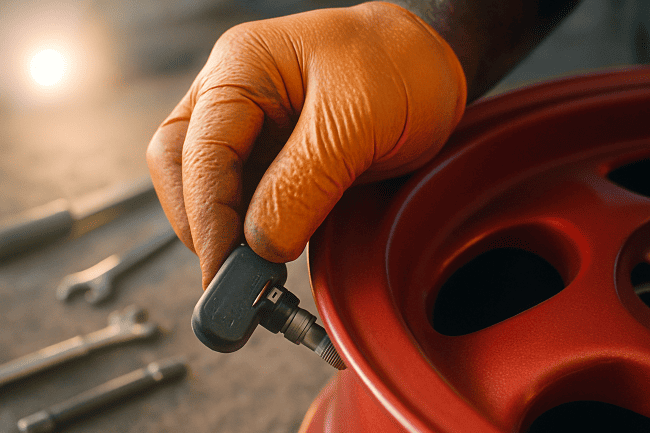
Tyre pressure sensors are small electronic devices that monitor the air pressure in your tyres and alert you when levels drop dangerously low. Since 2012, all new cars in the UK must have TPMS fitted as standard, making roads safer for everyone.
There are two main types of systems: direct and indirect. Direct sensors physically measure pressure inside each tyre, while indirect systems use your car's ABS to detect pressure changes based on wheel speed differences.
How direct TPMS works
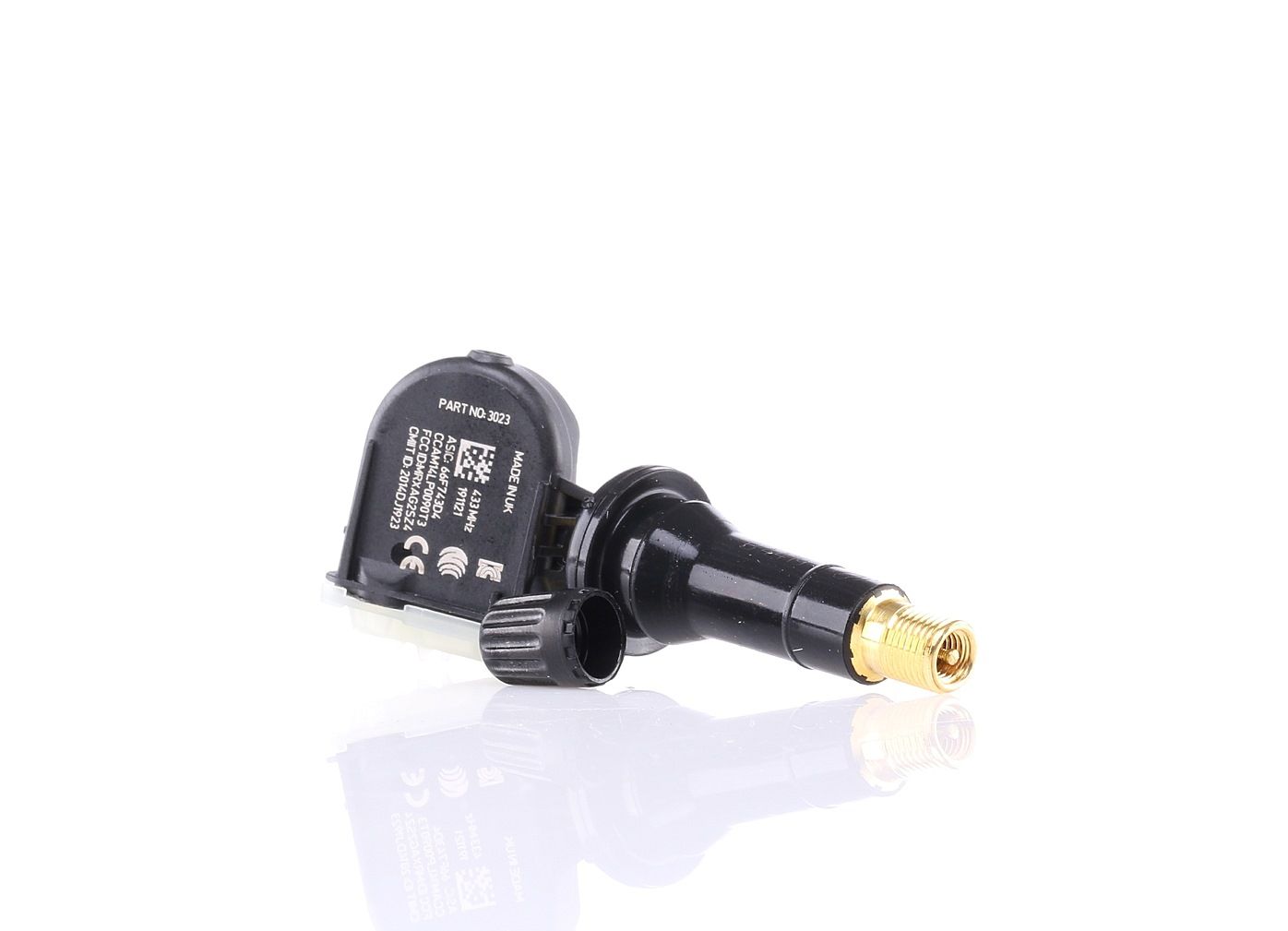
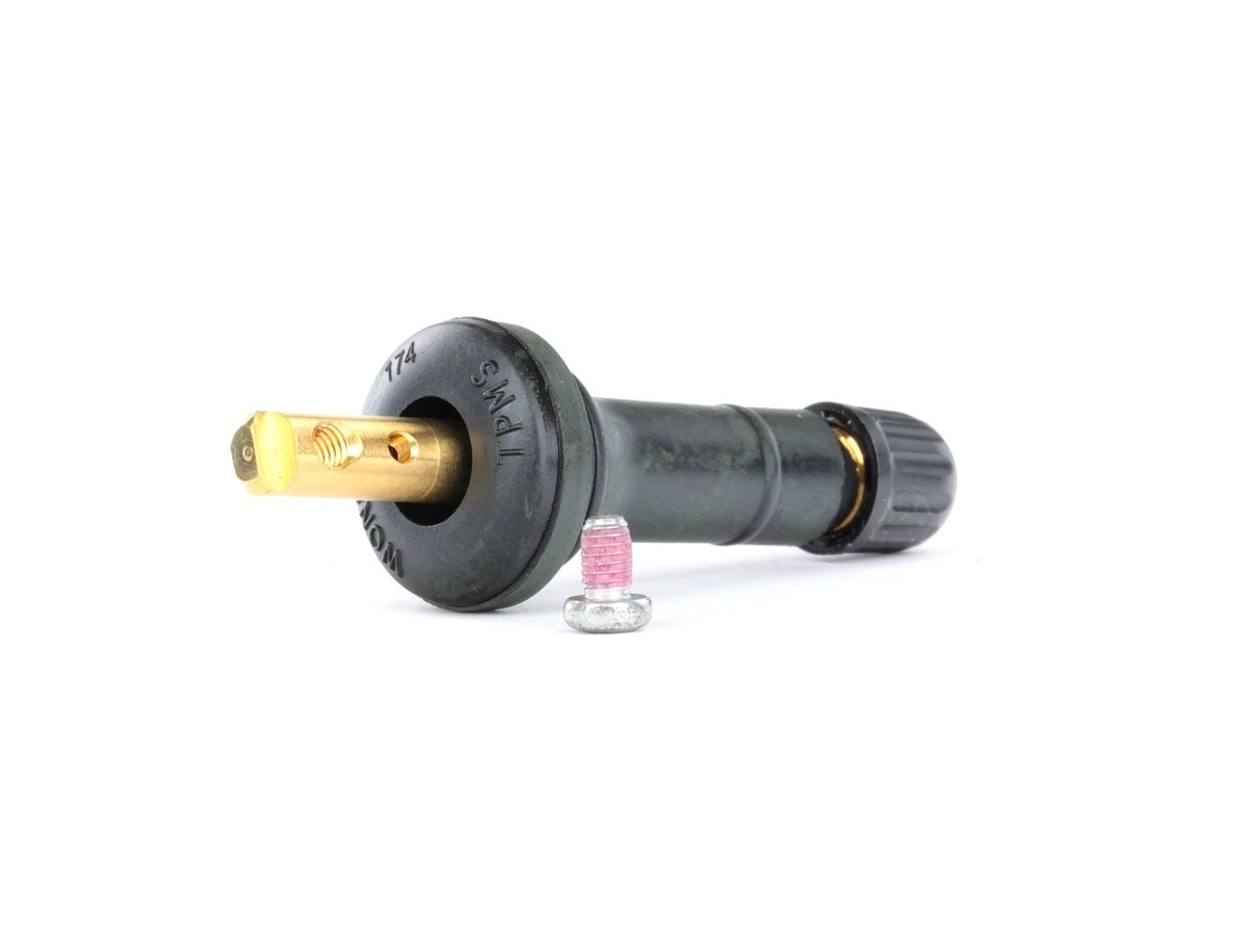
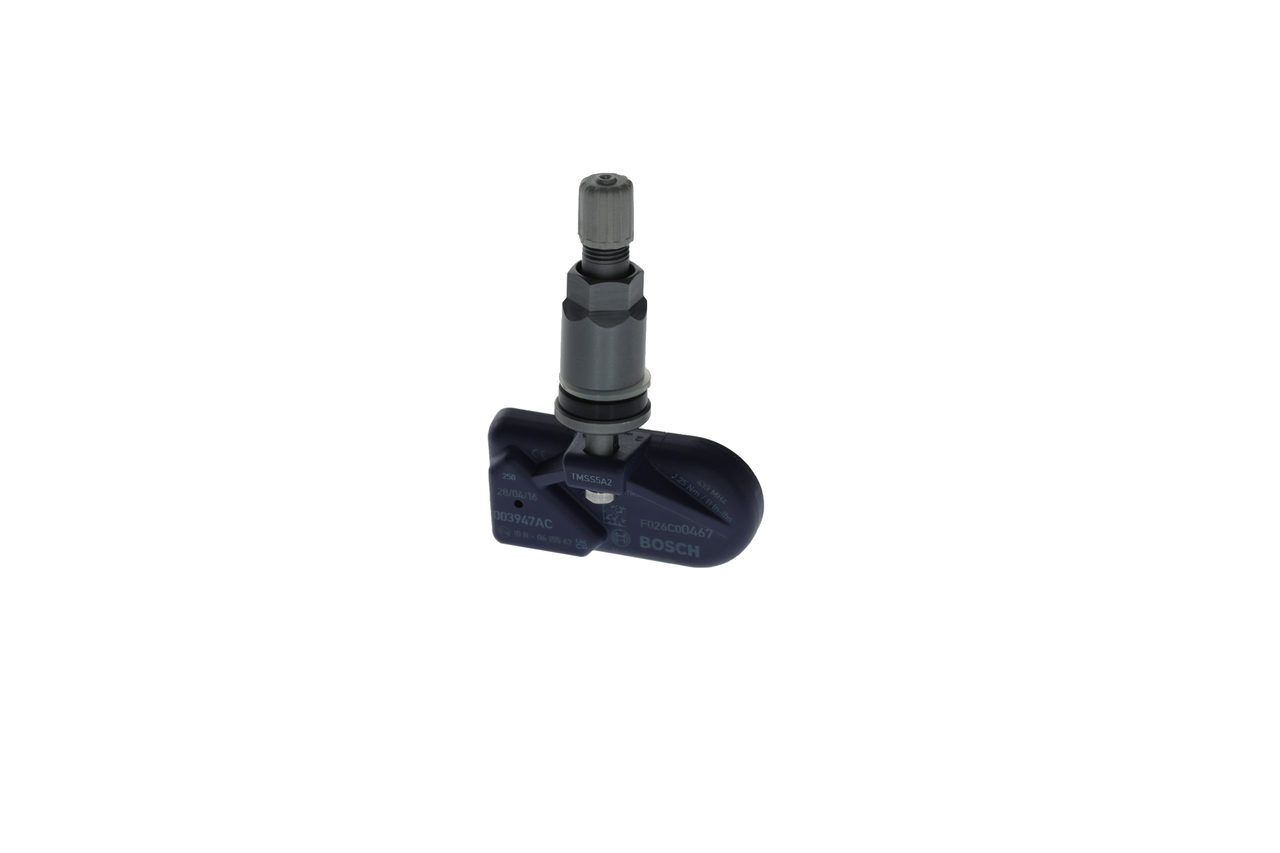
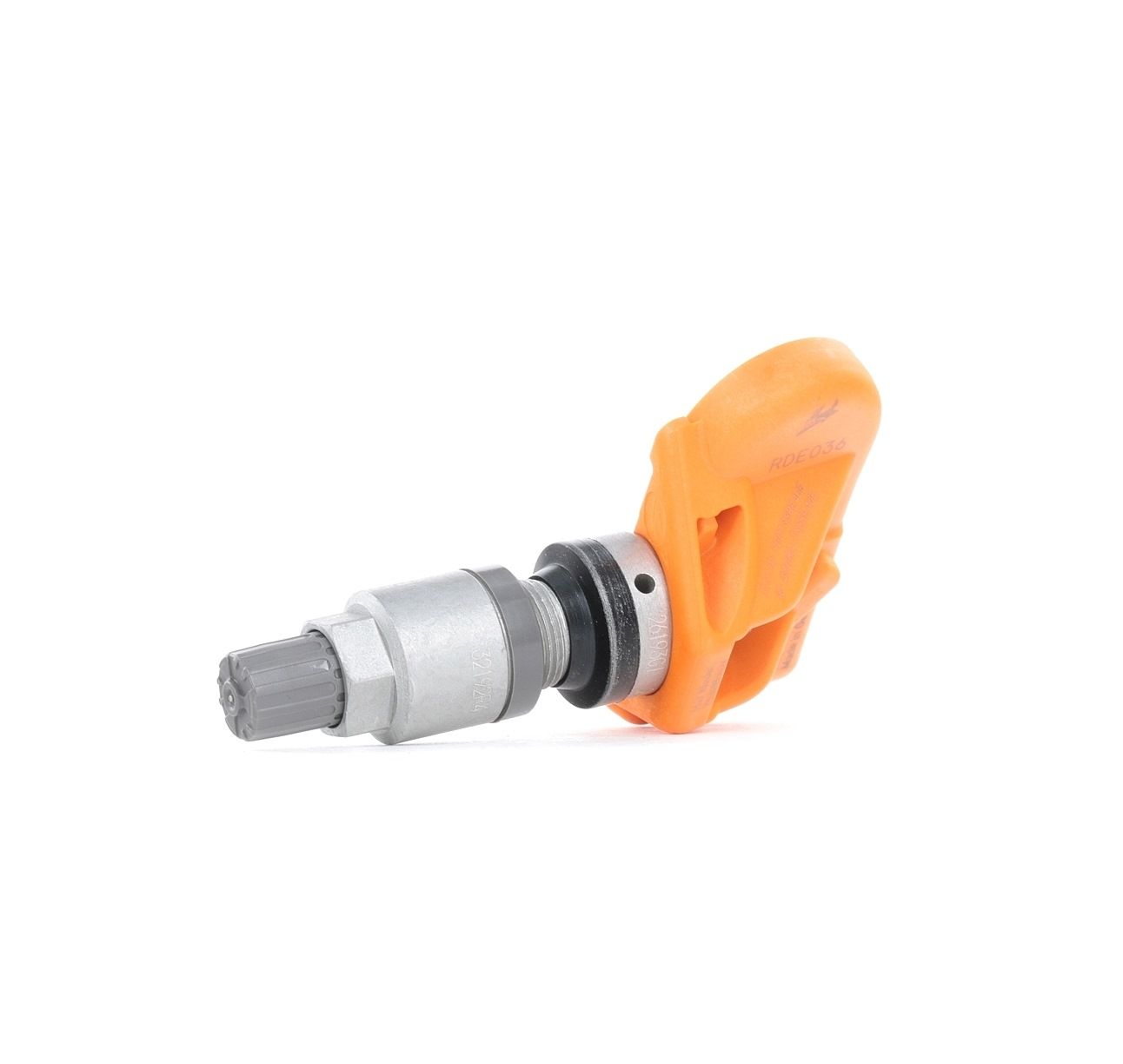
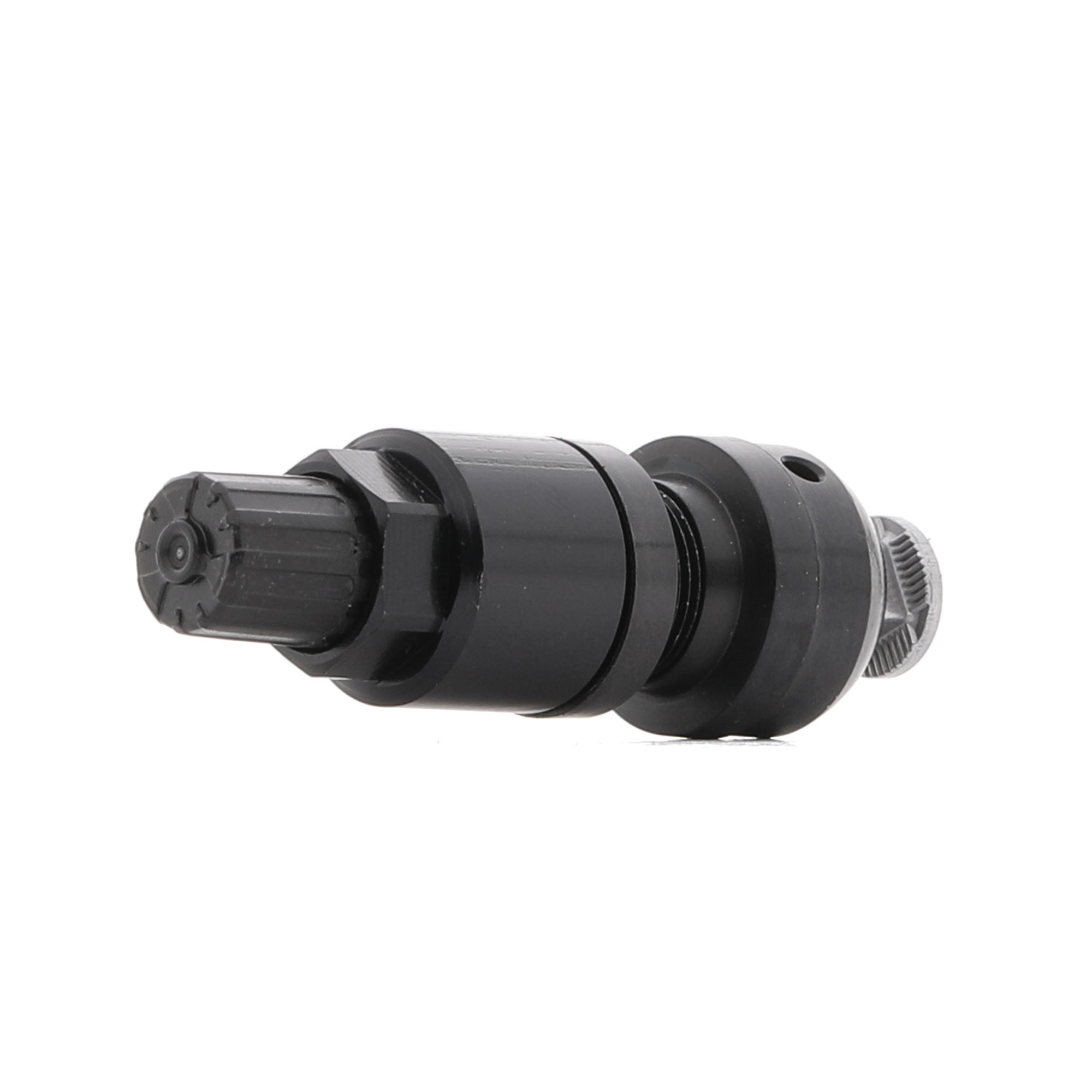
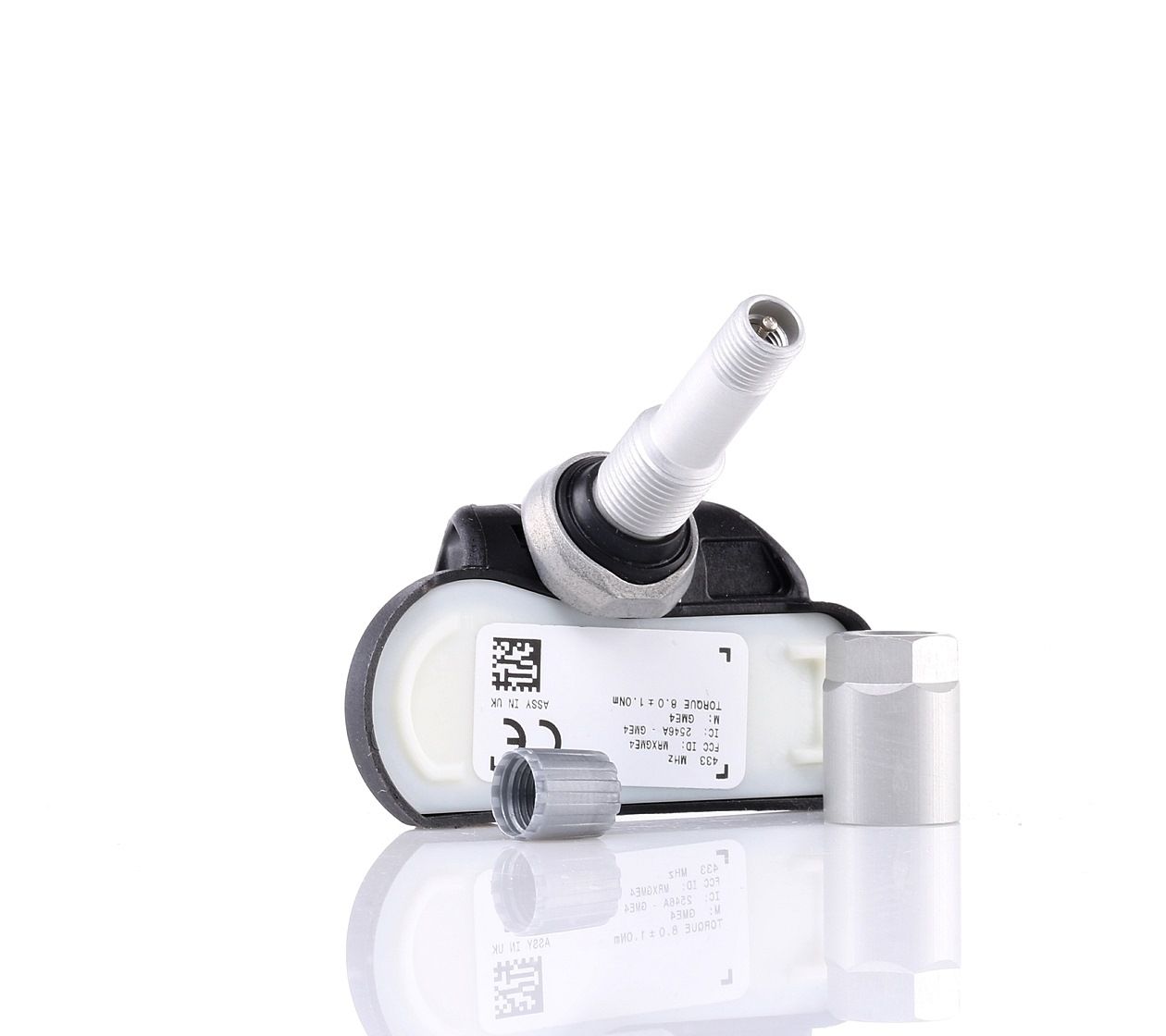
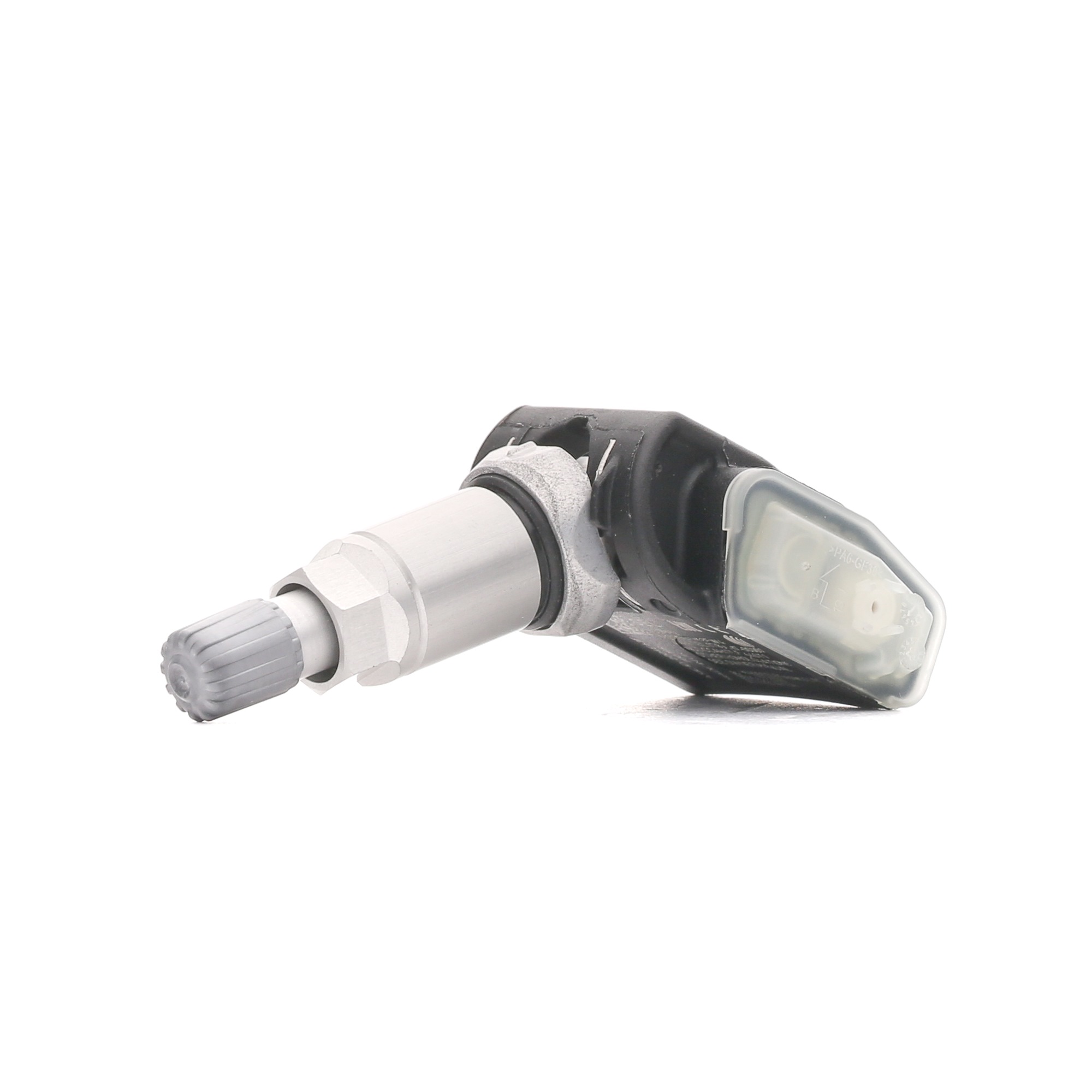
Direct systems use car tyre pressure sensors mounted inside each wheel, typically near the valve stem. These sensors contain:
- Pressure transducers that measure air pressure
- Temperature sensors for accurate readings
- Small batteries lasting 5–10 years
- Radio transmitters sending data to your car's computer
When pressure drops below safe levels, the system triggers a warning light on your dashboard. This gives you real-time, accurate information about each individual tyre.
How indirect TPMS works
Indirect systems are more budget-friendly but less precise. They monitor wheel speed through your ABS sensors, detecting when a tyre rotates faster due to reduced diameter from low pressure. While cost-effective, they can't provide specific pressure readings or detect gradual pressure loss as effectively.
Comparing TPMS types
The table below shows the key differences between direct and indirect systems to help you understand your car's setup.

| Feature |
Direct TPMS |
Indirect TPMS |
| Accuracy |
Highly accurate, real-time readings |
Less precise, comparative readings |
| Individual tyre monitoring |
Yes |
No |
| Battery replacement |
Required every 5–10 years |
Not needed |
| Cost |
£200–400 per sensor |
Lower maintenance costs |
| Leak detection |
Excellent for gradual and rapid leaks |
Limited detection capability |
Common TPMS problems and symptoms
When your TPMS develops faults, you'll notice several warning signs:
- Dashboard warning light stays on or flashes intermittently
- "Sensor not found" messages appearing on your display
- Erratic pressure readings that don't match manual checks
- System won't reset after tyre changes or pressure adjustments
- False alerts when pressure is actually normal
What causes TPMS failures?
Understanding why sensors fail helps you prevent problems and budget for repairs:
- Battery failure: The most common issue, affecting sensors after 5–10 years of use.
- Physical damage: Potholes, kerb impacts, and road debris can damage sensors during installation or driving.
- Corrosion: Moisture entering the sensor housing causes internal components to deteriorate.
- Electrical interference: Strong radio signals or electronic devices can disrupt sensor communication.
- Programming issues: Software problems preventing proper communication with your car's computer.
TPMS maintenance costs
This breakdown helps you plan for TPMS-related expenses throughout your car's life.
| Service |
Typical cost range |
When needed |
| Single sensor replacement |
£50–200 |
Every 5–10 years |
| Full system replacement |
£200–800 |
Rarely, usually with battery failure |
| Professional calibration |
£20–50 |
After tyre changes |
| Diagnostic check |
£30–60 |
When warning lights appear |
Some manufacturers like Ford tyre pressure sensor systems may require specific replacement parts, so always check compatibility before purchasing.
What to do when your TPMS light comes on

Don't panic if your TPMS warning light activates while driving. Follow these steps:
- Continue driving safely to the nearest safe location
- Check all four tyres with a pressure gauge
- Inflate tyres to manufacturer specifications if needed
- Reset the system using your car's menu (usually under Settings > Driver Assistance)
- Visit a garage if the light persists after proper inflation
Resetting your TPMS
Most modern cars allow you to reset the system through the dashboard menu:
- Access your car's settings menu
- Navigate to "Driver Assistance" or "Vehicle Settings"
- Find "Tyre Pressure Monitoring"
- Press and hold the confirmation button to save current pressure readings
AUTODOC experts advise that if the light continues flashing after reset, book a diagnostic check with a qualified technician.
Frequently Asked Questions
Can I drive with the TPMS light on?
Yes, but check your tyre pressure immediately. While not an emergency, continuing to drive on underinflated tyres risks blowouts and accidents.
How long do TPMS batteries last?
Direct sensor batteries typically last 5–10 years or approximately 100,000 miles, depending on driving conditions and climate.
Can I replace TPMS sensors myself?
While possible, professional installation is recommended. Sensors require programming to your specific vehicle, and improper installation can damage the system.
Do I need TPMS sensors on my spare tyre?
Most manufacturers don't require TPMS on temporary spare tyres, but check your owner's manual for specific requirements.
Why does my TPMS activate in cold weather?
Tyre pressure drops approximately 1 PSI for every 10°C temperature decrease. This is normal and requires pressure adjustment, not sensor replacement.
Keeping your TPMS healthy
Regular maintenance keeps your system working properly:
- Check tyre pressure monthly using a reliable gauge
- Inspect sensors during tyre changes for damage or corrosion
- Avoid harsh impacts with kerbs and potholes
- Replace sensors proactively when batteries reach 7–8 years old
When fitting new tyres, ensure you're getting great car tyre offers that include proper TPMS sensor handling and calibration.
Conclusion
Your TPMS is a vital safety system that requires occasional attention but provides invaluable protection. Understanding how it works, recognising problems early, and maintaining it properly will keep you safe on the road while avoiding costly repairs. Remember that while TPMS helps monitor pressure, it's no substitute for regular manual checks and proper tyre maintenance.
Top products related to this topic:

 21 November 2025 (updated)