
Oil filter for my car
Where to buy oil filters at a good price? At AUTODOC!
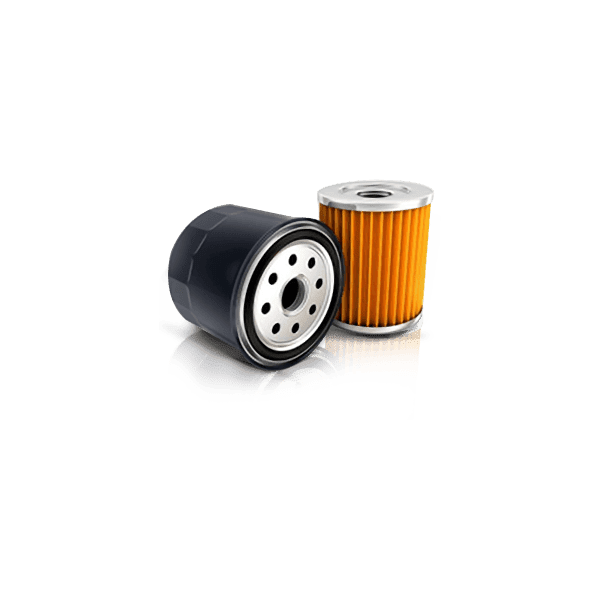
Best oil filter brands: original equipment manufacturer
Find oil filters for all top car brands
Buy and change the oil filter on your car model
AUTODOC Bestsellers: car engine oil filter buy online at a good price to reduce replacement cost
View bestsellersThe best-selling replacement parts from the Oil filter section. We have a large selection of spare parts from different brands for Oil filter and further low-price offers in our range of parts
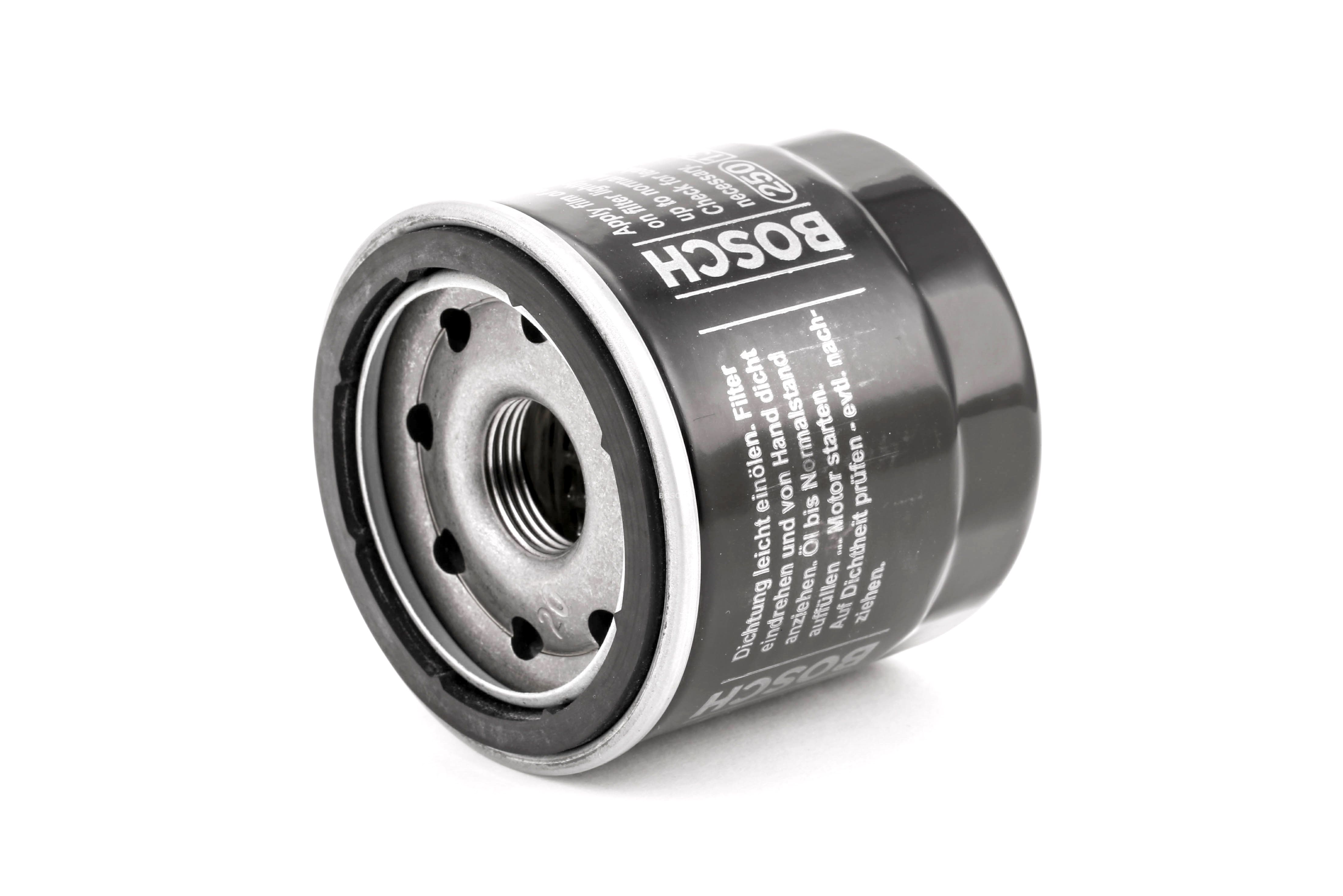 BOSCH P 7210 Oil filter
M 20 x 1,5, Spin-on Filter
BOSCH P 7210 Oil filter
M 20 x 1,5, Spin-on Filter
Sold by AUTODOC
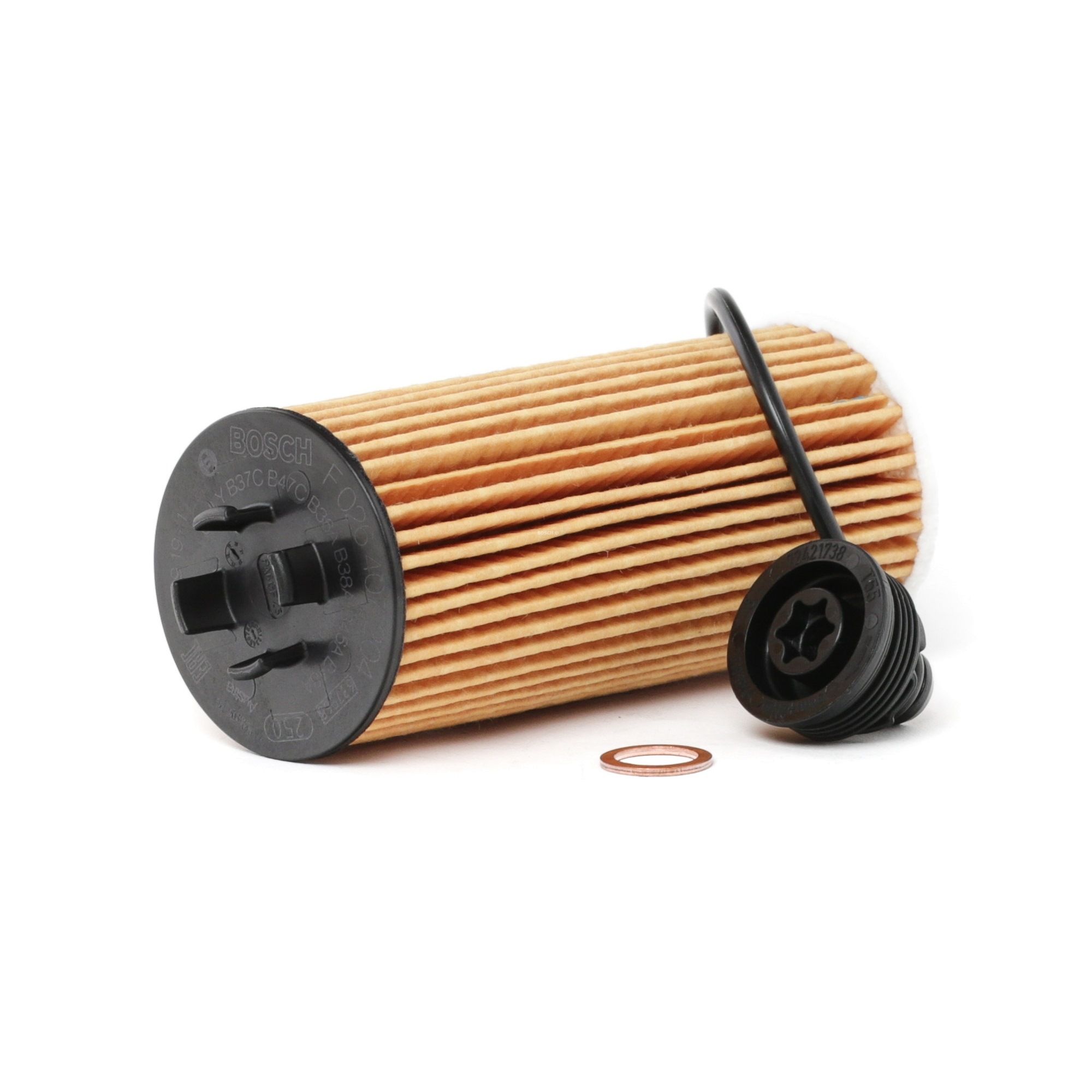 BOSCH P 7204 Oil filter
Filter Insert
BOSCH P 7204 Oil filter
Filter Insert
Sold by AUTODOC
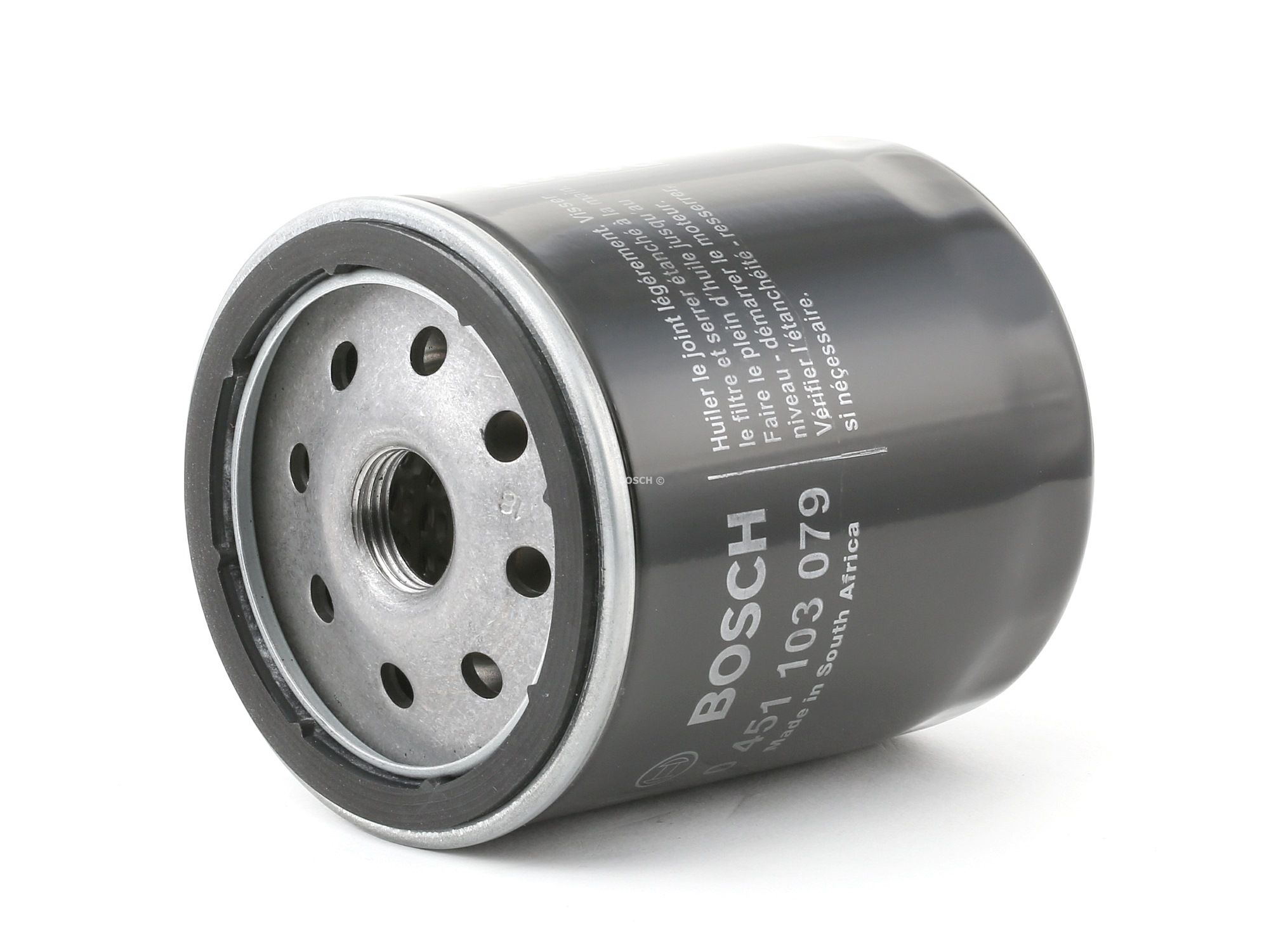 BOSCH P 3079 Oil filter
M 18 x 1,5, Spin-on Filter
BOSCH P 3079 Oil filter
M 18 x 1,5, Spin-on Filter
Sold by AUTODOC
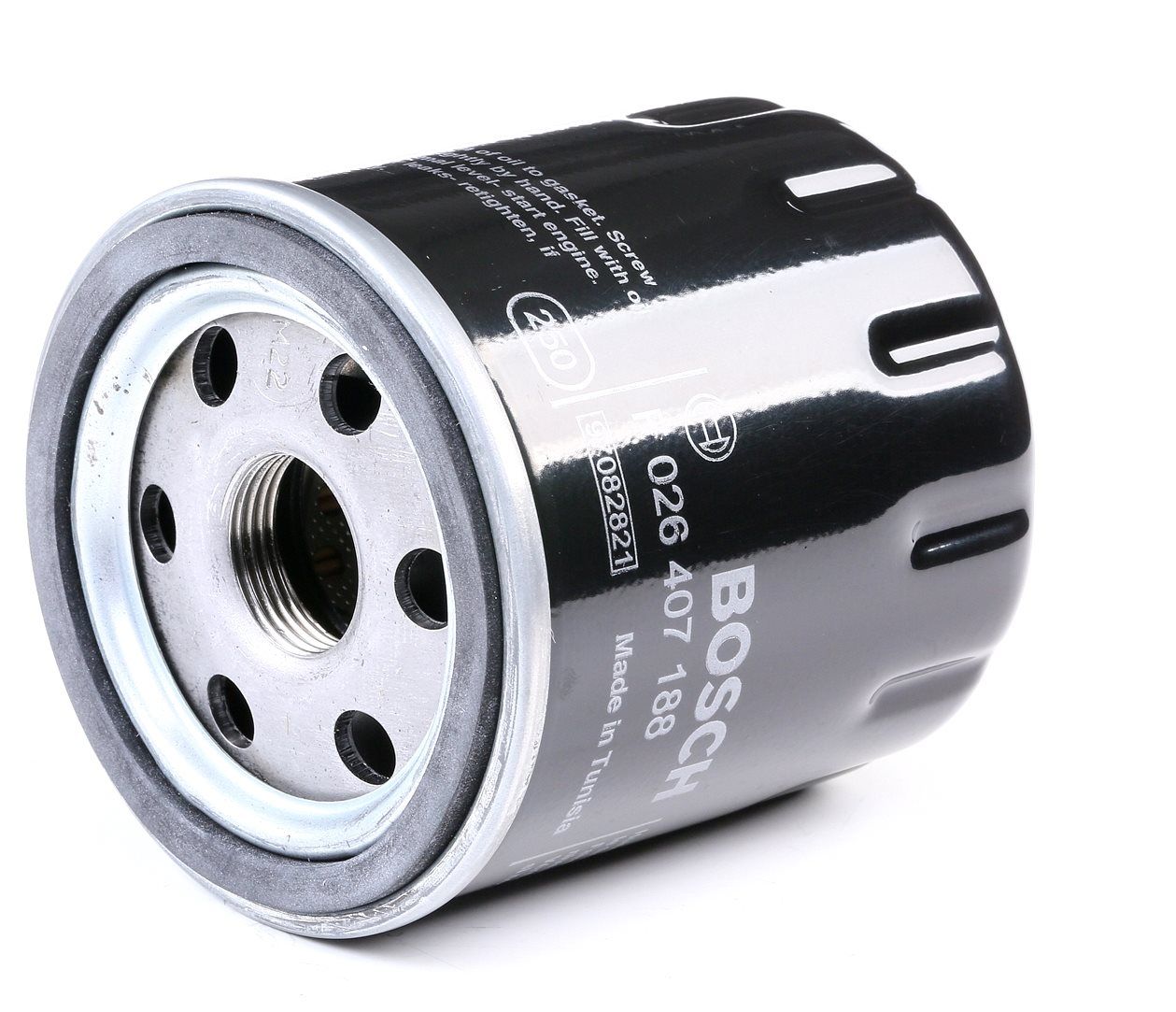 BOSCH P 7188 Oil filter
M 22 x 1,5, Spin-on Filter
BOSCH P 7188 Oil filter
M 22 x 1,5, Spin-on Filter
Sold by AUTODOC
 BOSCH P 7299 Oil filter
Filter Insert
BOSCH P 7299 Oil filter
Filter Insert
Sold by AUTODOC
 HENGST FILTER 4044130000 Oil filter
Sold by AUTODOC
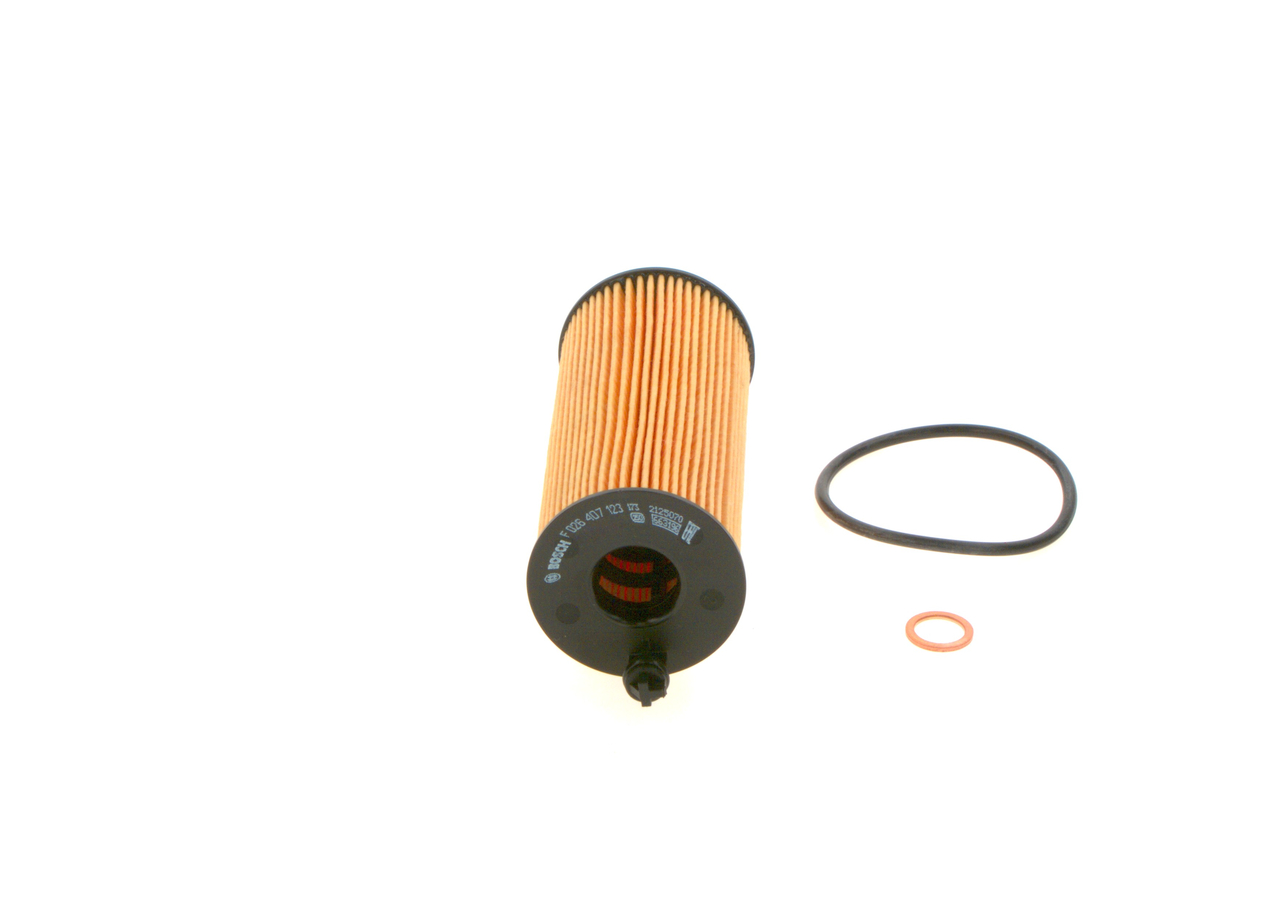 BOSCH P 7123 Oil filter
Filter Insert
BOSCH P 7123 Oil filter
Filter Insert
Sold by AUTODOC
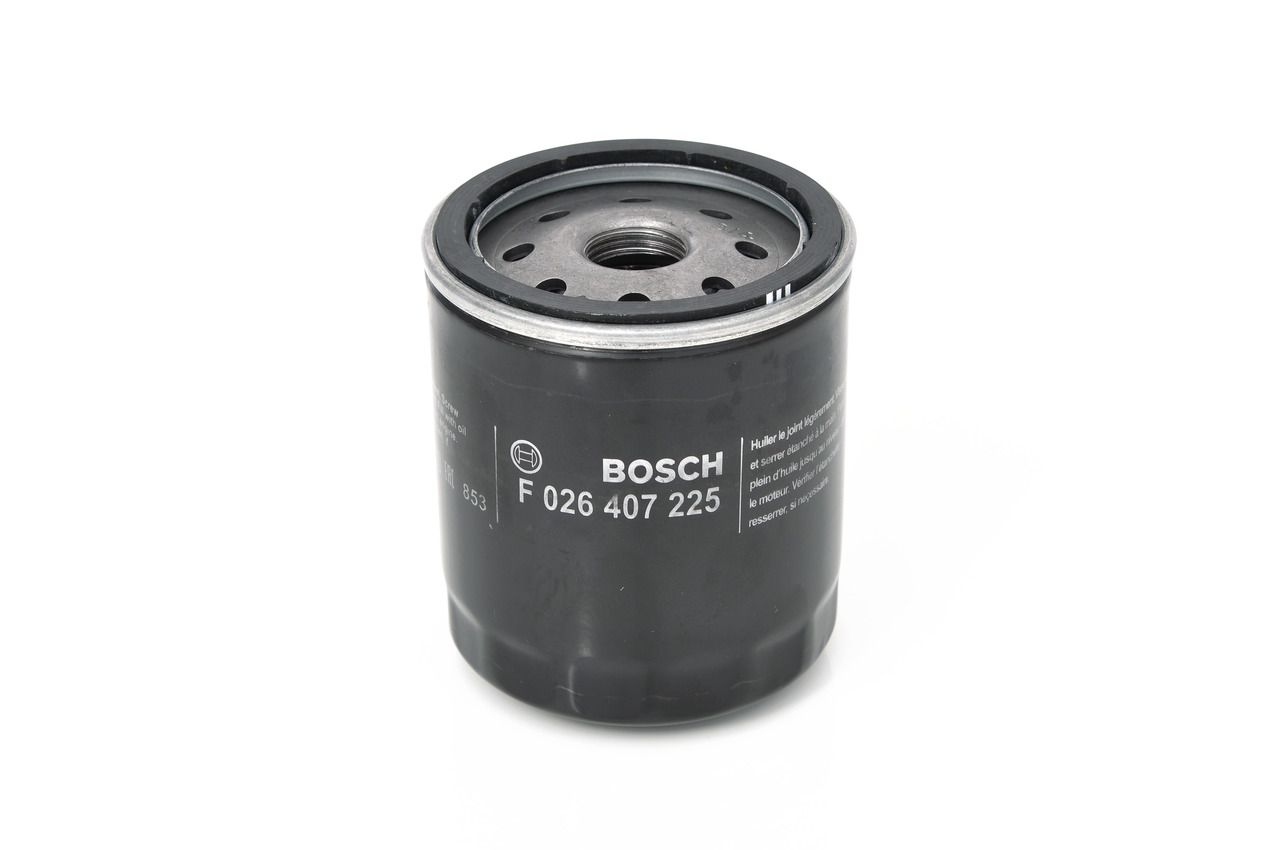 BOSCH P 7225 Oil filter
3/4" 16 UNF, Spin-on Filter
BOSCH P 7225 Oil filter
3/4" 16 UNF, Spin-on Filter
Sold by AUTODOC
 MAHLE 70367063 Oil filter
3/4" 16UNF 2B, 3/4"-16UNF-2B, Spin-on Filter
MAHLE 70367063 Oil filter
3/4" 16UNF 2B, 3/4"-16UNF-2B, Spin-on Filter
Sold by AUTODOC
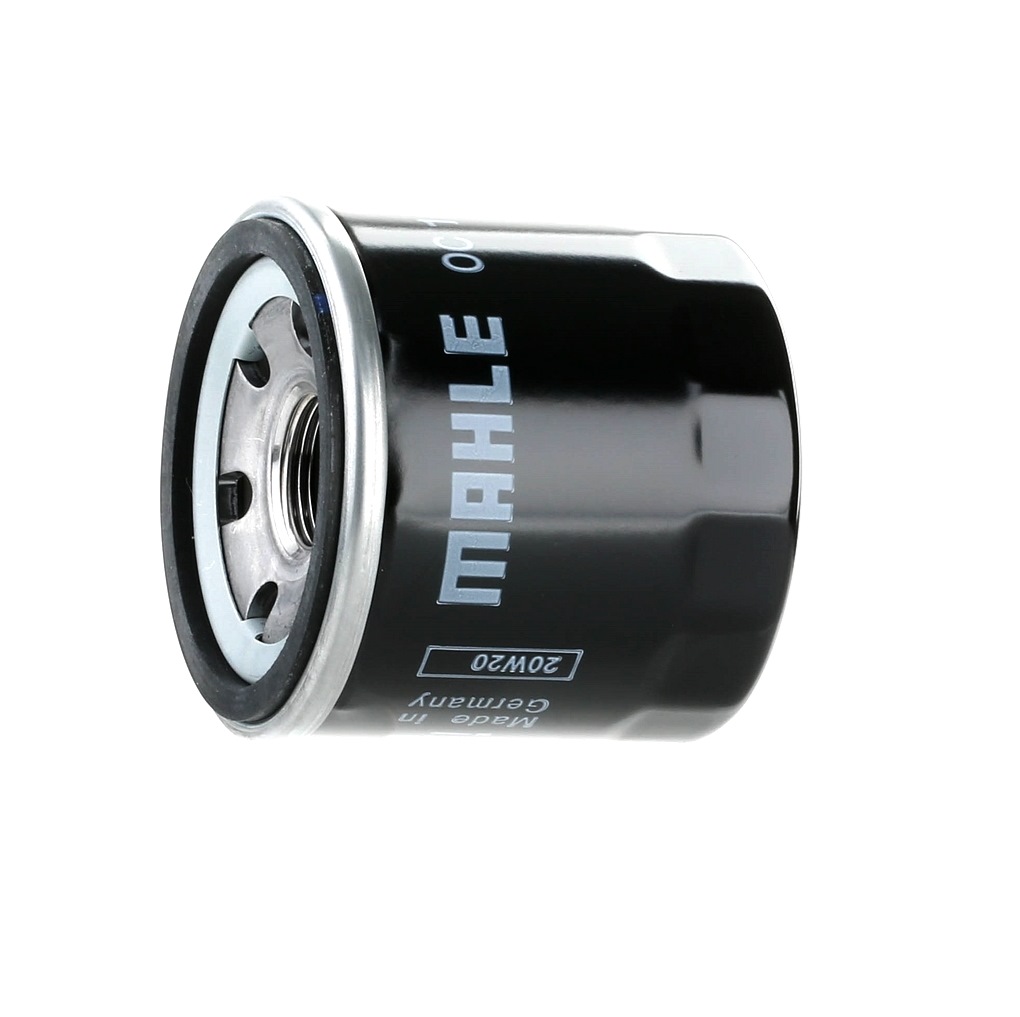 MAHLE 72483059 Oil filter
M20x1,5, Spin-on Filter
MAHLE 72483059 Oil filter
M20x1,5, Spin-on Filter
Sold by AUTODOC
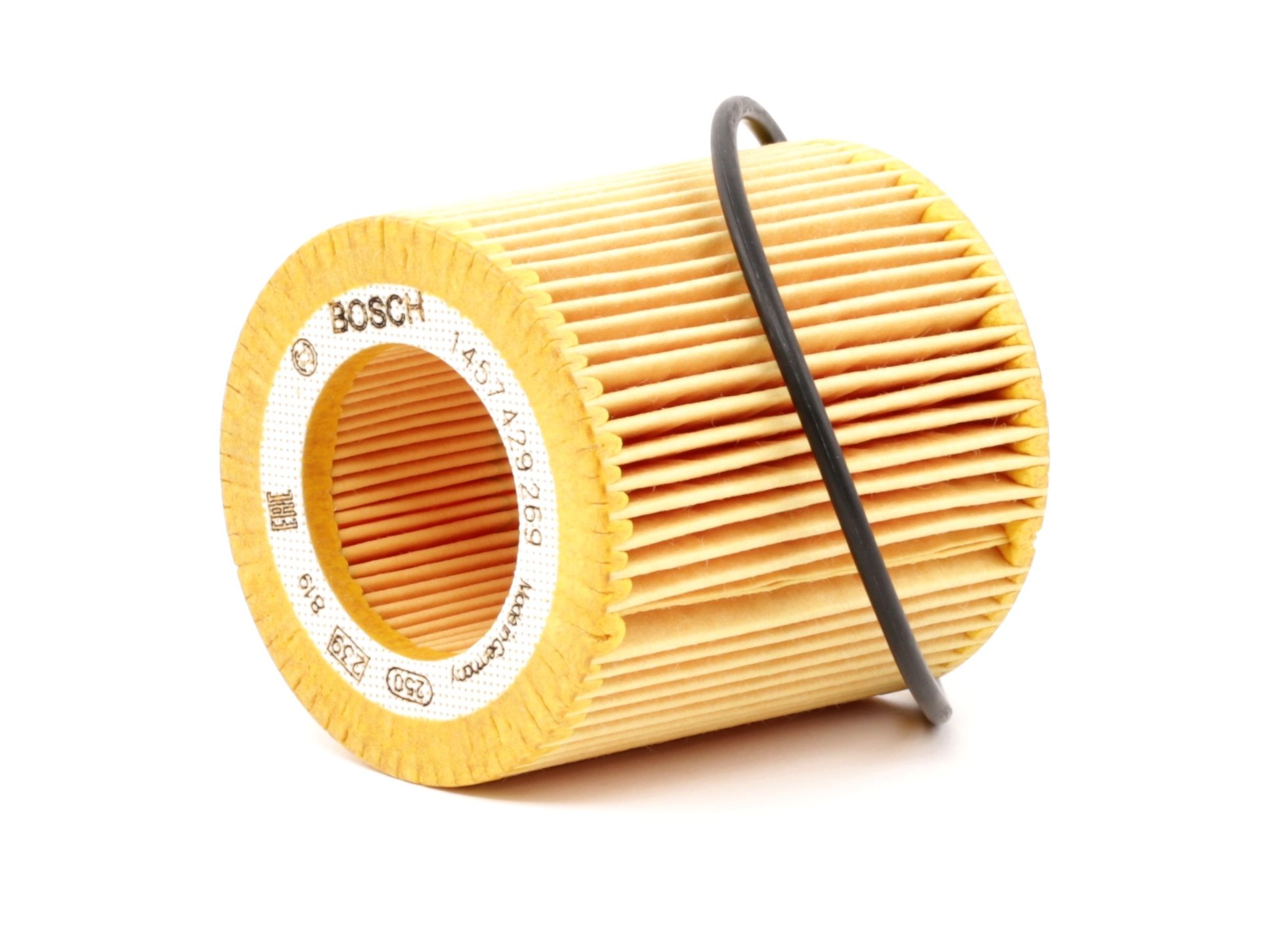 BOSCH P 9269 Oil filter
Filter Insert
BOSCH P 9269 Oil filter
Filter Insert
Sold by AUTODOC
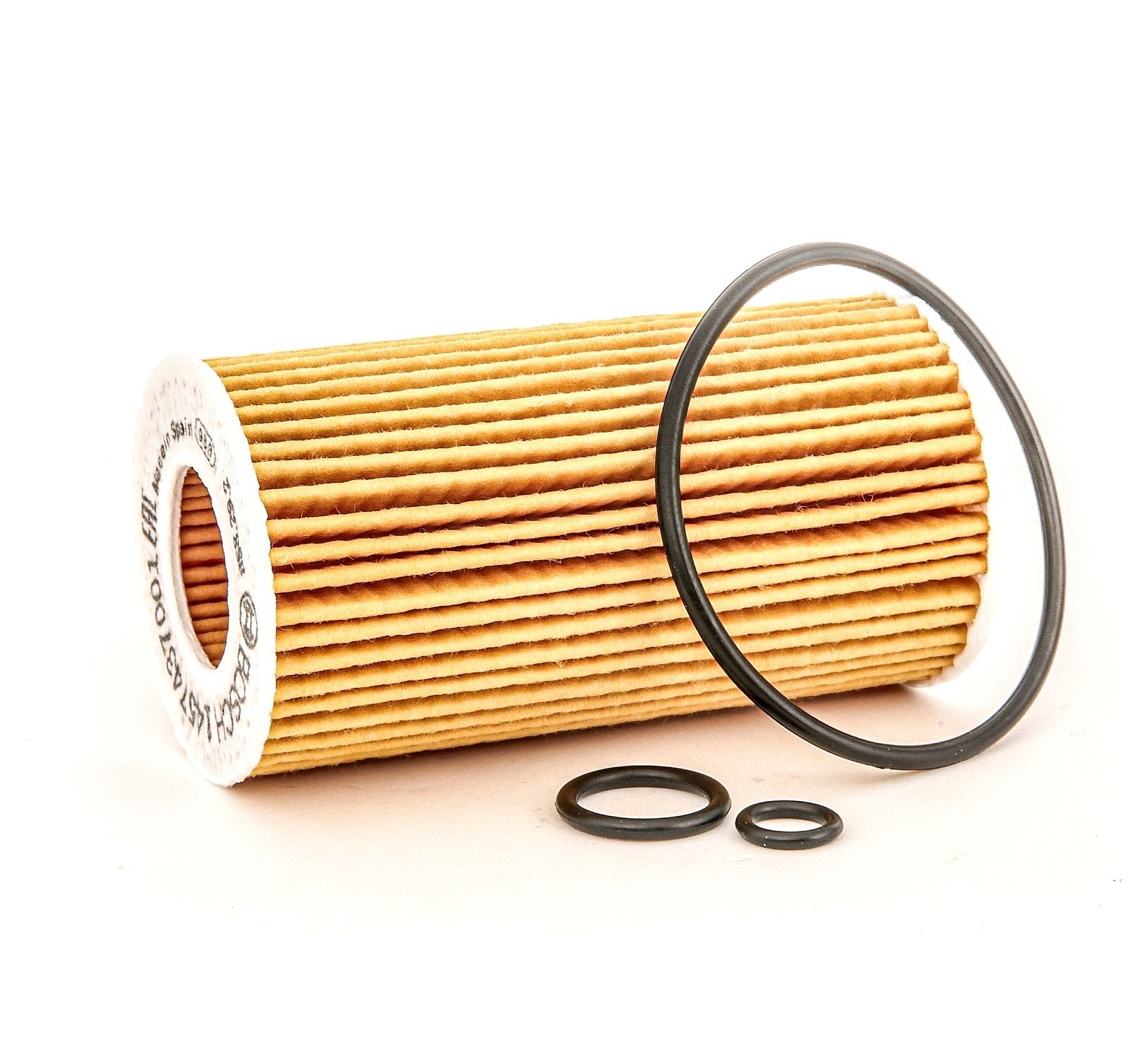 BOSCH P 7001 Oil filter
Filter Insert
BOSCH P 7001 Oil filter
Filter Insert
Sold by AUTODOC
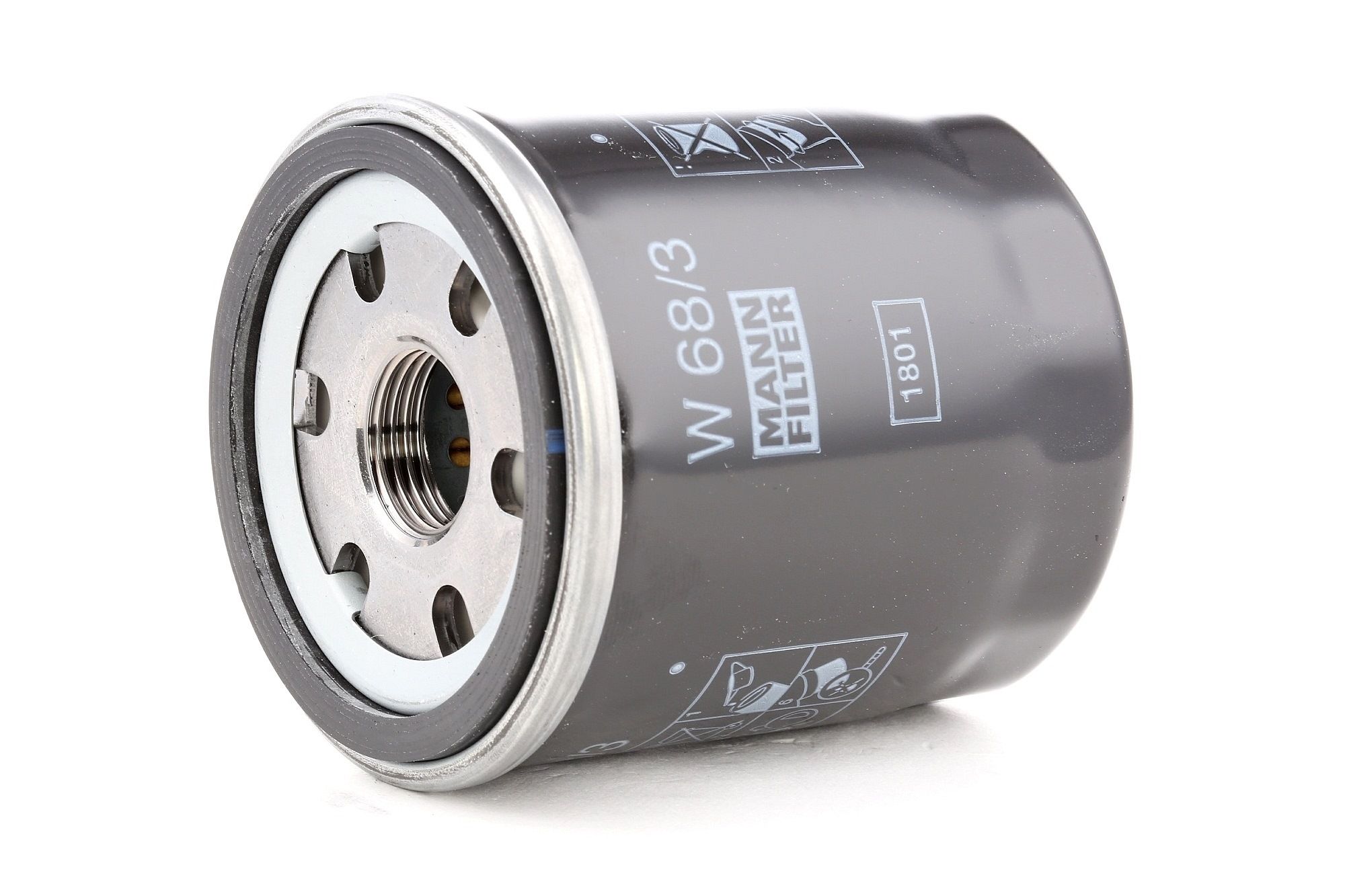 MANN-FILTER W 68/3 Oil filter
3/4-16 UNF, Spin-on Filter
MANN-FILTER W 68/3 Oil filter
3/4-16 UNF, Spin-on Filter
Sold by AUTODOC
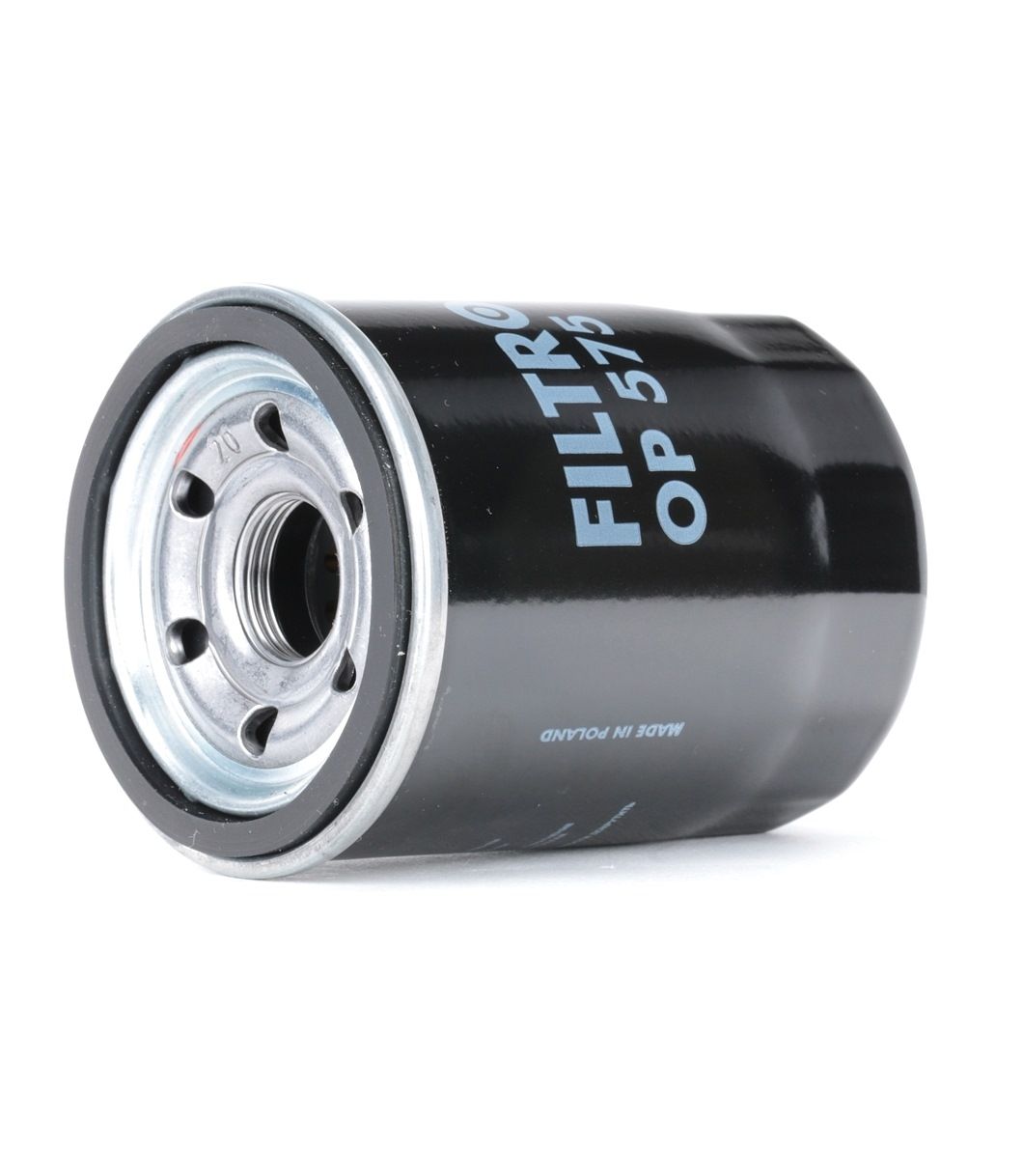 FILTRON OP 575 Oil filter
M20x1.5-6H, Spin-on Filter
FILTRON OP 575 Oil filter
M20x1.5-6H, Spin-on Filter
Sold by AUTODOC
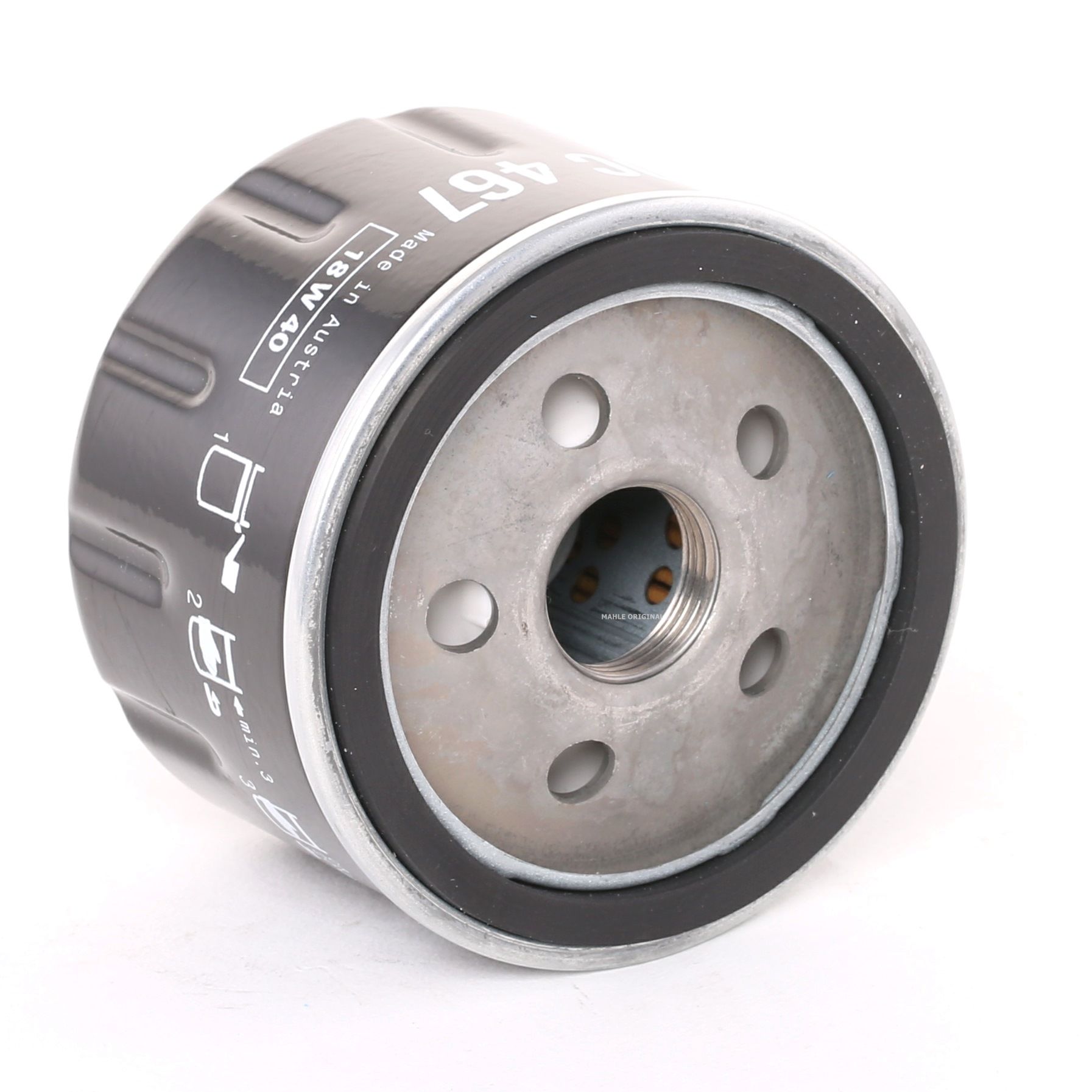 MAHLE 76693105 Oil filter
M20x1,5, Spin-on Filter
MAHLE 76693105 Oil filter
M20x1,5, Spin-on Filter
Sold by AUTODOC
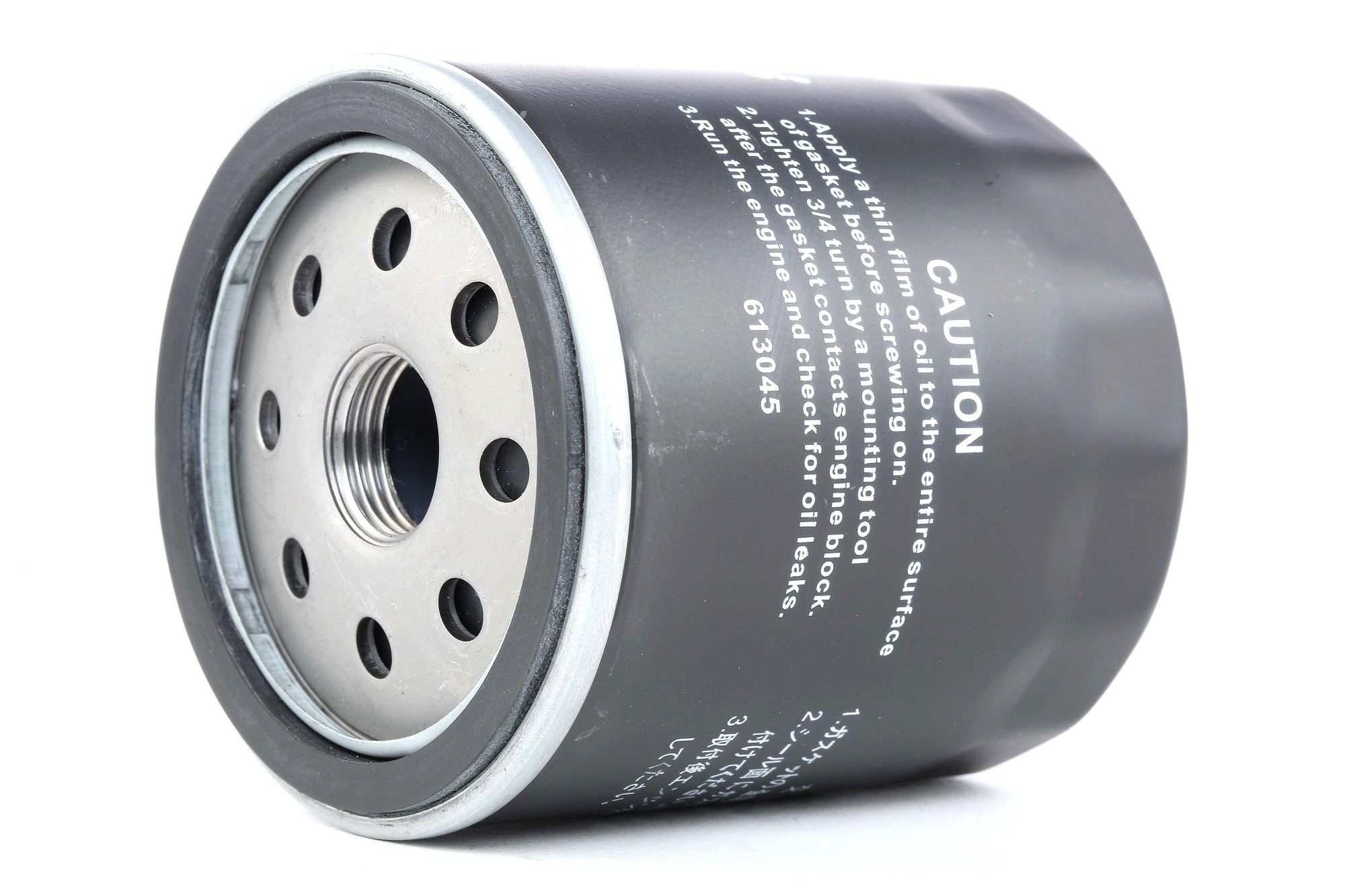 JAPANPARTS FO-279S Oil filter
Spin-on Filter
JAPANPARTS FO-279S Oil filter
Spin-on Filter
Sold by AUTODOC
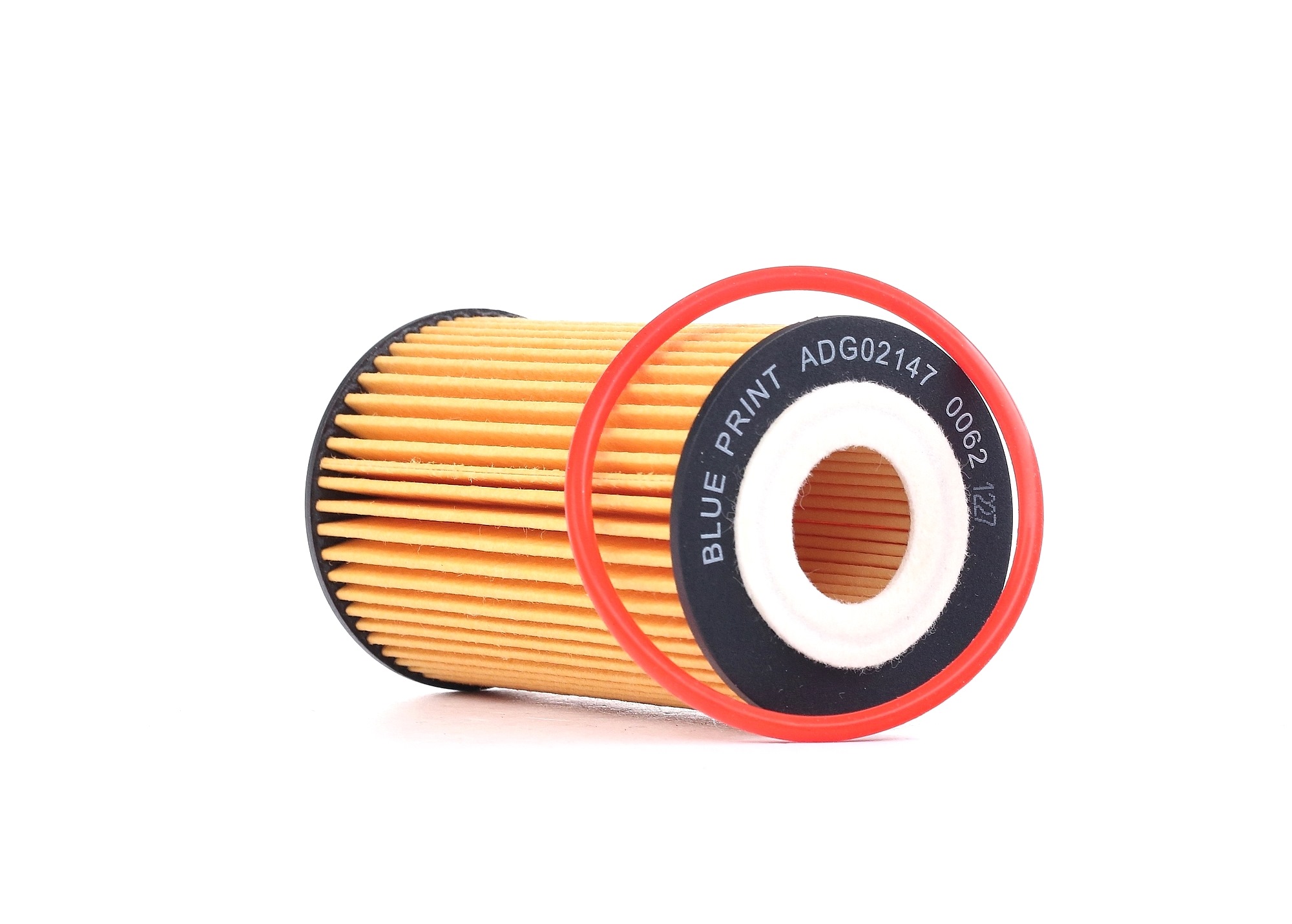 BLUE PRINT ADG02147 Oil filter
Filter Insert
BLUE PRINT ADG02147 Oil filter
Filter Insert
Sold by AUTODOC
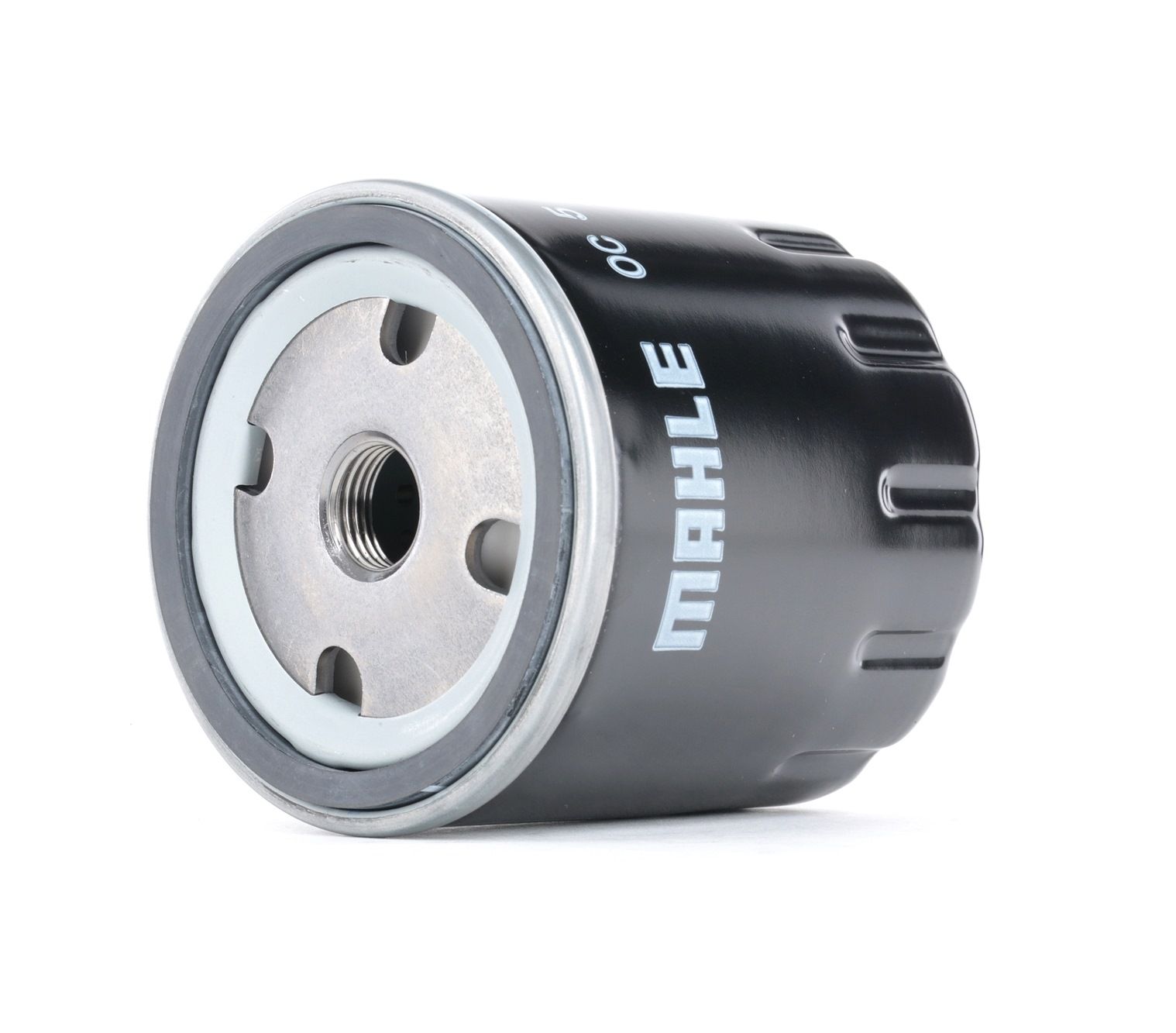 MAHLE 72014041 Oil filter
M16x1.5-6H, Spin-on Filter
MAHLE 72014041 Oil filter
M16x1.5-6H, Spin-on Filter
Sold by AUTODOC
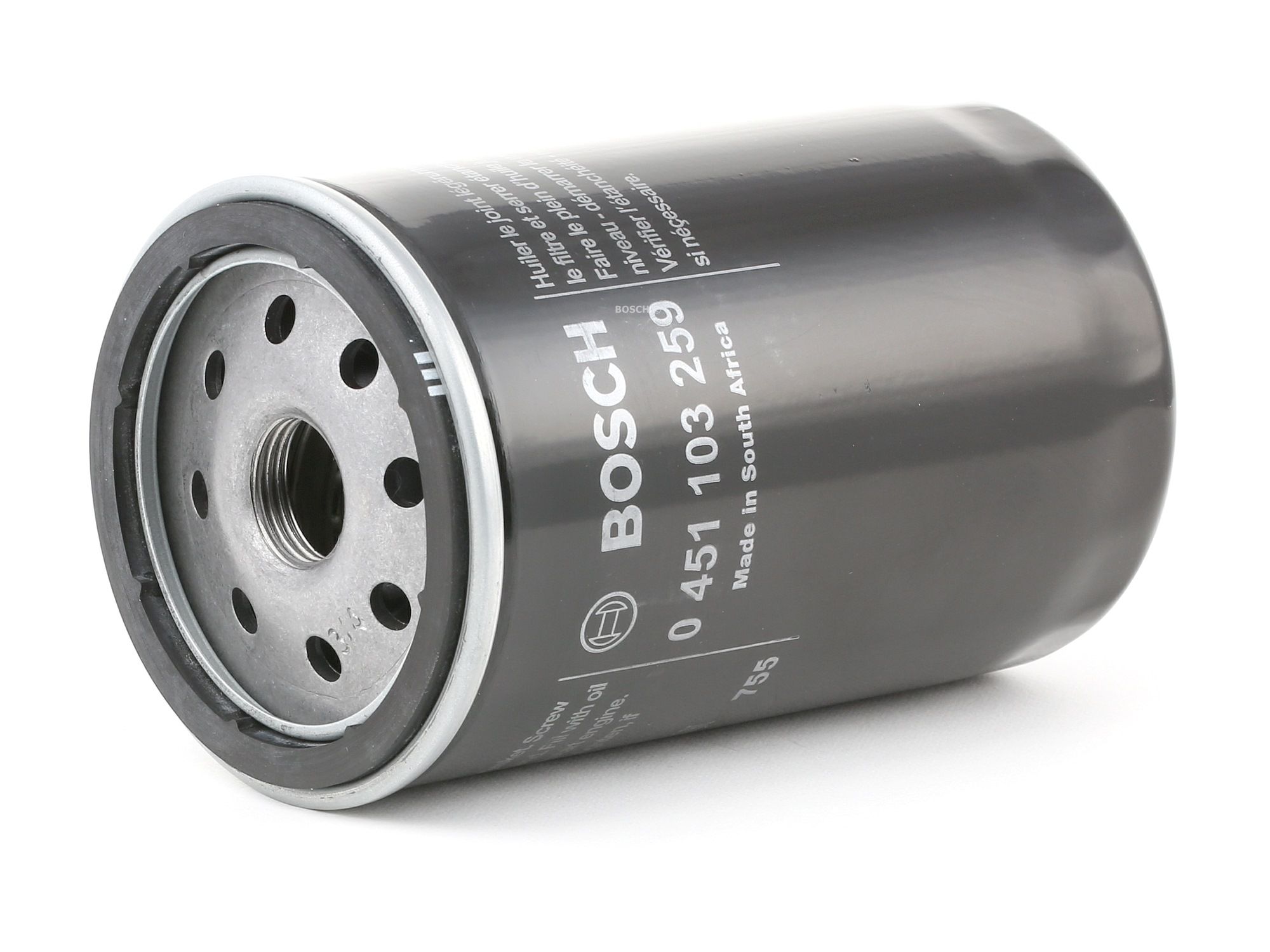 BOSCH P 3259 Oil filter
3/4" 16 UNF-2B, Spin-on Filter
BOSCH P 3259 Oil filter
3/4" 16 UNF-2B, Spin-on Filter
Sold by AUTODOC
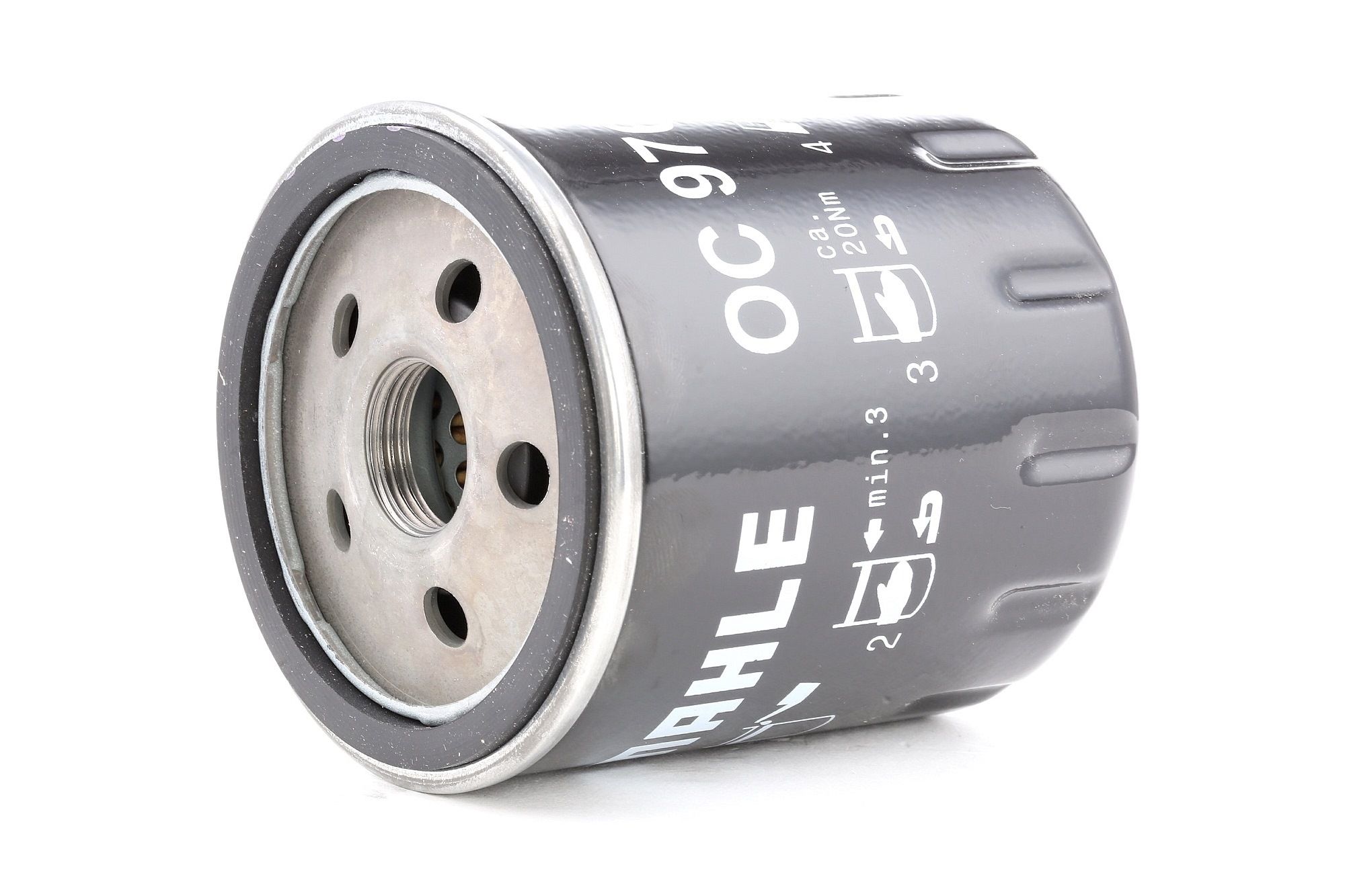 MAHLE 70515268 Oil filter
M20x1,5, M20x1.5-6H, Spin-on Filter
MAHLE 70515268 Oil filter
M20x1,5, M20x1.5-6H, Spin-on Filter
Sold by AUTODOC
Car Oil filters : which brand is better?
According to our customers, the best spare parts in the auto Engine oil filter product category come from the following brands:
- MANN-FILTER
- FEBI BILSTEIN
- MAHLE
- BOSCH
- KAVO PARTS
Auto Oil filter: how much does this product cost?
The price of car parts within the auto Oil filter category ranges from £4.00 to £29.00, depending on the vehicle type, manufacturer, and product specifications.
Oil filter replacement tutorial from AUTODOC Youtube and PDF free download on AUTODOC CLUB
How to change Engine Oil / Motor Oil / Engine Fluid / Oil filter on RENAULT SCÉNIC 2 TUTORIAL | AUTODOC Top brands that produce Engine Oil and oil fi...
Step by Step Video Tutorial for Do-it-yourself Auto Repair. Become an amateur mechanic with Autodoc.
Oil filter: useful information
| The bestselling products: | |||||
|---|---|---|---|---|---|
| F 026 407 123 | 0 451 103 079 | ADM52122 | OC 21 | ADG02147 | W 712 |
| For popular car brands: | |||||
| BMW | VW | AUDI | MERCEDES-BENZ | FORD | VAUXHALL |
| Oil filter – technical details | |||||
| Height [mm] | Inner Diameter 2 [mm] | Thread Size | |||
| 134 | 155 | 19 | 21 | 3/4" 16 UNF | 3/4" 16 UNF-2B |
| 76 | 86 | 31 | 51 | 3/4-16 UNF | 3/4"-16UNF-2B |
| 63 | 54 | 58,5 | 63 | 3/4" 16UNF 2B | M 20 x 1,5 |
What is an oil filter?
The engine lubrication system relies on the oil filter as a critical component to keep the engine oil clean by removing contaminants. In the absence of a filter, abrasive particles such as metal fragments, soot, and combustion byproducts would continuously circulate. This circulation would lead to accelerated wear on essential moving parts like pistons and bearings.
Oil filters are crucial for engine longevity, designed to capture harmful particles between 5 and 40 microns (0.005–0.040 mm). High-quality filters achieve a high capture efficiency, typically 95–98% in this range. Without effective filtration, the risk of critical engine failure increases significantly, and the engine's service life can be reduced by a substantial 50–70%.
The oil filter is a consumable component that must be replaced as part of every oil change. In Germany, the typical replacement interval is between 15,000 and 30,000 km, or annually to biannually (every 1–2 years), depending on the specific manufacturer guidelines and vehicle operating conditions.
How oil filters work

The primary function of an oil filter is to separate contaminated oil from clean oil. The oil pump forces oil under pressure through a filtering element. This element captures solid particles, allowing the cleaned oil to then circulate to the various engine components.
Contemporary oil filters are composed of several vital parts, each contributing a specific role to the overall filtration process.
What are the different types of oil filters?
Oil filters are divided into two primary types: Spin-on (Canister) filters, which are self-contained metal units, and Cartridge (Element) filters, which use a replaceable paper element inserted into a permanent engine housing, commonly seen in modern engines like BMW and VW Group (Volkswagen, Audi, SEAT, Škoda, Cupra).
Main parts:
- Filtering element: Typically made from pleated paper or synthetic media, offering a surface area of around 0.1–0.3 m². It captures contaminants in the 5–40 micron range.
- Bypass valve: Allows oil to flow unfiltered if the filter becomes clogged or the oil thickens in low temperatures, preventing engine damage from oil starvation.
- Anti-drainback valve: Stops oil from flowing back into the sump when the engine is off, ensuring immediate lubrication at startup. In spin-on filters, it sits inside the canister, while in cartridge systems, it is usually built into the engine housing.
- Filter housing: In spin-on designs, this is a sealed, disposable steel canister enclosing all internal components. In cartridge systems, the housing is a permanent engine-mounted unit, typically made of aluminium or reinforced plastic, with a removable cap.
- O-ring (ensure seated in the groove, not the threads): Provides a leak-proof seal. Spin-on filters use a fixed rubber gasket, whereas cartridge filters require replacement O-rings (included with the filter) to be installed on the housing cap during servicing.
Filtration cycle
The oil filtration cycle runs continuously while the engine is operating, maintaining a steady supply of clean lubricant.
- The oil pump draws oil from the sump.
- Pressurised oil (typically 2–6 bar) is directed into the filter via the inlet ports.
- As it passes through the filter media, particles as small as 5 microns are removed.
- The purified oil then exits through the central channel and is distributed to the engine’s main oil passages.
- It lubricates key components such as crankshaft bearings, camshafts, and pistons.
- After completing its path, the oil returns to the sump, and the cycle continues.
Important: If the filter becomes heavily restricted or the oil thickens in cold conditions, the pressure differential increases and triggers the bypass valve. This allows unfiltered oil to circulate, protecting the engine from oil starvation, but also permitting contaminants to reach critical components.
Types of oil filters explained
Oil filters are available in various types, each distinguished by its construction, filtration efficiency, and intended application. The appropriate filter choice is determined by factors such as the engine's design, typical operating conditions, and cost considerations.
Full-flow spin-on filters
These represent a traditional filter design, featuring a sealed metal canister that fully contains the filtration element. The complete unit must be replaced during every oil change.
Specifications:
- Application: Commonly found in older vehicles and many non-European models; widely used in petrol engines up to around 2.0–3.0 litres
- Flow rate: Typically delivers 20–40 litres per minute, depending on engine size
- Filtration efficiency: Around 95–98% for particles larger than 20 microns
- Service interval: Usually replaced every 9,000–18,000 miles or every 1–2 years, in line with oil changes
- Cost: Approximately £5–£35
Benefits:
- Easy replacement: Can often be removed by hand or with a simple tool
- Affordable: Low purchase cost and widely available
- Dependable: Built-in valves and seals are renewed with each replacement, reducing wear-related issues
Drawbacks:
- Environmental impact: Generates more waste since the entire metal canister is discarded
- Limited inspection: The filter media cannot be checked for debris without cutting the unit open
Cartridge filters
A filtering element without metal housing, installed in a reusable plastic or aluminium canister on the engine. Only the cartridge is replaced during service.
Specifications:
- Application: Widely used in most European vehicles (e.g. VW, Audi, BMW, Mercedes) since the late 1990s
- Flow rate: Engineered to handle the full output of the oil pump, typically ranging from 10 to over 60 litres per minute, depending on engine speed
- Filtration efficiency: Around 98–99% for particles larger than 15–20 microns when using high-quality synthetic media
- Service interval: Generally 9,000–18,000 miles, often aligned with extended (LongLife) service schedules
- Cost: Typically between £5–£40
Benefits:
- Eco-friendly: Produces less waste, as only the filter element and rubber components are replaced
- Lightweight: Around 40–60% lighter than comparable spin-on filters
- Efficient design: Can provide a larger filtration surface area within the same installation space
- Space-saving: More compact overall design
Drawbacks:
- More complex installation: Incorrect positioning or twisting of the O-ring can lead to leaks
- Special tools required: Removal of the housing cap often needs a specific socket (e.g. 32 mm) or a strap tool
- Careful servicing needed: O-rings supplied with the new filter must be installed correctly to ensure a proper seal and avoid leakage
Combination filters (full-flow + bypass)
This system provides a two-stage cleaning process, commonly utilised in heavy-duty commercial vehicles. It integrates a full-flow paper filter with a bypass centrifugal filter.
Specifications:
- Application: Commonly used in diesel truck engines, as well as construction and agricultural machinery
- Filtration function: Combines a conventional paper filter (to capture larger contaminants such as dust and metal particles) with a high-speed centrifuge that removes ultra-fine soot and sludge below 1–5 microns
- Filtration efficiency: Very high, with up to 99.5% of contaminants removed, including extremely fine particles
- Service interval: Typically 30,000–60,000 km
- Cost: Around €35–€85 for a full service kit (including filter element and centrifuge rotor)
Benefits:
- Effective soot removal: Helps significantly extend engine oil life
- Long service intervals: Suitable for demanding commercial applications with extended maintenance cycles
- Reduced engine wear: Minimises abrasion from very fine particles
Drawbacks:
- Higher service cost: More expensive than standard filtration systems
- More complex maintenance: Replacement is often messier and takes longer
- Larger size: Requires more space within the engine compartment due to its bulkier design
Magnetic filtration add-ons
These aftermarket additions are designed to catch metallic debris (like iron and steel) that is too fine to be caught by conventional paper filters.
Types:
- Magnetic sump plugs: A direct substitute for the standard oil drain plug, incorporating a magnet to capture metallic debris in the oil
- External filter magnets: High-strength curved magnets (e.g. FilterMAG) that clamp onto the exterior of the filter housing to attract and hold metal particles
Specifications:
- Effectiveness (both): Capture ferromagnetic particles down to around 1 micron – smaller than what standard paper filters typically retain
Application:
- Sump plugs: Available for most vehicles as a simple upgrade
- External magnets: Commonly used by enthusiasts and in modified or high-performance engines
- Important note: External magnets are only suitable for steel spin-on filter canisters. They are not compatible with plastic or aluminium cartridge housings used in many modern German vehicles (e.g. BMW, Mercedes, VW Group "Volkswagen, Audi, SEAT, Škoda, Cupra")
Cost:
- Sump plugs: £3–£15
- External magnets: £20–£120, depending on brand and magnetic strength
Recommendation: For everyday vehicles, a magnetic sump plug offers a simple and cost-effective improvement. External filter magnets are generally unnecessary for regular use but can be beneficial in high-performance applications where reducing wear at high engine speeds is important.
Service life and replacement
Oil filters are wear components with a finite lifespan, making regular replacement essential to prevent engine wear and costly damage.
As a rule, the oil filter should be changed at the same time as the engine oil. In Germany, this usually means every 9,000–18,000 miles or every 12–24 months, depending on whether the vehicle operates under a fixed or LongLife service schedule. Manufacturer-specific guidelines in the service manual should always be followed.
Factors that influence service life
The actual lifespan of an oil filter depends on numerous variables. In “severe” conditions, replacement may be required more frequently than the standard manufacturer interval.
- Engine condition: High-mileage or worn engines generate more metal debris and combustion by-products, increasing the load on the filter.
- Driving style: Frequent high-RPM driving and aggressive acceleration accelerate oil degradation and place greater stress on the filter.
- Operating conditions: Stop-and-go traffic and short trips without full engine warm-up can shorten filter life by 30–40%.
- Fuel quality: Even with high fuel standards, repeated cold starts or incomplete combustion can introduce soot and unburnt fuel into the oil.
- Oil quality: Lower-grade mineral oils degrade faster and form sludge, while high-quality synthetic oils help maintain cleaner operation and extend filter performance.
- Dust exposure: Dust entering through the air intake can contaminate the oil and increase filtration demand.
Recommended replacement intervals
| Operating conditions | Replacement frequency | Replacement intervals (miles) |
|---|---|---|
| Extreme conditions (off-road, sport use) | Every 4–6 months | 3,000–5,000 |
| Heavy use (taxi, delivery, towing) | Every 6–9 months | 4,500–6,000 |
| Urban driving (traffic, short trips) | Every 8–12 months | 6,000–9,000 |
| Mixed driving (urban + motorway) | Once a year | 9,000–12,000 |
| Normal operation (mainly motorway driving) | Every 1.5–2 years | 12,000–18,000 |
Important: In the UK, many manufacturers recommend LongLife service intervals of up to 18,000 miles or 2 years, particularly for vehicles driven mainly on motorways. However, for predominantly urban use, a shorter interval of around 9,000 miles or 1 year is advisable to ensure better engine protection.
Symptoms of clogging
Reduced engine lubrication effectiveness, often caused by a clogged filter, can lead to serious failures. Therefore, recognising the symptoms of this problem early is crucial to prevent expensive repairs.
Dashboard indicators
- Oil pressure warning light (red oil can): This light activates when oil pressure falls below a critical threshold (typically under 0.5 bar at idle). Although the bypass valve normally prevents this, severe filter blockage or sludge accumulation can restrict oil flow enough to trigger the warning. It may also point to a malfunctioning oil pump.
- Engine Management Light (EML): In modern vehicles equipped with advanced monitoring systems, irregular oil pressure or disrupted oil flow—affecting components such as variable valve timing (VVT)—can cause the “Check Engine” warning to appear.
What to do: Should the red oil pressure warning light turn on while you are driving, you must immediately stop the vehicle and switch off the engine to check the oil level. If the oil level is correct but the light remains on, do not restart the engine; instead, contact a recovery service. Continuing to drive under these circumstances will result in engine seizure.
Symptoms of a clogged filter
- Low oil pressure: On vehicles with a pressure gauge, readings below the manufacturer’s specification indicate restricted oil flow or a possible pump issue (a normal hot idle is around 0.8–1.5 bar; values approaching 0.5 bar are critical).
- Noisy cold start: A ticking or rattling noise for a few seconds after startup suggests delayed oil pressure build-up, often due to a blocked filter or a faulty anti-drainback valve.
- Higher oil consumption: Frequent bypass operation allows abrasive particles to wear piston rings, leading to increased oil usage between services.
- Contaminated spark plugs: As piston rings wear, oil can enter the combustion chamber, leaving black, oily deposits on spark plugs and potentially causing misfires.
- Deep knocking noise: A heavy metallic knocking sound is a serious warning of bearing starvation, indicating possible failure of the lubrication system.
Visual symptoms
- Metal particles on dipstick: Visible metallic shimmer or fragments on the dipstick are a serious warning sign of internal engine wear. This suggests the filter is either overloaded or operating in bypass mode.
- Oil leaks around the filter: A heavily restricted filter can increase internal pressure, forcing oil past the sealing ring (O-ring) and causing leaks around the filter housing.
- Oil condition – texture: If the oil feels gritty or contains sand-like particles, it indicates inadequate filtration, often due to a clogged filter or frequent bypass operation.
- Oil condition – colour: Darkening oil is normal – especially with modern synthetic oils and in diesel engines – as detergents clean internal components. This is a sign the oil is functioning correctly, not that the filter has failed.
Behavioural symptoms
- Reduced engine performance: In severe cases where the filter is heavily clogged, and the oil has degraded into sludge, internal friction rises, resulting in a noticeable loss of power and responsiveness
- Higher fuel consumption: Increased internal resistance means the engine must work harder to turn, leading to a measurable rise in fuel usage
Critically important: Ignoring these warning signs can lead to serious damage, including crankshaft bearing scoring, camshaft wear, and piston assembly failure. Engine replacement in the UK can cost approximately £2,500–£13,000, whereas replacing the oil filter in time typically costs only £5–£35.
How to change an oil filter
Replacing the oil filter is a moderately difficult task that can be carried out by a DIY mechanic with a basic set of tools and fundamental knowledge. Nonetheless, strict adherence to the correct procedural steps and safety precautions is essential.
Where is the oil filter located?
The exact position of the oil filter varies depending on the vehicle make and engine layout. Typical locations include:
- Side of the engine block: Traditional spin-on filters are often mounted on the side. Access may be from above the engine bay or from underneath the vehicle, depending on the design.
- Top of the engine: Many newer vehicles use cartridge filters housed in a plastic or metal casing positioned at the top for easier servicing.
- Lower engine area: In some cases, the filter is located near the oil sump, meaning the vehicle needs to be lifted using ramps, a pit, or a workshop lift for access.
For the precise location, refer to the owner’s manual. When searching for the correct replacement filter online, use the Vehicle Registration Mark (VRM): listed in the vehicle registration document to ensure compatibility.
Required tools and materials
- Engine oil: Use the correct specification and quantity as recommended by the manufacturer
- New oil filter: Either a spin-on metal canister or a cartridge-style element (cartridge filters should include new rubber O-rings)
- Drain plug sealing ring (crush washer): Essential for preventing leaks—always replace it; never reuse old copper or aluminium washers
- Oil drain container: Should hold at least 6–8 litres
- Funnel: Helps refill oil cleanly without spills
- Ratchet and socket set: Needed to remove the drain plug and operate the filter spanner
Oil filter spanner:- For spin-on filters: strap or claw type
- For cartridge filters: a correctly sized cap spanner (socket) to fit the housing and avoid damage
- Torque wrench: Strongly recommended, especially for plastic housings (typically tightened to around 25 Nm) and for correctly securing the drain plug
- Lifting equipment: Ramps, axle stands, or a lift to safely access the underside of the vehicle if required
- Cleaning supplies: Gloves, cloths, and brake cleaner to remove any oil residue
Replacement prep
- Start the engine and let it run for about 5 minutes so the oil warms up and flows more easily, helping to carry away contaminants.
Caution: Avoid draining oil at full operating temperature (around 90 °C), as it can cause serious burns. - Park the vehicle on a flat surface and engage the handbrake.
- If access underneath is needed, carefully lift the front of the vehicle using a jack and secure it with axle stands. Never work under a vehicle supported only by a jack.
- After switching off the engine, wait 5–10 minutes to allow the oil to cool slightly.
- Open the bonnet and remove the oil filler cap to improve drainage.
Spin-on filter replacement process
Removing the old filter:
- Position the oil drain pan directly beneath the filter to catch any spills.
- Loosen the filter by turning it anticlockwise, either by hand or with a strap wrench. Expect around 100–300 ml of oil to drain out.
- Check that the old rubber seal (gasket) has come off with the filter. If it remains stuck to the engine block, remove it immediately. Installing a new filter on top of an old seal will result in a serious leak.
- Finally, clean the mounting surface on the engine block, removing any remaining oil or dirt.
Installing the new filter:
- Apply a light coating of fresh engine oil to the new rubber seal.
- If the filter is installed vertically with the opening facing upwards, prime it to about 50–70% with clean oil to reduce dry running at startup. If it is mounted horizontally, skip this step to prevent spillage.
- Screw the filter on by hand until the seal makes contact with the engine block.
- Tighten it further by approximately three-quarters of a turn (around 270°) by hand. Do not use a spanner for final tightening, as this may damage the seal.
- Once installed, wipe the filter and the surrounding area clean of any oil residue.
How to replace the cartridge filter
Remove the old filter:
- Loosen and remove the filter housing cap using the correct socket (e.g. 32 mm) or a dedicated cap spanner.
- Lift the cap together with the cartridge slightly to let excess oil drain back into the housing, then remove the assembly completely.
- Detach the used filter cartridge from the cap, pulling firmly if necessary, and dispose of it properly.
- Carefully remove the old rubber O-rings from the cap using a small pick or screwdriver, ensuring the plastic grooves are not damaged.
- Clean the inside of the housing and the cap threads, removing any residual oil or sludge.
Install the new filter:
- Fit the new O-rings onto the cap, making sure the larger O-ring is positioned in the correct groove and not on the threads, as incorrect placement will cause leaks.
- Lightly coat all new rubber seals with clean engine oil to reduce the risk of damage during installation.
- Insert the new filter element into the housing or attach it to the cap, pressing firmly until it seats securely or clicks into place.
- Refit the cap by hand first to avoid cross-threading, then tighten it using a torque wrench to 25 Nm (or the value specified on the cap). Avoid overtightening, as plastic housings can crack easily.
How to unscrew a stuck filter
If the filter is difficult to remove, the following methods can help:
- Improved grip: Use sandpaper or rubber gloves to increase friction on the smooth filter surface when turning it by hand.
Belt method: If a proper tool is unavailable, wrap an old leather belt around the filter and pull it tight to create leverage, similar to a strap spanner. - Emergency extraction (Risk of canister failure) (last resort – spin-on filters only):
Warning: Only suitable for metal canister filters. Never use this method on plastic housings.- Place a drain pan underneath to catch oil.
- Drive a long screwdriver through the side of the metal canister using a hammer.
- Use the screwdriver as a lever to turn and loosen the filter.
- Be aware that this will destroy the filter and create a significant mess, so it must be completed once started.
Completing the replacement
- Fill the engine with fresh oil through the filler neck, following the quantity specified in the owner’s manual. To avoid overfilling, start with about 0.5 litres less than the stated capacity.
- Refit the oil filler cap, then start the engine and let it idle for 1–2 minutes. The oil pressure warning light should go out within seconds.
- With the engine running, check around the filter and drain plug for any signs of leaks.
- Switch off the engine and allow 5–10 minutes for the oil to settle. Then check the level using the dipstick or onboard system. It should be between the MIN and MAX marks; top up if required.
- Finally, reset the service interval indicator using the vehicle’s menu or a diagnostic tool, if applicable.
Important: Used engine oil and old filters must be disposed of at authorised recycling or collection centres. In the UK, most local council recycling centres accept waste oil, and many garages or retailers will also take it for proper disposal.
Note: Never dispose of oil in household waste, drains, or on the ground. Improper disposal is illegal and can result in significant fines, as well as serious environmental damage.
Costs in the UK
The total cost of replacing an oil filter includes the price of the filter itself, the required engine oil, and labour if the work is carried out in a workshop. The final amount depends on factors such as vehicle type, engine size, and the quality of parts used.
Oil filter prices vary by design, brand, and vehicle compatibility. As a general guide in the UK market, replacement filters typically cost between £5 and £35, while engine oil can range from £25 to £80 depending on specification and quantity. Labour at a garage usually adds £50 to £120, bringing the total service cost to approximately £80 to £200.
These figures reflect typical UK retail and service pricing and may vary depending on location and vehicle requirements.
Typical oil filter prices in the UK (by type and application)
| Filter type | Application | Price (£) |
|---|---|---|
| Cartridge (budget) | Modern small cars and standard hatchbacks | 4–10 |
| Cartridge (standard) | German brands (VW, BMW, Audi, Mercedes) | 9–20 |
| Cartridge (premium) | Performance engines, SUVs, sports cars | 20–45 |
| Spin-on (budget) | Older vehicles and small city cars | 5–15 |
| Spin-on (standard) | Most mainstream passenger vehicles | 10–22 |
| Spin-on (premium) | High-performance or high-flow applications | 22–40 |
| Combined (centrifuge system) | Commercial vehicles and heavy machinery | 40–100 |
How much does it cost to change the oil and filter?
The comprehensive service price covers the cost of the filter, engine oil, and labour. The stated prices are based on a standard replacement utilising either a 5W-30 or 5W-40 synthetic oil.
| Vehicle type | Oil (£) | Filter (£) | Labour (£) | Total (£) |
|---|---|---|---|---|
| Sports cars/supercars | 220–400 | 45–90 | 150–320 | 415–810 |
| SUVs (e.g. Q7, X5, GLE) | 150–260 | 30–60 | 90–150 | 270–470 |
| Premium (Audi A4, BMW 3) | 100–170 | 20–45 | 70–120 | 190–335 |
| Mid-range (e.g. Golf, Focus) | 50–85 | 15–30 | 60–100 | 125–215 |
| Small cars (e.g. Polo, Corsa) | 35–65 | 10–20 | 50–80 | 95–165 |
Note: Prices reflect typical UK market ranges and may vary depending on location, oil specification, and workshop rates.
Cost influencing factors
The total cost for replacing your oil and filter is subject to a number of factors. When budgeting for this maintenance, you should take the following variables into account:
- Vehicle make and model: Premium brands typically require higher-specification oils and manufacturer-approved filters, which increases overall costs
- Engine size: Larger engines need more oil, usually between 4 and 10 litres, directly affecting the total price
- Oil type: Fully synthetic oil is standard for most modern UK vehicles. Although it is around 40–60% more expensive than mineral oil, it provides better protection and supports extended service intervals (often up to 18,000 miles / 2 years under LongLife schedules)
- Type of service provider: Main dealers in the UK can charge 50–100% more than independent garages. While more expensive, a full dealer service history may help maintain resale value and support goodwill claims outside warranty
- Location within the UK: Labour rates vary by region, with higher costs typically seen in London and the South East compared to smaller towns or rural areas
- Potential savings: Carrying out the work yourself can save approximately £70–£150 on labour and parts markups, but requires the correct tools and proper disposal of used oil at an authorised recycling facility
Which are the best manufacturers of oil filters?
The UK market offers a wide range of oil filter brands, varying in price, build quality, and durability. Choosing a reputable manufacturer is essential for ensuring proper engine protection and long-term reliability.
To identify the correct filter for a specific vehicle, online tools such as the MANN or Bosch filter finders, as well as retailer databases, can be used to match parts accurately to the vehicle model and engine.
| Brand | Origin | Key feature | Filtration efficiency | Cost (£) |
|---|---|---|---|---|
| Bosch | Germany | Strong balance of price, quality, and availability | ~99% (at 20 µm) | 8–22 |
| Fram | USA | Budget-friendly, suitable for everyday use | ~96% (at 25 µm) | 7–20 |
| Hengst | Germany | Premium OEM supplier (Mercedes, BMW) | ~98% (at 18 µm) | 10–28 |
| Hiflo | UK | Specialised in motorcycle filters | ~96% (at 25 µm) | 8–20 |
| K&N | USA | High-performance filters for sports applications | ~98% (at 25 µm) | 15–30 |
| Knecht | Germany | Part of Mahle group; equivalent quality | ~98% (at 20 µm) | 10–28 |
| Mahle | Germany | OEM for many European brands; high build quality | ~99% (at 20 µm) | 10–30 |
| Mann-Filter | Germany | OEM supplier for VW, Audi, BMW, Mercedes; market leader | ~99% (at 20 µm) | 10–35 |
| Purflux | France | OEM for Renault, Peugeot, Citroën | ~97% (at 22 µm) | 9–22 |
| Ridex | Germany | Budget option for older or low-demand vehicles | ~95% (at 30 µm) | 5–15 |
| UFI | Italy | OEM for Fiat, Alfa Romeo; good value | ~97% (at 20 µm) | 8–24 |
How to choose an oil filter (UK guide with typical prices)
- For newer vehicles (under warranty):
Opt for premium OEM brands such as Mann-Filter, Mahle, or Hengst. These manufacturers supply original parts to many car makers and ensure full compliance with specifications, helping to avoid warranty or goodwill disputes.
Typical UK price: ~£10–£35 - For post-warranty vehicles:
Brands like Bosch, Knecht, or UFI provide excellent OEM-level quality at a more affordable price. Knecht filters, in particular, are part of the Mahle group and offer comparable quality at a slightly lower cost.
Typical UK price: ~£8–£25 - For older or budget vehicles:
Cost-effective options such as Ridex or Fram are suitable for everyday driving. To maintain engine protection, it is advisable to shorten service intervals (e.g. around 6,000–9,000 miles).
Typical UK price: ~£5–£15 - What to avoid:
Unbranded or uncertified filters should be avoided. Poor-quality filter media can break down, block oil passages, and lead to severe engine damage or failure. Repair costs in the UK can range from approximately £2,500 to £13,000, far exceeding the small savings on a low-quality filter.
OEM vs Original filters
The key distinction is that genuine (original) parts are supplied and branded by the vehicle manufacturer (e.g. BMW), while OEM (Original Equipment Manufacturer) parts are produced by the same companies that make the original components (e.g. Mann-Filter) but sold under their own brand name.
| Type | Benefits | Drawbacks | Price (£) |
|---|---|---|---|
| Original (Genuine) | Guaranteed compatibility; supports warranty and goodwill claims; helps maintain resale value (full dealer history) | Highest cost (typically 40–60% more expensive); rarely discounted, even online | 15–50 |
| OEM | Same technical quality as original parts; often made on the same production lines; significantly cheaper | No vehicle brand logo; may affect goodwill claims if used during warranty period | 8–25 |
Choose OEM parts if the warranty has expired:
- Filters from manufacturers such as Mann-Filter or Mahle are often identical to the original factory-installed components, but sold without the vehicle brand logo and typically at a lower price
Choose original (genuine) parts if the vehicle is still under warranty:
- Using manufacturer-branded filters helps ensure full compliance with warranty terms and can support future goodwill claims from the manufacturer
UK Legislation & Requirements: Engine Lubrication
The UK has strict roadworthiness and environmental standards. Poor maintenance of the lubrication system can lead to an MOT failure, heavy environmental fines, or the invalidation of your insurance.
MOT Requirements (Ministry of Transport Test)
During the annual MOT test, the examiner does not dismantle components like the oil filter but performs a thorough visual inspection of the engine bay and vehicle underside.
What the MOT Inspector checks:
- Oil Leaks: * Minor: A small amount of "sweating" or oil misting is typically an advisory (Pass).
- Major: A continuous leak that is likely to contaminate the road or environment is a Major Defect (Fail).
- Dashboard Warning Lights: An illuminated Oil Pressure or Engine Management Light (EML) is an automatic fail. In 2026, testers use advanced diagnostics to ensure these lights haven't been tampered with.
- Oil Level: The tester will check the dipstick. If the oil is significantly below the minimum mark, they may refuse to test the vehicle to avoid engine damage during the high-rev emissions test.
- Result: If your car fails on a Major Defect, it must be repaired and re-tested. Driving a vehicle with a "Dangerous" defect or an expired MOT can result in a fine of up to £2,500 and 3 penalty points.
Quality Standards
To ensure engine longevity and safety, UK motorists should use parts that meet international automotive benchmarks.
- ISO 9001: General quality management for the manufacturer.
- IATF 16949:2016: The global "gold standard" for automotive suppliers. It ensures every filter is made to the same rigorous specification as the original factory part.
- ISO 4548: The technical standard for testing filter efficiency and pressure relief valves.
- Premium Brands: Brands like Mann-Filter, Mahle, and Bosch are "Original Equipment (OE) Quality." Using non-certified, "budget" filters risks internal collapse, which can starve the engine of oil.
Hazardous Waste Disposal
Used engine oil and filters are classified as Hazardous Waste in the UK under the Environmental Protection Act 1990.
Requirements:
- Strict Prohibition: It is illegal to dispose of oil or filters in household bins, down drains, or on soil.
- Disposal Sites: You must take used oil and filters to a Household Waste Recycling Centre (HWRC). Most local councils provide dedicated "oil banks" for residents.
- Retailer Take-back: Unlike Germany, UK retailers are not legally required to take back used oil unless they have a specific scheme. However, many garages will dispose of it for a small fee.
- Fines & Penalties:
- Fly-tipping: Dumping oil or filters can lead to an unlimited fine or up to 5 years in prison.
- Water Pollution: If oil enters the water system (sewers/rivers), the Environment Agency can prosecute, with fines often reaching tens of thousands of pounds.
Owner Responsibility
Under UK law, the "Registered Keeper" is responsible for the vehicle’s roadworthiness at all times.
- Maintenance: You must follow the manufacturer’s service intervals.
- Monitoring: Regularly check levels; a red oil light means "Stop Immediately."
- Insurance Implications:
- Third-Party Liability: If a massive oil leak causes another motorist to crash (e.g., a motorcyclist slipping), your insurer will pay the victim but may pursue you for "indemnity recovery" if you knowingly drove a dangerous vehicle.
- Comprehensive Cover: Most UK insurers have a clause requiring the vehicle to be kept in a "roadworthy condition." If an engine seizes because you ignored warning lights or skipped years of servicing, the insurer will likely reject your claim, classifying it as a mechanical breakdown or gross negligence rather than an accident.
Oil filter for popular car models:
- Oil filter for Corsa D
- Oil filter for Ford Kuga
- Oil filter for Fiat 500
- Oil filter for Ford Transit
- Oil filter for Nissan Qashqai
- Oil filter for VW Polo
- Oil filter for Peugeot 206
Frequently asked questions (FAQ)
Can you change the oil without replacing the filter?
Not recommended. A used filter is already saturated with contaminants and cannot properly clean fresh oil. The new oil will quickly become contaminated, reducing its effectiveness. Saving £5–£35 on a filter can risk engine damage costing £2,500–£13,000.
How often should an oil filter be replaced?
The filter should be changed with every oil service. Typical UK intervals are 9,000–18,000 miles or 1–2 years, depending on driving conditions. For frequent city driving, shorten this to 6,000–9,000 miles. For high-use vehicles such as taxis, delivery vans, or towing applications, intervals may drop to 4,500–6,000 miles.
What happens if you drive with a clogged filter?
When blocked, the bypass valve opens, allowing unfiltered oil with abrasive particles to circulate. This accelerates wear on components such as crankshafts, camshafts, and piston rings. Serious damage can develop within 3,000–6,000 miles, with repair costs reaching £2,500–£13,000.
Should a new filter be pre-filled with oil?
For spin-on filters, pre-filling is generally unnecessary on modern vehicles, as oil pressure builds quickly after startup. Cartridge filters do not require pre-filling and are often not designed to be filled before installation.
Why might oil leak after replacing the filter?
Common causes include insufficient tightening, damaged or incorrectly fitted seals, using the wrong filter, or leaving the old gasket on the engine. Always check the mounting surface and ensure proper installation.
Can an old oil filter be cleaned and reused?
No. Oil filters are single-use components. Cleaning cannot remove deeply embedded contaminants and may damage the filter material, reducing efficiency significantly. Replacement is inexpensive compared to the potential cost of engine failure.
Why are premium filters better than budget ones?
Higher-quality filters usually have a larger filtration surface and use advanced synthetic media, achieving around 97–99% efficiency, compared to 85–92% for cheaper options. They also feature more durable valves, improving long-term reliability and engine protection.
Do electric vehicles use oil filters?
Electric vehicles do not use engine oil filters, as they have no internal combustion engine. However, many EVs have transmission systems with fluid and, in some cases, filters that require periodic servicing, typically every 37,000–62,000 miles.
Why did the oil pressure light come on after a filter change?
Possible causes include a temporarily empty filter, incorrect installation, the wrong filter type, missing O-rings, low oil level, or a faulty sensor. If the warning light does not go out after a few seconds, the engine should be switched off immediately.
Does the oil filter affect fuel consumption?
Only slightly. Clean oil can improve efficiency by around 1–2%, while a clogged filter may increase fuel consumption by 2–5% due to higher internal friction.
Can you extend filter intervals by using expensive oil?
No. Even high-quality synthetic oil accumulates contaminants during operation. The filter will still become clogged and must be replaced according to mileage and usage conditions.
Can a filter from another vehicle be used?
Only if it matches all specifications exactly, including thread size, dimensions, and valve characteristics. Using an incompatible filter can lead to leaks, poor filtration, or serious engine damage. Always confirm compatibility using a reliable parts finder or manufacturer data.

Confidence in online shopping! You can return oil filter without explanation within 200 days after purchase and get your money back. How? Just use the Safe Order service at the checkout page. The service cost is only £3.95.

Each order from £2,000.00 value of goods, include free shipping within Great Britain.
*Does not apply to large-size auto parts.
*Except/excluding areas with the following postcodes: GY#####, JE#####, IM#####

