Audi A3 Jacking Points: Complete Location Guide for Safe Lifting
Locating the correct Audi A3 jacking points is essential for safe vehicle maintenance and tyre changes. The standard jacking points are positioned along the sill on each side of the vehicle, with one point behind each front wheel and one in front of each rear wheel, identifiable by small triangular arrows or notches on the underside. These four reinforced locations provide the strongest contact areas for lifting your Audi A3 without causing structural damage.
Proper jack placement protects your vehicle from costly repairs whilst ensuring your personal safety during maintenance work. Using incorrect lifting points can result in bent sills, damaged under-body panels, and potentially catastrophic jack failure. This guide covers the specific jacking point locations for Audi A3 8P (2003-2013) and Audi A3 8V (2012-2020) models, recommended equipment, and proper lifting procedures to maintain both safety standards and your vehicle's structural integrity.
How to Locate and Use Audi A3 Jacking Points Correctly

The manufacturer-designated jacking points on your Audi A3 require precise positioning to distribute weight safely across reinforced chassis sections. Follow these instructions for proper jack placement and vehicle lifting.
- Step 1: Park your Audi A3 on a firm, level surface and engage the handbrake. Place wheel chocks behind the wheels that will remain on the ground to prevent rolling during the lifting procedure.
- Step 2: Locate the jacking point nearest to the wheel you need to lift. Look for markings (often triangle/arrow symbols) on the sill, with a corresponding recess in the pinch weld/underbody rib, positioned approximately 15-25 cm from the wheel arch. These markers indicate the reinforced lifting points.
- Step 3: Position your trolley jack or scissor jack directly beneath the marked jacking point. The jack head should align centrally with the recess or notch in the sill to ensure proper load distribution across the reinforced section.
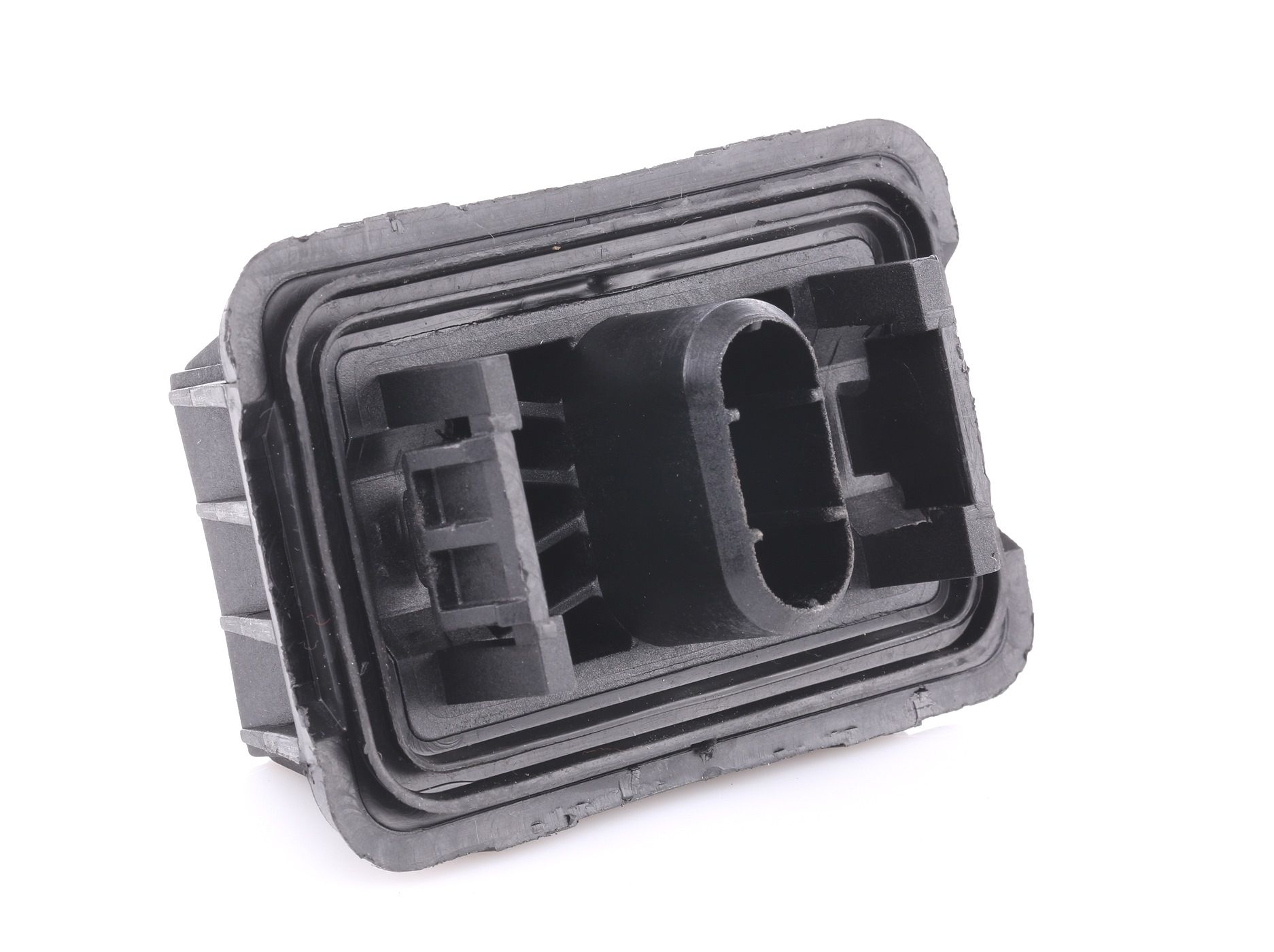
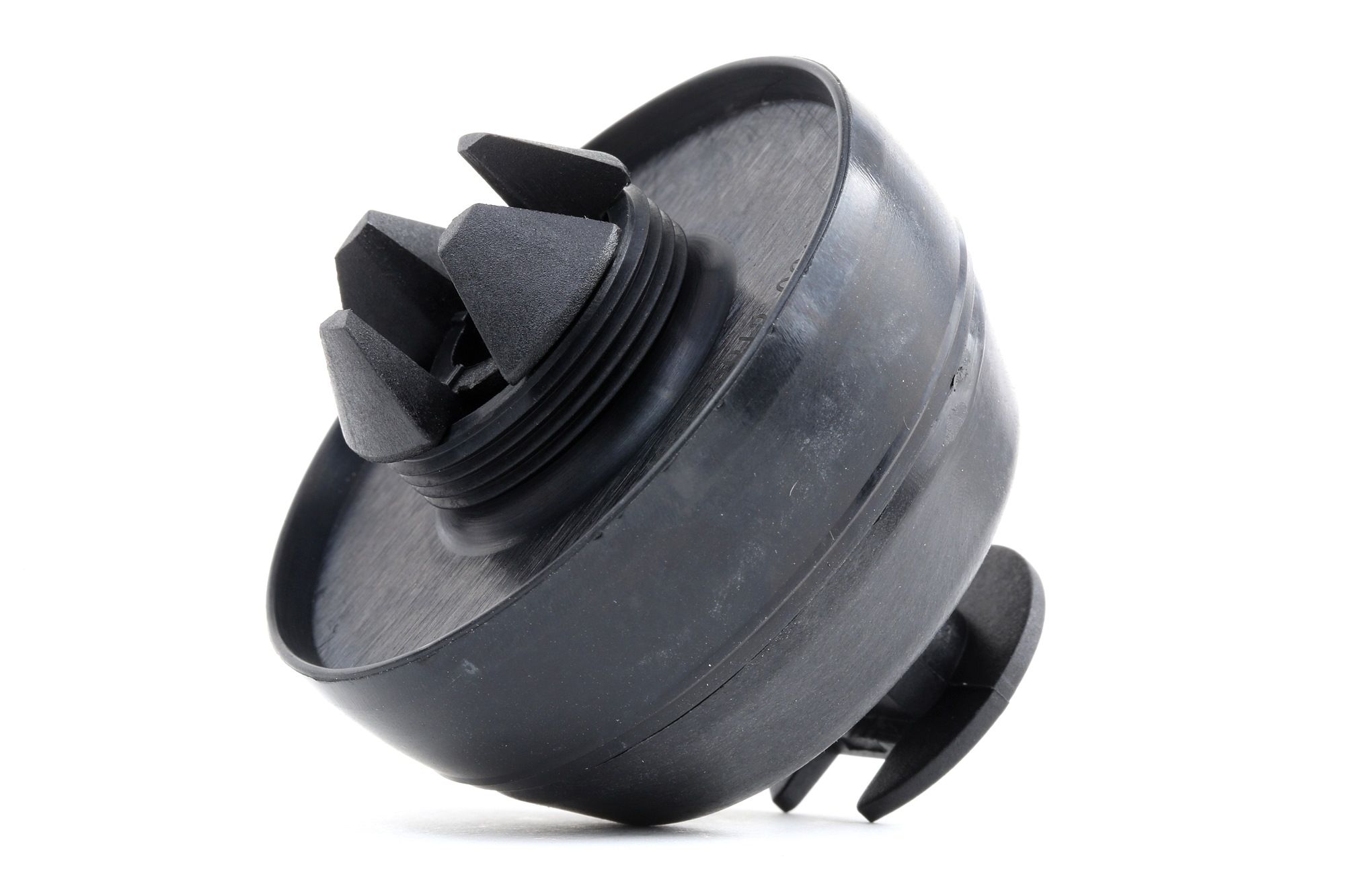
- Step 4: If using a trolley jack, fit a suitable jack pad adaptor or rubber block to prevent the jack cup from damaging the plastic sill cover. The OE lifting adaptors (such as 8N0803855 and 8N0804583) or aftermarket Powerflex jacking point inserts provide secure contact without crushing delicate trim components. Check the manual for the exact numbers.
- Step 5: Slowly raise the jack until it makes firm contact with the jacking point. Check that the jack remains perpendicular to the ground and centred on the lifting point before continuing to raise the vehicle.
- Step 6: Lift the vehicle to the required height, ensuring the jack operates smoothly without binding or tilting. Once raised, immediately position approved axle stands beneath the approved mounting points (check your manual) for additional safety.
- Step 7: Lower the jack slightly so the vehicle's weight transfers onto the axle stands. Test stability by gently pushing the vehicle at shoulder height - there should be no movement or rocking before working underneath the car.
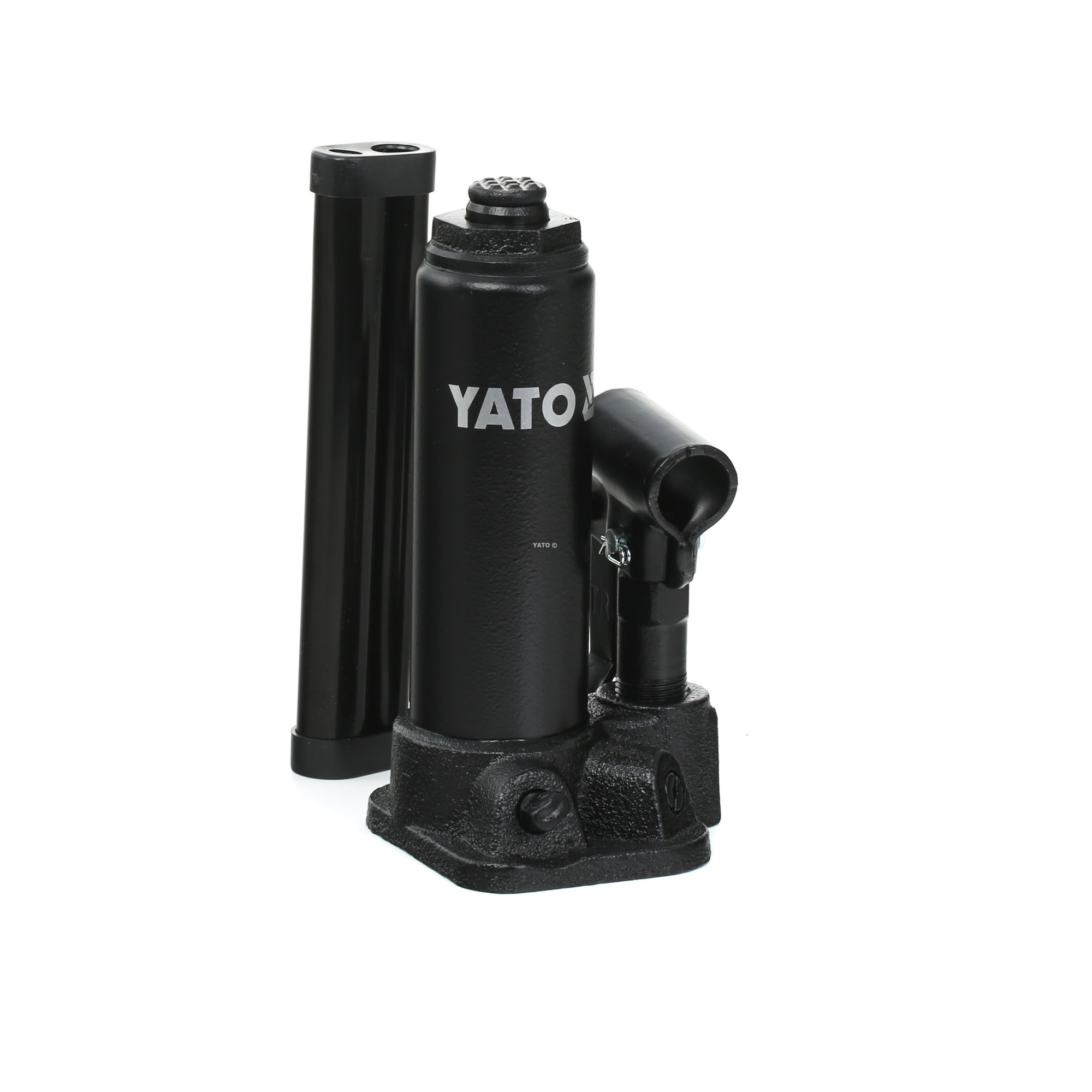
This method applies to both Audi A3 8P jacking points and Audi A3 8V jacking points, as the sill-mounted lifting locations remain consistent across these generations. The OE scissor jack supplied with your vehicle incorporates a specially-shaped head that locates into the sill recess, whilst aftermarket trolley jacks require additional adaptors for safe operation.
Causes of Jacking Point Damage on the Audi A3
Understanding why jacking points fail helps prevent expensive repairs. Several factors contribute to damaged lifting locations on Audi A3 models.
- Incorrect jack placement: Positioning the jack away from the reinforced sill section concentrates load on unsupported metal, causing permanent deformation. The thin steel of the outer sill panel cannot withstand lifting forces without the internal reinforcement present at designated points.
- Using incompatible jack equipment: Standard trolley jack cups with flat or convex surfaces crush the plastic sill covers and damage the metal beneath. Without proper adaptors, the concentrated pressure from a narrow jack head deforms the lifting point permanently.
- Missing or deteriorated jacking point covers: Some Audi A3 models, particularly earlier 8P variants, feature plastic inserts at the front jacking points. When these covers are missing or damaged, the exposed metal corrodes and weakens, compromising structural integrity during subsequent lifting operations.
- Workshop negligence: Tyre fitting centres and garages sometimes use inappropriate lifting equipment or place jacks carelessly, particularly when working under time pressure. This frequently results in crushed sills and bent underbody panels that owners discover only after collection.
- Corrosion and water ingress: Salt contamination and moisture accumulation in the sill cavity gradually weaken the reinforcement around jacking points. Vehicles driven regularly in winter conditions or coastal areas are particularly susceptible to this degradation, which remains hidden until structural failure occurs during lifting.
Symptoms and Signs of Damaged Jacking Points
Recognising damaged jacking points early prevents further deterioration and maintains vehicle safety. Watch for these indicators that your Audi A3's lifting locations require attention.
- Visible deformation of sill panels: Inspect the area beneath the doors for crushed or bent sections along the sill line. Damaged jacking points often show distinctive compression marks where the jack has concentrated excessive force on unsupported areas, creating permanent dents or creases in the metalwork.
- Cracked or missing plastic covers: The protective plastic trim along the sills may crack or detach when jacking points are used incorrectly. This damage typically appears as hairline fractures radiating from the lifting point or complete separation of trim panels from their mounting clips.
- Jack slippage during lifting: When jacking points deteriorate, the jack may slip sideways or lose purchase during lifting operations. This occurs because damaged metal no longer provides the stable seating surface required for secure jack positioning, creating a dangerous situation that can result in vehicle collapse.
- Unusual noises when jacking: Listen for creaking, popping, or grinding sounds when raising the vehicle. These noises indicate metal flexing abnormally or paint cracking under stress, suggesting the jacking point structure has weakened and no longer supports loads properly.
- Rust or paint bubbling near lifting points: Surface corrosion around jacking points signals internal structural degradation. Paint blisters or rust spots appearing specifically at lifting locations indicate water has penetrated the sill cavity, causing the reinforcement to corrode from within, even if external damage appears minimal.
What Happens if Damaged Jacking Points Are Not Addressed?
Ignoring damaged jacking points creates escalating safety risks and financial consequences. The immediate danger involves potential jack failure during routine maintenance, which can cause serious injury if you're working beneath the vehicle when collapse occurs. A jack slipping from a compromised lifting point drops the full weight of the car instantaneously, with no warning to allow escape.
Continuing to use damaged jacking points accelerates structural deterioration in the sill assembly. Each subsequent lifting operation further weakens the compromised metal, spreading cracks and deformation along the sill length. This damage eventually affects the door mounting points and can cause alignment issues that prevent doors from closing properly or create wind noise whilst driving. Repairing extensive sill damage requires cutting out corroded sections and welding in new reinforcement - a l process typically costing anywhere between £80 and £600 or more per side at specialist body shops, with major structural repairs costing up to ~£1,500.
For vehicles approaching MOT testing, damaged sills may result in test failure under the structural corrosion and body condition categories. MOT testers examine sill integrity closely as these areas are critical load-bearing structures. A failed MOT due to sill damage not only prevents legal road use but also significantly reduces resale value, as potential buyers view structural repairs with suspicion regardless of professional certification. Installing jacking point inserts or OE adaptors proactively costs £30-£60 and prevents higher costs in subsequent repair bills whilst maintaining safety standards.
Recommended Jacking Equipment for Audi A3 Models

Selecting appropriate jacking equipment protects your Audi A3 from damage whilst ensuring safe lifting operations. The following comparison evaluates different jack types and accessories suitable for home maintenance.
| Equipment Type |
Suitability |
Typical Cost |
Key Considerations |
| OE Scissor Jack |
Roadside emergencies only |
Included with vehicle |
Slow operation, stability concerns, designed for sill points |
| Trolley Jack with Adaptor |
Home maintenance |
£40-£80 |
Requires jack pad adaptor, faster lifting, more stable |
| Powerflex Jacking Point Insert |
Permanent installation |
£70-£85 (set of 4) |
95A polyurethane bungs, press into chassis, prevent sill damage |
| OE Metal Adaptors (e.g. 8N0803855/8N0804583) |
Professional workshops |
£45-£70 (pair) |
Factory-specification, fits lift arms, magnetic jack pads |
| Axle Stands (rated 3 tonnes recommended) |
Essential safety equipment |
£25-£60 (pair) |
Never work under vehicle supported by jack alone |
This comparison demonstrates that investing in proper jacking accessories costs significantly less than repairing damaged sills. For regular maintenance work, combining a quality trolley jack with Powerflex inserts or OE adaptors provides the safest and most economical solution.
Common Problems and Solutions
Audi A3 owners frequently encounter specific issues related to jacking point access and equipment compatibility. These practical solutions address the most reported difficulties.
- Jack won't fit between wheel and jacking point: Low-profile trolley jacks with extended reach are specifically designed for vehicles with limited ground clearance. Models such as the Halfords 2 Tonne Low Entry Trolley Jack or similar units have between 75 and 85 mm minimum height, and slide beneath the sill easily. Alternatively, drive the wheel you're not lifting onto wooden ramps to raise the opposite side, providing additional clearance for standard jack insertion.
- No space for axle stands after lifting at sill points: This common frustration occurs because the sill jacking point occupies the logical axle stand position. Lift the vehicle at the sill point first, then carefully position axle stands beneath the subframe mounting points or suspension arm brackets located inboard of the sill. Once stands are secure, lower the jack and reposition it elsewhere if continued lifting is required for the opposite side.
- Plastic sill cover preventing jack engagement: Some Audi A3 models feature thick plastic sill covers that obscure the metal jacking point. Rather than forcing the jack against the plastic (which causes cracking), carefully remove the affected cover section by releasing the mounting clips. The sill cover typically pulls away from the metal after gentle persuasion, revealing the bare jacking point for direct metal-to-jack contact through appropriate adaptors.
- Jack keeps slipping during lifting operation: Slippage indicates either damaged jacking points or inadequate jack pad contact. Clean debris from the jacking point recess, then apply a proper jack pad adaptor that matches the sill geometry. If slippage continues despite correct equipment and placement, inspect the jacking point for structural damage - visible deformation or cracking means that location can no longer safely support the vehicle's weight.
The following table outlines key differences between Audi A3 8P jacking points and Audi A3 8V jacking points that affect lifting procedures and equipment selection.
| Feature |
Audi A3 8P (2003-2012) |
Audi A3 8V (2013-onwards) |
| Jacking Point Location |
Four sill points with triangular markers, some models lack front plastic inserts |
Identical four-point sill configuration, more consistent plastic cover fitment |
| Compatible Inserts |
Powerflex PF3-1663K (pack of 4), OE adaptors 8N0803855/8N0804583 |
Powerflex PF3-1663 (individual), same OE adaptors fit both generations |
| Ground Clearance |
Standard suspension: 120-130mm, S3 variants lower |
Standard suspension: 115-125mm, S-line and S3 variants require low-profile jacks |
| Rear Suspension Design |
Torsion beam (most variants), allows central rear axle lifting |
Multi-link independent (125PS+), requires individual corner lifting or subframe jacking |
| Common Damage Issues |
Crushed front jacking points from missing plastic inserts, corroded rear points |
Better protected overall, but plastic sill covers crack more easily on lowered variants |
Understanding these generation-specific characteristics ensures you select appropriate equipment and avoid common pitfalls associated with each Audi A3 variant. Both generations benefit equally from proper jacking point protection through inserts or OE adaptors.
Conclusion
Correct identification and use of Audi A3 jacking points protects both your vehicle and your personal safety during maintenance operations. The four sill-mounted lifting locations provide reinforced contact areas designed specifically to withstand the stresses of vehicle lifting, but only when used with appropriate equipment and proper technique. Investing in quality Audi A3 jack pad adaptors, Powerflex jacking point inserts, or OE lifting adaptors costs a fraction of sill repair expenses whilst dramatically reducing injury risk from jack failure. Whether you own an Audi A3 8P or the newer 8V generation, following manufacturer guidelines for jack placement, always using axle stands for additional security, and inspecting jacking points regularly for damage ensures safe, efficient maintenance work. For replacement jacking point components and compatible lifting equipment, AUTODOC.co.uk stocks genuine and aftermarket parts at competitive prices with fast UK delivery.
Frequently Asked Questions (FAQ)
Where exactly are the jacking points located on an Audi A3?
The Audi A3 features four designated jacking points along the sill on each side of the vehicle. On both sides, one point sits 15 cm behind the front wheel arch, and another point sits 25 cm in front of the rear wheel arch. These locations are marked by triangular notches (see the manual for details, if you are unsure). The reinforced metal at these points supports the vehicle's weight without deformation when proper jacking technique is employed.
Can I use a standard trolley jack on Audi A3 jacking points without adaptors?
Using a standard trolley jack without proper adaptors risks crushing the plastic sill covers and damaging the metal jacking point beneath. The factory scissor jack has a specially-shaped head that locates precisely into the sill recess, whilst most trolley jacks have flat or convex cups that concentrate excessive force on a small area. Fit a suitable jack pad adaptor - either rubber blocks shaped to match the sill geometry, Powerflex polyurethane inserts, or OE metal adaptors (such as parts 8N0803855 and 8N0804583) - before positioning your trolley jack under Audi A3 jacking points.
Will damaged jacking points cause an MOT failure?
Damaged jacking points can indeed lead to MOT failure if deterioration extends to structural corrosion in the sill assembly. MOT testers examine sills carefully as they're load-bearing structures critical to vehicle integrity. Minor surface damage isolated to the jacking point area itself typically won't cause failure, but if corrosion has spread, paint is bubbling, or metal has perforated, the vehicle will fail under the body and structure category. Preventative maintenance through proper jacking technique and protective inserts helps maintain sill condition and ensures MOT compliance.
What's the difference between jacking points on the 8P and 8V Audi A3?
Both the Audi A3 8P (2003-2013) and 8V (2012-2020) generations feature identically positioned jacking points along the sills - four points total, with one behind each front wheel and one ahead of each rear wheel. The key difference involves ground clearance. 8V models typically have slightly more clearance than 8P models, but this can vary according to trim levels and you should consult your vehicle’s documentation to be sure. The same Powerflex jacking point inserts and OE metal adaptors work on both generations, making equipment selection straightforward regardless of which model you own.
How much weight can Audi A3 jacking points safely support?
Audi doesn’t publish exact loads. As a rule of thumb, you can estimate the max static load of front and rear jacking points by taking the max axle load of the axle they are situated near and dividing that by two. But this is only an approximation, not a guaranteed limit. You can also look at the rating of the car jack supplied with the vehicle, though the rating here is still only for the jack itself and not the jacking point.


 11 March 2026 (updated)