Problems with the Jaguar E-Pace

Reliability Jaguar E-Pace: common problems, issues symptoms and faults
- Smart Key malfunctions: The Smart Key system does not work reliably, especially at low temperatures. Symptoms appear as early as 15,000-25,000 km due to sporadic failure of the keyless locking system and starting problems.
- 2.0 diesel turbocharger problems: The 2.0 diesel engine shows weaknesses in the turbocharger, which typically shows signs of wear between 60,000-80,000 km. Common faults include loss of power and characteristic whistling noises.
- Battery discharge problems: The 12V battery discharges prematurely, often after 2-3 years or at 40,000-60,000 km. These breakdowns are caused by parasitic power consumers and defective control units that constantly draw power.
- Automatic gearbox not shifting: The 9-speed automatic gearbox shows faults when shifting, especially between 30,000-50,000 km. Complaints include jerky gear changes and refusal to change certain gears.
Jaguar E-Pace: Problems with the Smart Key System
The Smart Key System of the Jaguar E-Pace does not work reliably and shows weaknesses especially at low temperatures. Symptoms include sporadic keyless locking failure, starting problems and complete system failure. The reliability of the system decreases significantly from 15,000-25,000 kilometres, with faults occurring in the near-field communication between the key and the vehicle. At temperatures below -10°C, the system often fails to start, causing considerable inconvenience. The average service life of smart key batteries is only 18-24 months, significantly less than comparable systems from other manufacturers.
A systematic check is essential for the proper functioning of the access system. The sensitive Jaguar E-Pace Smart Key modules require regular software updates and battery changes every 12-18 months. Diagnosis is carried out via the Jaguar-specific SDD system, with error codes such as B1342 (key not recognised) or U0155 (communication error) occurring frequently. Solutions include reprogramming the keys, replacing the antenna modules in the door area and regular cleaning of the sensors. Preventive measures include storing the keys at room temperature and avoiding strong electromagnetic fields.
Jaguar E-Pace: Problems with the 2.0 diesel turbocharger

The 2.0 diesel engine of the Jaguar E-Pace shows significant weaknesses in the turbocharger system, which typically manifest themselves between 60,000-80,000 kilometres. Common faults include power loss of up to 25%, characteristic whistling noises when accelerating and black smoke from the exhaust. The reliability of the Ingenium diesel engine is affected by problems with the variable turbocharger geometry, whereby the variable vanes become blocked by soot deposits. Symptoms initially appear as delayed throttle response and reduced top speed. With advanced damage, the engine can switch to emergency running, which limits the power to around 1,200 rpm.
A professional inspection is required for early detection of turbocharger problems. The complex Jaguar E-Pace turbocharger systems require a boost pressure check and cleaning of the EGR valves every 15,000 km. Diagnosis is carried out by measuring the boost pressure at various engine speeds, whereby target values of 1.8-2.2 bar must be achieved. Typical fault codes are P0299 (vacuum in the charging system) and P2563 (turbocharger position sensor). Solutions include cleaning the variable geometry with special solvents, replacing the actuators and, in the case of severe damage, complete turbocharger replacement. Regular motorway driving and the use of high-quality diesel additives can significantly extend the service life.
Jaguar E-Pace: Problems with the battery and power supply
The 12V battery of the Jaguar E-Pace discharges prematurely and shows clear signs of weakness after 2-3 years or 40,000-60,000 kilometres. These failures are caused by parasitic power consumers that constantly draw between 50-150 mA even when the vehicle is switched off. Common faults include complete discharge after 3-5 days of standing, poor starting performance at low temperatures and failure of electronic systems. The average life of the AGM battery is only 3-4 years, compared to 5-6 years for other premium manufacturers. Particularly problematic are defective control units for infotainment and air conditioning, which remain active even when not in use and continuously consume power.
Regular maintenance is essential to monitor the electrical systems. The sophisticated Jaguar E-Pace battery management systems require a check of the quiescent current values and battery capacity every 6 months. Diagnosis is carried out by measuring the quiescent current after 30 minutes of inactivity, where normal values should be below 50 mA. Typical causes are the Telematics Control Unit (TCU), the audio module and the climate control system. Solutions include the systematic disconnection of individual fuses to identify the consumer, software updates for affected control units and, if necessary, their replacement. Preventive measures include regular long-distance journeys to charge the battery and the use of a battery charger when the vehicle is parked for long periods.
Jaguar E-Pace: Problems with the automatic transmission

The Jaguar E-Pace's 9-speed automatic transmission does not shift properly and exhibits shifting errors, especially between 30,000-50,000 kilometres. Complaints include jerky gear changes, refusal to change certain gears and unusually long pauses between gear changes. The reliability of the ZF 9HP transmission is affected by software problems and wear of the torque converter lock-up clutch. Symptoms initially manifest themselves in delayed response during kickdown and hard shift shocks at low speeds. With advanced problems, the transmission no longer jumps into higher gears or remains in the emergency running programme, which limits the maximum speed to 50-60 km/h.
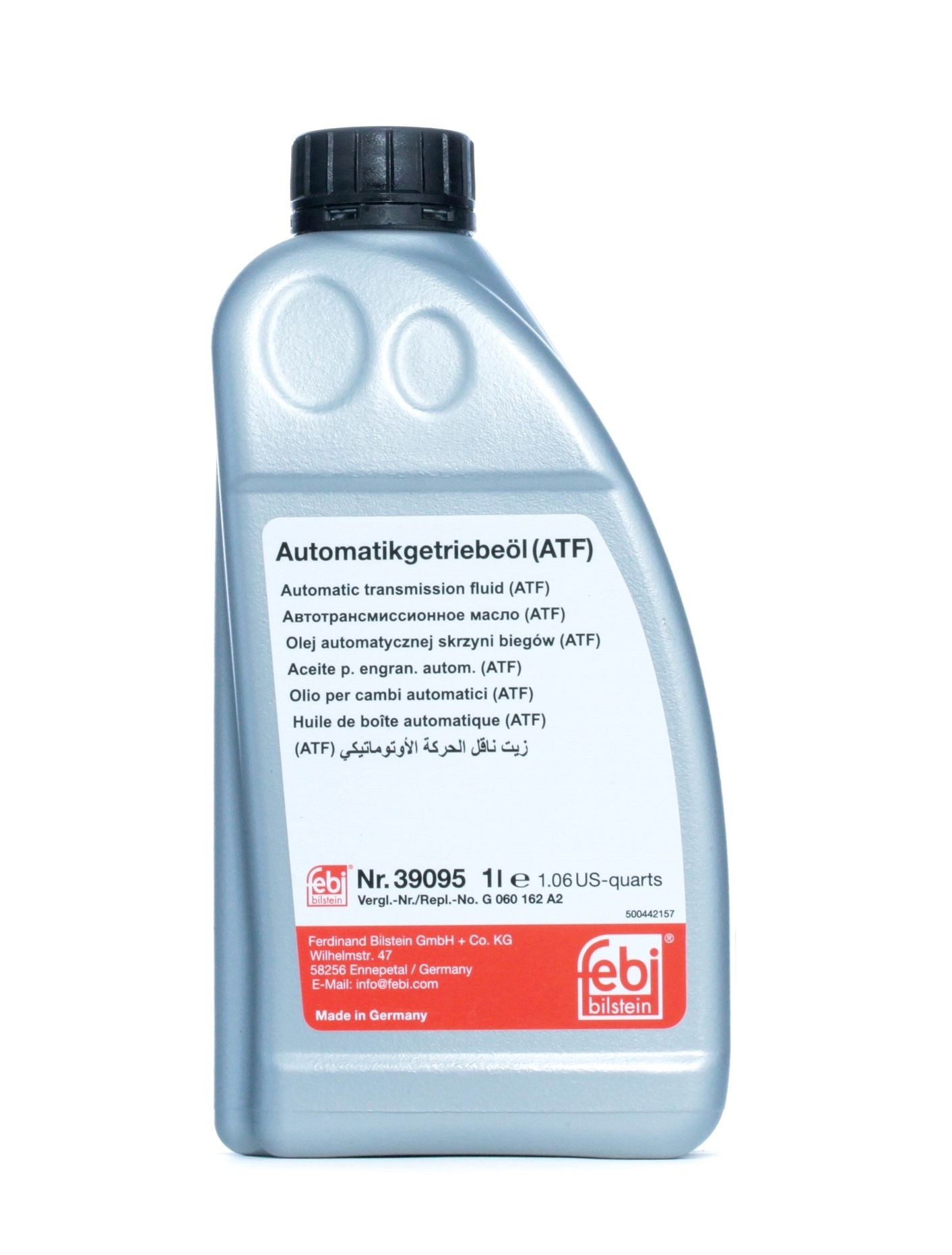
Professional maintenance is crucial for the longevity of the transmission system. The precise Jaguar E-Pace automatic transmissions require an oil change with special ZF LifeGuard 8 oil and new filter elements every 60,000 kilometres. Diagnosis is carried out via the transmission control unit, with frequent error codes P0735 (5th gear ratio error) and P0962 (pressure regulator solenoid valve). Transmission oil temperatures above 120°C indicate internal problems. Solutions include software updates to the transmission control unit, flushing the hydraulic system and, in the event of mechanical defects, replacing the torque converter lock-up clutch. Adaptive driving with smooth gear changes and regular checks of the oil quality can prevent premature wear.
Jaguar E-Pace: Problems with the petrol engine
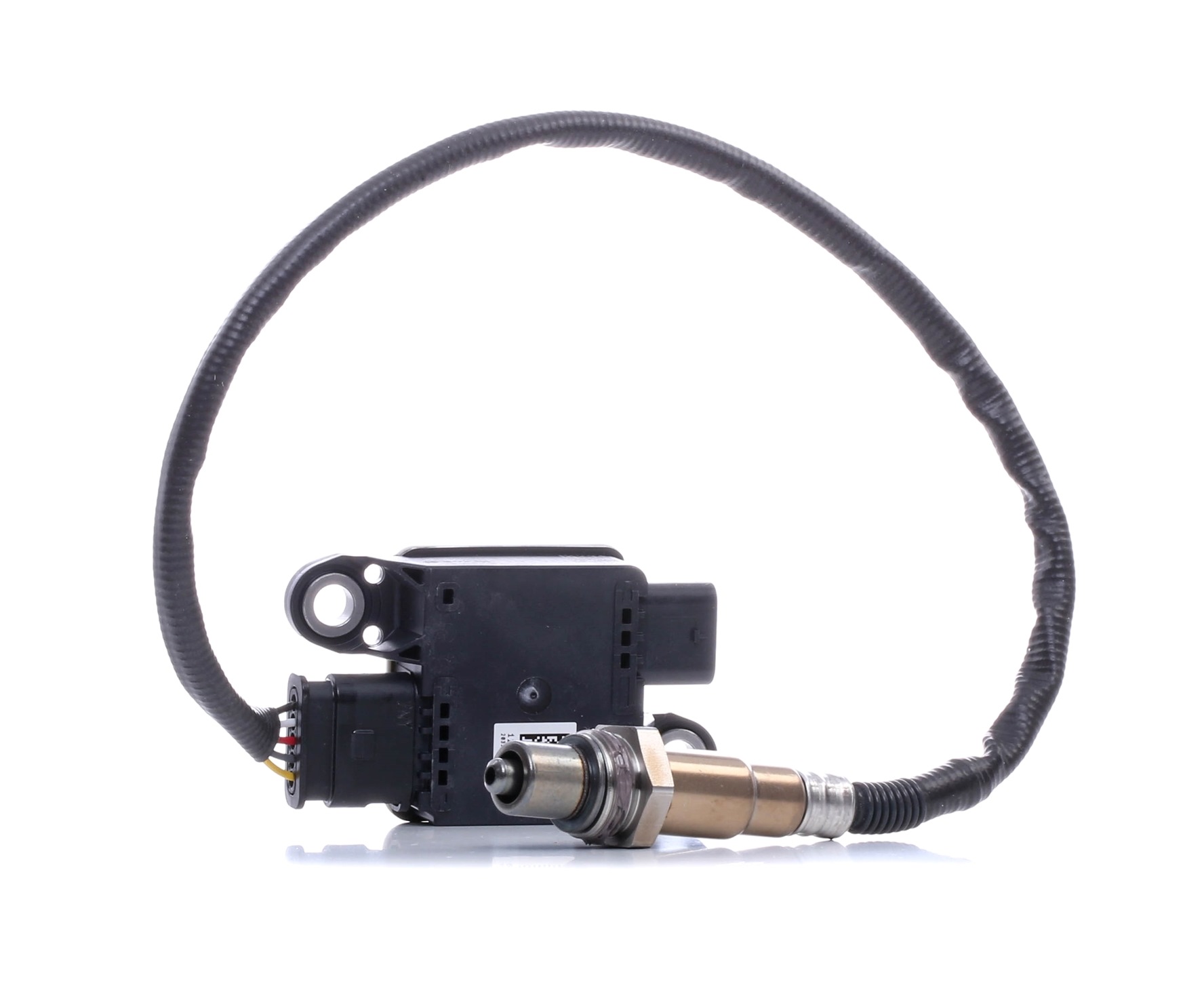
The petrol engine of the Jaguar E-Pace, especially the 2.0-litre turbo, shows various weak points, which mainly manifest themselves between 40,000-70,000 km. Common faults include problems with the high-pressure pump, defective ignition coils and coking of the intake valves. Reliability is affected by direct injection as deposits build up on the valves, leading to loss of power and rough idling. Symptoms include engine stuttering on cold starts, reduced performance at high engine speeds and increased fuel consumption by 10-15%. Severe problems can result in engine damage due to defective timing chains, which typically fail between 80,000-120,000 km.
A systematic check is required for early detection of engine problems. The complex Jaguar E-Pace petrol engines require a spark plug check every 10,000 km and a walnut blast cleaning of the intake valves every 40,000 km. Diagnosis is carried out by measuring compression and endoscopy of the combustion chambers, whereby normal values should be between 12-14 bar. Typical fault codes are P0300 (random misfiring) and P0016 (camshaft-crankshaft correlation). Solutions include regular use of fuel cleaners, professional valve cleaning and, in the case of timing chain problems, complete replacement of the timing drive set. Preventive maintenance with synthetic engine oils and avoidance of short journeys can significantly extend engine life.
Additional common faults of the Jaguar E-Pace
Based on the experiences of Jaguar E-Pace owners, the following additional problems occur:
- InControl Touch Pro system failures: Often occur between 20,000-40,000 km, caused by software errors and head unit overheating.
- Panoramic roof leaks: Typically manifest after 25,000-45,000 km, especially with frequent use of the sliding function.
- LED headlight failures: Individual LED modules often fail between 35,000-55,000 km, requiring costly replacement of the entire unit.
- Air suspension problems: On models with adaptive suspension, air bellows leaks occur between 50,000-80,000 km.
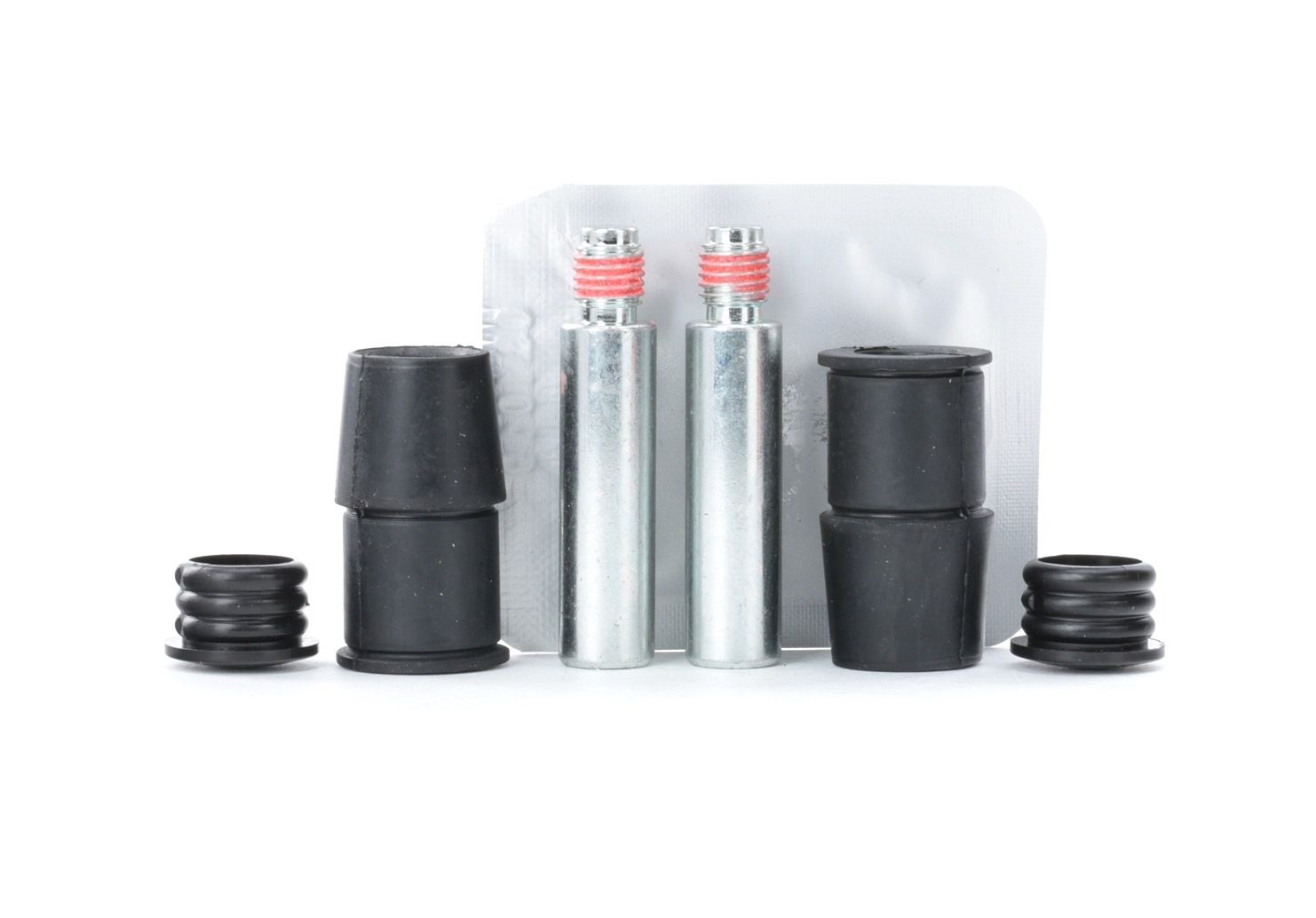
- Brake squeal: Front brake pads develop noises as early as 15,000-30,000 km, despite sufficient material thickness.
- Fuel tank venting problems: Lead to difficulties when refuelling between 40,000-60,000 km, caused by clogged activated carbon filters.
- Rear view camera fouling: The camera lens gets dirty quickly and requires frequent cleaning, especially in the winter months.

Jaguar E-Pace: disadvantages and advantages
| Strengths |
Weak points |
| High-quality interior |
Smart Key unreliability |
| Strong engine performance |
2.0 diesel turbocharger problems |
| Good road holding |
Battery discharge problems |
| Extensive equipment |
Automatic transmission problems |
| Attractive design |
High maintenance costs |
| Modern assistance systems |
Electronic failures |
| Good workmanship |
Petrol engine weak points |
The Jaguar E-Pace proves to be a sophisticated premium SUV with a modern design and high-quality equipment, but it requires regular professional maintenance and increased attention to electronic systems. Most problems can be minimised by preventative measures and prompt intervention, although the complex electronics and modern drive technology require special care.


 19 March 2026 (updated)