Problems with the Smart Forfour

Reliability Smart Forfour: common problems, issues symptoms and faults
- Automatic transmission problems with Twinamic models: The dual-clutch transmission shows frequent faults from 30,000-50,000 km mileage, especially in models from 2015 onwards. Symptoms include jerky gear changes and error messages in the display.
- Power steering not working properly: Electric power steering can become stiff or fail completely after 40,000 km. Particularly affected are vehicles from 2006 to 2015, where the steering assistance suddenly stops.
- Engine does not start with 1.1-litre petrol engine: Starting problems occur more frequently in cold temperatures, often caused by defective ignition coils or fuel pump problems. These faults can be seen as early as 25,000 kilometres.
- 1.5 CDI diesel engine does not switch to emergency running: Problems with the turbocharger and exhaust gas recirculation lead to loss of power and engine protection programme. Frequent complaints start from 60,000-80,000 km for diesel variants.
Smart Forfour: Problems with the Twinamic automatic transmission
The Twinamic automatic transmission in the Smart Forfour shows considerable weaknesses in terms of reliability and service life, especially in models from 2015 onwards. The dual-clutch gearbox often develops problems after just 30,000-50,000 kilometres, which manifest themselves in jerky gear changes, delayed gear changes and error messages in the instrument cluster. Particularly when starting off or at low speeds, the automatic exhibits irregular behaviour, which leads to an unpleasant driving experience. The symptoms often intensify in frequent stop-and-go traffic or during sporty driving. Many vehicle owners report sudden jerks while driving or that the transmission does not shift gears at all in certain situations.
A professional inspection is essential for the early detection of transmission problems. The sensitive Smart Forfour Twinamic systems require regular software updates and special transmission oil changes every 60,000 km to ensure optimum function. At the first sign of shifting problems, a diagnosis should be carried out immediately, as early intervention can prevent costly repairs. The clutch of the dual clutch transmission has an average service life of 80,000-120,000 km, but can wear out much earlier if not handled properly.
Smart Forfour: Power steering not working properly

The electric power steering of the Smart Forfour frequently develops faults, which are manifested by stiff steering or complete failure of the steering assistance. Vehicles built between 2006 and 2015 are particularly affected, with the power steering showing faults from a mileage of 40,000 km. The symptoms range from intermittent loss of steering assistance to complete loss of power steering while driving. The problem often occurs initially in cold temperatures and progressively worsens. Vehicle owners report suddenly stiff steering, especially when parking or driving slowly, as well as warning lights on the dashboard.
A systematic check is required to identify the cause of the steering problems. The complex Smart Forfour power steering systems require regular checks of the electrical connections and the steering motor every 30,000 km. Replacement of the power steering motor or control unit may be necessary, with an average service life of around 80,000-100,000 km. Preventive measures include regularly checking the battery voltage and the electrical connections, as voltage fluctuations often lead to power steering problems.
Smart Forfour: Engine does not start - 1.1-litre petrol engine
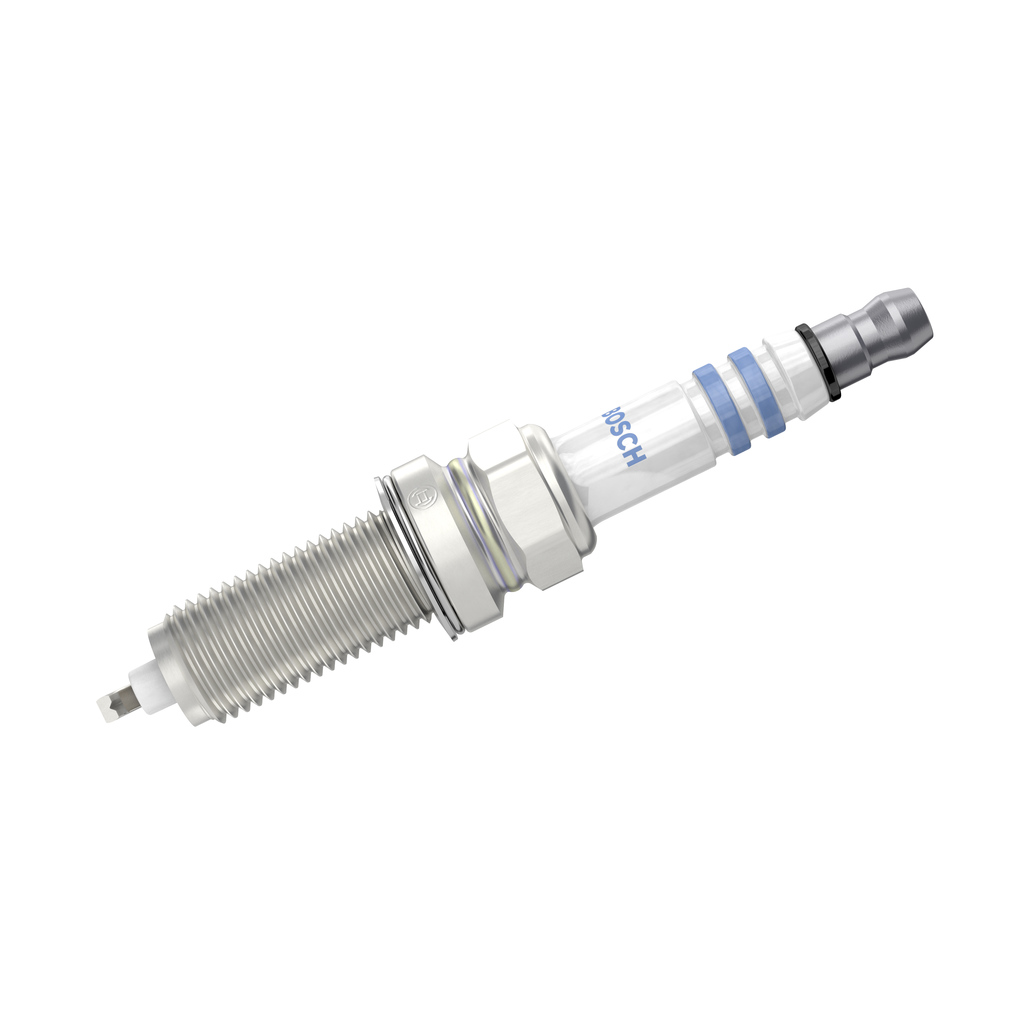
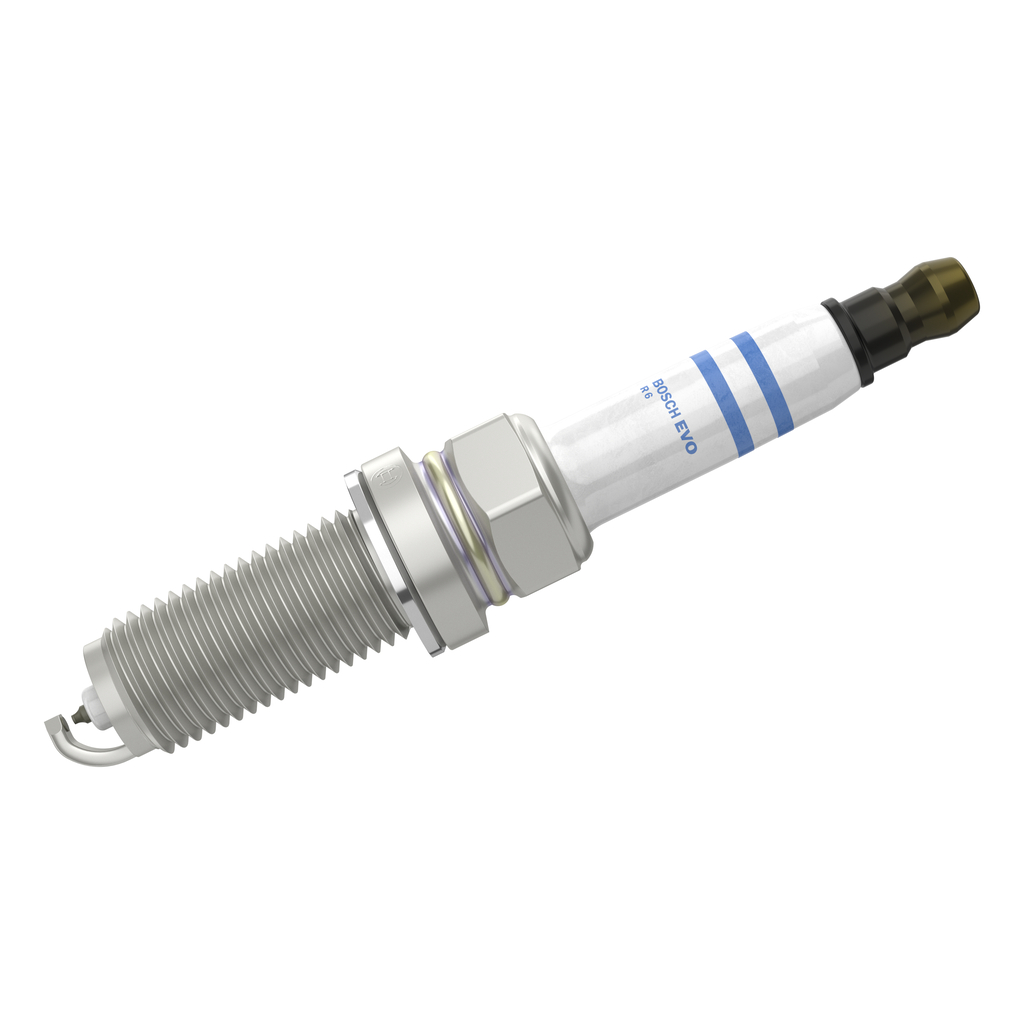
The 1.1-litre petrol engine of the Smart Forfour has frequent starting problems, which occur particularly in cold temperatures and are documented from a mileage of 25,000 km. These breakdowns are manifested by prolonged starting behaviour, irregular idling or complete failure to start. The most common causes are defective ignition coils, worn spark plugs or problems with the fuel pump. Ignition coils, which have a relatively short service life of around 40,000-60,000 kilometres, are particularly problematic. In addition, problems with the crankshaft sensor or the camshaft sensor system can lead to starting problems, whereby the engine turns but does not start.
Professional maintenance is crucial for the reliability of the 1.1-litre engine. The vulnerable Smart Forfour ignition systems require regular checks and replacement of spark plugs every 30,000 km and ignition coils at the first sign of misfiring. The fuel pump should be checked every 100,000 km, as a gradual loss of pressure can lead to starting problems. If starting problems persist, a comprehensive engine diagnosis is often necessary to check all electronic components and identify defective sensors.
Smart Forfour: 1.5 CDI diesel engine does not switch to emergency running

The 1.5 CDI diesel engine of the Smart Forfour develops characteristic problems with the turbocharger and exhaust gas recirculation, which typically occur from 60,000-80,000 km. These faults lead to a significant loss of power, with the engine switching to emergency running mode and only limited power being available. Symptoms include black smoke from the exhaust, significantly reduced acceleration and warning lights on the dashboard. Particularly problematic is the exhaust gas recirculation (EGR), which can become clogged with soot deposits and lead to engine damage. The turbocharger often shows signs of wear on the bearings or defective vacuum cans, which leads to irregular charging performance.
Regular maintenance is essential for the longevity of the diesel engine. The sensitive Smart Forfour CDI systems require cleaning of the exhaust gas recirculation every 20,000 km and regular checks of the turbocharger. The diesel particulate filter should be burned free by occasional motorway driving to avoid blockages. At the first sign of power loss, an immediate diagnosis is necessary, as protracted turbocharger damage can lead to costly engine overhauls. The average service life of the turbocharger is around 150,000-200,000 km if properly maintained.
Smart Forfour: Electronics problems and failures of the on-board electronics
The complex on-board electronics of the Smart Forfour show frequent faults, which manifest themselves in various errors and complaints. Particularly affected are the control units for the engine, transmission and comfort systems, which can start to fail after 50,000 kilometres. Typical symptoms are error messages in the display, failed lighting, defective window lifters or problems with the central locking system. The electronics are sensitive to moisture and temperature fluctuations, which leads to intermittent faults. Many vehicle owners report sporadic failures of various systems, which can be temporarily rectified by restarting the vehicle, but which recur.
A systematic check is required to localise and rectify electronic problems. The sensitive Smart Forfour control units require regular software updates and checks of the earth connections to ensure stable operation. It is particularly important to check the battery and charging system, as voltage fluctuations can lead to a variety of electronic problems. The average service life of the main control units is around 100,000-150,000 km, but can be significantly reduced by external influences.
Additional common defects of the Smart Forfour
Based on the experience of Smart Forfour owners, the following additional problems occur:
- Air conditioning compressor defects: Occur typically after 70,000-90,000 km, caused by loss of refrigerant or defective magnetic clutch
- Brake disc wear on the front axle: Above-average wear from 40,000 km, especially in city traffic
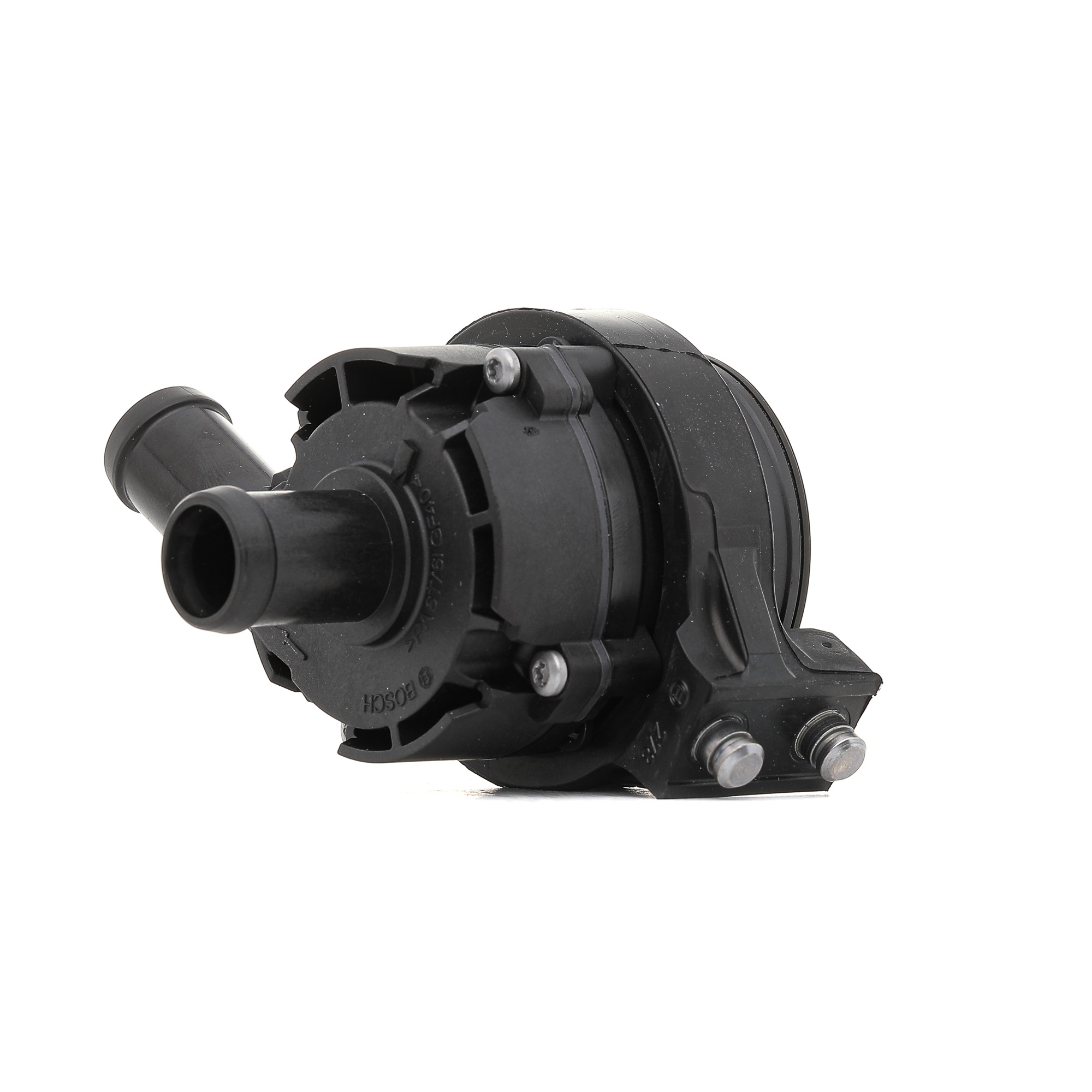
- Water pump leaks: Common between 80,000-120,000 km, recognisable by loss of coolant and overheating
- Window regulator motor failures: Often occur after 60,000 km, especially on the driver's side due to frequent use
- Fuel tank venting problems: Can occur from 50,000 km and lead to starting problems or refuelling problems
- Headlight condensation: Particularly on older models from 2006 onwards, moisture penetrates the headlight housings
- Handbrake cable wear: Typical after 100,000 km, the handbrake no longer engages properly or hangs

Smart Forfour: disadvantages and advantages
| Strengths |
Weak points |
| Compact dimensions for city traffic |
Automatic transmission problems with Twinamic |
| Manoeuvrable driving character |
Power steering failures |
| Low fuel consumption |
Electronic faults |
| Good visibility on all sides |
Starting problems with 1.1 petrol engine |
| Modern safety equipment |
Turbocharger problems with the 1.5 CDI |
| Manageable maintenance costs |
Short service life of wearing parts |
| Practical boot for the vehicle size |
Air conditioning defects |
The Smart Forfour proves to be a typical city vehicle with specific strengths and weaknesses. While its compact dimensions and low fuel consumption are impressive, the electronic systems and automatic transmission require special attention. Consistent maintenance and early rectification of problems are crucial for the reliability of the vehicle. Regular checks of the electronics and transmission in particular can prevent expensive repairs and significantly extend the service life.


 18 February 2026 (updated)