Table of Contents
 8 September 2025 (updated)
 VW Passat B5 engines
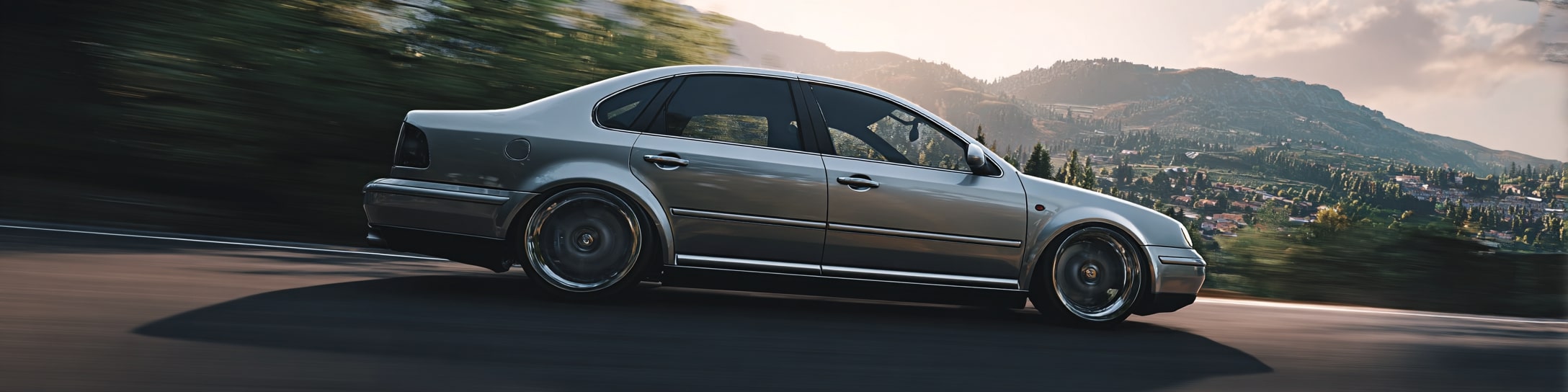
The VW Passat B5 was launched in 1996 and established itself as a mid-range bestseller with an impressive range of engines over two generations. The VW Passat B5 engines evolved from proven naturally aspirated engines to modern turbo units and shaped an entire era of Volkswagen engine technology.

VW Passat B5 engines (1996-2000)

The first VW Passat B5 generation marked an important turning point in Passat history and offered a solid but still conservative range of engines. Mileage varied considerably depending on the engine: while the robust TDI diesels easily reached 400,000 to 500,000 kilometers with proper maintenance, the V6 petrol engines began to require major repairs between 200,000 and 300,000 kilometers. Typical maintenance intervals were 15,000 kilometers for petrol engines and 10,000 kilometers for diesels. The absolute top engine of this generation was the 1.9 TDI with 110 PS (AFN), which optimally combined reliability, economy and decent driving performance. Technically, this generation was still free of complex electronic systems, which made it easier to repair, but also lacked modern efficiency standards.
VW Passat B5 petrol engines (1996-2000)
The VW Passat B5 petrol engine range mainly comprised naturally aspirated engines without turbocharging. The entry-level engine was the 1.6-liter four-cylinder with 74 kW (100 hp), which was economical but underpowered for the vehicle weight. More popular was the 1.8-liter with 92 kW (125 hp), which offered a good balance of performance and consumption. The top of the VW Passat B5 petrol engines were two V6 units: the 2.8-liter V6 with 142 kW (193 hp) and the rare 2.3-liter VR5 with 110 kW (150 hp). The VR5 engine was technically interesting, but prone to cooling problems and seal damage. The 2.8 V6 proved to be more reliable, but was prone to increased oil consumption and costly repairs to the timing chain.
VW Passat B5 diesel engines (1996-2000)
The VW Passat B5 diesels were dominated by the legendary 1.9 TDI in various output levels. The basic engine with 66 kW (90 PS) was economical but weakly powered. The 1.9 TDI with 81 kW (110 PS) was much more popular and established itself as one of the best diesels of all time. These VW Passat B5 TDI engines had pump-nozzle injection and, with proper maintenance, easily achieved mileages of over 500,000 kilometers. Typical weak points were only the injection nozzles after around 200,000 kilometers and occasional problems with the alternator. The 1.9 TDI with 110 hp is still regarded today as the benchmark for durability and economy.
| VW Passat B5 engine | Power output | Fuel consumption | Typical weaknesses | Rating |
|---|---|---|---|---|
| 1.6 petrol engine | 100 HP | 7.5-8.2 l/100km | Underpowered, sluggish | Average |
| 1.8 petrol engine | 125 HP | 8.0-8.7 l/100km | Robust, few problems | Good |
| 2.3 VR5 | 150 HP | 9.2-10.1 l/100km | Cooling problems, seals | Moderate |
| 2,8 V6 | 193 HP | 10.5-11.2 l/100km | Oil consumption, timing chain | Average |
| 1.9 TDI | 90 HP | 5.2-5.8 l/100km | Very robust, durable | Very good |
| 1.9 TDI | 110 HP | 5.5-6.1 l/100km | Legendary reliability | Very good |
VW Passat B5 engines (2000-2005)
The second VW Passat B5 generation brought with it a significant modernization of the engine range and introduced W8 and V6-4Motion technology for the first time. The mileage of the proven TDI engines remained at 400,000 to 500,000 kilometers, while the new FSI petrol engines with direct injection initially showed teething troubles. Major repairs were already due on the more complex engines between 150,000 and 250,000 kilometers. The absolute highlight was the 1.9 TDI with 96 kW (130 PS), which combined the proven TDI reliability with significantly more power. Technically, this generation marked the transition to modern engine technologies such as direct injection and variable valve timing, which, however, also increased complexity and repair costs.
VW Passat B5 petrol engines (2000-2005)
The VW Passat B5 petrol engine range was fundamentally revised and expanded to include FSI direct injection. The new 1.8 T with 110 kW (150 PS) brought turbocharging to the Passat B5 for the first time and offered sporty performance, but suffered from typical turbocharger problems and oil sludge formation due to neglected maintenance. Revolutionary was the 2.0 FSI with 110 kW (150 PS) - one of the first series production direct injection engines from Volkswagen. This VW Passat B5 FSI engine was technically advanced, but prone to coking of the intake valves and problems with the high-pressure pump. The crowning glory of the VW Passat B5 engines was the spectacular 4.0 W8 with 202 kW (275 hp), a technical masterpiece with eight cylinders in a W arrangement, which was, however, extremely thirsty and prone to repairs.
VW Passat B5 diesel engines (2000-2005)
The proven VW Passat B5 TDI engines were further developed and supplemented with new performance levels. In addition to the proven 1.9 TDI with 96 kW (130 hp), the new 2.5 V6 TDI with 110 kW (150 hp) was added, offering a six-cylinder diesel in the Passat B5 for the first time. This VW Passat B5 V6 TDI was more refined than the four-cylinder, but more prone to problems with the injection system and more expensive to maintain. However, the 1.9 TDI remained the measure of all things: reliable, economical and durable. The pump-injector variants with 96 kW (130 PS) in particular were considered virtually indestructible and regularly achieved mileages of over 600,000 kilometers with proper maintenance.
| VW Passat B5 engine | Power output | Fuel consumption | Typical weaknesses | Rating |
|---|---|---|---|---|
| 1,8 T | 150 HP | 8.5-9.2 l/100km | Turbocharger, oil sludge | Moderate |
| 2.0 FSI | 150 HP | 8.0-8.7 l/100km | Valve coking, high pressure pump | Average |
| 2,8 V6 | 193 HP | 10.2-10.9 l/100km | Oil consumption, timing chain | Average |
| 4,0 W8 | 275 HP | 13.5-15.2 l/100km | Very complex, high consumption | Problematic |
| 1.9 TDI | 130 HP | 5.3-5.9 l/100km | Almost indestructible | Very good |
| 2.5 V6 TDI | 150 HP | 6.8-7.4 l/100km | Injection system, expensive service | Good |

Conclusion: The best VW Passat B5 engines of all generations
The development of the VW Passat B5 engines clearly shows the transition from proven, simple technology to modern but more complex units. While the TDI diesels were regarded as guarantors of reliability across both generations, the innovative petrol engines often struggled with the teething troubles of new technologies. The VW Passat B5 engines shaped an entire era and established standards that continue to have an impact today.
- Best VW Passat B5 gasoline engine:
The 1.8-liter naturally aspirated engine (125 hp, Generation I) offers the best combination of reliability, moderate fuel consumption and ease of repair without the complexity of later turbo or FSI engines.
- Best VW Passat B5 diesel engine:
The 1.9 TDI (130 hp, Generation II) combines legendary TDI reliability with enough power for all purposes and is considered one of the best diesels of all time.
- Best VW Passat B5 all-round engine:
The 1.9 TDI (110 PS, Generation I) remains the gold standard for longevity, economy and everyday usability - an engine that easily manages 500,000 kilometers and more.
For maintenance and spare parts for all VW Passat B5 generations, AUTODOC offers a comprehensive range of original and quality spare parts with fast delivery and expert advice.