Table of Contents

 20 April 2026 (updated)
 What Does a Locking Wheel Nut Do?
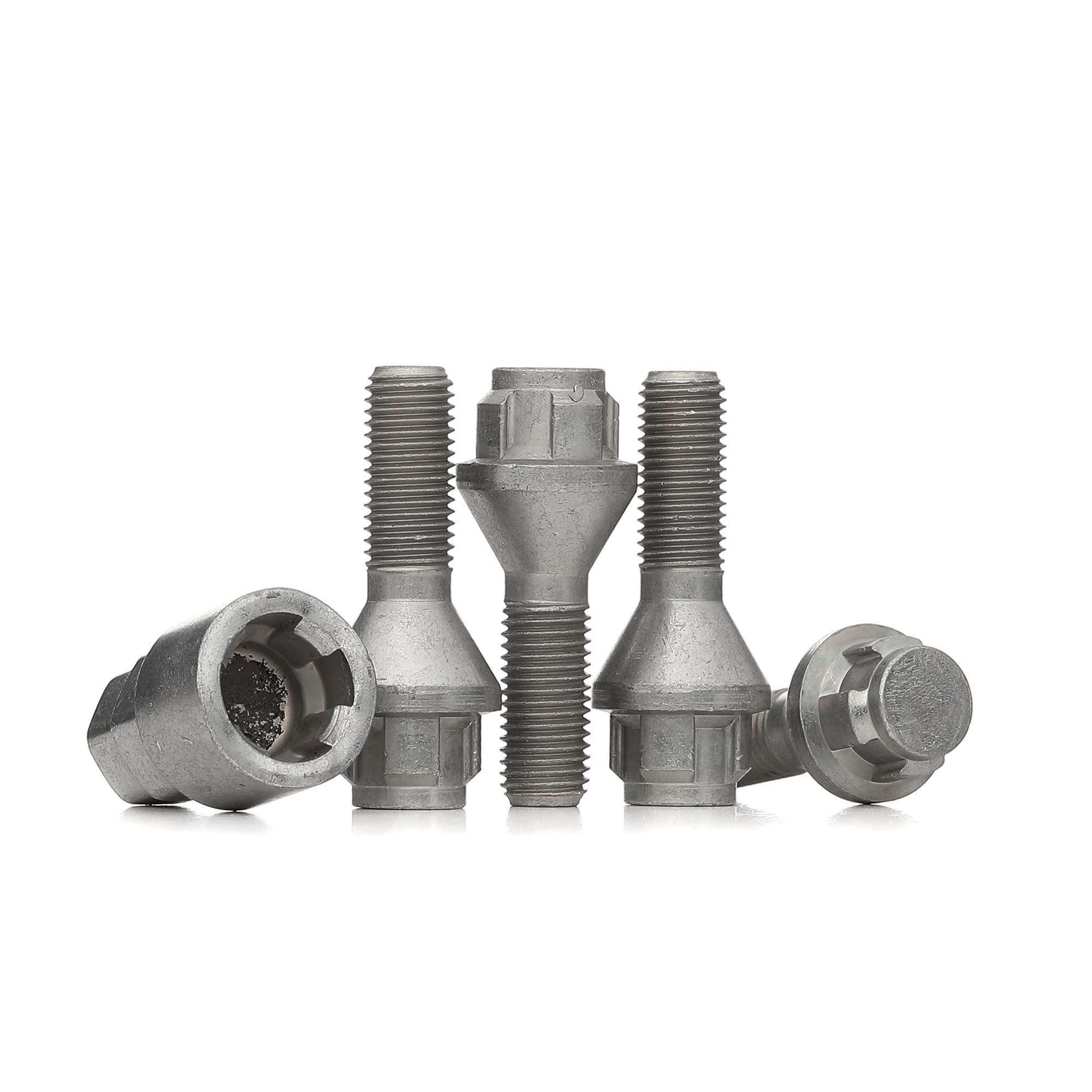
A locking wheel nut is a security device designed to prevent the theft of a vehicle's wheels, particularly valuable alloy wheels. Unlike standard nuts that can be undone with any correctly sized wrench, a locking nut requires a matching tool, known as a key, for installation and removal. Typically, one locking nut is fitted to each wheel in place of a standard nut, providing a simple yet effective deterrent against thieves.
Sold by AUTODOC Sold by AUTODOC Sold by AUTODOC Sold by AUTODOC Sold by AUTODOC
-6%
 Article number: 27048
compared to
RRP
£24.99
£23. 49price incl. 20% VAT, excl. delivery costs
Article number: 27048
compared to
RRP
£24.99
£23. 49price incl. 20% VAT, excl. delivery costs
 Article number: 0520506
£13. 99price incl. 20% VAT, excl. delivery costs
-15%
Article number: 0520506
£13. 99price incl. 20% VAT, excl. delivery costs
-15%
 Article number: B1454507ASET
compared to
RRP
£79.30
£66. 99price incl. 20% VAT, excl. delivery costs
-14%
Article number: B1454507ASET
compared to
RRP
£79.30
£66. 99price incl. 20% VAT, excl. delivery costs
-14%
 Article number: 70 92 7051
compared to
RRP
£24.99
£21. 49price incl. 20% VAT, excl. delivery costs
-30%
Article number: 70 92 7051
compared to
RRP
£24.99
£21. 49price incl. 20% VAT, excl. delivery costs
-30%
 Article number: BR1023
compared to
RRP
£35.98
£24. 99price incl. 20% VAT, excl. delivery costs
Article number: BR1023
compared to
RRP
£35.98
£24. 99price incl. 20% VAT, excl. delivery costs
How Locking Wheel Nuts Work

The security of a locking wheel nut is based on its unconventional head design. While a standard nut has a hexagonal shape that a regular socket can grip, a locking nut features an intricate and unique pattern. This pattern might be a series of asymmetrical grooves, notches, or a computer-generated, irregular shape that functions as the lock. The corresponding key is manufactured with the inverse of this pattern, allowing it to engage securely with the nut.
When a tyre fitter or mechanic needs to remove the wheel, they fit this special key onto the locking nut. The key's outer side is a standard hexagonal shape, allowing a normal wheel brace or torque wrench to be used. It is crucial that locking nuts are tightened to the manufacturer's specified torque setting and not over-tightened with an impact wrench, as this can damage the key and the nut, making future removal extremely difficult.
The Different Types of Locking Wheel Nut
Several designs have been developed to enhance security, and many high-quality aftermarket options are Thatcham-approved, which can be a requirement for some insurance policies in the UK. Understanding the type fitted to your vehicle is useful, especially if you need to source a replacement. Most modern cars will be fitted with one of these common types.
|
Nut Type |
Design Principle |
Security Level |
|---|---|---|
| Keyed Head | The head of the nut has a unique pattern of indentations or grooves. The key has corresponding prongs that slot into this pattern. | Good |
| Spinning Collar | Features a free-spinning outer ring. If a thief tries to grip the nut with a tool, the collar spins independently without turning the nut. | High |
| Shear Head Bolts | Head shears off if an incorrect tool is used. Common on French vehicles with bolt-type wheels | Moderate-High |
Locating Your Key and MOT Requirements

The locking wheel nut key is a small but vital component of your vehicle's toolkit. The key is usually supplied in a small case, often with a sticker showing a unique code for ordering a replacement. Common storage locations include the glove box, with the spare wheel and jack in the boot, or in a side storage compartment.
You must know where your key is, especially for your annual MOT test. Wheels are not routinely removed during an MOT, but if your car fails on a brake or tyre issue that requires wheel removal, the tester will need the key to complete the repair. Without it, the work cannot be carried out. Always ensure any garage or tyre depot returns the key to its safe place after carrying out work on your car.
Recommended Article
What is wheel nut torque: settings and correct way to tighten wheel nuts
Lost Keys and Damaged Nuts
Losing the key can be a significant inconvenience and security risk. The unique code is one way to order a replacement, but many specialist suppliers can identify and supply the correct key from just a photo of the locking nut and proof of ownership — no code required. Without the code, professional removal is required. This service typically costs between £50 – £70 and involves specialist tools that grip and force the nut off, usually destroying it in the process, necessitating a new set.
Corrosion or damage from over-tightening can also make removal impossible, even with the correct key. Should you find your existing locking nuts are damaged, it is crucial to replace them promptly to maintain security and ensure you can change a wheel in an emergency. When sourcing a new set, it's vital to get the correct size, thread, and seat type for your specific vehicle. For this, using a service with qualified specialists is invaluable. Companies like AUTODOC allow you to input your vehicle details to be matched with the precise components, ensuring the new locking nuts fit perfectly and provide reliable security.