Table of Contents

 23 May 2025
 Air Conditioning Not Working in Car: Problems, Diagnostics, and Fixes
A car’s air conditioning (AC) system keeps the cabin cool by removing heat and moisture from the air. It works by circulating a refrigerant through several key components: the compressor, condenser, expansion valve, and evaporator. As the refrigerant flows through the system, it absorbs heat from the air inside the car and releases it outside, allowing cool air to blow through the vents.
Like any vehicle system with moving parts, things can go wrong, leading to weak airflow, warm air, or total AC failure. In this article, we’ll cover common reasons why the AC might not be working, how to diagnose the fault, and what steps you can take to fix it.

Car AC fault symptoms
Here are the common symptoms of a faulty car air conditioning system:
- Warm air blowing from the vents instead of cold
- Weak airflow, even when the fan is on high
- Strange noises like rattling, hissing, or grinding sounds when the AC is switched on
- Bad smells coming from the vents, possibly due to mould or bacteria
- The air con keeps turning on and off again or not turning on at all
- Visible leaks or oily spots under the car, which may indicate refrigerant leaks
- Fogged-up windows due to poor dehumidification
- Unresponsive system controls or settings
These signs usually point to issues with the electrics, compressor, blower motor, or refrigerant system.
AC not blowing cold air
If your air conditioner is not blowing cold air, there could be several reasons for this. For example, a clogged air filter can stop air from getting in and out, which means the system won't be able to cool the interior properly. If there is not enough refrigerant, often due to a leak, the AC will blow warm air.
Another possible cause is a faulty compressor or valve, which can stop the cooling cycle. If there is a problem with the electronic parts, for example if a thermostat is faulty, this can also affect how well the system works.
How to fix a car AC that is not blowing cold air
To fix the issue, start by checking and replacing dirty filters, verifying the thermostat settings, and inspecting the circuit breaker. If this doesn’t help, it’s best to call a mechanic to diagnose the issue.
Sold by AUTODOC Sold by AUTODOC Sold by AUTODOC Sold by AUTODOC Sold by AUTODOC
-44%
 Article number: ACP 85 000S
compared to
RRP
£356.03
£196.49price incl. 20% VAT, free delivery
-48%
Article number: ACP 85 000S
compared to
RRP
£356.03
£196.49price incl. 20% VAT, free delivery
-48%
 Article number: ACP 124 000S
compared to
RRP
£344.02
£177.99price incl. 20% VAT, free delivery
-48%
Article number: ACP 124 000S
compared to
RRP
£344.02
£177.99price incl. 20% VAT, free delivery
-48%
 Article number: ACP 78 000S
compared to
RRP
£357.12
£183.49price incl. 20% VAT, free delivery
-49%
Article number: ACP 78 000S
compared to
RRP
£357.12
£183.49price incl. 20% VAT, free delivery
-49%
 Article number: ACP 101 000S
compared to
RRP
£354.94
£180.99price incl. 20% VAT, free delivery
Article number: ACP 101 000S
compared to
RRP
£354.94
£180.99price incl. 20% VAT, free delivery
 Article number: 8887200039
More
£287.50price incl. 20% VAT, free delivery
Article number: 8887200039
More
£287.50price incl. 20% VAT, free delivery
Car AC stopped working suddenly
Your car’s AC system can stop working suddenly due to several common causes:
- Blown fuse or faulty relay – these electrical components control power to the AC system; if they fail, the system shuts down.
- Compressor failure – the compressor pressurises the refrigerant gas and causes it to circulate. If it gets stuck or fails, cooling stops instantly.
- Refrigerant leak – a sudden drop in refrigerant levels due to a leak can halt the cooling process.
- Faulty AC pressure switch – this sensor prevents damage by shutting the system off when pressure is too high or low.
- Broken drive belt – if this belt breaks, it stops powering the compressor.
- Electrical or control module issue – a malfunction in the car’s electronic control system can interrupt the system’s operation.
Air conditioning won’t turn on
If your car’s air conditioning system won’t turn on at all, it is likely caused by one of the following faults:
- Blown fuse or relay – the aircon may not receive any power.
- Faulty AC switch or controls – the button or knob that turns it on could be broken or disconnected.
- Wiring or sensor issues – faulty wiring or a bad pressure sensor can cause power issues and trigger an ECU error.
- Blower motor failure – if the blower motor stops working, you may not feel any airflow even if the AC is technically switched on.
A diagnostic scan or a visit to a garage may be required to pinpoint the exact issue.
Car aircon does not cool after regassing
If the air is still not blowing cool enough after the AC has been regassed, there are two main culprits: a refrigerant system leak and a broken compressor. If there is a leak, any new gas will be able to escape, disrupting the cooling process. If the compressor is the problem, the new gas won’t be able to circulate properly. In some cases, it’s caused by a blocked condenser, electrical problems, faulty cooling fans, or a clogged cabin filter.
Check for leaks in the AC lines or components, and consider having a mechanic check for leaks using a leak detection dye or ultraviolet (UV) lamp. Make sure not to inhale any refrigerant. The parts also need to be inspected for blockages, circuit issues, and damage, and replaced if necessary.
Recommended Article
Car Freon (refrigerant): signs of leakage and how to recharge it
Car aircon smells bad
If your car’s air conditioning smells bad when turned on, it’s often a sign of mould or bacteria growing in the system, especially around the evaporator coil. A musty or rotten egg smell can also indicate a clogged drain or, in rare cases, a problem with the car fuel system or catalytic converter.
A chemical or petrol smell might point to a refrigerant leak or fuel vapour issue. Common fixes include replacing the cabin air filter, using an AC cleaner or disinfectant spray, and ensuring proper drainage. Visit a garage for a more thorough diagnosis and repairs.
How to diagnose car AC problems
To begin diagnosing your car’s air con system, start the engine and turn the AC to its coldest setting with the fan on high. Test the blower fan at different speed levels to ensure it responds properly. Air should flow steadily from all vents, including the dash, floor, and defrost vents. A weak or abnormal airflow may indicate a faulty blower motor, worn-out fan resistor, or blocked air ducts.
Next, check if the air is cold; if it isn’t, the issue could be due to low refrigerant levels, a failing compressor, or a clogged expansion valve. Listen out for any unusual noises and watch for warning lights on the dash. A visual inspection of the fuses, connections, and hoses can also help identify obvious faults.

Common car AC problems and troubleshooting
Here are some of the most common car AC problems, along with basic troubleshooting tips to help you identify what might be going wrong.
Leaking or insufficient refrigerant
The refrigerant absorbs heat and allows the system to blow cold air. Over time, small leaks can develop in hoses, seals, or the condenser. If the level drops too low, the AC may shut off automatically. Testing for leaks or regassing the system is usually the best solution.
Clogged cabin filter
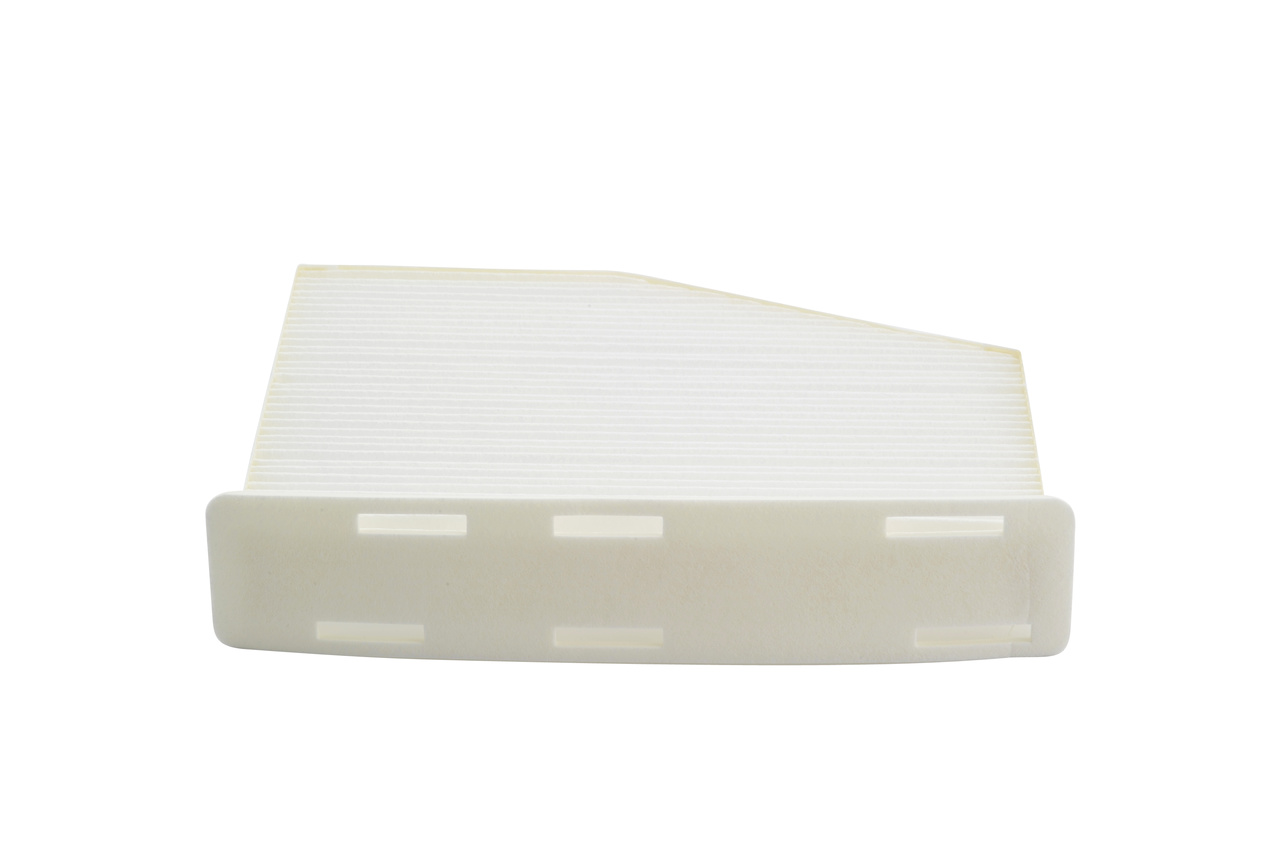
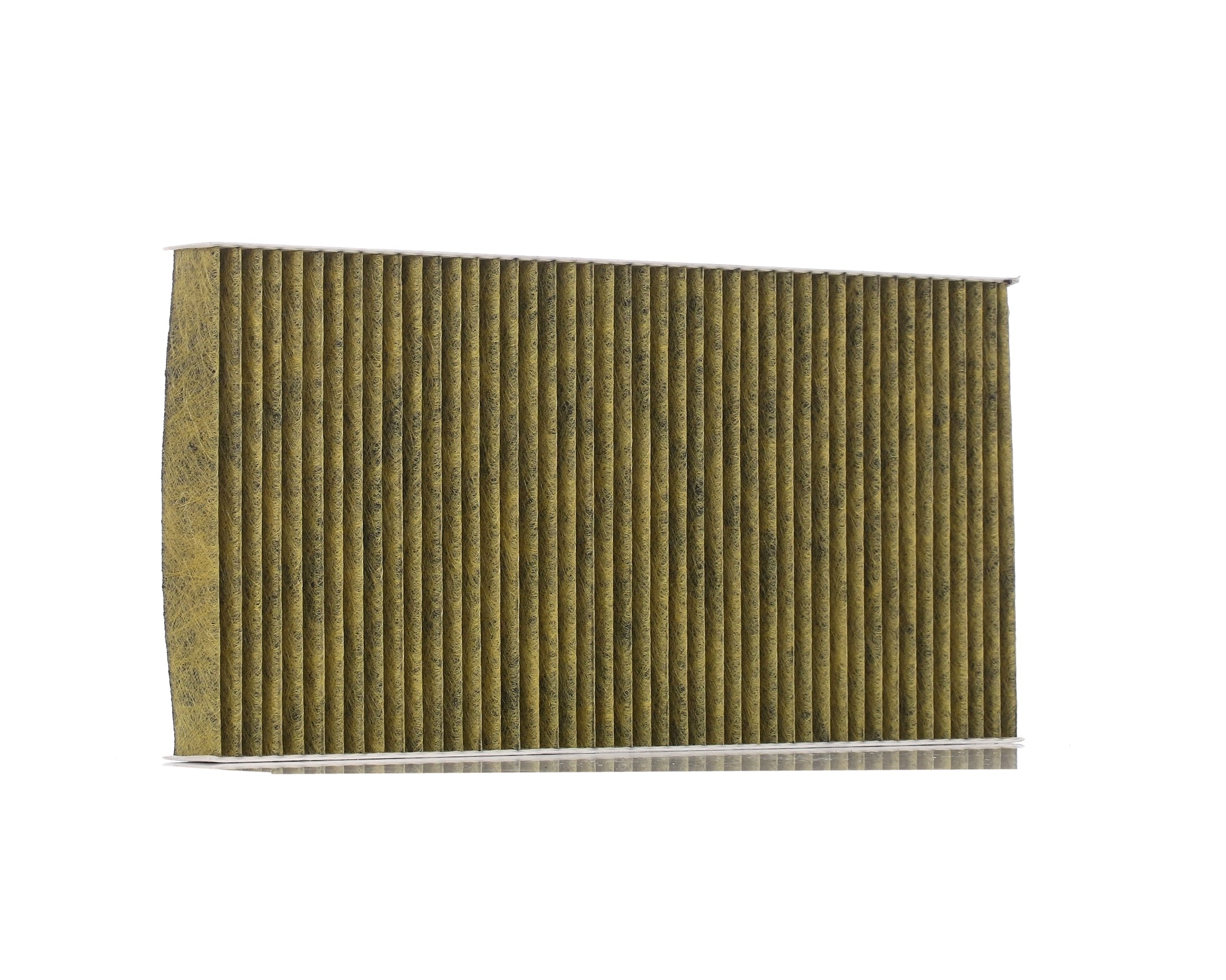
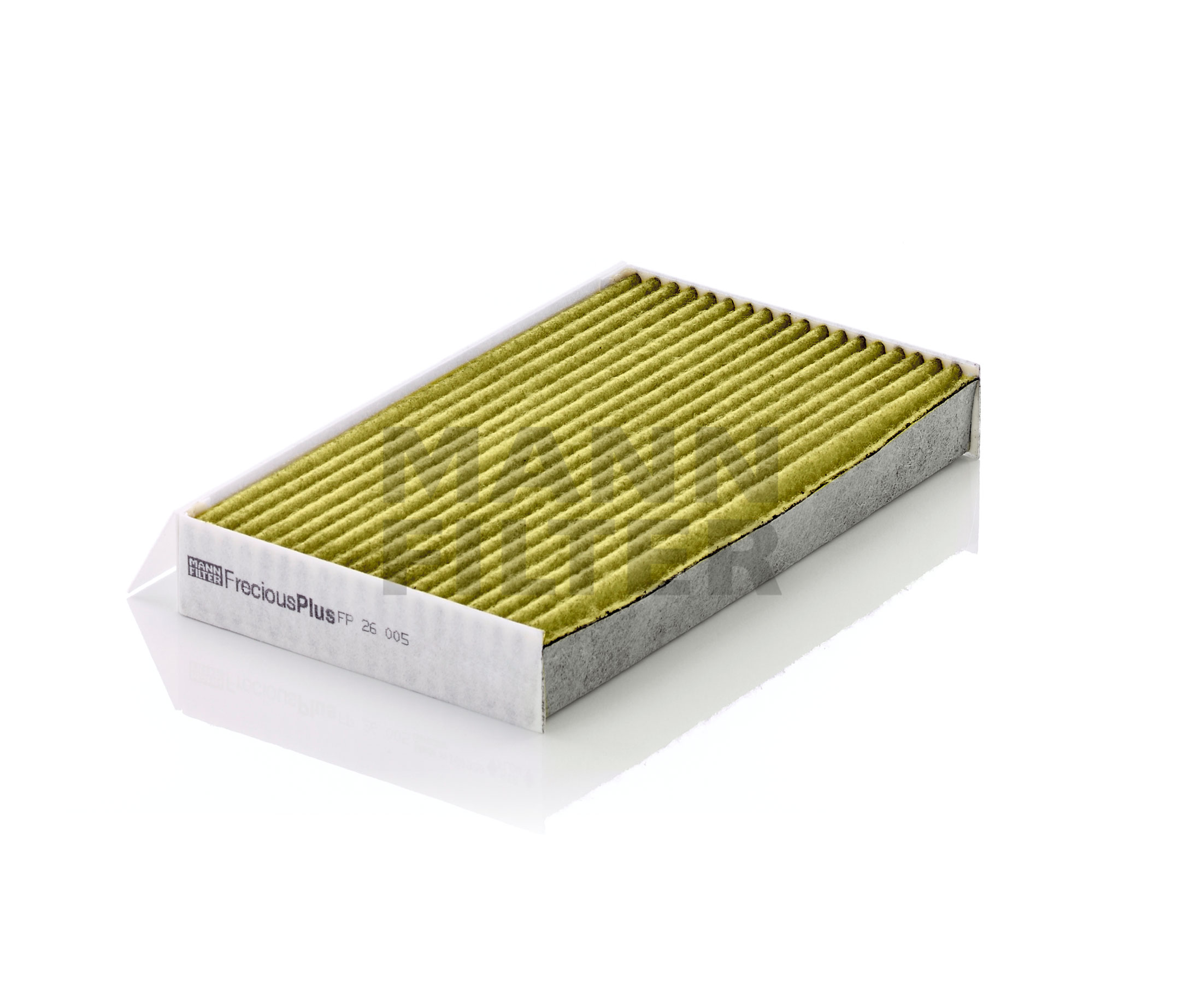
A blocked cabin air filter restricts airflow through the AC system, making it feel weak or ineffective. Dust, pollen, and debris build up over time, especially if the filter isn’t replaced regularly. This not only reduces the cooling performance but can also lead to musty interior odours. Installing a new cabin filter is a simple and inexpensive solution that immediately improves airflow.
Compressor clutch failure
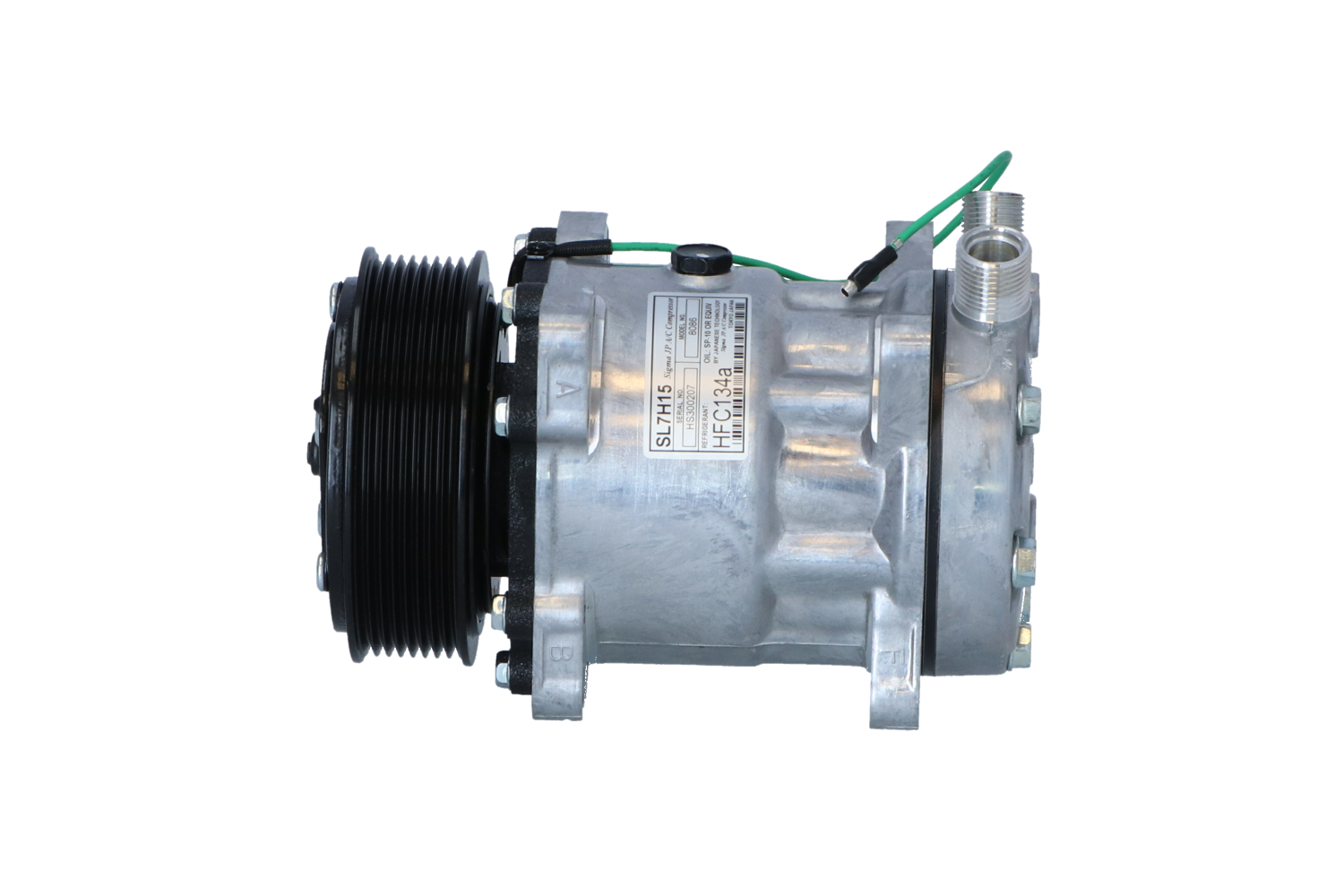
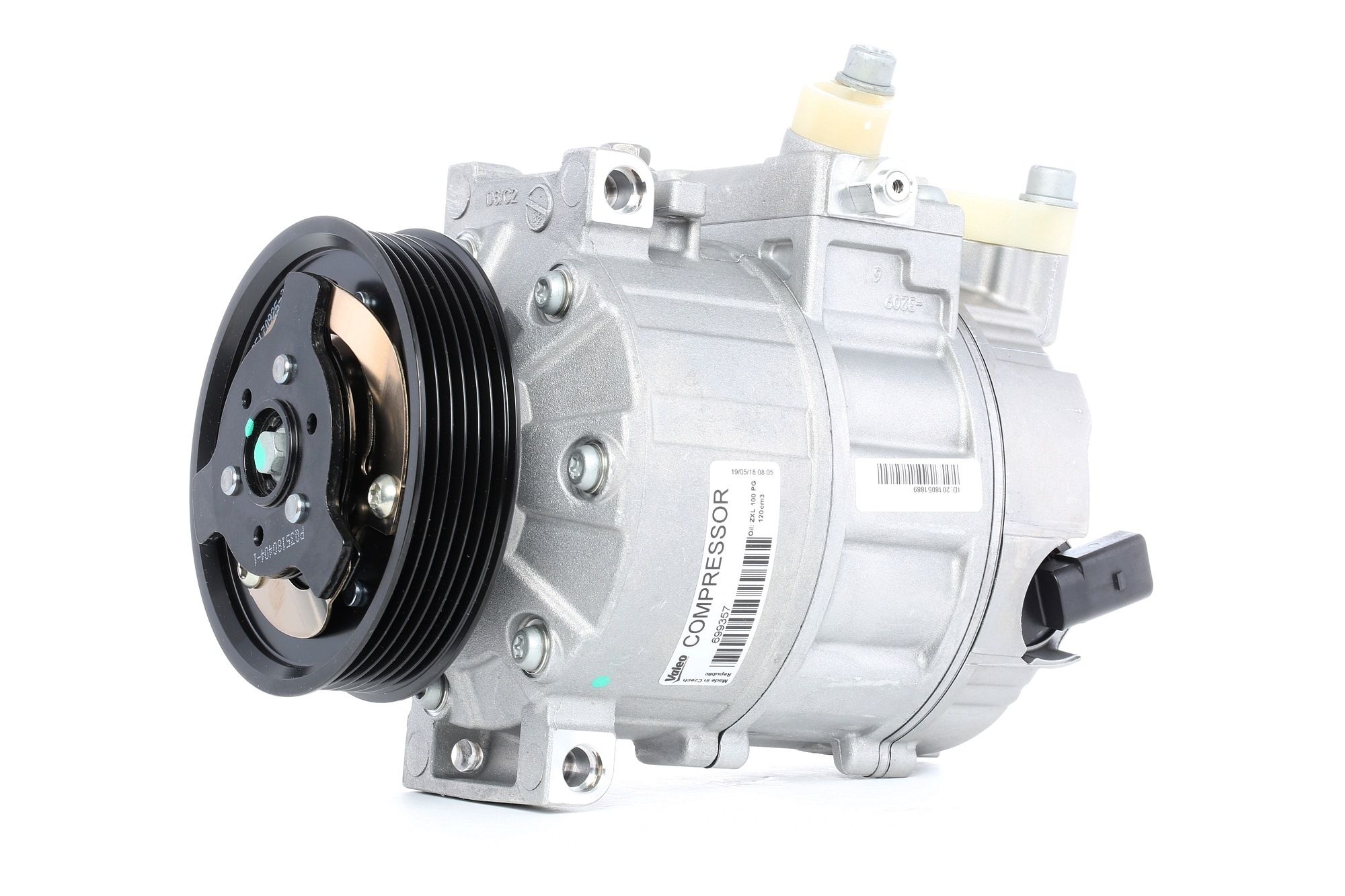
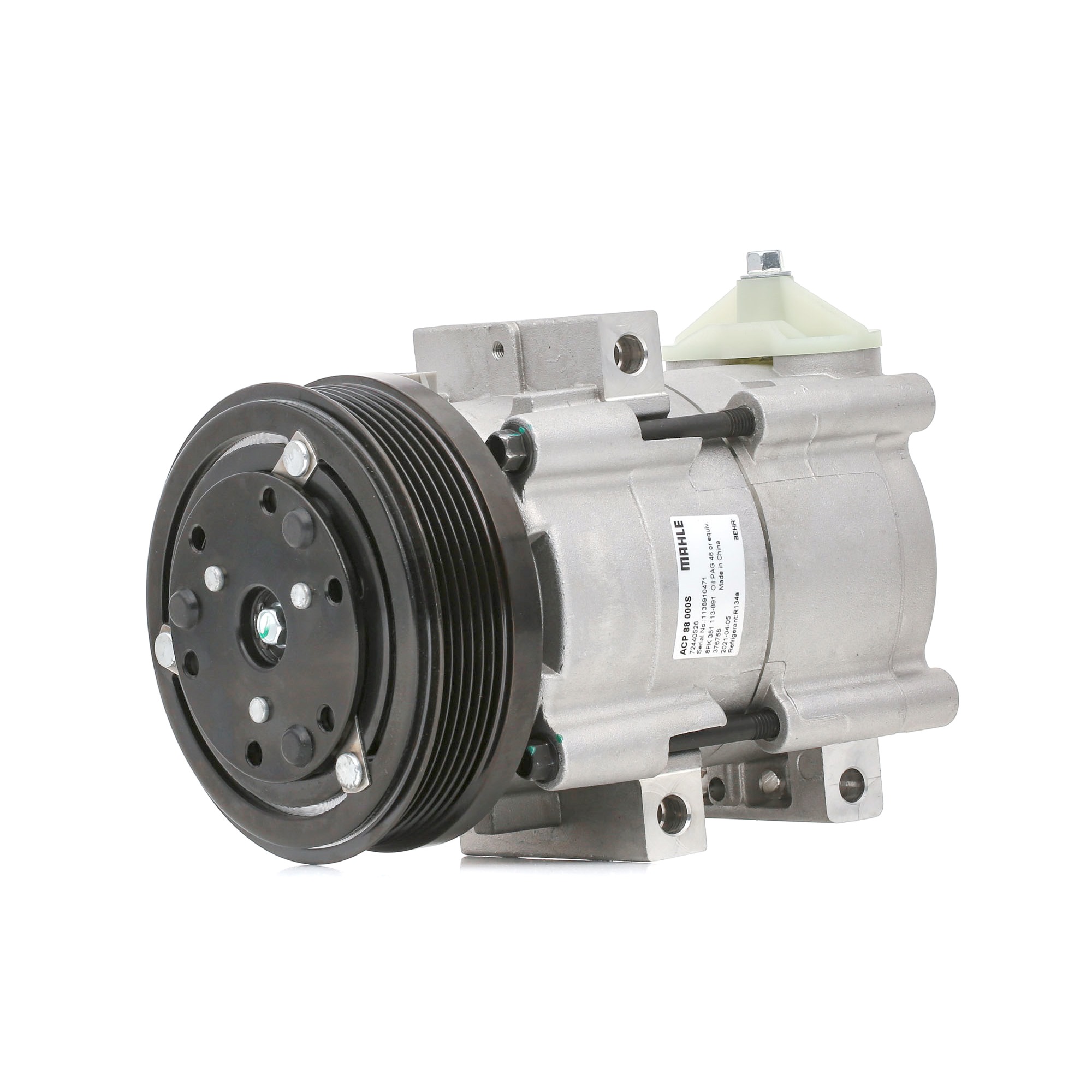
The compressor clutch engages and disengages the AC compressor as needed. If it fails, the compressor won’t activate properly and therefore won’t cool the air. Common causes include general wear and tear, electrical faults, or a seized compressor. In some cases, the clutch alone can be replaced, but the entire car AC compressor unit often needs to be replaced in the long run.
Faulty blend door actuator
The blend door actuator controls the mix of hot and cold air inside the cabin. If it malfunctions, you may get only hot or only cold air, regardless of the setting. Clicking noises from behind the dashboard are a common sign of this. Replacing the actuator should restore proper temperature control inside the vehicle.
Sold by AUTODOC Sold by AUTODOC Sold by AUTODOC Sold by AUTODOC Sold by AUTODOC
-48%
 Article number: ACP 847 000S
compared to
RRP
£311.24
£161.49price incl. 20% VAT, free delivery
-48%
Article number: ACP 847 000S
compared to
RRP
£311.24
£161.49price incl. 20% VAT, free delivery
-48%
 MANN-FILTER Pollen filter
Activated Carbon Filter with polyphenol, with antibacterial action, Particulate filter (PM 2.5), with fungicidal effect, Activated Carbon Filter, 260 mm x 150 mm x 35 mm, FreciousPlus
Article number: FP 26 005
compared to
RRP
£42.41
£21.99price incl. 20% VAT, excl. delivery costs
-43%
MANN-FILTER Pollen filter
Activated Carbon Filter with polyphenol, with antibacterial action, Particulate filter (PM 2.5), with fungicidal effect, Activated Carbon Filter, 260 mm x 150 mm x 35 mm, FreciousPlus
Article number: FP 26 005
compared to
RRP
£42.41
£21.99price incl. 20% VAT, excl. delivery costs
-43%
 MANN-FILTER Pollen filter
Activated Carbon Filter, 246 mm x 216 mm x 32 mm
Article number: CUK 2545
compared to
RRP
£27.28
£15.49price incl. 20% VAT, excl. delivery costs
MANN-FILTER Pollen filter
Activated Carbon Filter, 246 mm x 216 mm x 32 mm
Article number: CUK 2545
compared to
RRP
£27.28
£15.49price incl. 20% VAT, excl. delivery costs
 VALEO Service Unit, air conditioning
R134a
Article number: 710208
£14.99price incl. 20% VAT, excl. delivery costs
VALEO Service Unit, air conditioning
R134a
Article number: 710208
£14.99price incl. 20% VAT, excl. delivery costs
 Article number: TSP0155948
£220.00price incl. 20% VAT, free delivery
Article number: TSP0155948
£220.00price incl. 20% VAT, free delivery
Pressure switch issues
Car AC pressure switches monitor refrigerant levels and ensure the system runs safely. If pressure is too high or too low, the switch shuts off the compressor to prevent damage. A faulty switch may trigger false readings, stopping the air con unnecessarily. Diagnosing this requires pressure testing and possibly replacing the switch to get the system running again.
Blocked or damaged condenser
The condenser releases heat from the refrigerant. Located at the front of the car, it’s exposed to road debris, leaves, and dirt, which can block airflow or damage the fins. A clogged or leaking condenser prevents the release of heat, reducing overall cooling efficiency. Cleaning or replacing the condenser may be required to restore the AC.
Faulty sensors
Modern vehicle systems rely on sensors to measure cabin and refrigerant temperatures. If these sensors give incorrect readings or fail, the system may not cool properly or may not turn on at all. Diagnosis typically involves scanning for fault codes. Replacing the faulty sensor usually solves this.
Wiring and electrical issues
Electrical issues such as damaged wires, loose connections, or faulty AC control modules can stop the system from working. In newer cars, digital climate controls may fail due to software or circuit board issues. Troubleshooting involves checking fuses, relays, and wiring continuity.
Car AC repair cost
The cost of an AC repair in the UK usually varies from £50 to £1000 depending on the specific issue, the make and model of your car, and your location (location labour rates). For example, a regas typically costs £50–£200 whereas a compressor or condenser replacement usually costs hundreds of pounds when labour costs are added. The table below compares prices for different faults.
| Issue | Cost of repairs |
|---|---|
| Refrigerant leaks | £50 to £300 |
| Clogged AC filter | £20 to £100 |
| Low refrigerant levels (regas) | £50 to £200 |
| Broken condenser | £180 to £500+ |
| Faulty compressor | £400 to £1000 |
Top products related to this topic: