Audi A4 Reliability – What Every UK Buyer Needs to Know
The Audi A4 has a genuinely mixed reliability record, and anyone searching for a straight answer deserves one. According to What Car?'s recent Reliability Survey, the A4 scored 86.6% in the executive car class, placing 13th out of 20 models – above the Mercedes-Benz C-Class but behind the BMW 3 Series. Carbuyer's 2024 Driver Power survey placed it 46th out of 50 cars for reliability, with 23% of Audi owners reporting a fault in the first year of ownership. In short: the A4 is far from a reliability disaster, but it is also no BMW 3 Series in that department, and which generation you buy matters enormously.
Audi A4 Reliability by Year – B8 vs B9 Generation
When you break down Audi A4 reliability by year, the picture becomes much clearer. The single most important decision is choosing the right generation.

The B8 generation, produced from 2008 to 2015, is where most of the well-documented problems sit. Earlier B8 models – particularly the 2010 Audi A4 2.0 TDI and the 2011 Audi A4 – are associated with oil consumption issues in the 2.0 TFSI petrol engine, timing chain tensioner noise at cold starts, water pump failure (caused by a plastic housing that cracks under heat), and Multitronic CVT gearbox trouble on front-wheel-drive variants. The 2013 Audi A4 2.0 TDI and 2014 Audi A4 2.0 TDI are considered more settled choices, particularly in diesel form, with the late B8 facelift resolving many of the earlier engine issues. If you are considering Audi A4 B8 reliability as a whole, diesel saloon models from 2013 onwards with a full service history are the safer option within this generation.
The B9 generation, launched in 2015 and sold in the UK through to 2024, introduced Audi's revised EA888 Gen 3 petrol engine and the newer EA288 2.0 TDI diesel. The 2015 Audi A4 reliability picture improves considerably over the outgoing B8, with far fewer reports of engine oil consumption problems. Later B9 cars – anything from 2019 onwards – also benefit from refined S tronic gearbox calibration, updated AdBlue hardware, and mild-hybrid assistance on facelifted models. Early B9 2.0 TDI cars, however, sit at the beginning of the B9 run, and some early examples experienced AdBlue system and NOx sensor faults that Audi addressed through software updates.
| Generation |
Years |
Most Reliable Engine |
Years to Approach with Caution |
| B8 |
2008–2015 |
2.0 TDI (manual) 2013–2015 |
2008–2012 2.0 TFSI petrol |
| B9 |
2015–2024 |
2.0 TDI (manual or S tronic post-2019) |
Early 2016–2018 diesel with AdBlue |
As a rule of thumb, a used Audi A4 from the late B8 facelift or the mid-B9 period, combined with a documented service history, represents the most sensible entry point into ownership.
Audi A4 2.0 TDI Reliability – The Diesel Reality
The Audi A4 2.0 TDI is the most popular powertrain choice in the UK, and for good reason: this diesel engine has a reputation for longevity that the petrol alternatives cannot always match. Well-maintained examples regularly cover high mileages, and the EA288 unit used in B9 cars is widely regarded as a step forward over the EA189 that preceded it.
That said, Audi A4 2.0 TDI reliability is not without its complications. Key issues to check include:
- Diesel particulate filter (DPF) clogging – particularly common on cars used predominantly in town traffic or on short runs where exhaust temperatures never get high enough for passive regeneration. Symptoms include reduced power, increased fuel consumption, and the DPF warning light illuminating. Forced regeneration via a long motorway run or a garage-run active regeneration cycle can resolve mild cases, but a badly blocked filter will need professional cleaning or replacement (typically £300–£800).
- EGR valve carbon build-up – the exhaust gas recirculation valve accumulates soot deposits over time, causing rough idling, hesitation under acceleration, and occasionally a check engine light. Cleaning costs around £100–£200; replacement runs to £300–£600 depending on parts specification.
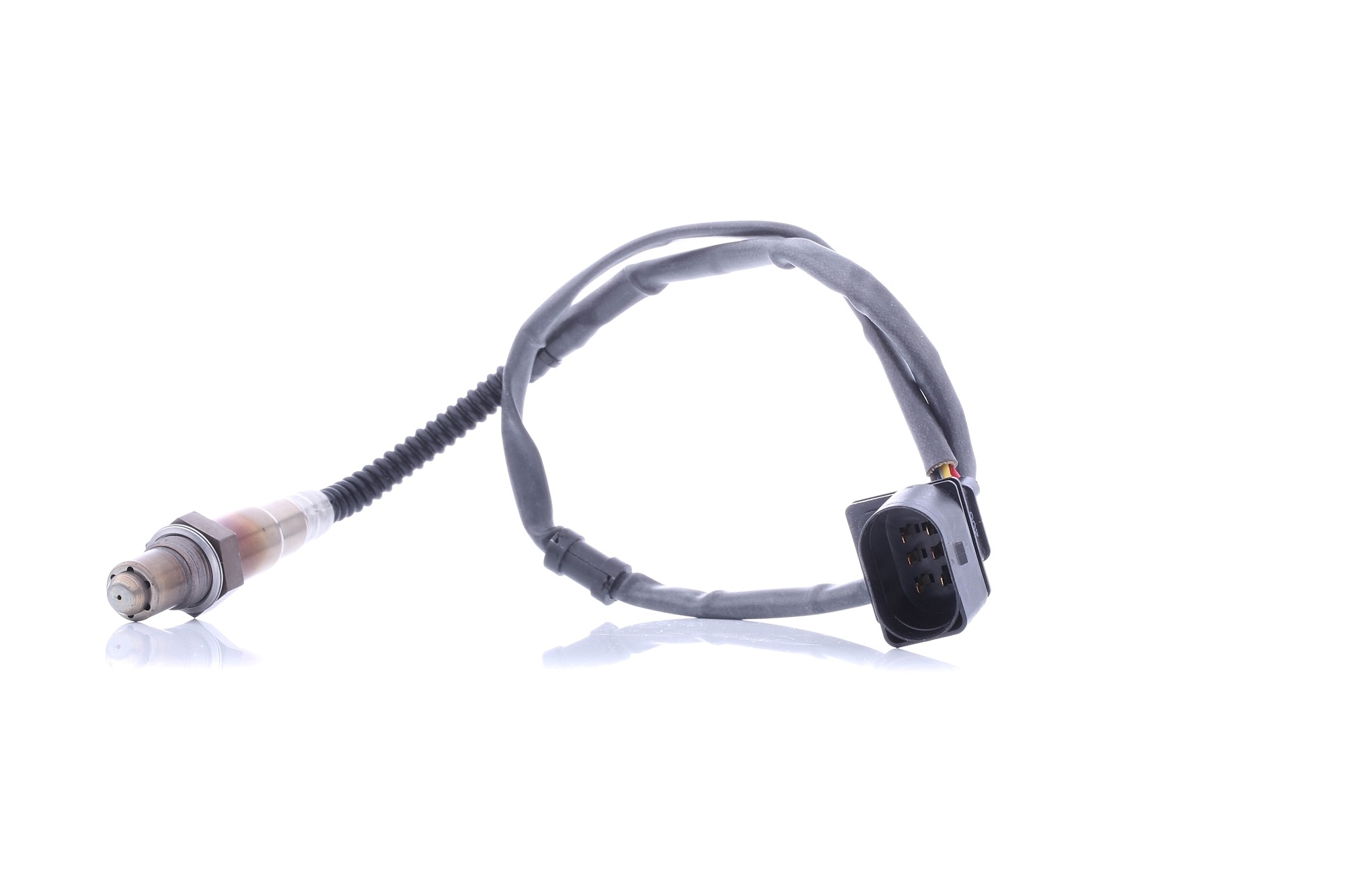
- AdBlue system faults (B9 diesels) – the 2.0 TDI 150 PS and 190 PS variants in the B9 generation are particularly susceptible to AdBlue tank issues, including blocked injection lines, faulty NOx sensors, and crystallisation around the filler cap. Warning lights can appear from as early as 30,000 miles. Left unaddressed, the car may refuse to start once the AdBlue system flags a critical fault. Repairs range from £150 for a sensor to upwards of £600 for a pump replacement.
- Turbocharger wear – on higher-mileage B9 2.0 TDI 190 PS cars (typically beyond 100,000 miles), oil contamination or overheating can lead to turbocharger degradation. Replacement costs between £800 and £1,500 fitted.
For buyers weighing up which engine to choose, the 2.0 TDI remains the more durable long-term option compared to the petrol alternatives, provided the car has been serviced regularly and driven on a mix of road types.
Audi A4 1.4 TFSI Reliability – The Petrol Case
The 1.4 TFSI, introduced on the B9 generation, is the entry-level petrol option and is generally considered mechanically straightforward. Audi A4 1.4 TFSI reliability benefits from its relatively modest state of tune and the absence of the oil consumption issues that plagued the earlier 2.0 TFSI in B8 cars.
Common complaints include a tendency for the engine to feel underpowered when the car is laden, and occasional reports of carbon build-up on the intake valves – a trait inherent to direct-injection petrol engines. Some owners have also reported occasional hesitation or uneven cold-start running, which may require a software update. Overall, the 1.4 TFSI is a sensible choice for lower-mileage urban use, though its modest torque output may frustrate drivers who regularly carry passengers or cover motorway distances.
Used Audi A4 Reliability – What to Check Before You Buy
Buying a used Audi A4 without a thorough inspection is asking for trouble. The car's perceived premium status can obscure its actual mechanical condition, and used car listings seldom highlight the history of a vehicle's electronic components, gearbox, or service gaps.
Here is what to check specifically on a used Audi A4:
- Service history – A complete service history, ideally stamped by a franchised Audi dealer or recognised independent specialist, is the single most important factor. Look for evidence of timing chain tensioner work on B8 petrol models, DPF cleaning on diesels, and any recall compliance certificates. GOV.UK's free vehicle enquiry service lets you view the full MOT history, including any advisories, which can reveal brake wear, tyre condition, and emissions-related flags over consecutive tests.
- Automatic gearbox condition – Automatic gearbox issues are among the more expensive A4 faults to put right. The Car Expert notes average gearbox repair costs of over £1,600 for the A4, making a pre-purchase inspection by a specialist particularly worthwhile on any automatic example. Jerky low-speed gear changes or hesitation when pulling away are tell-tale signs of S tronic or Multitronic trouble.
- Electrical and infotainment system – B9 A4s are known for MMI infotainment glitches: screens that freeze or reboot, Bluetooth connectivity failures, and rear parking sensor malfunctions. A software update from a local Audi dealer can resolve some of these, but others point to faulty hardware. Check that the phone connection, sat-nav, and all driver assistance systems function correctly during the test drive.
- Additional coolant pump – Recall notices for several A4 variants cover the additional coolant pump, which can overheat when foreign particles enter the coolant circuit. Check whether affected vehicles have had this recall completed. You can verify this via the DVSA's recall checker.
- Blower motor – A particularly common fault across multiple A4 generations, blower motor failure stops the heating and ventilation system from working and, critically, prevents windscreen demisting. Replacement parts cost between £100 and £300 fitted, but the labour can be fiddly on some B8 variants.
Used Audi A4 Avant Reliability
The Audi A4 Avant estate commands a loyal following, and used Audi A4 Avant reliability broadly mirrors the saloon. The additional load area does not introduce structural concerns, though owners should check the tailgate struts and boot seal condition on higher-mileage cars. The parcel shelf rattle reported by some owners is a minor but persistent annoyance – check for buzzing from the rear interior when the windows are down.
Infotainment connectivity problems have been more frequently reported on used Audi A4 Avant examples with the Virtual Cockpit system. A software update from an Audi dealer typically resolves persistent screen-related faults at no charge if the car is within an active warranty or recall period.
Used Audi A4 Allroad Reliability

The used Audi A4 allroad quattro adds raised suspension and all-wheel drive to the Avant body. Used Audi A4 allroad reliability centres primarily on the condition of the quattro drivetrain and the rear axle suspension components. The additional drivetrain hardware adds servicing complexity, so any whine or vibration from the driveline during a test drive warrants closer inspection.
Used Audi A4 Cabriolet Reliability
The A4 cabriolet (produced in the B6 and B7 generations, ending in 2009) presents specific concerns beyond the standard saloon. Used Audi A4 cabriolet reliability is most closely tied to the condition of the folding roof mechanism. Hydraulic pump motor failure, leaking hydraulic fluid lines, and frame position sensor faults are all well-documented. Roof repairs can be expensive – hydraulic pump replacement alone runs to £400–£800 – so a test of the full roof cycle (open and close) is essential before purchase.
Audi A4 Saloon vs Avant – Reliability Differences
The Audi A4 saloon reliability record and the Avant's are, for practical purposes, identical when it comes to drivetrain and electronics. The saloon is marginally lighter, which some owners credit with slightly better fuel economy and less front suspension wear. The Avant's greater kerb weight can accelerate rear tyre wear on higher-mileage cars, so check tread depth and wear patterns carefully on any used Audi A4 Avant.
Maintenance Costs and Running Costs
Running costs for the Audi A4 are a mixed bag. The Car Expert's data shows the A4 range commands higher maintenance costs than equivalent non-luxury cars, with engine repairs averaging around £1,300 and gearbox work typically exceeding £1,600. Annual servicing at a franchised dealer runs from approximately £250 for a minor service to over £500 for a major one. Independent specialists can reduce this significantly while maintaining quality, provided they use OEM-specification parts and fluids.
Owners rate the A4's fuel economy positively. The 2.0 TDI 150 PS can return around 45–52 mpg on mixed routes in real-world use, making running costs competitive despite the higher repair costs when things do go wrong.
For those buying the A4 as a company car, it is worth noting that benefit-in-kind liability depends on the exact engine and CO2 figure. In broad terms, conventional petrol and diesel A4 models do not compete with plug-in hybrids or EVs for the very lowest company-car tax bands.
How Does Audi A4 Reliability Compare to Rivals?
The A4 places above the Alfa Romeo Giulia and the Mercedes-Benz C-Class in What Car?'s Reliability Survey, scoring 86.6% overall. It falls behind the BMW 3 Series, which scores higher in these owner surveys, and also trails the Volvo V60. If long-term dependability without the complexity of German engineering is a priority, the Volvo is arguably the stronger choice. If driving enjoyment and interior quality matter as much as reliability, many owners consider the trade-off acceptable on a well-maintained A4.
Frequently Asked Questions
Is the Audi A4 reliable for high mileage?
The 2.0 TDI diesel variants are capable of well over 150,000 miles with proper servicing. Petrol models, particularly the B8 2.0 TFSI, tend to become more maintenance-intensive beyond 100,000 miles due to oil consumption and timing chain wear. A full documented service history is the best indicator of how a high-mileage example has been treated.
Which Audi A4 years should I avoid?
The 2008–2012 B8 petrol models (2.0 TFSI) carry the most risk due to oil consumption and timing chain tensioner issues. Early B9 diesels from 2016–2018 can have AdBlue system teething troubles. The 2010 Audi A4 2.0 TDI with a Multitronic gearbox is best avoided unless you have verified gearbox fluid service history.
Does the Audi A4 pass the MOT easily?
The A4 broadly performs well on MOT tests, but diesel examples used on short urban runs often accumulate DPF advisory notices. Worn brake discs and suspension bushings are commonly flagged on higher-mileage B8 cars. Use the GOV.UK MOT history checker to review any car's advisory and failure record before purchase.
How much does it cost to maintain an Audi A4?
Budget for £250–£550 per year for routine servicing. Unexpected repairs – gearbox, engine, or electrical – can add £300 to over £1,600 depending on severity. A used car warranty is strongly recommended if you are buying outside of Audi's certified pre-owned programme (Audi Approved Used).
Is the Audi A4 Avant as reliable as the saloon?
Yes, in mechanical terms the used Audi A4 Avant reliability matches the saloon closely. The estate body adds marginal additional weight but introduces no major reliability differences. Check rear suspension and boot seal condition on any Avant over 70,000 miles.
Finding the Right Parts for Your Audi A4
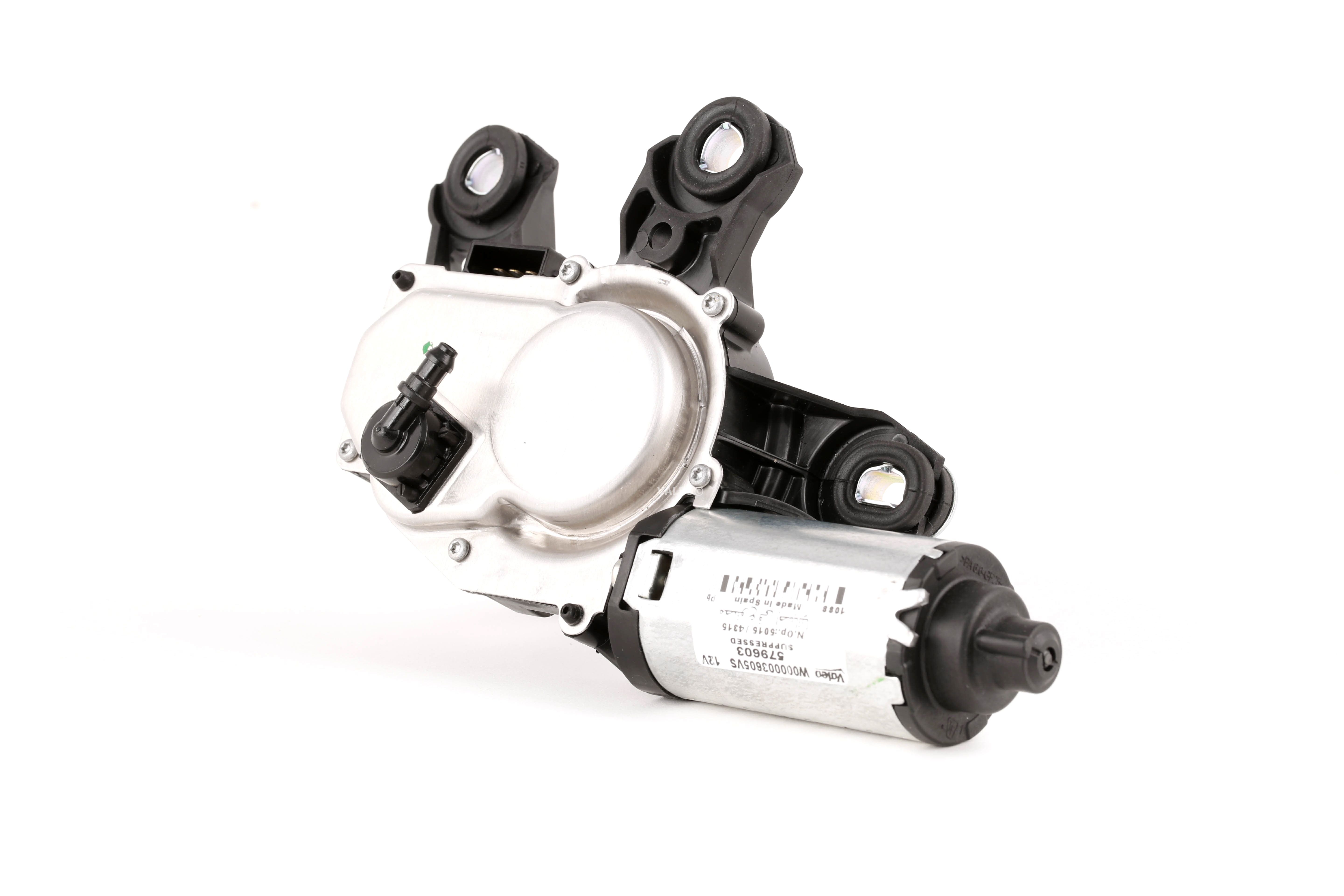
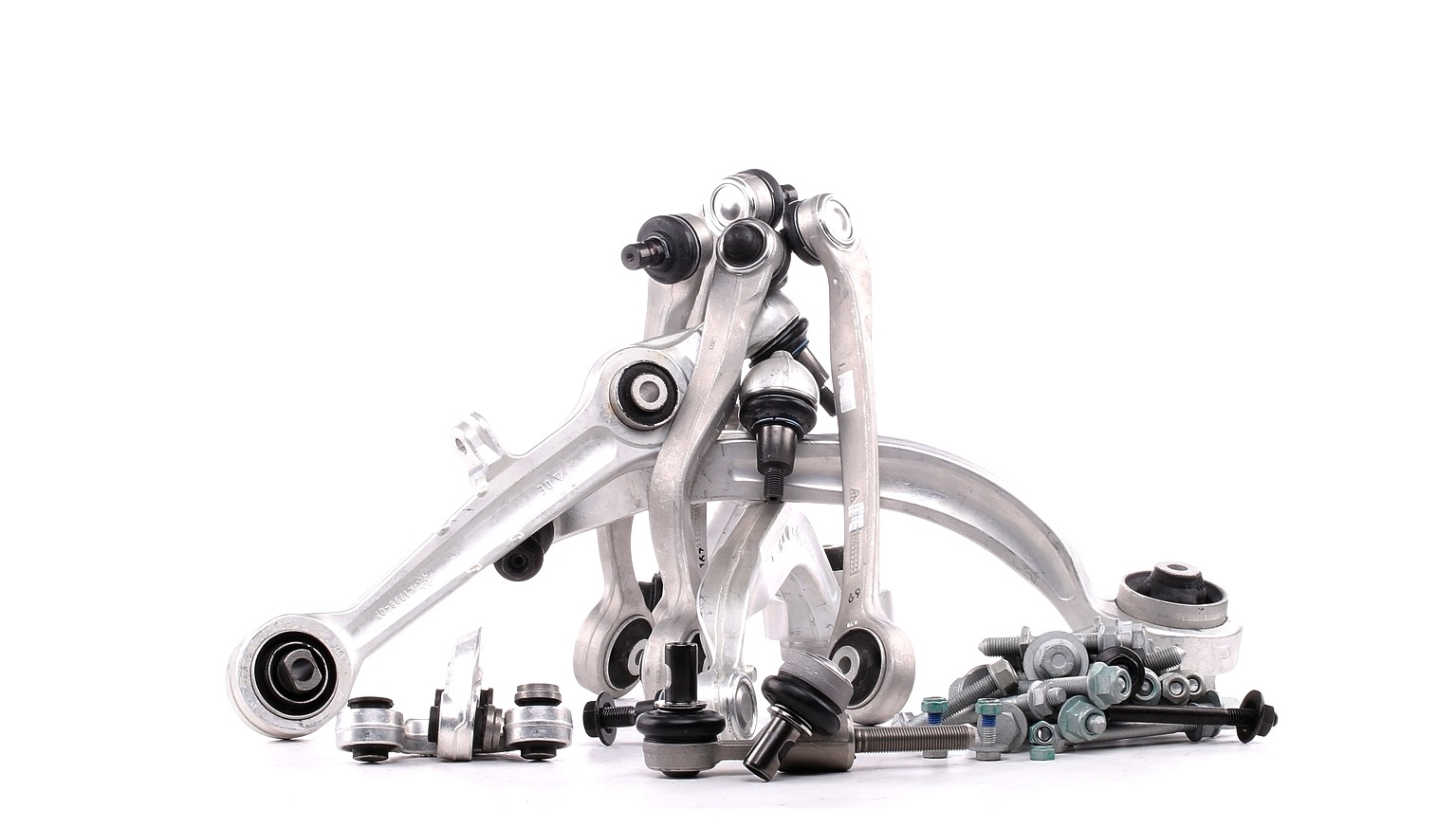
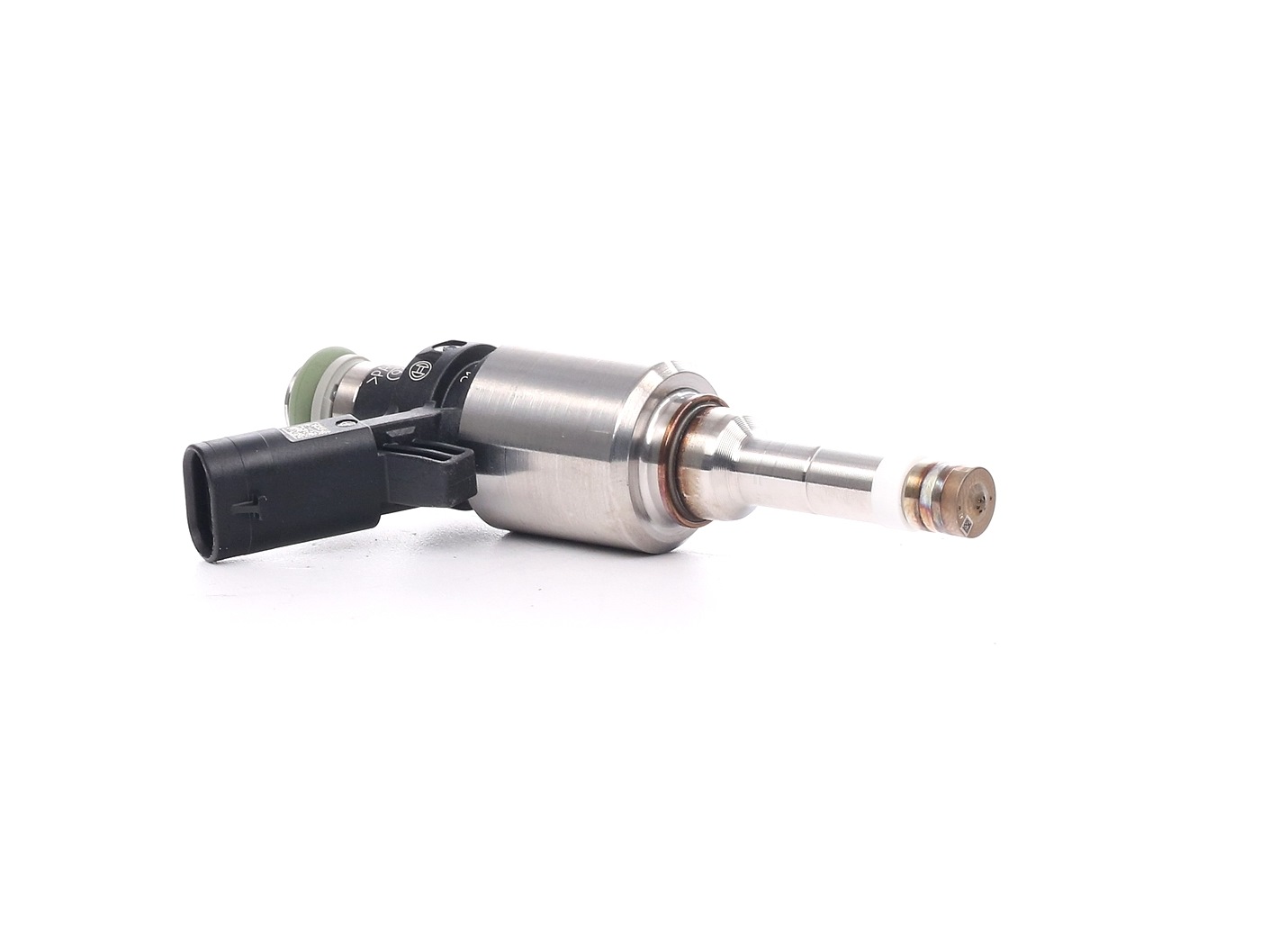
One of the most practical ways to manage Audi A4 ownership costs is to source quality alternative parts at competitive prices rather than defaulting to main dealer pricing for every repair. AUTODOC stocks an extensive range of parts for all Audi A4 generations – from DPF filters and EGR valves to blower motors, water pumps, and S tronic service kits – covering B8 and B9 variants across saloon, Avant, allroad, and cabriolet body styles. Whether you are carrying out your own maintenance or providing parts to a trusted independent garage, choosing OEM-equivalent components ensures your A4 continues to perform as intended without inflating repair costs unnecessarily.
All repair cost figures are approximate UK market estimates and may vary by region and workshop. MOT and recall information should be verified via official DVSA and GOV.UK channels.


 24 April 2026 (updated)