Problems with the VW Scirocco

Reliability VW Scirocco: common problems, issues symptoms and faults
- Timing chain problems with 1.4 TSI engine: The timing chain can fail between 40,000-80,000 km, leading to severe engine damage. Symptoms include metallic noises during cold starts and rough engine running.
- Panoramic roof malfunctions: The electric panoramic roof no longer functions properly, especially after 60,000-100,000 km. The guide rails are often clogged or the motors are defective.
- Fuel filler cap mechanism problems: The fuel filler cap no longer pops open or does not switch on properly, often after 30,000-50,000 km. This can be caused by dirt or defective actuators.
- Turbocharger failure in 2.0 TSI: The turbocharger shows the first signs of wear as early as 80,000 km, complete failure often occurs between 120,000-150,000 km.
VW Scirocco: Problems with the timing chain in the 1.4 TSI engine
The timing chain of the 1.4 TSI engine in the VW Scirocco from 2009 and later model years shows frequent faults and a significantly reduced service life. The problem typically manifests itself between 40,000 and 80,000 kilometres through characteristic symptoms such as metallic rattling noises during cold starts, rough engine running and, in the worst case, complete engine damage. The timing chain can stretch excessively or even break, causing the valves to collide with the pistons. This weak point particularly affects the early 1.4 TSI variants and can cause repair costs of several thousand euros. The reliability of this engine is significantly affected by this issue and many owners report breakdowns due to these faults.
Regular servicing is crucial for the early detection of timing chain problems. The sensitive VW Scirocco timing chain tensioners require special attention and should be checked every 60,000 kilometres to prevent problems. At the first signs, such as unusual noises, a workshop should be visited immediately, as a timely repair is significantly cheaper than a complete engine failure.
VW Scirocco: Problems with the panoramic roof

The electric panoramic roof of the VW Scirocco develops typical malfunctions that mainly manifest themselves between 60,000 and 100,000 kilometres. The roof no longer functions properly, does not open at the push of a button or does not switch correctly to the desired position. Common complaints include blocked guide rails due to dirt, defective actuators or faulty sensors in the closing mechanism. The symptoms range from complete standstill to jerky movements when opening or closing. These breakdowns can be particularly annoying if the roof is blocked in the open position and weather influences enter the interior. The service life of the panoramic roof mechanism is significantly shorter than that of conventional sliding roofs.
Systematic inspection is essential for the proper functioning of the panoramic roof. The complex VW Scirocco panoramic roof mechanisms require regular cleaning of the guide rails and lubrication of the moving parts every 30,000 km. Preventive maintenance can prevent most problems and significantly improve the reliability of the system.
VW Scirocco: Problems with the fuel filler cap mechanism
The electric fuel filler cap mechanism of the VW Scirocco shows frequent faults, which can occur as early as 30,000 kilometres. The fuel filler cap no longer pops open at the push of a button or does not switch on properly, which leads to considerable inconvenience when refuelling. The causes are usually dirty or defective actuators, corroded contacts or blocked mechanical components. These faults have been documented in older vehicles from 2009 onwards in particular, with moisture and dirt being the main causes. The symptoms range from complete failure to delayed opening of the fuel filler cap. This weak point can lead to drivers having to open the fuel filler cap manually or, in the worst case, not being able to refuel at all.
A professional inspection is required to diagnose and rectify fuel filler cap problems. The precise VW Scirocco petrol cap actuators require regular cleaning and occasional lubrication to maintain their functionality. Preventive maintenance every 40,000 km can prevent most failures and extend the life of the mechanism.
VW Scirocco: Problems with the 2.0 TSI turbocharger

The 2.0 TSI engine in the VW Scirocco develops characteristic turbocharger problems, which typically become noticeable after 80,000 kilometres and can lead to complete failure between 120,000 and 150,000 kilometres. The symptoms include reduced boost pressure, bluish exhaust fumes, increased oil consumption and a significant loss of power. Frequent faults are caused by worn bearings, defective seals or damaged turbine blades. Particularly problematic is the tendency to carbonisation of the intake ducts, which further reduces the service life of the turbocharger. This weak point often leads to costly repairs, as a turbocharger replacement can cost several thousand euros. The reliability of the 2.0 TSI engine depends heavily on proper maintenance and driving behaviour.
Professional maintenance is crucial for the longevity of the turbocharger. The sensitive VW Scirocco turbocharger systems require high-quality engine oils with corresponding change intervals of maximum 10,000 km as well as regular checks of the intake ducts. Preventive measures such as the use of additives to reduce coking can significantly extend the service life.
VW Scirocco: Problems with the fuel pump
The electric fuel pump of the VW Scirocco frequently shows signs of failure, especially in vehicles with a higher mileage of 100,000 kilometres or more. The vehicle no longer starts or shows irregular engine performance, especially when the tank level is low. Typical symptoms are starting problems, jerky engine running and complete failure of the fuel supply. The fuel pump no longer functions properly due to wear of the internal components, blockages caused by dirt particles or electrical defects. These breakdowns can lead to unexpected stoppages and represent a considerable safety risk. The service life of the fuel pump is influenced by the quality of the fuel used and the maintenance of the fuel system.
Systematic inspection is important for the timely detection of fuel pump problems. The VW Scirocco fuel pump systems require regular replacement of the fuel filter every 60,000 km and occasional cleaning of the fuel tank. Proper maintenance can significantly improve reliability and prevent premature failures.
Additional common faults of the VW Scirocco
Based on the experiences of VW Scirocco drivers, the following additional problems occur:
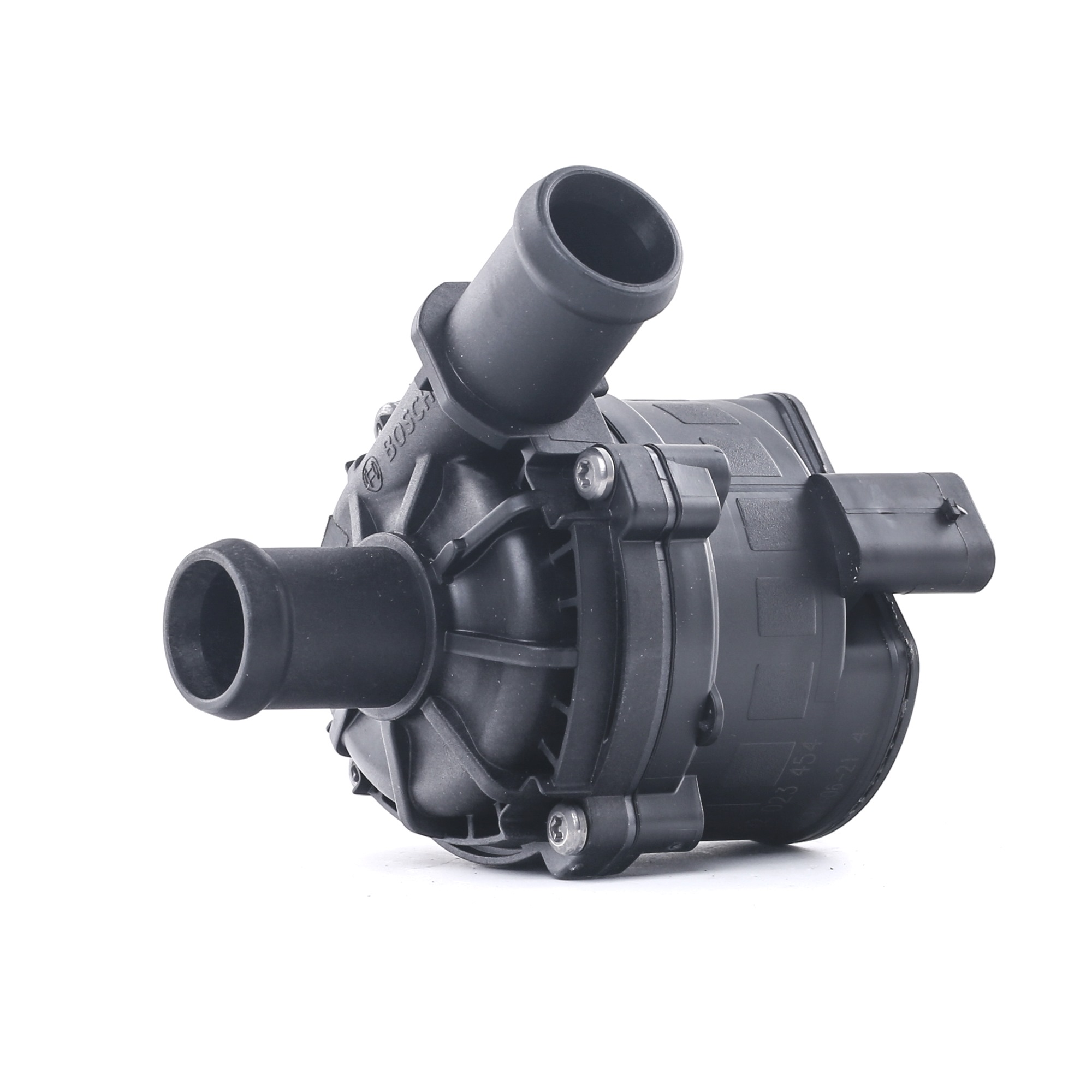
- Water pump failure: typically occurs between 80,000-120,000 km, especially in the TSI engines due to wear of the seals
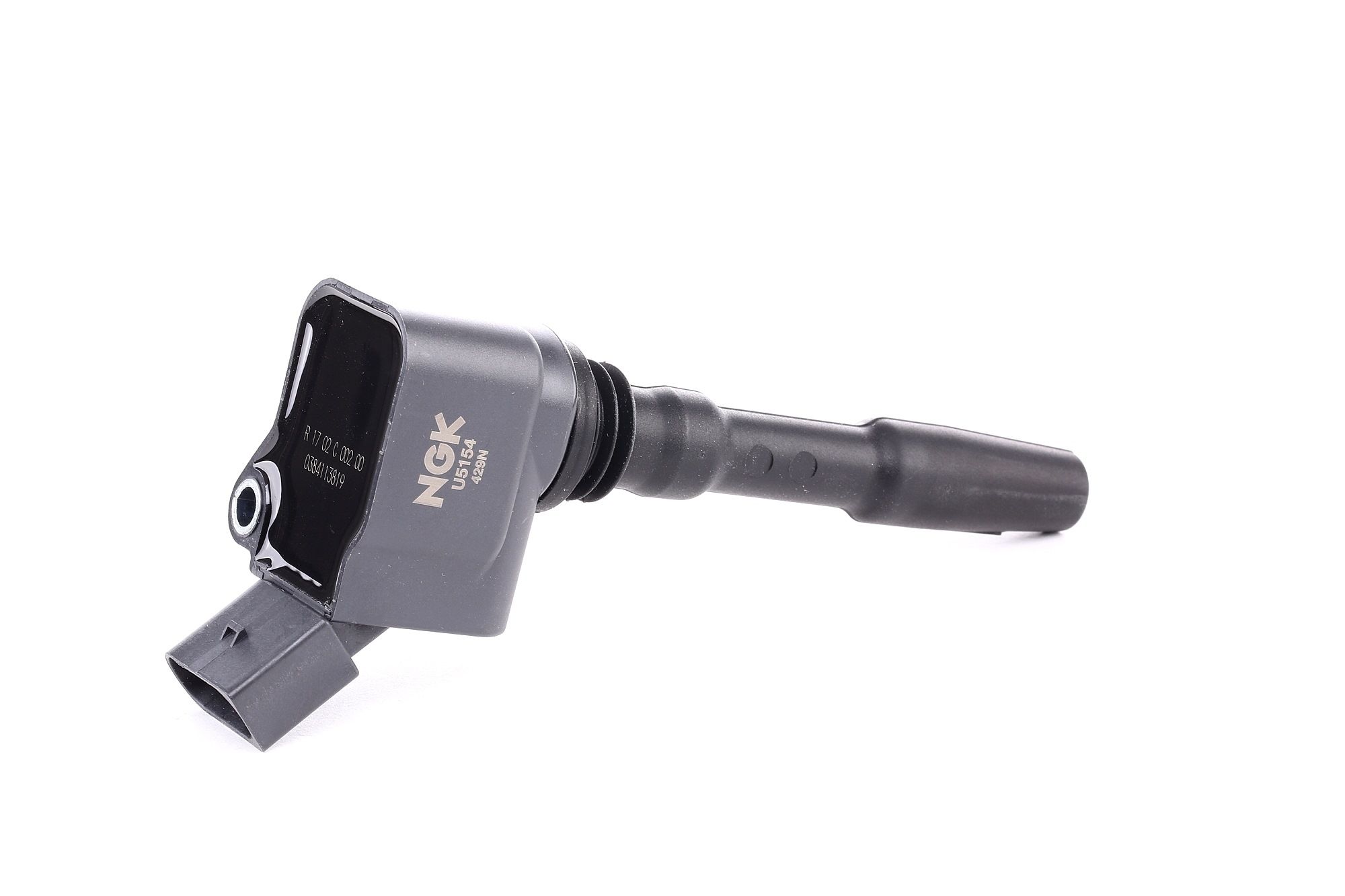
- Ignition coil defects: Common between 60,000-90,000 km, causing engine misfires and increased fuel consumption
- Air conditioning compressor problems: Usually show up after 70,000-100,000 km due to leaks or mechanical defects
- Headlight condensation: Often occurs after 40,000-60,000 km, especially with xenon headlights
- Window regulator failures: Electric windows often fail between 80,000-120,000 km
- Exhaust gas recirculation valve problems: Particularly in diesel models between 100,000-150,000 km due to coking

VW Scirocco: disadvantages and advantages
| Strengths |
Weak points |
| Sporty design |
Timing chain problems with 1.4 TSI |
| Good driving performance |
Panoramic roof failures |
| High-quality workmanship |
Turbocharger wear on 2.0 TSI |
| Extensive equipment |
Filler cap mechanism defects |
| Good handling |
Fuel pump problems |
| Modern technology |
High repair costs |
| Attractive coupé design |
Vulnerability of electronics |
The VW Scirocco is an attractive sports coupé with characteristic weak points that can be minimised by regular maintenance and preventive measures. The TSI engines in particular require attentive care to avoid costly repairs. Despite the known problems, the Scirocco remains a reliable and dynamically appealing sports car with appropriate maintenance.


 27 April 2026 (updated)