Table of Contents
 5 September 2025
 BMW E87 engines
From 2004 to 2013, the BMW E87 1 Series established itself as the entry-level model in the BMW world and offered a diverse range of engines from economical diesels to powerful six-cylinder engines. Over nine years of production, the technology continued to develop, with each model update bringing new engines and improved technologies.

BMW E87 engines (2004-2013)

The BMW E87 generation was BMW's first attempt to conquer the premium compact car market and was characterized by an exceptionally wide range of engines. Reliability varied greatly depending on the engine type: while the proven four-cylinder diesels easily reached 300,000 to 400,000 kilometers, the early N45 gasoline engines often required costly repairs to the valve cover gasket or water pump between 150,000 and 200,000 kilometers. The direct-injection N54 engines were considered susceptible to high-pressure pump and injector problems. The absolute top engine of this generation was the N47D20 diesel with 177 hp, which optimally combined performance, efficiency and BMW-typical smooth running. Technical highlights were the introduction of Valvetronic technology in the petrol engines and common-rail injection in the diesels, which gave BMW an edge over competitors such as the Audi A3 and Mercedes A-Class.
BMW E87 petrol engines (2004-2013)
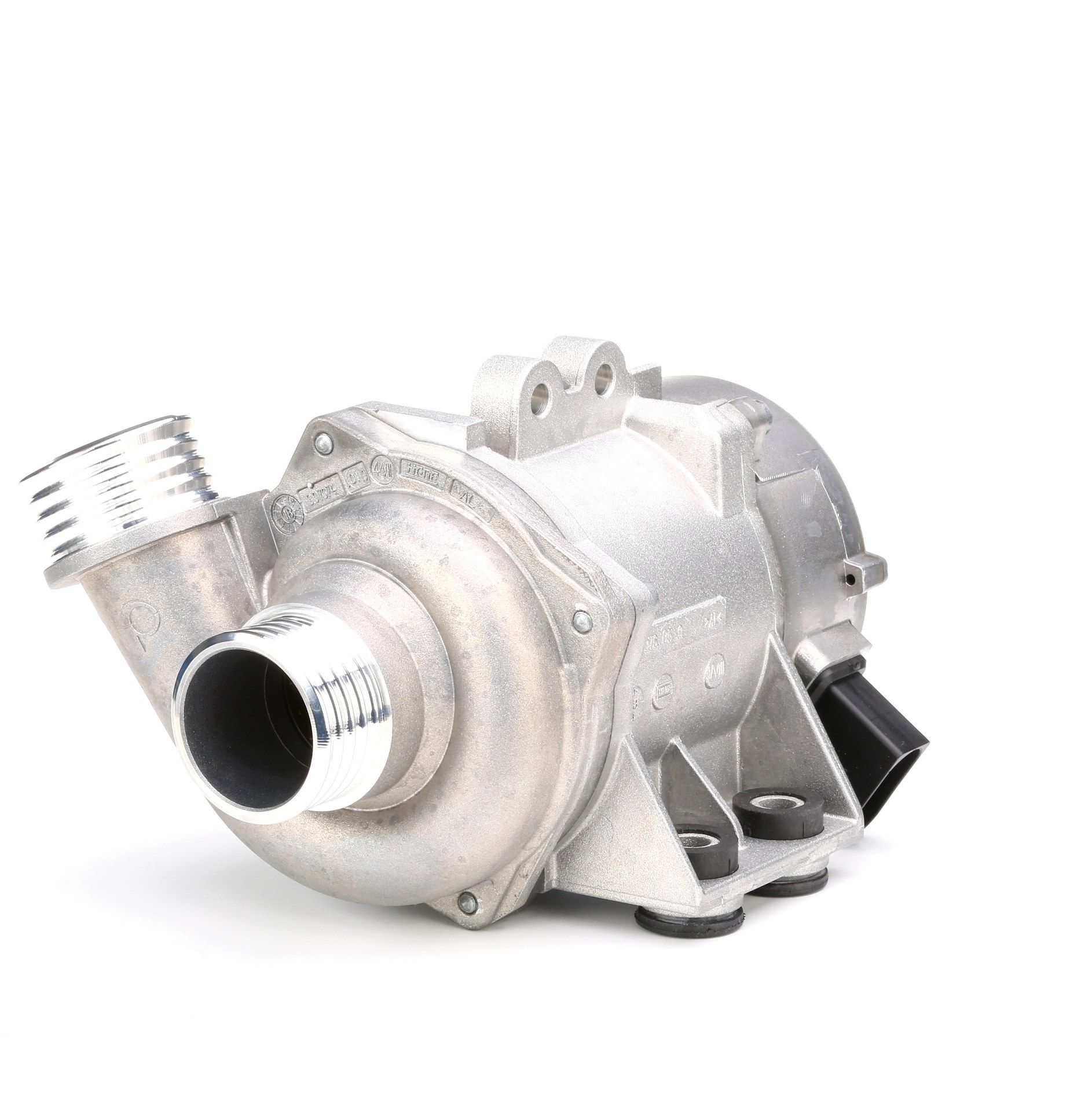
The BMW E87 petrol engine range initially comprised the N45/N46 four-cylinder engines with 1.6 and 2.0 liter displacement. The 116i started with 85 kW (115 hp) from the N45B16 engine, while the 118i started with 95 kW (129 hp) and later 105 kW (143 hp) from the N46B20. These BMW E87 engines suffered from typical problems of the early Valvetronic generation: leaking valve cover gaskets, defective water pumps and problems with the Valvetronic control system made them high-maintenance engines. The most powerful BMW E87 petrol engine was the 130i with the N52B30 six-cylinder engine and 190 kW (258 hp), which was more reliable but had high fuel consumption. From 2007, the revolutionary N54B30 with twin turbocharging was added in the 135i, which produced 225 kW (306 hp) but was prone to high-pressure pump and wastegate problems.
BMW E87 diesel engines (2004-2013)
The BMW E87 diesels were initially dominated by the M47 four-cylinder engine with a displacement of 2.0 liters in various output levels. The 118d was launched in 2004 with 90 kW (122 hp), but was quickly replaced by the more modern N47 engine. The BMW E87 120d with the M47D20 engine produced 120 kW (163 hp) and was considered to be very reliable. From 2007, the N47 generation with improved common-rail technology took over: the 116d with 85 kW (115 hp), 118d with 105 kW (143 hp) and the top-of-the-range 120d engine with 130 kW (177 hp). These BMW E87 engines already met the Euro 5 standard and offered an excellent combination of performance, consumption and durability. The 177 hp N47D20 engine in particular became the most reliable and popular engine in the entire series.
| BMW E87 engine | Power output | Fuel consumption | Typical weaknesses | Rating |
|---|---|---|---|---|
| N45B16 (116i) | 115 HP | 7.2-7.8 l/100km | Valve cover gasket, Valvetronic | Moderate |
| N46B20 (118i) | 129-143 HP | 7.5-8.2 l/100km | Water pump, Valvetronic problems | Moderate |
| N52B30 (130i) | 258 HP | 9.1-9.8 l/100km | High consumption, otherwise robust | Good |
| N54B30 (135i) | 306 HP | 9.5-10.2 l/100km | High pressure pump, wastegate, injectors | Problematic |
| M47D20 (118d/120d) | 122-163 HP | 5.1-5.8 l/100km | Very robust, proven | Very good |
| N47D20 (116d/118d/120d) | 115-177 HP | 4.8-5.6 l/100km | Timing chain (rare), otherwise reliable | Very good |

Conclusion: The best BMW E87 engines of all generations
The BMW E87 engines showed clear differences in quality between the various drive concepts over the nine-year production period. While the diesel engines were consistently convincing, the early petrol engines and the high-powered turbo engines in particular struggled with reliability problems. Nevertheless, the BMW E87 successfully established the 1 Series as a serious alternative to the Audi A3 and Volkswagen Golf in the premium compact segment.
- Best BMW E87 gasoline engine:
The N52B30 (130i) with 258 hp combined BMW-typical six-cylinder running culture with acceptable reliability, only the high fuel consumption clouded the picture.
- Best BMW E87 diesel engine:
The N47D20 with 177 hp (120d) offered the optimum balance of performance, efficiency and durability and is considered the best engine of the entire E87 generation.
- Problem engine:
Despite its impressive performance, the N54B30 (135i) was the most problematic BMW E87 engine with frequent high-pressure pump failures and expensive repairs.
For maintenance and spare parts for all BMW E87 generations, AUTODOC offers a comprehensive range of original and quality spare parts with fast delivery and expert advice.