Table of Contents

 5 September 2025
 BMW E60 engines
The BMW E60 5 Series, produced from 2003 to 2010, marked a significant turning point in the Bavarian manufacturer's engine development. With an impressive range of petrol and diesel engines, this generation established itself as a technological pioneer and offered the revolutionary V10 engine in the M5 for the first time. The continuous development of drive technology during the production period reflected BMW's pursuit of efficiency and performance.

BMW E60 engines - first generation (2003-2010)

The BMW E60 generation was characterized by exceptional longevity, with many vehicles easily reaching 250,000 to 350,000 kilometers. Major maintenance is typically due between 150,000 and 200,000 kilometers, especially for the more complex V8 and V10 engines. The 530d with its M57 engine is considered the absolute pinnacle of this generation, combining reliability with impressive performance. The technical innovations of this era included the introduction of Valvetronic technology, advanced direct injection and the first turbocharged BMW engines in the 5 Series. In a market comparison, the E60 positioned itself as a direct competitor to the Mercedes E-Class and Audi A6, but clearly surpassed them in terms of driving dynamics and engine variety.
BMW E60 petrol engines: First generation (2003-2010)
The petrol engines of the E60 series comprised a wide range of four, six, eight and ten-cylinder engines. The 520i started with 150 hp from the N46 engine, while the 525i and 530i drew on the proven N52 units with 192 and 258 hp respectively. The V8 variants 545i and 550i produced 333 and 367 hp respectively, crowned by the legendary M5 with its 507 hp V10 engine.
Particularly noteworthy is the N52 engine in the 530i, which impresses with its magnesium-aluminum construction and Valvetronic technology. In contrast, the early N46 engines proved problematic with their tendency to timing chain problems from 120,000 kilometers. The N62 and N63 V8 engines typically developed problems with the valve stem seals and crankcase ventilation from 150,000 kilometers onwards.
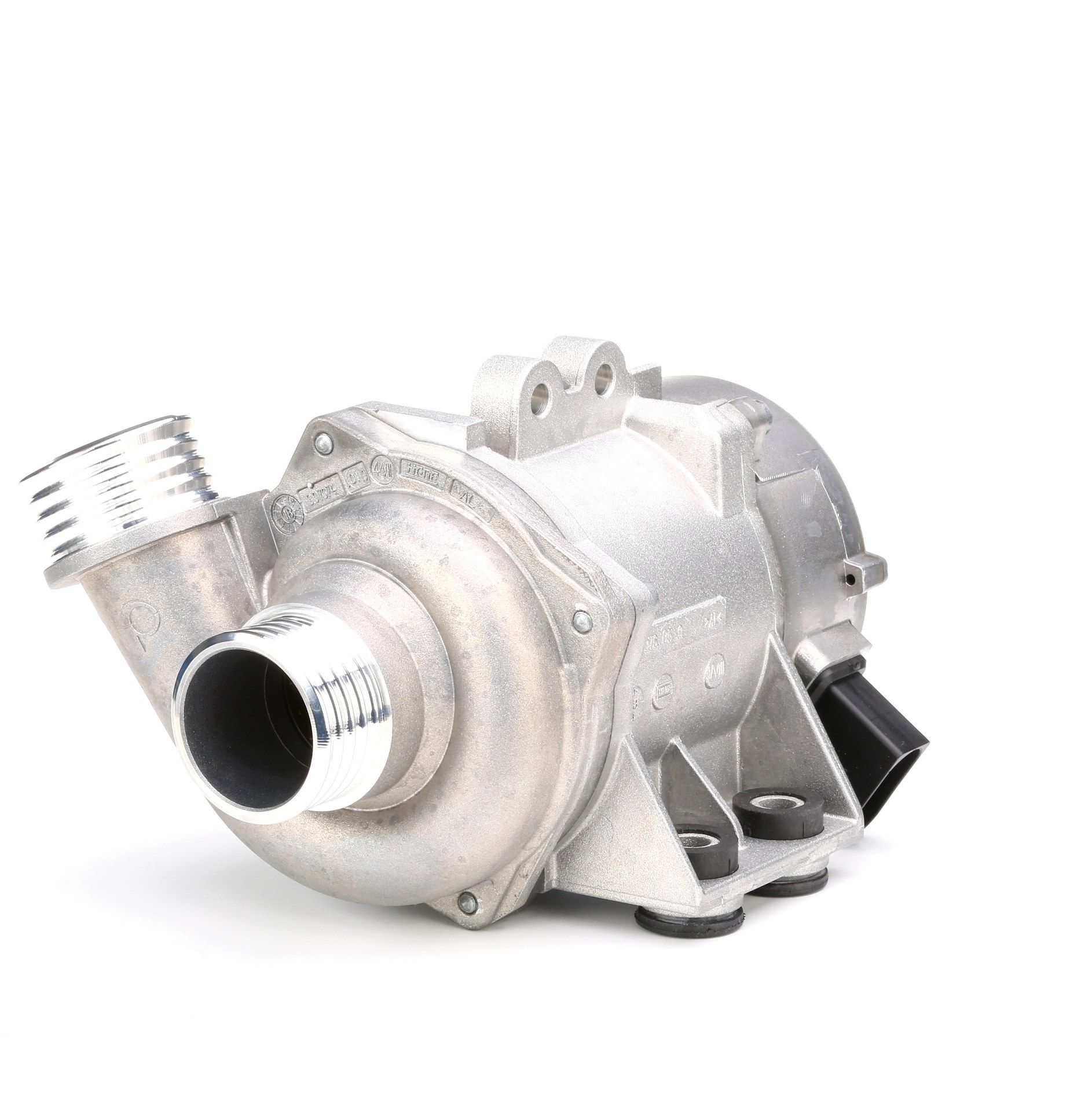
The M57 diesel engine in the 535d proved to be exceptionally robust, while the V10 unit in the M5 remained high-maintenance despite its allure. Characteristic weak points of the petrol engines were the water pump (N52 series from 100,000 km), the ignition coils (all engines from 80,000 km) and the crankshaft sensors in older units.
BMW E60 diesel engines: First generation (2003-2010)
The diesel range of the E60 generation was primarily based on the proven M47 and M57 engines. The 520d initially offered 163 hp from the M47TU unit, later 177 hp from the M47TU2. The 525d produced 197 hp, while the 530d with 231 hp from the M57TU engine was regarded as the benchmark in its class. The top of the range was the 535d with 286 hp from the M57TU2 engine.
The M57TU engine in the 530d proved to be particularly reliable, regularly achieving mileages of over 400,000 kilometers. The M47 engines showed weaknesses in the form of timing chain problems from 180,000 kilometers and defective swirl flaps from 120,000 kilometers. The M57 units were prone to problems with the mass air flow sensor from 150,000 kilometers and occasional turbocharger damage from 250,000 kilometers.
The diesel particulate filters, which were fitted as standard from 2006, require special attention on short journeys. Regeneration drives every 500-800 kilometers are essential for longevity. The injection nozzles of the M57 engines should be checked every 120,000 kilometers to avoid loss of power and increased consumption.
| Engine | Power (PS) | Consumption (l/100km) | Typical weaknesses | Rating |
|---|---|---|---|---|
| 520i (N46) | 150 | 8,5 | Timing chain, water pump | Average |
| 525i (N52) | 192 | 8,2 | Water pump, ignition coils | Good |
| 530i (N52) | 258 | 8,8 | Water pump, valve cover gasket | Very good |
| 545i (N62) | 333 | 11,2 | Valve stem seals, VANOS | Moderate |
| 550i (N63) | 367 | 11,8 | Turbocharger, high-pressure pump | Moderate |
| M5 (S85) | 507 | 14,5 | Connecting rod bearings, throttle valves | Problematic |
| 520d (M47TU) | 163 | 6,2 | Timing chain, swirl flaps | Good |
| 525d (M57) | 197 | 6,5 | Mass air flow sensor, EGR valve | Good |
| 530d (M57TU) | 231 | 6,8 | Mass air flow sensor, turbocharger | Very good |
| 535d (M57TU2) | 286 | 7,2 | DPF regeneration, injection nozzles | Good |

Conclusion: The best BMW E60 engines of all generations
The BMW E60 engine range represents one of the most diverse and technically advanced engine collections of its time. From economical four-cylinder diesels to the spectacular V10 in the M5, this generation offered the right engine for every requirement. Continuous further development during the production period led to significant improvements in efficiency and reliability.
- Best BMW E60 gasoline engine:
The N52 engine in the 530i with 258 hp combines outstanding power delivery with above-average reliability and moderate fuel consumption.
- Best BMW E60 diesel engine:
The M57TU engine in the 530d with 231 hp is considered the reference for durability and efficiency, regularly achieving mileages of over 400,000 kilometers.
- Sportiest BMW E60 engine:
The S85 V10 engine in the M5 with 507 hp remains a technical masterpiece and milestone in automotive history despite its maintenance-intensive nature.
For spare parts and maintenance components for all BMW E60 engines, AUTODOC offers a comprehensive selection of high-quality parts at attractive prices.