Table of Contents

 21 November 2025 (updated)
 Complete guide to car interior lights: types, installation, and troubleshooting
Your car's interior lighting system does more than just help you find your keys in the dark. These lights play an important role in your and your passengers’ comfort, and even your vehicle's security. Whether you're chasing down the cause of flickering cabin lights or thinking about switching to LEDs for a brighter, more modern look, getting to know your car's interior lighting is the first step to making smart upgrades and keeping everything shining just right.
Types of car interior lights
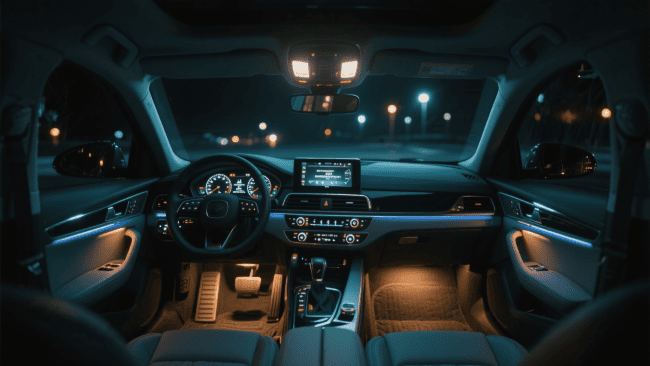
Dome light
The car interior light, also known as the courtesy light, sits centrally on your ceiling and automatically illuminates when you open any door. This primary light helps you enter and exit safely in the darkness, whilst alerting you to doors left ajar. Modern vehicles often feature multiple dome lights for better coverage.
Door lights
Most contemporary cars include car door lights at the base of each door. These ground-illuminating lights serve a dual purpose: they help you see where you're stepping and make your open door more visible to other road users, reducing the risk of accidents.
Map lights
Located on the front ceiling, these directional lights can be switched on independently of the dome light. Originally designed for reading maps (hence the name), they're now perfect for specific tasks like searching for items or reading without disturbing other passengers.
Dashboard lights
Your dashboard light bulbs include warning indicators, speedometer illumination, and gauge lighting. These tiny but essential lights keep you informed about your vehicle's status and ensure you can read instruments in all lighting conditions.
Sold by AUTODOC Sold by AUTODOC Sold by AUTODOC Sold by AUTODOC Sold by AUTODOC
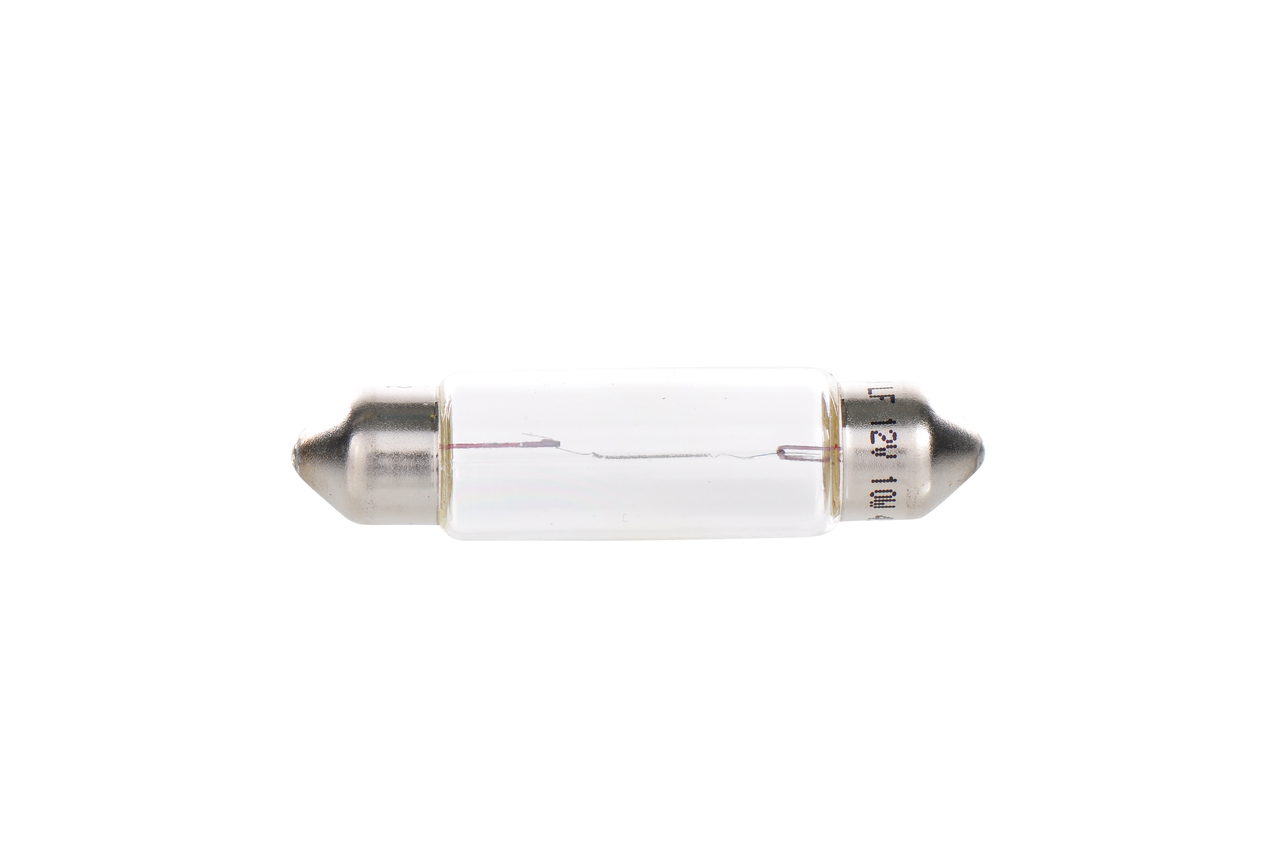 BOSCH Bulb
12V 10W
Article number: 1 987 301 014
£2.29
Price per set of 2 pieces
price incl. 20% VAT, excl. delivery costs
BOSCH Bulb
12V 10W
Article number: 1 987 301 014
£2.29
Price per set of 2 pieces
price incl. 20% VAT, excl. delivery costs
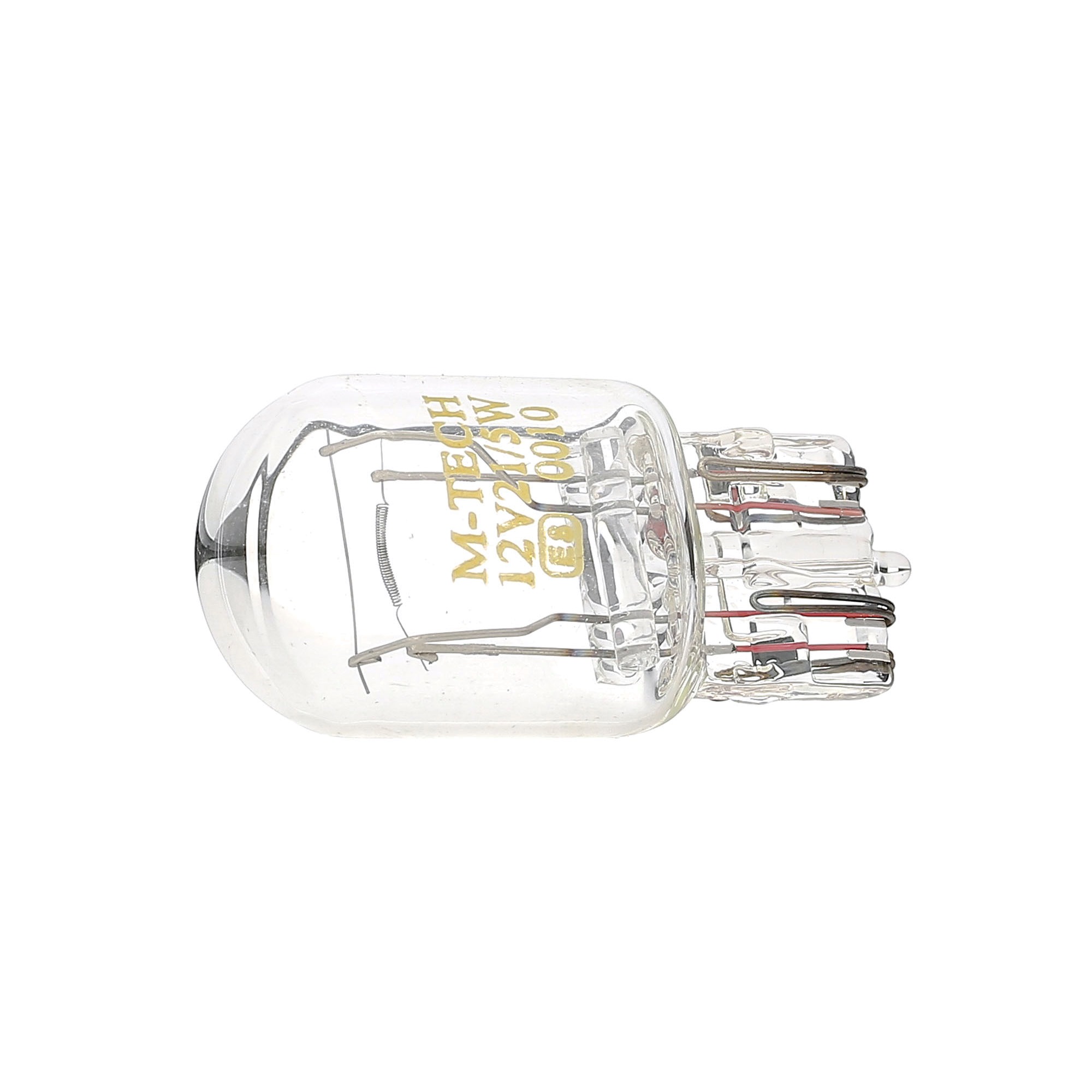 JPN Bulb
12V 21 / 5W, W21/5W, W3x16q
Article number: W21/5W 12V 21/5W
£1.99
Price per item
£3.98 / Price per 2 items
price incl. 20% VAT, excl. delivery costs
JPN Bulb
12V 21 / 5W, W21/5W, W3x16q
Article number: W21/5W 12V 21/5W
£1.99
Price per item
£3.98 / Price per 2 items
price incl. 20% VAT, excl. delivery costs
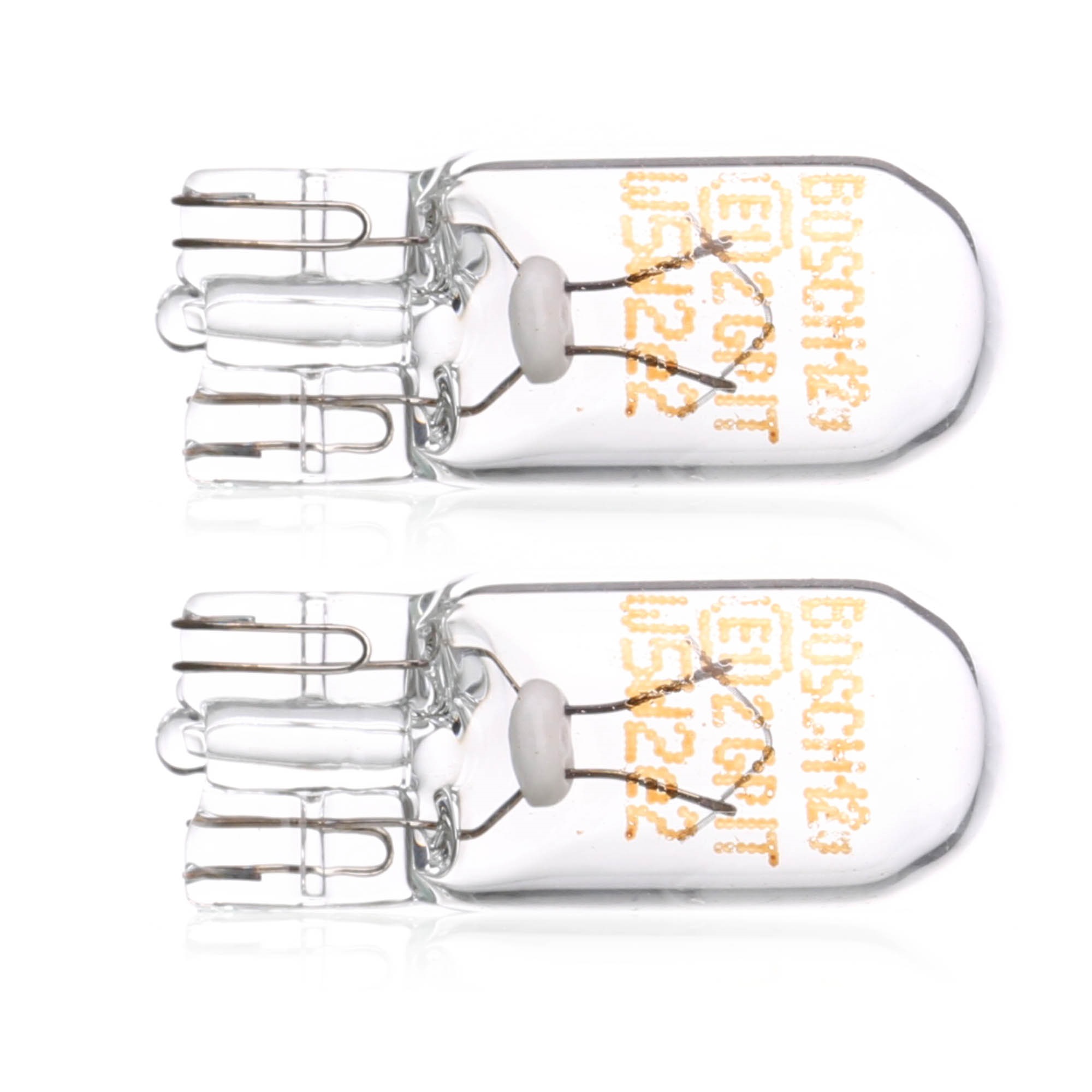 BOSCH Bulb
12V 5W, W5W
Article number: 1 987 301 026
£1.99
Price per set of 2 pieces
price incl. 20% VAT, excl. delivery costs
BOSCH Bulb
12V 5W, W5W
Article number: 1 987 301 026
£1.99
Price per set of 2 pieces
price incl. 20% VAT, excl. delivery costs
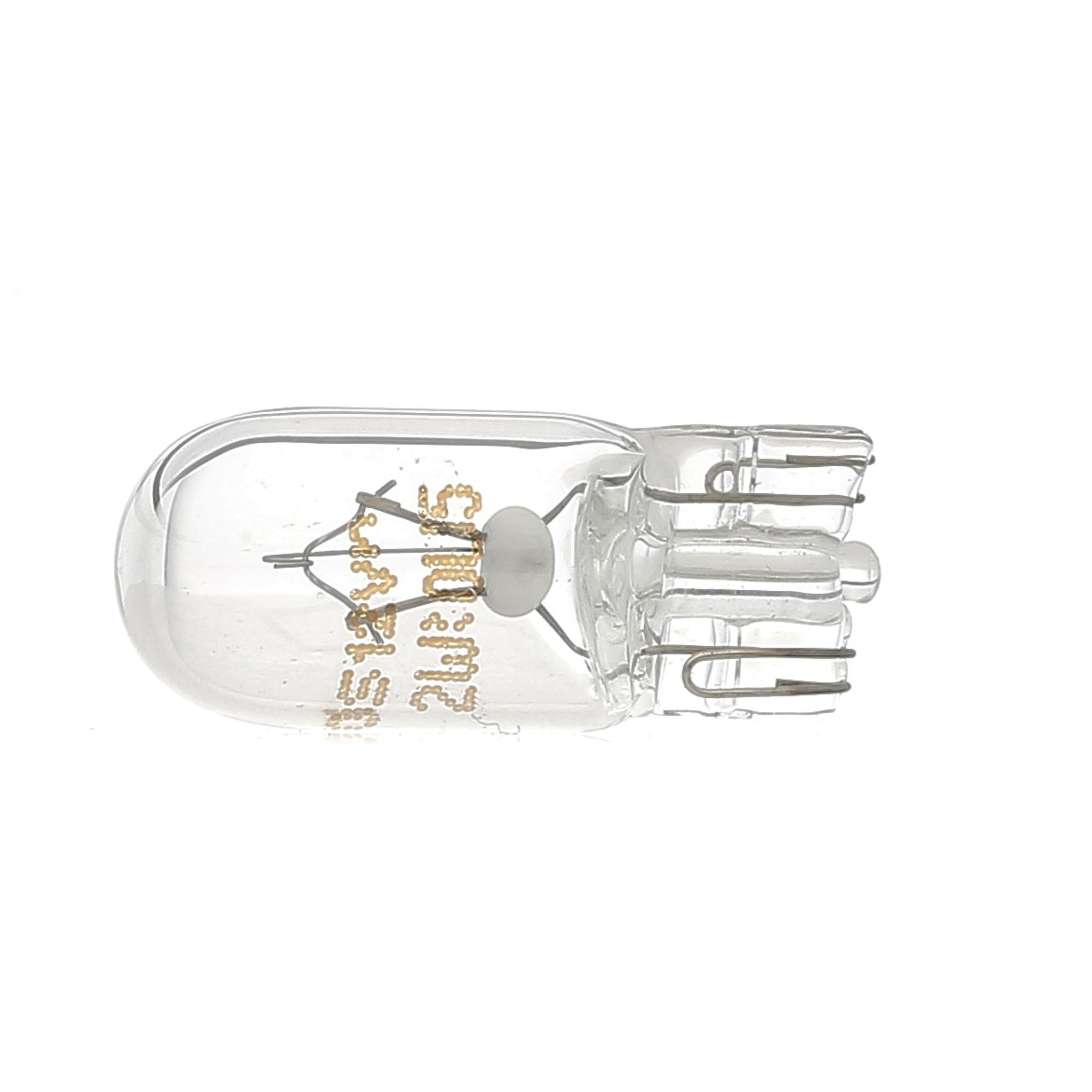 OSRAM Bulb
12V 2W, Socket Bulb
Article number: 2820
£0.99
Price per item
£1.98 / Price per 2 items
price incl. 20% VAT, excl. delivery costs
OSRAM Bulb
12V 2W, Socket Bulb
Article number: 2820
£0.99
Price per item
£1.98 / Price per 2 items
price incl. 20% VAT, excl. delivery costs
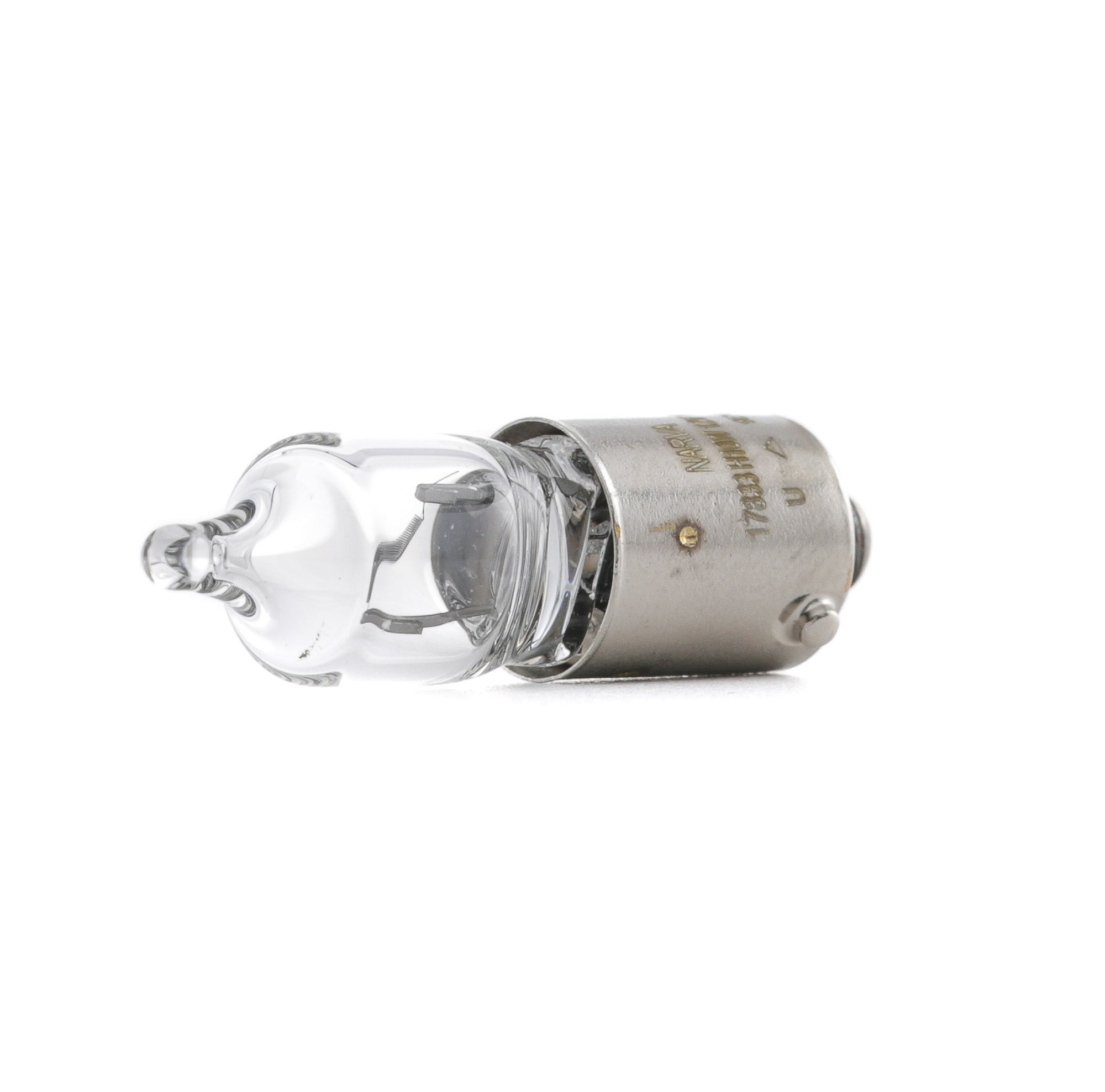 NARVA Bulb
12V 10W, H10W, BA9s
Article number: 17833
£3.29
Price per item
£6.58 / Price per 2 items
price incl. 20% VAT, excl. delivery costs
NARVA Bulb
12V 10W, H10W, BA9s
Article number: 17833
£3.29
Price per item
£6.58 / Price per 2 items
price incl. 20% VAT, excl. delivery costs
Light bulb types: halogen vs LED
Knowing the difference between these two common bulb types can make your next replacement job a lot easier and might even inspire an upgrade. Whether you're sticking with stock or stepping up to LEDs for better brightness and efficiency, a little know-how goes a long way.
| Feature | Halogen | LED |
| Lifespan | 2,000 hours | 50,000 hours |
| Energy efficiency | Standard | 80% more efficient |
| Heat generation | High | Minimal |
| Cost | Lower upfront | Higher upfront, lower long-term |
| Colour options | Limited | Wide range |
Halogen bulbs
These traditional incandescent bulbs have been reliable since the 1950s. They're affordable, widely available, and easy to replace. However, they convert most energy into heat rather than light, making them less efficient.
LED bulbs
LED technology offers superior energy efficiency, longevity, and customisation options. Whilst initially more expensive, LEDs save money long-term through reduced replacement frequency and lower energy consumption.
Common bulb sizes and fittings
When replacing interior lights, you'll need to match the correct bulb type. Common sizes include:
- PY21W – Standard indicator bulb
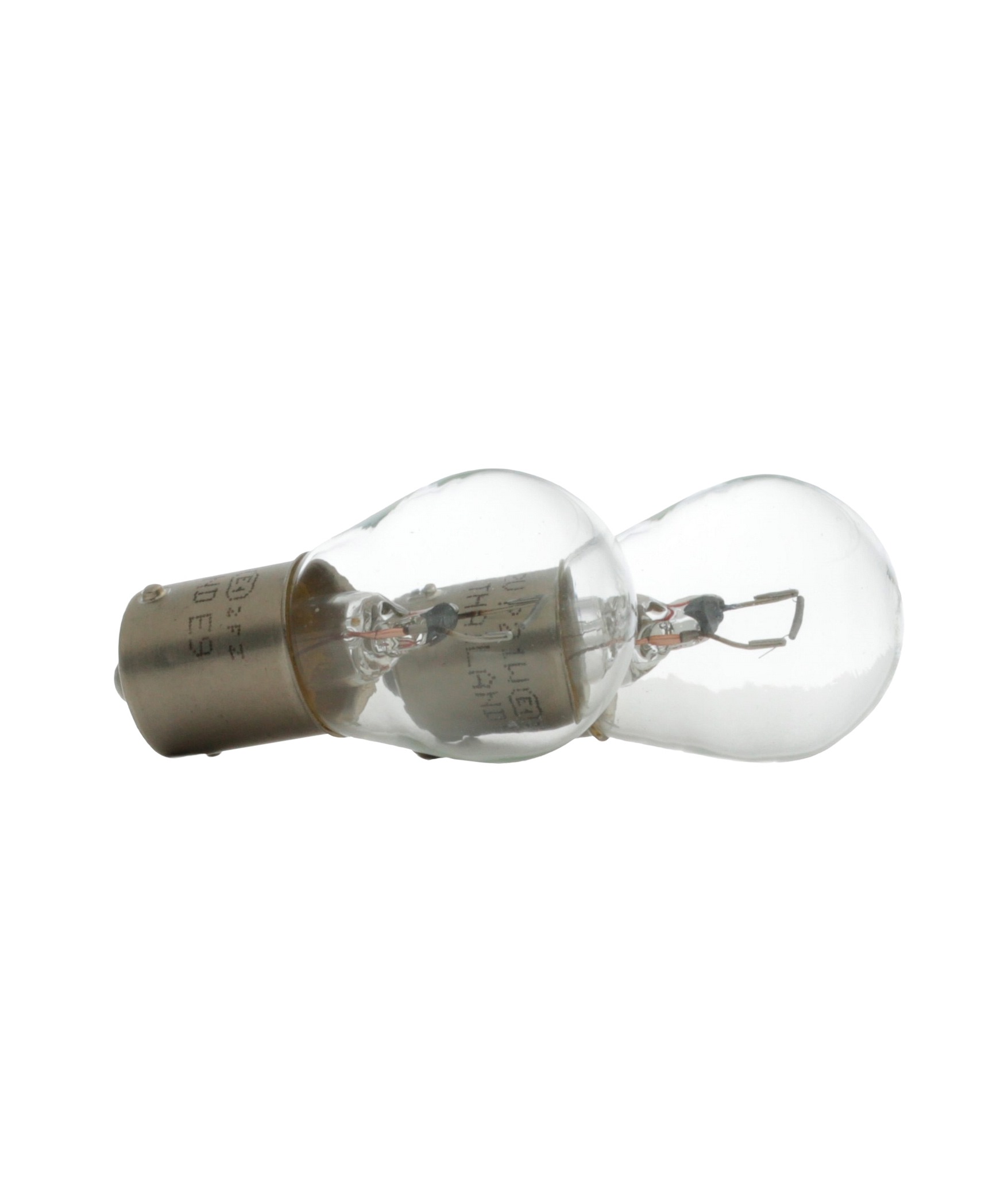
- P21/5W – Dual-filament bulb
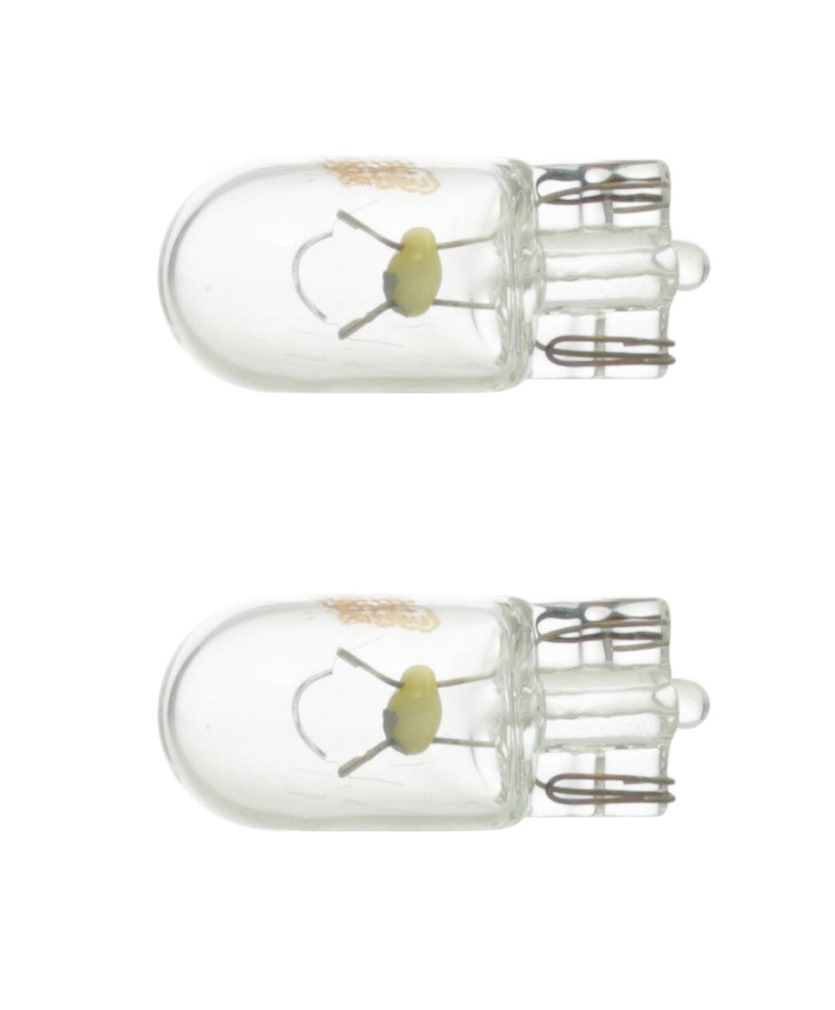
- W5W – Small wedge bulb
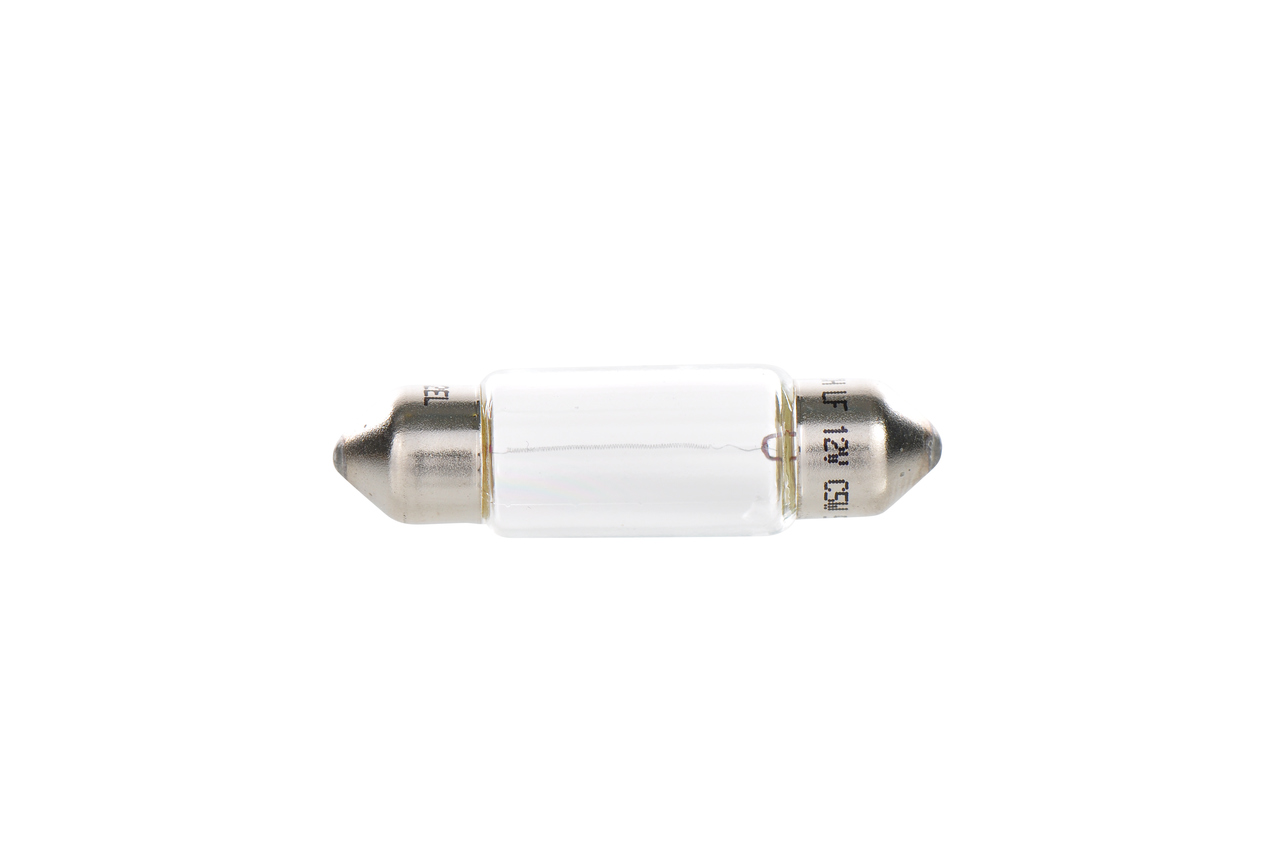
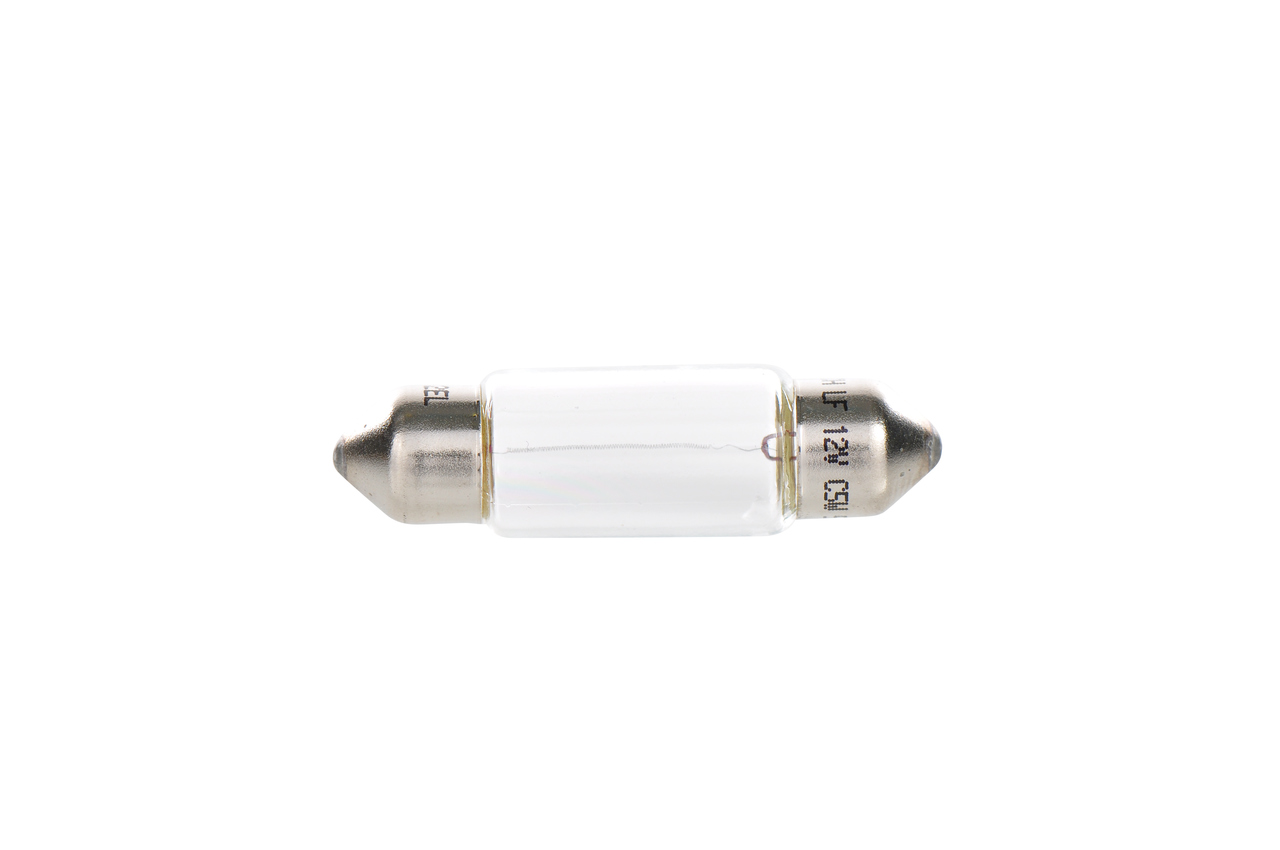
- C5W – Festoon bulb (dome lights)
- T4W – Miniature bulb
Sold by AUTODOC Sold by AUTODOC Sold by AUTODOC Sold by AUTODOC Sold by AUTODOC
-17%
 Article number: 2JA 003 388-001
compared to
RRP
£21.23
£17.49price incl. 20% VAT, excl. delivery costs
-18%
Article number: 2JA 003 388-001
compared to
RRP
£21.23
£17.49price incl. 20% VAT, excl. delivery costs
-18%
 Article number: 2JA 964 916-011
compared to
RRP
£26.51
£21.49price incl. 20% VAT, excl. delivery costs
Article number: 2JA 964 916-011
compared to
RRP
£26.51
£21.49price incl. 20% VAT, excl. delivery costs
 Article number: 2721MFX
£1.29
Price per item
£2.58 / Price per 2 items
price incl. 20% VAT, excl. delivery costs
Article number: 2721MFX
£1.29
Price per item
£2.58 / Price per 2 items
price incl. 20% VAT, excl. delivery costs
 Article number: 8GA 002 071-361
£0.99
Price per item
£1.98 / Price per 2 items
price incl. 20% VAT, excl. delivery costs
Article number: 8GA 002 071-361
£0.99
Price per item
£1.98 / Price per 2 items
price incl. 20% VAT, excl. delivery costs
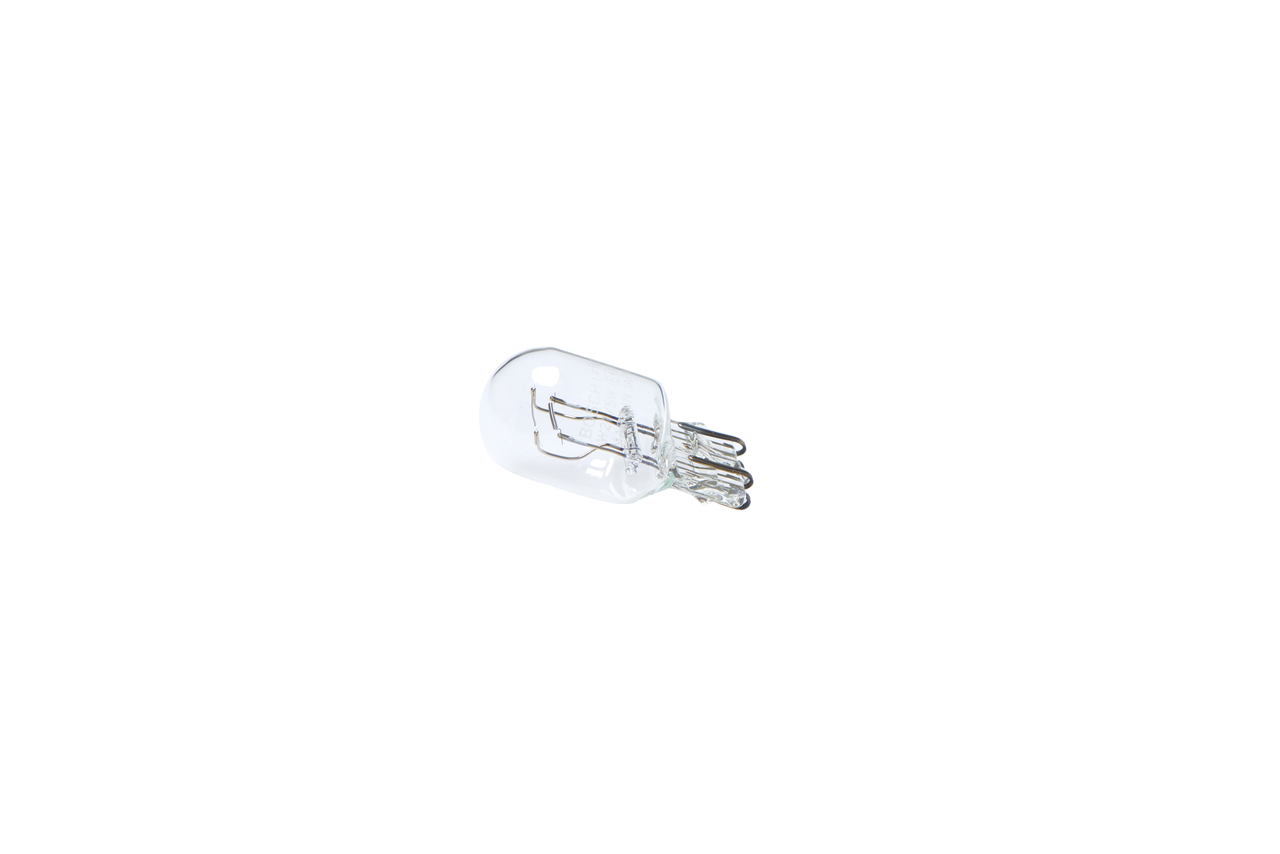 BOSCH Bulb
12V 21/5W, W21/5W
Article number: 1 987 301 079
£4.29
Price per set of 2 pieces
price incl. 20% VAT, excl. delivery costs
BOSCH Bulb
12V 21/5W, W21/5W
Article number: 1 987 301 079
£4.29
Price per set of 2 pieces
price incl. 20% VAT, excl. delivery costs
AUTODOC mechanics recommend that you always check your vehicle's manual or the markings on the existing bulb before buying a replacement.
Installation and maintenance tips
Safety first
- Turn off your engine and remove the keys before starting
- Allow halogen bulbs to cool completely before handling
- Wear gloves to avoid fingerprints on new bulbs
- Keep replacement bulbs in a clean, dry place
When to replace
Replace interior lights when you notice:
- Dimming or flickering
- Complete failure
- Discolouration of light output
- Visible damage to bulb or housing
Troubleshooting common problems
Lights won't turn off
First, ensure all doors, bonnet, and boot are properly closed. If lights remain on, you may have a faulty door sensor or switch. This issue can drain your battery, so address it promptly.
Flickering lights

Several factors can cause flickering:
- Corroded battery terminals
- Failing car alternator
- Loose wiring connections
- Defective bulbs
Start by checking battery connections and bulb seating before seeking professional diagnosis.
Partial lighting failure
If only some lights work, check individual bulbs and fuses. Your vehicle's fuse box diagram shows which fuse protects interior lighting circuits.
Safety considerations
Interior lighting affects your night vision and driving safety. Bright cabin lights can impair your ability to see outside, so:
- Use dim settings when driving at night
- Switch off unnecessary lights whilst driving
- Consider amber or red bulbs for map lights to preserve night vision
Frequently Asked Questions
How long do car interior lights typically last?
Halogen bulbs last 2,000–3,000 hours, whilst LED bulbs can last 50,000 hours or more. Your driving habits and bulb quality affect longevity.
Can I replace halogen bulbs with LEDs?
Yes, in most cases. Ensure the replacement LED matches your original bulb's size, fitting type, and voltage requirements. Some vehicles may require additional resistors to prevent error messages.
Why do my interior lights dim when starting the engine?
This normal behaviour occurs because the starter motor draws significant power. If dimming is severe or lights don't return to full brightness, your battery or alternator may need attention.
Are there legal restrictions on interior lighting whilst driving?
UK law doesn't specifically prohibit interior lights whilst driving, but they shouldn't distract you or impair your vision. Use common sense and keep the lighting minimal when driving.
How can I prevent interior lights from draining my battery?
Most modern cars have automatic shut-off timers. If yours doesn't, manually switch off the lights when leaving your vehicle. Check that door sensors work properly to prevent lights from staying on.
What's the best colour for interior ambient lighting?
Amber and red preserve night vision better than white or blue. However, white provides the best visibility for reading and finding items.
Conclusion
Your car’s interior lighting plays an important role in safety, comfort, and overall functionality. Whether you’re sorting out a flickering bulb or planning an upgrade, keeping this system in good condition improves every drive.
Check your lights regularly and replace tired bulbs before they leave you in the dark. If something isn't working quite right or the wiring seems complicated, a qualified automotive electrician can identify the problem and recommend the best solution.
Top products related to this topic: