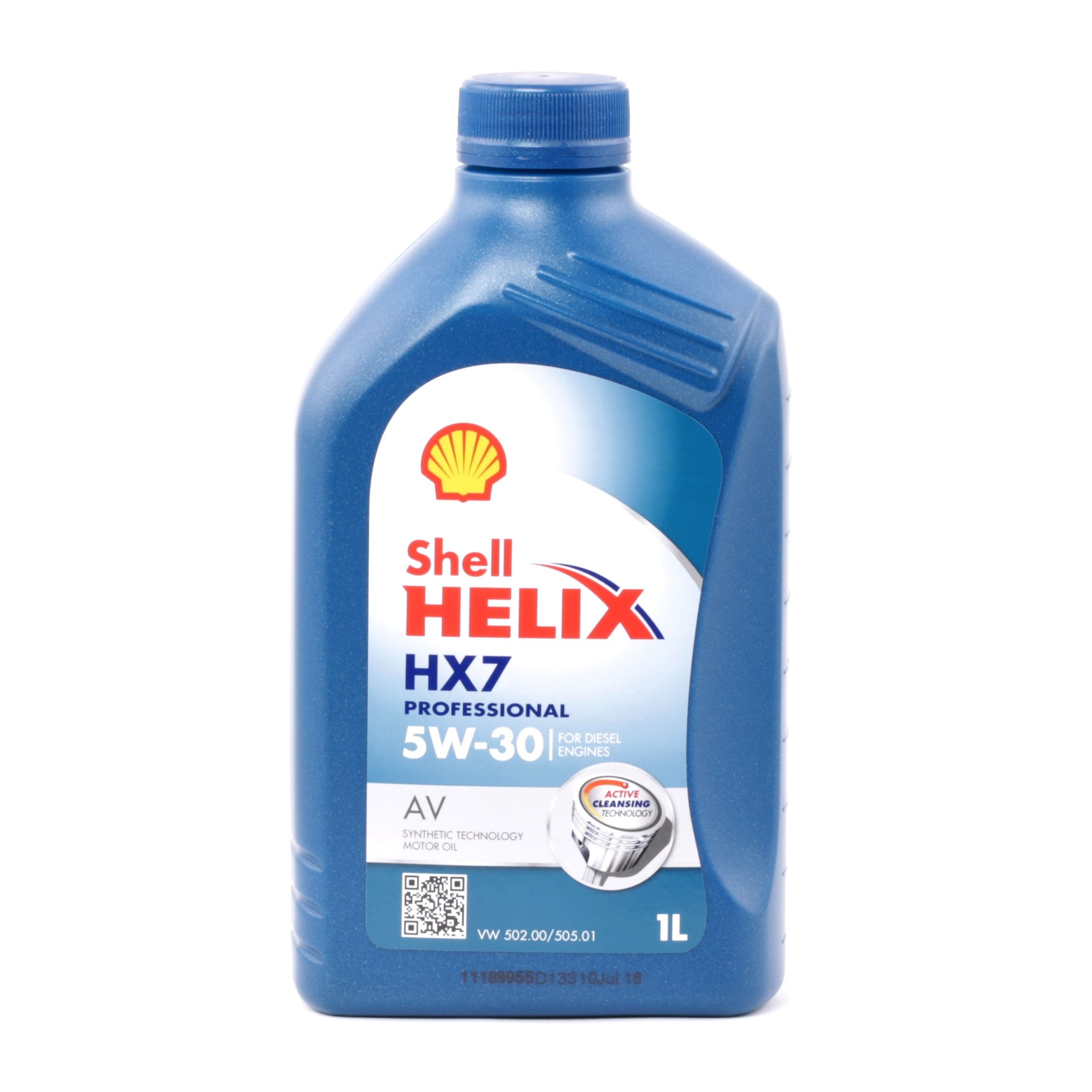
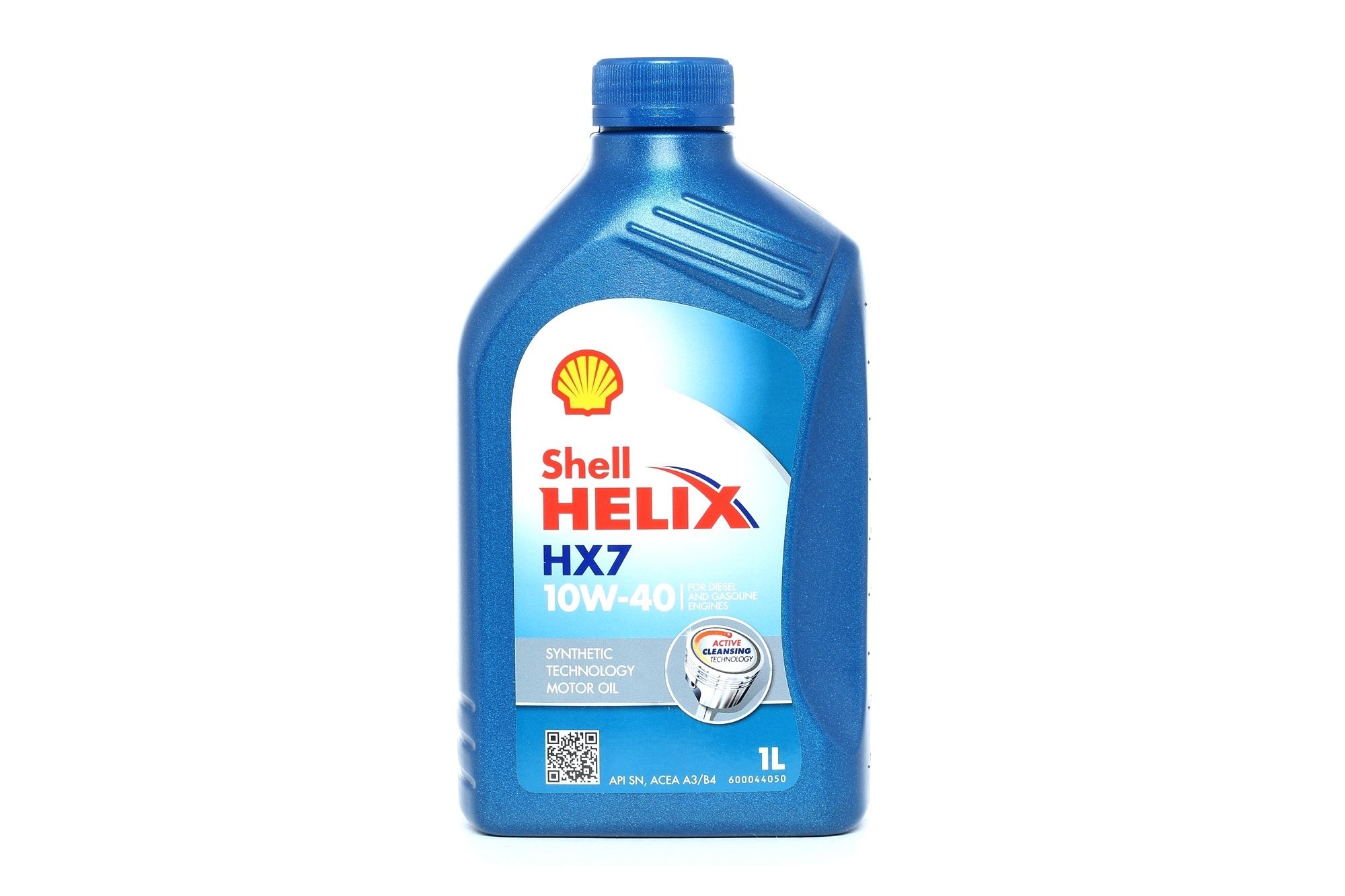
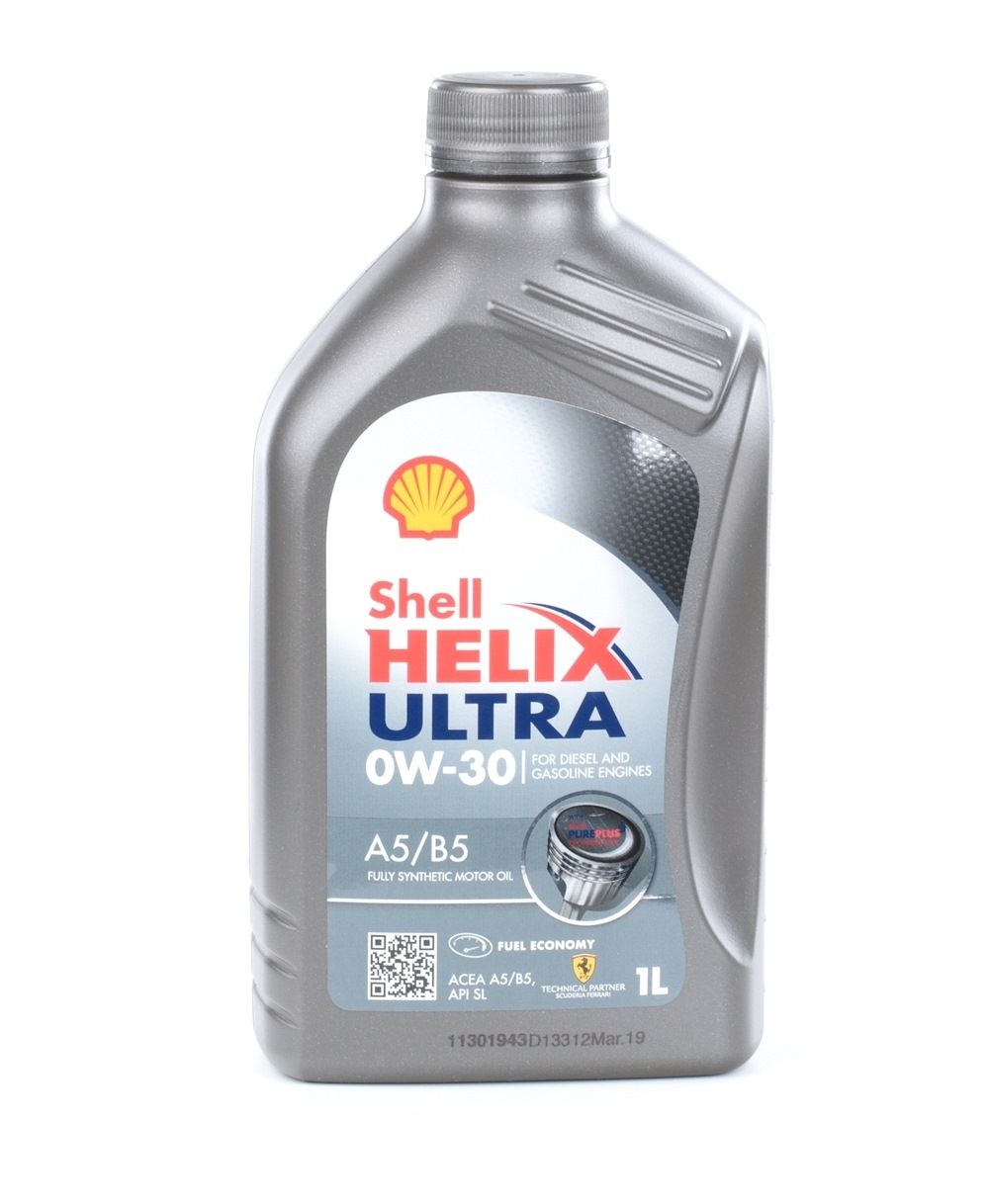
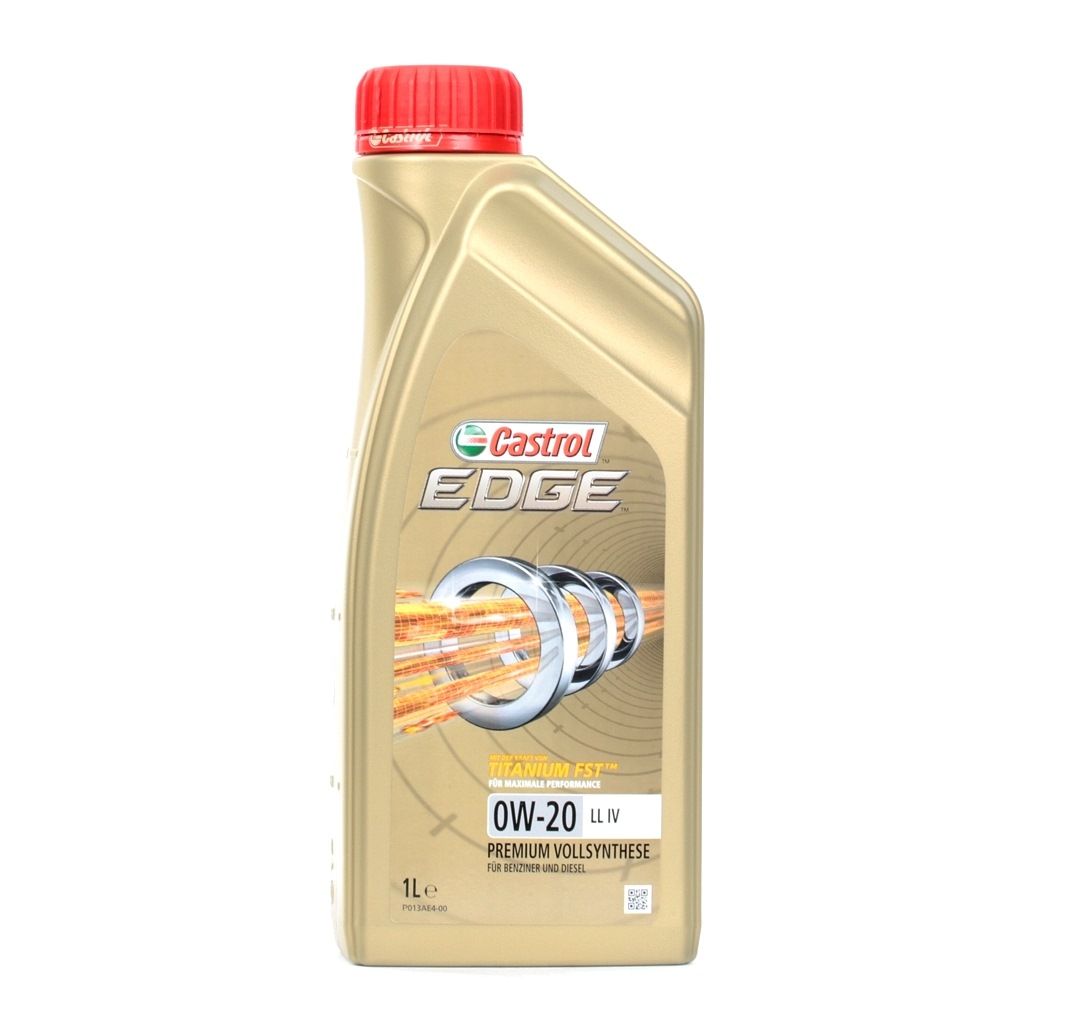
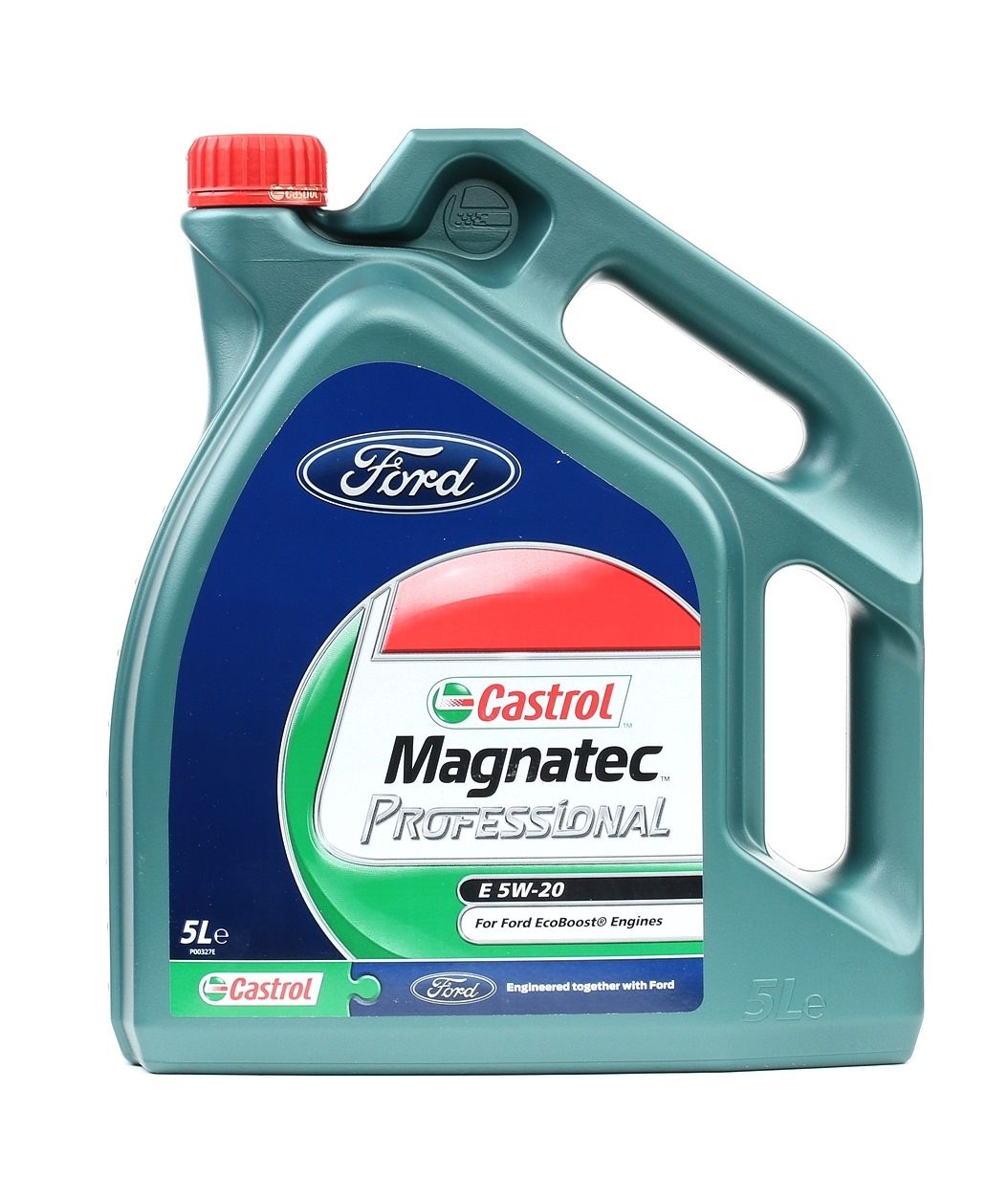
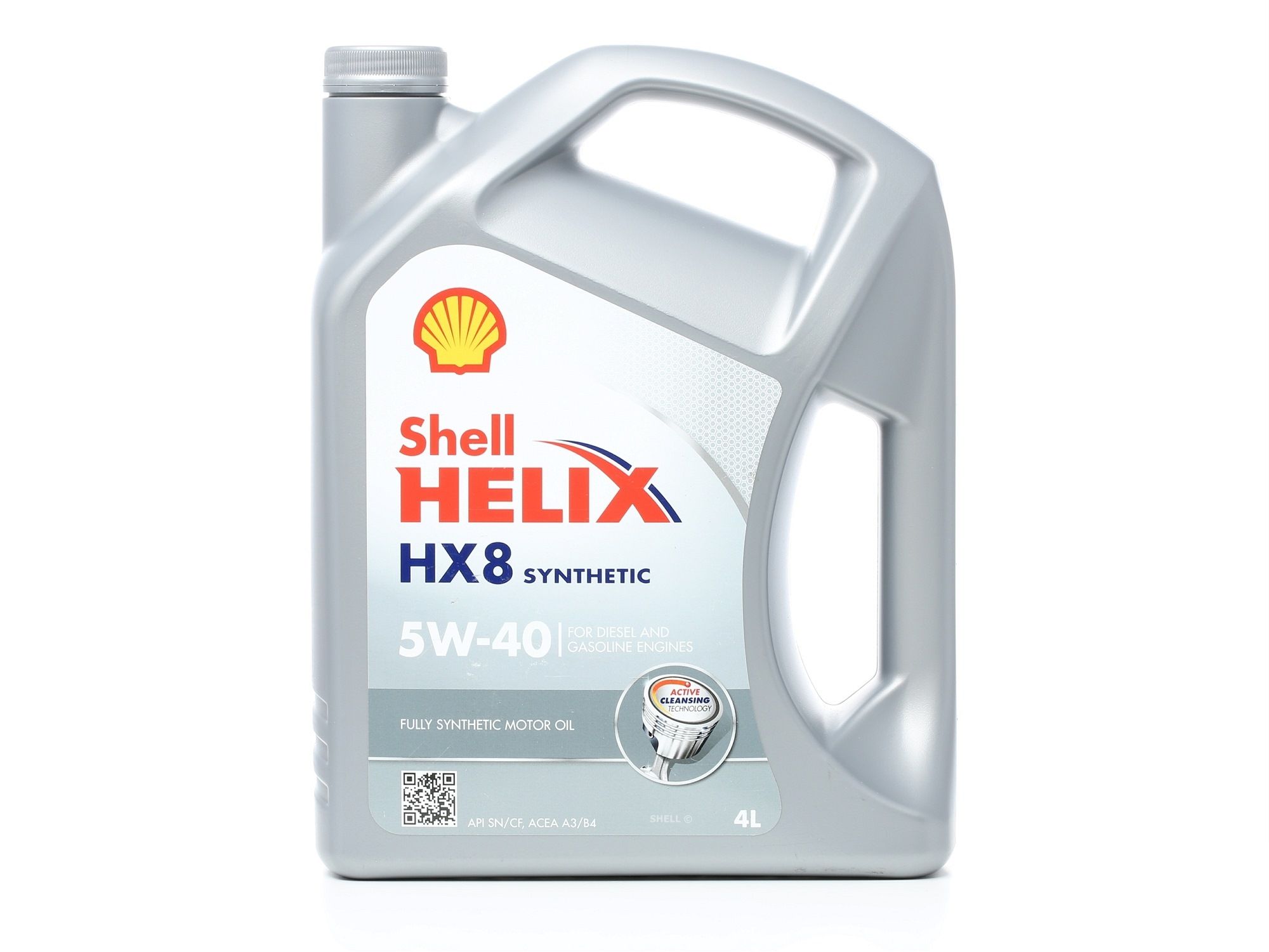
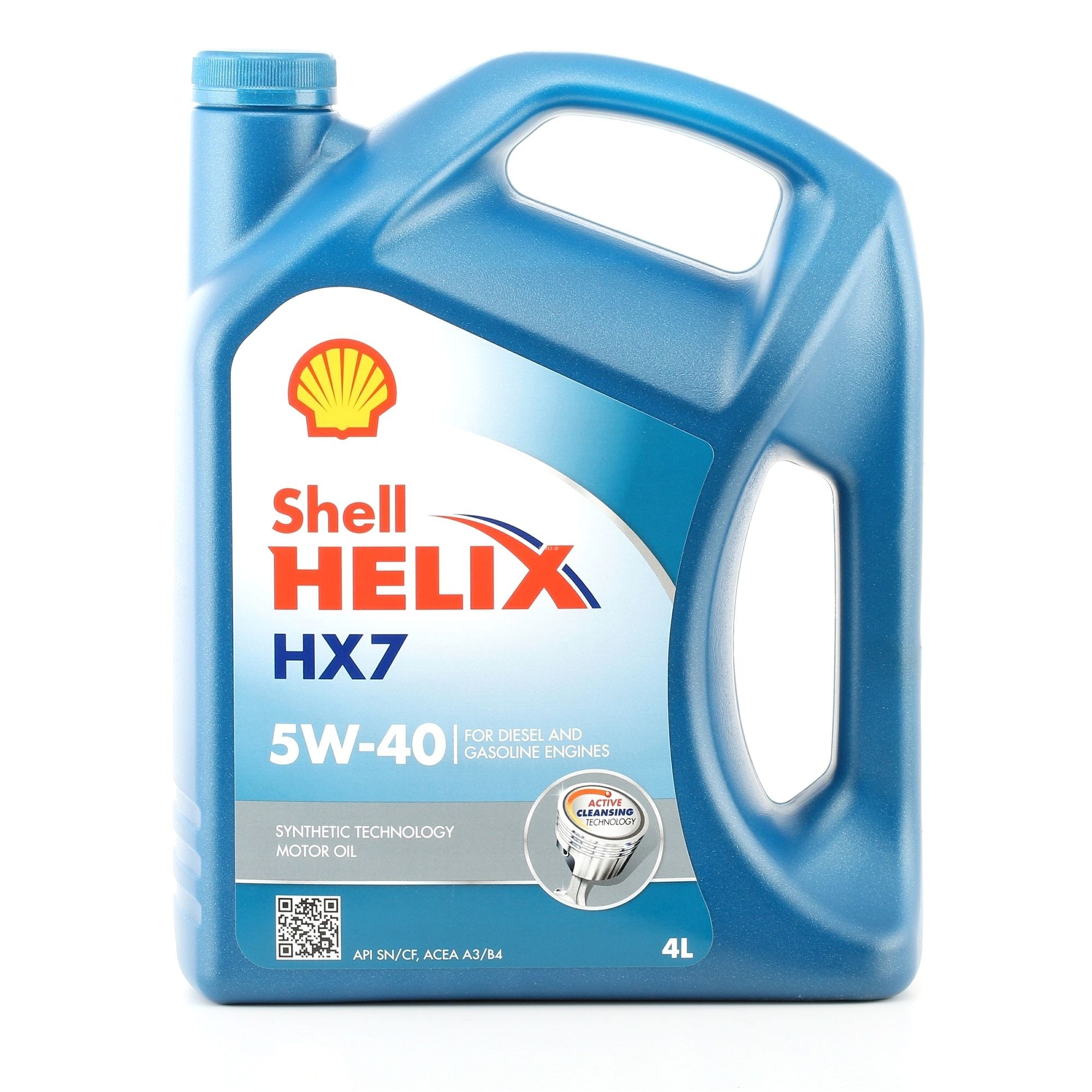
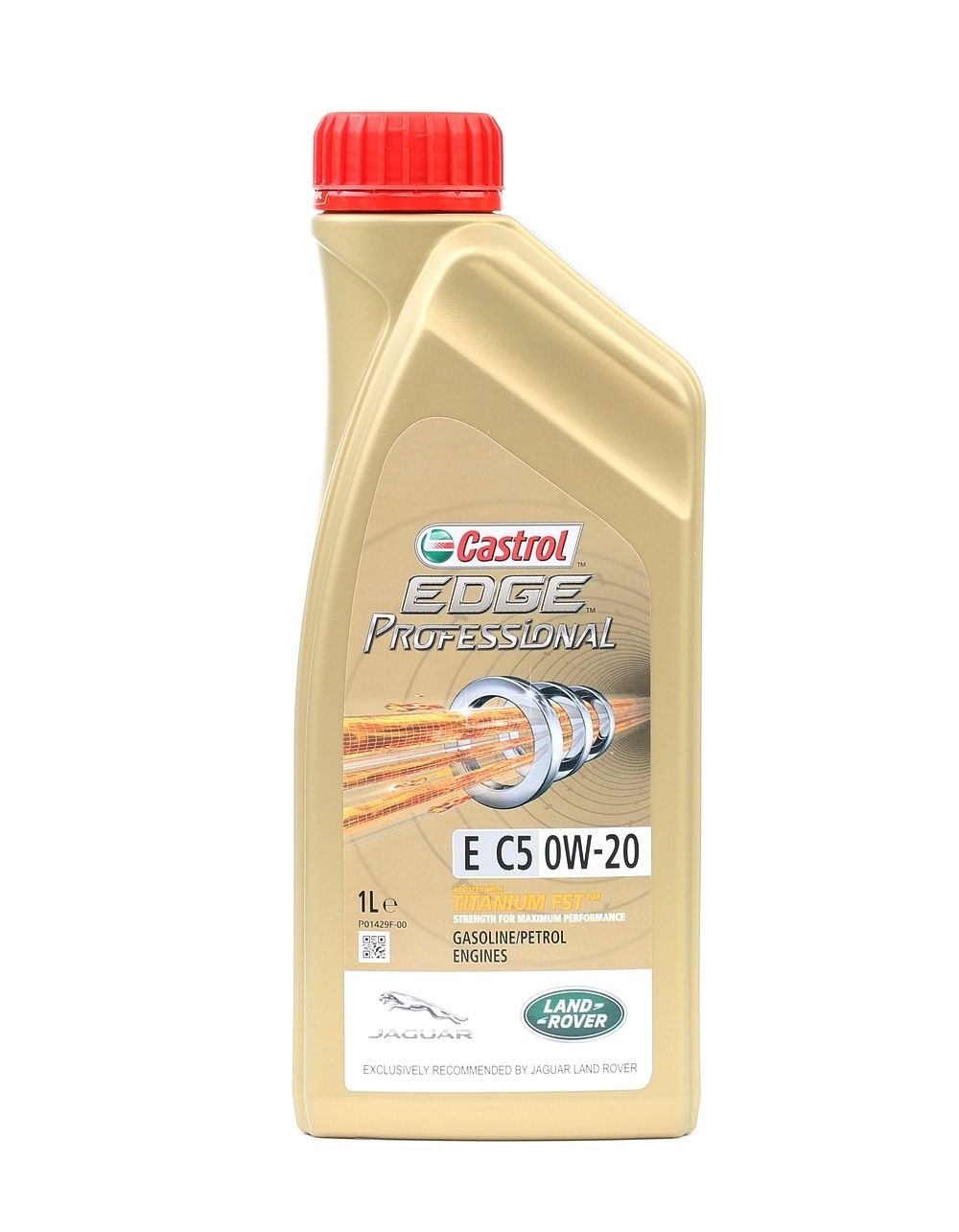
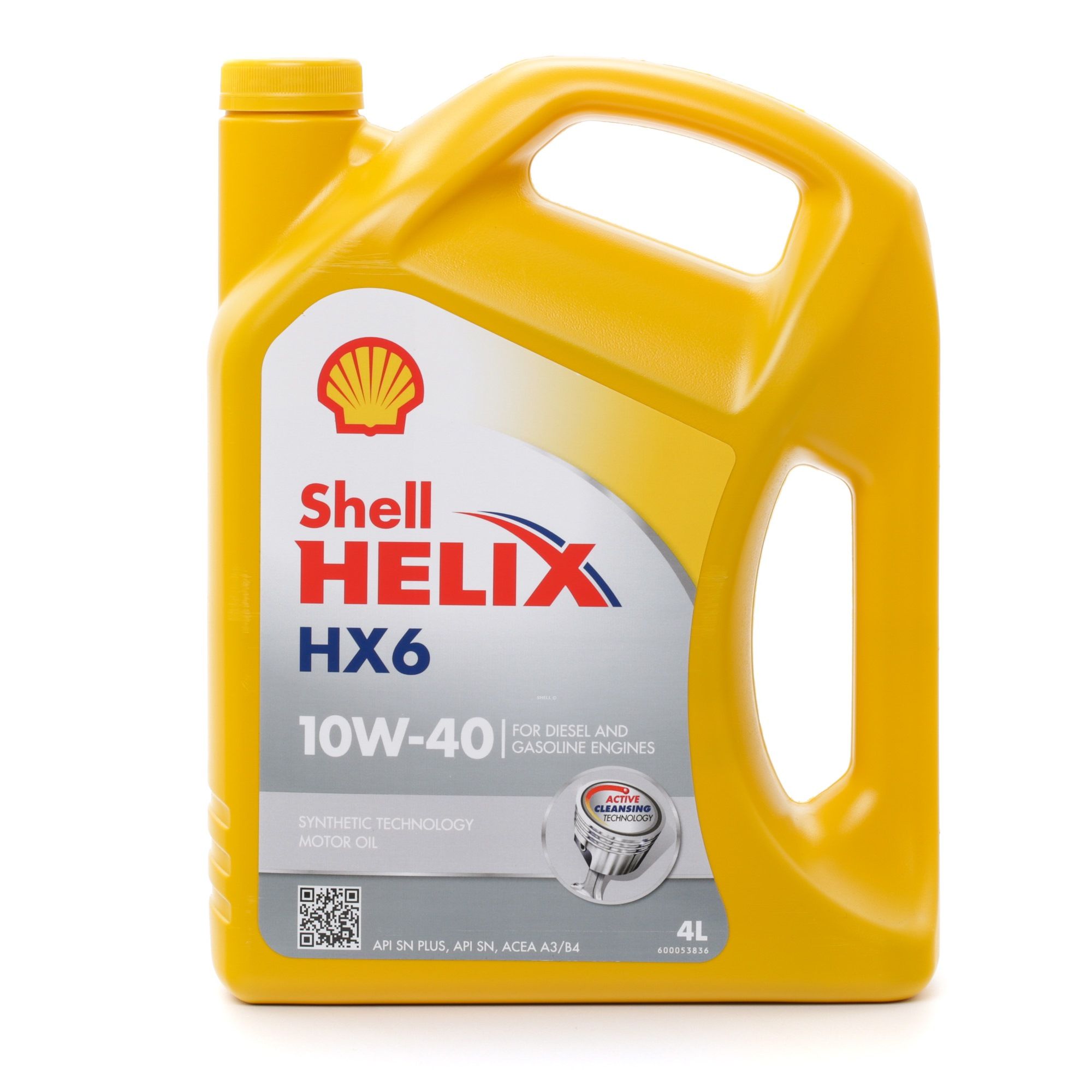
Castrol and Shell are two of the world's leading manufacturers of engine oils with over 100 years of tradition in the lubricant industry. The Castrol was developed back in the 1960s, while Shell launched its modern formulation in the 1990s. Choosing the right engine oil is crucial for engine longevity, optimum performance and protection against wear. This comparative article analyses the characteristic properties of both brands to help consumers make an informed decision.
Comparison table of technical specifications: Shell or Castrol
Characteristic
Castrol
Shell
Application
Passenger cars, light trucks, motorbikes
Passenger cars, SUVs, high-performance vehicles
Viscosity grade
0W-20 to 20W-50
0W-16 to 15W-40
Oil quality
Mineral/semi-synthetic/fully synthetic
Fully synthetic/semi-synthetic
Vehicle type
Petrol and diesel engines
Petrol, diesel and hybrid engines
Engine equipment
Turbocharger, direct injection
Turbocharger, direct injection, start-stop
API specifications
API SN, SP, CK-4
API SP, SN Plus, CK-4
JASO standards
JASO MA, MA2 (motorbike)
JASO MA2 (motorbike)
ACEA specifications
ACEA A3/B4, C3, E9
ACEA A5/B5, C2, C3, E6
Manufacturer approvals
BMW LL-01, MB 229.5, VW 502.00
BMW LL-04, MB 229.52, VW 504.00
Density at 20°C
0.85-0.89 g/cm³
0.84-0.87 g/cm³
Viscosity at 40°C
45-110 mm²/s
42-95 mm²/s
Viscosity at 100°C
8.5-16.5 mm²/s
9.2-14.8 mm²/s
Viscosity index
150-180
160-190
Flow point
-35°C to -45°C
-38°C to -48°C
Flash point
210-240°C
220-245°C
Similarities: Castrol vs Shell
API SP standard: Guaranteed performance benefits including emission system compatibility, oxidation stability and deposit control for modern applications
ACEA C3 specification: Meets stringent European standards for catalyst compatible engine oils with medium SAPS formulation
Turbocharger protection: Specially developed additive packages to protect turbochargers from deposits and thermal stress
Direct injection compatibility: Optimised formulations to minimise injector deposits in modern direct injection engines
Anti-wear additives: Advanced anti-wear technologies to protect critical engine components under all operating conditions
International quality certification: Both brands fulfil strict international standards and are subject to regular quality controls
Environmental compatibility: Development of environmentally friendly formulations to reduce emissions and improve fuel efficiency
Temperature range: Ensuring reliable lubrication at extreme temperatures from -40°C to +150°C
Differences: Castrol vs Shell
Characteristic
Castrol
Shell
Oil base
Conventional/Synthetic-Blend
Gas-to-Liquid/Fully Synthetic
Colour coding
Green packaging
Blue packaging
Main strength
Titanium reinforcement
PurePlus technology
Temperature resistance
Optimum up to 140°C
Optimum up to 160°C
Target group
Everyday and frequent drivers
Premium and sports vehicles
Product selection
Broad spectrum all categories
Focus on high-performance oils
Manufacturer approvals
Focus on European brands
Global brand coverage
Performance optimisation
Wear protection orientated
Efficiency-orientated
Conclusion
The analysis shows clear differences between Castrol and Shell in their technological orientation and target group approach. Castrol impresses with its proven Titanium technology and comprehensive manufacturer approvals, while Shell scores with its innovative PurePlus technology and superior temperature resistance. Everyday and frequent drivers benefit from reliable wear protection and broad availability with Castrol, while demanding drivers and owners of high-performance vehicles get optimum efficiency and longevity with Shell. Both brands fulfil modern quality standards and offer convincing solutions for engine protection depending on individual requirements and driving profile.
Frequently Asked Questions (FAQ)
Which engine oil offers longer drain intervals - Castrol or Shell?
Shell enables drain intervals of up to 30,000 km under normal driving conditions thanks to its PurePlus technology. The gas-to-liquid base ensures exceptional oxidation stability and reduced oil ageing. Castrol achieves standard drain intervals of 15,000-20,000 km depending on driving conditions.
Is Shell or Castrol better for turbochargers?
Both oils offer excellent turbocharger protection due to special high temperature additives. Shell shows superior thermal stability up to 160°C, while Castrol provides reliable protection up to 140°C due to titanium reinforcement. The choice depends on the specific engine load.
Which brand offers better cold starting properties - Castrol or Shell?
Shell achieves flow points down to -48°C due to its synthetic base and optimised viscosity enhancement additives. Castrol offers flow points down to -45°C with proven cold start formulations. Both ensure reliable cold start performance in temperate climates.
Is Castrol or Shell more environmentally friendly?
Shell scores with its gas-to-liquid technology with reduced sulphur and aromatics content and improved fuel efficiency. Castrol fulfils modern emission standards and offers catalyst-compatible formulations. Both brands continuously invest in environmentally friendly technologies.
Which oil is more cost effective - Castrol or Shell?
Castrol offers a balanced price-performance ratio with litre prices between 8-15 euros depending on the viscosity class. Shell is positioned in the premium segment with prices between 12-20 euros per litre. Shell's longer change intervals can partially compensate for the higher purchase costs.
Do Castrol or Shell offer better manufacturer approvals?
Castrol has comprehensive approvals from European manufacturers such as BMW LL-01, Mercedes-Benz 229.5 and Volkswagen 502.00. Shell focuses on modern specifications such as BMW LL-04, Mercedes-Benz 229.52 and Volkswagen 504.00. The choice depends on the specific vehicle model and year of manufacture.
Which brand is better for high performance engines - Castrol or Shell?
Shell has been specially developed for high performance applications and offers superior shear stability and thermal stability up to 160°C. PurePlus technology ensures consistent viscosity under extreme conditions. Castrol is primarily suitable for standard applications with occasional high performance phases.
AUTODOC Bestsellers: parts at a good price
Reviews - 22
Parts Details
Capacity [litre]: 5
SAE viscosity grade: 5W-30
ACEA:
ACEA C3
Manufacturer recommendations: MB 229.31, MB 229.51, BMW Longlife-04


 22 January 2026