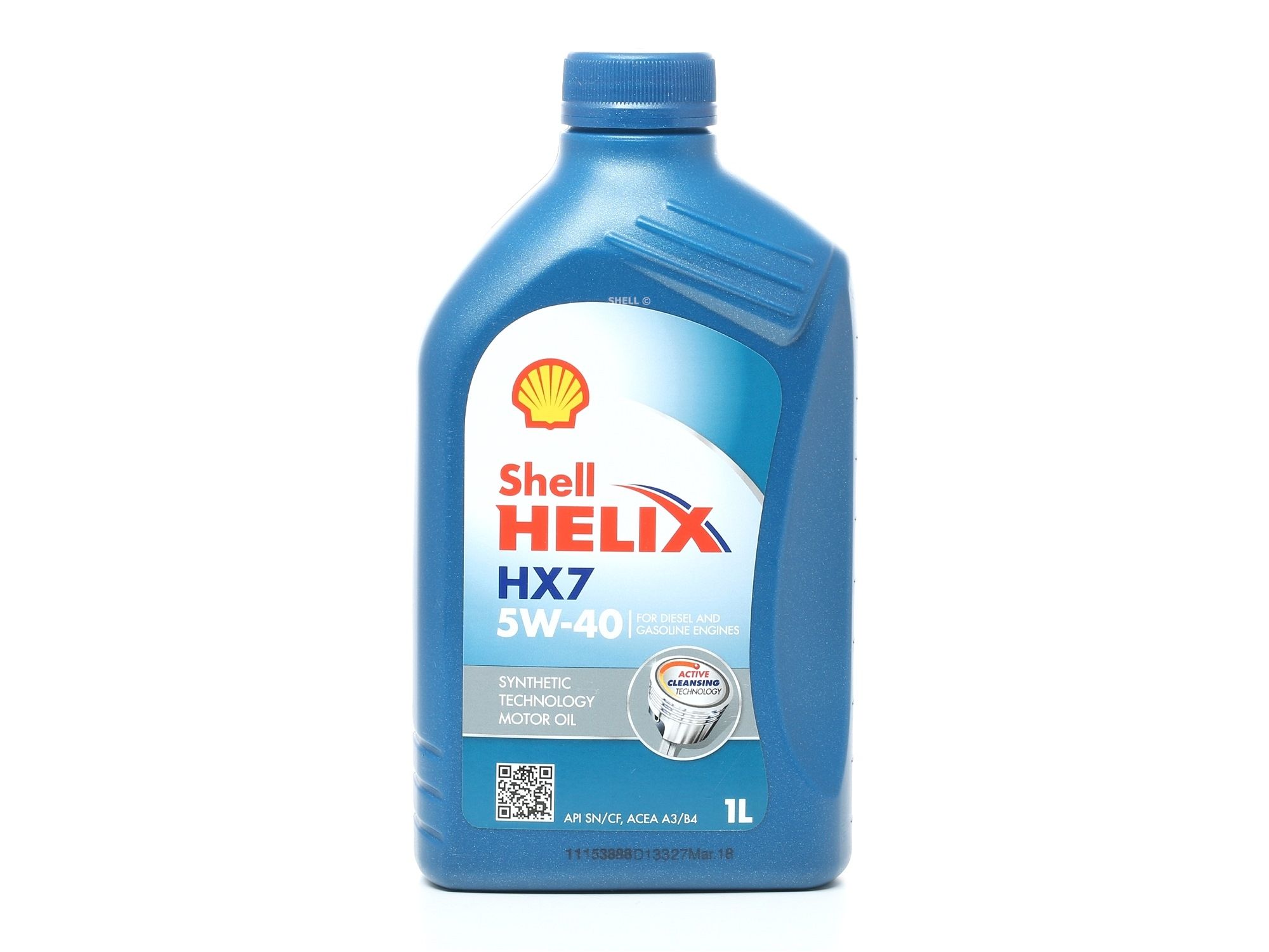
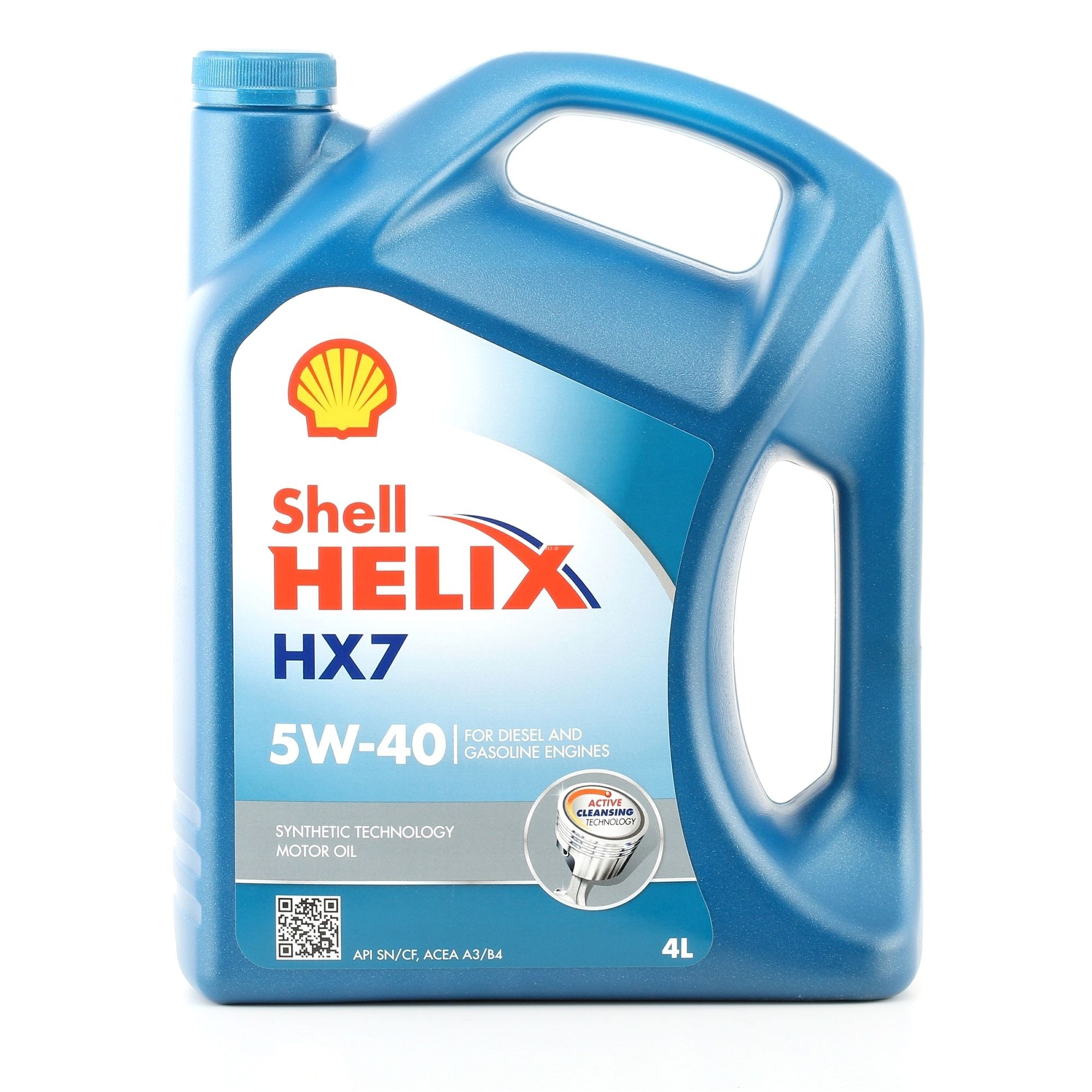
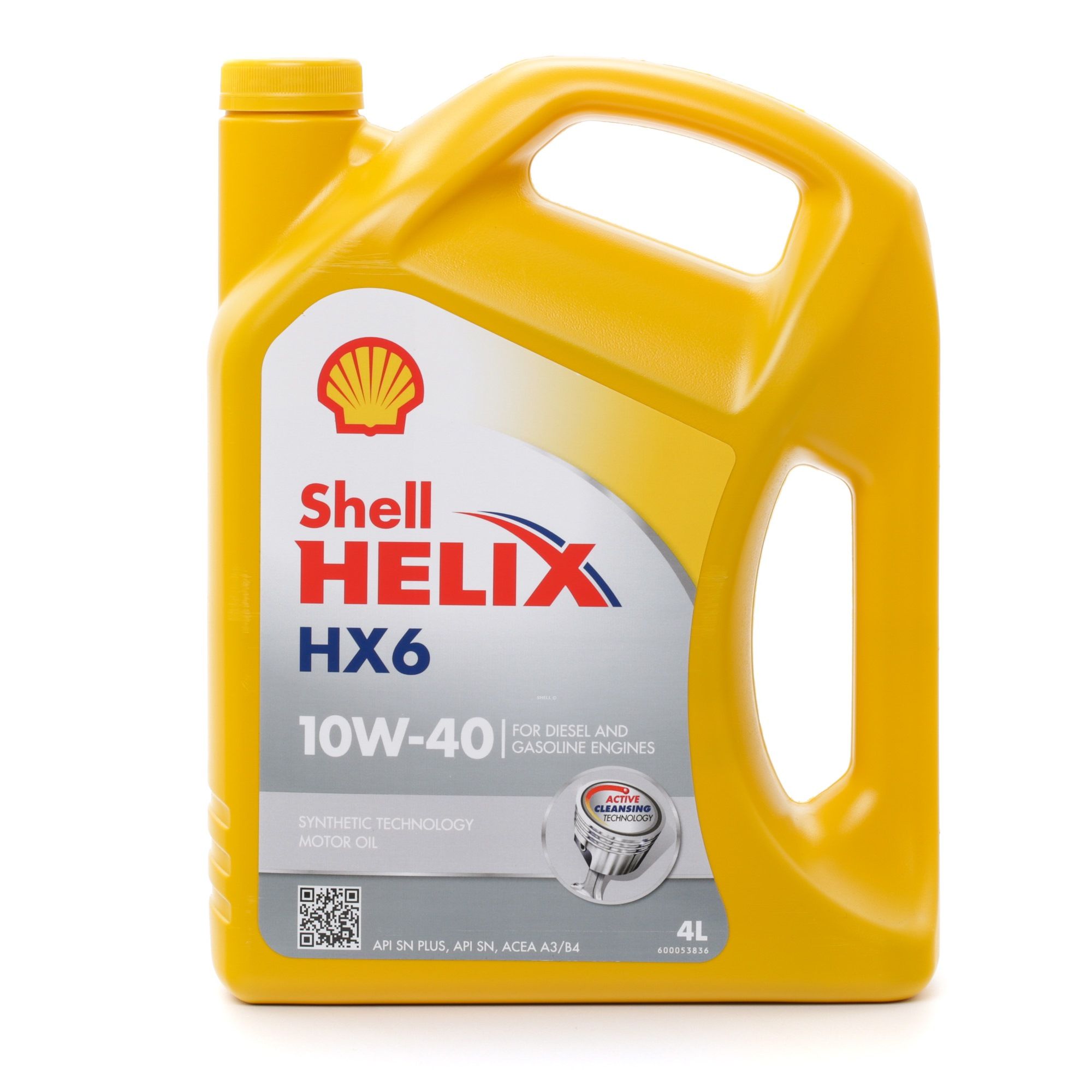
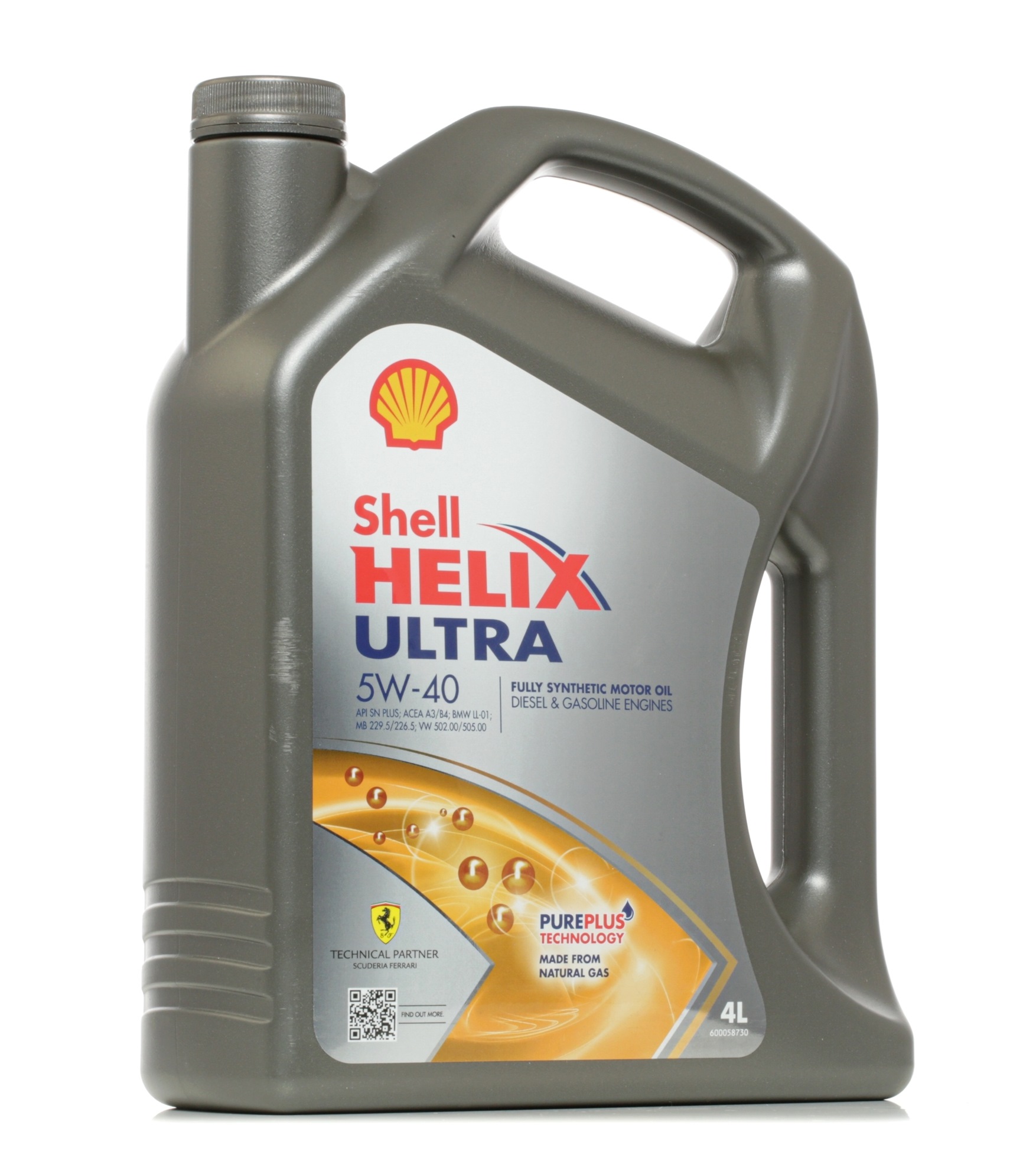
Shell and Aral are among the leading motor oil manufacturers in Germany and Europe, with Shell as a British-Dutch group and Aral as a German brand under BP ownership holding established positions in the market. Choosing the right engine oil is crucial for engine performance, fuel efficiency and vehicle life. This comparative article analyses the properties of both premium products to help consumers make an informed decision.
Comparison table of technical specifications: Aral or Shell
Characteristic
Shell
Aral
Application
High-performance engines, long-distance journeys
Modern petrol and diesel engines
Viscosity class
0W-20, 0W-30, 5W-30, 5W-40
0W-20, 5W-30, 5W-40
Quality grade
Fully synthetic
Fully synthetic
Vehicle type
Passenger cars, light commercial vehicles
Passenger cars, SUVs, light commercial vehicles
Engine equipment
Turbocharger, direct injection
Turbocharger, direct injection, hybrid
API specifications
API SP, SN Plus
API SP, SN
JASO standards
Not applicable
Not applicable
ACEA specifications
ACEA A3/B3, A3/B4, C2, C3
ACEA A3/B4, C2, C3
Manufacturer approvals
BMW LL-04, MB 229.31/229.51, VW 504.00/507.00
BMW LL-04, MB 229.31, VW 504.00/507.00
Density at 20°C
0.840-0.860 kg/litre
0.845-0.865 kg/l
Viscosity at 40°C
45-75 mm²/s
50-70 mm²/s
Viscosity at 100°C
8.5-14.5 mm²/s
9.0-13.5 mm²/s
Viscosity index
160-180
165-175
Flow point
-45°C to -35°C
-40°C to -30°C
Flash point
210-235°C
215-230°C
Similarities: Shell vs Aral
API SP standard: Guaranteed performance benefits including emissions system compatibility, oxidation stability and deposit control for modern applications
ACEA C3 specification: Optimised low SAPS formulation protects exhaust aftertreatment systems from clogging and ensures long service life
Fully synthetic base: Molecularly designed base oils offer superior thermal stability and oxidation resistance to mineral alternatives
Turbocharger protection: Special additive packages prevent deposits on hot turbocharger components and ensure optimum cooling performance
BMW Longlife-04 approval: Fulfils strict BMW standards for extended oil change intervals and engine protection in high-performance vehicles
Mercedes-Benz 229.31 Approval: Compatibility with modern Mercedes engines including BlueEFFICIENCY technology and exhaust gas recirculation systems
Volkswagen 504.00/507.00 Specification: Suitable for VW engines with particulate filters and extended service intervals up to 30,000 km
Fuel efficiency: Friction-reducing formulations contribute to improved fuel economy and CO₂ reduction
Differences: Shell vs Aral
Property
Shell
Aral
Oil-based
PurePlus technology from natural gas
Conventional synthetic base
Colour coding
Golden yellow colour
Amber colouring
Main strength
Extreme purity and performance
Fuel efficiency and engine protection
Temperature resistance
-40°C to 150°C
-35°C to 145°C
Target group
High-performance vehicles, motorsport
Everyday drivers, fleet management
Product selection
Wide range of viscosities
Focus on common viscosities
Manufacturer approvals
More extensive international approvals
Focus on German car manufacturers
Performance optimisation
Maximum engine performance and cleanliness
Balanced protection-efficiency ratio
Conclusion
Shell and Aral both represent high-quality fully synthetic engine oils with different focal points in performance optimisation. Shell is particularly suitable for drivers of high-performance vehicles and sports cars who prioritise maximum engine performance and extreme purity. Aral, on the other hand, is aimed at everyday drivers and fleet managers who are looking for a balance between engine protection, fuel efficiency and economy. Both products fulfil modern industry standards and provide reliable protection for contemporary engine technologies, with the choice ultimately dependent on individual driving conditions and priorities.
Frequently Asked Questions (FAQ)
Which engine oil offers better cold start properties: Shell or Aral?
Shell has superior cold starting properties with a pour point down to -45°C. PurePlus technology ensures optimum fluidity even in extreme winter conditions. Aral reaches a pour point of -40°C and also offers excellent cold start properties for Central European climate conditions.
Can Shell and Aral be mixed with each other?
Both engine oils are fully synthetic and can be mixed, but mixing is not recommended. Each oil has specific additive packages whose effect can be impaired by mixing. For optimum performance, the system should be completely flushed when changing the oil.
Which oil is better for turbo engines: Shell or Aral?
Both oils are optimised for turbo engines and offer excellent protection against deposits. Shell scores with its extreme purity thanks to PurePlus technology, while Aral uses special CleanTec additives for turbocharger protection. The choice depends on specific manufacturer approvals and driving conditions.
What is the difference in oil change intervals between Shell and Aral?
Shell enables oil change intervals of up to 30,000 km with the corresponding manufacturer approval. Aral also supports extended service intervals, but these vary depending on the vehicle model and operating conditions. Both oils follow the manufacturer's specifications for long-life service.
Which engine oil offers better fuel consumption protection: Shell or Aral?
Aral has been specially developed for fuel efficiency and can reduce fuel consumption by up to 3%. Shell also offers fuel savings through its friction-reducing formulation, but focuses primarily on maximising engine performance. Actual savings depend on driving style and engine technology.
Are Shell and Aral suitable for hybrid vehicles?
Both engine oils fulfil modern ACEA specifications and are generally suitable for hybrid drives. Aral explicitly advertises hybrid compatibility and special additive packages for start-stop systems. Shell also offers optimum protection for frequent engine starts thanks to its thermal stability.
Which oil has the more extensive manufacturer approvals? Shell or Aral?
Shell has more extensive international manufacturer approvals, including American and Asian car manufacturers. Aral focuses primarily on premium European brands such as BMW, Mercedes-Benz and Volkswagen. Both fully cover the major German car manufacturers.
AUTODOC Bestsellers: parts at a good price
Reviews - 22
Parts Details
Capacity [litre]: 5
SAE viscosity grade: 5W-30
ACEA:
ACEA C3
Manufacturer recommendations: MB 229.31, MB 229.51, BMW Longlife-04
Manufacturer recommendations: BMW Longlife-01, MB 226.5, MB 229.5, VW 502 00, VW 505 00, Porsche A40, Renault RN0700, Renault RN0710, PSA B71 2296, Chrysler MS-10725, Chrysler MS-12991, Fiat 9.55535-Z2, Fiat 9.55535-N2


 22 January 2026