Table of Contents
 27 November 2025 (updated)
 What's the difference between DOT 3 and DOT 4 brake fluids?
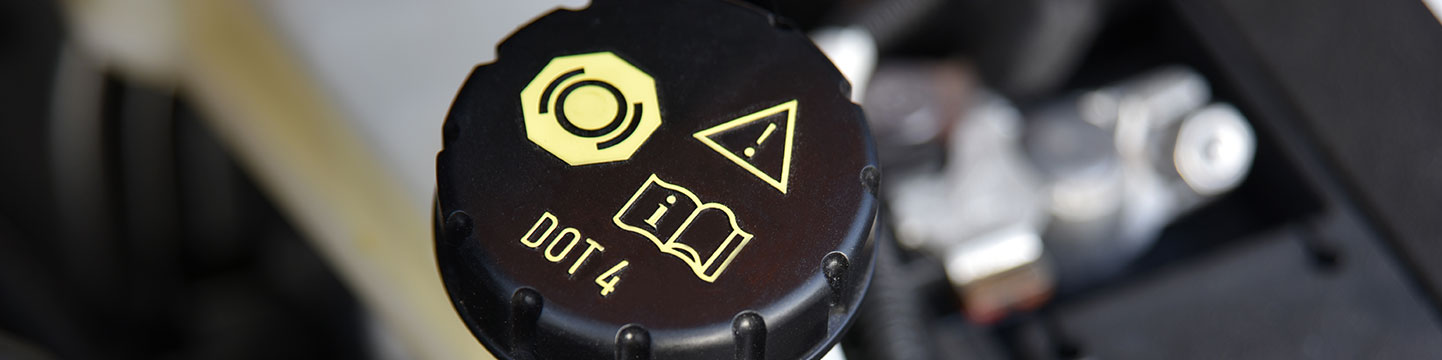
Brake fluid plays a crucial role in your vehicle’s safety. It’s the hydraulic liquid that transfers the force from your foot pressing the brake pedal into pressure that activates the braking system. Without it, the car’s brake cylinders, callipers, and pads wouldn’t respond effectively, making it impossible to stop safely.
However, not all brake fluids are compatible. Two of the most commonly used types are DOT 3 and DOT 4. Understanding the differences between them and their characteristics can help you choose the right one and replace the fluid on time.
What does brake fluid do?
When you press the brake pedal, the master cylinder converts mechanical force into hydraulic pressure. This pressurised brake fluid travels through the lines to the slave cylinders, which push the front and rear brake pads against the brake discs. The friction between the pads and discs is what slows down the vehicle.
However, brake fluid is hygroscopic, meaning it absorbs moisture from the air. Over time, this moisture lowers the fluid’s boiling point and can lead to brake fade, corrosion of internal parts, and decreased braking efficiency. This is why brake fluid should be changed regularly, according to the manufacturer’s schedule or when it degrades.
DOT 3 vs DOT 4 brake fluid: what's the difference?
Both DOT 3 and DOT 4 are glycol-based fluids, and while they perform similarly, they are formulated differently, mainly affecting their boiling points and moisture absorption rates.
| Specification | DOT 3 | DOT 4 |
|---|---|---|
| Dry boiling point | ~205°C | ~230°C |
| Wet boiling point | ~140°C | ~155°C |
| Moisture absorption | Slower | Faster |
| Maintenance interval | Longer | Shorter |
As you can see from the table, DOT 4 fluid has higher boiling points but a faster moisture absorption rate than DOT 3.
Boiling point: why it matters
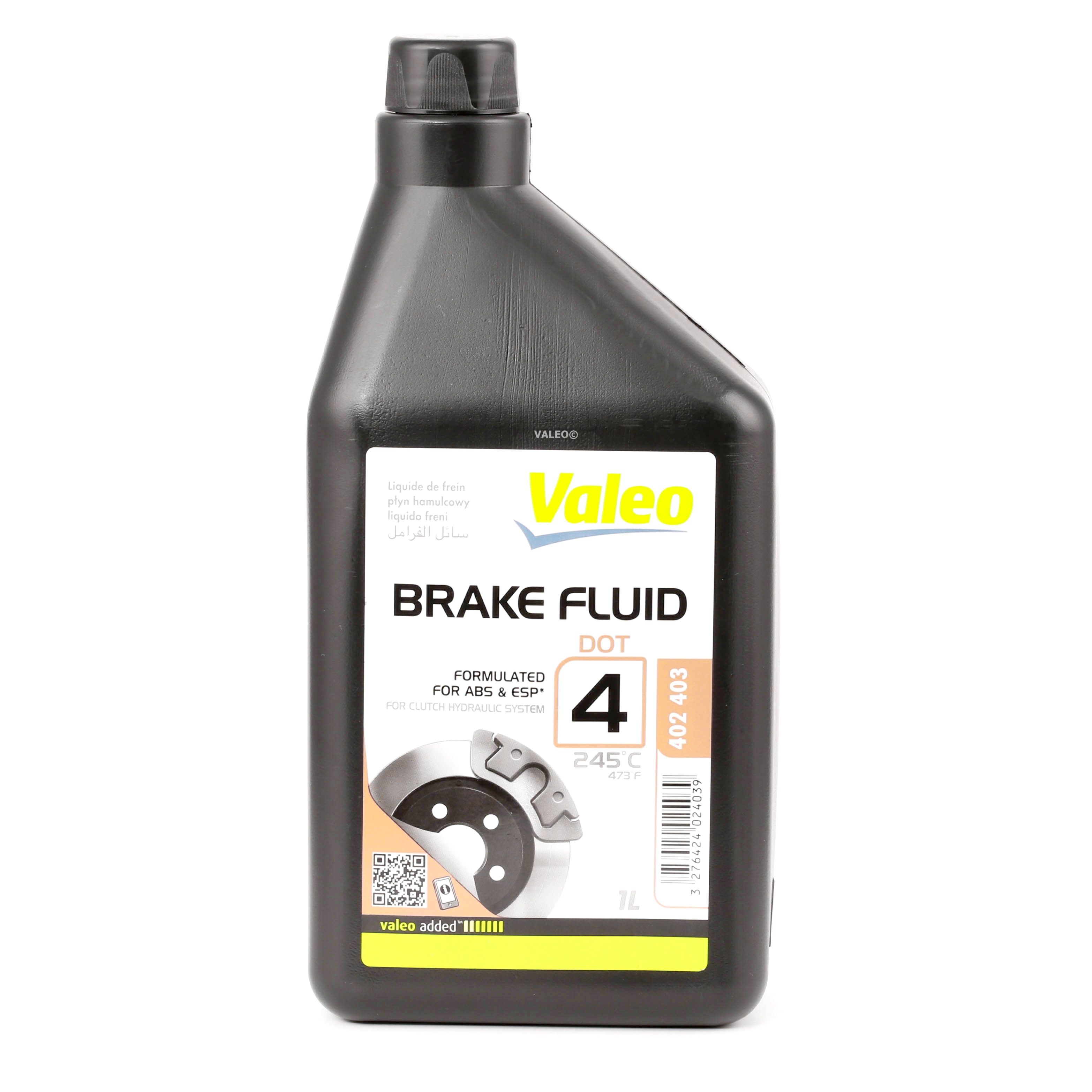
The dry boiling point refers to new, uncontaminated fluid, while the wet boiling point indicates the temperature at which fluid containing about 3.7% water will boil. DOT 4’s higher boiling points make it more resistant to heat, making it the better option for high-performance vehicles or intense use, such as frequent braking, mountain driving, or towing.
However, that same performance benefit comes with a trade-off: DOT 4 absorbs moisture more quickly and breaks down faster than DOT 3, requiring more frequent fluid changes to maintain optimal braking performance.
-43%
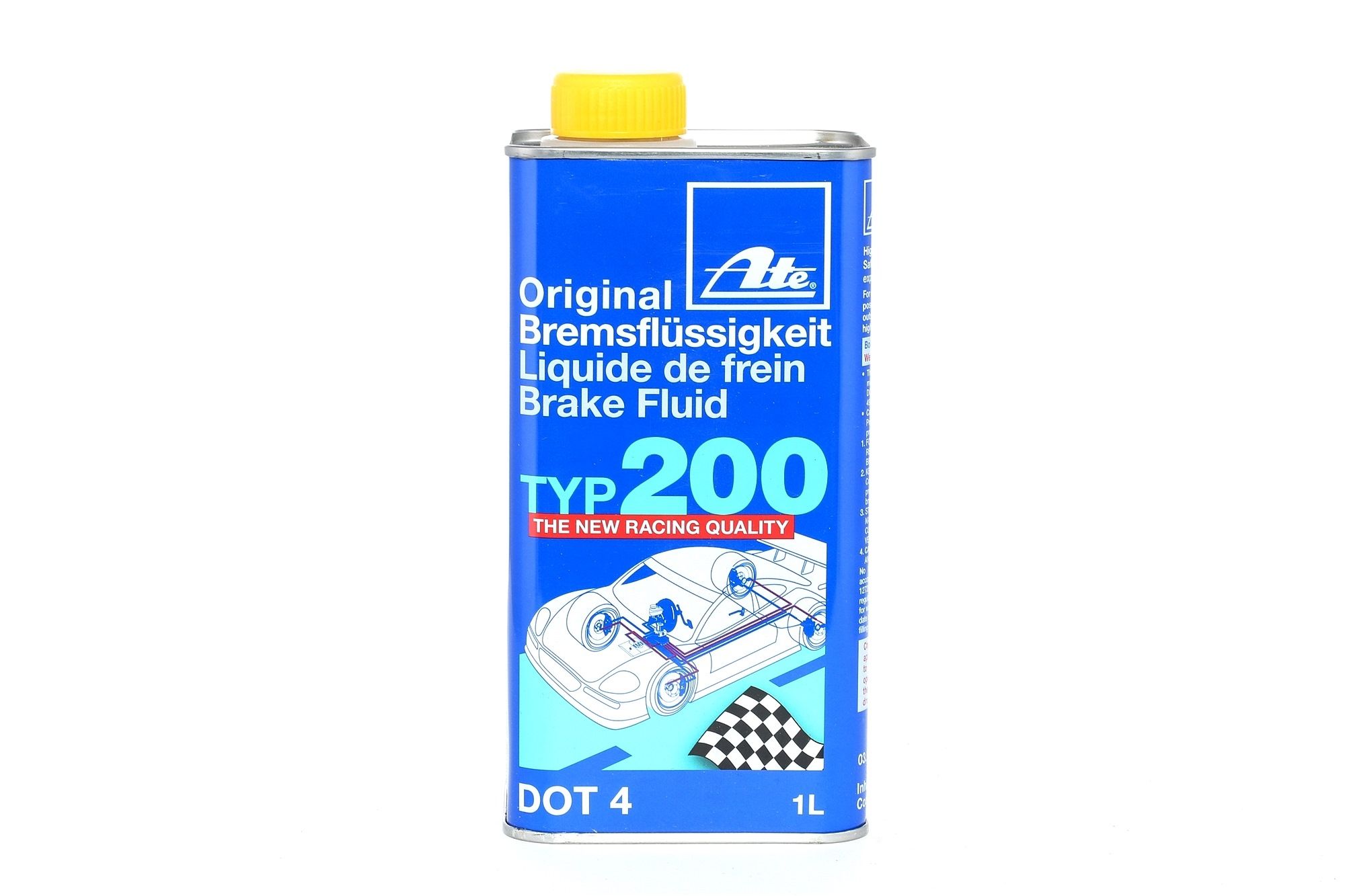 ATE Brake Fluid
1l
Article number: 03.9901-6202.2
More
compared to
RRP
£28.13
£15.99
£15.99
for 1 litre
price incl. 20% VAT, excl. delivery costs
ATE Brake Fluid
1l
Article number: 03.9901-6202.2
More
compared to
RRP
£28.13
£15.99
£15.99
for 1 litre
price incl. 20% VAT, excl. delivery costs
 Article number: 109452
More
£18.49
£36.98
for 1 litre
price incl. 20% VAT, excl. delivery costs
Article number: 109452
More
£18.49
£36.98
for 1 litre
price incl. 20% VAT, excl. delivery costs
 Article number: 102718
More
£6.99
£13.98
for 1 litre
price incl. 20% VAT, excl. delivery costs
-55%
Article number: 102718
More
£6.99
£13.98
for 1 litre
price incl. 20% VAT, excl. delivery costs
-55%
 Article number: L 05 005
More
compared to
RRP
£12.53
£5.59
£11.18
for 1 litre
price incl. 20% VAT, excl. delivery costs
-33%
Article number: L 05 005
More
compared to
RRP
£12.53
£5.59
£11.18
for 1 litre
price incl. 20% VAT, excl. delivery costs
-33%
 Article number: 101666
More
compared to
RRP
£24.95
£16.49
£32.98
for 1 litre
price incl. 20% VAT, excl. delivery costs
Article number: 101666
More
compared to
RRP
£24.95
£16.49
£32.98
for 1 litre
price incl. 20% VAT, excl. delivery costs
Which one should you use?
Most everyday vehicles will operate perfectly fine with DOT 3 fluid, especially in mild climates and under normal driving conditions. DOT 4, on the other hand, is ideal for:
- High-speed driving
- Heavy-duty vehicles or towing applications
- Stop-and-go city traffic with frequent braking
- Vehicles fitted with ABS or ESP systems
ALWAYS check your vehicle owner’s manual for the vehicle manufacturer’s recommendations for your specific model. You can also browse options for DOT3 or DOT4 brake fluid for your car by entering your vehicle’s make and model online.
Important! While both DOT 3 and DOT 4 are glycol-based and technically mixable, it’s not recommended. Mixing them can reduce performance and accelerate fluid degradation. If you replace DOT 3 with DOT 4, make sure to flush the system properly.
Maintenance tips and replacement intervals
Brake fluid should be changed every 1–2 years depending on the fluid type, vehicle usage, and environmental conditions. Signs that your brake fluid may need changing include:
- A soft or spongy brake pedal
- Reduced braking performance and stopping power
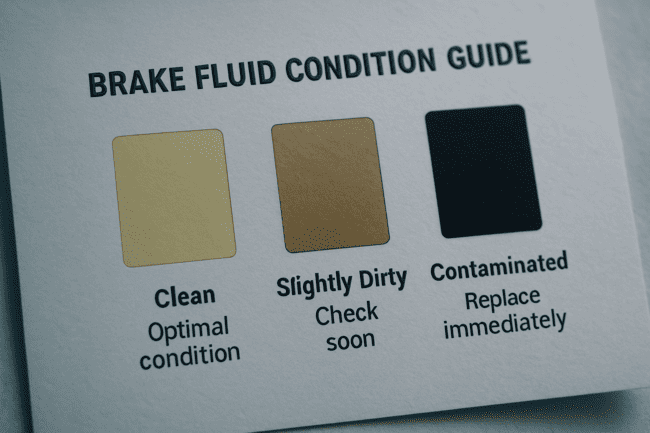
- Discoloured or murky brake fluid
- Warning lights on the dashboard
If you’re replacing the fluid yourself, make sure the system is properly bled to remove air bubbles and old fluid. Never reuse or top off with fluid from an open bottle that's been exposed to air for long periods.
For safety and reliability, it’s best to inspect brake fluid levels regularly along with the other braking components.
Can I use DOT 4 instead of DOT 3?
Generally speaking, yes, DOT 4 can be used in systems designed for DOT 3, as it is backward compatible. However, you should not use DOT 3 in a system designed specifically for DOT 4, particularly in performance or ABS-equipped vehicles, as the lower boiling point may compromise safety.
Choosing the right brake fluid
Before buying, always verify:
- Manufacturer specifications in the vehicle owner’s manual
- Product compatibility with ABS or ESP systems
- Freshness (avoid old stock that may have absorbed moisture)
You can find both DOT 3 and DOT 4 brake fluids easily online or at local auto part shops. Always choose a trusted brand and consider buying a small container to avoid leftover fluid going to waste.
 Article number: L 05 010
More
£9.99
£9.99
for 1 litre
price incl. 20% VAT, excl. delivery costs
Article number: L 05 010
More
£9.99
£9.99
for 1 litre
price incl. 20% VAT, excl. delivery costs
 Article number: MN3002-5
More
£32.49
£6.50
for 1 litre
price incl. 20% VAT, excl. delivery costs
-66%
Article number: MN3002-5
More
£32.49
£6.50
for 1 litre
price incl. 20% VAT, excl. delivery costs
-66%
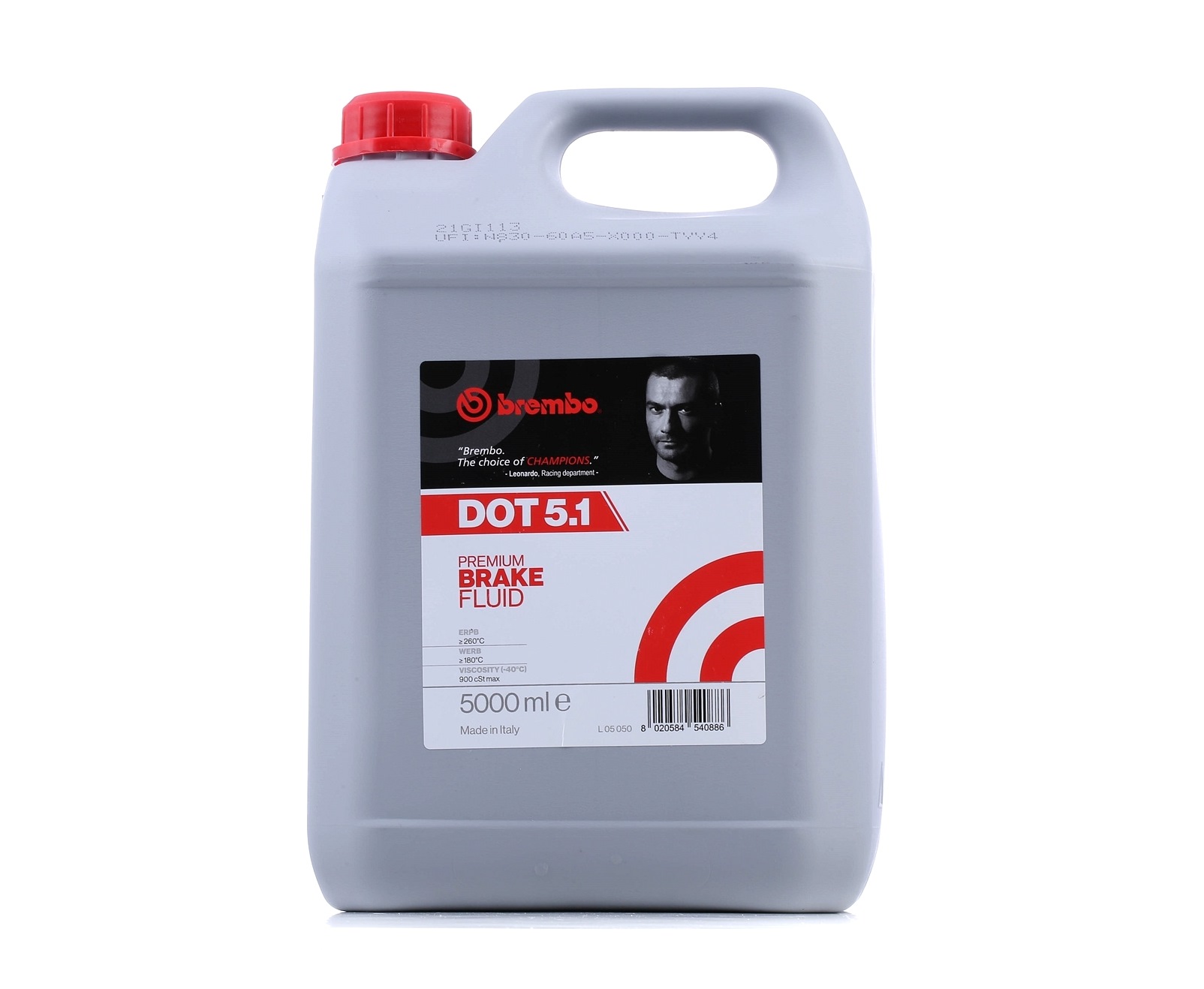 BREMBO Brake Fluid
5l
Article number: L 05 050
More
compared to
RRP
£127.16
£42.99
£8.60
for 1 litre
price incl. 20% VAT, excl. delivery costs
BREMBO Brake Fluid
5l
Article number: L 05 050
More
compared to
RRP
£127.16
£42.99
£8.60
for 1 litre
price incl. 20% VAT, excl. delivery costs
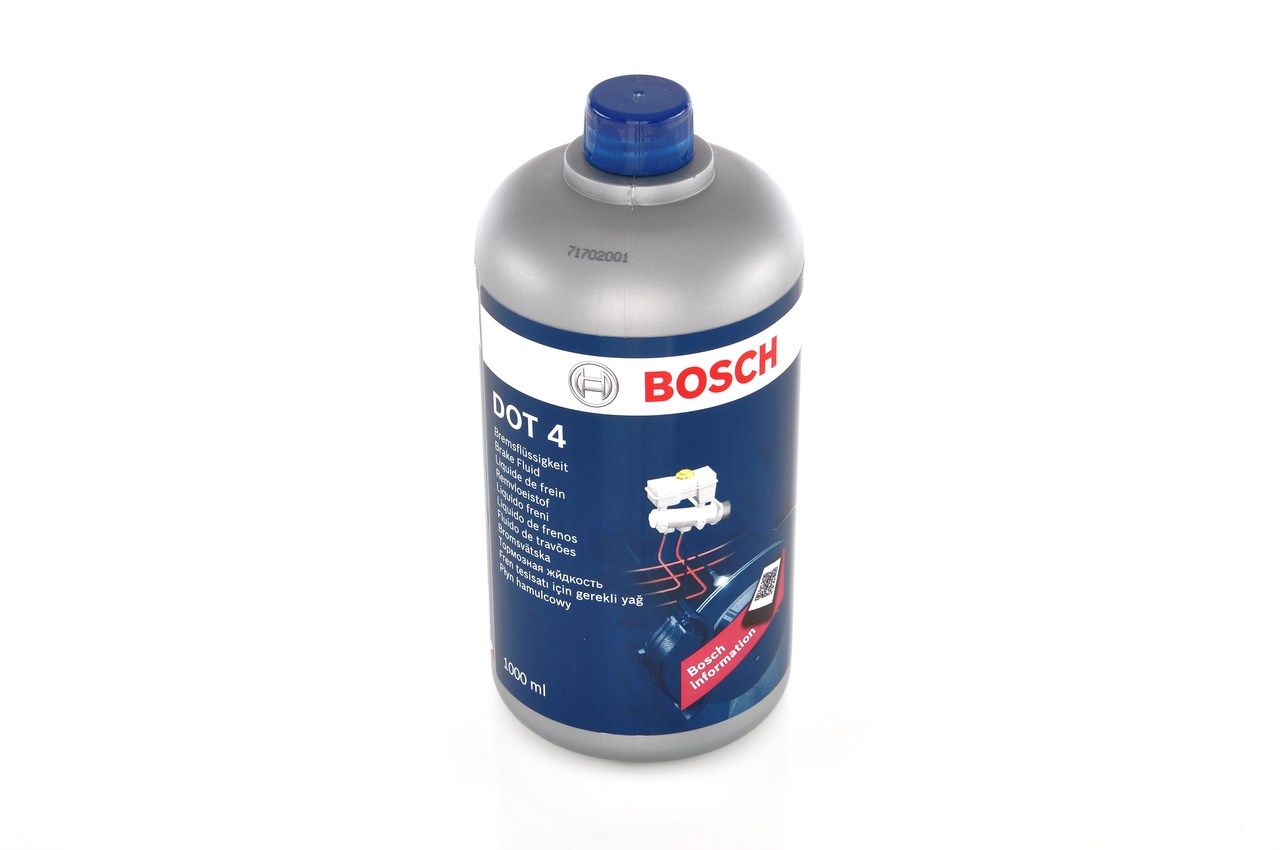 BOSCH Brake Fluid
1l
Article number: 1 987 479 107
More
£8.99
£8.99
for 1 litre
price incl. 20% VAT, excl. delivery costs
-50%
BOSCH Brake Fluid
1l
Article number: 1 987 479 107
More
£8.99
£8.99
for 1 litre
price incl. 20% VAT, excl. delivery costs
-50%
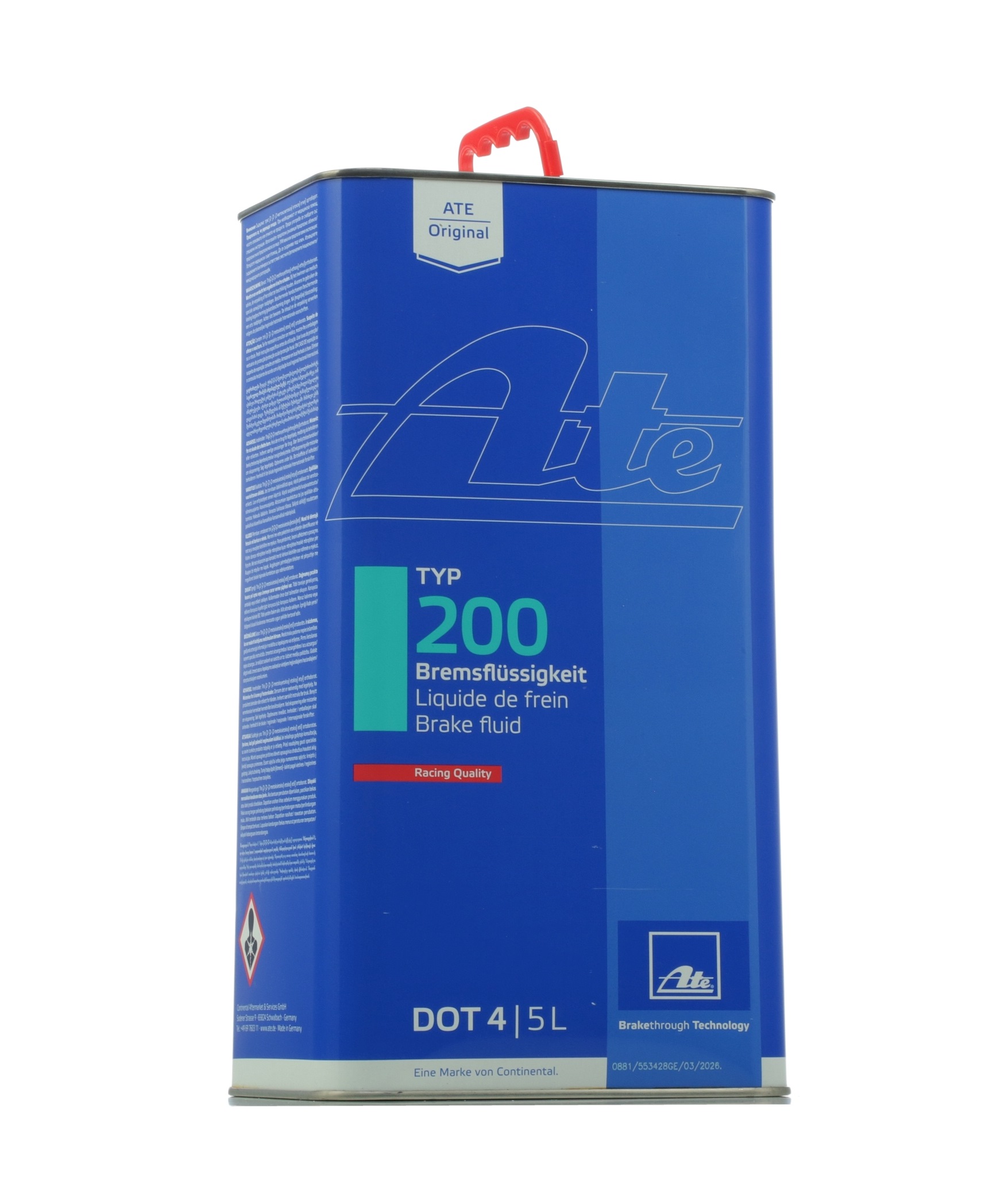 ATE Brake Fluid
5l
Article number: 03.9901-6203.2
More
compared to
RRP
£96.45
£47.99
£9.60
for 1 litre
price incl. 20% VAT, excl. delivery costs
ATE Brake Fluid
5l
Article number: 03.9901-6203.2
More
compared to
RRP
£96.45
£47.99
£9.60
for 1 litre
price incl. 20% VAT, excl. delivery costs
To wrap it up…
Brake fluid may not be the most glamorous part of car maintenance, but it’s absolutely critical for safety. DOT 3 is adequate for most vehicles, but DOT 4 offers enhanced performance in high-heat conditions – at the cost of more frequent changes.
By understanding the differences, you’ll be better equipped to maintain your vehicle’s braking system effectively and safely. Always follow the manufacturer's guidelines, avoid mixing types, and stay on top of your fluid change schedule to keep your brakes in top condition.

Frequently Asked Questions (FAQ)
Q: Can old brake fluid cause damage to my car?
A: Yes. Old or contaminated brake fluid can corrode internal components like the master cylinder and ABS module, leading to costly repairs and reduced braking efficiency.
Q: How can I tell if my brake fluid is contaminated?
A: Check for a dark or cloudy colour, or a burnt smell. Fresh brake fluid is typically clear or light yellow. A soft brake pedal is also a sign of contamination.
Q: Is synthetic brake fluid better than regular glycol-based fluid?
A: Not necessarily. “Synthetic fluid” usually refers to DOT 5 (silicone-based), which is incompatible with glycol-based systems. Always use the type specified by your vehicle manufacturer.
Top products related to this topic: