Table of Contents
 12 May 2023
 Faulty diesel injectors: symptoms and replacement costs
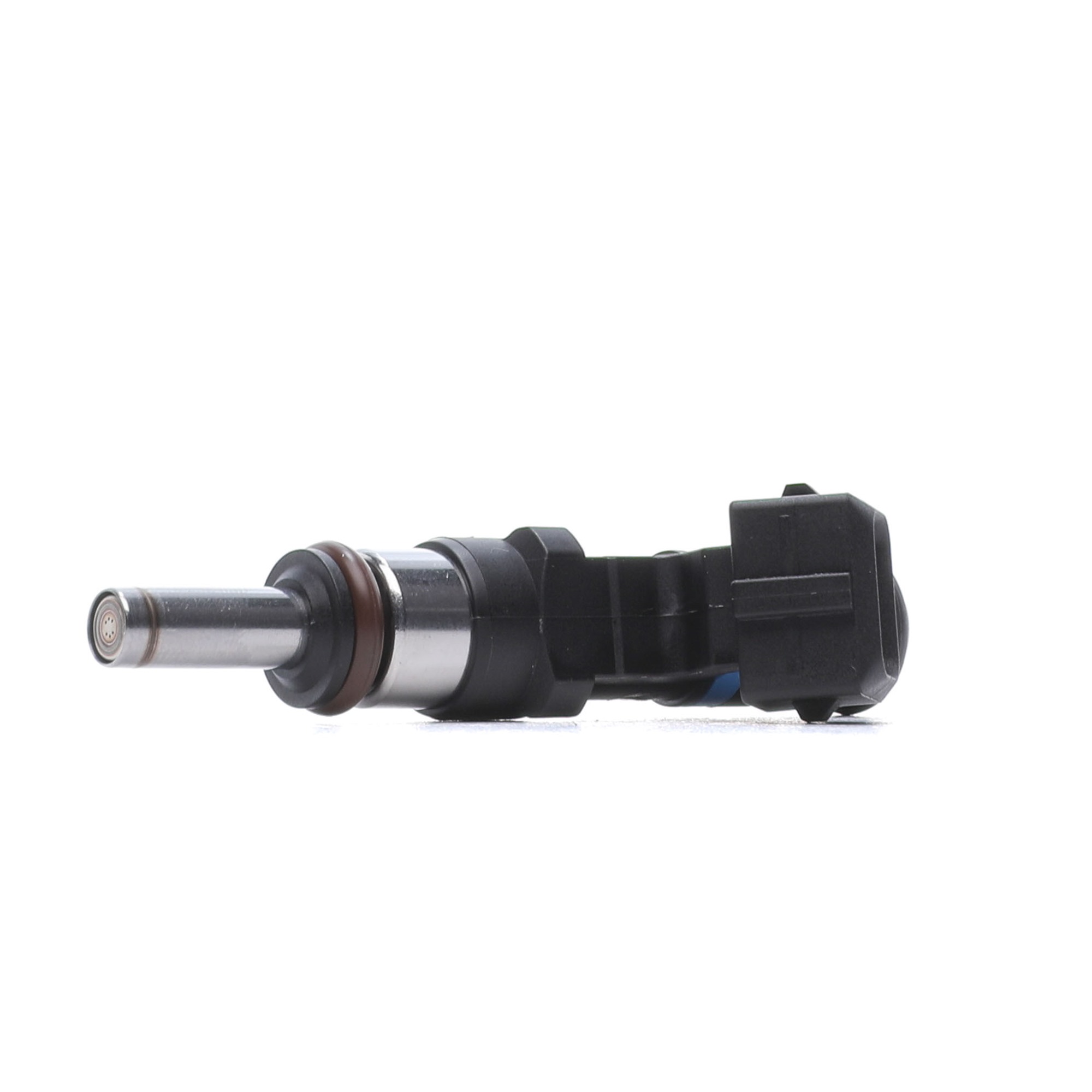
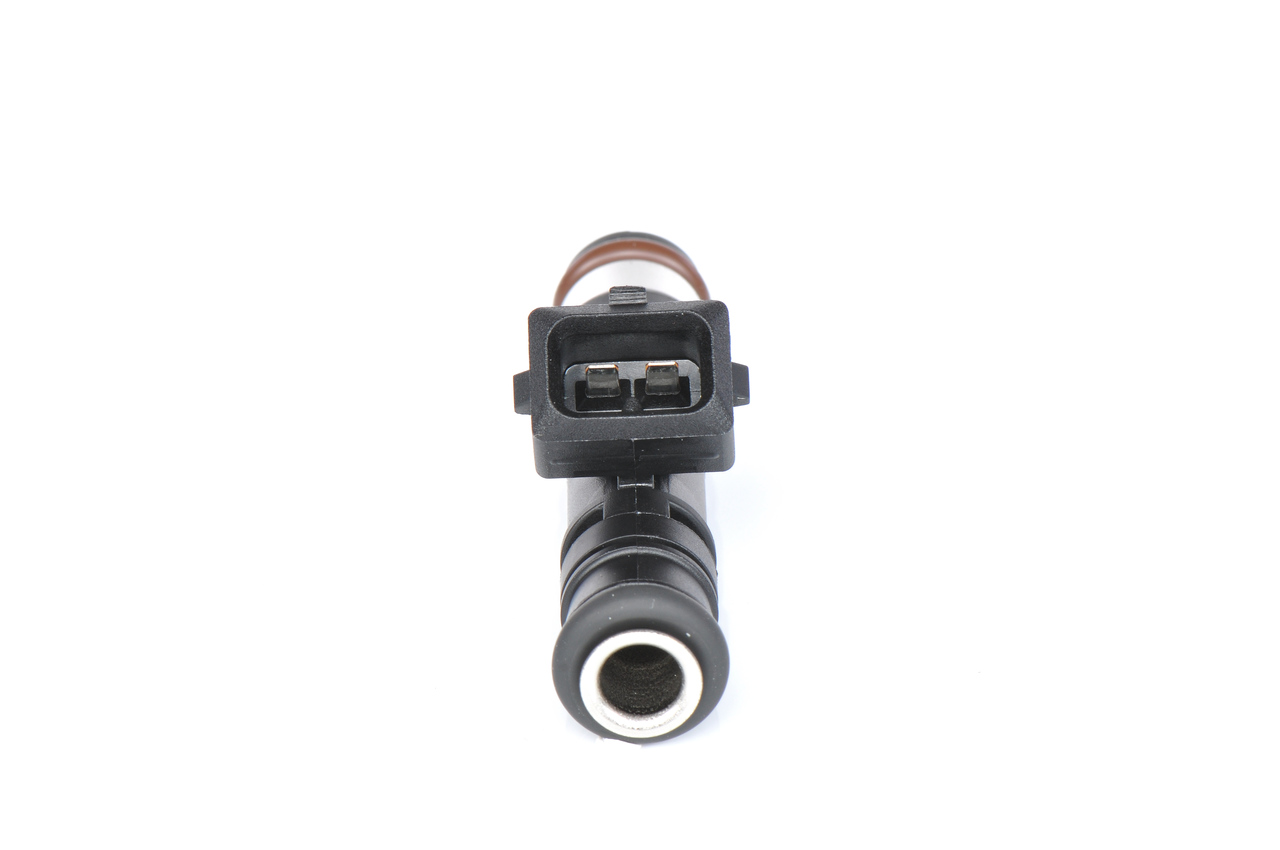
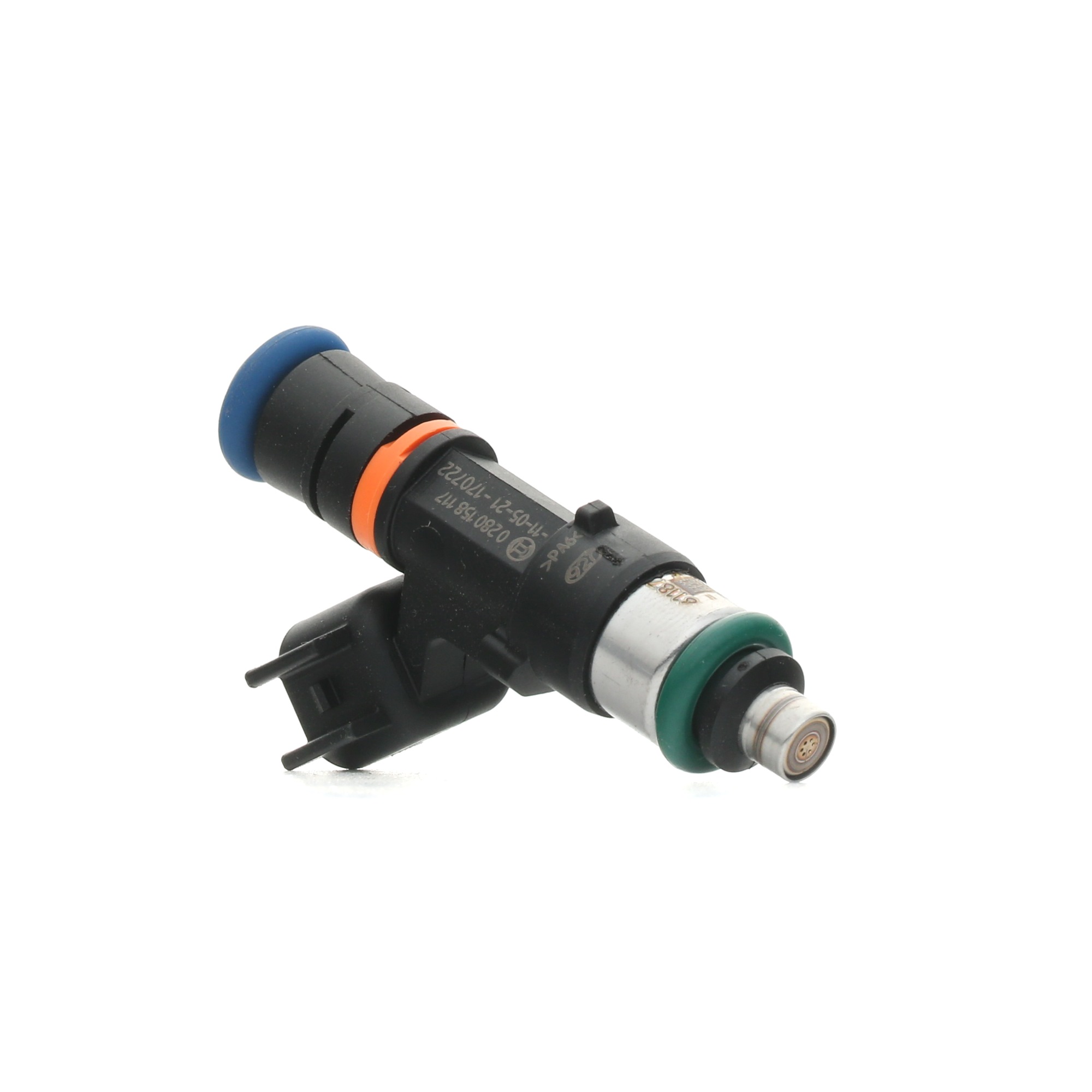
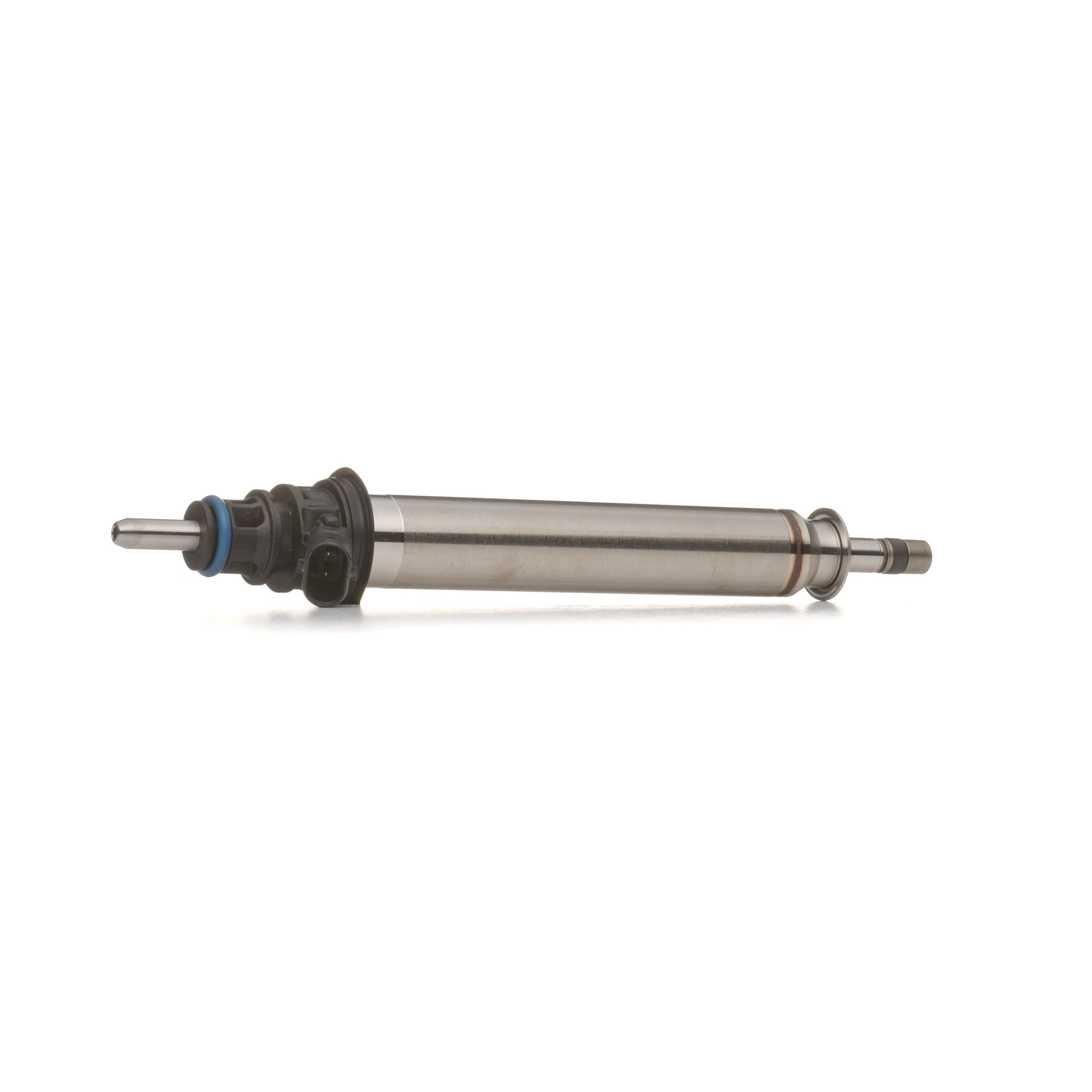
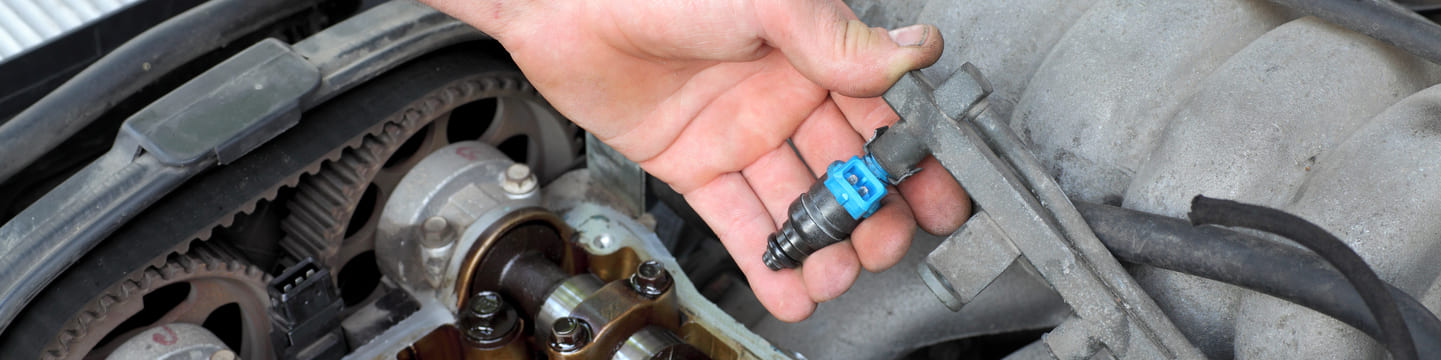
Diesel injectors administer the right amount of fuel to the engine before every combustion stroke. Whether they are fuel car injectors for diesel or petrol, they are susceptible to faults in both types of engines. In the past, fuel injectors worked mechanically, but today they are electronically controlled solenoid valves that have become true precision instruments. The nozzles are connected to other components and sensors relevant to combustion via the engine control unit.
Petrol injection replaced the carburettor on a large scale at the end of the 1980s, because it offers many advantages. The most decisive is the reduction of fuel consumption because carburettors are just “better watering cans” compared to modern injection systems. In addition, petrol injection enables the use of a controlled catalytic converter and is therefore partly responsible for significantly cleaner exhaust gases.
Sold by AUTODOC Sold by AUTODOC Sold by AUTODOC Sold by AUTODOC Sold by AUTODOC
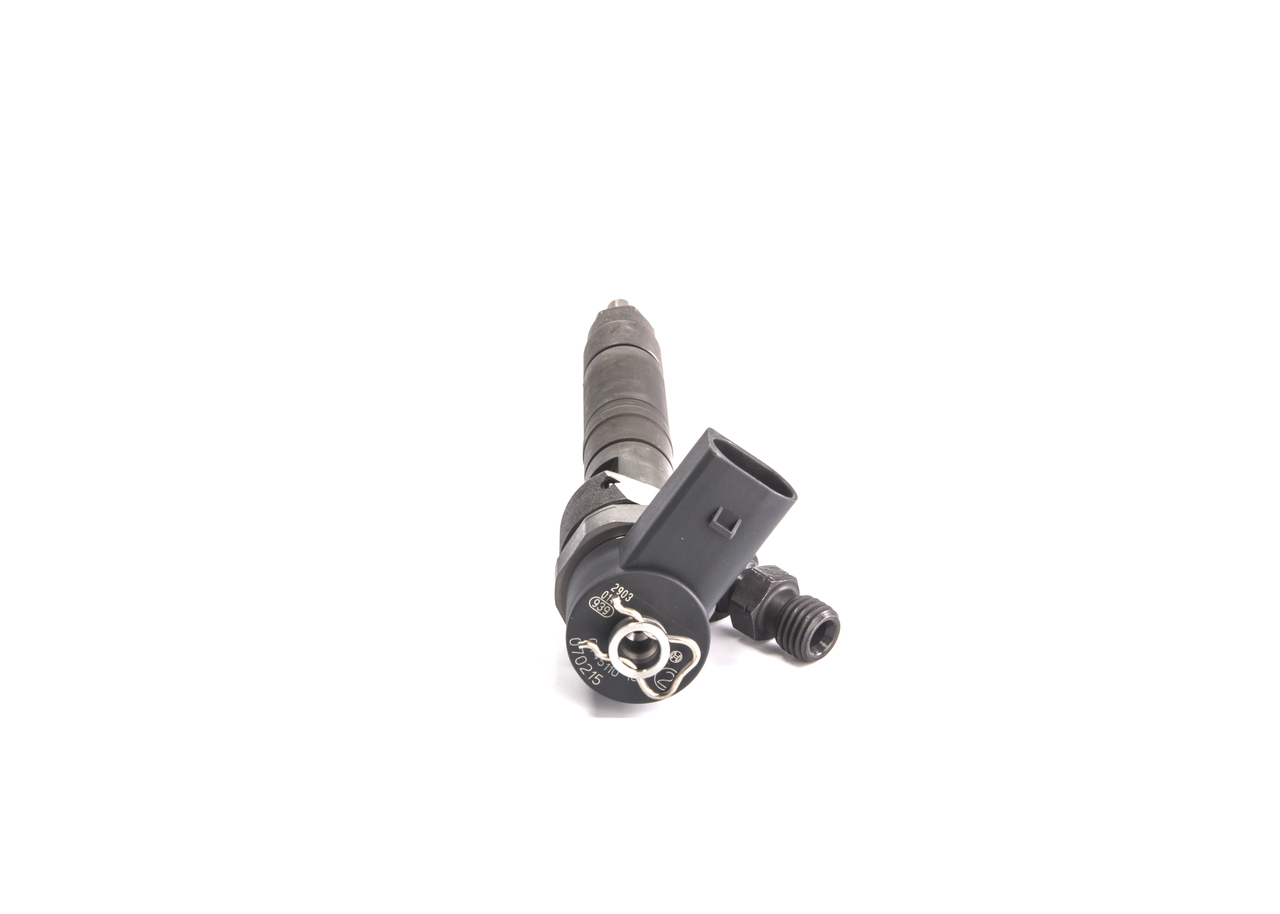
 BOSCH Injector Nozzle
Common Rail (CR), with seal ring
Article number: 0 986 435 360
£170.99£683.96 / Price per 4 items
price incl. 20% VAT, free delivery
BOSCH Injector Nozzle
Common Rail (CR), with seal ring
Article number: 0 986 435 360
£170.99£683.96 / Price per 4 items
price incl. 20% VAT, free delivery
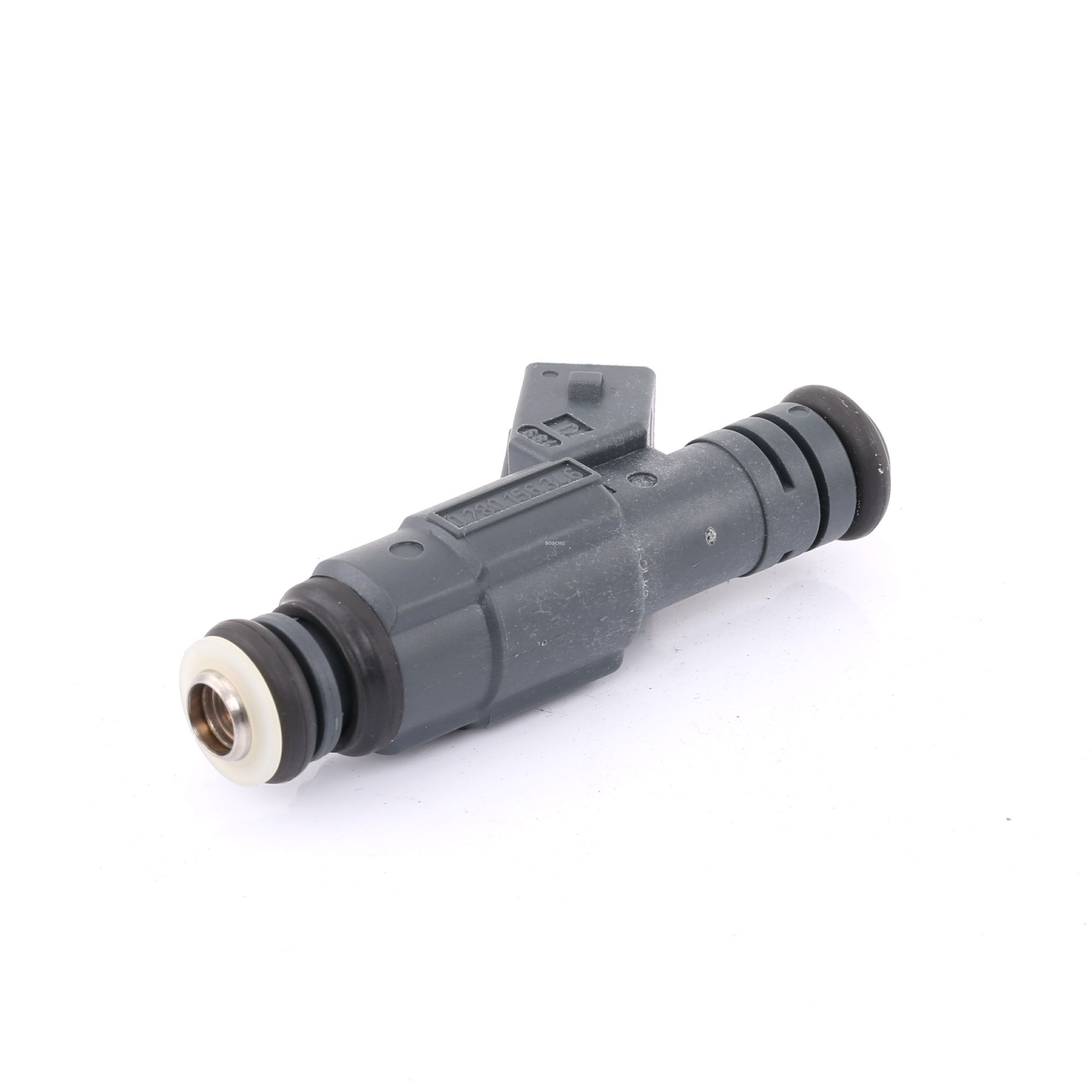
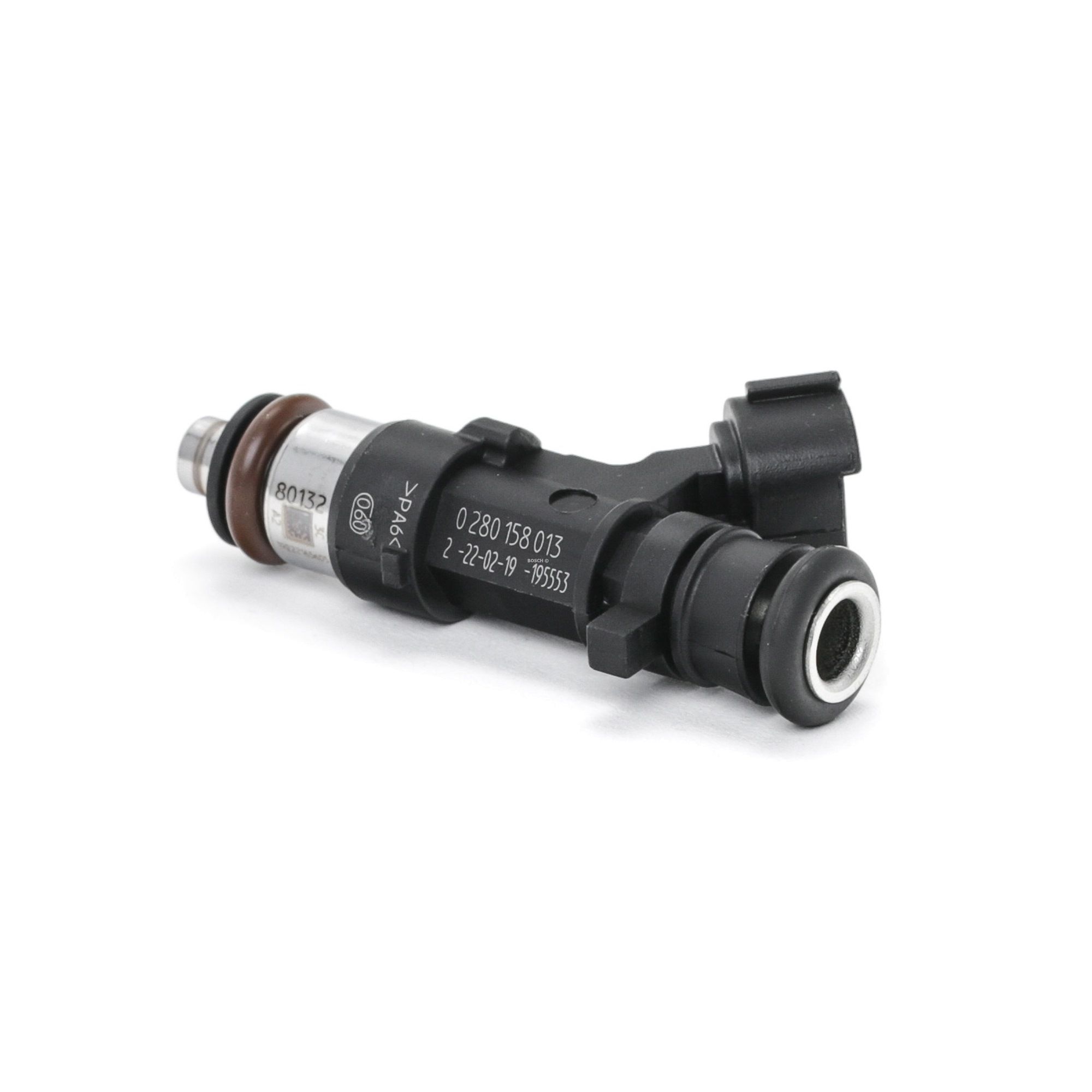 BOSCH Injector
Article number: 0 280 158 013
£28.99£115.96 / Price per 4 items
price incl. 20% VAT, excl. delivery costs
BOSCH Injector
Article number: 0 280 158 013
£28.99£115.96 / Price per 4 items
price incl. 20% VAT, excl. delivery costs
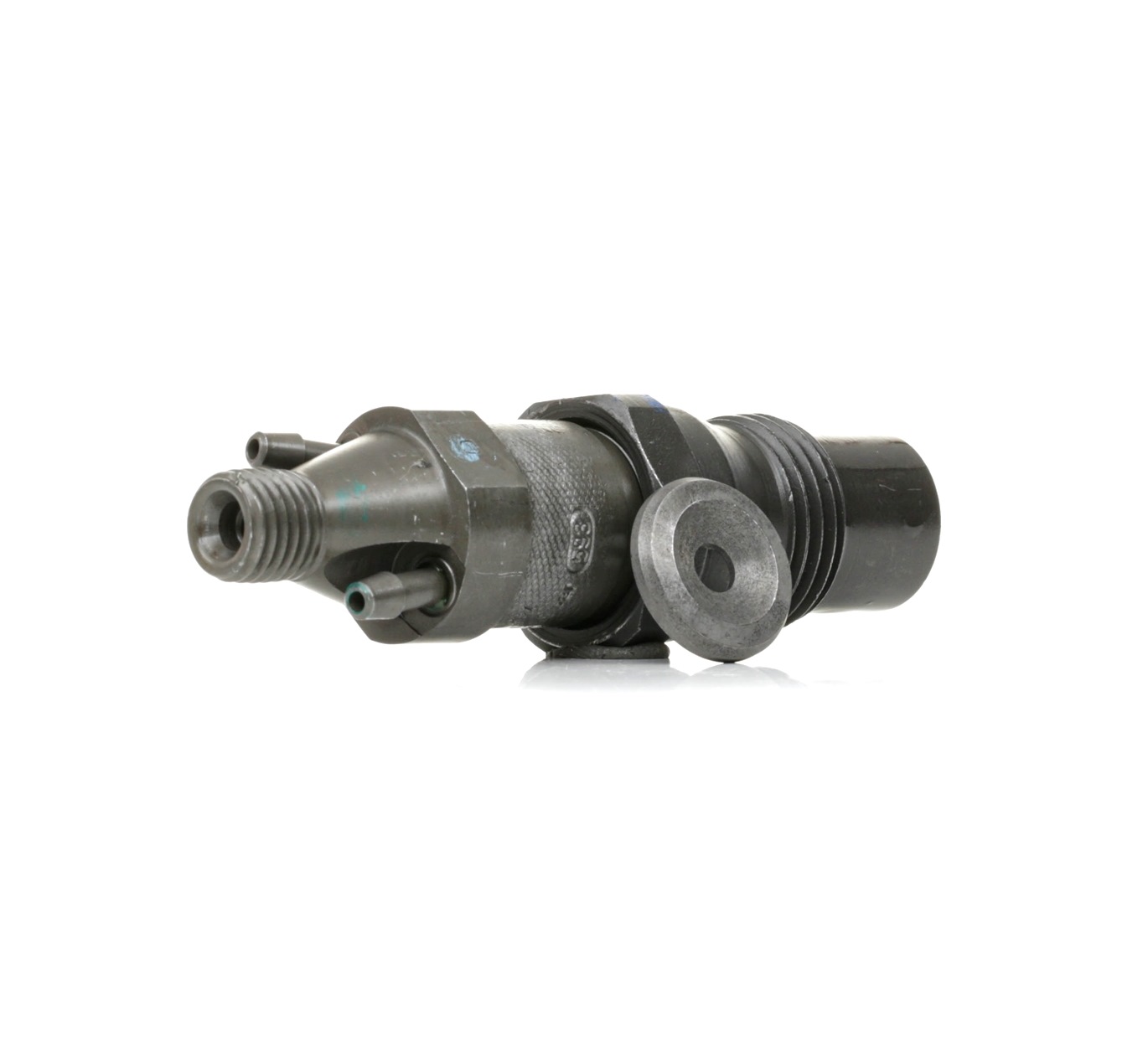 BOSCH Nozzle and Holder Assembly
Article number: 0 986 430 080
£64.49£257.96 / Price per 4 items
price incl. 20% VAT, excl. delivery costs
BOSCH Nozzle and Holder Assembly
Article number: 0 986 430 080
£64.49£257.96 / Price per 4 items
price incl. 20% VAT, excl. delivery costs
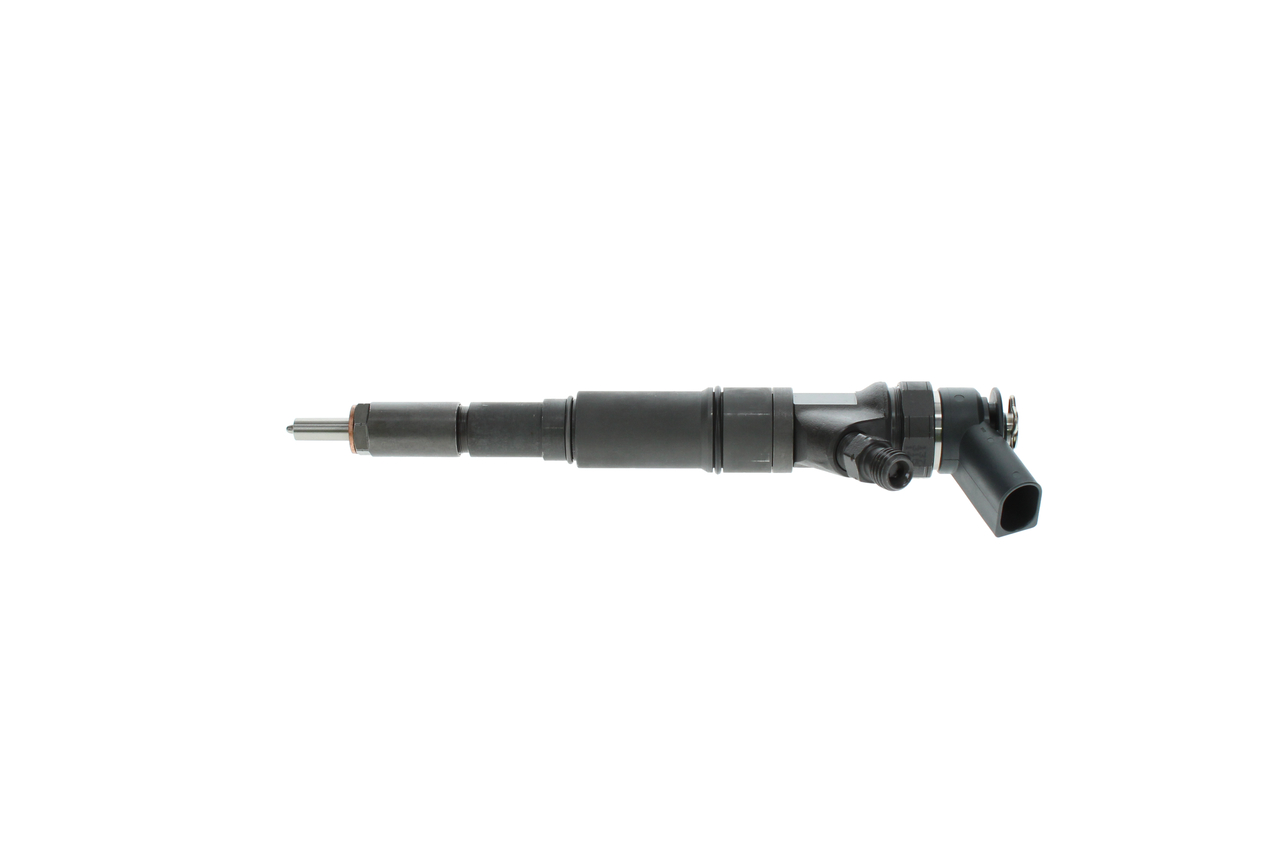 BOSCH Injector Nozzle
Common Rail (CR), with seal ring
Article number: 0 445 110 216
£279.50£1,118.00 / Price per 4 items
price incl. 20% VAT, free delivery
BOSCH Injector Nozzle
Common Rail (CR), with seal ring
Article number: 0 445 110 216
£279.50£1,118.00 / Price per 4 items
price incl. 20% VAT, free delivery
 Article number: 5641934
£21.49£85.96 / Price per 4 items
price incl. 20% VAT, excl. delivery costs
Article number: 5641934
£21.49£85.96 / Price per 4 items
price incl. 20% VAT, excl. delivery costs
Intake manifold injection, direct injection, or both.
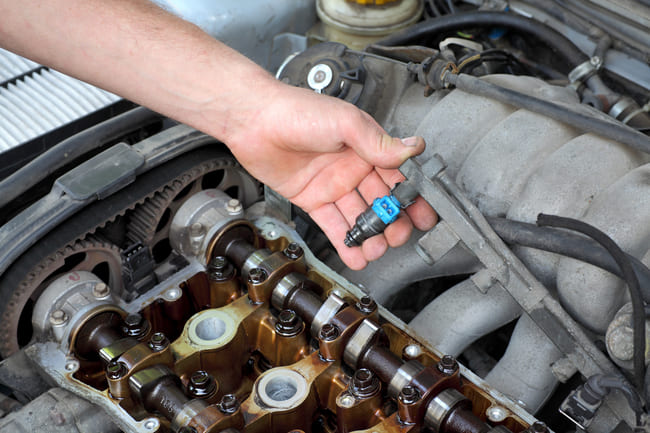
An engine has one injection valve per cylinder. The injection nozzles atomise a fuel mist either in the intake tract or directly in the cylinder’s combustion chamber. Some modern engines also offer a combination of direct and intake manifold injection, such as the Audi R8 V10. Depending on the load range, car intake manifold and direct injection alternate here, with the aim of reducing the formation of nitrogen oxides. This precisely metered atomisation of injectors ensures the optimal combustion of the fuel, resulting in better power delivery.
In the case of intake manifold injection, where the injectors are supplied with fuel via a common injection bar, the injection pressure is about three to six bar. With direct injection, where the injectors are fed via a high-pressure pump, it is up to 350 bar. By far the highest injection pressures are achieved in compression ignition engines: contemporary common rail diesel engines, which also work with direct injection and reach up to 2500 bar.
Reasons for defects in injectors
The more precise the technology, the more susceptible it is to the slightest defects. Since the ultra-fine bores of the injection valves can quickly become clogged, for example by poorly filtered fuel, blockages can occur here and lead to permanent failures.
This does not necessarily have to be noticeable in the form of combustion misfires, but the problem should nevertheless be fixed. Even a minor change in the atomisation of the fuel can have a harmful effect on the consumption and performance of the engine.
The injection nozzles of direct injection engines are exposed to particularly high stresses in the combustion chamber. Here, there is even a risk that other components will be affected by an altered injection process. Defective injectors can burn holes in the piston, for example, because instead of a fine mist, a jet of fuel is produced that burns directly on the piston crown.
In some cases, the material cannot permanently withstand pressure and heat, and the valves fray at their edges, which also leads to a deteriorated injection pattern. Much more frequently, however, they are subject to coking of the injection valves, which can cause them to fail completely.
Other defects include short circuits in the solenoids which are deposits caused by additives and brittle cable connections to the control unit. This can be remedied by using a diesel fuel injector cleaner. In addition, worn sealing rings in the injection valves can lead to leaks and therefore fuel loss.
Sold by AUTODOC Sold by AUTODOC Sold by AUTODOC Sold by AUTODOC Sold by AUTODOC
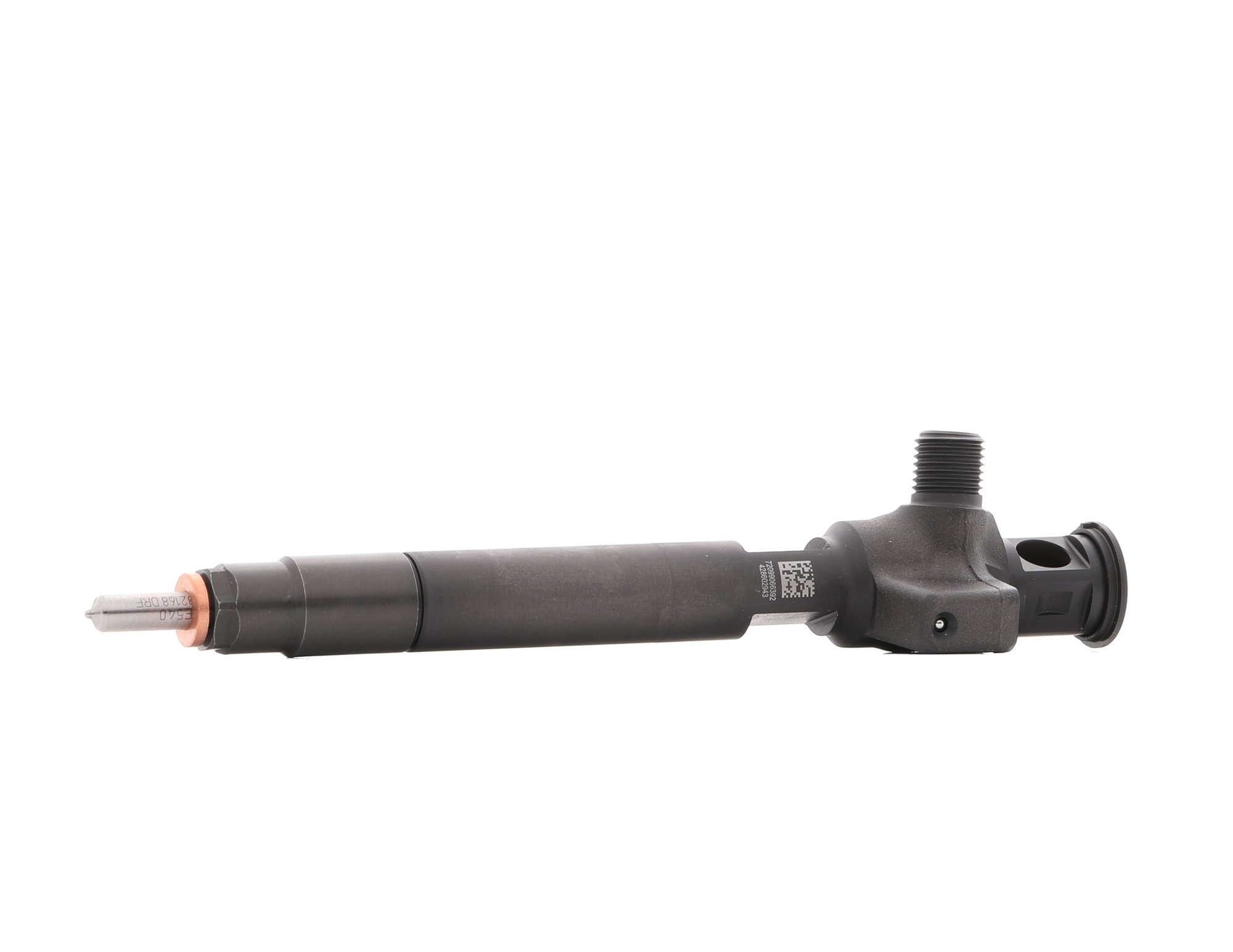 DELPHI Injector
Article number: 28657626
£228.00£912.00 / Price per 4 items
price incl. 20% VAT, free delivery
DELPHI Injector
Article number: 28657626
£228.00£912.00 / Price per 4 items
price incl. 20% VAT, free delivery
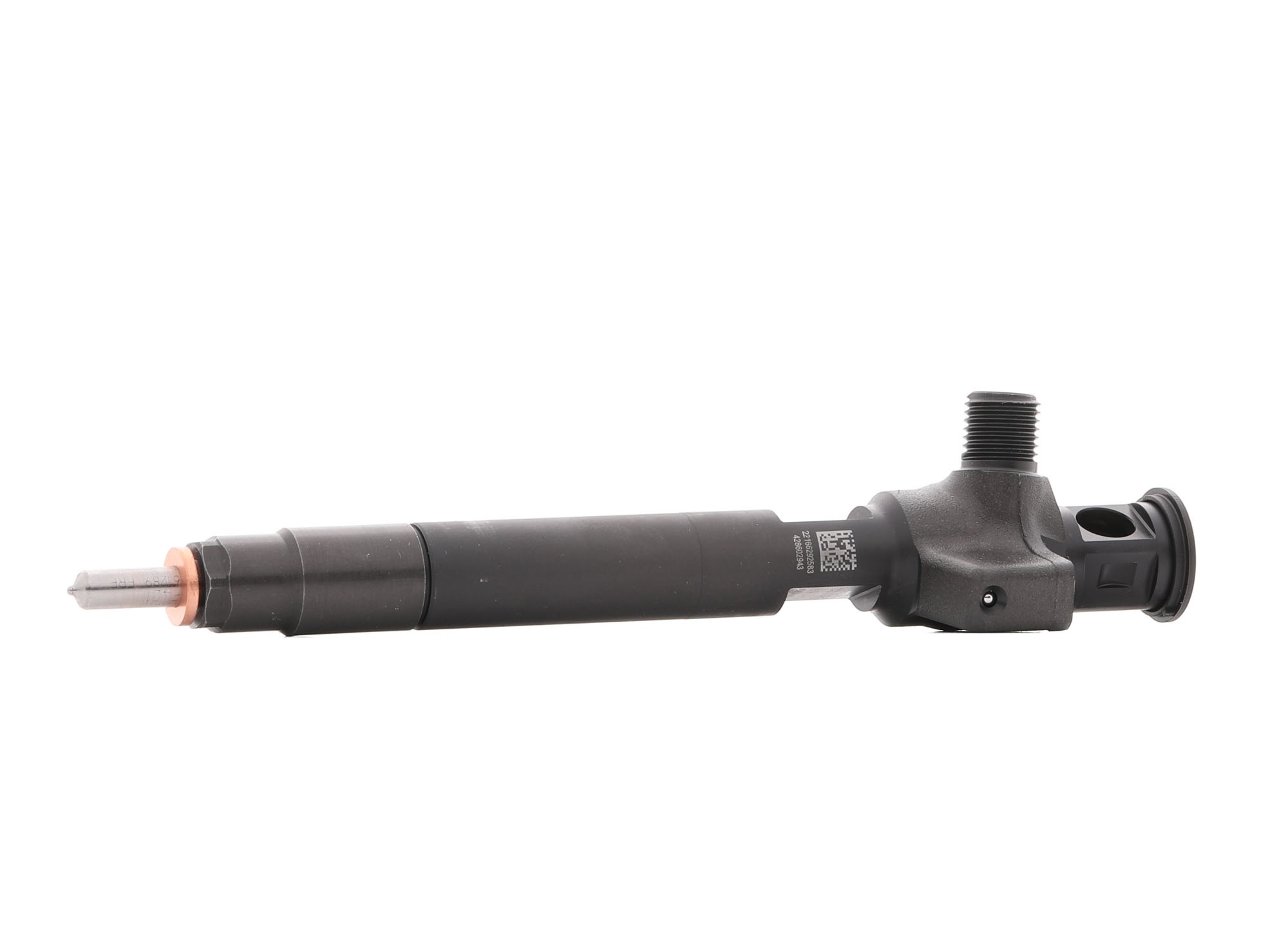 DELPHI Injector
Article number: 28602948
£221.50£886.00 / Price per 4 items
price incl. 20% VAT, free delivery
DELPHI Injector
Article number: 28602948
£221.50£886.00 / Price per 4 items
price incl. 20% VAT, free delivery
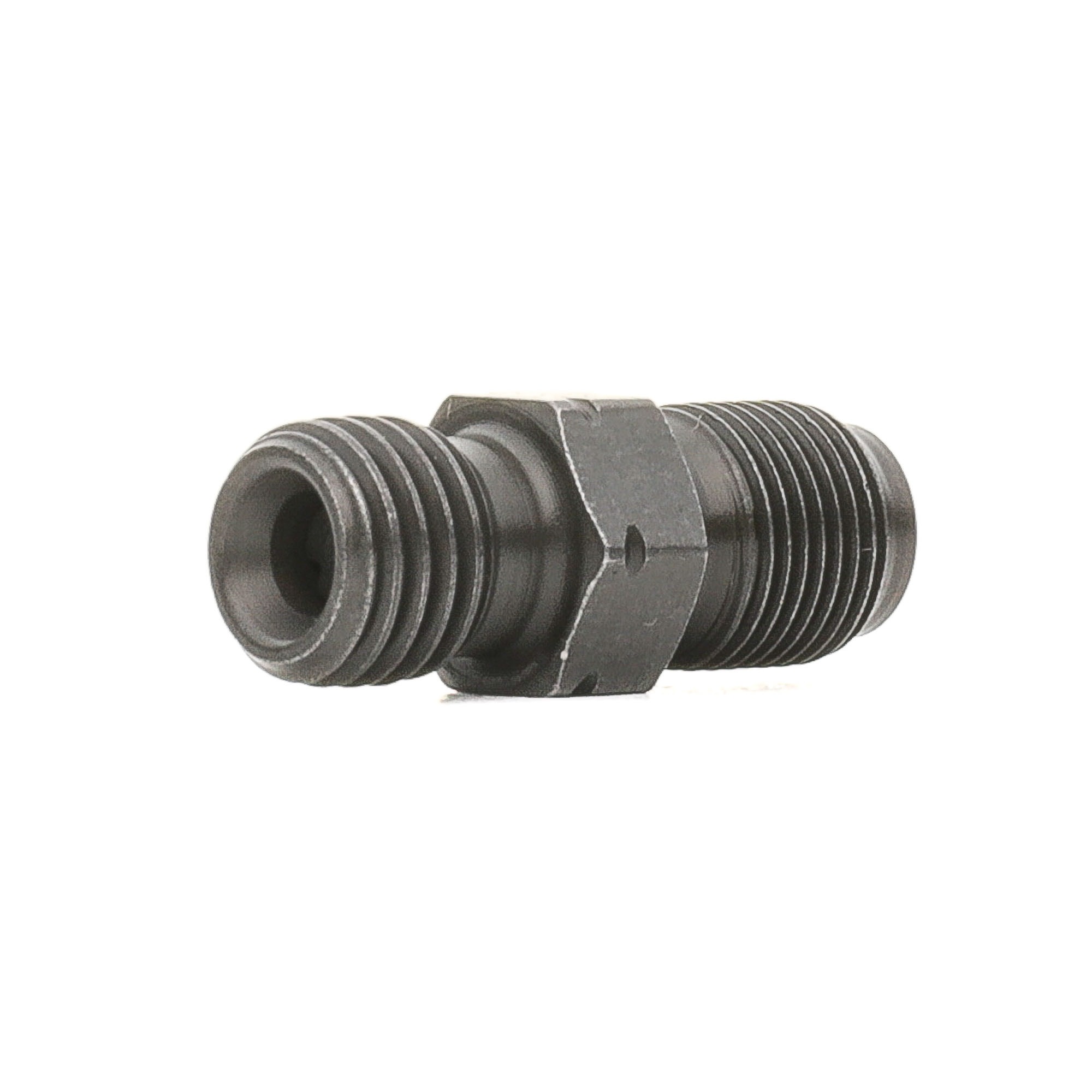 BOSCH Inlet connector, injection nozzle
Article number: F 00V C16 024
£11.49£45.96 / Price per 4 items
price incl. 20% VAT, excl. delivery costs
BOSCH Inlet connector, injection nozzle
Article number: F 00V C16 024
£11.49£45.96 / Price per 4 items
price incl. 20% VAT, excl. delivery costs
 Article number: 0 434 240 002
£41.99£167.96 / Price per 4 items
price incl. 20% VAT, excl. delivery costs
Article number: 0 434 240 002
£41.99£167.96 / Price per 4 items
price incl. 20% VAT, excl. delivery costs
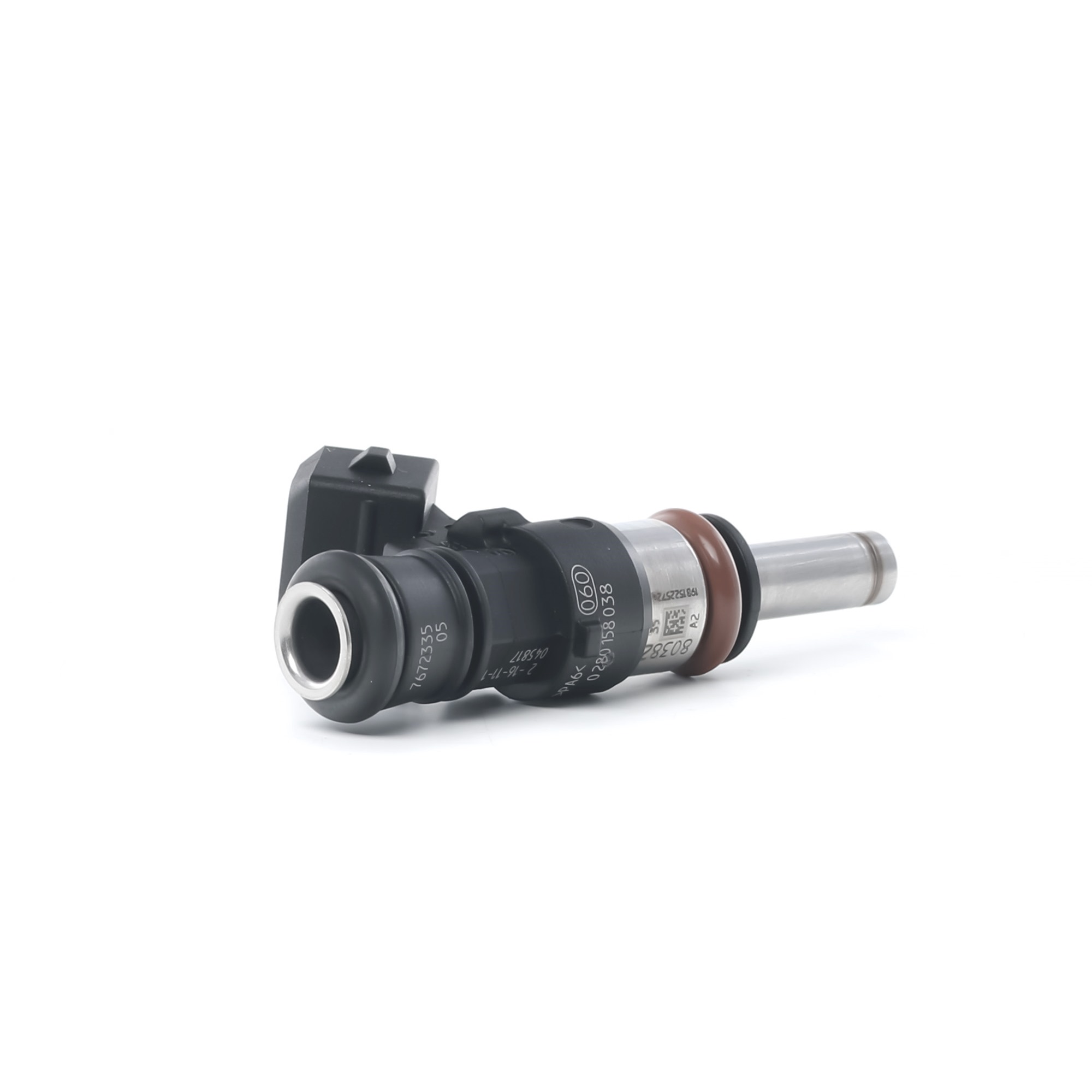 BOSCH Injector
Article number: 0 280 158 038
£26.99£107.96 / Price per 4 items
price incl. 20% VAT, excl. delivery costs
BOSCH Injector
Article number: 0 280 158 038
£26.99£107.96 / Price per 4 items
price incl. 20% VAT, excl. delivery costs
Symptoms and resulting damage of defective injection nozzles
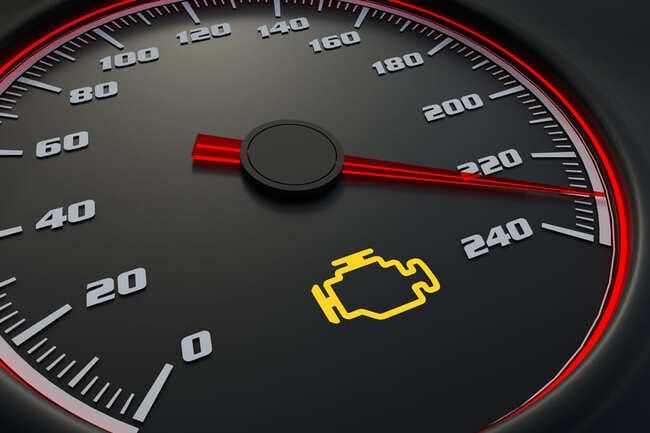
Depending on the degree of damage, you will notice a disrupted fuel supply caused by one or more defective injection nozzles in different ways. Everything is possible – from a slight decrease in performance, worsened exhaust emissions, and starting difficulties – to increased fuel consumption, rough idling, flashing or an engine control light that doesn’t turn off. Engine knocking and permanent combustion misfires are also common symptoms.
The consequences of defective injection nozzles can be serious. If unburnt fuel gets into the particle filter or car catalytic converter, it can cause damage. If the misdirected fuel jet washes the oil film on the cylinder wall off – in the case of direct injectors due to a defective injection nozzle – this can even lead to piston seizure. If you notice any of these symptoms, you should visit a workshop as soon as possible.
Costs for new injection nozzles
The cost of new fuel injectors varies greatly. Injectors that work in the intake manifold are readily available for less than £40. Injection nozzles of contemporary direct-injection engines and injectors of common-rail diesel, on the other hand, can cost over £200. This is annoying when several injectors have to be replaced at the same time. In addition, there are the costs for installation and removal. Especially with direct injection engines and modern diesel, this can be very time-consuming and costly. The replacement of two injection nozzles, including removal and installation, can easily add up to over £1000 in a workshop.
Top products related to this topic: