Table of Contents
 1 June 2023
 Power steering pump: failure symptoms and replacement costs
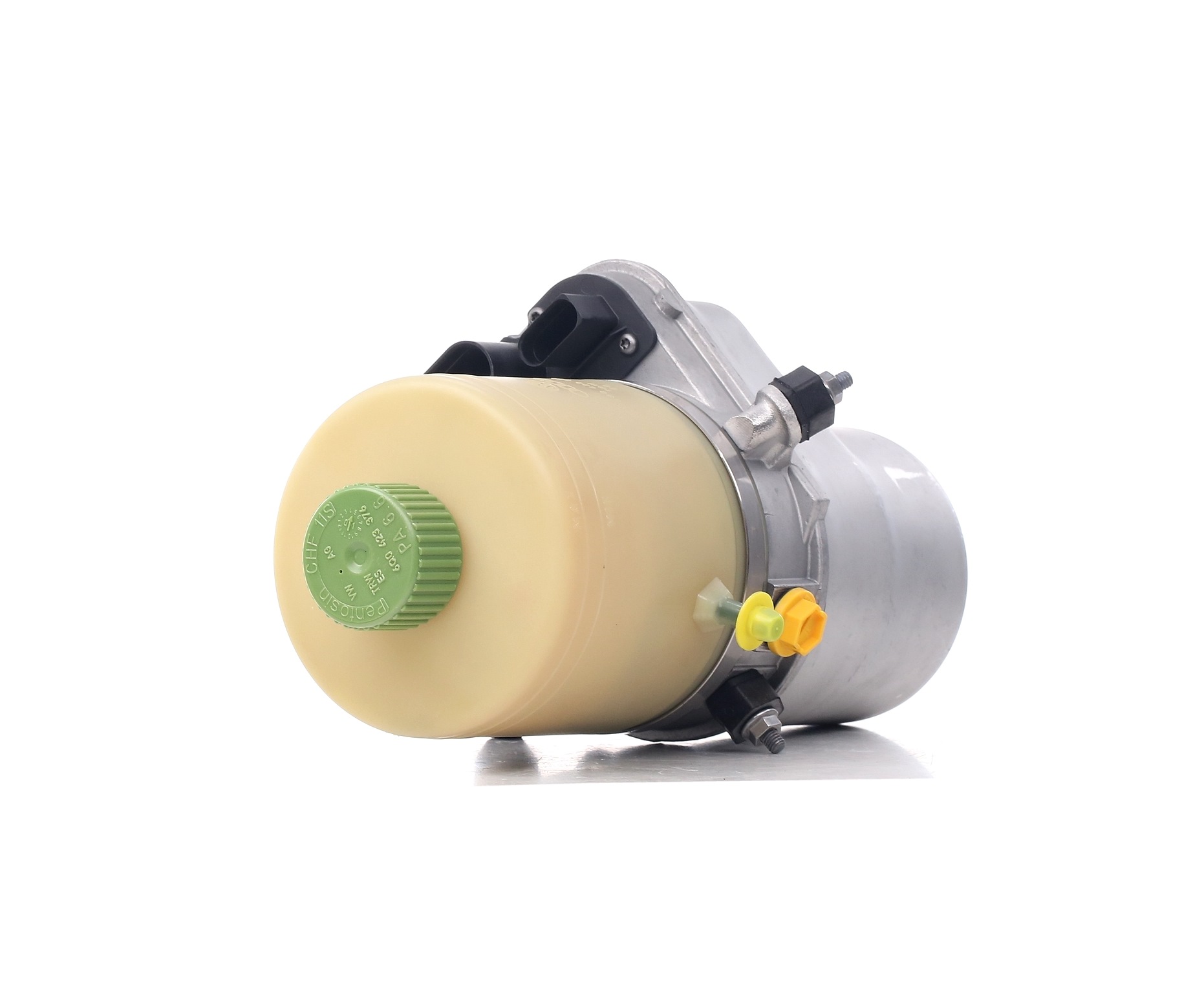
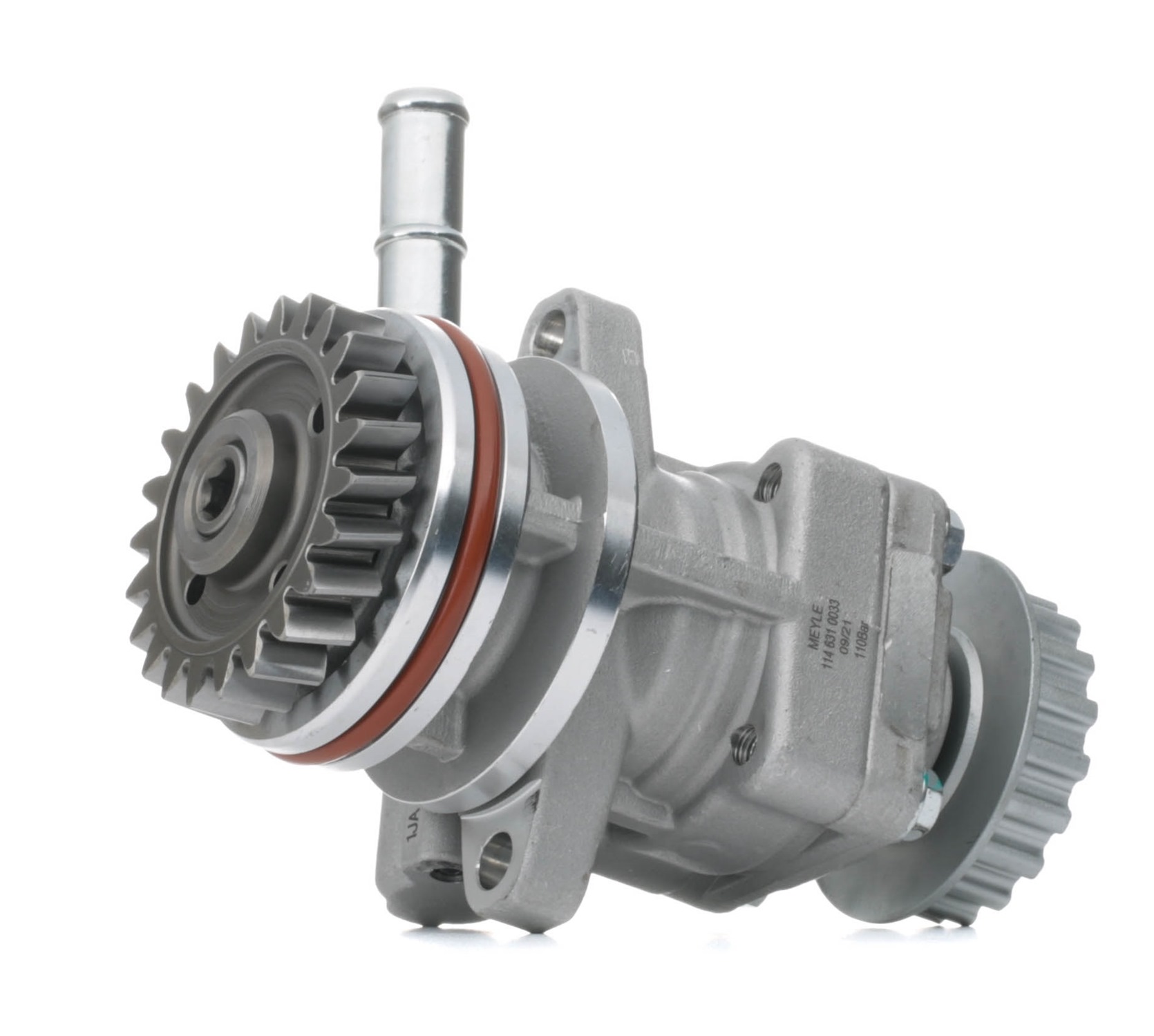
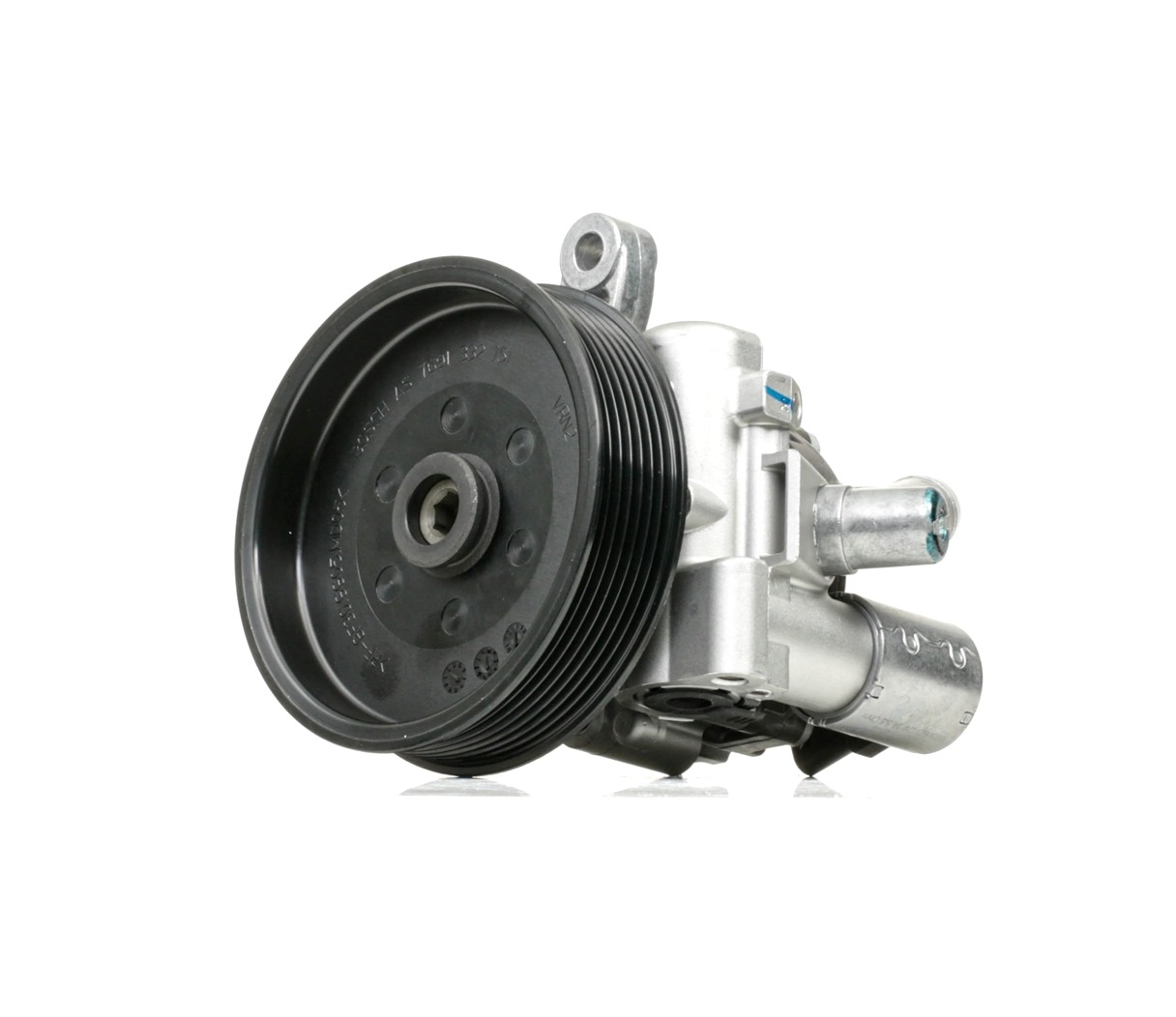
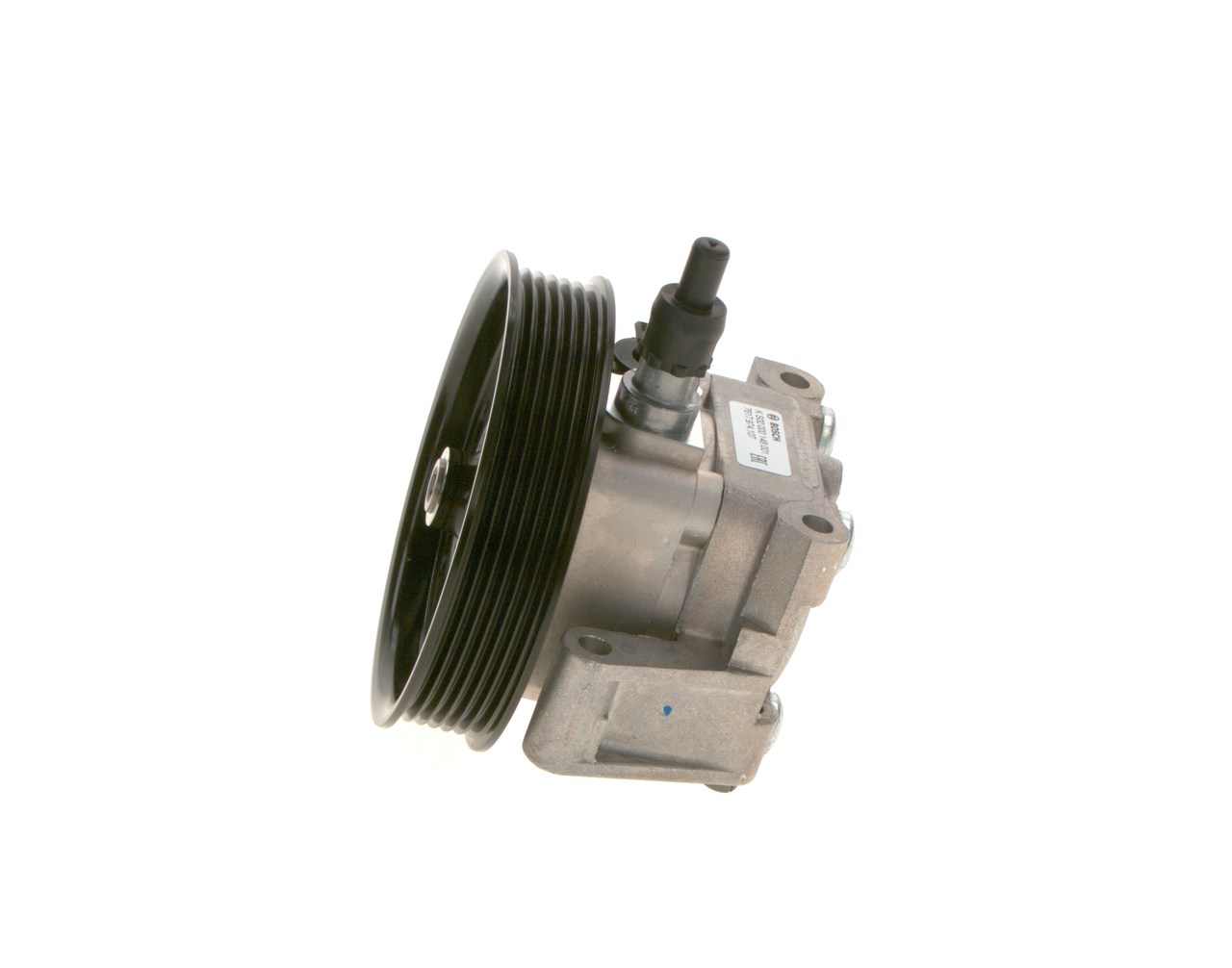
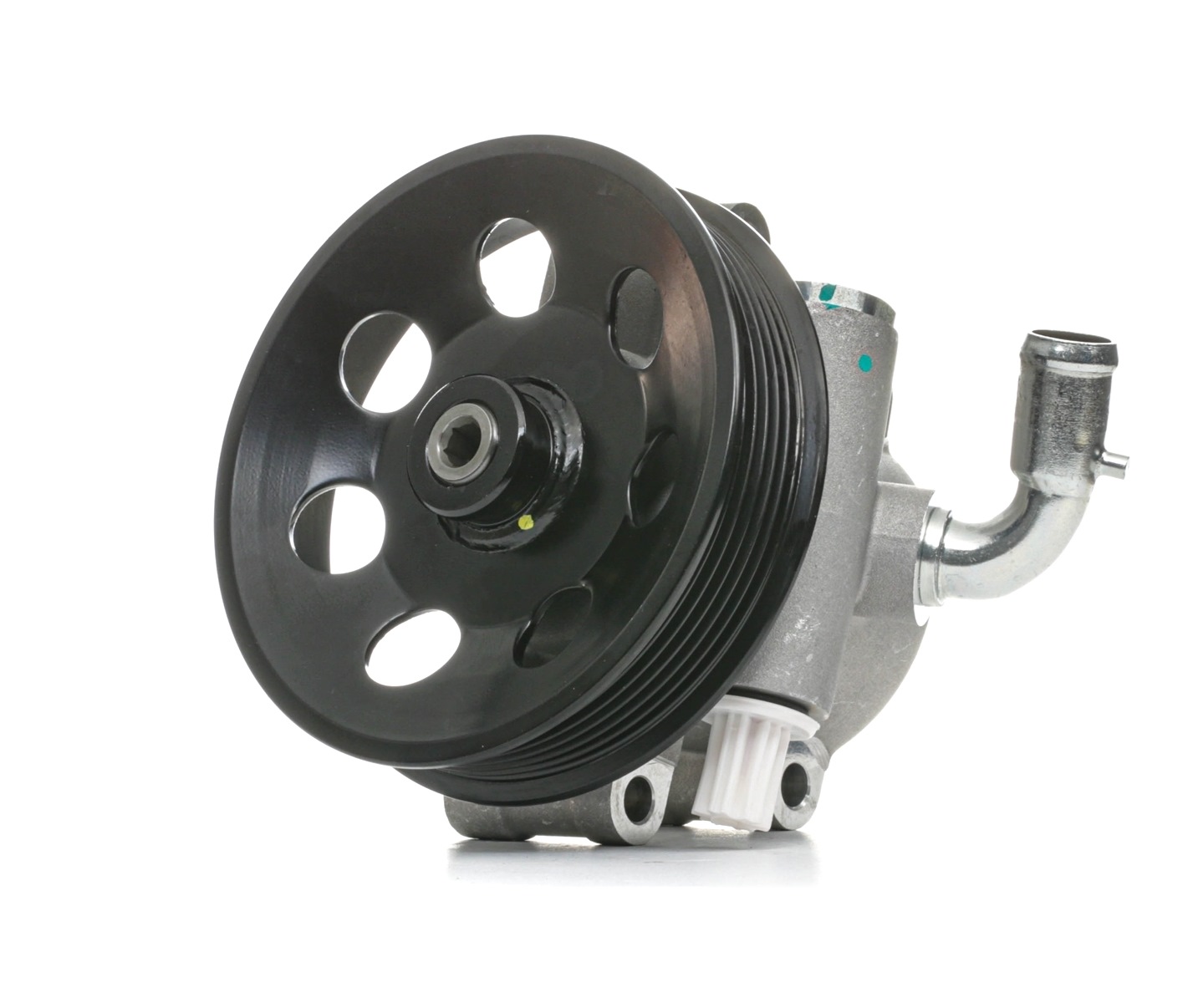
The power steering system is what enables you to steer your car without much effort. Without it, you’d need to have very strong arms to get anywhere because of the sheer weight and size of modern vehicles. There are three main types of systems: a fully hydraulic system, driven by a serpentine belt; the electro-hydraulic system, which is driven by an electric motor; and fully electric power steering, which eliminates the need for pressurised fluid.
The pump plays a crucial role in both hydraulic and electro-hydraulic systems. The hydraulic fluid is pressurised by the pump and then directed through a hose from the reservoir into the steering gear. As you steer, the pressure created is applied to the gear, which is then used to turn the wheels. It is only meant to be applied when the steering wheel is turned. This is regulated by the rotary valve and torsion bar. The bar ensures that the amount of torque applied to the steering wheel is equal to the amount applied to the car wheels, allowing the driver to maintain control over the car’s movement.

If you have questions on how to choose and buy new power steering fluid, check out our online guide: What power steering fluid do I need?
Common signs and causes of a faulty pump
- Stiff or slow steering. The response from the wheels after turning the steering wheel should be immediate. If the system is taking a while to respond or it is taking more effort than usual to turn the wheel, there’s a high possibility that the power steering pump is failing. This can pose a real risk to your safety, particularly when you are driving at high speeds or need to make quick manoeuvres.
- A squealing sound when you start the vehicle. If you notice a squealing sound when starting up the car, this could be another symptom of failure. It may also occur when making sharp turns. However, the culprit could also be a loose accessory belt. Always check whether the belt tension is correct before installing a new pump.
- A whining or groaning sound when steering. This is a strong indication that something is wrong with the system. The cause could be low fluid levels or a fluid leak which puts strain on the power steering parts, reducing the effectiveness of the system.
- A puddle of fluid underneath the vehicle. If there’s a crack in the pump housing or reservoir, for example, the fluid will be able to escape. Check underneath your vehicle for a pool of red-brown liquid.
- Metal flakes in the power steering fluid. You can check the condition and levels of the fluid in the reservoir. If there are visible metal flakes in the fluid, it could be due to worn or damaged metal pump components. Make sure to flush the system if you replace the part to prevent the new part from getting damaged.
-52%
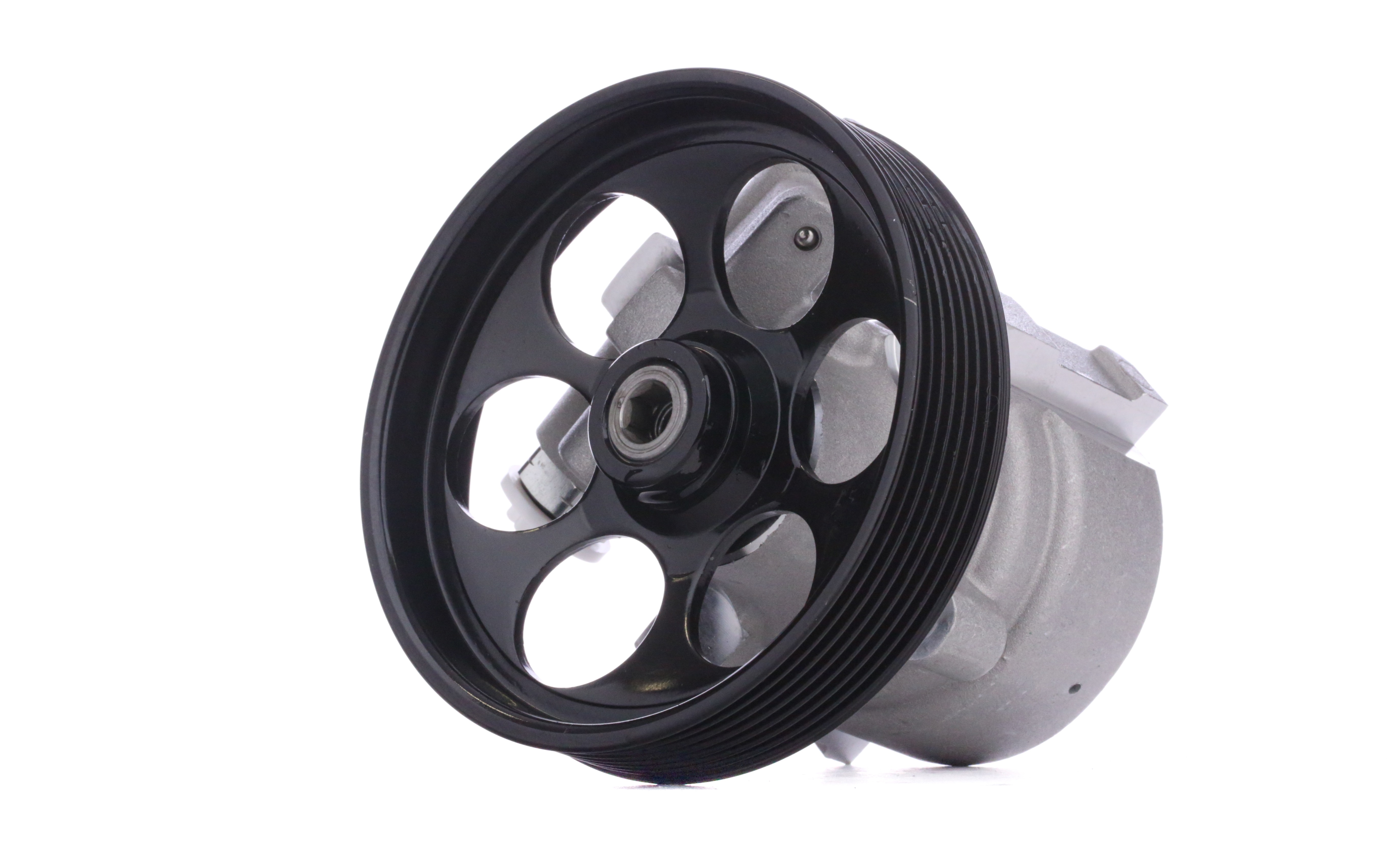
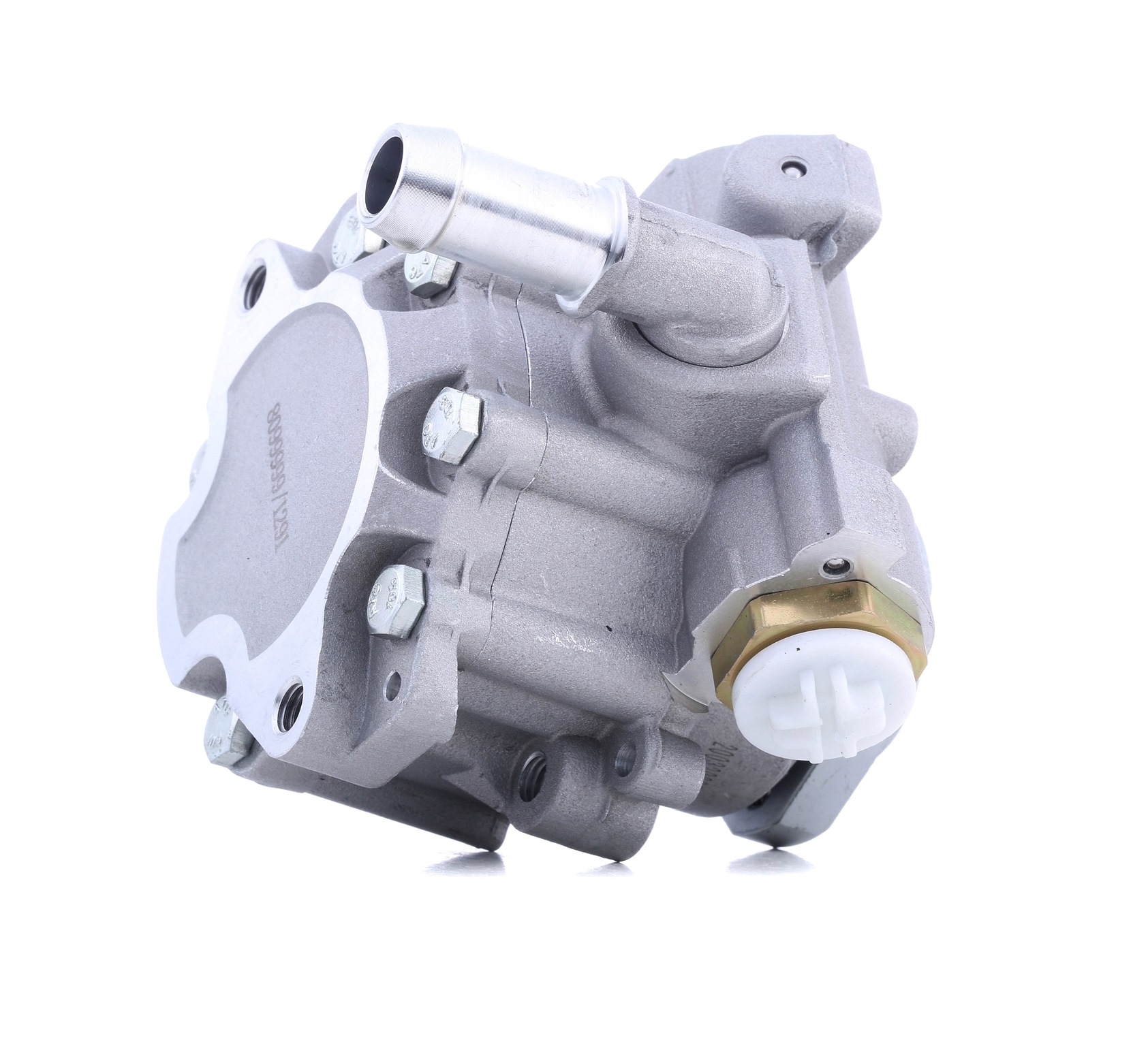 RIDEX Power steering pump
Hydraulic, 90 bar
Article number: 12H0036
compared to
RRP
£ 176,30
£ 83,66
price incl. 20% VAT, excl. delivery costs
-49%
RIDEX Power steering pump
Hydraulic, 90 bar
Article number: 12H0036
compared to
RRP
£ 176,30
£ 83,66
price incl. 20% VAT, excl. delivery costs
-49%
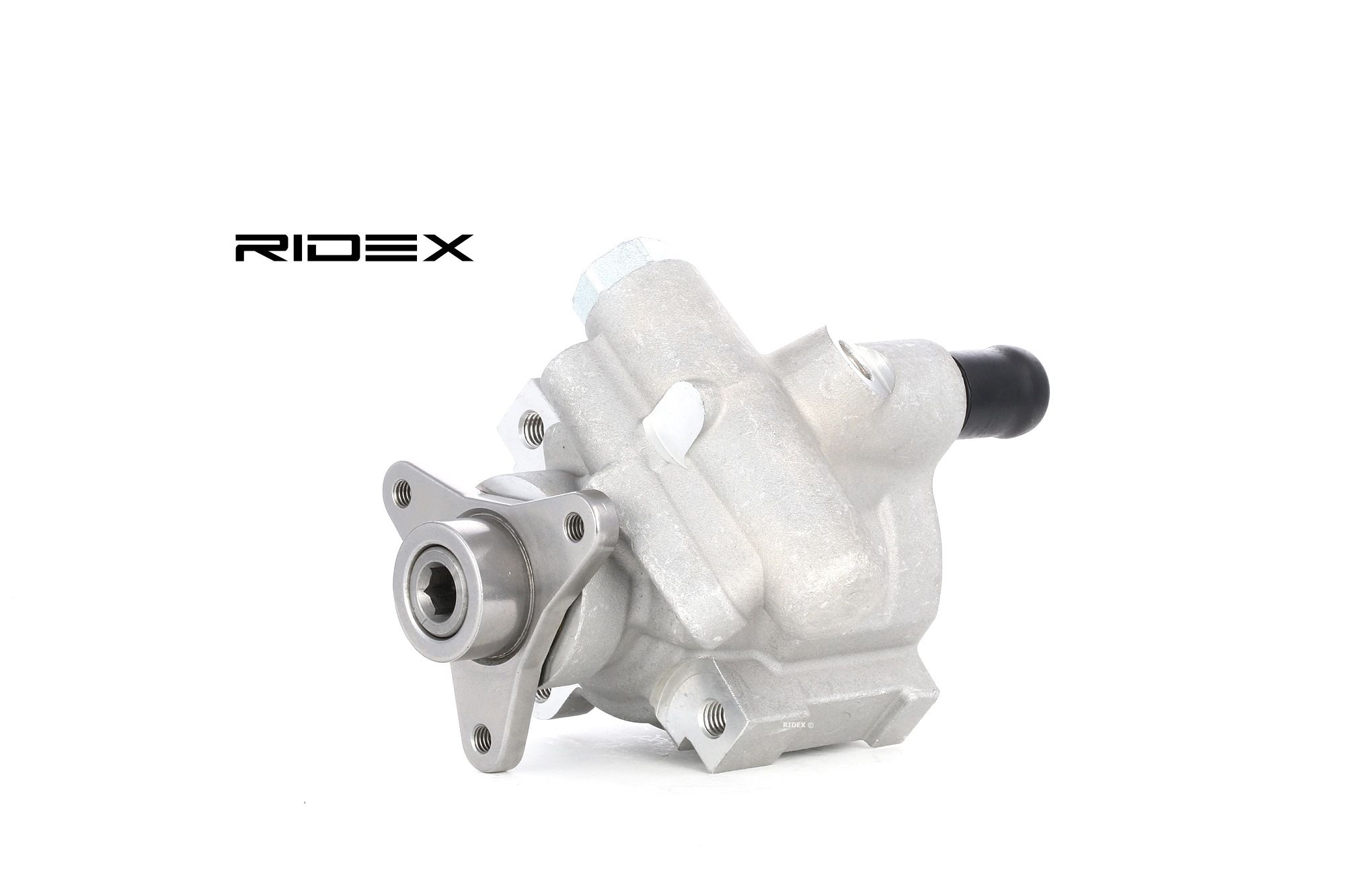
 RIDEX Power steering pump
Hydraulic, 110 bar, 60 l/h
Article number: 12H0010
compared to
RRP
£ 170,20
£ 85,73
Price per item
price incl. 20% VAT, excl. delivery costs
-50%
RIDEX Power steering pump
Hydraulic, 110 bar, 60 l/h
Article number: 12H0010
compared to
RRP
£ 170,20
£ 85,73
Price per item
price incl. 20% VAT, excl. delivery costs
-50%
 RIDEX Power steering pump
Hydraulic, M16 x 1,5, 90 l/h, Clockwise rotation
Article number: 12H0055
compared to
RRP
£ 176,30
£ 87,13
price incl. 20% VAT, excl. delivery costs
-59%
RIDEX Power steering pump
Hydraulic, M16 x 1,5, 90 l/h, Clockwise rotation
Article number: 12H0055
compared to
RRP
£ 176,30
£ 87,13
price incl. 20% VAT, excl. delivery costs
-59%
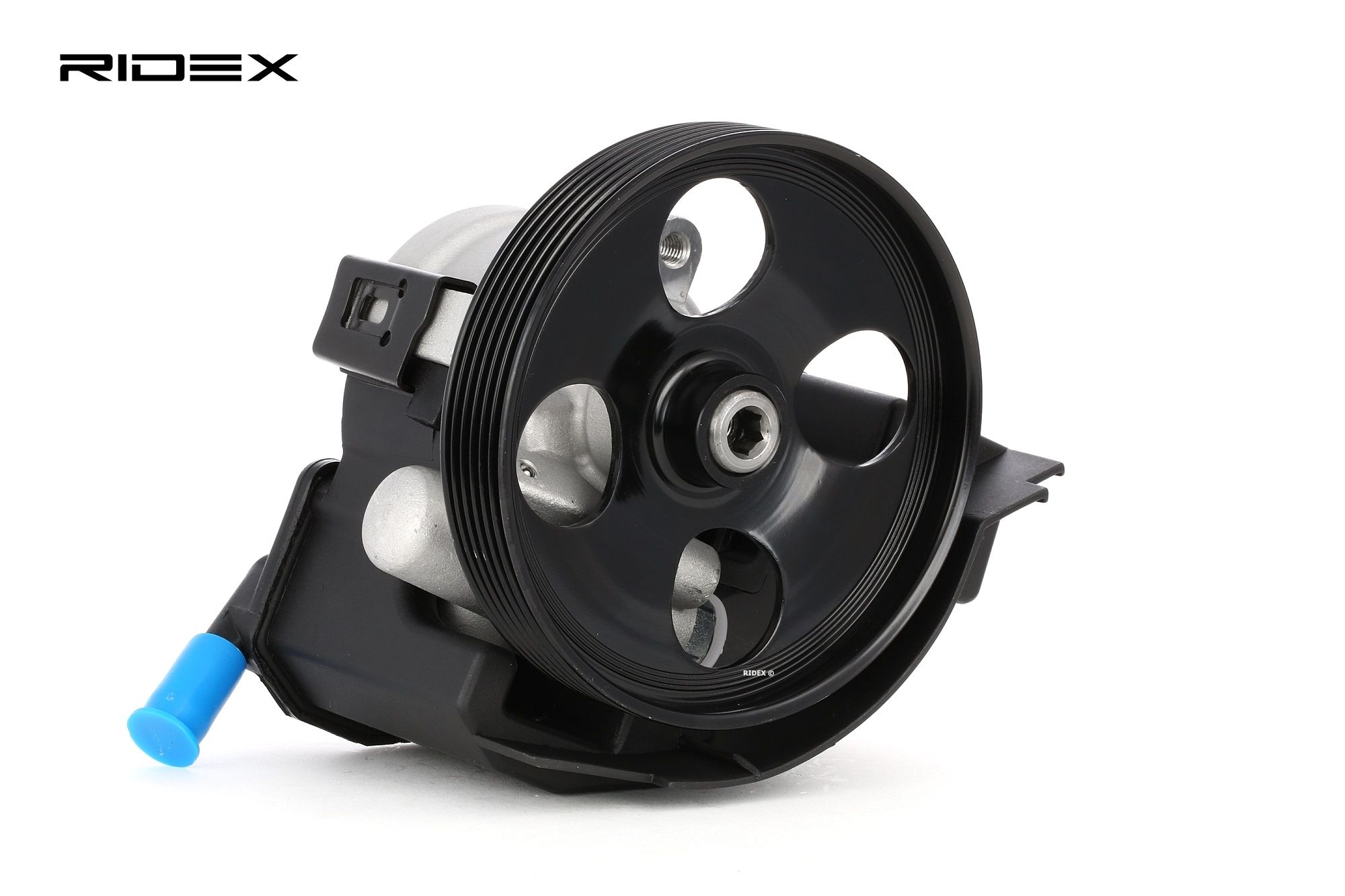
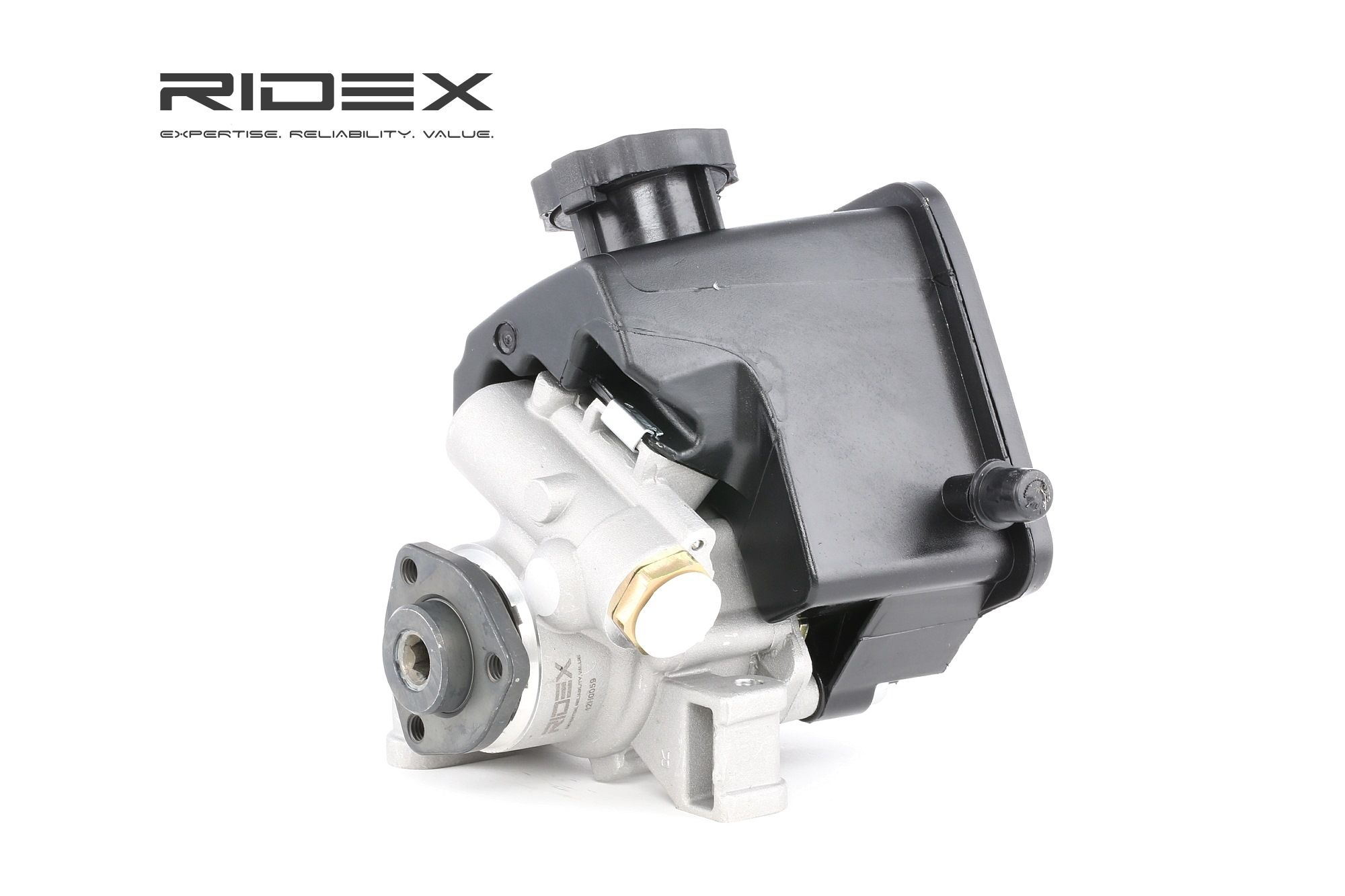 RIDEX Power steering pump
Hydraulic, 120 bar, Triangle, Aluminium, Clockwise rotation, with reservoir
Article number: 12H0059
compared to
RRP
£ 224,70
£ 90,54
Price per item
price incl. 20% VAT, excl. delivery costs
-57%
RIDEX Power steering pump
Hydraulic, 120 bar, Triangle, Aluminium, Clockwise rotation, with reservoir
Article number: 12H0059
compared to
RRP
£ 224,70
£ 90,54
Price per item
price incl. 20% VAT, excl. delivery costs
-57%
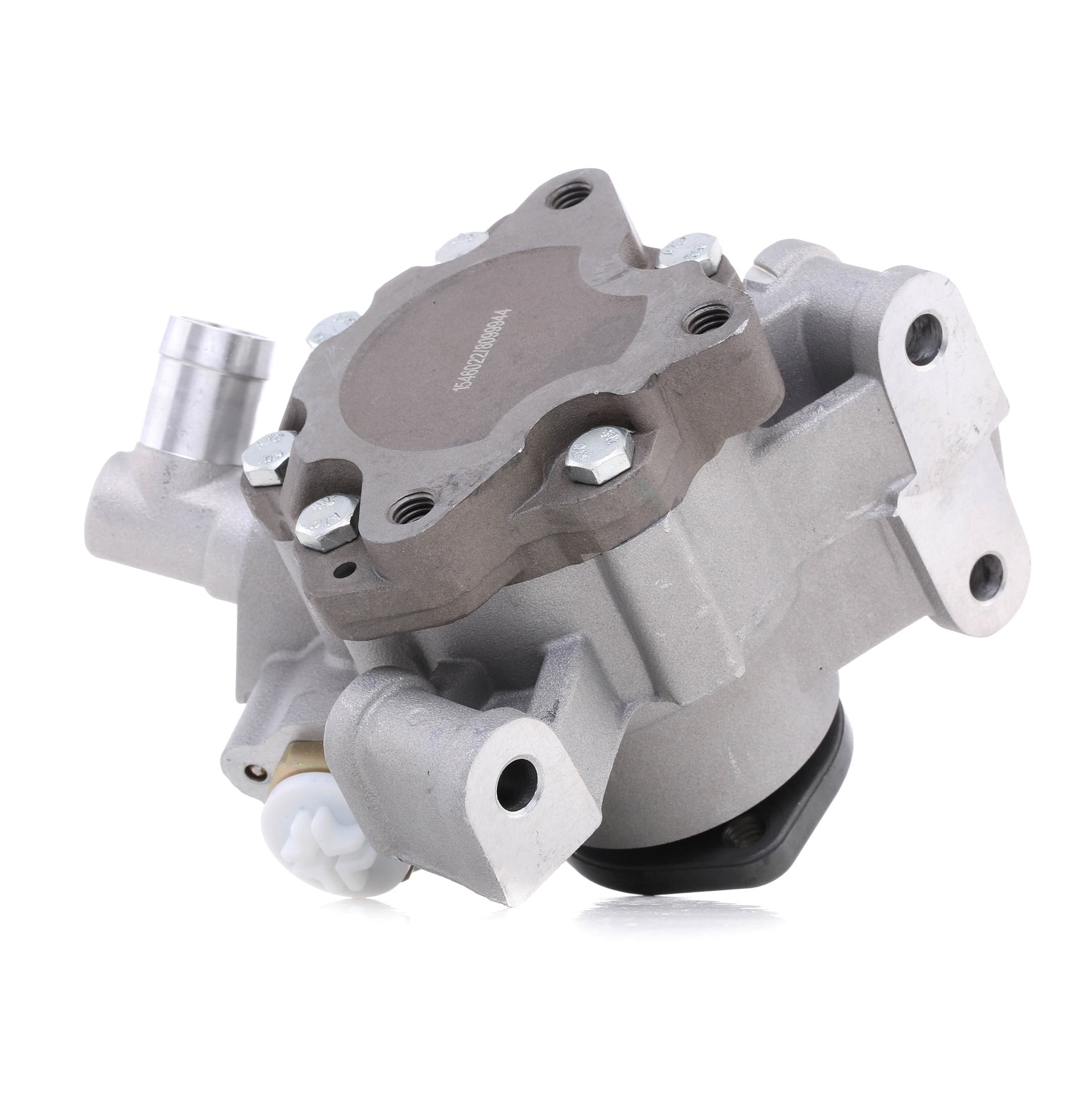 RIDEX Power steering pump
Hydraulic, 80 l/h, for left-hand/right-hand drive vehicles
Article number: 12H0004
compared to
RRP
£ 229,20
£ 96,85
Price per item
price incl. 20% VAT, excl. delivery costs
RIDEX Power steering pump
Hydraulic, 80 l/h, for left-hand/right-hand drive vehicles
Article number: 12H0004
compared to
RRP
£ 229,20
£ 96,85
Price per item
price incl. 20% VAT, excl. delivery costs
How much does a power steering pump replacement cost?
In the UK, replacing the power steering pump costs anything between £150 and £500 when getting it installed at a garage. If you do have the skills and experience to replace it yourself, the part itself can cost as little as £50, depending on the make and model of the vehicle. It normally takes a professional mechanic around 2 to 3 hours to remove and install the component. Unfortunately, it isn’t usually possible to repair the pump as it doesn’t have any serviceable parts.
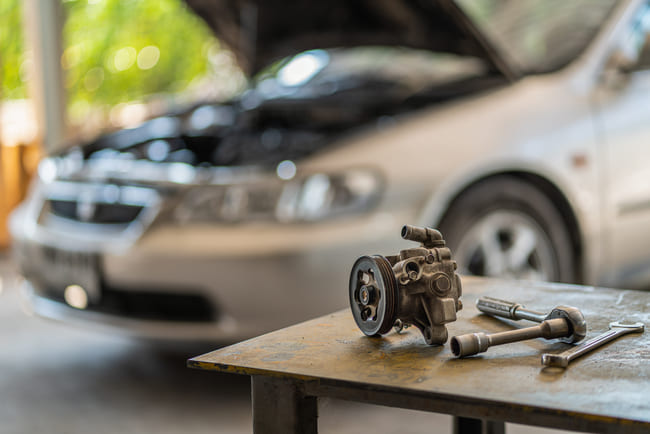
Searching for parts online can help you to find the fairest prices, with a wide variety of brands and designs to choose from. If you want to find a part that is compatible with your vehicle, you can search using the vehicle model and generation, as well as the name of the component, e.g. “2007 Honda Accord power steering pump”. Alternatively, you can search by entering the vehicle’s unique identification number.
Top products related to this topic:
- Ford Focus power steering pump
- Ford Focus electric power steering
- Mini power steering pump
- Electric power steering Corsa
- VW T4 power steering pump