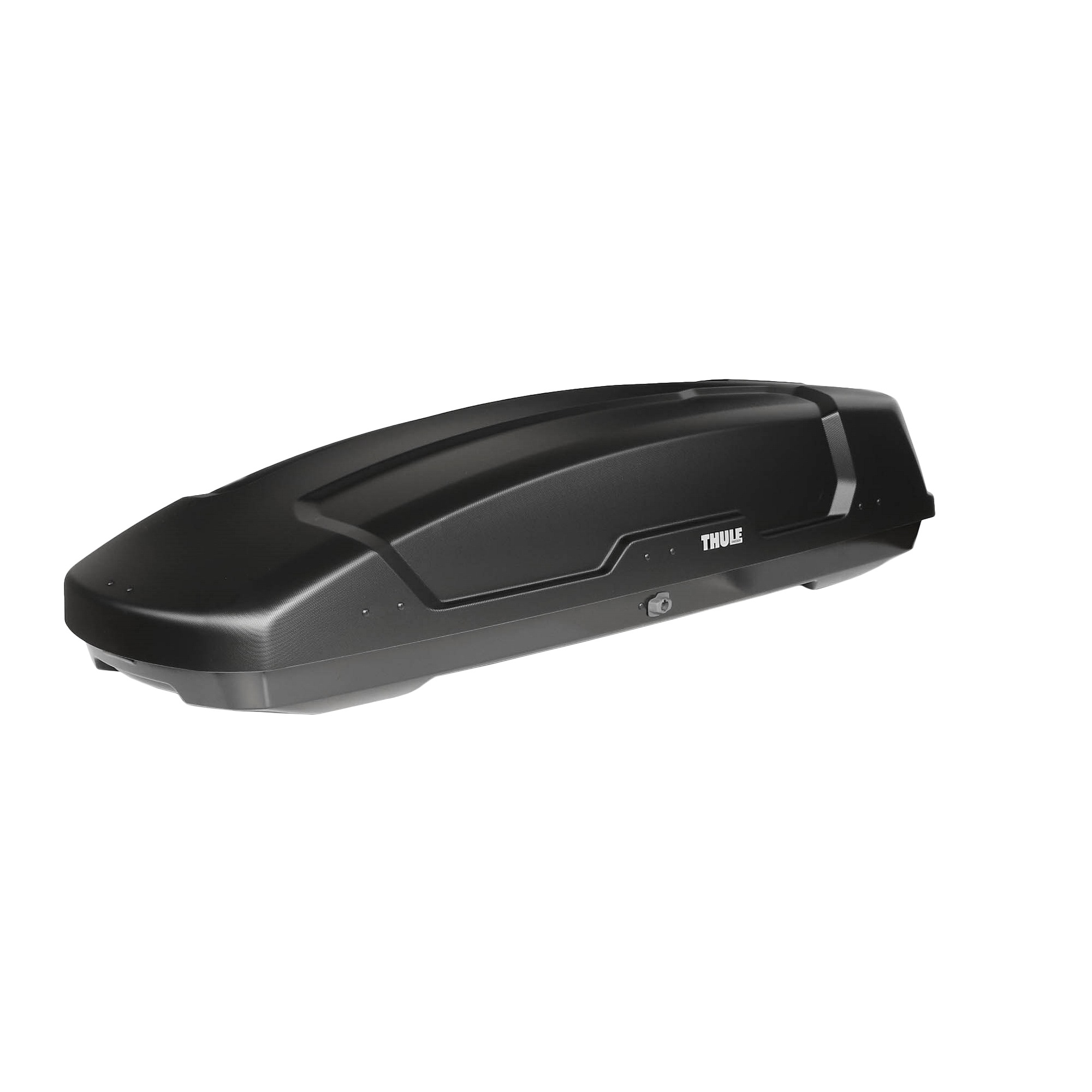
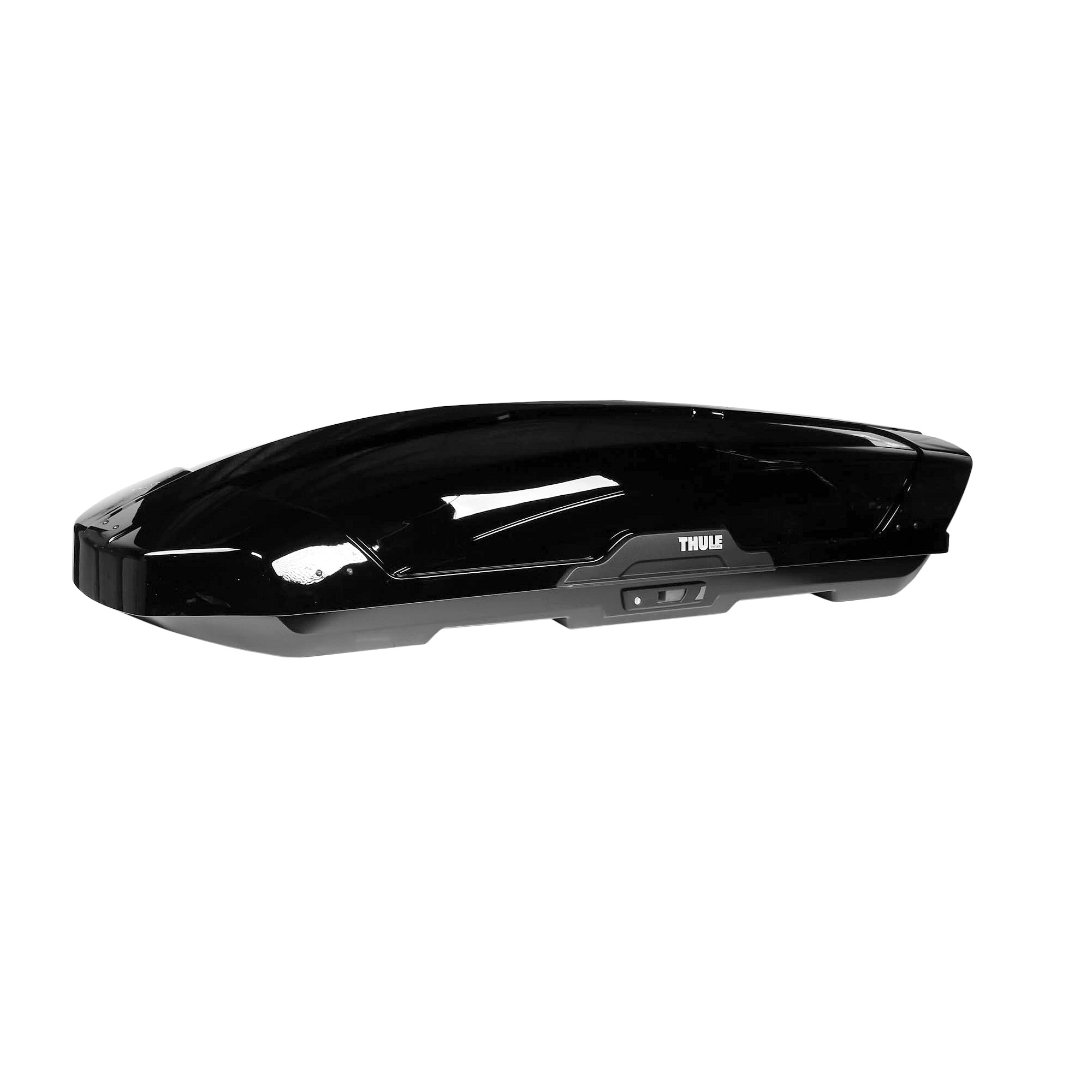
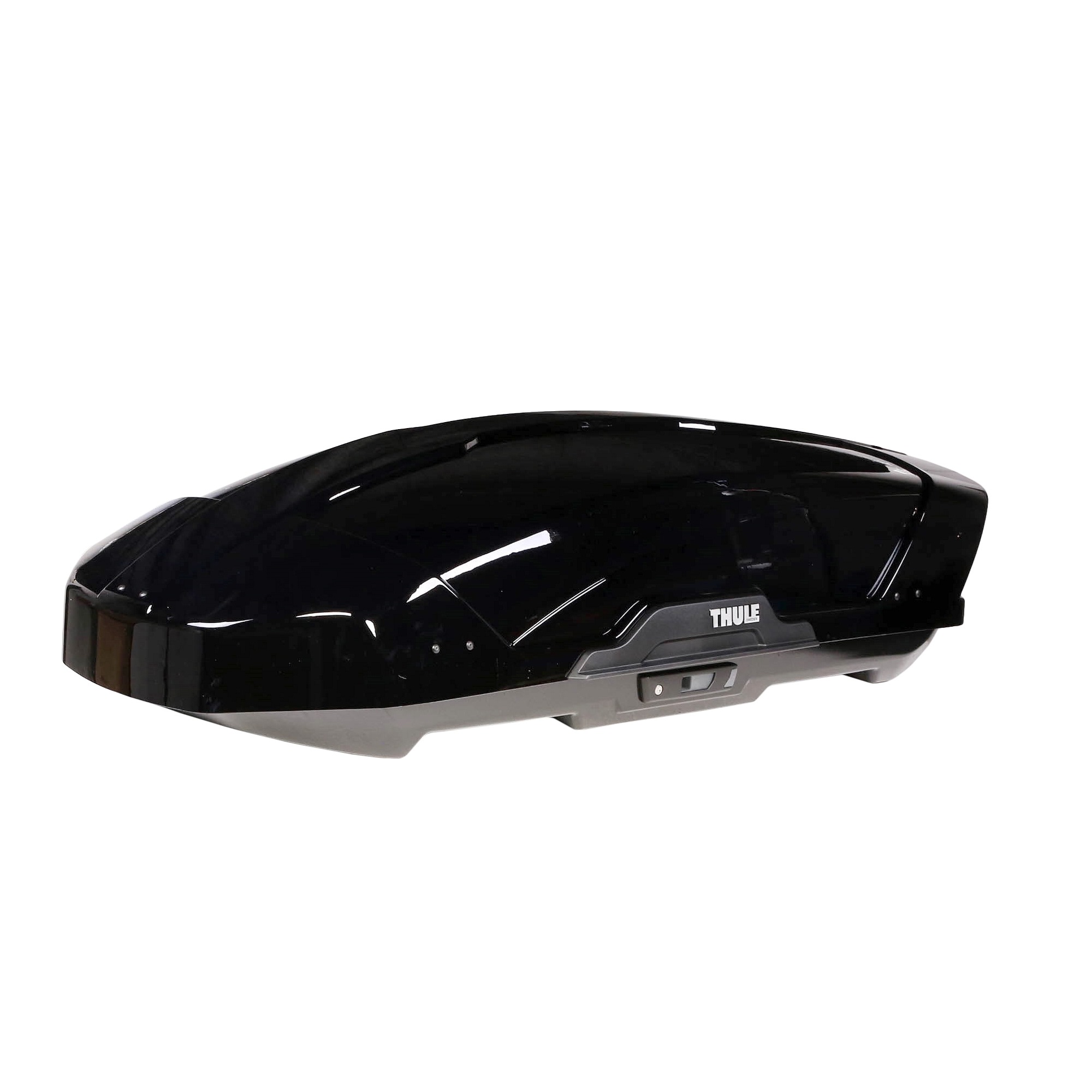
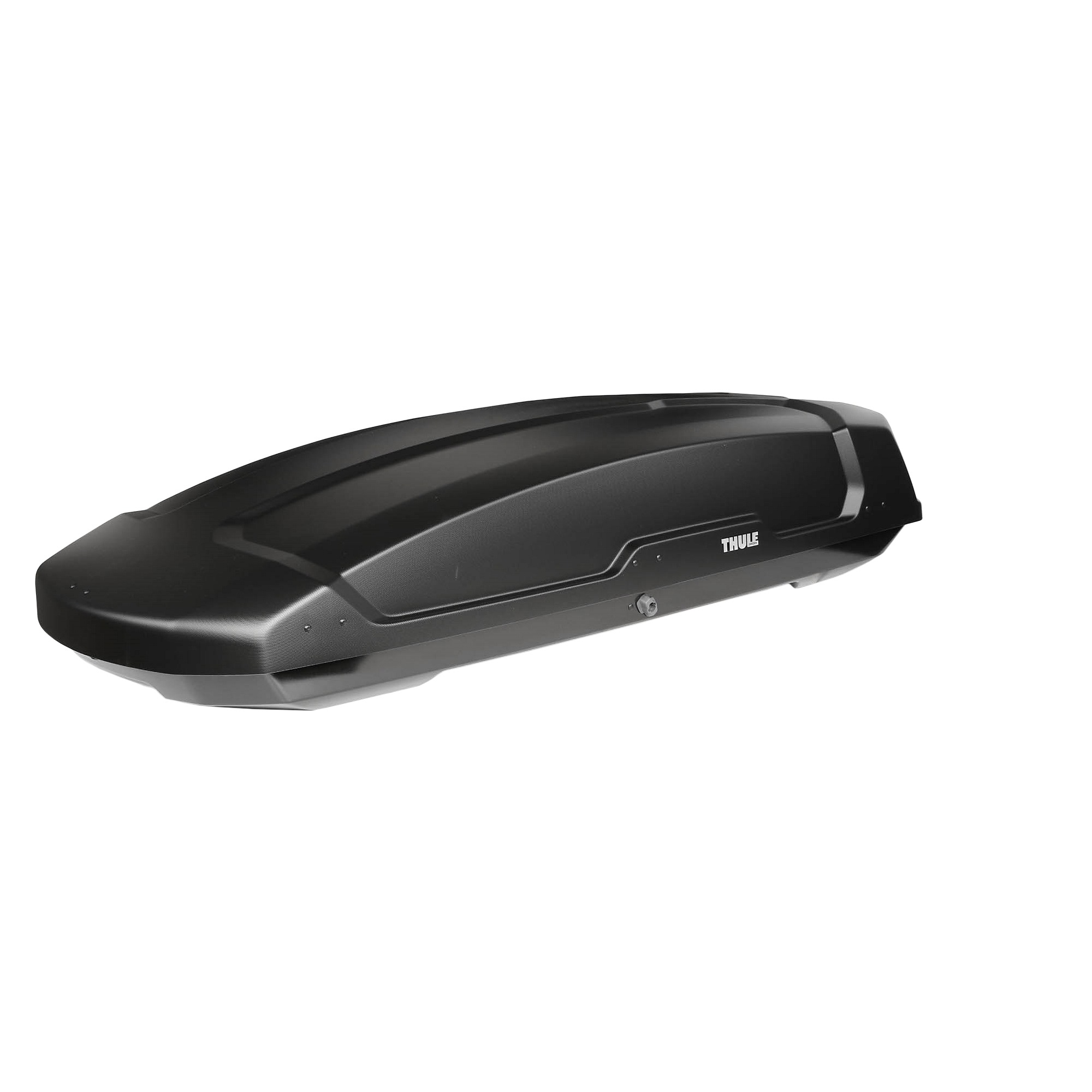
Hapro vs Thule
Hapro and Thule are among the leading manufacturers of roof boxes in Europe and both enjoy an excellent reputation for quality and innovation. Hapro was founded in 1982 in Kapelle, Zeeland, in the Netherlands as part of the VDL Group and specialises in the development of high-quality roof boxes. Thule, on the other hand, is a traditional Swedish brand that was founded by Erik Thulin in Hillerstorp in 1942 and developed into the world's largest manufacturer of roof boxes in 1997. Choosing the right roof box is crucial for safe transport, comfort and fuel efficiency when travelling with additional luggage. This comparison between Hapro and Thule will help you find the ideal roof box for your individual requirements.

Advantages: Hapro or Thule
Hapro Advantages
- Patented Premium-Fit fastening system: The unique fastening system consists of an integrated overall system without separate brackets and small parts, which enables quick, easy and secure installation
- Excellent price-performance ratio: Hapro roof boxes offer comparable volume and quality at more favourable prices than premium competitors
- Generous storage volume: The Traxer series offers between 320 and 530 litres of volume with a constant maximum payload of 75 kg
- Double-sided opening on most models: Most Hapro models such as Traxer and Zenith allow loading and unloading from both sides of the vehicle
- 100% Dutch development and production: All Hapro roof boxes are manufactured in the Netherlands to the highest standards of safety, quality and design
Thule Advantages
- World market leader with over 80 years of experience: Thule has been the world's largest manufacturer of roof boxes with extensive expertise since 1997
- PowerClick quick-fit system with torque indicator: The system emits a clicking sound when the box is properly mounted and guarantees quick and secure fastening
- Aerodynamic design for reduced fuel consumption: The shape of the Thule boxes minimises air resistance and reduces fuel consumption
- SecureLock system with automatic latching: The SlideLock system with separate closing and opening function automatically latches the lid and indicates when the box is securely closed
- One-Key-System compatibility: All Thule Force models are compatible with the One-Key-System so that all Thule products can be operated with one key

Disadvantages: Thule vs Hapro
Hapro Disadvantages
- Reduced storage space due to fastening system: The space required by the fasteners reduces the actual volume - for example, the Traxer 6.6 only has 380 litres available instead of the stated 410 litres
- Higher tare weight: At up to 22 kg, larger Hapro models are heavier than comparable competitor products, which makes assembly more difficult without a second person
- Lack of ski holder integration: Some models do not have integrated ski racks or stabilising recesses in the floor, meaning skis can fall over during the journey
Thule Disadvantages
- Premium price segment: Thule roof boxes are priced significantly higher than comparable models from other manufacturers
- Adapters required in some cases: Additional adapters are required for certain roof rack systems such as SlideBar or Xsporter Pro, which must be purchased separately
- Higher weight for larger models: The Thule Force XT XL weighs 21.3 kg, which makes it more difficult for one person to handle

Comparison table of technical specifications Thule or Hapro
| Feature |
Hapro |
Thule |
| Surface finish |
Glossy or matt (depending on model) |
Matt (Black Matte for Force series) |
| Locking and opening system |
Premium-Fit with central locking and torque indicator |
PowerClick with SecureLock/SlideLock and Central Lock |
| Interior fittings |
Tensioning straps for load securing, some protective mats |
Tensioning straps, compatible with ski holder adapters, one-key system |
| Available sizes and profiles |
320-530 litres (Traxer: 4.6, 5.6, 6.2, 6.6, 8.6; Rider: 4.4, 5.4, 6.4) |
300-500 litres (Force XT: Sport, S, M, L, XL, XXL) |
| Opening direction |
Both sides (except Traxer 6.2 and smaller Rider models) |
On both sides for all Force models |
| Ease of use and reliability |
Simple knob rotation, acoustic feedback when fastened correctly |
One-handed operation with wide grip, automatic engagement |
| Design aesthetics |
Modern, aerodynamic, stylish for family outings |
Slim, aerodynamic, premium design |
| Special features |
Premium fit system fits roof bars up to 95 mm wide, automatic centring |
Compatible with WingBar, SquareBar, SlideBar systems; optional ski holder |

Similarities: Hapro vs Thule
- Both brands offer central locking for all opening points of the roof box
- Opening from both sides is standard on most models from both manufacturers, allowing loading and unloading from both sides of the vehicle
- The maximum payload for both manufacturers is consistently 75 kg for all model sizes
- Both use UV-resistant materials (ABS plastic) for durable and weather-resistant construction
- Tool-free quick assembly systems with acoustic feedback to confirm correct attachment are standard with both brands
- Both manufacturers offer lashing straps for load securing as standard
- The roof boxes of both brands have an aerodynamic design to minimise air resistance
- Both brands have received positive ratings in the ADAC roof box test, especially for their mounting systems
Differences: Hapro vs Thule
| Feature |
Hapro |
Thule |
| Surface finish |
Glossy (silver grey) and matt (anthracite) available |
Primary Matt (Black Matte) |
| Locking system |
Premium-Fit with rotation knob and torque feedback |
PowerClick with SlideLock and separate locking/opening function |
| Interior fittings |
Tensioning straps as standard, no ski holder integration on all models |
One-Key-System compatibility, optional ski holder adapters available |
| Available sizes |
Traxer: 320-530 L, Rider: 320-450 L, Zenith: Premium line |
Force XT: 300-500 L, Motion: 200-600 L |
| Opening options |
Traxer 6.2 only on the right-hand side, smaller Rider models on one side |
All Force models open on both sides |
| Ease of use |
Rotary knob operation, loud clicking noises when fastened |
One-handed operation with wide handle, automatic latching |
| Design aesthetics |
Elegant design with a focus on family friendliness |
Sleek premium design with a focus on aerodynamics |
| Special features |
Automatic centring on the roof rack, fits racks up to 95 mm |
Compatible with various Thule carrier systems, some adapters required |

Conclusion
Hapro and Thule represent two different philosophies in the premium roof box segment. Hapro impresses with its innovative Premium-Fit fastening system, generous volumes and an excellent price-performance ratio, making the brand ideal for price-conscious families and frequent travellers who value easy installation. Thule On the other hand, its premium price is justified by decades of market leadership, superior aerodynamic properties and the sophisticated PowerClick system with one-key compatibility - perfect for users who value maximum quality and a comprehensive accessory ecosystem. Both brands meet the highest safety standards and are equally suitable for ski trips, family holidays and regular transport needs. The choice ultimately depends on the priorities between price (Hapro) and brand prestige with a maximum range of features (Thule).

Frequently asked questions (FAQ)
Which Hapro roof box is best suited for skiers?
The Hapro Traxer 8.6 with a volume of 530 litres is ideal for skiers, as it can transport up to eight pairs of skis and, with an external length of 215 cm, also accommodates long skis up to 210 cm. Alternatively, the Rider 6.4 with a length of 192 cm offers space for up to six pairs of skis when opened on both sides.
Are Thule roof boxes compatible with all roof rack systems?
Thule Force roof boxes are compatible with most Thule carrier systems such as WingBar Evo, WingBar and SquareBar. However, SlideBar and Xsporter Pro require additional T-track adapters (697-6) or Box Ski Carrier Adapters, which must be purchased separately.
How does the Hapro Premium-Fit differ from the Thule PowerClick system?
The Hapro Premium-Fit system is an integrated complete system with a rotation knob that automatically centres itself on the roof rack and fits carriers up to 95 mm wide. The Thule PowerClick system uses a torque indicator with click sound and allows one-handed operation with a wide grip. Both systems are tool-free and provide audible feedback when correctly fitted.
How much does a Hapro roof box cost compared to Thule?
HaproRoof boxes are cheaper than Thule models - while a Hapro with a comparable volume costs around 390 euros, a corresponding Thule box costs around 475 euros or more. Thule-Models such as the Motion 3 or Force 3 XL start at around 599 euros.
How much weight can Hapro and Thule roof boxes carry?
Both Hapro and Thule specify a maximum load of 75 kg for all their model sizes. This load limit applies regardless of the volume of the box, whereby the actual permissible load also depends on the maximum roof load of the respective vehicle.
Which roof box is more aerodynamic - Hapro or Thule?
Both manufacturers use aerodynamic designs to minimise air resistance. Thule particularly emphasises the fuel-saving shape of the Force series, while Hapro scores with the elegant Traxer line. Specific differences in fuel consumption depend on the model and are rated as good for both brands by ADAC.
Are there any problems with the actual storage space at Hapro and Thule?
Hapro found that the space required by the Premium Fit closures reduces the usable volume - for example, the Traxer 6.6 only offers around 380 litres instead of the stated 410 litres. Thule-As a rule, all roof boxes correspond to the specified volume values, whereby the internal volume of all roof boxes is always slightly less than the external volume.


 13 February 2026 (updated)