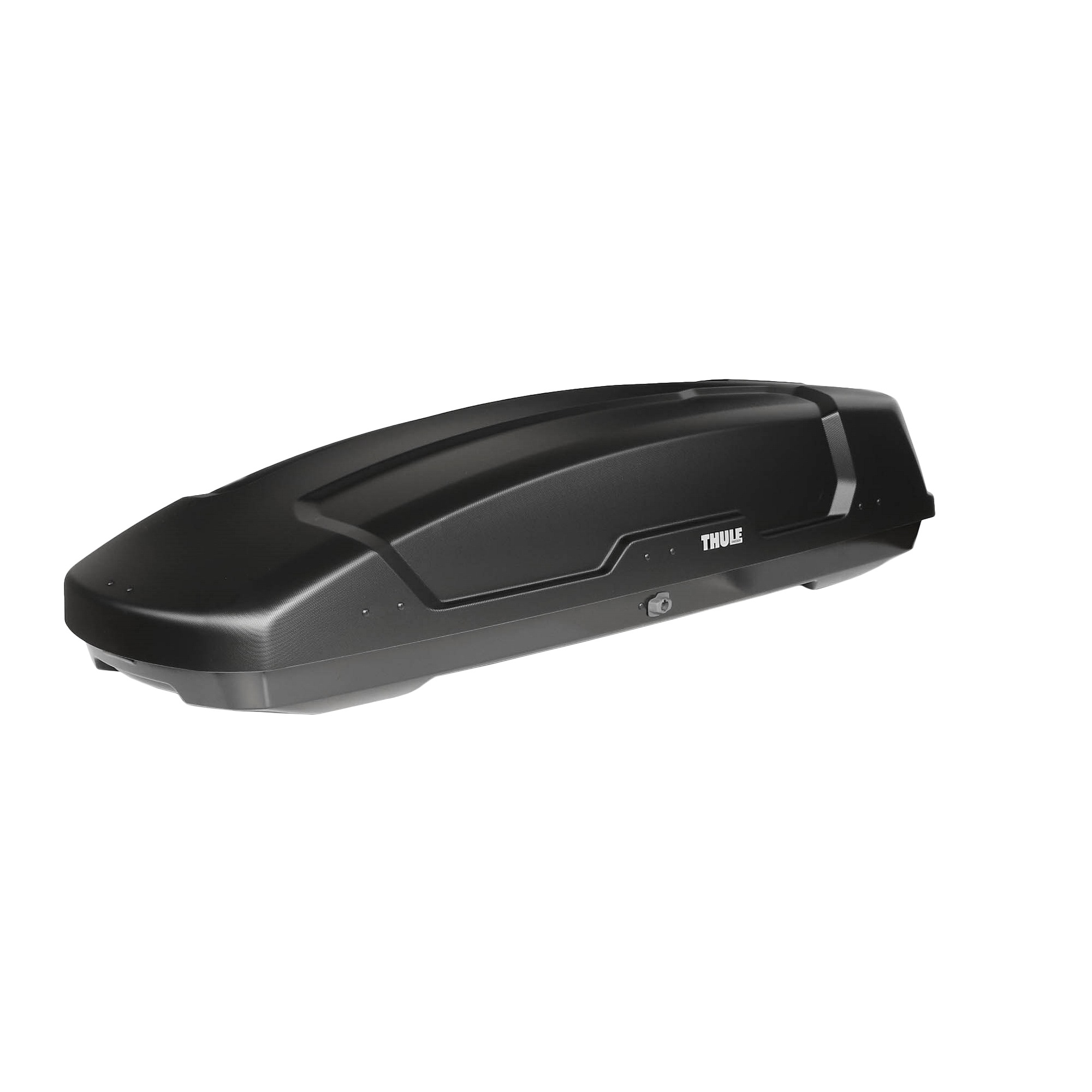
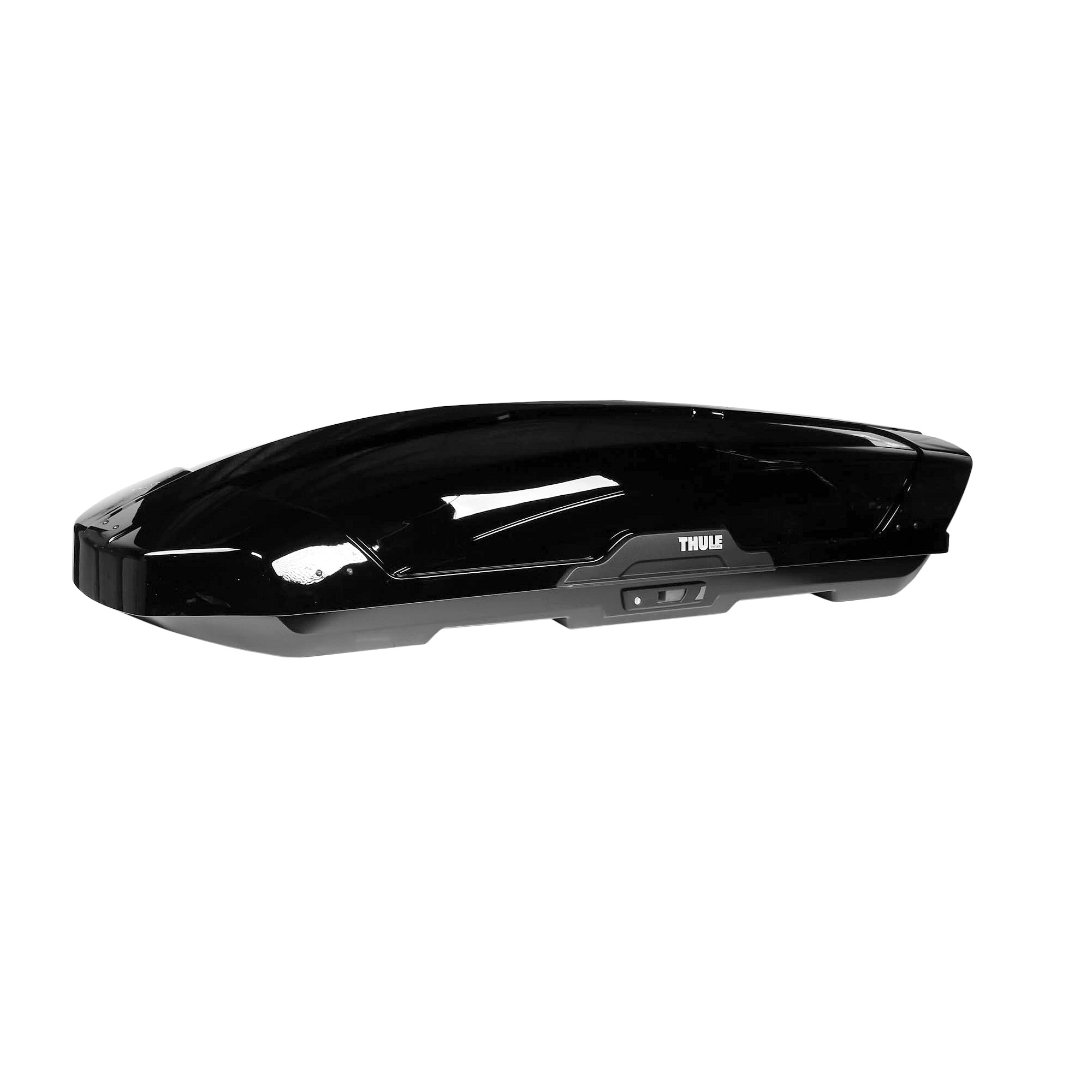
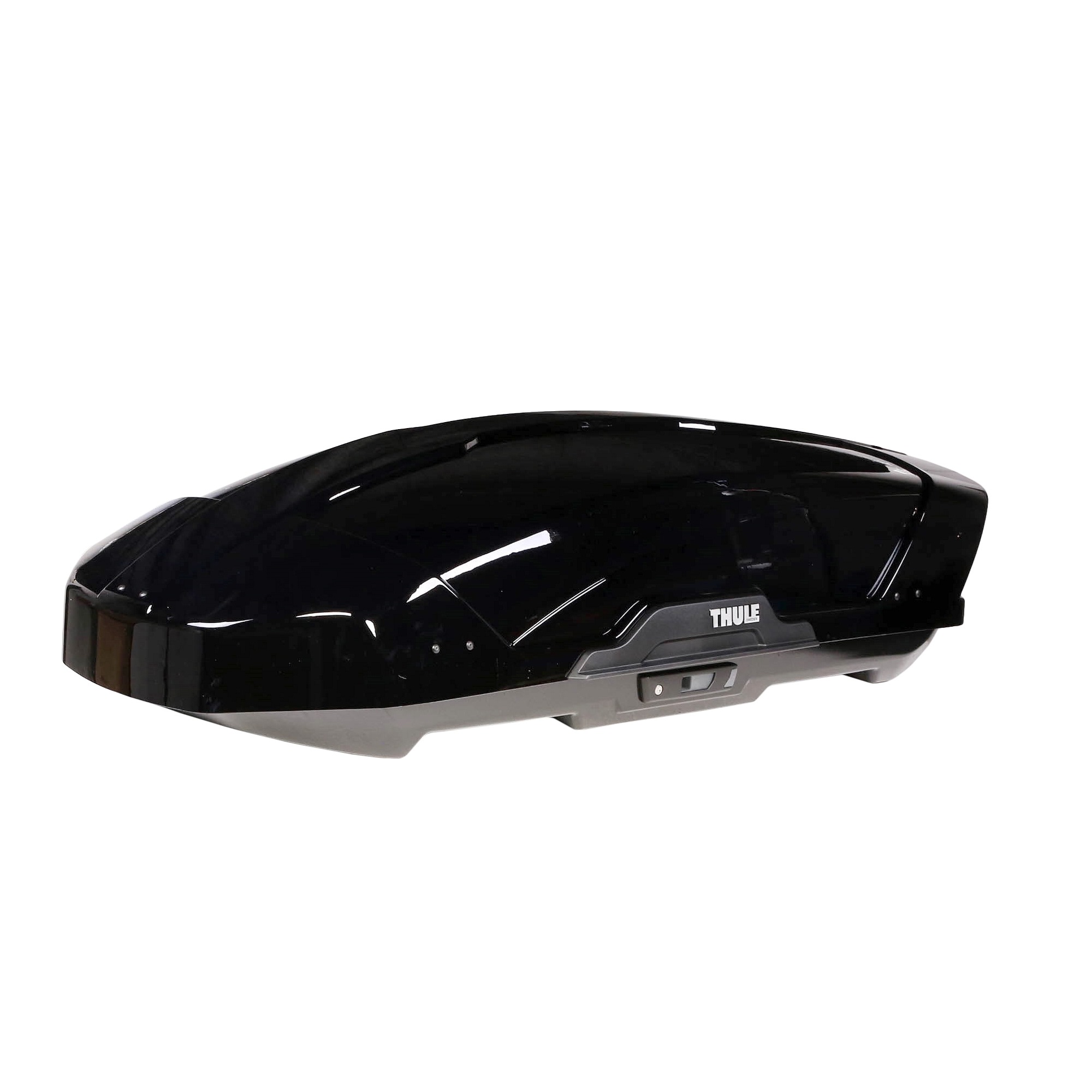
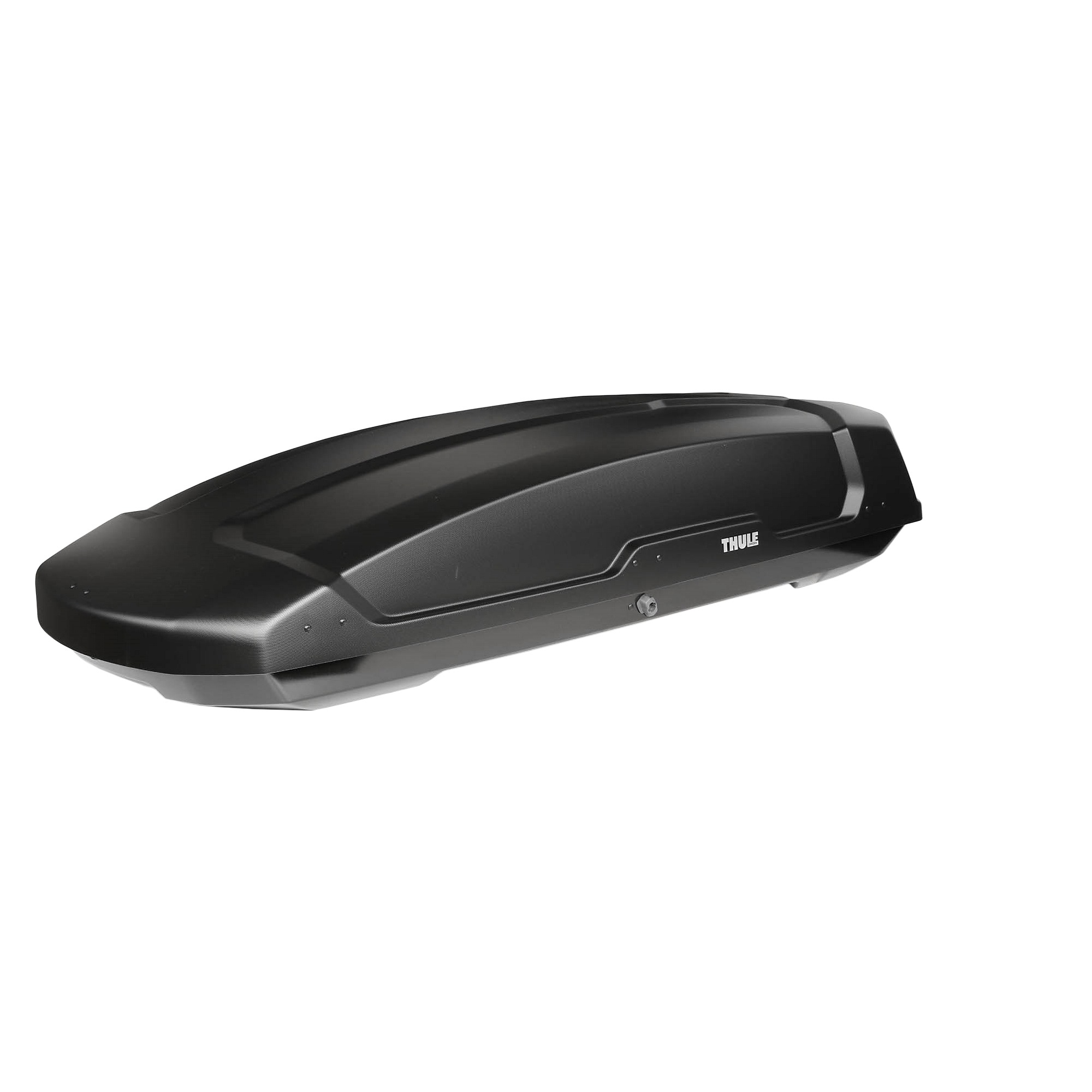
Thule Motion vs Force
Thule is one of the world's leading manufacturers of roof boxes and transport solutions and has built up an excellent reputation for quality, safety and innovation over decades. The Thule Motion series was first launched in 2015 and has been continuously developed, while the Thule Force line has been in the range since 2010 as a reliable and more affordable alternative. Choosing the right roof box is crucial for comfort, safety and functionality when travelling - it must fit the vehicle type, offer sufficient storage space and be easy to use. This comparison article analyses the differences and similarities between the Thule Motion and the Thule Force to help you make your purchase decision.

Advantages: Thule Motion or Thule Force
Thule Motion advantages
- PowerClick quick fastening system: The patented mounting system enables tool-free installation in minutes and emits an audible click once the box is correctly attached, ensuring maximum safety
- Premium aerodynamic design: The streamlined design significantly reduces wind noise and fuel consumption, with a cW value that is among the best in the industry
- DualSide opening: Both sides of the box can be opened, which makes loading and unloading much easier and is particularly advantageous in tight car parks
- High-quality materials and workmanship: The box is made of particularly robust, UV-resistant ABS material with a matt textured surface that conceals scratches and offers a premium look
- Central locking system with TorqueLimiter: The advanced locking system prevents the key from being over-rotated and ensures optimum security against theft
Thule Force advantages
- Excellent value for money: The Force series offers solid quality and functionality at a significantly lower price than premium models
- Robust and proven construction: The reinforced ABS material withstands extreme weather conditions and offers long-lasting protection for the transported goods
- Simple PowerClick mounting system: The Force line also features the tried-and-tested quick fastening system, which enables safe and quick installation
- Generous size selection: With various models from 300 to 620 litres, the Force series covers almost every transport requirement
- Practical grip-friendly design: The ergonomically shaped handles and user-friendly design make everyday handling easier

Disadvantages: Thule Force vs Thule Motion
Thule Motion disadvantages
- Higher purchase price: The Motion series costs around 40-60% more than comparable Force models, which can be a hurdle for budget-conscious buyers
- More sensitive surface: The matt textured surface can show marks if not cleaned or treated properly
- More complex locking system: The advanced locking system requires a little more familiarisation than simpler mechanisms
Thule Force disadvantages
- One-sided opening: Most Force models only open on one side, which limits accessibility in certain situations
- Higher wind noise: The less aerodynamic design can lead to more driving noise at higher speeds
- Glossy surface: The high-gloss finish shows scratches and signs of wear more clearly than matt surfaces
- Simpler locking system: The locking system is functional but less convenient than on premium models
THULE Motion XT Sport roof box
More
THULE Force XT XL roof box
More

Comparison table of technical specifications: Thule Force or Motion
| Feature |
Thule Motion |
Thule Force |
| Surface finish |
Matt textured surface, scratch-resistant |
High-gloss surface |
| Locking and opening system |
Central locking with TorqueLimiter, DualSide opening |
Central locking, predominantly single-sided opening |
| Interior accessories |
Integrated interior lighting (on some models), non-slip mat optional |
No integrated lighting, protective mat optionally available |
| Available sizes and profiles |
200L (XT), 400L (XT), 500L (XT), 600L (XT) - slim, aerodynamic profile |
300L (XT), 420L (XT), 460L (S/M), 620L (XT/L/XL) - different profiles |
| Opening direction |
Both sides (right and left) |
Mainly on the right, some models on the left |
| Ease of use and reliability |
Very high thanks to PowerClick with acoustic feedback and TorqueLimiter |
High thanks to PowerClick system, but without extended convenience functions |
| Design aesthetics |
Premium design with flowing lines, modern look |
Functional design, classic styling |
| Special features |
SlideLock system for easy closing, grip pads, city crash test certified |
Grip-Friendly opening, reinforced construction, TÜV-tested |

Similarities: Thule Motion vs Thule Force
- PowerClick quick fastening system: Both series feature the patented mounting system, which enables tool-free installation with acoustic confirmation
- TÜV/GS certification: All models of both lines are tested and certified according to strict European safety standards
- Central locking system: Both boxes offer a locking system in which one key secures all locking points simultaneously
- UV-resistant ABS material: The construction of both series is based on high-quality, weather-resistant plastic that protects against fading
- Compatibility with Thule roof rack systems: Both product lines fit all standard Thule roof racks as well as most other brand systems
- Aerodynamic basic construction: Although different, both series are designed for a streamlined design
- 5-year warranty: Thule offers a comprehensive five-year manufacturer's warranty on both product lines
- Maximum roof load compatibility: Both series are designed for the standard roof load of most vehicles (50-75 kg)
Differences: Thule Motion vs Force
| Attribute |
Thule Motion |
Thule Force |
| Surface finish |
Matt textured surface |
High gloss surface |
| Locking system |
TorqueLimiter with SlideLock function |
Standard central locking system |
| Interior accessories |
Optional LED interior lighting, premium anti-slip mat |
Basic anti-slip mat optional |
| Sizes/profiles |
200-600L, slimline XT profile throughout |
300-620L, various profiles (S/M/L/XL/XT) |
| Opening options |
DualSide (both sides) for all models |
Mainly one-sided, depending on model |
| Operating comfort |
Maximum convenience with acoustic and haptic feedback |
Good convenience with PowerClick system |
| Design/aesthetics |
Premium design, flowing lines, modern design language |
Functional design, classic look |
| Special features |
City crash test passed, integrated grip pads, optimised aerodynamics |
Reinforced corners, grip-friendly handles, proven robustness |

Conclusion
The Thule Motion and Thule Force represent two different philosophies within the Thule range: the Motion series is aimed at discerning users who value premium design, maximum ease of use and the best aerodynamics, while the Force line represents a solid, practical solution for price-conscious buyers. The Motion is the better choice for frequent motorway drivers who value quiet driving and access from both sides. The Force, on the other hand, is ideal for occasional users, families with a limited budget or as a robust second box that still relies on proven Thule quality. Both series fulfil the highest safety standards and offer reliable protection for your luggage - the decision ultimately depends on personal priorities in terms of comfort, design and budget.

Frequently asked questions (FAQ)
How big is the price difference between Thule Motion and Thule Force?
The Thule Motion models generally cost between 40% and 60% more than comparable Force models. While a mid-size Force XT costs around 350-450 euros, a Motion XT costs 550-700 euros. The price difference reflects the premium features such as DualSide opening, better aerodynamics and higher-quality material processing.
Which roof box is quieter at high speeds? Thule Motion or Force?
The Thule Motion is significantly quieter at motorway speeds, as its aerodynamic design has been specially optimised to reduce noise. Independent tests show that the Motion is around 3-5 dB quieter than the Force at 120 km/h, which is subjectively perceived as noticeably more pleasant. This is a relevant comfort factor for long-distance travellers.
Can I retrofit the Thule Force with an opening on both sides?
No, it is not possible to retrofit the Thule Force with a double-sided opening, as this would require design changes to the housing and locking system. The DualSide function is an exclusive feature of the Motion series. If double-sided access is important to you, you should go straight for the Motion series.
What is the difference in assembly time between Thule Motion and Force?
Both series use the identical PowerClick quick fastening system, so the assembly time is practically identical - around 5-10 minutes for initial assembly. The difference lies more in the convenience: the Motion gives even clearer feedback on correct fastening thanks to the TorqueLimiter system. Once you have familiarised yourself with both models, installation only takes 2-3 minutes.
Which roof box offers better protection in the event of an accident?
Both roof boxes fulfil the same TÜV/GS safety standards, but the Thule Motion has also passed the voluntary city crash test, which simulates impact scenarios at low speeds. In practice, both models offer excellent protection for the contents, but the Motion has a slight advantage in terms of crash safety thanks to its reinforced impact zones.
Is it worth investing in the Thule Motion for occasional users?
For users who only use their roof box 2-3 times a year, the Force is in most cases the more economical choice. The Motion is particularly worthwhile for frequent users (more than 10 uses per year), long-distance travellers or if access from both sides is important due to the parking situation. The additional costs are amortised by the increase in comfort and lower fuel consumption, especially with intensive use.
What size should I choose for a mid-size SUV with Thule Motion vs Force?
For a typical mid-size SUV (e.g. VW Tiguan, BMW X3), we recommend the 400L or 600L model (XT) for the Motion and the 420L or 460L model for the Force. It is important that the box does not protrude beyond the front of the vehicle and takes up a maximum of 85% of the roof length. Before buying, check the maximum roof load of your vehicle (usually 75 kg) and subtract the weight of the box (13-23 kg depending on the model) and your luggage.


 13 February 2026 (updated)