Table of Contents

 21 April 2026 (updated)
 How Cluster Lights Work
Cluster lights are a popular choice for both decorative and automotive applications, but their function and design differ significantly. Whether adding dense sparkle to a festive display or illuminating a vehicle's dashboard, the underlying principles are tailored to a specific role.
Sold by AUTODOC Sold by AUTODOC Sold by AUTODOC Sold by AUTODOC Sold by AUTODOC
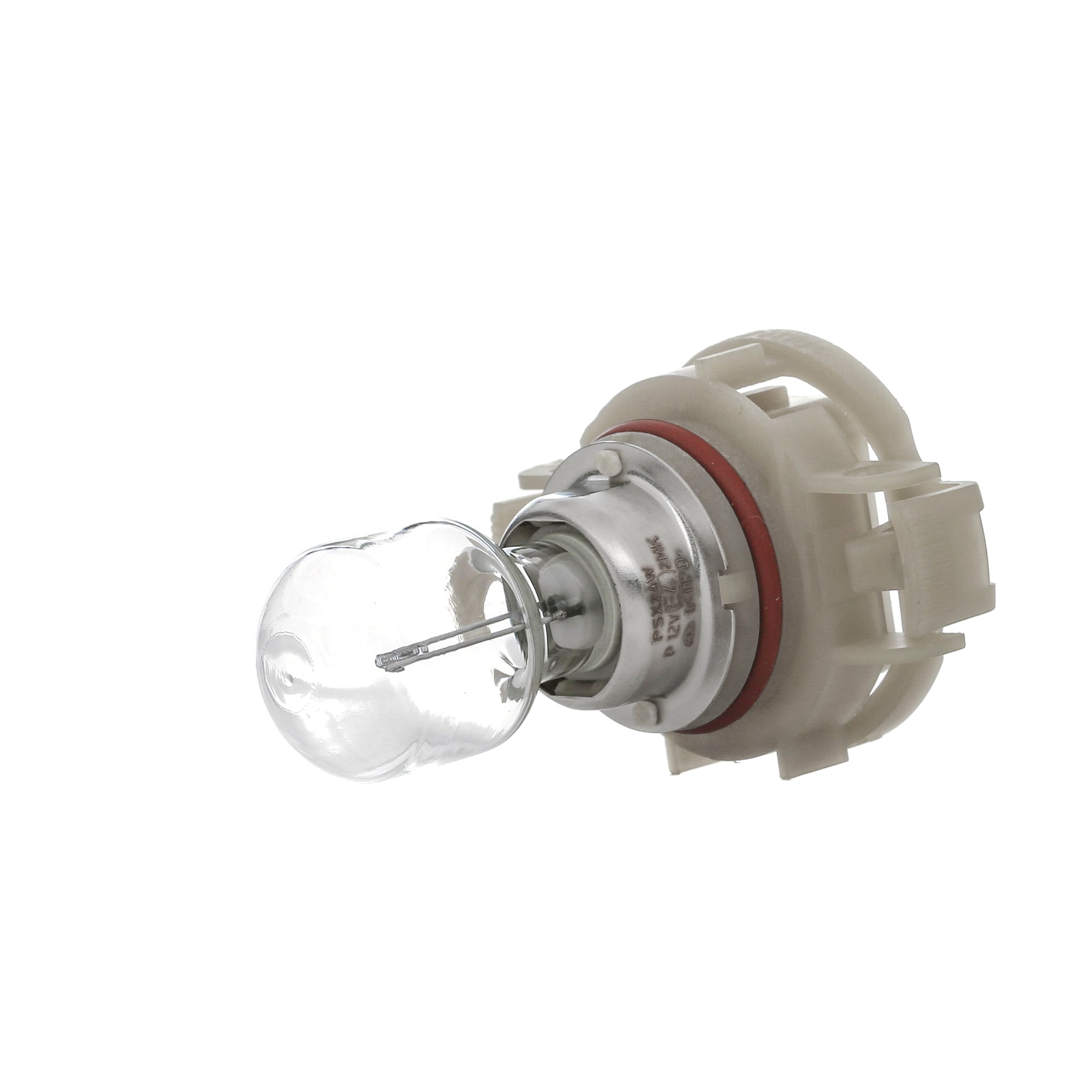
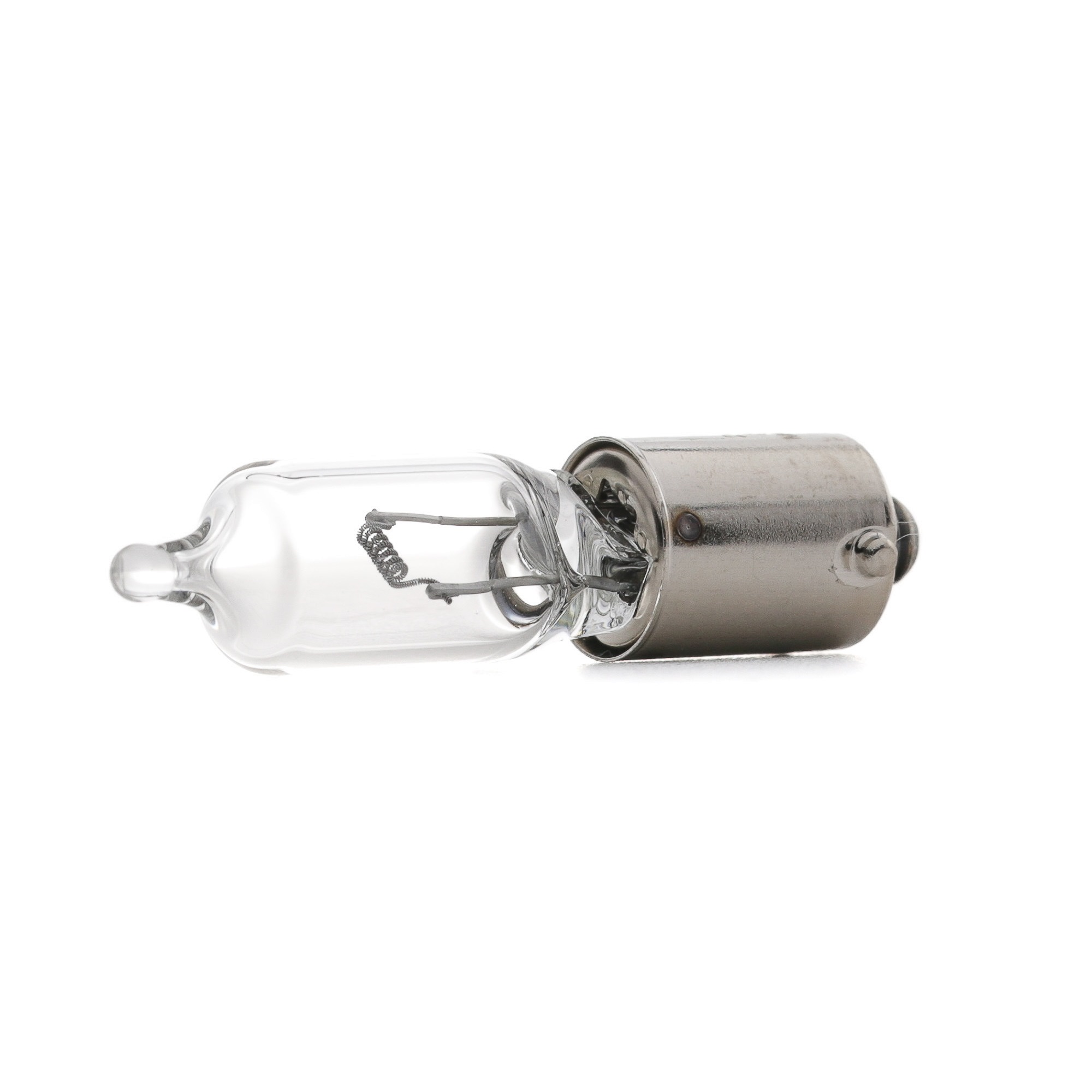
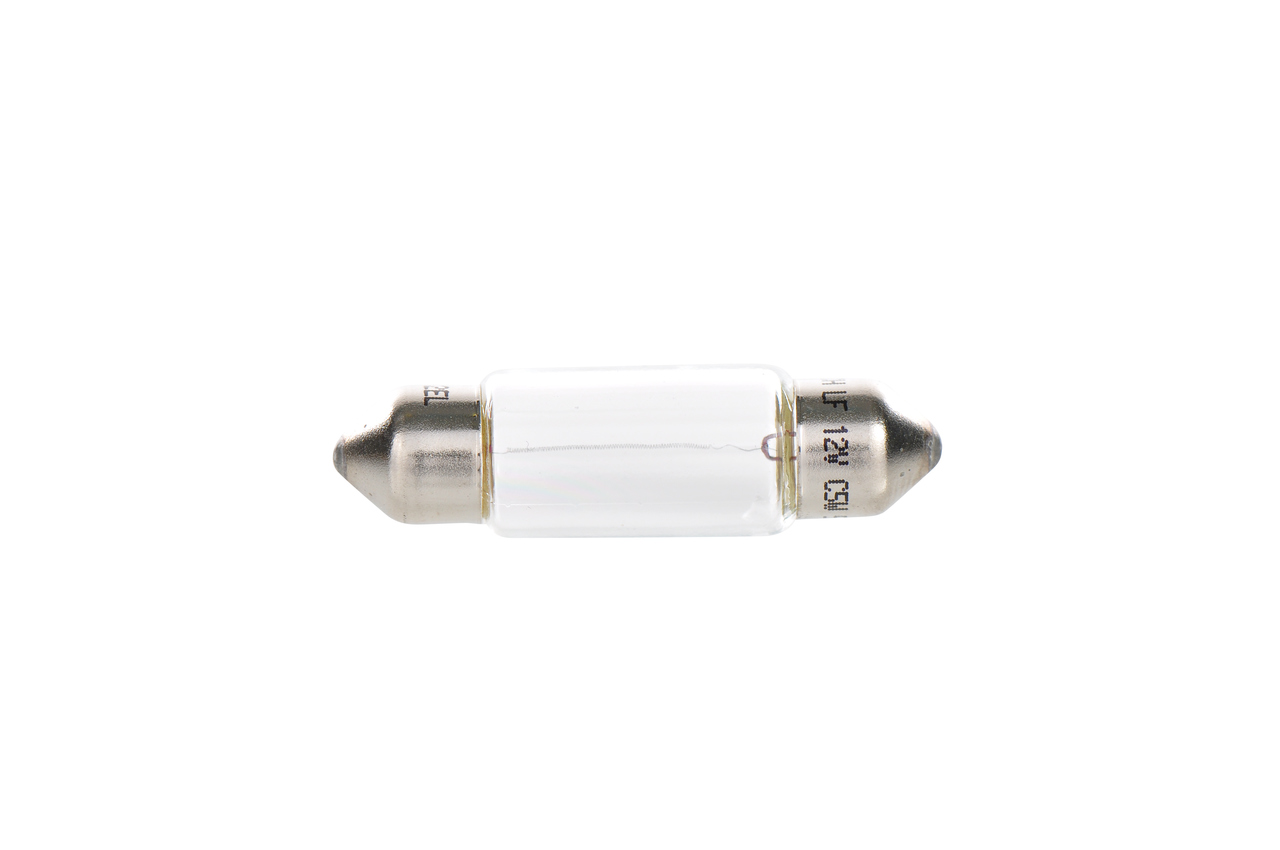
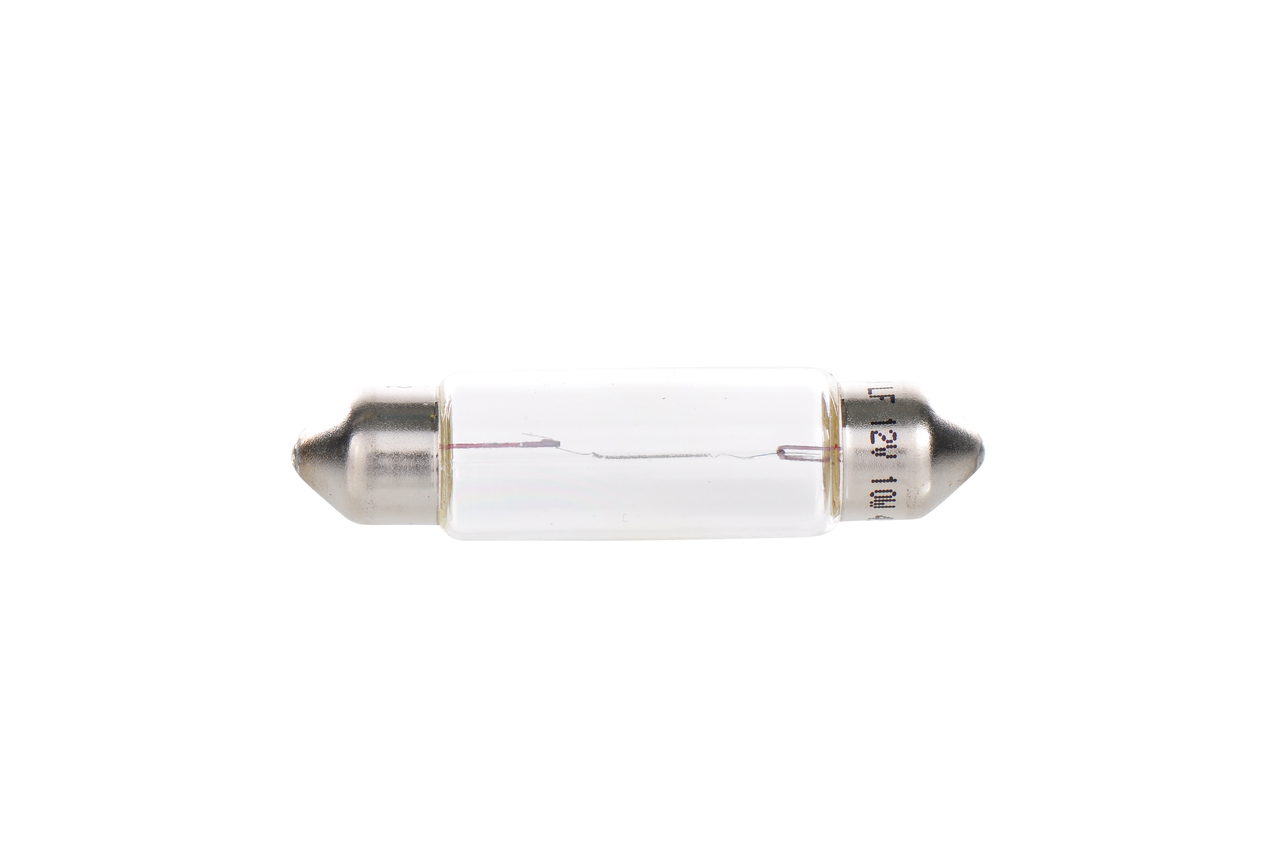 BOSCH Bulb
12V 10W
Article number: 1 987 301 014
£2. 29
Price per set of 2 pieces
price incl. 20% VAT, excl. delivery costs
BOSCH Bulb
12V 10W
Article number: 1 987 301 014
£2. 29
Price per set of 2 pieces
price incl. 20% VAT, excl. delivery costs
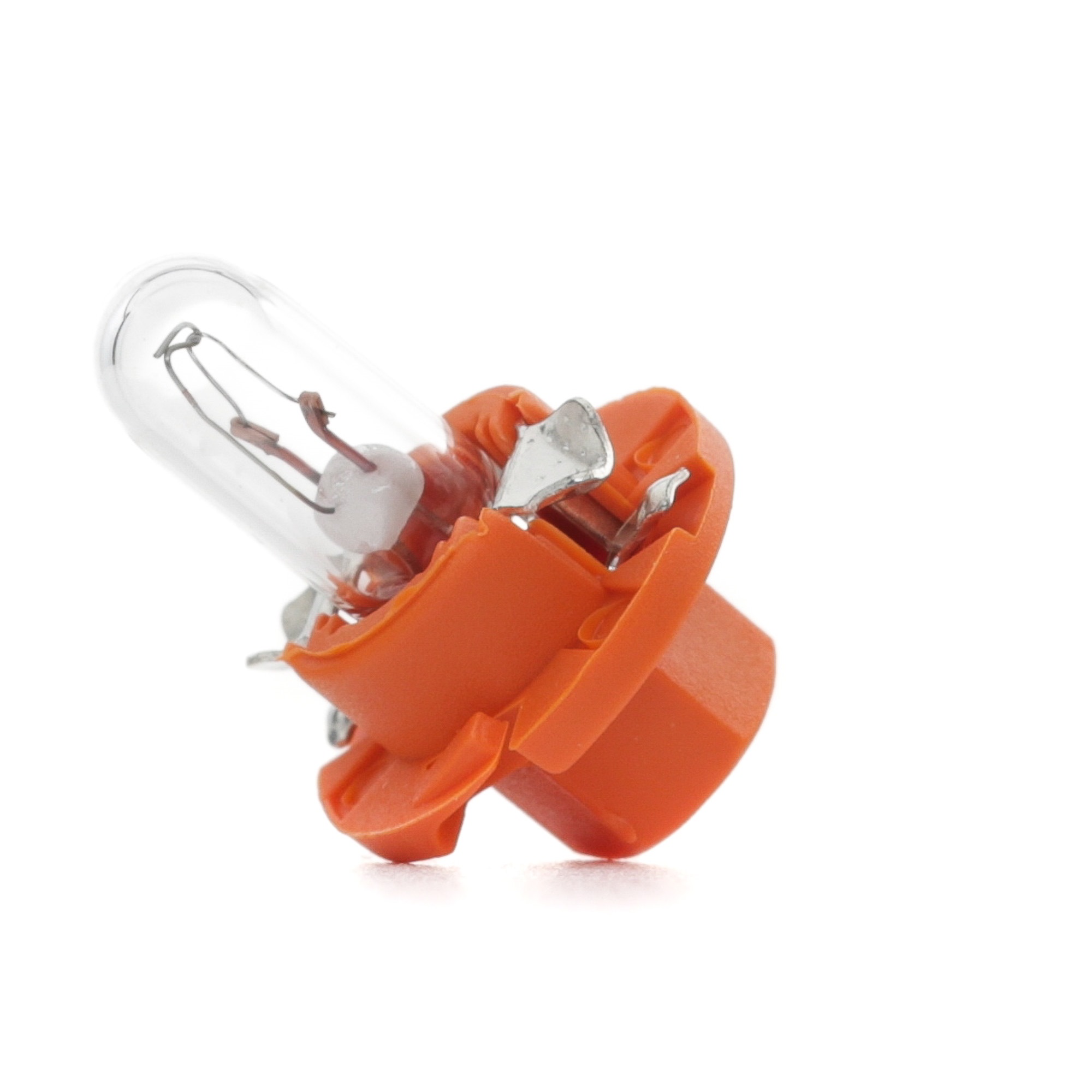
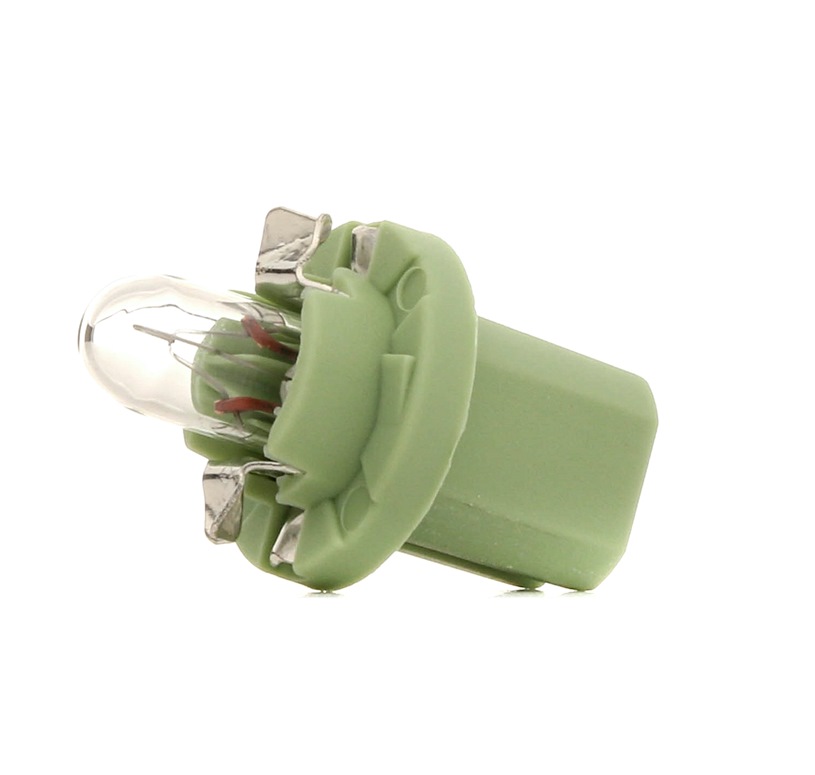
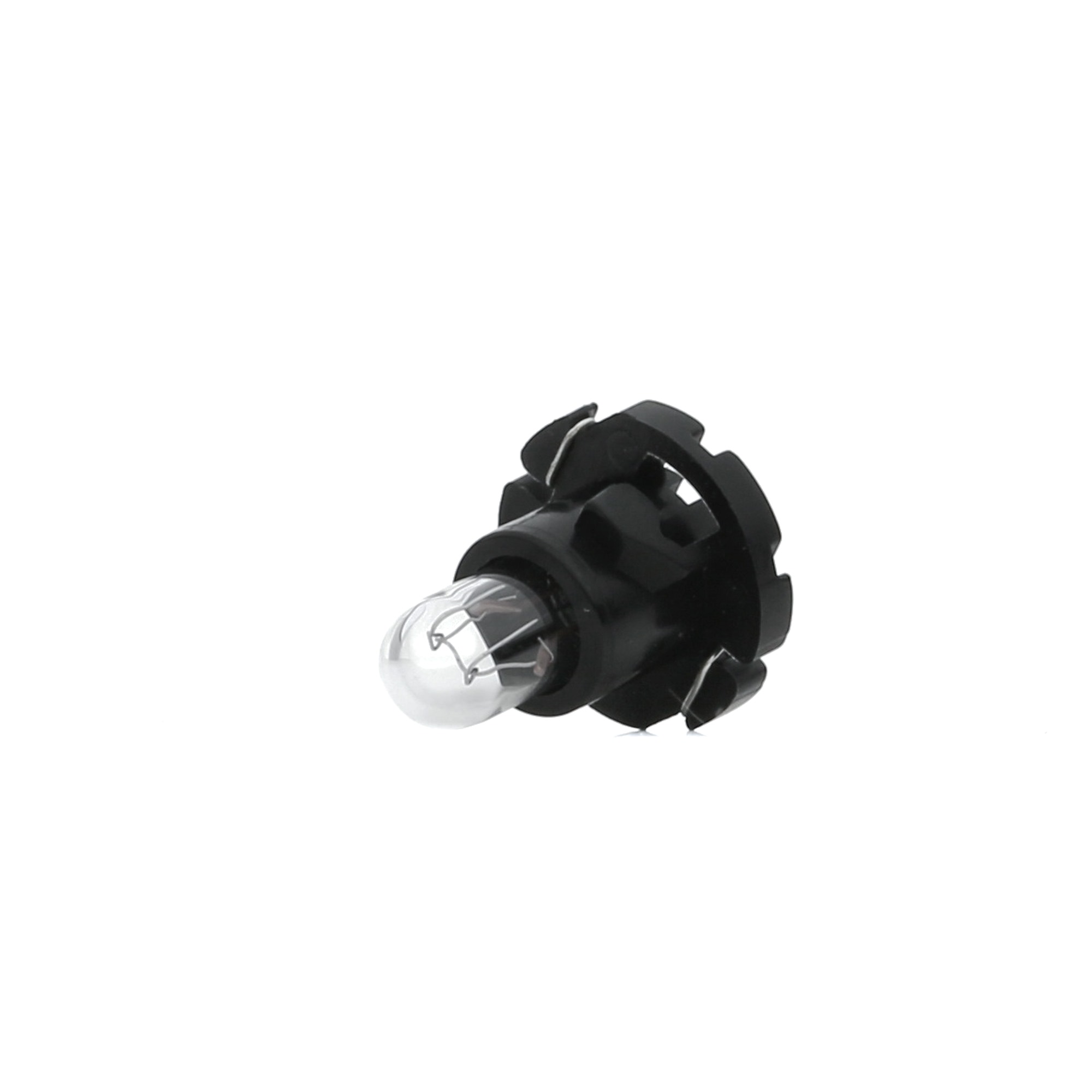 DT Spare Parts Dashboard bulb
24V 1,2W, Socket Bulb, black
Article number: 1.21569
£5. 59
Price per item
£11.18 / Price per 2 items
price incl. 20% VAT, excl. delivery costs
DT Spare Parts Dashboard bulb
24V 1,2W, Socket Bulb, black
Article number: 1.21569
£5. 59
Price per item
£11.18 / Price per 2 items
price incl. 20% VAT, excl. delivery costs
 Article number: 2351MFX6
£1. 99
Price per item
£3.98 / Price per 2 items
price incl. 20% VAT, excl. delivery costs
Article number: 2351MFX6
£1. 99
Price per item
£3.98 / Price per 2 items
price incl. 20% VAT, excl. delivery costs
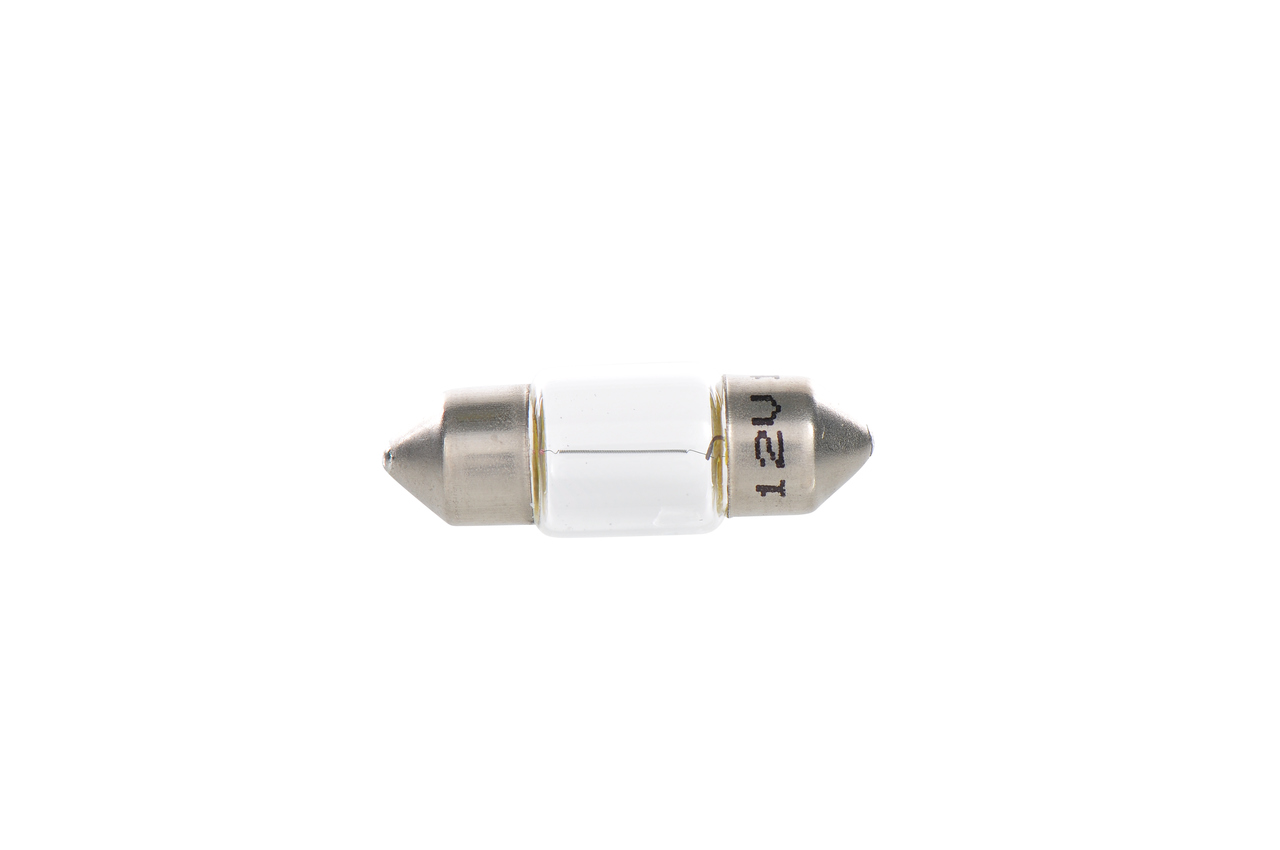
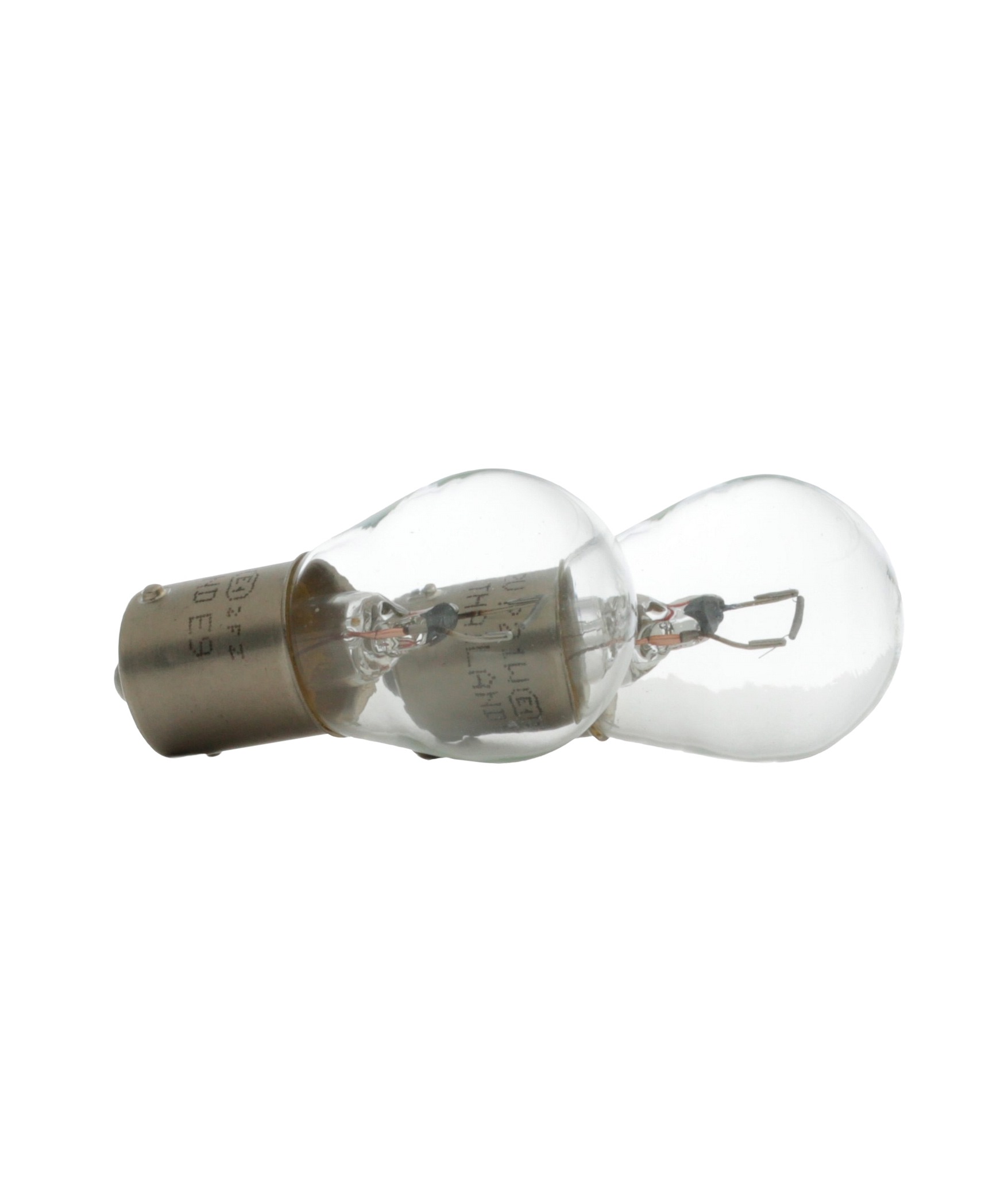
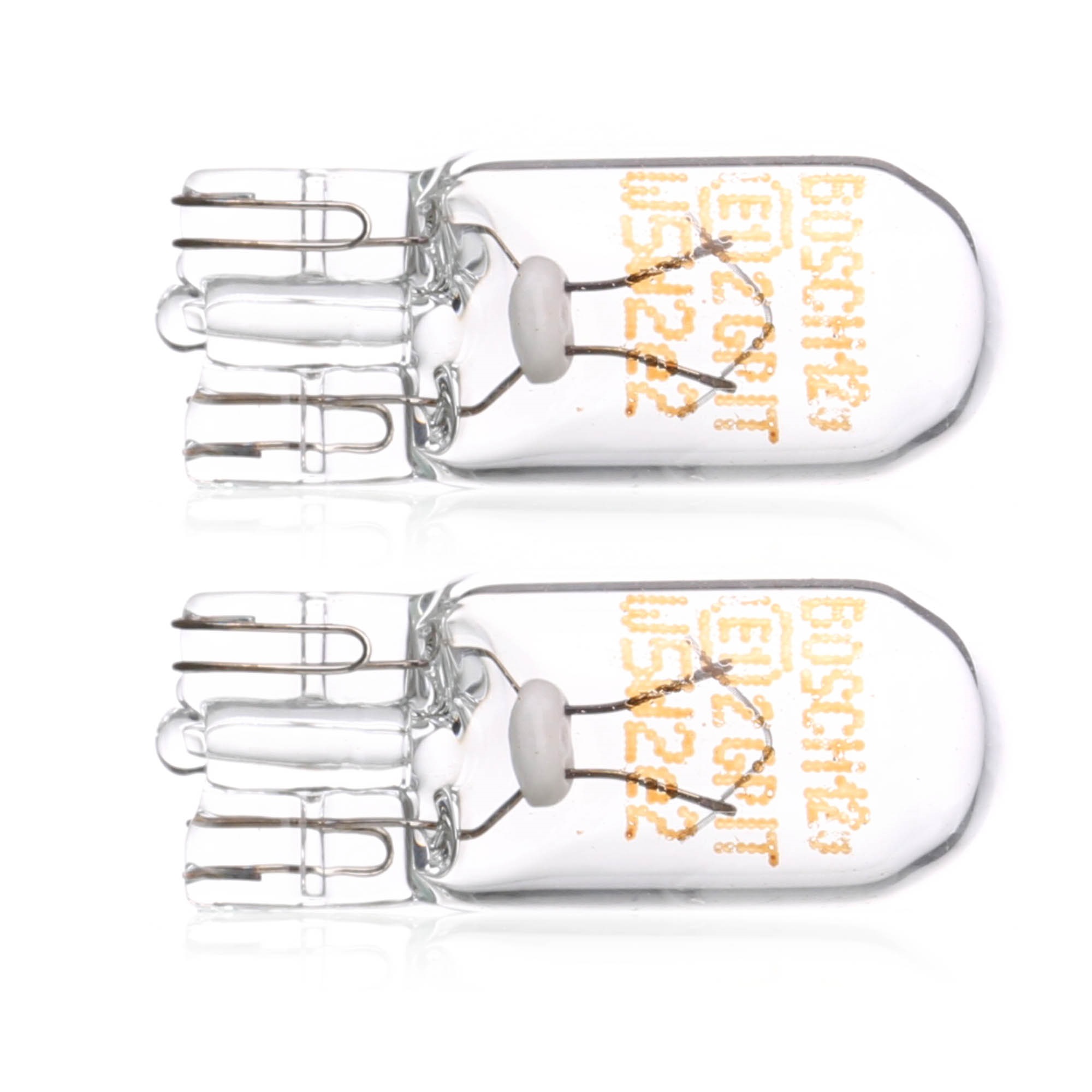 BOSCH Bulb
12V 5W, W5W
Article number: 1 987 301 026
£1. 99
Price per set of 2 pieces
price incl. 20% VAT, excl. delivery costs
BOSCH Bulb
12V 5W, W5W
Article number: 1 987 301 026
£1. 99
Price per set of 2 pieces
price incl. 20% VAT, excl. delivery costs
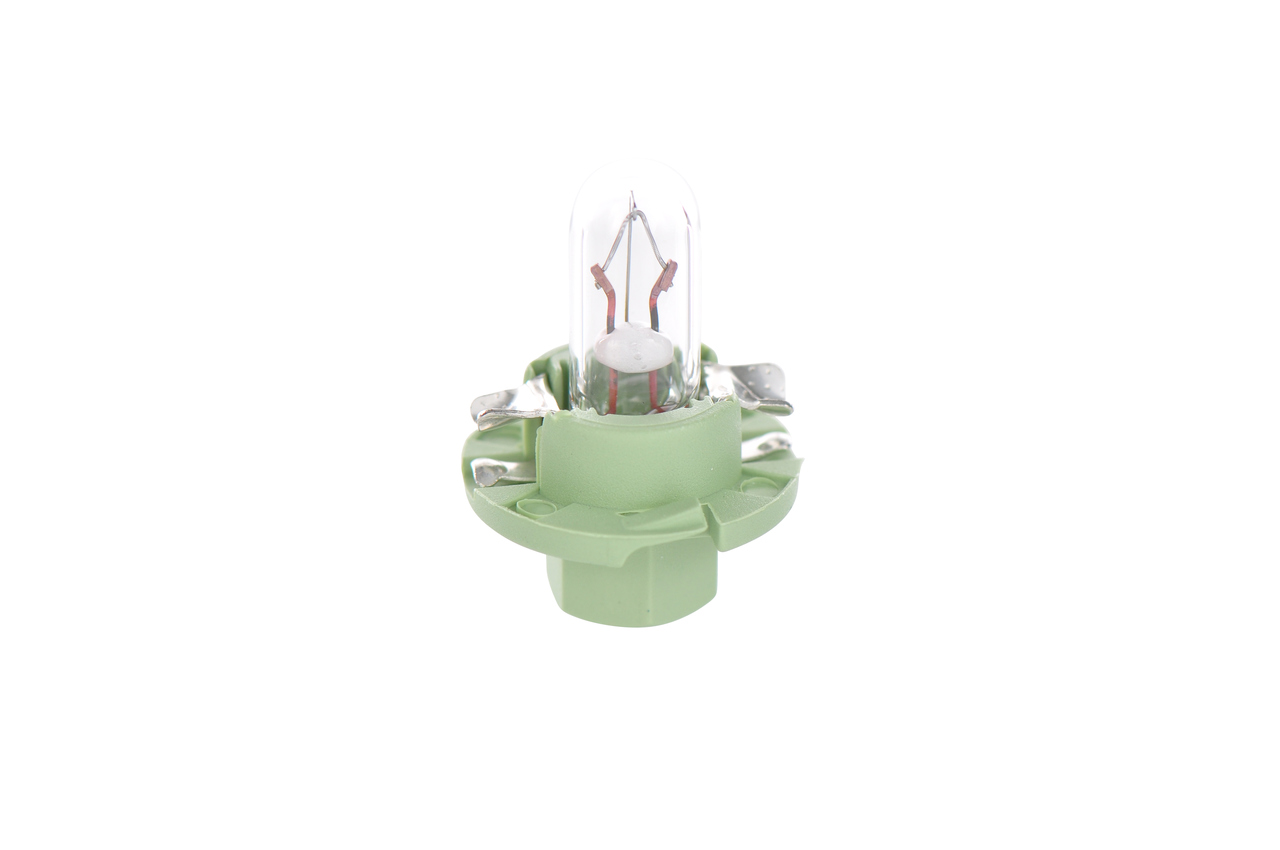
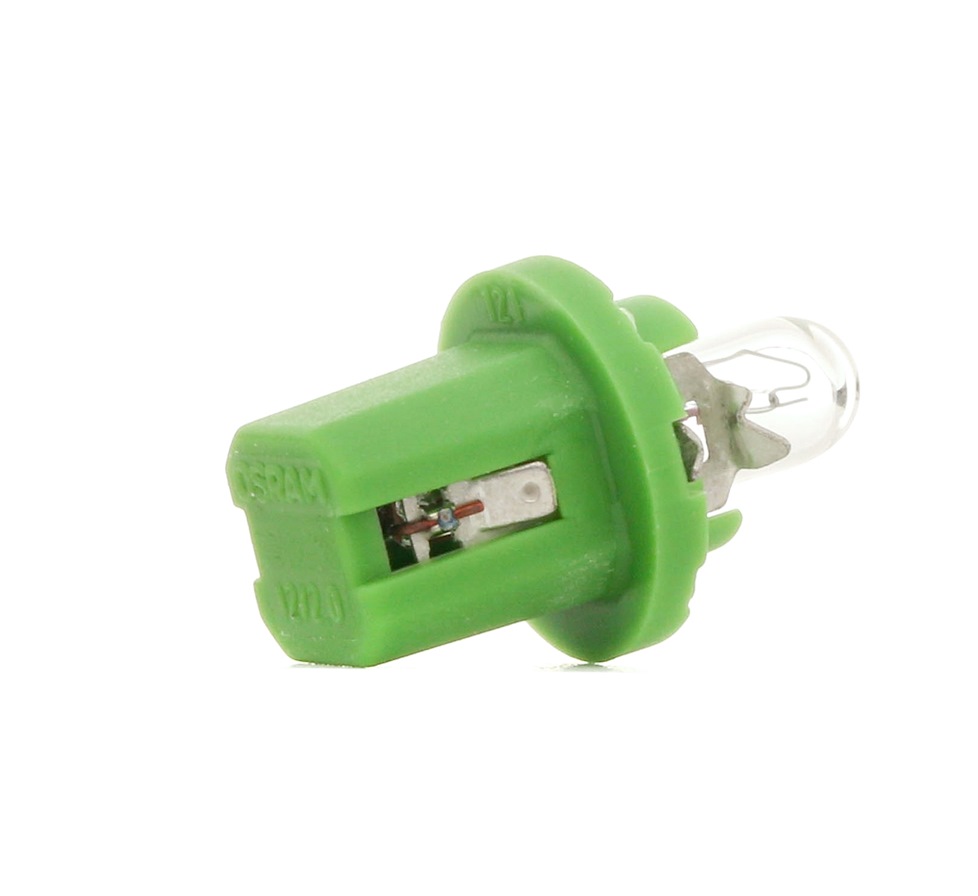 OSRAM Dashboard bulb
12V 2W, Socket Bulb, B8.5d
Article number: 2722MF
£1. 29
Price per item
£2.58 / Price per 2 items
price incl. 20% VAT, excl. delivery costs
OSRAM Dashboard bulb
12V 2W, Socket Bulb, B8.5d
Article number: 2722MF
£1. 29
Price per item
£2.58 / Price per 2 items
price incl. 20% VAT, excl. delivery costs
Decorative Cluster Lights
Decorative cluster lights, commonly used for holidays and events, are engineered to create a brilliant, condensed lighting effect. They feature a high density of light-emitting diodes (LEDs) packed closely together on a string, producing a brighter and more intense glow than traditional lights where bulbs are spaced further apart.
Most modern decorative cluster lights use reliable and energy-efficient LEDs. For safety, always ensure they carry the legally recognised conformity marking required for their product category — such as UKCA or CE marking, as applicable for the GB market. Many modern LED sets are designed so that a single lamp failure is less disruptive than with older designs; however, behaviour on lamp failure can vary depending on the set. Modern LED cluster strings are typically sealed units and are not designed to be repaired — if a set develops a fault or fails, it should be replaced rather than modified or repaired.
- Controllers and Effects: Many sets include a controller that regulates electricity flow, allowing for various effects like twinkling, fading, or a steady glow.
- Smart Technology: Advanced "smart" versions can be controlled via a smartphone app, offering customisable colours and pre-set programmes.
- Safety First: Always use lights rated for outdoor use in the garden and never overload sockets. It is best practice to switch them off when leaving the house or going to bed.
Vehicle Instrument Cluster Lights

In a vehicle, the instrument cluster lights are a critical component of the driver's information and safety system. They provide backlighting for the speedometer, fuel gauge, and tachometer, and also illuminate the crucial warning indicators that alert the driver to the vehicle's operational status and potential faults. The condition of cluster backlighting also has direct MOT implications: a speedometer that is insufficiently illuminated is recorded as a Minor defect, while a speedometer with no illumination at all is a Major defect and will result in an MOT failure. This applies to most vehicles equipped with front or rear position lamps — a cluster backlight failure is therefore not merely a cosmetic issue but a testable safety item.
MOT Test Implications

In Great Britain, dashboard warning lights form a key part of the annual MOT test, and certain illuminated warning lights can result in a test failure. However, not every lit warning light is automatically a fail — the outcome depends on the specific system involved, the nature of the fault, and, in some cases, the vehicle type and age.
Recommended Article
ABS light is on: meaning, causes, what you should do, cost of repairs
Testers will check the Anti-lock Braking System (ABS) warning light, and an ABS fault is treated as a major defect. The airbag/Supplementary Restraint System (SRS) Malfunction Indicator Lamp (MIL) will only result in a failure if it is indicating an active system malfunction; a lamp lit solely to show that a passenger airbag has been disabled is not considered a defect. The engine management light (sometimes called the EML or engine MIL) is also checked, but only on certain vehicle types and from specific first-use dates — for example, on most petrol vehicles with four or more wheels first used on or after 1 July 2003, and on diesel vehicles with four or more wheels first used on or after 1 July 2008. Kit cars, amateur-built vehicles, and American pickups are not required to be fitted with an engine MIL for the purposes of this inspection. Note also that these rules apply to England, Scotland and Wales; Northern Ireland has its own separate vehicle testing arrangements.
Recommended Article
What MOT Stands For: A Complete UK Driver's Guide
Common UK Warning Lights and Their Meanings
Dashboard lights follow a traffic-light colour code to indicate urgency. Red lights signify a serious issue requiring immediate attention, amber or yellow lights indicate a fault that needs to be checked soon, and green or blue lights are purely informational.
| Light Colour | Meaning | Action Required |
|---|---|---|
| Red | Serious fault or safety issue (e.g., low oil pressure, brake system failure, serious engine problem). | Stop the vehicle as soon as it is safe to do so and seek professional assistance. |
| Amber/Yellow | System fault or service required (e.g., engine management, ABS fault, low washer fluid). | The vehicle can often still be driven to a garage, but you should have the issue checked as soon as possible. However, some amber lights — such as those for ABS or Electronic Stability Control (ESC) — indicate the loss of a primary safety system. Continuing to drive with such a fault in certain conditions could constitute using a vehicle in a dangerous condition under the Road Vehicles (Construction and Use) Regulations 1986. Always check your owner's manual, and if in any doubt, do not drive the vehicle. |
| Green/Blue | System is active (e.g., headlights on, indicators flashing, cruise control engaged). | No action needed; this is for information only. |
Recommended Article
Warning lights indicating activation of various systems
How They Work and Repair
Modern vehicle clusters almost exclusively use LEDs for their longevity, energy efficiency, and bright, clear light. Warning lights within the instrument cluster are triggered by the vehicle's various onboard control systems and sensors. For example, the engine management light is activated when the engine control unit (ECU) detects a fault with the engine or emissions system, while other warnings — such as those for the Anti-lock Braking System (ABS) — are triggered by their own dedicated system control logic. When a sensor detects a problem, it signals the relevant control unit, which illuminates the corresponding warning light. While older cars used simple incandescent bulbs that could be replaced individually, most modern instrument clusters are sealed LED units. A failure often requires diagnosis and repair by a specialist, and costs can vary considerably depending on the vehicle's make, the nature of the fault, and the type of repair required. Always obtain a quote from a specialist before proceeding.