Problems with the Audi A1

Reliability Audi A1: common problems, issues symptoms and faults
- Start-stop system malfunctions: The start-stop system does not start or does not switch properly, especially at low temperatures. These problems often occur after 15,000-25,000 kilometres and can be caused by defective battery sensors or software errors.
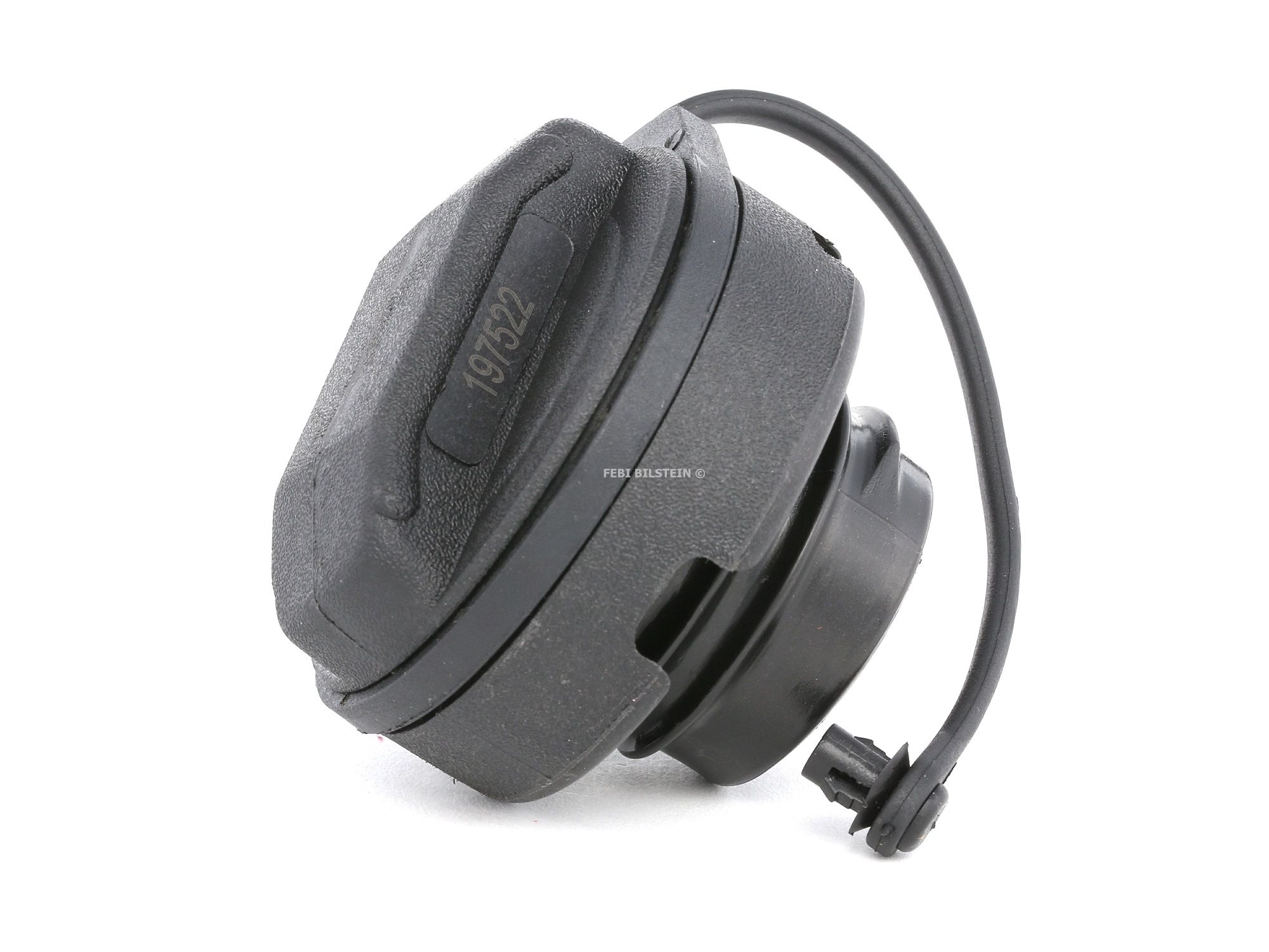
- Fuel filler cap problems: The fuel filler cap does not work correctly or cannot be opened. These weak points often manifest themselves after 30,000-50,000 km due to wear of the mechanical components or electrical defects in automatic systems.
- Loss of air conditioning performance: The air conditioning system loses its cooling capacity or works irregularly. Typical symptoms occur after 40,000-60,000 km and can be caused by loss of refrigerant or defective compressors.
- Gearbox juddering in DSG models: The dual-clutch gearbox exhibits juddering or does not shift smoothly, especially in city traffic. These complaints often occur between 20,000-40,000 km and often require software updates or clutch adjustments.
Audi A1: Problems with the 1.4 TFSI engine
The 1.4 TFSI engine in the Audi A1 shows various weak points, which mainly manifest themselves in the form of timing chain problems, turbocharger damage and oil consumption problems. Typical symptoms include metallic noises when starting the engine, reduced performance and increased oil consumption, which can often reach 0.5-1.0 litres per 1,000 km. These common faults occur particularly in vehicles with mileages between 60,000-100,000 km, although the timing chain can show signs of wear from 80,000 km. Breakdowns due to turbocharger damage are particularly documented between 100,000-120,000 km if the vehicle has not been regularly serviced or low-quality oil has been used.
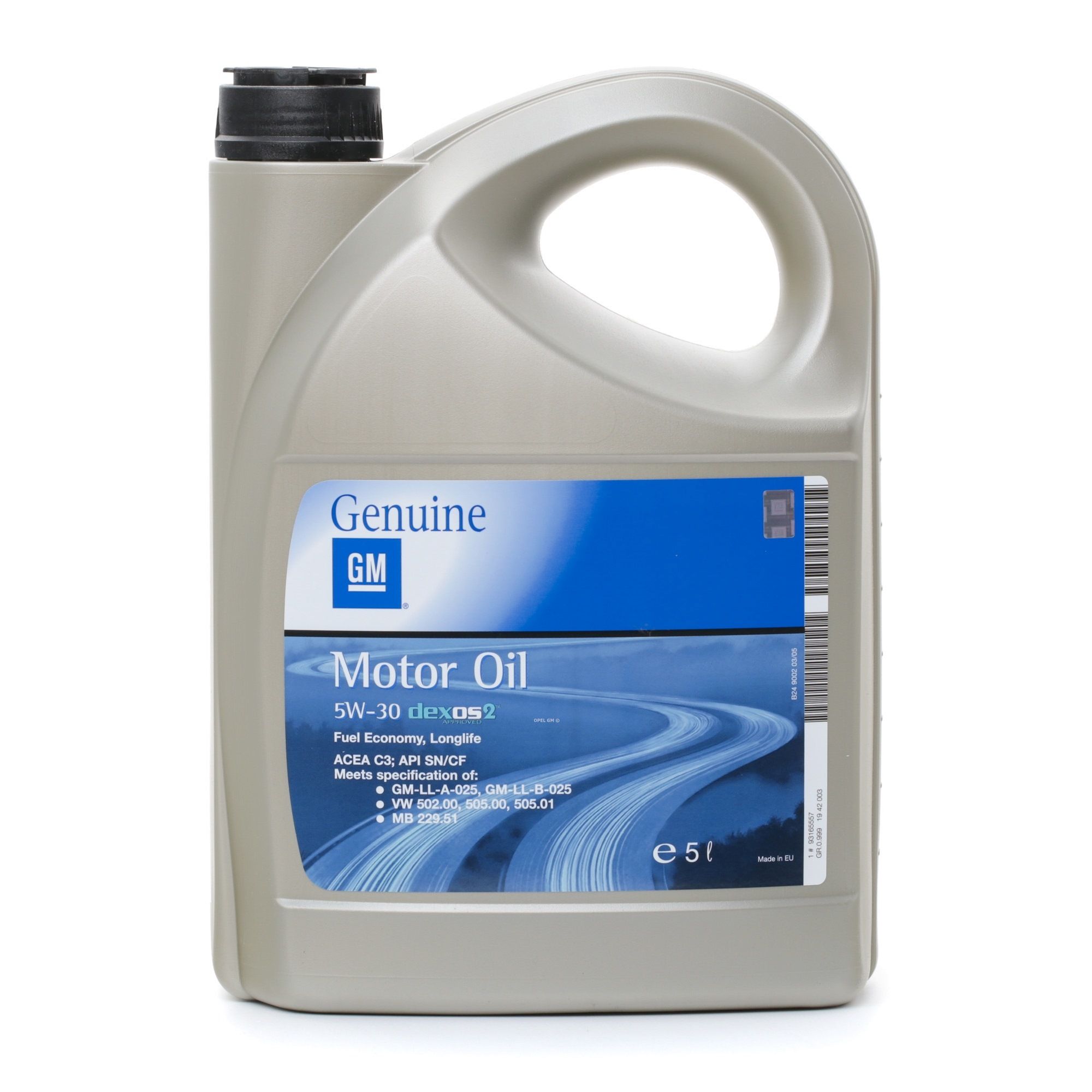
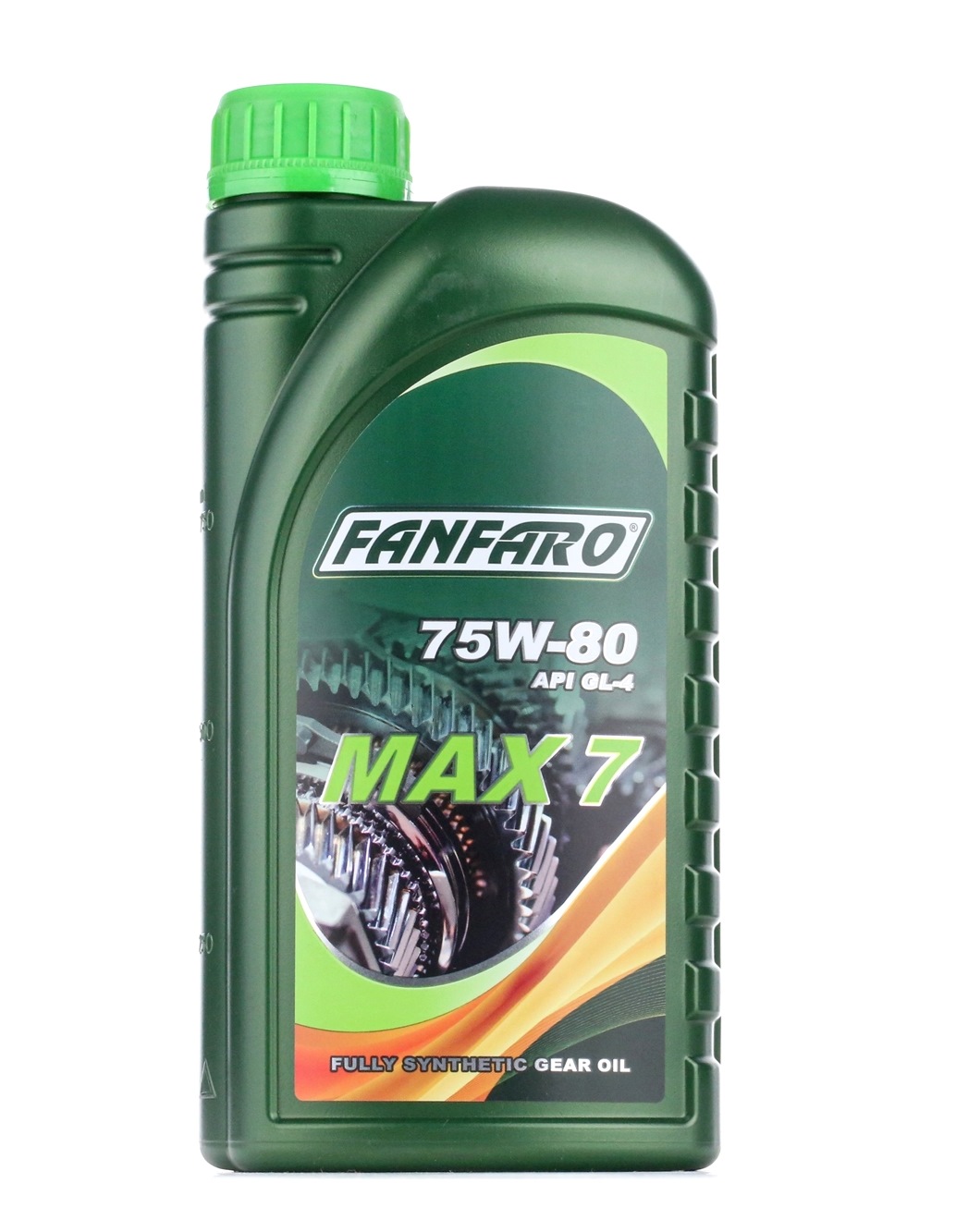
Regular maintenance is essential for the reliability of the 1.4 TFSI unit. The complex Audi A1 turbo engines require special attention with oil change intervals of maximum 10,000 km and the use of high-quality 5W-30 oil. Preventive checks of the timing chain every 60,000 km and regular cleaning of the intake tract can prevent major damage and significantly extend the service life of the engine.
Audi A1: Problems with the 1.0 TFSI engine
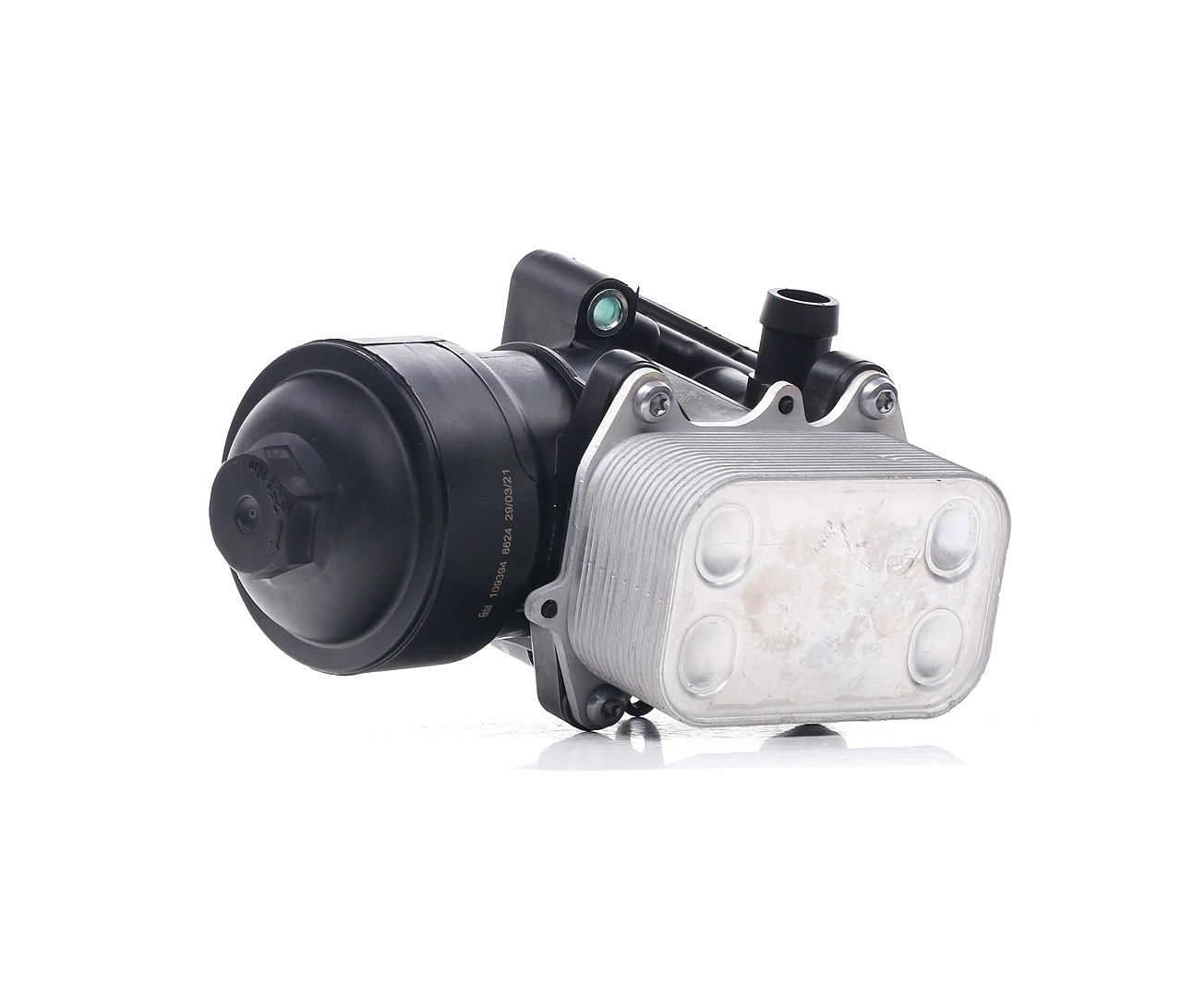
The 1.0 TFSI three-cylinder engine has specific faults which are characterised by uneven idling, vibrations and occasional misfiring. These symptoms occur particularly when the engine is cold and can show the first signs after just 25,000-40,000 kilometres. Common complaints relate to the ignition coils, which often need replacing after 50,000-70,000 km, and problems with the fuel pump, which can typically fail between 80,000-100,000 km. The engine is also prone to carbon deposits on the intake valves, leading to loss of power and increased fuel consumption.
A systematic check is essential for the three-cylinder unit to function optimally. The sensitive Audi A1 direct injection systems require regular cleaning every 30,000 km with special additives and professional valve cleaning every 60,000 km. Professional maintenance with high-quality spark plugs and regular checks of the air filter can prevent most problems and ensure the reliability of the 1.0 TFSI engine.
Audi A1: Problems with the 1.6 TDI engine
The 1.6 TDI engine shows characteristic weaknesses in the exhaust gas recirculation (EGR) and diesel particulate filter (DPF) areas. Typical symptoms include reduced performance, black smoke from the exhaust and frequent regeneration cycles of the particulate filter. These common faults manifest themselves particularly on short journeys and can occur after just 40,000-60,000 kilometres. The EGR valve tends to carbonise and often needs to be cleaned or replaced between 80,000-120,000 km. In addition, problems can occur with the high-pressure pump, which typically shows signs of wear after 100,000-150,000 km and can be recognised by metallic chips in the fuel system.
Professional maintenance is crucial for the longevity of the diesel unit. The sophisticated Audi A1 exhaust aftertreatment systems require regular long-distance driving for proper DPF regeneration and special fuel additives for system cleaning. Preventive cleaning of the EGR system every 60,000 km and the use of high-quality diesel fuel can prevent most problems and significantly improve the service life of the 1.6 TDI engine.
Audi A1: Problems with the start-stop system
The start-stop system of the Audi A1 exhibits various malfunctions, which mainly manifest themselves in the non-functioning of the automatic engine cut-off or starting problems after stopping. Typical symptoms include a permanently illuminated start-stop indicator light, delayed engine starts or complete failure of the system at low temperatures below 5°C. These weak points often occur after 15,000-25,000 kilometres and can be caused by defective battery sensors, weak starter batteries or software errors in the control unit. The system is particularly problematic on frequent short journeys where the battery is not sufficiently charged.
A professional inspection is required to properly diagnose the start-stop system. The complex Audi A1 battery management systems require regular checks of the battery voltage and state of charge every 20,000 kilometres as well as software updates in the event of known problems. Preventive maintenance with high-quality AGM batteries and regular long-distance driving to charge the battery can significantly improve the reliability of the system and avoid costly repairs.
Audi A1: Problems with the air conditioning system

The air conditioning system of the Audi A1 exhibits various faults, which manifest themselves in insufficient cooling capacity, unusual noises or complete failure of the system. Common complaints concern the air conditioning compressor, which typically shows signs of wear after 60,000-80,000 km, as well as leaks in the refrigerant circuit, which are often caused by porous seals after 40,000-60,000 km. Problems can also occur with the evaporator, which tends to clog and cause unpleasant odours. The cabin filter needs to be changed more frequently than recommended and is already very dirty after 10,000-15,000 km.
Regular maintenance is essential for the air conditioning system to function optimally. The sensitive Audi A1 air conditioning systems require annual checks of the refrigerant level and regular disinfection of the evaporator to prevent odours. Preventive maintenance with high-quality refrigerant R134a or R1234yf, depending on the year of manufacture, and timely replacement of the cabin filter every 15,000 km can prevent most problems and extend the service life of the air conditioning system.
Audi A1: Problems with the 1.2 TFSI engine
The 1.2 TFSI engine has specific weaknesses, mainly manifested by problems with the timing chain, turbocharger damage and oil consumption problems. Typical symptoms include rattling noises at cold start, which indicate timing chain stretching, as well as whistling noises from the turbocharger when the load is applied. These common faults occur particularly between 70,000-90,000 km, with the timing chain often showing the first signs of wear after 80,000 km. The increased oil consumption can reach 0.8-1.2 litres per 1,000 km and is often caused by worn piston rings or valve stem seals. In addition, the engine is prone to carbon deposits on the intake valves, which leads to a loss of power.
A systematic check is crucial for the longevity of the 1.2 TFSI unit. The demanding Audi A1 turbo engines require strict adherence to the maintenance intervals with high-quality 5W-30 oil and regular checks of the timing chain every 60,000 kilometres. Preventive cleaning of the intake system with special additives every 30,000 km and professional valve cleaning can prevent most problems and ensure engine reliability.
Additional common faults of the Audi A1
Based on the experience of Audi A1 drivers, the following additional problems occur:
- Electronic parking brake malfunctions: Frequently occur after 50,000-70,000 km, often caused by actuator wear or software errors.
- Xenon headlight failures: Can occur as early as 30,000-40,000 km, typically due to defective ballasts or burners.
- Window regulator problems: Often manifest after 40,000-60,000 km due to guide rail wear or defective motors.
- Reversing camera image faults: Occur especially in older models after 60,000-80,000 km, often due to moisture or cable breakage.
- Fuel pump failures: Can occur between 80,000-120,000 km, especially with frequent driving with a low fuel level.
- Steering noises in cold weather: Often appear in the winter months after 20,000-30,000 km due to hardened seals.
- Bluetooth connection problems: Occur irregularly and can be rectified by software updates.
Based on owner feedback, these additional problems occur regularly and require appropriate attention during maintenance.

Audi A1: weaknesses and strengths
| Strengths |
Weak points |
| High-quality interior |
Start-stop system breakdowns |
| Precise steering |
Air conditioning power loss |
| Good build quality |
1.4 TFSI timing chain damage |
| Modern assistance systems |
Fuel filler cap malfunctions |
| Compact dimensions |
1.6 TDI EGR problems |
| Sporty design |
Electronic parking brake error |
| Solid road holding |
Increased oil consumption with TFSI |
The Audi A1 proves to be a fundamentally high-quality premium small car, but it has specific weak points that require regular maintenance and attention. Most problems can be avoided through preventive measures and timely intervention. The modern turbo engines and electronic systems in particular require professional maintenance to ensure their reliability and service life.


 1 December 2025 (updated)