Reliability BMW E60: common problems, issues symptoms and faults
Timing chain problems: The timing chain in various engine variants such as the 525i 218 hp and 530i 272 hp starts to show signs of wear from 80,000-120,000 km. The characteristic rattling during cold starts is a typical symptom of a stretched timing chain.
Automatic transmission faults: The automatic transmission no longer shifts properly and exhibits jerky movements, especially in the ZF 6HP series. These problems often occur between 100,000-150,000 km and affect both the 523i 177 hp and more powerful variants.
Air conditioning not working: The air conditioning system loses its cooling capacity or no longer starts. Defective compressors and leaking pipes are typical weak points that can occur from 60,000 km.
Battery discharge: The battery discharges automatically due to leakage currents in the complex electronics. This problem can already occur after 3-5 years or with low mileages of less than 10,000 km per year.
BMW E60: Problems with the timing chain
The timing chain of the BMW E60 shows considerable weaknesses in various engine variants, which become noticeable through characteristic symptoms. The 525i 218 hp, 530i 272 hp and 525d 197 hp engines are particularly affected, with the first signs of a stretched timing chain appearing as early as 80,000-120,000 km. The typical rattling noise during a cold start, especially in the first 10-15 seconds after starting, indicates a stretched timing chain. With advanced wear, misfiring, rough idling and loss of power may occur. The service life of the original timing chain is often only 100,000-150,000 km, which is unusually low for a BMW.
A systematic check is crucial for the timely detection of timing chain problems. The sensitive BMW E60 timing chain tensioners require regular checks every 30,000 km to detect wear at an early stage. During diagnosis, the timing chain as well as the tensioners, guide rails and chain tensioner should be replaced. The repair costs are between 1,500-3,000 euros, depending on the engine variant. Preventive maintenance with high-quality engine oils (BMW Longlife-04 specification) and adherence to the replacement intervals can significantly extend the service life of the timing chain.
BMW E60: Problems with the automatic transmission
The automatic transmission of the BMW E60 has considerable reliability problems, which manifest themselves in various symptoms. The transmission no longer shifts properly, exhibits jerky movements or gets stuck in a gear. The ZF 6HP series in particular, which is fitted in models such as the 523i 177 hp, 525i 218 hp and 530i 272 hp, typically exhibits these breakdowns between 100,000-150,000 km. The most common complaints include delayed gear changes, jerking when starting off and the gearbox warning light coming on. In some vehicles, the problem occurs earlier, especially in vehicles with heavy city driving or irregular maintenance.
A professional inspection is essential for the correct diagnosis of transmission problems. The complex BMW E60 automatic transmission control units require special diagnostic equipment for fault detection and often reprogramming of the software. Common causes are worn clutch discs, defective valves in the hydraulic unit or problems with the torque converter. Replacing the transmission oil every 60,000-80,000 km with the correct BMW specification can prevent many problems. In the event of serious damage, a general overhaul or a replacement gearbox is often necessary.
BMW E60: Problems with the air conditioning system
The air conditioning system of the BMW E60 exhibits various typical faults that can significantly impair driving comfort. The most common symptoms are that the air conditioning no longer works properly or does not start, loses its cooling capacity or only blows warm air. These problems occur particularly frequently in vehicles with high mileage from 60,000-80,000 km and affect all engine variants from the 523i 177 hp to the 530i 272 hp equally. The compressor is a particularly weak point and can fail after just 5-7 years. Other typical breakdowns are leaking condensers, defective expansion valves or problems with the air conditioning control unit. The service life of air conditioning components is often only 80,000-120,000 kilometres.
Regular maintenance is essential for the longevity of the air conditioning system. The BMW E60 air conditioning compressors require annual inspections and regular refrigerant top-ups every 2-3 years to ensure optimum performance. During diagnosis, refrigerant pressure, compressor performance and the electrical connections should be checked. Professional cleaning of the condenser and changing the cabin filter often helps. If the compressor is defective, it must be replaced, and the dryer and expansion valve should be replaced at the same time.
BMW E60: Problems with the battery
Battery problems in the BMW E60 are particularly tricky, as they are often caused by the vehicle's complex electronics. The battery discharges automatically, even if the vehicle has been stationary for a long time, which leads to starting problems. These weak points occur after just 3-5 years or in vehicles with a low annual mileage of less than 10,000 kilometres. Leakage currents in the extensive electronics, defective control units or faulty comfort functions can put a continuous strain on the battery. Vehicles with many electronic extras such as navigation systems, xenon lights or heated seats are particularly affected. The original battery often only has a service life of 4-6 years, significantly less than in other vehicles.
Professional maintenance is essential to avoid battery problems. The BMW E60 battery management systems require special attention and regular checks of the quiescent current consumption every 20,000 km. During diagnosis, all consumers should be systematically checked and leakage currents measured. A quiescent current above 50 milliamperes indicates defective components. Replacing the battery requires registration in the control unit in order to calibrate the battery management system correctly. Regular journeys over longer distances and the use of a battery charger when the vehicle is stationary for long periods can significantly extend the battery's service life.
BMW E60: Problems with electronic systems
The electronic systems of the BMW E60 have numerous weak points which manifest themselves in a variety of symptoms. Various control units can fail, error messages appear in the display or comfort functions no longer work properly. These problems affect all engine variants from the 523i 177 hp to the 530i 272 hp and can occur from 50,000-80,000 km. Typical complaints include defective iDrive systems, failed power windows, non-functioning central locking or problems with the steering wheel heating. The complex CAN bus architecture makes the vehicle susceptible to faults and a faulty control unit can affect other systems. The reliability of the electronics decreases significantly with age.
A systematic check is essential for diagnosing electronic problems. The sensitive BMW E60 electronic modules require regular software updates and checks of the plug connections every 40,000 kilometres. A BMW-specific diagnostic device is required for troubleshooting, as many faults can only be recognised via the proprietary protocols. Problems can often be rectified by software updates or resetting control units. Defective modules often require reprogramming or replacement. Preventative measures such as moisture protection and regular battery maintenance can prevent many electronic problems.
Based on the experiences of BMW E60 owners, the following additional problems occur:
Defective xenon headlights: burners or ballasts fail after 60,000-80,000 km, especially with frequent use
Worn chassis components: shock absorbers and springs start to show signs of wear from 80,000-100,000 km
Problems with the fuel pump: Occurs in diesel models such as the 525d 197 PS from 120,000-150,000 km
Defective door handles: Mechanical wear parts often fail after 100,000-120,000 km or 8-10 years
Leaking valve cover gasket: Oil leaks occur in older engines from 100,000-140,000 km
Problems with the particulate filter: In the 525d 197 PS, the filter becomes clogged after 80,000-120,000 km on short journeys
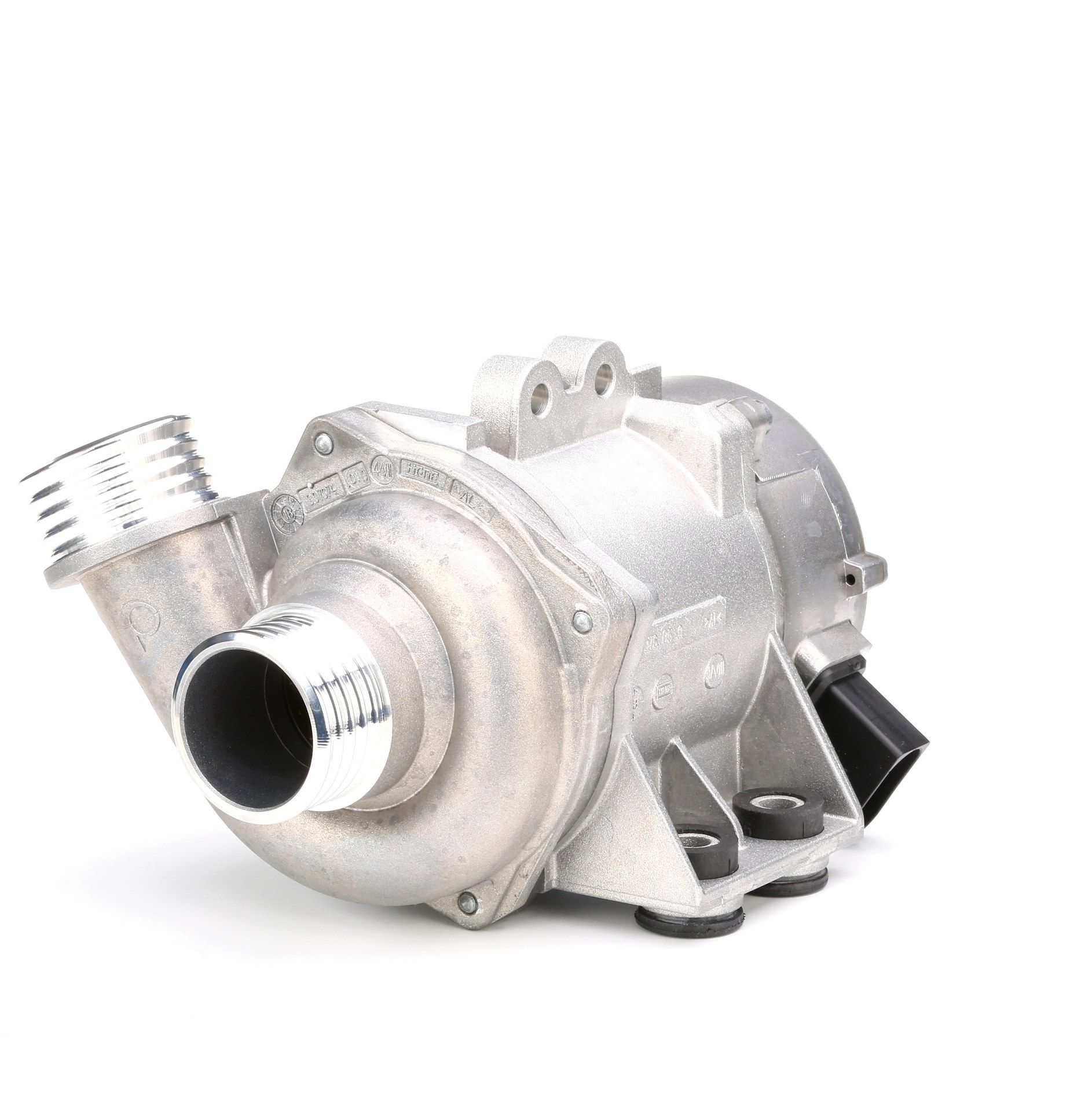
Defective water pump: Electric water pumps fail in various engines from 80,000-120,000 km
BMW E60: weak points and strengths
Strengths
Weak points
High driving performance and dynamics
Timing chain problems from 80,000 km
Luxurious equipment
Automatic transmission faults
Good road holding
Air conditioning does not work
High-quality materials
Battery discharge through electronics
Strong engine range
Complex and fault-prone electronics
Comfortable suspension
High repair costs
Prestige and design
Frequent breakdowns with higher mileage
The BMW E60 is an ambitious saloon, but it has considerable weaknesses in critical areas. While the driving dynamics and comfort are impressive, the frequent faults in the timing chain, automatic transmission and electronics require careful maintenance and can lead to high follow-up costs. Potential buyers should pay particular attention to the maintenance history and schedule regular inspections to ensure reliability.
A useful video on this topic:
How to change pollen filter on BMW 5 E60
AUTODOC Bestsellers: parts at a good price
Reviews - 34
Parts Details
Filter type: Filter Insert
Supplementary Article / Supplementary Info:
with gaskets / seals


 1 December 2025 (updated)