Problems with the Citroën C6

Reliability Citroën C6: common problems, issues symptoms and faults
- Automatic transmission problems: The Citroën C6's automatic transmission can develop shifting problems as early as 80,000-100,000 km. Common symptoms include jerky shifting, delayed gear changes, or complete failure of the automatic transmission.
- Defective hydropneumatic suspension: The characteristic damper suspension can begin to show signs of weakness after 60,000–80,000 km. Typical signs include uneven ride height, stiff suspension, or the vehicle completely sinking.
- 2.7 HDI engine won't start: The diesel engine exhibits starting problems, especially in the winter months, which often occur between 100,000 and 150,000 km. The causes are usually defective glow plugs, fuel pump, or injection system.
- Electronics and infotainment malfunctions: The complex electronic system can begin to show failures as early as 50,000 km. Common complaints concern the navigation system, the automatic climate control, or various comfort features.
Citroën C6: Problems with the automatic transmission
The Citroën C6's automatic transmission frequently exhibits defects that manifest themselves through various symptoms. The reliability of the transmission is particularly questionable after 80,000–100,000 km, although initial signs can appear earlier. Typical problems include jerky shifting between gears, delayed response when changing gears, or complete failure of the automatic transmission. At higher mileages, around 150,000–200,000 km, leaks in the transmission housing may also occur. The service life of the transmission depends heavily on the maintenance history and driving style. City driving with frequent stop-and-go traffic places additional strain on the system. The transmission control system is sensitive to contaminated transmission fluid or defective sensors.
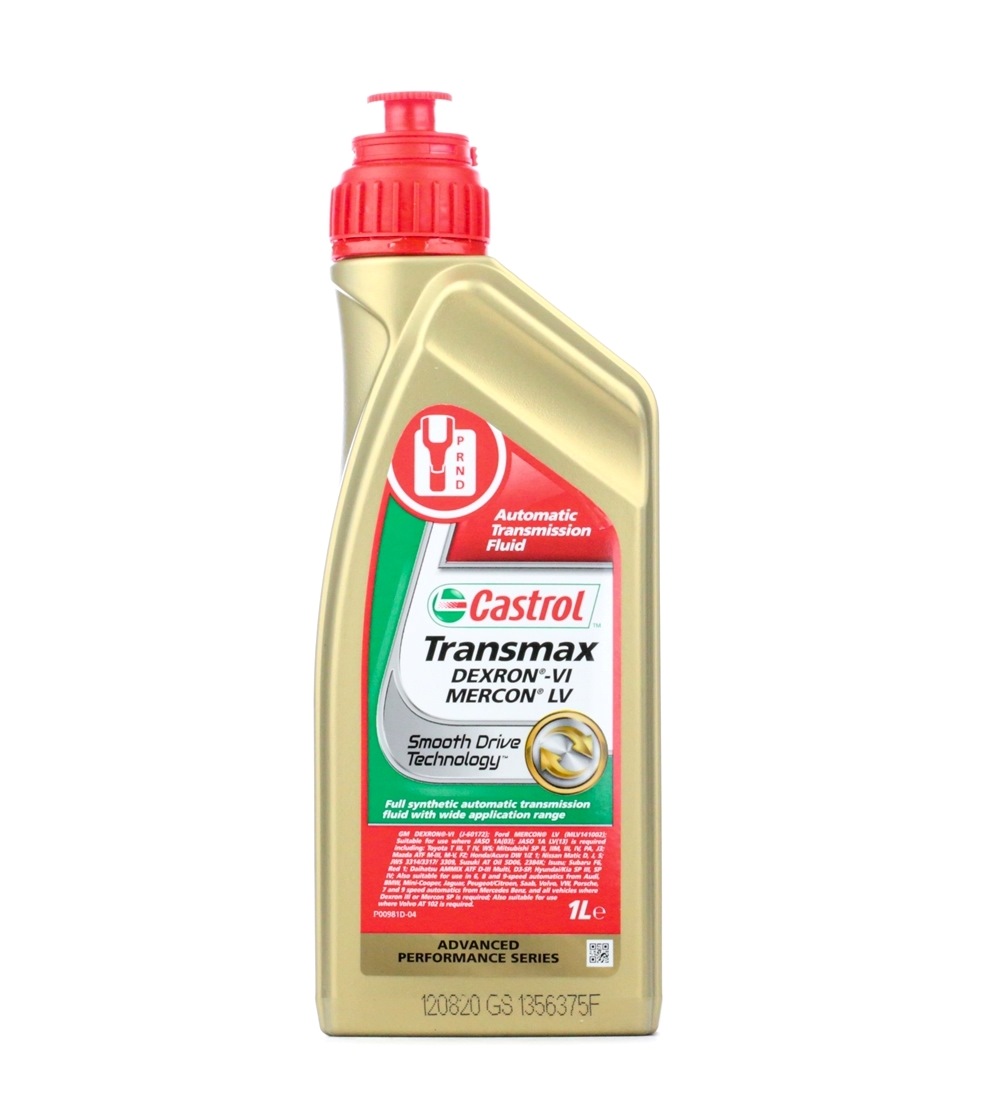
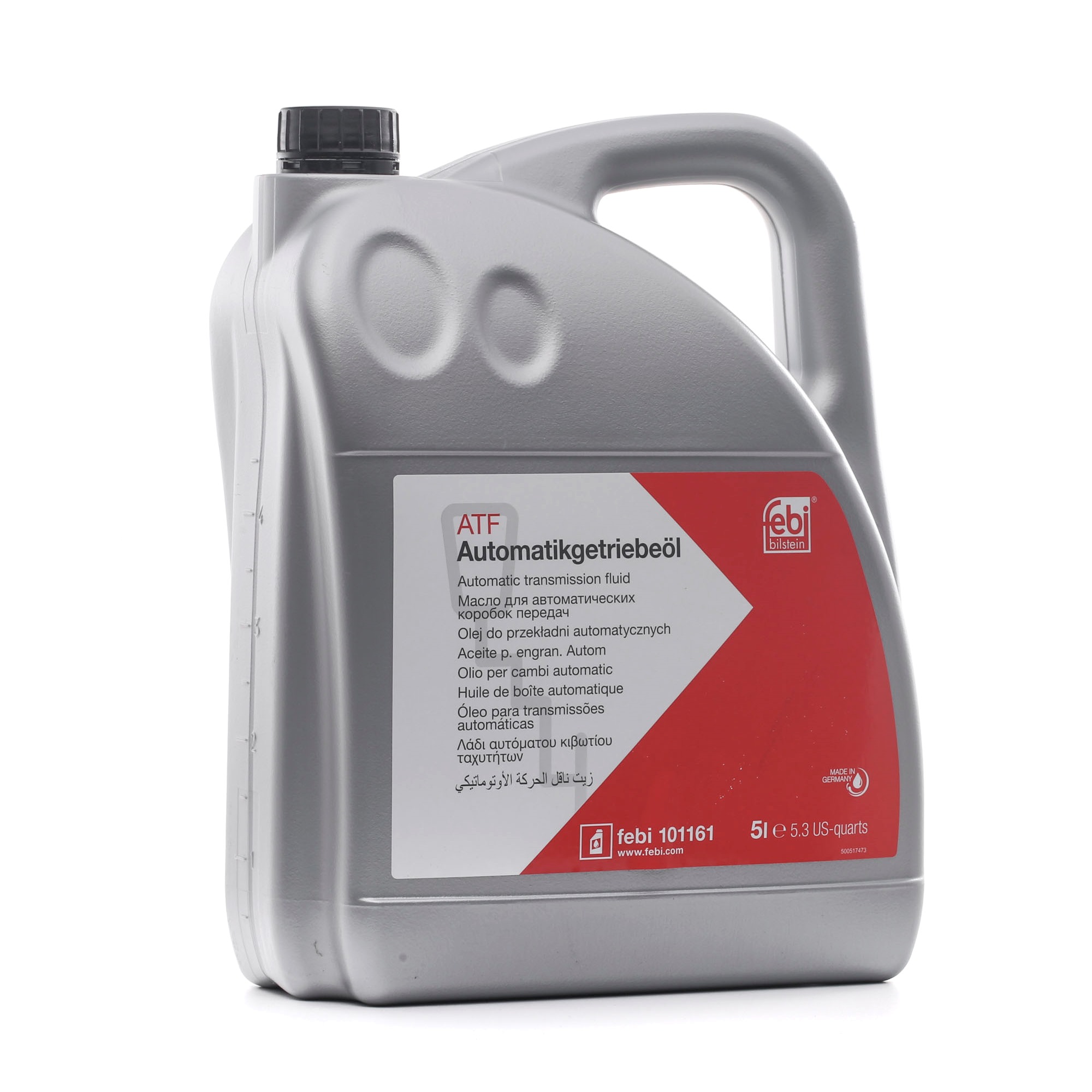
Regular maintenance is crucial for the longevity of the transmission system. The complex Citroën C6 automatic transmission requires an oil change with special ATF fluid every 60,000 km and regular diagnostics of the electronic control unit. To resolve problems, the transmission oil level and quality should first be checked, followed by a fault diagnosis of the transmission control unit. If shifting problems occur, flushing the transmission or replacing the solenoid valves can help.
Citroën C6: Problems with the hydropneumatic suspension and dampers
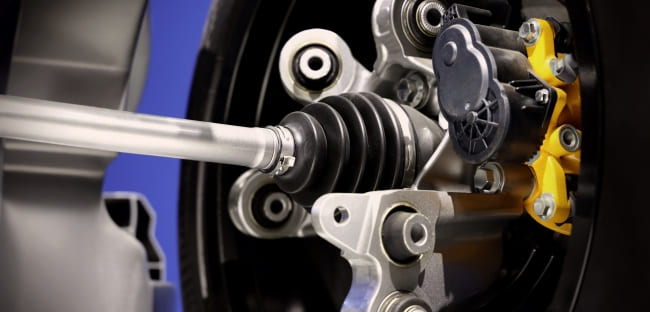
The hydropneumatic suspension is one of the characteristic weak points of the Citroën C6 and ceases to function reliably after approximately 60,000-80,000 km. While this innovative technology ensures a high level of ride comfort, it also brings with it specific failures. Common symptoms include uneven ride height, with the vehicle sinking at one or more corners. The suspension can lose its self-leveling function, resulting in harsh handling. In advanced cases around 120,000-150,000 km, the entire system can fail, rendering the vehicle undriveable. The high-pressure pump and nitrogen balls are particularly susceptible to wear. Leaks in the suspension elements or the hydraulic circuit lead to pressure loss and thus malfunctions.
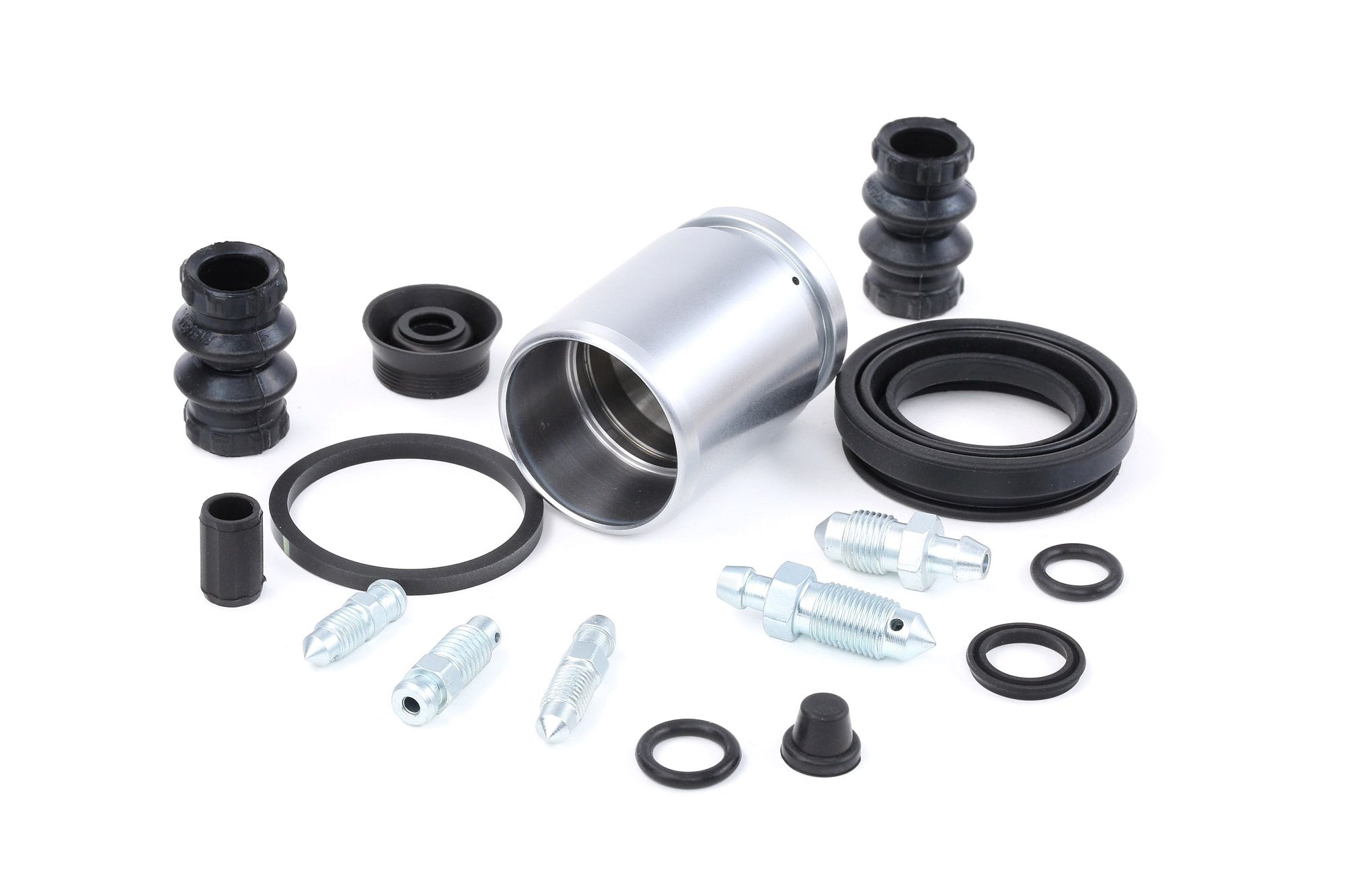
A systematic check is essential for proper suspension function. The sensitive Citroën C6 dampers require a hydraulic oil and seal check every 40,000 km to avoid costly repairs. Diagnosis is performed via the on-board diagnostic system, which displays pressure readings and system errors. If problems occur, the hydraulic lines should first be checked for leaks and the hydraulic oil should be checked.
Citroën C6: Problems with the 2.7 HDI engine - won't start
The 2.7 HDI engine exhibits starting problems, particularly in the cold season, which typically occur between 100,000 and 150,000 km. The vehicle will not start or requires several attempts before the engine starts. These problems are more pronounced at temperatures below 5°C and can lead to complete failure. The main causes lie in the fuel system and the glow plug system. Defective glow plugs are often the cause, especially after 80,000 and 120,000 km. The fuel pump can also fail and no longer switch properly. Other common defects involve the injection system, with clogged injectors or defective pressure sensors. At higher mileages, around 200,000 km, problems with the timing chain or turbo can also occur.
A professional inspection is required to diagnose starting problems. The complex Citroën C6 engine requires regular checks of the glow plugs every 60,000 km and the fuel filter every 30,000 km for optimal starting performance. Diagnosis begins with checking the glow plugs and their electrical supply, followed by tests of the fuel pressure and injectors. Regular use of diesel additives can prevent deposits in the fuel system.
Citroën C6: Problems with brakes and braking system
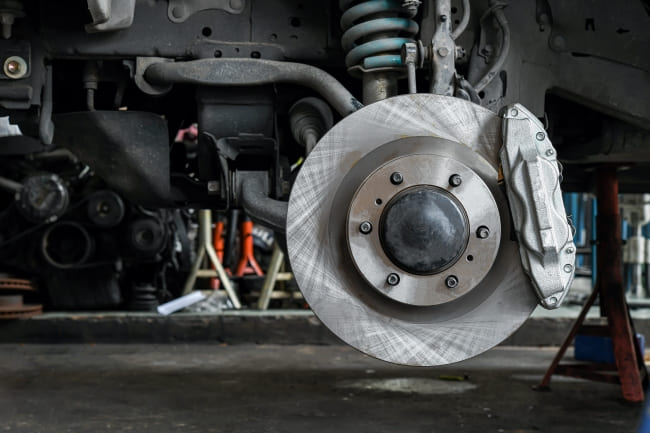
The Citroën C6's braking system has specific weak points that become particularly noticeable after 40,000–60,000 km. Common complaints include excessive wear of the brake pads and discs, with the front brakes being more affected. The electronic stability control and ABS systems can develop faults, which are indicated by warning lights on the dashboard. At higher mileages, around 80,000–100,000 km, problems with the brake lines often occur, which can lead to pressure loss. The brake fluid tends to absorb moisture, which impairs braking performance. The interaction between the hydropneumatic suspension and the braking system is particularly problematic, as both systems operate hydraulically. Defects in the brake booster can lead to a harsh brake pedal or increased stopping distances.
Professional maintenance is essential for vehicle safety. The Citroën C6 brakes require a pad and disc check every 30,000 km, and a brake fluid change every two years for optimal braking performance. Diagnostics include measuring the disc thickness, checking the brake pads, and testing the electronic braking system. Preventive maintenance prevents costly repairs and ensures driving safety.
Citroën C6: Problems with electronics and infotainment system
The complex electronic system of the Citroën C6 begins to develop malfunctions as early as 50,000 km, manifesting in various areas. The infotainment system frequently exhibits defects such as navigation system interruptions, defective displays, or complete system failures. The automatic climate control may lose its automatic control and no longer function properly. Other typical failures affect the power windows, seat adjustment, or lighting. At higher mileages, around 100,000-150,000 km, problems with the engine control unit can occur, leading to loss of power or starting problems. The reliability of the electronic components suffers from moisture or temperature fluctuations. The control units in the engine compartment and the wiring in the doors are particularly vulnerable. Software problems can be caused by outdated program versions.
A systematic check is necessary to identify electronic problems. The sensitive Citroën C6 electronic components require regular software updates and moisture protection for long-term functionality. Fault diagnosis is performed using special diagnostic tools that can read error codes from all control units. Software updates at the dealer can resolve many problems, while defective hardware must be replaced.
Additional common defects of the Citroën C6
Based on the experience of Citroën C6 owners, the following additional problems occur:
- Turbo problems with the 2.7 HDI: Typically occur after 120,000-180,000 km due to wear of the turbocharger bearings or defective intercoolers.
- Fuel pump defective: Frequent failures between 80,000-120,000 km, especially if the fuel filter is not serviced regularly.
- Xenon headlight problems: Defective ballasts or bulbs often occur after 60,000-100,000 km, especially with frequent use.
- Air conditioning compressor failure: Typical service life is 80,000-120,000 km, symptoms include insufficient cooling performance or loud noises.
- Water pump leaking: Frequent leaks after 100,000-150,000 km, recognizable by coolant loss or overheating.
- Timing belt problems: Recommended replacement every 120,000 km, premature wear can lead to engine damage.
- Parking sensor failures: Defective sensors after 70,000-100,000 km due to contamination or mechanical damage.

Citroën C6: Weaknesses and strengths
| Strengths |
Weak points |
| High driving comfort thanks to hydropneumatic suspension |
Complex and expensive suspension repairs |
| Spacious interior and large trunk |
Common electronic problems |
| Elegant and timeless design |
Automatic transmission problems |
| Powerful diesel engines with good performance |
Starting problems with the 2.7 HDI engine |
| Extensive standard equipment |
High maintenance costs |
| Good roadholding and driving dynamics |
Hard-to-find spare parts |
| Innovative technology |
Low reliability of electronics |
The Citroën C6 represents French engineering excellence with innovative technologies, which, however, also present specific challenges. The hydropneumatic suspension and complex electronic system offer a high level of comfort, but require intensive maintenance and can lead to costly repairs. Potential buyers should be aware of the typical weak points and schedule regular maintenance to maximize the vehicle's lifespan.


 4 October 2025