Reliability Citroën C5: common problems, issues symptoms and faults
Automatic transmission problems with 2.0 HDI: The automatic transmission does not shift properly or does not start, especially in models with higher mileage. These symptoms often occur between 80,000-120,000 km and can be caused by wear on the hydraulic components.
Suspension does not raise on Tourer models: The Hydractive suspension does not function correctly and the chassis remains in a low position. These failures typically manifest themselves after 60,000-100,000 km due to defective balls or leaks in the hydraulic system.
Electronics complaints in the V6 HDI 240: Various electronic systems fail or display faults, affecting reliability. These problems can occur as early as 40,000 km and manifest themselves as faults in the CAN bus system.
Engine does not start in the 1.6 THP: Starting problems and loss of power in the turbo engine, often combined with error messages. These weak points often manifest themselves between 50,000-80,000 km due to wear of the high-pressure pump or turbocharger.
Citroën C5: Problems with the automatic transmission
The automatic transmission of the Citroën C5, especially in the 2.0 HDI and 2.7 HDI V6 models, exhibits various weaknesses that manifest themselves in jerky gear changes, delayed reactions or complete failure. The most common symptoms occur between 80,000 and 120,000 kilometers, with the transmission no longer shifting properly or failing to start. In some vehicles, these problems manifest themselves earlier, around 60,000 kilometers, especially if the vehicle has been used frequently in stop-and-go traffic. The service life of the automatic transmission is strongly influenced by the maintenance intervals, whereby neglected oil changes can lead to premature wear.
Regular maintenance is crucial for the longevity of the transmission system. The complex Citroën C5 automatic transmissions require an oil change every 60,000 kilometers and regular checks of the hydraulic components to ensure optimal function. Diagnosis is carried out by reading the fault codes, often identifying problems with the solenoid valves, the hydraulic pump or the control unit. Preventive measures such as regular transmission oil changes and a gentle driving style can significantly extend the service life.
Citroën C5: Problems with the Hydractive suspension
The characteristic Hydractive suspension of the Citroën C5, especially in the Tourer, shows typical weak points which manifest themselves in the problem "suspension does not raise". These breakdowns mainly occur between 60,000 and 100,000 kilometers, whereby the vehicle remains in the lowest position and can no longer be raised. The most common complaints concern defective balls (spheres), leaking lines or failed pressure sensors. In older models with over 150,000 kilometers, the shock absorbers themselves can also fail, leading to a complete failure of the active suspension. The reliability of the system depends heavily on maintenance, and the special LHM hydraulic oil should be changed every 100,000 kilometers.
A systematic check is essential for the functionality of the complex suspension. The sensitive Citroën C5 Hydractive components require regular checks of the hydraulic pressure and balls to avoid more costly repairs. Diagnosis is carried out by measuring the pressure and visually inspecting for leaks, paying particular attention to the joints and balls. Preventive maintenance with timely replacement of wearing parts can significantly extend the life of the system.
Reviews - 37
Parts Details
Supplementary Article / Supplementary Info: with dual-mass flywheel, with central slave cylinder
Supplementary Article / Supplementary Info Info 2: with screw set, with lock screw set
Number of Teeth: 26
New Part
Weight [kg]:
20
Number of mounting bores:
6
only to be used within set
Bore Diameter [mm]:
24
Tightening Torque [Nm]:
60
Number of mounting bores at central slave cylinder:
3
The electronics of the Citroën C5, especially in the powerful V6 HDI 240 and V6 HDI 240 Biturbo models, have various weak points that manifest themselves in sporadic failures of various systems. These faults can occur as early as 40,000 kilometers and often affect the instrument cluster, the automatic climate control or the engine control. Particularly problematic are faults in the CAN bus system, which lead to communication errors between the control units. The symptoms range from flickering displays to complete system failures, whereby the vehicle no longer functions properly. At higher mileages around 80,000-120,000 kilometers, additional problems occur with the sensors and actuators, which affect the reliability of the vehicle.
A professional inspection is required to diagnose complex electronic problems. The sensitive Citroën C5 electronic components require regular software updates and checks of the ground connections to avoid malfunctions. Fault diagnosis is carried out using special diagnostic equipment that can read all control units and identify communication errors. Preventive measures such as protection against moisture and regular battery maintenance can prevent many electronic problems.
Citroën C5: Problems with the HDI diesel engine
The HDI diesel engines of the Citroën C5, especially the 2.0 HDI, HDI 165 and 2.2 HDI variants, show specific weak points that mainly manifest themselves in the fuel system. The most frequent complaints concern the high-pressure pump, which can fail between 80,000 and 120,000 kilometers, with the engine no longer starting or running unevenly. There are also problems with the injection nozzles, which can be affected by dirt or wear from as little as 60,000 kilometers. In the more powerful variants, such as the 2.7 HDI V6, turbocharger problems can also occur, manifested by a loss of power and black smoke. The service life of these components depends heavily on fuel quality and maintenance intervals.
Professional maintenance is essential for the longevity of HDI engines. The precise Citroën C5 injection systems require regular cleaning with special additives and the use of high-quality diesel fuel to prevent contamination. Diagnosis is carried out by measuring the pressure in the fuel system and analyzing the injection quantities, and the condition of the particulate filter must also be checked. Regular maintenance every 15,000 kilometers and the use of branded spare parts can prevent most engine problems.
Citroën C5: Problems with the 1.6 THP turbo engine
The 1.6 THP turbo engine of the Citroën C5 shows characteristic weaknesses that manifest themselves particularly between 50,000 and 80,000 kilometers. The most common symptoms are starting problems, where the engine does not start, as well as loss of power and irregular running. These breakdowns are often caused by problems with the high-pressure pump, the turbocharger or the timing chain. Particularly problematic is the wear of the timing chain, which can show signs of elongation from as little as 60,000 kilometers, which can lead to engine damage. The reliability of the engine is also influenced by the quality of the engine oil used, whereby the prescribed maintenance intervals of 20,000 kilometers are often too long. Problems can occur earlier with intensive use.
A systematic check is crucial for the early detection of problems. The sensitive Citroën C5 THP engines require shortened oil change intervals of a maximum of 15,000 kilometers and regular checks of the timing chain to prevent serious damage. Diagnostics include a compression test, turbocharger pressure check and engine noise analysis to identify timing chain problems. Preventive measures such as high-quality engine oil and a gentle driving style during the warm-up phase can significantly extend the service life.
Reviews - 13
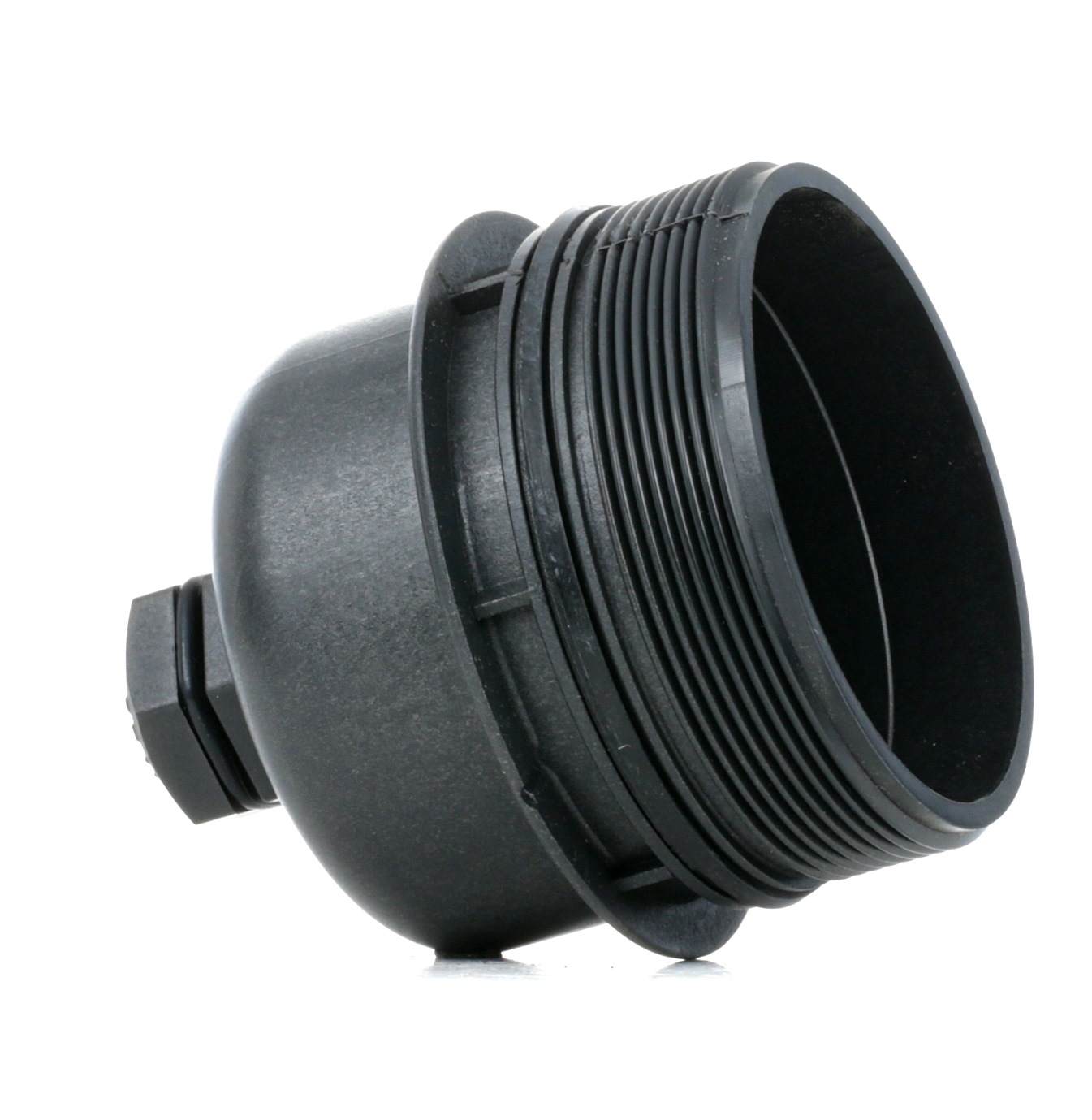
Parts Details
Height:
92,5
Bolt Head- / Nut Design:
Male Hex
Tightening Torque [Nm]:
25
Supplementary Article / Supplementary Info:
with gasket / seal
Always compare old and new part (in particular OE No.)
Based on the experiences of Citroën C5 drivers, the following additional problems occur:
Air conditioning failure: occurs frequently between 70,000-90,000 km, often caused by faulty compressors or leaks in the system.
Problems with the central locking system: Typically manifests itself after 50,000 km due to worn door locks or defective control units.
Brake wear on Automaat models: Premature wear of the brake disks as early as 40,000 km due to the higher vehicle weight.
Exhaust system problems: Corrosion and leaks often occur after 60,000-80,000 km, especially on short journeys.
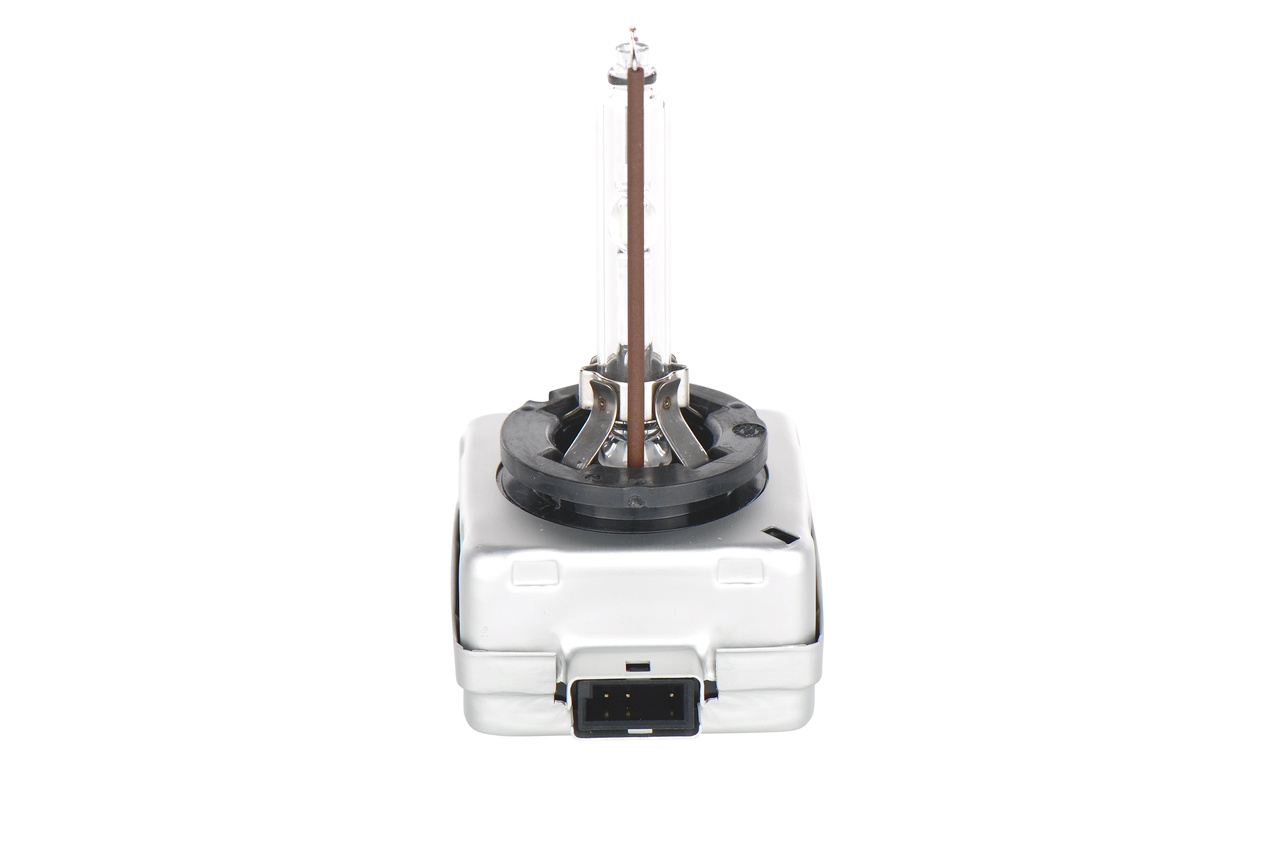
Defective xenon headlights: failure of the ballasts between 80,000-100,000 km, often caused by overheating.
Problems with the particulate filter: clogging as early as 40,000 km in predominantly urban traffic, which can lead to engine problems.
Citroën C5: weaknesses and strengths
Strengths
Weak points
Comfortable Hydractive suspension
Complex and expensive suspension repairs
Spacious interior and trunk
Electronic problems with higher mileage
Good engine selection with HDI diesels
Automatic transmission problems
Elegant and timeless design
High maintenance costs
Solid workmanship
Vulnerability of THP engines
Good road holding
Spare parts prices sometimes high
Extensive standard equipment
Complex electronics
The Citroën C5 is a comfortable and well-equipped vehicle, but it requires regular and professional maintenance. The characteristic Hydractive suspension offers exceptional comfort, but requires special know-how for repairs. The electronic systems and the more complex engine variants in particular require preventive maintenance to avoid costly repairs. With proper maintenance, the C5 proves to be a reliable companion with a high level of driving comfort.
Useful videos on this topic:
How to change oil filter and engine oil on CITROËN C5 Estate
How to change air filter on CITROËN C5 Estate
How to change gas struts on CITROËN C5 Estate
AUTODOC Bestsellers: parts at a good price
Reviews - 5
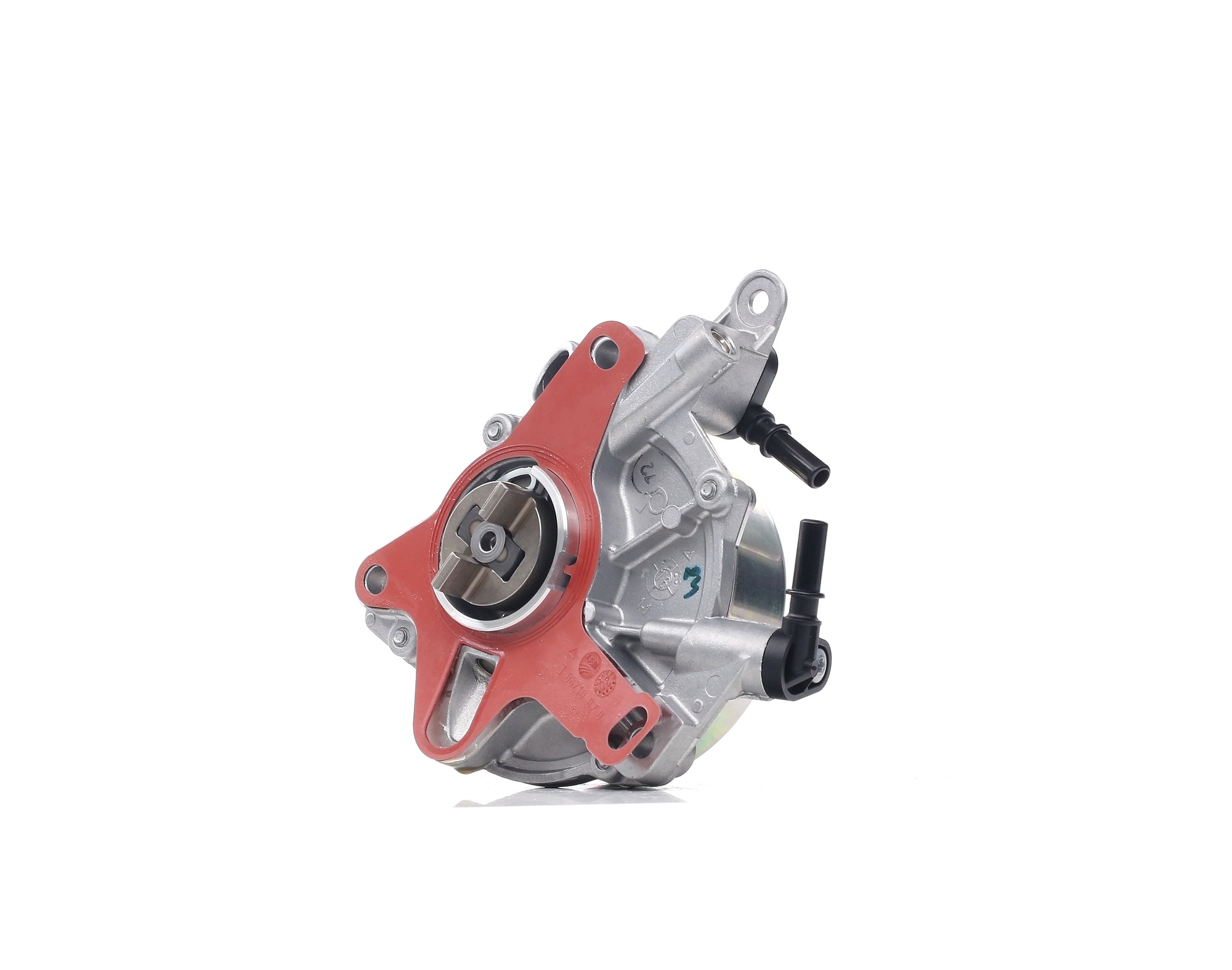
Parts Details
Number of connectors:
2
Technical Information Number:
SI 0109-11
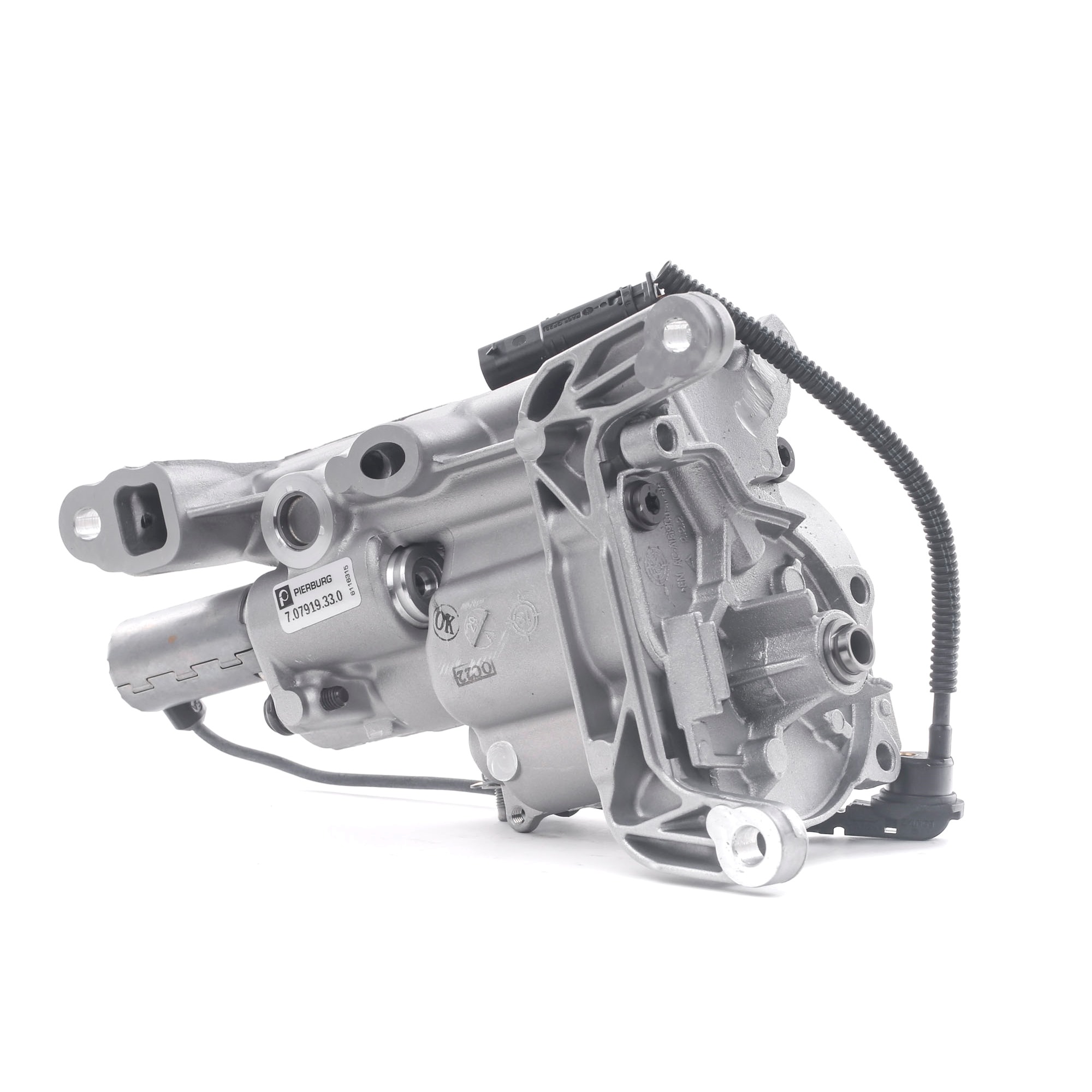
Pump Type:
Vane Pump
Supplementary Article / Supplementary Info:
with gasket / seal


 3 October 2025 (updated)