Problems with the Fiat Freemont

Reliability Fiat Freemont: common problems, issues symptoms and faults
- Automatic transmission problems: The automatic transmission often shows faults as early as 80,000 km, in particular jerky gear changes and overheating. The transmission should be flushed every 60,000 km to prevent premature wear.
- Rear view camera failures: The reversing camera does not work correctly or shows a black image, especially frequently after 50,000-70,000 km. Weather conditions and moisture in the connections are the main causes.
- Bluetooth connection problems: The Bluetooth system does not switch on automatically or loses the connection to paired devices. These symptoms often occur after 30,000 km and are remedied by software updates.
- Battery problems with the 2.0 diesel: The 170 hp diesel variant often shows battery problems, as the engine does not start on cold days. The battery loses its service life after 3-4 years due to the high load caused by the diesel technology.
Fiat Freemont: Problems with the automatic transmission
The automatic transmission of the Fiat Freemont exhibits various common faults, which manifest themselves in jerky gear changes, delayed gear engagement and overheating. The reliability of the gearbox deteriorates particularly after 80,000 km, although the first symptoms can appear as early as 60,000 km. Vehicles with the 3.6-liter engine are particularly affected, as the higher power puts additional stress on the transmission. The transmission control unit can display errors, and in severe cases the transmission switches to emergency mode. Breakdowns are not uncommon if the problem is not detected in time.
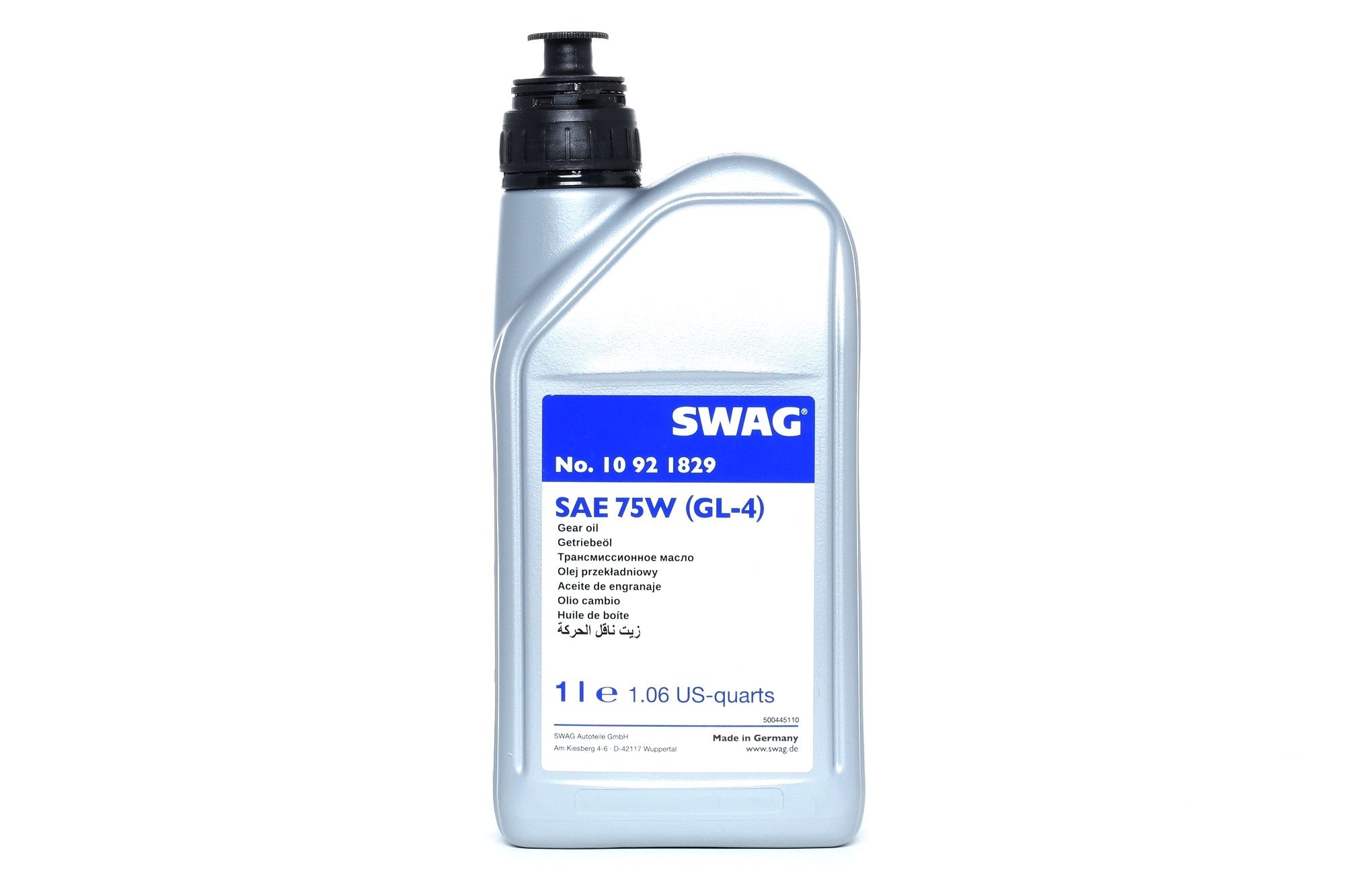
Regular maintenance is crucial for the longevity of the automatic transmission. The sensitive Fiat Freemont automatic transmission requires a complete transmission oil flush with the ATF+4 oil prescribed by the manufacturer every 60,000 km. At the first sign of shifting problems, a computer diagnosis should be carried out to read out error codes. Replacing the transmission oil filter and cleaning the solenoid valves can solve many problems. In extreme cases, a transmission overhaul or replacement is required, and the cost can be considerable.
Fiat Freemont: Rear view camera failures and screen problems

The rear view camera of the Fiat Freemont does not work reliably and often shows a black image or distorted images on the screen. These complaints occur particularly after 50,000-70,000 km, but can also occur in newer vehicles. Moisture penetrates the camera unit and causes corrosion on the electrical contacts. The display in the dashboard can also be affected and then does not show the reversing aid. The weak points lie both in the camera itself and in the cable connections, which suffer from the effects of the weather.
A systematic check is necessary to identify the exact cause. The susceptible Fiat Freemont reversing camera systems require regular checks of the cable connections and cleaning of the camera lens every 20,000 km. In the event of moisture damage, the entire camera unit must be replaced. Software updates for the infotainment system can also help to solve compatibility problems. Professional sealing of the camera housing prevents future moisture damage.
Fiat Freemont: Bluetooth connection problems and infotainment malfunctions
The Bluetooth system of the Fiat Freemont does not switch on automatically or frequently loses the connection to paired smartphones and other devices. These symptoms manifest themselves as early as 30,000 km and are caused by outdated software versions or defective Bluetooth modules. Cruise control can also be affected by these electronic problems, as both systems communicate via the central control unit. Users report that the system does not switch correctly between different paired devices and that voice quality is severely impaired during phone calls.
A professional inspection is required to distinguish software from hardware problems. The complex Fiat Freemont Bluetooth systems require regular software updates, which should be installed by the dealer every 12 months. Resetting the factory settings and re-pairing all devices solves many connection problems. In the event of hardware defects, the Bluetooth module or the entire infotainment system must be replaced. Preventive measures include regularly deleting old device pairings and avoiding more than 5 paired devices at the same time.
Fiat Freemont: Battery problems with the 2.0 diesel with 170 hp

The 2.0 diesel with 170 hp shows characteristic battery problems, which manifest themselves in starting difficulties in cold temperatures. The battery loses a significant amount of capacity after just 3-4 years, which is well below the normal service life of 5-7 years. The engine does not start, especially in winter, as the diesel technology with glow plugs and high-pressure pump has a high energy requirement. The differential and other electronic consumers put additional strain on the battery. Drivers report frequent breakdowns in the cold season when the battery voltage drops below 11.5 volts.
Professional maintenance is essential for optimum battery performance. The stressed Fiat Freemont diesel batteries require a voltage and state of charge check every 6 months, especially before the winter season. The battery test should include both the open-circuit voltage and the load test. At the first sign of capacity loss, replacement with a reinforced AGM battery with a higher capacity is recommended. Regular long-distance driving helps to fully charge the battery and extend its service life.
Fiat Freemont: Brake wear and brake system problems
The brakes of the Fiat Freemont show above-average wear, especially on the front axle. Brake pads often have to be replaced after just 30,000-40,000 km, while the brake discs show signs of wear after 60,000-80,000 km. The high vehicle weight of over 2 tons puts considerable strain on the brake system. Drivers report squealing noises, longer braking distances and a spongy brake pedal feel. The reliability of the braking system can be affected by these wear problems, which poses safety risks.
Regular maintenance is critical for the braking safety of the vehicle. The heavily used Fiat Freemont braking systems require a thorough inspection of pads, discs and brake fluid every 15,000 km. The brake fluid should be changed every 2 years, as it absorbs moisture and therefore loses its effectiveness. At the first sign of wear, high-quality brake pads specially developed for heavy vehicles should be used. Regular cleaning of the brake callipers and bleeding of the system ensure optimum braking performance.
Additional common defects of the Fiat Freemont
Based on the experience of Fiat Freemont owners, the following additional problems occur:
- Air conditioning compressor defects: Often occur after 70,000-90,000 km, caused by wear of internal seals and bearings.
- Steering gear leaks: Manifest after 80,000 km due to loss of hydraulic oil and sluggish steering.
- Xenon headlight problems: The ballasts often fail after 60,000 km, especially with frequent use.
- Fuel pump defects: Affect mainly diesel models with 100,000 km or more and manifest themselves in starting problems.
- Turbocharger wear in the 2.0 diesel: Typically occurs after 120,000-150,000 km, caused by carbon deposits.
- Exhaust system corrosion: The middle silencer in particular corrodes after just 80,000 km on short journeys.
- Window regulator motor defects: Often occur after 50,000 km, especially on the rear doors.

Fiat Freemont: weaknesses and strengths
| Strengths |
Weak points |
| Spacious 7-seater |
Automatic transmission problems |
| Good equipment as standard |
High fuel consumption |
| Robust body |
Battery weaknesses in the diesel |
| Comfortable suspension |
Reversing camera failures |
| Powerful engines |
Brake wear |
| Good price-performance ratio |
Bluetooth connectivity issues |
| High towing capacity |
High maintenance costs |
As a family SUV, the Fiat Freemont offers plenty of space and comfort, but shows typical weaknesses in electronic components and the drivetrain. Regular maintenance and preventive measures can avoid most problems or at least minimize their effects. It is particularly important to observe the maintenance intervals for the automatic transmission and brake system to ensure operational safety.


 14 November 2025 (updated)