Problems with the Toyota iQ

Reliability Toyota iQ: common problems, issues symptoms and faults
- Automatic transmission problems: The CVT automatic transmission of the Toyota iQ starts to show weaknesses as early as 60,000-80,000 km. Frequent symptoms are jerky gear changes and the transmission no longer shifts properly between gears.
- Catalytic converter defects: The catalytic converter of the 1.0-liter engine can show signs of wear after just 80,000-100,000 km. This leads to increased exhaust emissions and the vehicle will fail the emissions test.
- Starting problems in cold temperatures: Starting problems occur particularly in Toyota iQ models from 2009 onwards when the vehicle does not start at temperatures below 5°C. These breakdowns typically accumulate between 70,000-90,000 km.
- Electronic Stability Control Fault: The ESP system does not function correctly and shows faults from around 50,000-70,000 km. The warning light remains permanently activated and significantly impairs driving safety.
Toyota iQ: Problems with the CVT automatic transmission
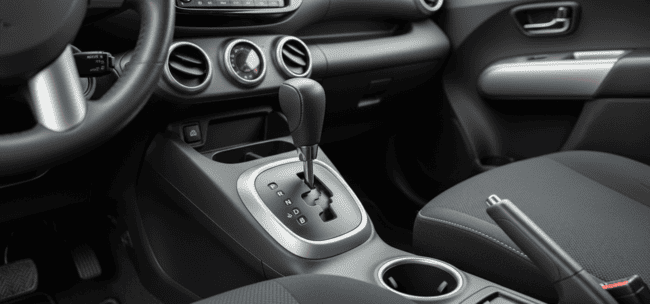
The CVT automatic transmission of the Toyota iQ shows characteristic weaknesses, particularly in models from 2009 onwards, which are noticeable through jerky gear changes and uneven acceleration. The most frequent complaints concern unnatural driving behavior, where the transmission no longer shifts smoothly between gear ratios. Typical symptoms are a "rubber band effect" during acceleration, where the engine speed increases but the speed only increases with a delay. These problems usually manifest themselves between 60,000-80,000 km mileage and can occur earlier with intensive city driving. The reliability of the CVT system is particularly impaired in frequent stop-and-go situations, which leads to premature wear of the internal components.
Regular maintenance is crucial for the service life of the transmission. The sensitive Toyota iQ automatic transmissions require an oil change every 60,000 km with special CVT fluid to ensure optimal function. Computer diagnostics should be carried out at the first sign of problems, as modern diagnostic equipment can display specific fault codes for CVT systems. In severe cases, a complete transmission replacement is necessary, but this can often be avoided through preventive maintenance.
Toyota iQ: Catalytic converter defects and exhaust problems
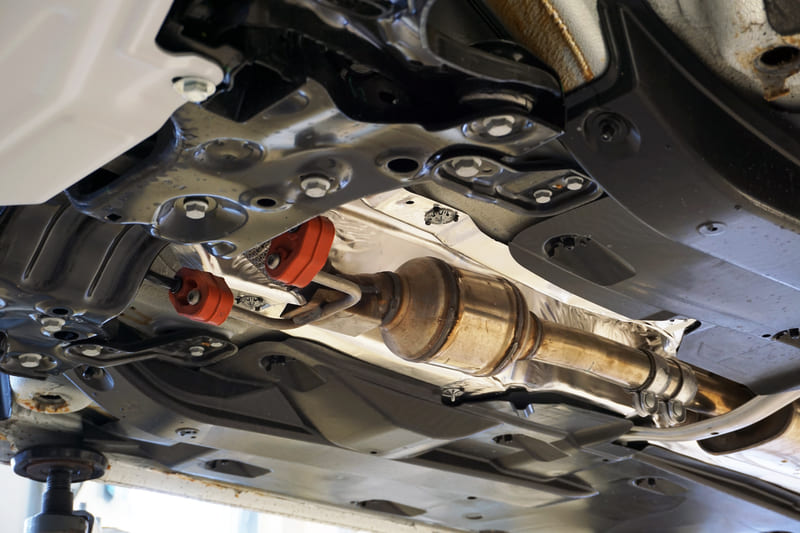
The catalytic converter of the 1.0-liter engine in the Toyota iQ typically develops the first signs of wear between 80,000-100,000 km, which become noticeable through increased exhaust emissions and poor emissions test results. The most common faults occur when the catalytic converter loses its cleaning efficiency and no longer converts pollutants properly. The catalytic converter does not reach the optimum operating temperature, particularly on short journeys, which leads to premature wear. Symptoms of a defective catalytic converter are a sulphurous smell from the exhaust, reduced engine performance and increased fuel consumption. The check engine light illuminates and displays specific fault codes such as P0420 or P0430, which indicate catalytic converter efficiency problems.
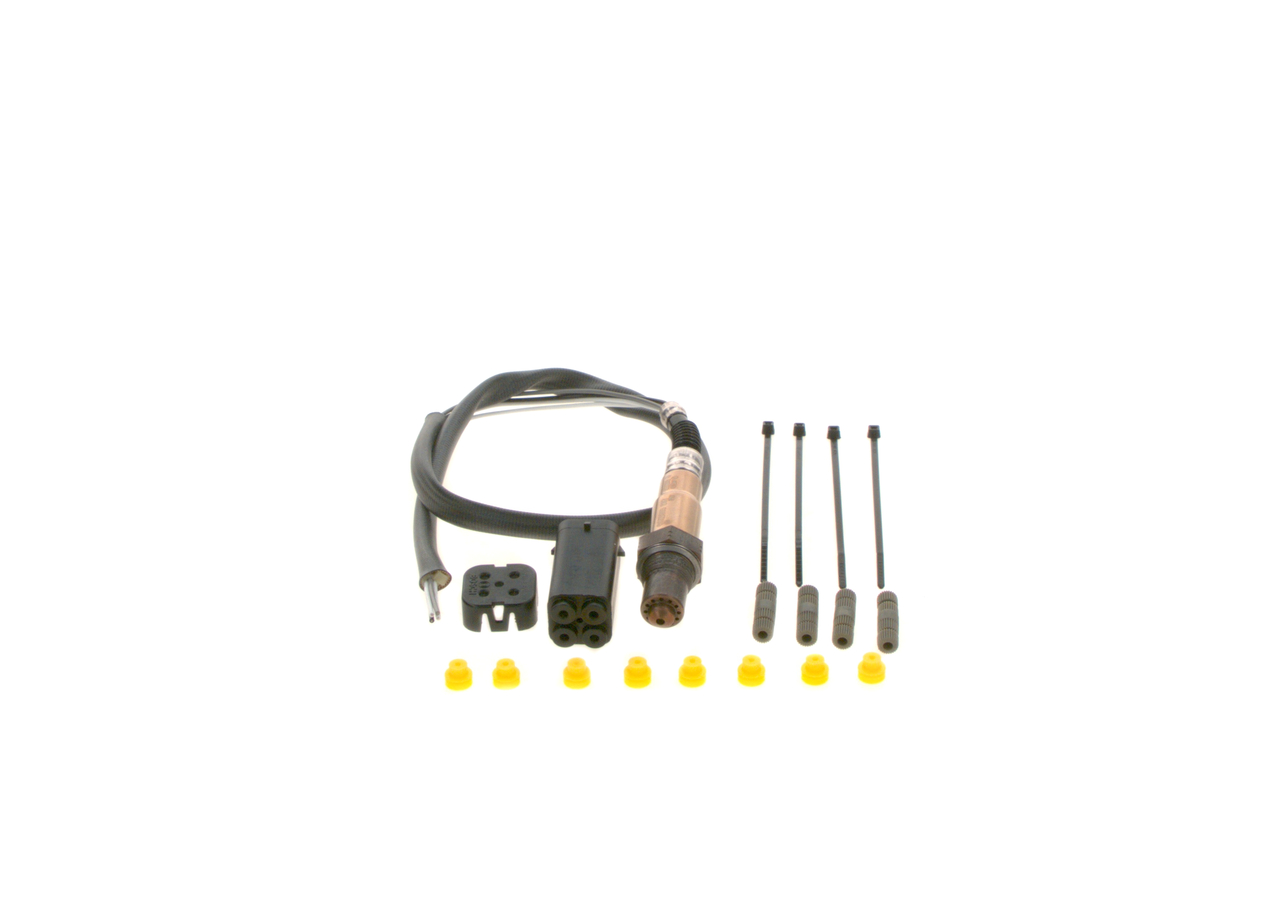
A systematic check is essential for the early detection of catalytic converter problems. The sensitive Toyota iQ catalytic converter systems require regular checks of the exhaust gas values and a check of the lambda sensors, which work closely with the catalytic converter. Special exhaust gas measuring devices are used for diagnosis, which can evaluate the efficiency of the catalytic converter. Preventive measures include regular highway driving to achieve optimum operating temperatures and the use of high-quality fuels with cleaning additives.
Toyota iQ: Starting problems at low temperatures
Starting problems in cold temperatures are a well-known problem with Toyota iQ models, especially with vehicles built from 2009 onwards. The vehicle will not start when the outside temperature drops below 5°C, which can be attributed to various causes. The main problems often lie in the fuel supply, as the small 1.0-liter engine is particularly sensitive to cold temperatures. Typical symptoms are prolonged cranking of the starter, uneven idling after a cold start and occasional stalling of the engine in the first few minutes. These breakdowns occur more frequently between 70,000-90,000 km and can be caused by various factors such as dirty injectors, a weak battery or defective sensors. The reliability of the starting system is particularly impaired in the winter months.
Professional maintenance is required to ensure starting capability at low temperatures. The Toyota iQ fuel injection system requires regular cleaning and calibration in order to function reliably in cold temperatures. Important diagnostic steps include checking the battery voltage (should be at least 12.4V), checking the spark plugs and cleaning the throttle body. Preventive measures include the use of winter fuel, regular battery tests and the replacement of spark plugs every 30,000 km.
Toyota iQ: ESP system malfunctions

The electronic stability program (ESP) of the Toyota iQ frequently exhibits malfunctions, which are indicated by a permanently illuminated warning light and restricted driving dynamics control. These faults typically occur between 50,000-70,000 km and manifest themselves particularly on wet or slippery roads where the system is not functioning correctly. The most common causes are defective wheel speed sensors, dirty sensors or problems with the ABS control unit. Symptoms of an ESP malfunction include unusual braking behavior, pulsating brake pedal for no apparent reason and reduced traction in difficult driving conditions. The service life of the wheel speed sensors is particularly affected by frequent urban driving and soiling from salt or dirt.
A professional inspection is necessary to correctly diagnose ESP problems. The Toyota iQ stability control systems require special diagnostic equipment that can read fault codes from the ABS/ESP control unit. Repair often involves cleaning or replacing the wheel speed sensors, which are located on each wheel and cost around 50-80 euros each. Regular cleaning of the sensor areas and checking the wiring can prevent many problems.
Toyota iQ: Problems with the power steering
The electric power steering of the Toyota iQ develops characteristic problems, which manifest themselves in sluggish steering, unusual noises or complete loss of steering assistance. These weak points occur particularly in vehicles with high mileage from 90,000-120,000 km and can be caused by both mechanical wear and electronic defects. Common symptoms are a hard steering lock when parking, vibrations in the steering wheel at low speeds and a warning light for the power steering in the dashboard. Electric power steering is particularly susceptible to problems in frequent urban traffic with many steering movements. The reliability of the system can be impaired by moisture or corrosion in the electrical connections.
A systematic check is required to diagnose power steering problems. The Toyota iQ steering systems require regular checks of the electrical connections and the steering gear to ensure optimum function. Diagnosis is done by computer analysis of the steering control unit, which provides specific fault codes for various components. Common repairs include replacing the steering control unit, cleaning the contacts or, in rare cases, replacing the entire steering gear. Preventive maintenance through regular visual inspections can avoid many costly repairs.
Additional common faults of the Toyota iQ
Based on the experiences of Toyota iQ drivers, the following additional problems occur:
- Air conditioning compressor defects: Often occur between 80,000-100,000 km, caused by wear and tear on the internal seals and bearings.
- Window regulator problems: The rear window regulators in particular can block or operate unevenly from 60,000-80,000 km.
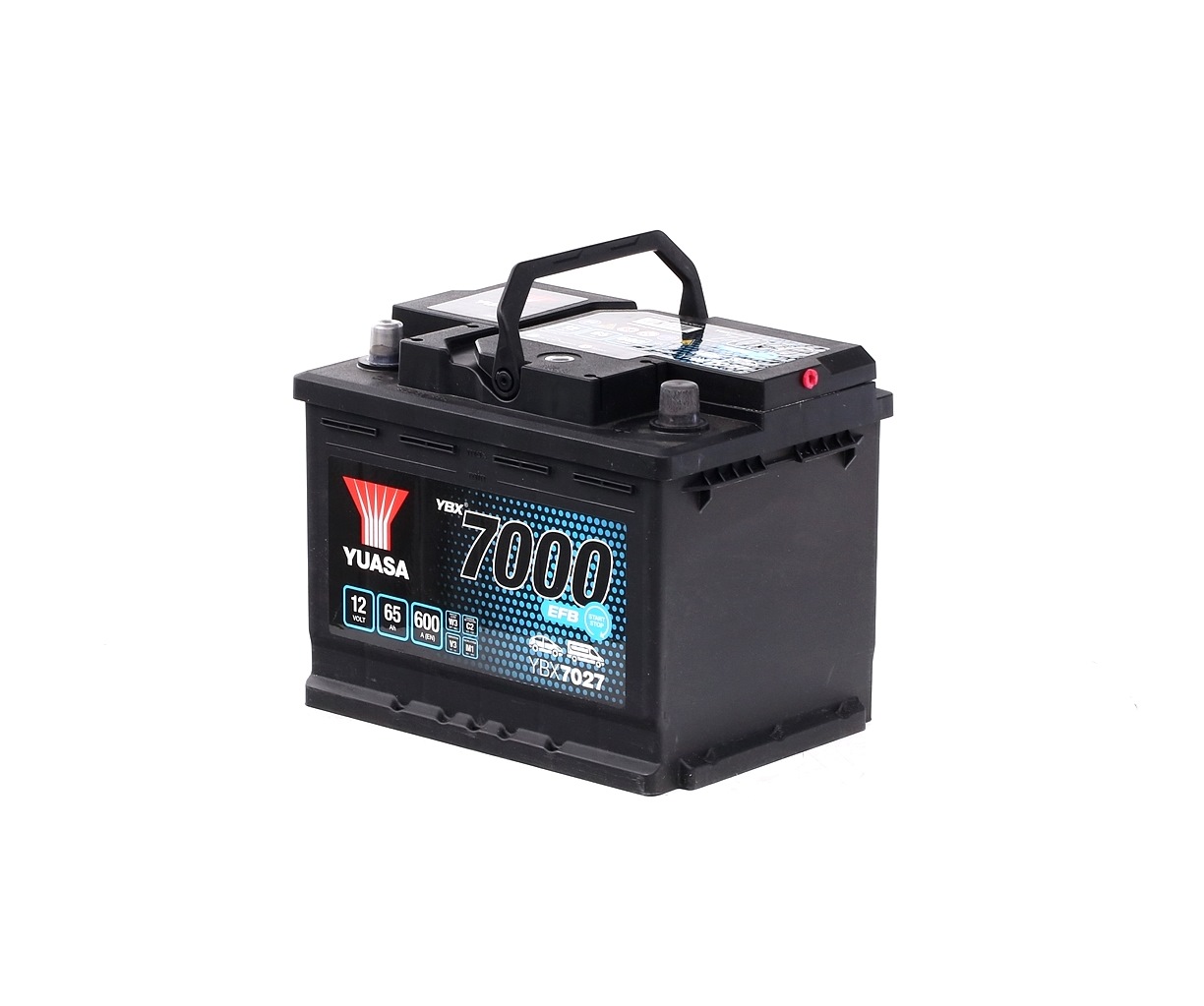
- Battery discharge: The small 12V battery shows weaknesses after just 3-4 years and can be completely discharged if the vehicle is not used for long periods.
- Brake squeal: Front brake pads often develop squeaking noises from 40,000-50,000 km, even if the material is still sufficiently thick.
- Interior lighting failures: LED interior lights can fail sporadically, typically between 70,000-90,000 km.
- Door lock problems: Mechanical door locks can freeze or become sluggish in cold temperatures, especially after 5-6 years.
- Windshield wiper motor defects: The wiper motor can start working erratically or fail completely after 80,000-100,000 km.

Toyota iQ: weaknesses and strengths
| Strengths |
Weak points |
| Compact dimensions for city traffic |
CVT automatic transmission problems |
| Low fuel consumption |
Catalytic converter wear |
| Good maneuverability |
Starting problems in cold weather |
| Modern safety equipment |
ESP system malfunctions |
| Reliable 1.0 liter engine |
Power steering defects |
| Low maintenance costs |
Limited spare parts supply |
| Innovative use of space |
Limited comfort |
The Toyota iQ proves to be an innovative city vehicle with some characteristic weak points, but these are largely avoidable with regular maintenance and preventative measures. The CVT transmission and electronic systems in particular require careful maintenance in order to maximize the vehicle's service life. Most problems can be successfully rectified by professional maintenance at authorized workshops.


 13 November 2025 (updated)