Problems with the Hyundai i30

Reliability Hyundai i30: common problems, issues symptoms and faults
- Timing chain problems in 1.6 CRDI models: The timing chain in 1.6 CRDI engines often shows signs of wear between 80,000-120,000 km. The characteristic clacking noise during cold starts is a typical symptom of an elongated timing chain.
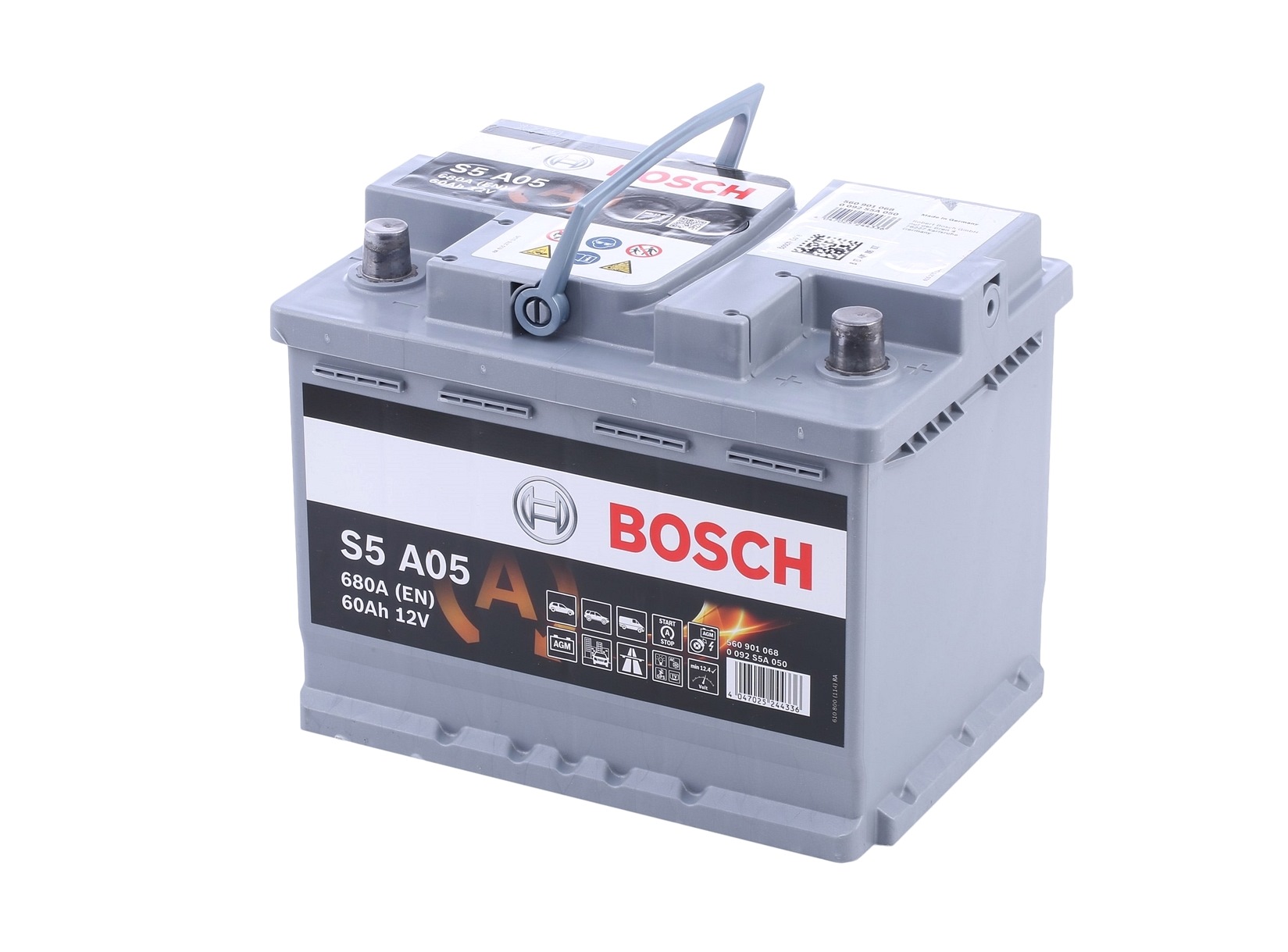
- Start-Stop system malfunctions: The start-stop system does not work reliably, especially in models from 2013 onwards. Common causes are defective battery sensors or problems with the air conditioning control system.
- Automatic transmission shifting problems: The 7-speed dual-clutch transmission does not shift smoothly or jerks when starting off. These problems often occur between 40,000-80,000 km and mainly affect models with the 1.4 T-GDI engine.
- Panoramic roof leaks: Water ingress through the panoramic roof often occurs after 3-5 years, especially in vehicles from 2010-2013. The seals become brittle and lose their function.
Hyundai i30: Problems with the timing chain in 1.6 CRDI engines
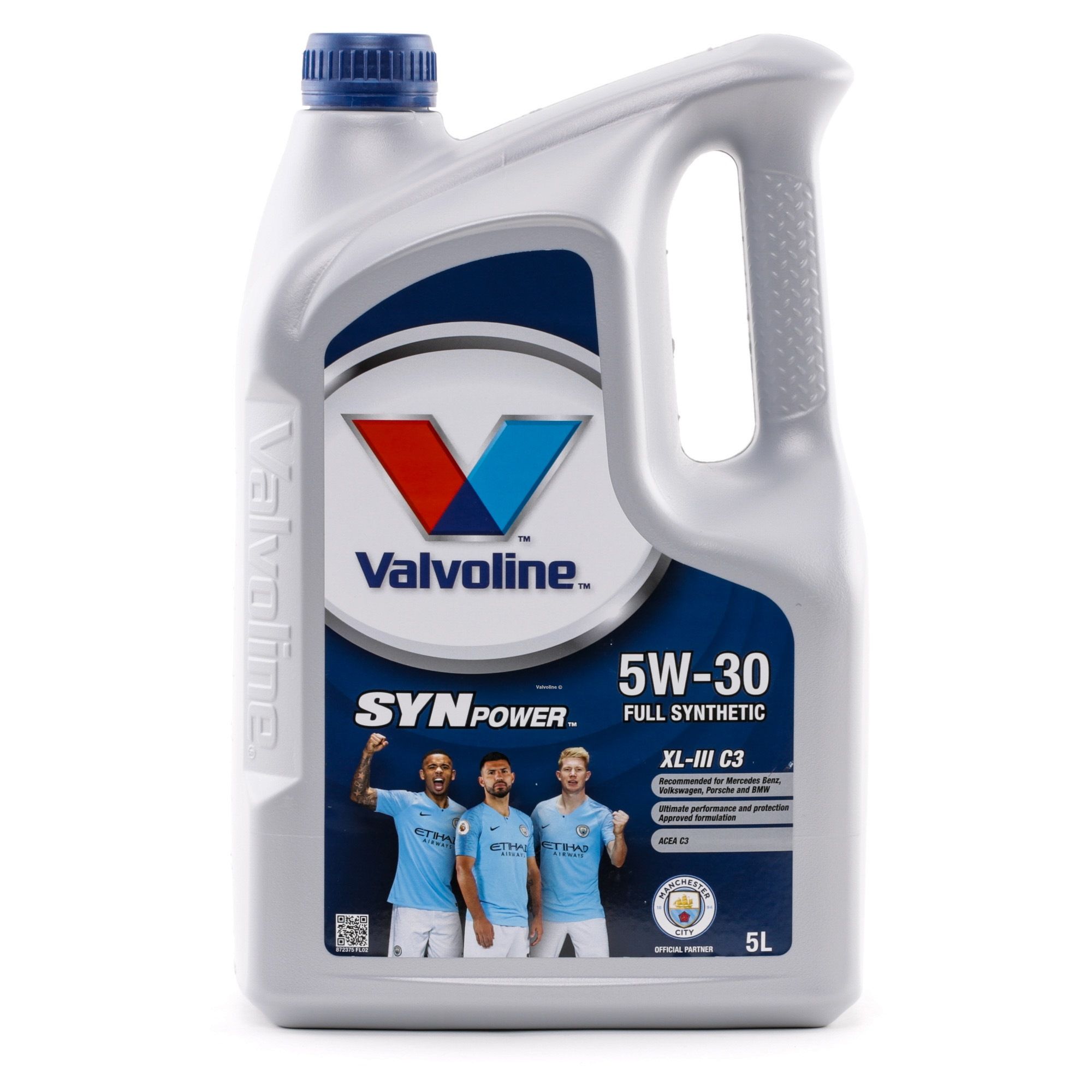
The timing chain in 1.6 CRDI diesel engines of the Hyundai i30 often develops problems between 80,000 and 120,000 kilometers. The characteristic symptom is a metallic clacking sound when starting cold, which disappears after a few seconds. The timing chain elongates due to wear and, in the worst case, can break, leading to a total loss of the engine. Vehicles built between 2009 and 2013 are particularly affected, although the problem can also occur in newer models. The service life of the timing chain is further shortened by frequent short journeys and irregular oil changes. The first signs are often seen as early as 60,000 km through slight noises when starting.
Regular maintenance is crucial for the longevity of the timing chain. The sensitive Hyundai i30 timing chain systems require precise oil change intervals of maximum 15,000 km and the use of the prescribed oil specification. At the first sign of rattling noises, a workshop should be visited immediately, as a timely repair is more cost-effective than engine damage. The diagnosis is made by listening to the engine and checking the timing chain elongation using a special tool.
Hyundai i30: Problems with the start-stop system
The start-stop system of the Hyundai i30 does not work reliably and frequently malfunctions, especially in vehicles built from 2013 onwards. The most common symptoms are the complete suspension of the function or irregular operation of the system. Both the 1.4 T-GDI and the 1.0 T-GDI 120 PS engines as well as the mild hybrid variants with 1.5 T-GDI 48V system are affected. The system often deactivates at low outside temperatures, high air conditioning loads or after long periods of inactivity. Typical error codes in the diagnostic device indicate problems with the battery sensor, the air conditioning system or the engine control unit. The reliability of the system decreases significantly after just 30,000-50,000 km.
A systematic check is required to identify the cause of the start-stop problems. The complex Hyundai i30 Start-Stop systems require regular software updates and calibration of the sensors in order to function properly. Checking and, if necessary, replacing the starter battery and cleaning the battery terminals often helps. If problems persist, the control unit must be reprogrammed or the battery sensor replaced.
Hyundai i30: Problems with the automatic transmission
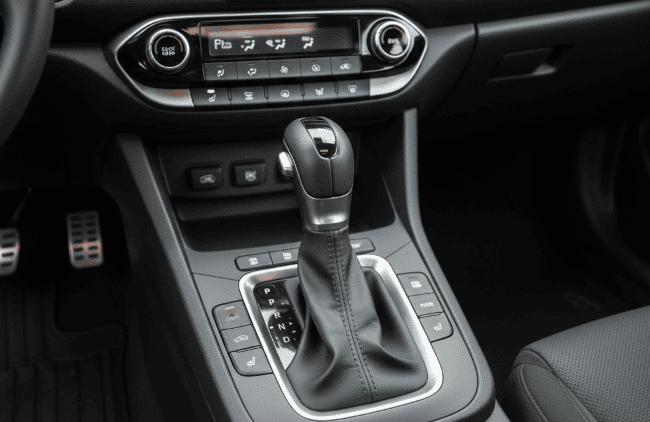
The 7-speed dual-clutch transmission of the Hyundai i30 frequently exhibits shifting problems and jerks when starting off, especially in models with a 1.4 T-GDI engine and 99 hp output. The problems manifest themselves in delayed gear changes, jerking in stop-and-go traffic and occasional shifting into emergency mode. Vehicles with a mileage of between 40,000 and 80,000 km are mainly affected, although the first signs can appear as early as 25,000 km. The gearbox does not shift smoothly and shows irregular gear changes, especially at low speeds. The service life of the clutch is further shortened by frequent hill starts and aggressive driving. Typical error codes relate to the clutch actuators or the transmission control unit.
Professional maintenance is essential for the longevity of the dual clutch transmission. The precise Hyundai i30 automatic transmissions require special transmission oils and regular software updates to function optimally. An adjustment of the clutch points by the workshop can solve many shifting problems. More serious problems often require replacement of the clutch actuators or a complete transmission overhaul, making preventive maintenance all the more important.
Hyundai i30: Problems with the panoramic roof

The panoramic roof of the Hyundai i30 frequently exhibits leaks and malfunctions, especially in vehicles built between 2010-2013. Water ingress into the interior is the most common problem, caused by brittle or displaced seals. Symptoms range from damp seats to puddles of water in the vehicle after rainfall. In addition, mechanical problems can occur when opening and closing, with the roof stopping in the middle position or making strange noises. The service life of the seals is typically 5-7 years, but can be shortened by intense sunlight and extreme temperature fluctuations. The electric motors for the roof operation can also develop problems after 60,000-100,000 km.
Regular maintenance is crucial for the functionality of the panoramic roof. The sensitive Hyundai i30 panoramic roof seals require regular cleaning and care with special rubber care products to maintain their elasticity. The drainage channels should be cleaned at least twice a year to prevent blockages. At the first sign of leaks, the seals should be replaced before consequential damage occurs to the interior.
Hyundai i30: Problems with the immobilizer and starting system
The Hyundai i30 does not start due to problems with the immobilizer, which is particularly common in models from 2009-2011. The vehicle will not start and often displays a flashing immobilizer indicator light on the dashboard. The most common causes are defective remote control keys, problems with the reader in the ignition lock or faults in the immobilizer control unit. The problem is particularly common in vehicles with 1.6 GDI and 1.4 petrol engines. The system is sensitive to electromagnetic interference and can be affected by defective cell phone chargers or other electronic devices. The reliability of the immobilizer decreases significantly after 8-10 years, and the battery in the key must also be replaced regularly.
A professional inspection is required to diagnose and fix immobilizer problems. The complex Hyundai i30 immobilizer systems require special diagnostic equipment and often reprogramming of the keys or the control unit. If problems occur, the battery in the key should first be replaced and the ignition lock cleaned. A regular check of all system components can prevent sudden failures and ensure operational safety.
Additional common faults of the Hyundai i30
Based on the experiences of Hyundai i30 drivers, the following additional problems occur:
- Radio no longer comes on: Frequently occurs after 4-6 years, often caused by defective fuses or problems with the CAN bus system.
- Display no longer comes on: Mainly affects models from 2013 onwards, usually after 50,000-80,000 km due to overheating or software errors.
- Central locking does not work: Problems often occur after 60,000-100,000 km, caused by defective servomotors in the doors.
- Fuel filler cap does not open: Mechanical problems with the fuel filler cap opening mechanism, typically after 5-7 years.
- Handbrake locks: Handbrake cables can seize after 80,000-120,000 km, especially in vehicles that are not used much.
- Steering becomes stiff: Problems with the electric power steering often occur between 70,000-100,000 km.

Hyundai i30: weaknesses and strengths
| Strengths |
Weak points |
| Good price-performance ratio |
Timing chain on 1.6 CRDI |
| Extensive standard equipment |
Automatic transmission problems |
| Large trunk |
Start-Stop system breakdowns |
| 7-year manufacturer's warranty |
Panoramic roof leaks |
| Low maintenance costs |
Immobilizer complaints |
| Modern safety systems |
Electronics Symptoms |
| Good workmanship |
Display and radio errors |
| Economical engines |
Central locking defects |
The Hyundai i30 is a fundamentally reliable vehicle with good long-term quality, but has specific weak points that require regular attention. The timing chain in diesel engines and the dual-clutch gearbox in particular are critical points that require preventive maintenance. Most electronic problems can be rectified by software updates, while mechanical wear parts should be replaced as scheduled.


 10 October 2025