Reliability Mitsubishi L200: common problems, issues symptoms and faults
Particulate filter clogging in 2.5 Di-D engines: The diesel particulate filter often clogs in vehicles with low mileage or mainly short journeys. The 136 hp and 178 hp variants of the 2.5 Di-D engine are particularly affected, with the first problems occurring as early as 40,000-60,000 km.
All-wheel drive system malfunctions: The all-wheel drive system of the L200 shows frequent faults, particularly in the electronic control system. Typical symptoms are the illumination of the all-wheel drive warning light and limited traction. These problems occur more frequently after 80,000-120,000 km.
Automatic transmission shifting problems: The automatic transmission does not shift properly or does not jump into all gears. The 2018 models with 181 hp in particular show these weak points from a mileage of 50,000-70,000 km.
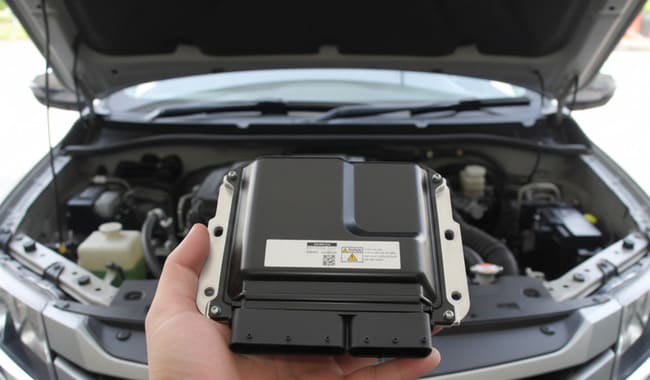
Engine control unit defects: The ECU does not function correctly, resulting in loss of power and starting problems. These faults mainly occur in vehicles from 2006 and newer models after 100,000-150,000 km.
Mitsubishi L200: Problems with the particulate filter on the 2.5 Di-D engine
The most frequent complaints with the Mitsubishi L200 concern the diesel particulate filter, especially with the 2.5 Di-D engines with 136 hp and 178 hp. The particulate filter regularly becomes clogged, which leads to reduced engine performance, increased fuel consumption and the engine control light coming on. These problems manifest themselves particularly in vehicles that are mainly used for short journeys, as the filter does not reach sufficiently high temperatures for self-cleaning. Typical symptoms are a juddering engine at idle, black smoke from the exhaust and a noticeable reduction in performance. The reliability of the system is highly dependent on the driving style, with the first problems occurring as early as 40,000 km and a second wave of problems often appearing between 80,000-100,000 km.
Regular maintenance is crucial for the longevity of the particulate filter. The sensitive Mitsubishi L200 particulate filter systems require regular highway driving at a minimum of 2000 rpm for 20 minutes to allow full regeneration. For diagnosis, the vehicle should be checked with an OBD scanner for corresponding fault codes, with codes P2002 and P2004 occurring frequently. Professional cleaning or replacement of the filter may be necessary, although preventative measures such as the use of diesel additives and regular long-distance driving can significantly extend the service life.
Mitsubishi L200: Problems with the all-wheel drive system
The all-wheel drive system of the Mitsubishi L200 shows recurring weak points, which manifest themselves in various symptoms. The electronic control of the all-wheel drive system does not function properly, which is manifested by the permanent illumination of the 4WD warning light, unusual noises when shifting between modes or limited traction. Models from 2006 onwards are particularly affected, with the faults often being caused by defective sensors, worn clutches in the transfer case or problems with the electronic control unit. The breakdowns occur more frequently after 80,000-120,000 km, but can occur in individual cases from as little as 60,000 km. A second main problem lies at 150,000-180,000 km, when wearing parts such as clutches and bearings reach the end of their service life.
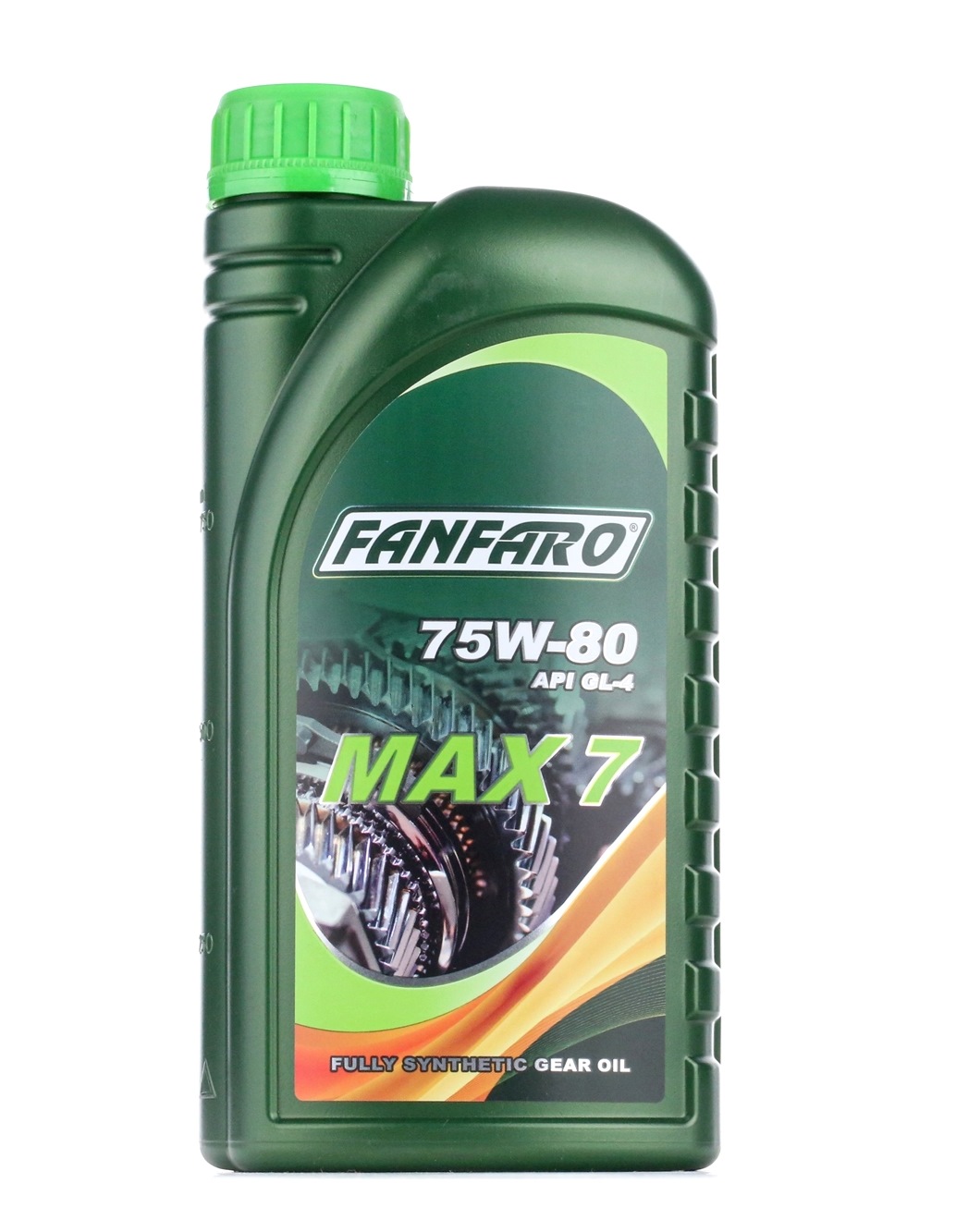
A systematic check is essential for the proper functioning of the drive system. The complex Mitsubishi L200 all-wheel drive components require regular checks of the transmission oils, sensors and mechanical parts every 40,000 km. Diagnosis is carried out by reading out the fault codes, with codes C121A (all-wheel drive clutch) or C1210 (transfer case sensor) frequently occurring. Professional maintenance with special transmission oil and the timely repair of defective components can prevent major damage to the costly all-wheel drive system.
Reviews - 28
Parts Details
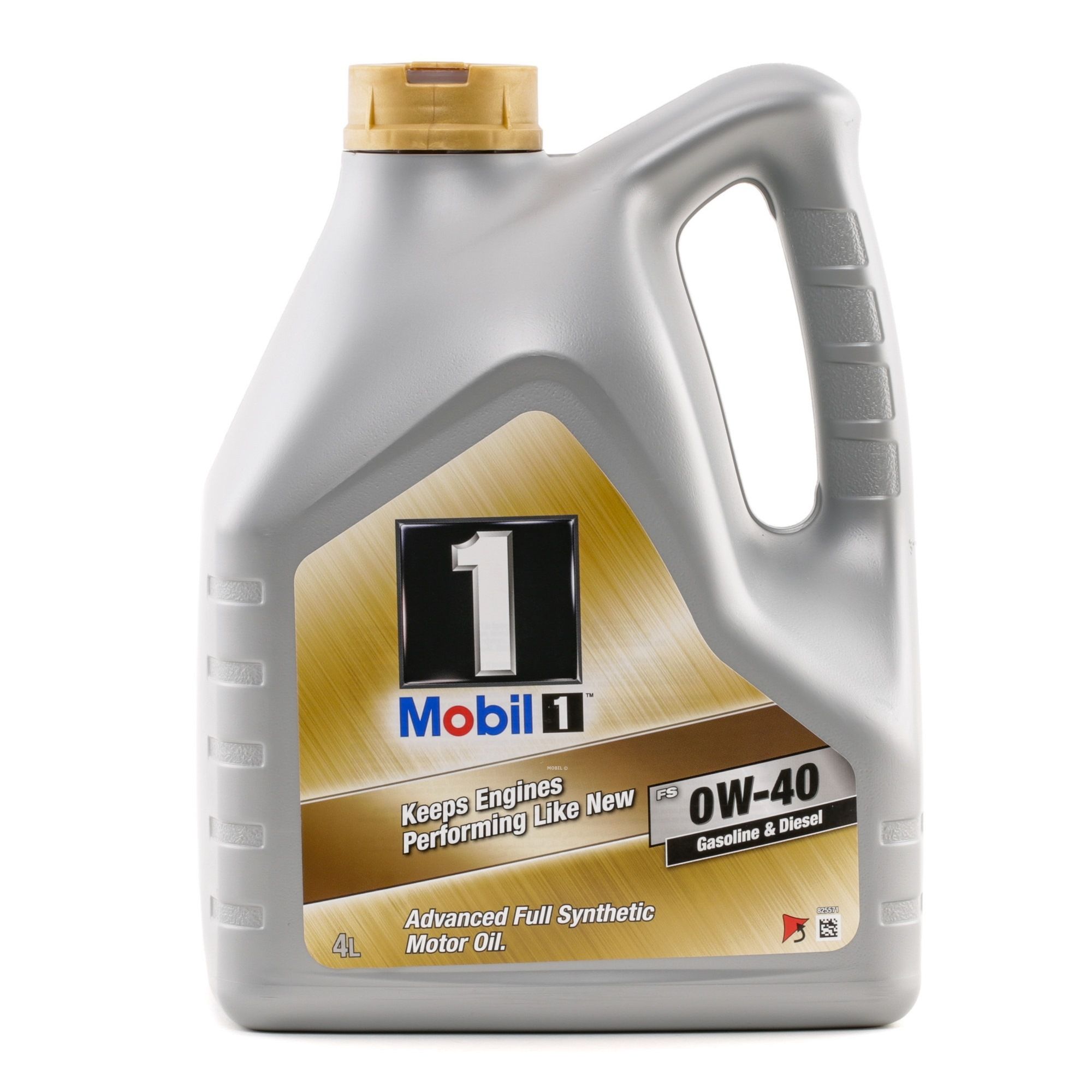
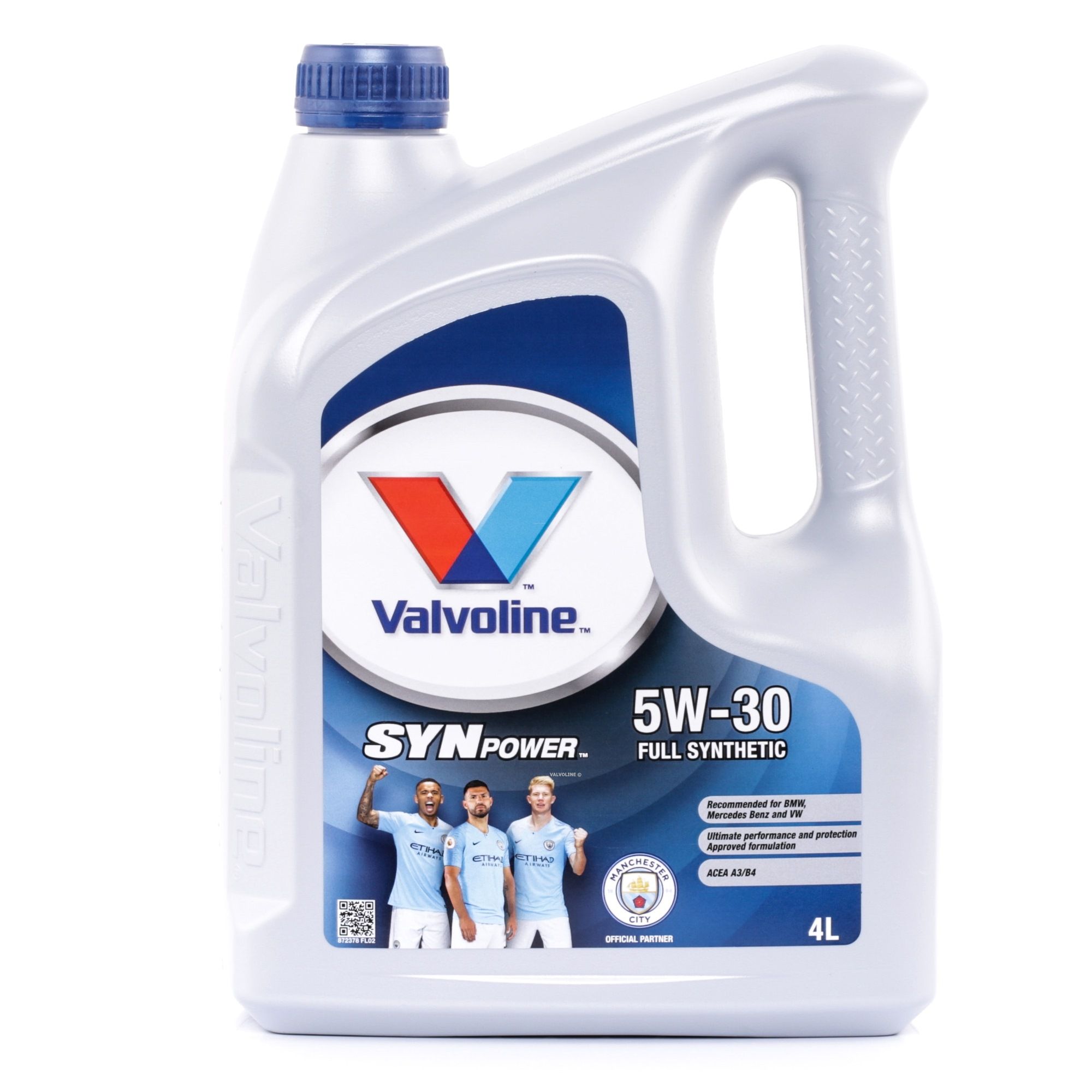
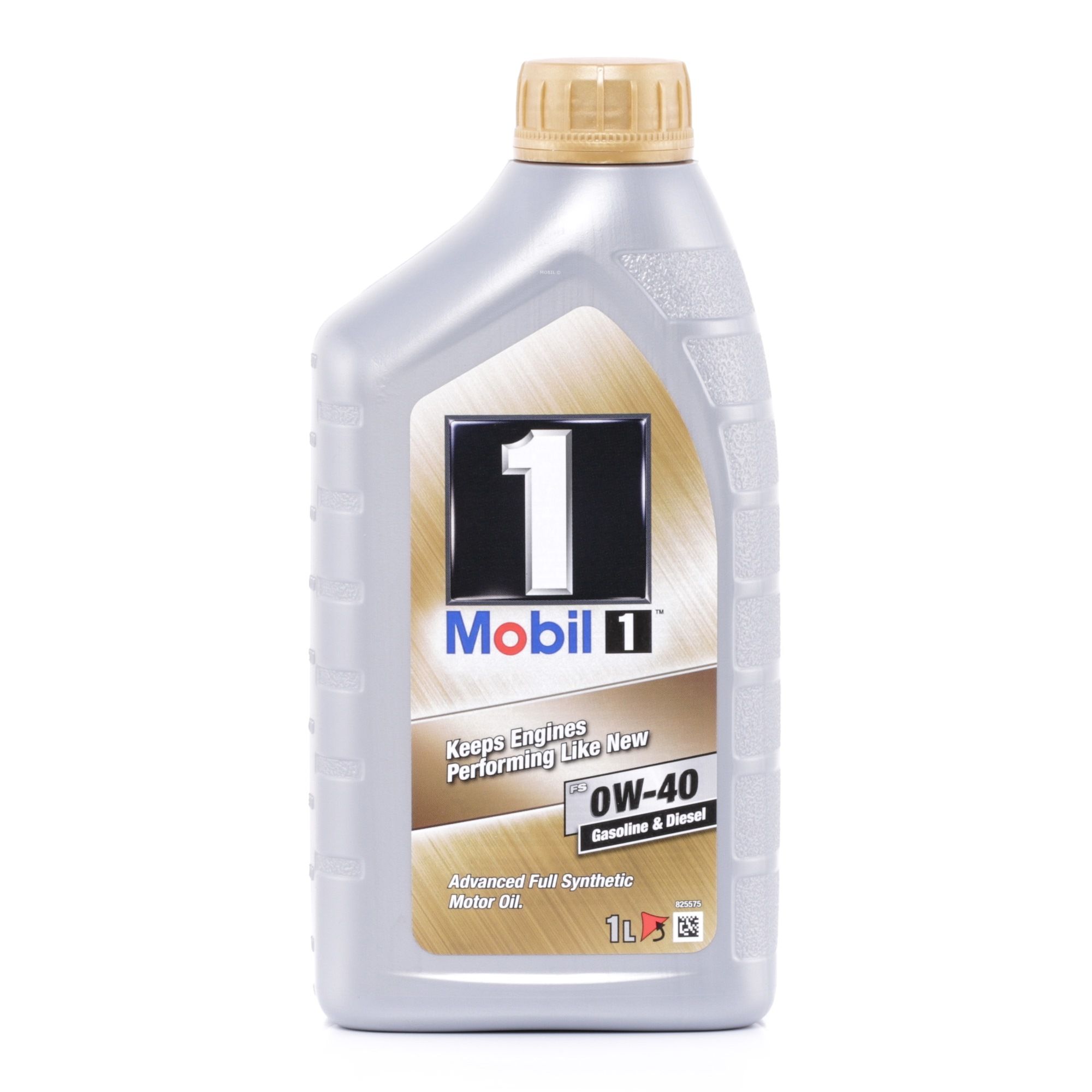
Capacity [litre]: 4
SAE viscosity grade: 0W-40
ACEA:
ACEA A3 / B4
API:
API SN, API CF
Manufacturer recommendations: AAE STO 003 B7, MB 229.3, MB 229.5, VW 502 00, VW 503 01, VW 505 00, Porsche A40, Fiat 9.55535-M2, Ford WSS-M2C937-A
Mitsubishi L200: Problems with the automatic transmission
The automatic transmissions of the Mitsubishi L200, especially in the newer 2018 models with 181 hp, show characteristic defects in shift quality. The transmission does not shift smoothly, does not jump into certain gears or remains in low ratios for too long. Typical complaints include hard shift shocks, delayed reactions when accelerating or the complete absence of gear changes. These problems are often caused by worn clutches, defective solenoid valves or problems with the transmission control unit. The first symptoms can occur as early as 50,000-70,000 km, with a second wave of problems occurring frequently between 120,000-150,000 km. The service life of the automatic transmission depends heavily on maintenance and driving style, whereby frequent towing can accelerate the problems.
Professional maintenance is crucial for the reliability of the automatic transmission. The precise Mitsubishi L200 automatic transmission components require a regular oil change every 60,000 km as well as checking the oil level and oil quality. Diagnosis is carried out by reading out the fault codes and taking a test drive, with codes such as P0730 (transmission slip) or P0750 (shift solenoid valve) occurring frequently. Timely repair of defective solenoid valves or a complete transmission service can restore functionality and prevent expensive consequential damage.
Mitsubishi L200: Problems with the engine control unit
The engine control unit of the Mitsubishi L200 frequently exhibits faults that manifest themselves in various symptoms. The control unit does not function correctly, which can lead to starting problems, loss of power, irregular engine running or complete engine failure. Older models from 2006 and newer vehicles with high mileage are particularly affected. The causes often lie in defective capacitors, corroded contacts or software errors in the control unit. These breakdowns mainly occur after 100,000-150,000 km, but can also occur earlier under unfavorable conditions such as humidity or temperature fluctuations. A characteristic feature is that the engine does not start or only runs in the emergency running program. The reliability of the system decreases significantly with age, with a second wave of problems often occurring between 180,000-220,000 km.
A professional inspection is required to correctly diagnose control unit problems. The sensitive Mitsubishi L200 engine control units require professional fault diagnosis with special software and, if necessary, reprogramming or complete replacement. The diagnosis includes reading out all error codes, checking the power supply and the signal lines. Common error codes are P0601 (control unit checksum) or P0606 (processor error). Preventive maintenance through protection against moisture and regular software updates can significantly extend the service life of the control unit.
Mitsubishi L200: Problems with the fuel pump
The fuel pump of the Mitsubishi L200 shows recurring weak points, especially in vehicles with higher mileage. The high-pressure pump does not work properly, resulting in starting problems, loss of power and irregular engine running. Typical symptoms are an engine that is difficult to start, especially in cold temperatures, a drop in power under load or complete engine failure. These problems affect both the 136 hp and 178 hp variants of the 2.5 Di-D engine and occur more frequently between 120,000-160,000 km. An earlier wave of problems can occur as early as 80,000 km, especially in vehicles with poor fuel quality or infrequent filter changes. The service life of the fuel pump depends heavily on the fuel quality and regular maintenance.
Regular maintenance is essential for the proper functioning of the fuel supply system. The precise Mitsubishi L200 fuel pump systems require regular filter changes every 40,000 km and the use of high quality diesel with appropriate additives. Diagnosis is carried out by measuring the pressure in the fuel system, whereby the target pressure should be around 1600 bar. If the pressure drops or is irregular, the high-pressure pump must be replaced. Preventive treatment through regular fuel system cleaning can significantly extend the service life and avoid expensive repairs.
Reviews - 24
Parts Details
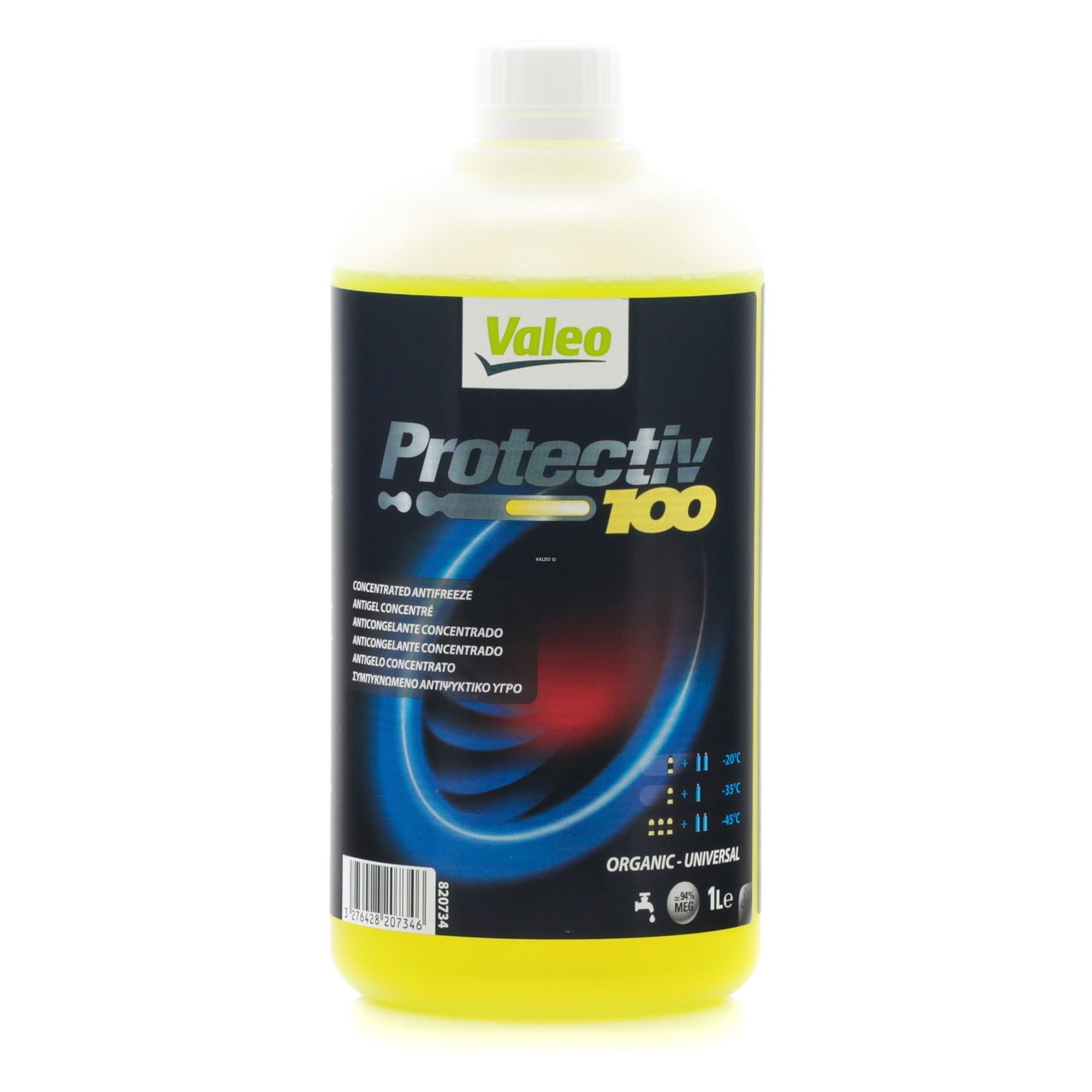
Capacity [litre]:
1
Specification:
G12
Colour:
yellow
Properties:
Concentrate
Manufacturer recommendations:
ASTM D3306, ASTM D1384, CUNA NC 956 / 16, SAE J1034 BS 6580-20, NF R 15601 type 1, DAIMLER DBL 7700.30, MAN 324-SNF, VAG TL-774 D, MTU MTL 5048, VAG TL-774 F
Product line:
PROTECTIV 100
Concentrate
Chemical Properties:
Free of nitrite, Phosphate free, Amine free, Free of silicate, Borate free
Manufacturer recommendations:
VW G 009 317, VW G 052 171, VW G 052 178, VW G 052 512, VW G 052 532, VW G 052 527, VW G 052 726, VW G 052 798, VW G 055 726, BMW MTF LT-1, BMW MTF LT-2, BMW MTF LT-3, BMW MTF LT-4, Ford WSS-M2C200-D2, MB 235.10, Nissan 999MP-MTF20P, Nissan KE91699932R, Mitsubishi MZ312644, PSA 9730 A2, PSA 9730 A8, PSA B71 2330, Toyota JWS 227
Based on the experience of Mitsubishi L200 owners, the following additional problems occur:
Turbocharger wear: typically occurs after 150,000-180,000 km, often caused by lack of oil or clogged air filters.
Air conditioning compressor defects: Common after 100,000-130,000 km, especially with intensive use in hot climates.
Timing belt problems: Can occur as early as 90,000 km, although the replacement interval is 100,000 km.
Alternator failure: Often occurs after 120,000-150,000 km, frequently due to wear of the carbon brushes.
Brake disk wear: Premature wear as early as 40,000-60,000 km, especially with frequent trailer use.
Clutch problems with manual transmission: Typically after 140,000-170,000 km, depending on driving style and intended use.
Water pump leaks: Often occur after 130,000-160,000 km, especially with irregular coolant changes.
Mitsubishi L200: Weak points and strengths
Strengths
Weak points
Robust construction for heavy loads
Particulate filter clogging on short journeys
Reliable engines with good maintenance
All-wheel drive system electronic problems
High towing capacity up to 3,500 kg
Automatic transmission shifting problems
Good off-road capability
Engine control unit failures
Generous warranty conditions
Fuel pump wear
Low maintenance costs for self-repair
High workshop costs
Durable bodywork
Electronic complexity
The Mitsubishi L200 proves to be a fundamentally robust work vehicle, but it has specific weak points that require regular attention. Most problems can be avoided through consistent maintenance and an adapted driving style. Regular regeneration of the particulate filter through highway driving and professional maintenance of the complex all-wheel drive system are particularly important. With appropriate care, the L200 can achieve a long service life and fully exploit its strengths as a versatile pick-up.
Useful videos on this topic:
How to change the car battery on the MITSUBISHI L200 KA
How to change the air filter on the MITSUBISHI L200 KA
How to change the oil filter and engine oil on the MITSUBISHI L200 KA


 11 November 2025 (updated)