Reliability Mitsubishi Pajero: common problems, issues symptoms and faults
Automatic transmission problems: The automatic transmission does not shift properly or no longer functions correctly, especially in models with a high mileage of 150,000 km or more. These symptoms are manifested by jerky gear changes or complete failure of the gearshift.
3.2 DI-D engine problems: The 3.2 DI-D diesel engine shows frequent common rail system and fuel injection system faults, typically after 120,000-180,000 km. Complaints include loss of power and black smoke from the exhaust.
Differential lock defects: The electronic differential lock won't start or doesn't work reliably, which can lead to breakdowns, especially when driving off-road. These faults often occur after 80,000-100,000 km.
2.5 TD turbocharger problems: In 2.5 TD engines, the turbocharger often fails between 100,000-150,000 km, resulting in a drastic loss of power and increased oil consumption. The service life of the turbocharger is often limited by inadequate maintenance.
Mitsubishi Pajero: Problems with the automatic transmission
The automatic transmission of the Mitsubishi Pajero shows typical weak points, which manifest themselves in various symptoms. The transmission no longer shifts properly, does not jump into the desired gear or no longer functions fully. These frequent faults occur particularly in vehicles with high mileage, typically from 150,000 km, but can also occur earlier if insufficient maintenance is carried out. The reliability of the automatic transmission is heavily dependent on regular oil changes and the quality of the operating fluids used. The first signs are jerky gear changes, delayed gear engagement or slipping of the clutch. In the case of advanced damage, the gearbox can fail completely and the vehicle will come to a standstill.
A systematic check is essential for the early detection of transmission problems. The complex Mitsubishi Pajero automatic transmissions require special diagnostic equipment for fault reading and regular flushing of the transmission oil every 60,000 km. Repairs often involve replacing valve bodies, clutch packs or torque converters, and the cost can be considerable. Preventive maintenance through regular oil changes and the use of original transmission oil can significantly extend the service life and avoid expensive repairs.
Mitsubishi Pajero: Problems with the 3.2 DI-D engine
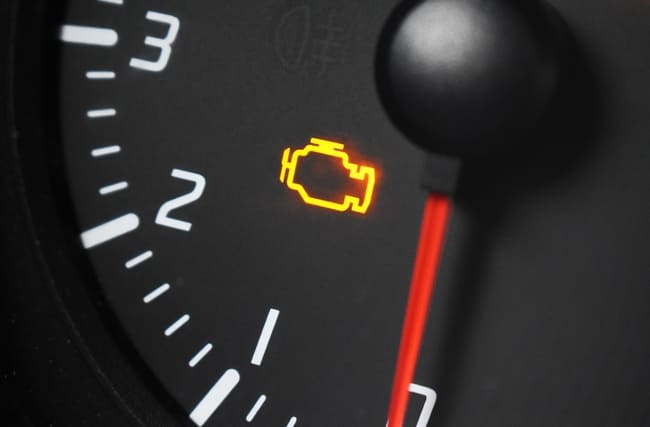
The 3.2 DI-D engine of the Mitsubishi Pajero has characteristic weak points in the common rail injection system. These common faults are manifested by uneven engine running, loss of power and black smoke from the exhaust. The problems typically occur between 120,000 and 180,000 km, but can occur earlier if the fuel quality is poor or maintenance is irregular. The injectors become clogged with deposits, leading to uneven combustion. In addition, problems with the high-pressure pump can occur, affecting the entire injection system. Symptoms also include increased fuel consumption, starting difficulties when the engine is cold and the check engine light coming on.
Regular maintenance is critical to the longevity of the 3.2 DI-D system. The sensitive Mitsubishi Pajero injection components require high-quality fuel and regular cleaning with special additives every 15,000 km. Diagnosis is carried out by measuring the pressure in the common rail system and checking the injection nozzles on a test bench. In the event of problems, the injection nozzles often have to be overhauled or the high-pressure pump replaced. Preventive treatment with fuel system cleaners can prevent deposits and significantly improve engine reliability.
-45%
Reviews - 20
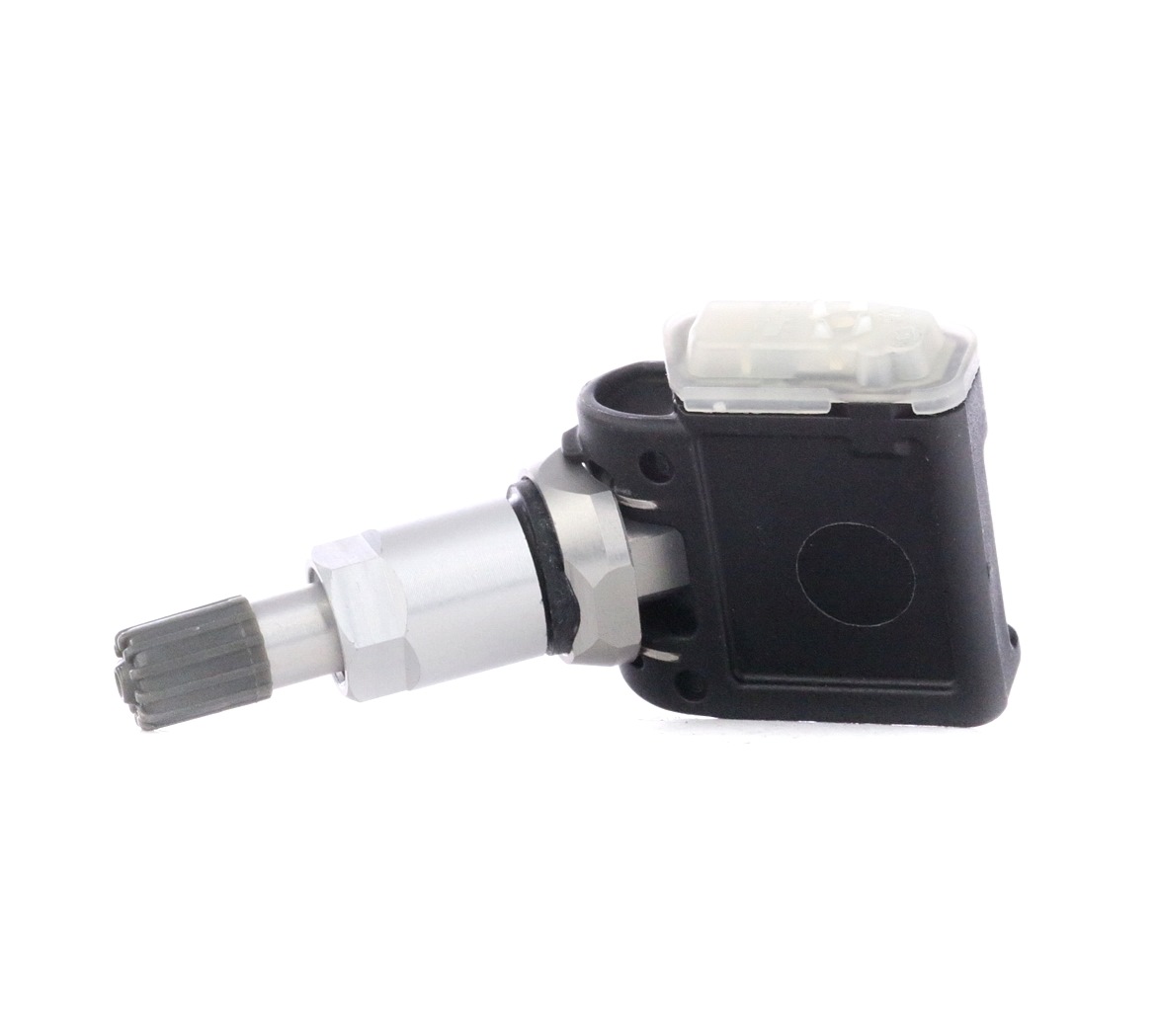
Parts Details
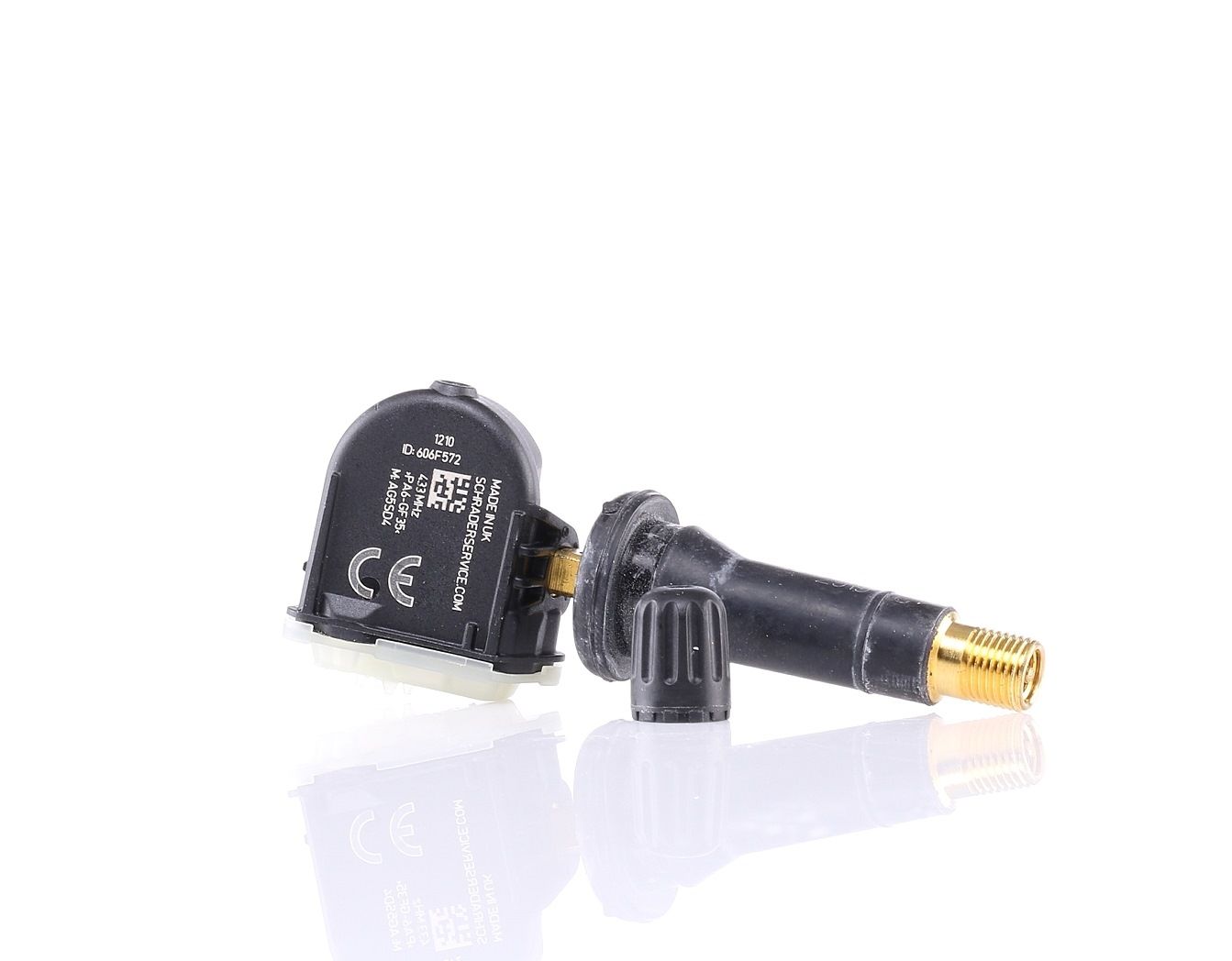
Supplementary Article / Supplementary Info Info 2:
with groove, with valves
Permissible maximum speed [km / h]:
250
Housing Colour:
black
Frequency Range [MHz]:
433
Valve stem material:
Aluminium
Code Letter:
3057
Tightening Torque [Nm]:
8
Mounting Type:
Bolted
Vehicle Equipment:
for vehicles with tyre-pressure monitoring system
Mitsubishi Pajero: Problems with the differential lock
The electronic differential lock of the Mitsubishi Pajero frequently malfunctions, which becomes particularly problematic when driving off-road. The system does not start or does not function reliably, which can lead to dangerous situations in difficult terrain. These weak points often manifest themselves after just 80,000-100,000 km and are typical of the complex electronics of the all-wheel drive system. The faults can have various causes: defective sensors, dirty contacts, problems with the control unit or mechanical defects in the differential itself. Symptoms include warning lights coming on, unusual noises when the lock is engaged or complete failure of the function. The service life of the components is highly dependent on the operating conditions and maintenance.
Professional maintenance is necessary for the proper functioning of the complex system. The sophisticated Mitsubishi Pajero differential lock components require regular inspection of the sensors and actuators as well as cleaning of the electrical contacts every 30,000 km. Diagnosis is carried out using special test equipment that checks the electronic signals and mechanical functions. Repairs often involve replacing sensors, cleaning the contacts or, in severe cases, overhauling the entire differential. Regular maintenance and avoiding extreme loads can significantly improve reliability.
Mitsubishi Pajero: Problems with the 2.5 TD turbocharger
The turbocharger of the 2.5 TD engine shows typical signs of wear and failure between 100,000 and 150,000 km mileage. These frequent faults are manifested by a drastic loss of power, bluish or black smoke from the exhaust and unusual whistling noises. The weak points are mainly in the bearings and seals of the turbocharger, which are subjected to high temperatures and speeds. Insufficient lubrication or contaminated oil can lead to premature wear. The symptoms often develop gradually: initially a slight loss of power, then increasing oil consumption and finally complete failure. If the damage is advanced, metal chips from the defective turbocharger can damage the engine. The service life is highly dependent on the quality of maintenance and the operating conditions.
A professional inspection is essential for the early detection of turbocharger damage. The heavy-duty Mitsubishi Pajero 2.5 TD turbochargers require regular oil changes with high-quality oils every 10,000 km and air filter checks. The diagnosis includes pressure measurements, visual inspection of the turbine blades and checking for oil leaks. At the first sign of damage, the turbocharger should be overhauled or replaced to prevent consequential damage to the engine. Preventive measures such as proper warm-up and cool-down phases can significantly extend the service life.
Mitsubishi Pajero: Problems with the 2.0 GDI and 1.8 GDI engine
The gasoline engines 2.0 GDI and 1.8 GDI of the Mitsubishi Pajero have specific problems with the direct injection. These common faults manifest themselves in rough idling, loss of power and increased fuel consumption. The weak points are mainly due to coking of the intake valves and injectors, as direct injection does not allow the fuel to clean the valves. Problems typically occur after 60,000-100,000 km, depending on driving conditions and fuel quality. Symptoms also include difficulty starting, especially when the engine is cold, and the check engine light coming on. With advanced coking, the engine may no longer function properly and will not start. The reliability of these engines is highly dependent on regular maintenance and high quality fuels.
A systematic check is necessary for the maintenance of the GDI systems. The sensitive Mitsubishi Pajero GDI injection components require special cleaning procedures and regular removal of carbon deposits every 40,000 km. Diagnosis is carried out by endoscope examination of the combustion chambers and pressure measurements in the fuel system. Repairs often include professional cleaning of the intake valves, replacement of the injectors or overhaul of the entire injection system. Preventive measures such as the use of high-quality fuels and regular driving at higher engine speeds can reduce coking and maintain engine performance.
Reviews - 63
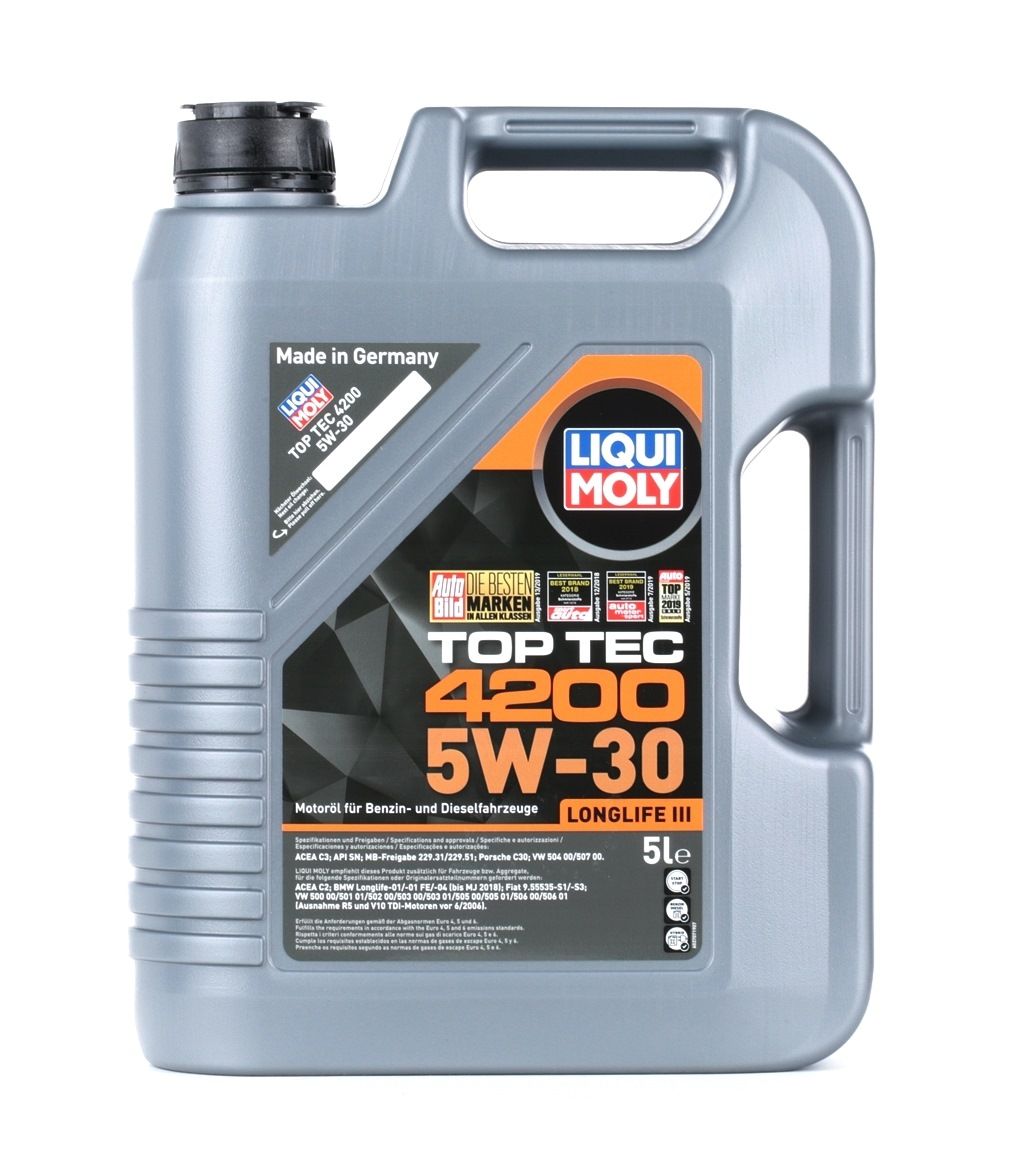
Parts Details
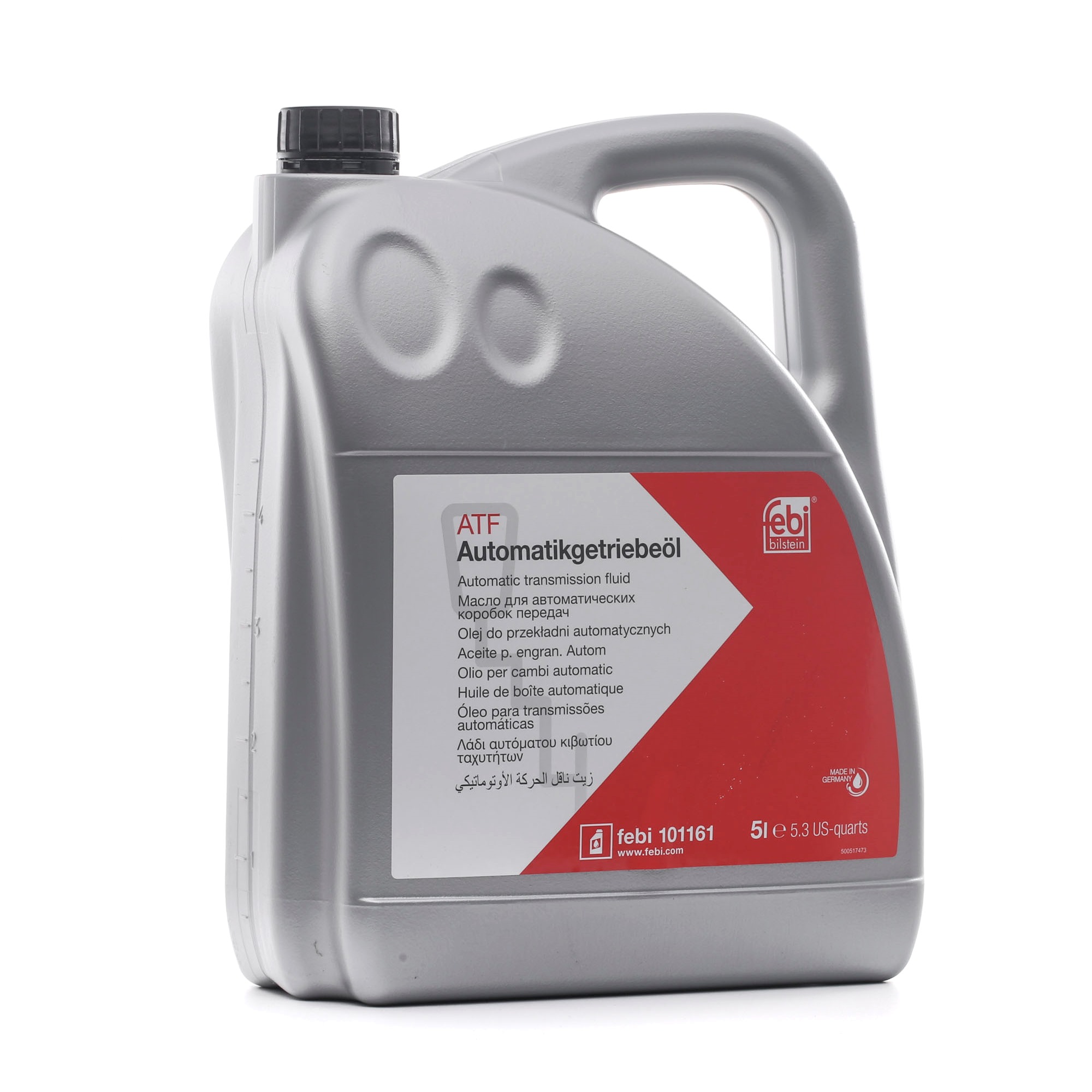
Capacity [litre]:
4
SAE viscosity grade:
ATF VI
Manufacturer recommendations:
JASO M315 1A-LV, Aisin ATF-0T4, Aisin ATF-0WS, Saturn Z 000169756, ALLISON C4, Bentley PY112995PA, Ford Mercon LV, Hyundai SP-IV, Hyundai SP4-M1, Hyundai SPH-IV, Hyundai SP-IV-RR, Hyundai WS, Hyundai NWS-9638, Toyota ATF FZ, Toyota ATF T-IV, Toyota ATF WS, MB 236.14, MB 236.15, MB 236.2, MB 236.41, MB 236.5, Nissan Matic D, Nissan Matic J, Nissan Matic K, Nissan Matic S, Nissan Matic W, VW G 052 533, VW G 053 001, VW G 055 005, VW G 055 162, VW G 055 540, VW G 060 162, BMW ATF 3+, BMW ATF 4, BMW ATF 6, Chrysler ATF+2, Chrysler ATF+3, Chrysler ATF+4, Honda ATF DW-1, Honda ATF 3.1, Honda ATF Z1, Isuzu ATF II, Isuzu ATF III, Isuzu SCS, LR TYK500050, Land Rover AW-1, LR LR0022460, LR LR023288, LR LR023289, Jaguar JLM 20238, Jaguar JLM 20292, Jaguar JLM 21044, MAN 339 A, MAN 339 D, MAN 339 F, Maserati 231603, Mazda ATF-FZ, Mazda ATF N-1, Mazda ATF S-1, Mazda ATF M-5, Mitsubishi ATF-J3, Mitsubishi ATF-MA1, Mitsubishi ATF-PA, Mitsubishi SP-IV, 000.043.205.28, 000.043.204.63, 000.043.304.00, 000.043.205.09, PSA 9730 AE, PSA B71 2340, Renault DP-0, Renault Matic D2, Saab 93 160 393, Saab 93 165 147, Ssangyong DSIH 5M-52, Ssangyong DSIH 5M-66, Subaru ATF HP, Subaru ATF WS, Suzuki ATF 2326, Suzuki ATF 2384K, Suzuki ATF 3314, Suzuki ATF 3317, Suzuki Matic D, Suzuki Matic J, Suzuki Matic S, Volvo 1161521, Volvo 1161621, Volvo 1161640, Volvo 1161540, Volvo 97340, Volvo 97341, ZF TE-ML 11, ZF TE-ML 21L
Product line:
Dexron VI
Packing Type:
Canister
Transmission Type:
for automatic transmission, not for CVT automatic transmission (stepless)
Based on the experience of Mitsubishi Pajero drivers, the following additional problems occur:
Air conditioning compressor defects: Often occur after 80,000-120,000 km, often caused by seal or bearing wear.
ABS sensor problems: Can occur as early as 60,000 km, especially on the rear wheels due to dirt or corrosion.
Fuel pump failure: Typically after 150,000-200,000 km, often due to contamination in the tank or electrical faults.
Steering gear leaks: Often occur after 100,000-150,000 km, especially in vehicles with intensive off-road use.
Radiator problems: Leaks in the main radiator or auxiliary radiator after 120,000-180,000 km, often due to stone chips or corrosion.
Starter motor defects: Can occur after 100,000-150,000 km, often due to wear of the carbon brushes or magnetic switches.
Window regulator problems: Electric window regulators often fail after 80,000-120,000 km, usually due to defective motors or switches.
Mitsubishi Pajero: weak points and strengths
Strengths
Weak points
Robust off-road capability
Automatic transmission problems
High payload and towing capacity
3.2 DI-D injection problems
Reliable all-wheel drive technology
Turbocharger wear
Spacious interior
Differential lock defects
Solid workmanship
GDI engine coking
Good spare parts supply
Electronic faults
Proven technology
High fuel consumption
The Mitsubishi Pajero proves to be a fundamentally robust off-road vehicle with proven technology, but it does require regular and intensive maintenance. Most problems can be avoided or at least their effects limited by preventive measures and timely intervention. Especially the complex systems such as automatic transmission, diesel injection and all-wheel drive require expert care in order to minimize the characteristic weak points and ensure the longevity of the vehicle.


 12 November 2025 (updated)