Problems with the Opel Astra

Reliability Opel Astra: common problems, issues symptoms and faults
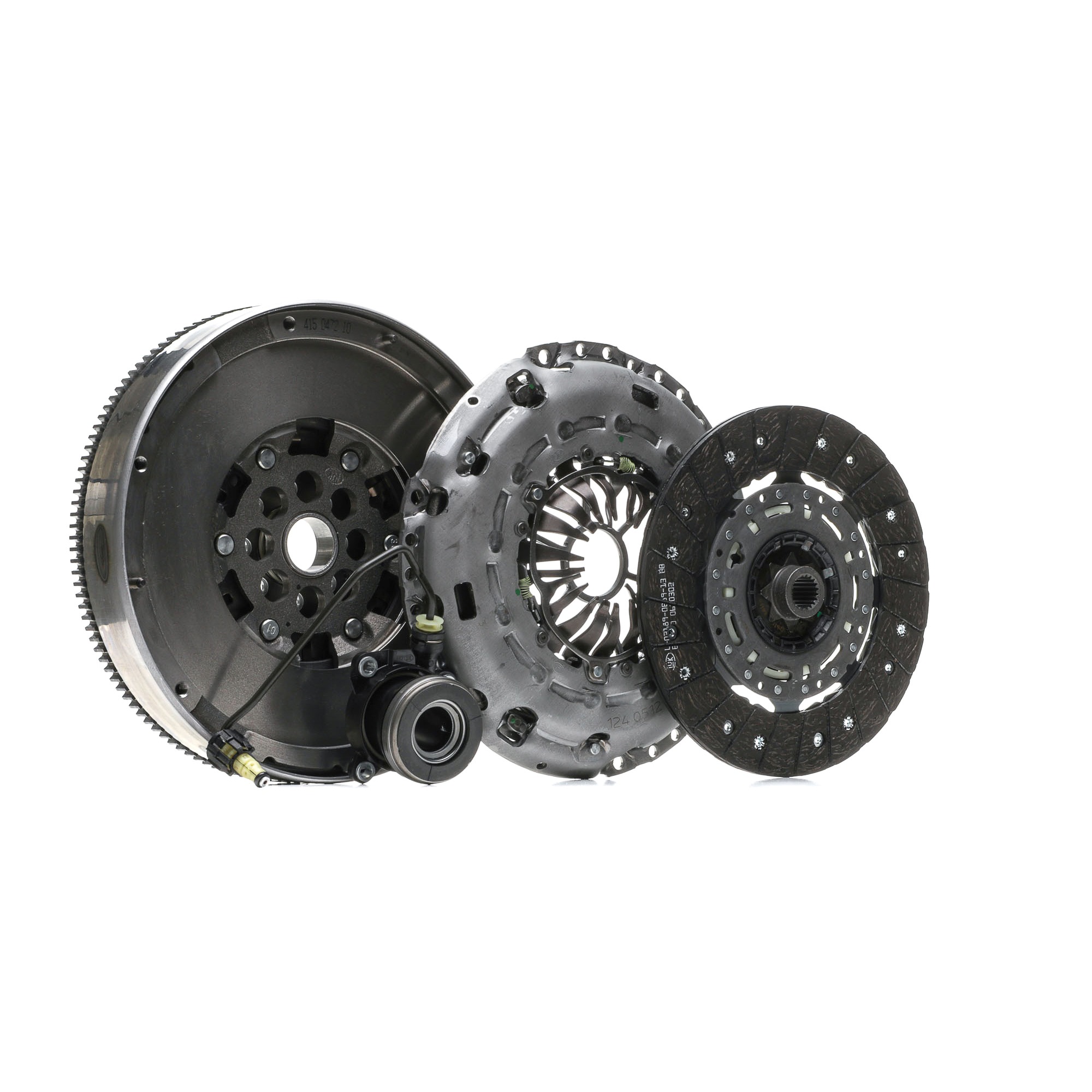
- Automatic transmission problems: The automatic transmission does not start properly or does not shift properly, especially in the 2020 models with 1.4 Turbo 140 hp. These symptoms often occur between 80,000-120,000 km and can be caused by software errors or mechanical defects.
- Diesel particulate filter clogging: In the 1.5 Diesel and 1.6 CDTI 110 hp engines, the DPF does not function properly, resulting in loss of power and breakdowns. These common faults become apparent after 60,000 km, especially on short journeys.
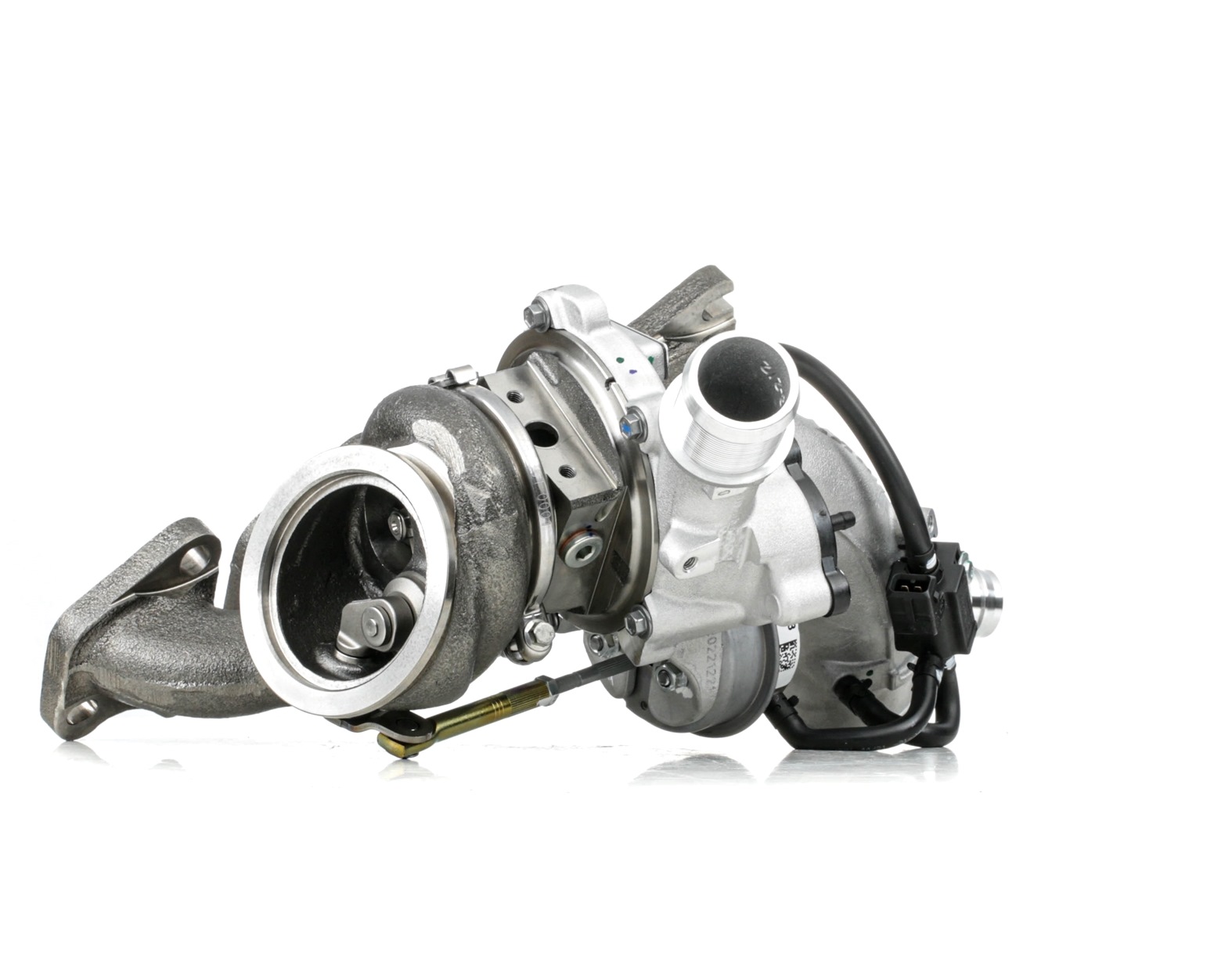
- Turbocharger defects: The 1.2 Turbo and 1.0 Turbo suffer from premature turbocharger wear. Reliability is impaired when symptoms such as loss of power and unusual noises occur from 100,000-150,000 km.
- Injection system faults: The 1.6 CDTI 136 PS in particular shows complaints regarding the fuel injection system. These weak points manifest themselves in starting problems and rough engine running between 80,000-120,000 km.
Opel Astra: Problems with the automatic transmission
The automatic transmission of the Opel Astra shows various faults, which can manifest themselves in jerky gear changes, delayed reactions or complete failure. Particularly affected are the models from 2020 with the 1.4 Turbo 140 hp engine, where the transmission does not shift correctly or does not start. The service life of the automatic transmission is strongly influenced by driving style and maintenance intervals, with the first symptoms often appearing between 80,000 and 120,000 kilometers. With intensive use or irregular maintenance, these problems can manifest themselves earlier, around 60,000 kilometers.
Regular maintenance is crucial for the longevity of the transmission system. The complex Opel Astra automatic transmissions require an oil change every 60,000 kilometers and computer-aided diagnostics for early detection of error codes. Preventive treatment by qualified workshops can prevent expensive repairs and ensure optimum shifting performance.
Opel Astra: Problems with the diesel particulate filter

The diesel particulate filter in the 1.5 Diesel and 1.6 CDTI engines (110 hp and 136 hp) frequently shows defects due to clogging and incomplete regeneration. These weak points lead to reduced driving performance, increased fuel consumption and the dreaded check engine light. The DPF does not function properly if mainly short journeys are made, as the necessary operating temperature for self-cleaning is not reached. Initial complaints typically occur between 60,000 and 100,000 kilometers, but can become problematic as early as 40,000 kilometers under unfavorable driving conditions.
A systematic check is essential to avoid costly repairs. The sensitive Opel Astra diesel particulate filters require regular highway driving for natural regeneration and special maintenance intervals every 15,000 kilometers. Professional cleaning or the use of DPF cleaning additives can restore functionality and ensure the long-term reliability of the system.
Opel Astra: Problems with the turbocharger
The turbocharger units of the 1.2 Turbo, 1.0 Turbo and 1.2 145 hp engines suffer from premature wear of the bearings and seals. These faults are manifested by a loss of power, bluish exhaust smoke and characteristic whistling noises when accelerating. The turbocharger does not start properly or gradually loses its charging power, which leads to noticeable losses in engine performance. The service life is typically between 100,000 and 150,000 kilometers, but can become critical from as little as 80,000 kilometers if the vehicle is driven aggressively or insufficiently maintained. Breakdowns due to complete turbocharger failure are not uncommon and lead to costly repairs.
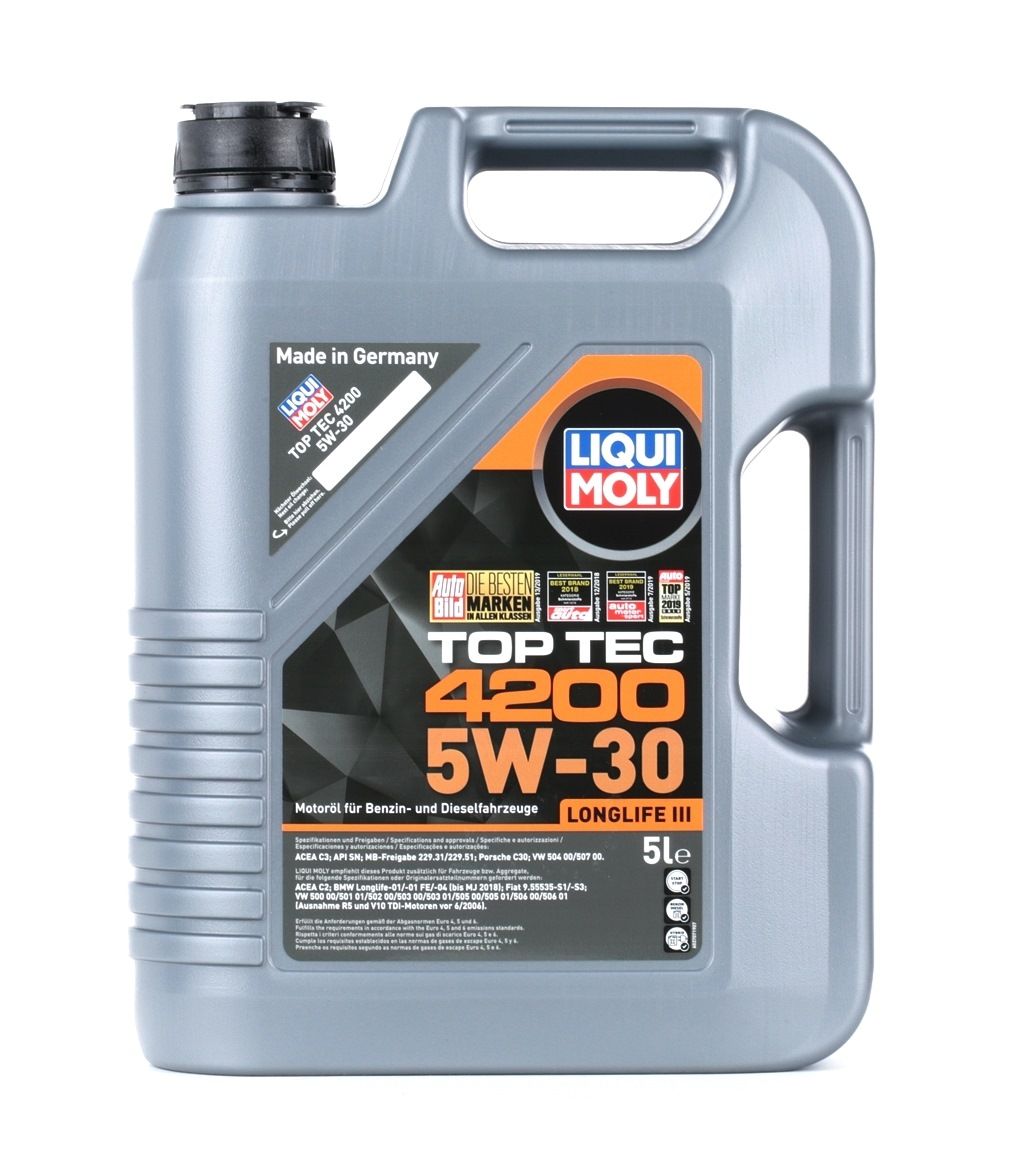
A professional inspection is necessary to detect signs of wear in good time. The precise Opel Astra turbocharger systems require high-quality engine oil with specified viscosity classes and change intervals of a maximum of 15,000 kilometers. Preventive maintenance by using quality oils and avoiding abrupt engine shutdowns after full-load driving significantly extends turbocharger service life.
Opel Astra: Problems with the injection system
The common rail injection system of the 1.6 CDTI and 1.7 CDTI engines shows characteristic weak points in the high-pressure injection pumps and injectors. These components do not function properly if impurities occur in the fuel system or the injectors become calcified. Symptoms include rough engine running, starting problems especially at cold temperatures and increased emission levels. Initial symptoms typically occur between 80,000 and 120,000 kilometers, although reliability is highly dependent on fuel quality. If low-quality diesel fuels are used, these breakdowns can occur as early as 60,000 kilometers.
Professional maintenance is essential for the fuel system to function optimally. The high-precision Opel Astra injectors require cleaning with special additives and regular fuel pressure checks every 30,000 kilometers. Preventive treatment through the use of quality fuel and regular system cleaning prevents expensive repairs and ensures long-term engine performance.
Opel Astra: Problems with the engine control unit
The engine control units of various Opel Astra generations exhibit electronic defects that can lead to unpredictable vehicle failures. These faults manifest themselves in the form of sporadic engine shutdowns, incorrect sensor messages and communication problems between different control units. The system does not switch correctly between different operating modes, which is particularly problematic in modern engines with variable valve timing. The service life of the electronic components varies greatly, with the first symptoms appearing between 100,000 and 180,000 kilometers. Extreme temperature fluctuations and humidity can cause these problems earlier, from 80,000 kilometers.
A systematic check is required to diagnose complex electronic faults. The sensitive Opel Astra engine control units require regular software updates and checks of the electrical connections every 40,000 kilometers. Professional maintenance by authorized workshops with appropriate diagnostic technology can prevent many electronic problems through preventive measures.
Additional common defects of the Opel Astra
Based on the experience of Opel Astra owners, the following additional problems occur:
- Air conditioning compressor defects: Often occur between 80,000-120,000 km, especially in 2020 models due to wear and tear of the internal seals.
- Water pump leaks: Typically manifest after 120,000-150,000 km due to coolant loss and overheating issues.
- Xenon headlight failures: Show up as early as 60,000 km due to defective ballasts or bulb wear.
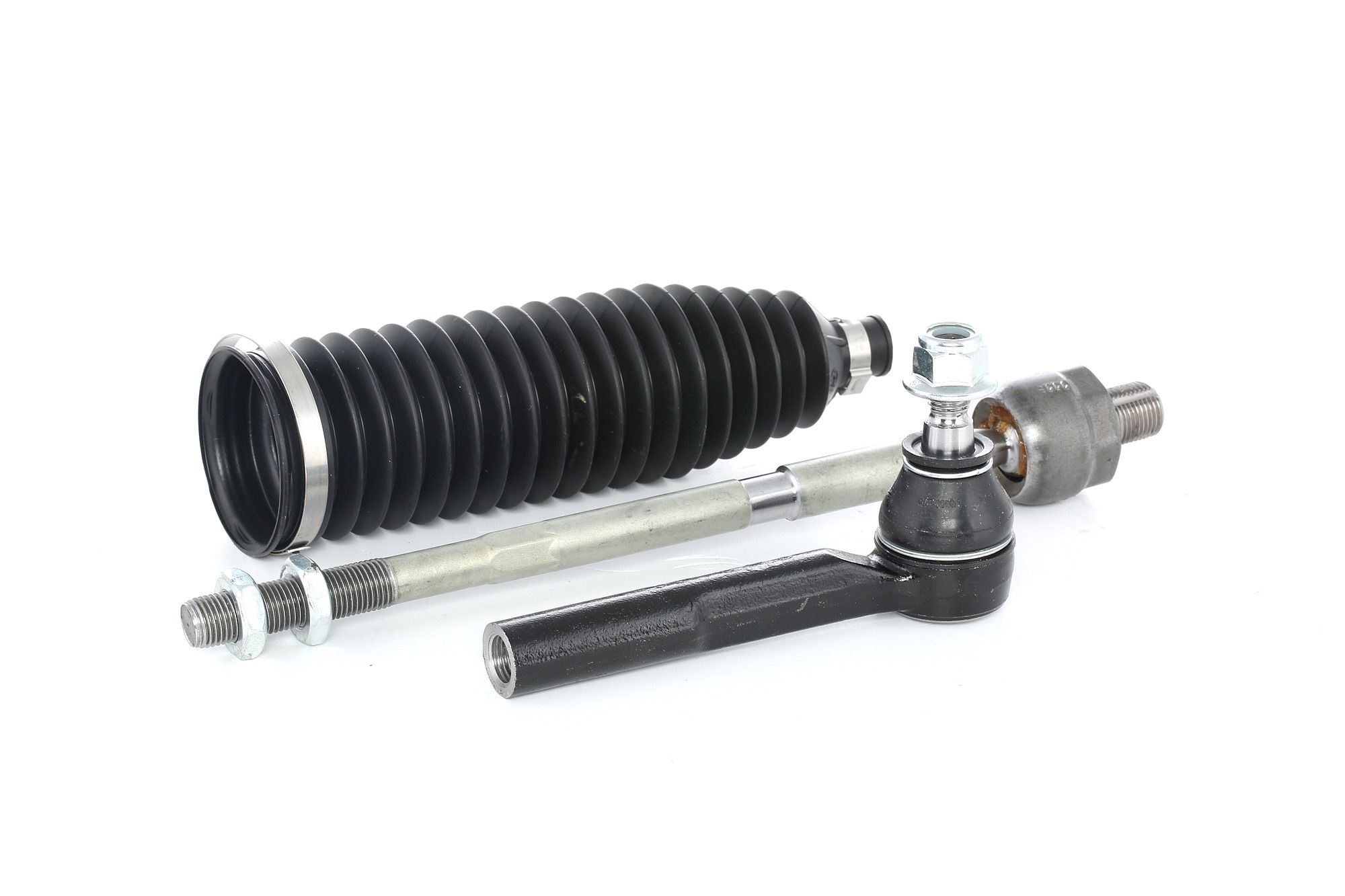
- Suspension bushing wear: Occurs particularly in the stabilizer bushings after 80,000-100,000 km and causes driving noise.
- Exhaust gas recirculation valve problems: Affect mainly diesel engines after 100,000 km due to coking and loss of function.
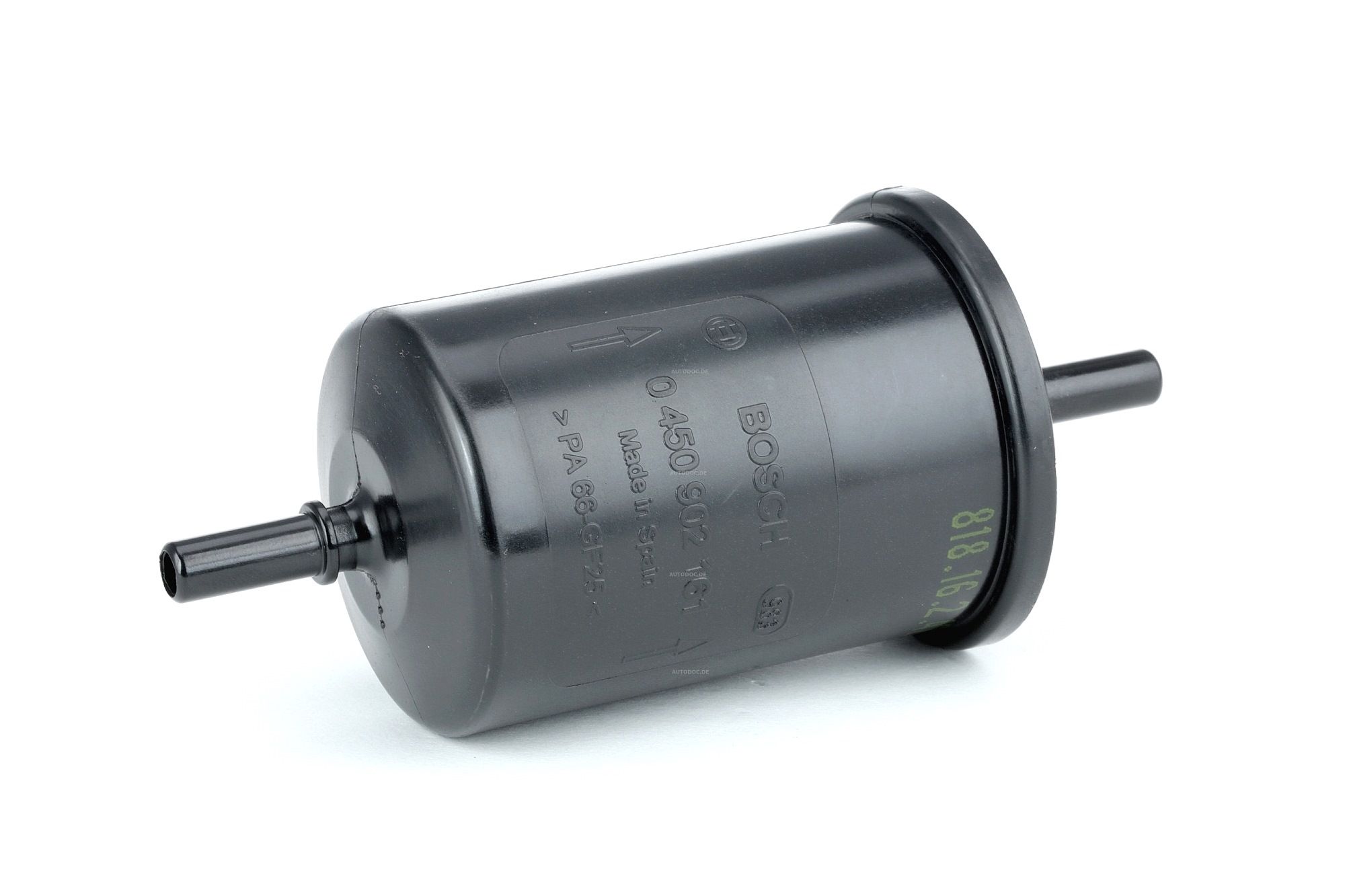
- Fuel pump defects: Can occur in the gasoline engines between 150,000-200,000 km and lead to starting problems.

Opel Astra: weaknesses and strengths
| Strengths |
Weak points |
| Modern engine technology |
Automatic transmission problems |
| Good chassis tuning |
Diesel particulate filter clogging |
| Extensive safety equipment |
Turbocharger wear |
| Attractive design |
Injection system faults |
| Spacious interior |
Electronic defects |
| Low emissions |
Air conditioning compressor failures |
| Good price-performance ratio |
Water pump problems |
The Opel Astra presents itself as a technically advanced vehicle with modern drive concepts, but has specific weak points that require regular attention. Reliability depends largely on consistent maintenance and driving behavior. In particular, complex systems such as automatic transmission, turbocharger and exhaust gas aftertreatment require preventive care to avoid costly repairs. Professional maintenance in accordance with the manufacturer's specifications can prevent most typical problems and significantly extend the service life of the vehicle.


 6 November 2025