Problems with the Volvo C30

Reliability Volvo C30: common problems, issues symptoms and faults
- Powershift transmission problems: The Powershift dual-clutch transmission begins to show symptoms such as jerky shifting as early as 40,000-60,000 km, especially at low speeds. The clutch wears out prematurely and leads to costly repairs.
- Air conditioning compressor failure: The air conditioning compressor often fails between 80,000-120,000 km, whereby the system suddenly stops cooling or makes unusual noises. This particularly affects vehicles from the first years of production.
- 1.6 Diesel DPF problems: The diesel particulate filter regularly clogs up from 60,000 km with mainly urban use. Regeneration does not work properly, resulting in loss of engine power and increased fuel consumption.
- Electronic parking brake malfunctions: The electronic parking brake shows malfunctions as early as 30,000 km, whereby it does not release or activates unintentionally. This leads to safety problems and expensive workshop visits.
Volvo C30: Problems with the Powershift transmission
The Powershift dual-clutch transmission in the Volvo C30 is one of the most common complaints from owners and starts to show symptoms at relatively low mileages of 40,000-60,000 km. The reliability of this gearbox is severely limited, as it causes jerky shifting, delays when changing gear and unusual noises. The behavior is particularly problematic at low speeds in city traffic, where the transmission often "searches" between gears and does not shift smoothly. The service life of the clutch is significantly shorter than expected, and many vehicles require a complete clutch replacement after just 80,000-100,000 km. These breakdowns occur in both gasoline engines and 1.6 diesels.
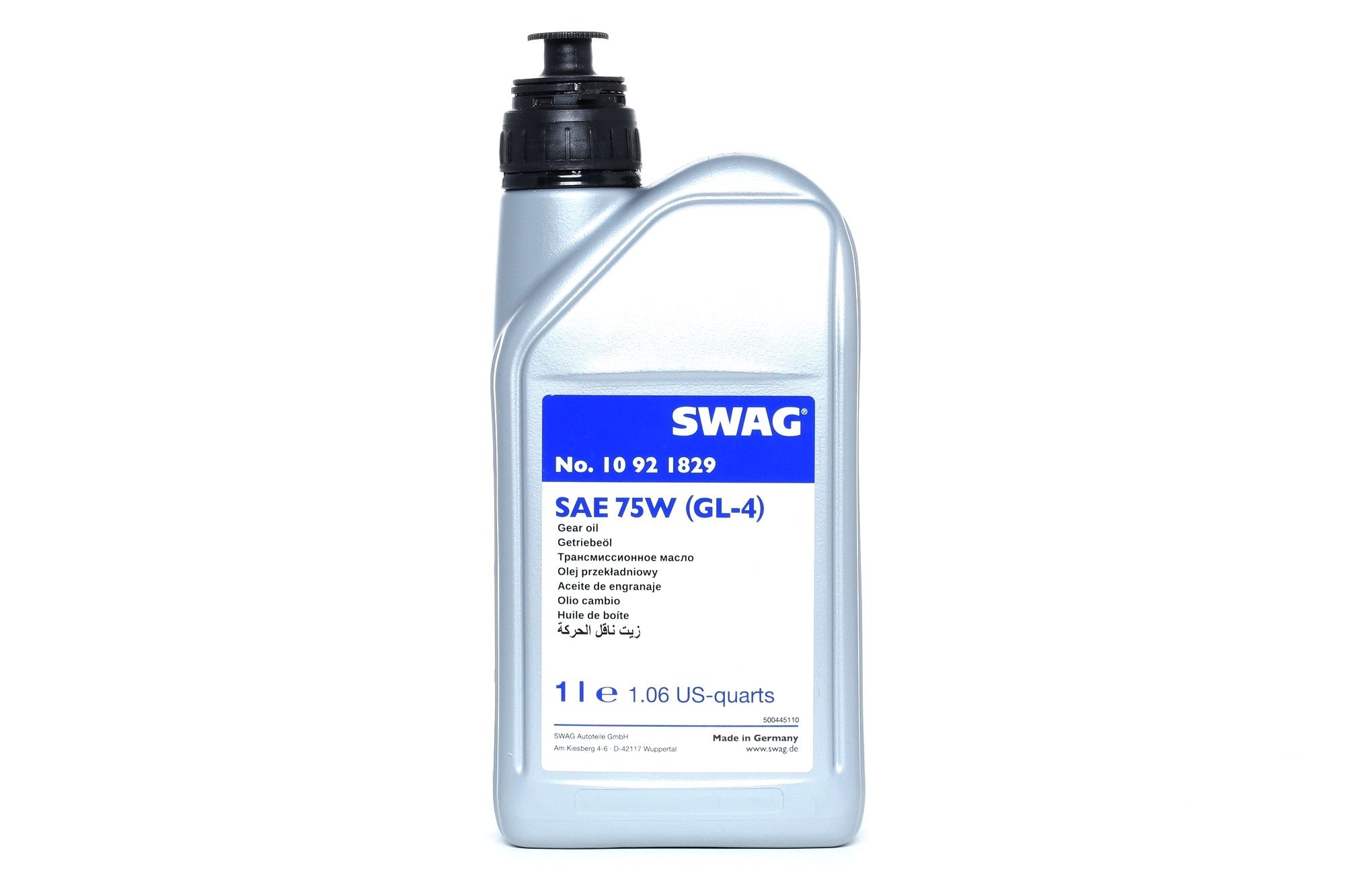
A systematic check is essential for early detection of transmission problems. The sensitive Volvo C30 Powershift control units require regular software updates and adjustments to ensure optimum shift characteristics. A specialist workshop should be visited immediately at the first sign of out-of-round shifting behavior, as early intervention can often prevent major damage. Preventive maintenance with regular transmission oil changes every 60,000 km can extend the service life considerably.
Volvo C30: Air conditioning compressor defects
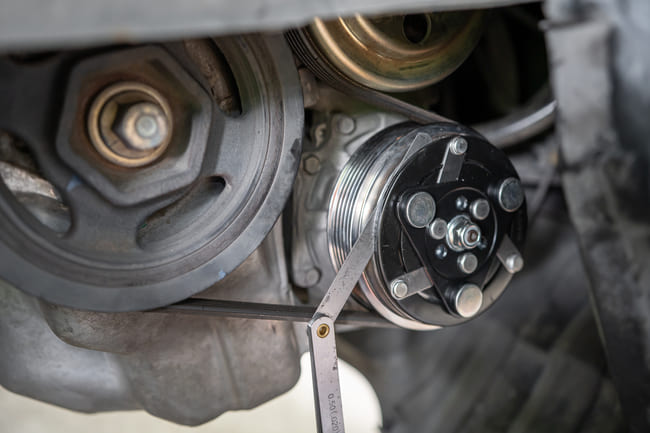
The Volvo C30's air conditioning system has significant weaknesses, particularly in the compressor, which often fails between 80,000-120,000 km. The symptoms often begin with reduced cooling capacity, unusual noises when the air conditioning is switched on or complete failure of the cooling system. Particularly affected are vehicles built between 2007 and 2010, in which the compressor wears out prematurely due to design faults. The faults are manifested by leaks in the refrigerant system, defective magnetic couplings or bearing damage in the compressor. The air conditioning system is another problem if it no longer works properly after long periods of inactivity and the system does not start.
Regular maintenance is crucial for the longevity of the air conditioning system. The complex Volvo C30 air conditioning systems require annual refrigerant level and leak checks to prevent premature compressor damage. A professional inspection every 24 months can help to detect and repair small leaks at an early stage before the expensive compressor is damaged. Regular operation of the air conditioning system, even in winter, prevents the seals from seizing up.
Volvo C30: 1.6 diesel DPF blockage
The 1.6 diesel engine of the Volvo C30 suffers from chronic problems with the diesel particulate filter (DPF), which can occur from as little as 60,000 km. In mainly urban use with short distances, the engine does not reach the necessary operating temperature for proper DPF regeneration. Symptoms include loss of engine power, increased fuel consumption, black smoke from the exhaust and warning lights on the dashboard. The problem is exacerbated in vehicles that rarely take long highway trips, as the filter does not get hot enough to burn off the accumulated soot particles. In addition, there may be problems with the exhaust gas recirculation, which further accelerates the clogging of the DPF.
A professional inspection is required to assess the condition of the particulate filter. The sensitive Volvo C30 1.6 Diesel DPF systems require regular regeneration runs at highway speeds for at least 20 minutes every 500 km to ensure proper functioning. If the filter is already clogged, professional cleaning or, in the worst case, replacement may be necessary. The preventive use of DPF cleaning additives and regular long-distance driving can significantly extend the service life.
Volvo C30: Electronic parking brake faults
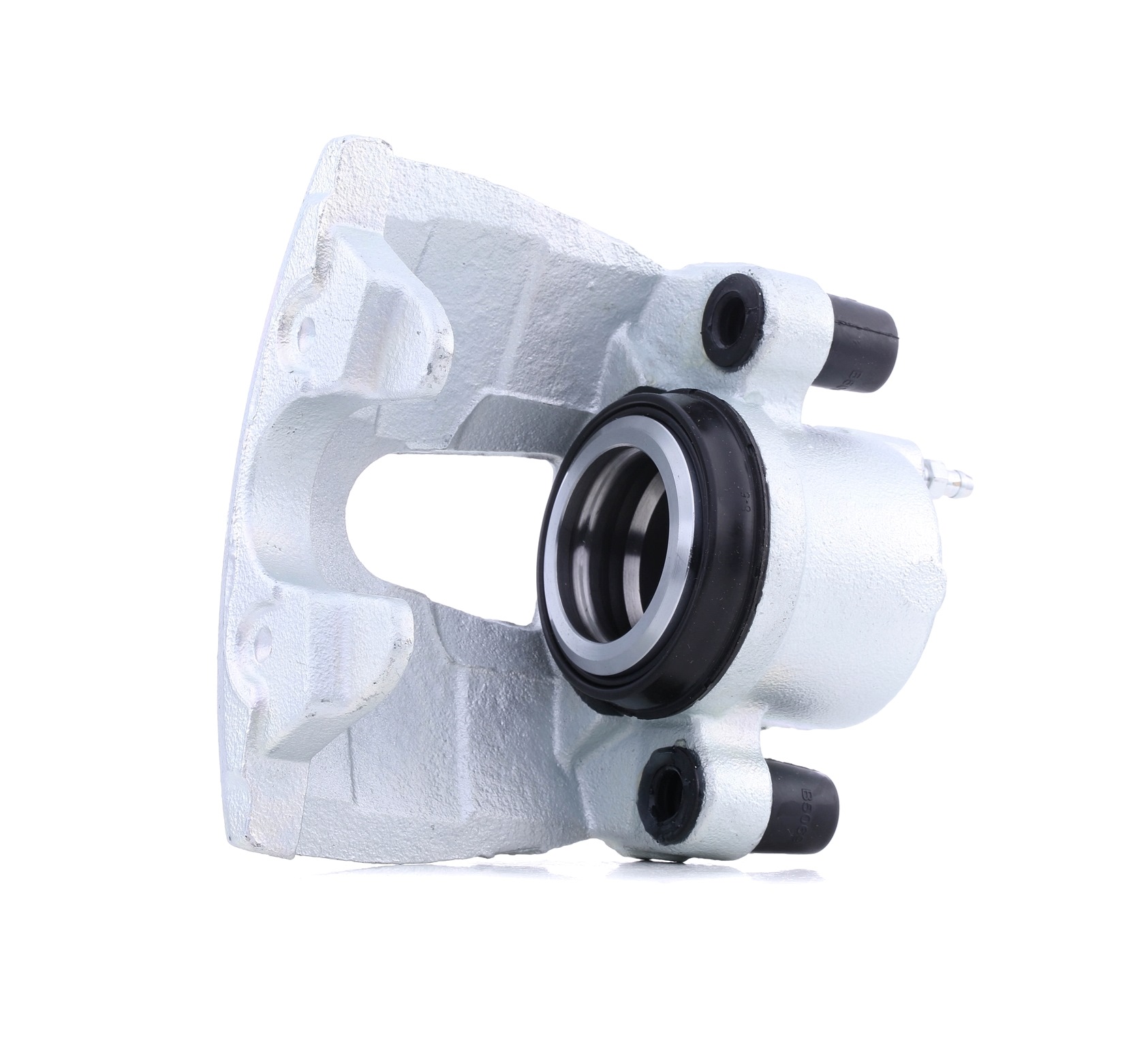
The electronic parking brake of the Volvo C30 exhibits various malfunctions even at low mileages of 30,000 km, resulting in both safety problems and loss of comfort. Typical symptoms are failure to release the parking brake when starting off, unintentional activation while driving or complete failure of the system. The faults occur particularly frequently in cold temperatures when the mechanics are affected by frost or corrosion. The system does not switch properly and shows error messages on the display. Problems can also occur with the brake callipers, which are subjected to additional stress by the electronic control system. This calls into question the reliability of the entire brake system.
Professional maintenance is essential for the safety of the vehicle. The complex Volvo C30 parking brake systems require regular calibration and inspection of the electronic components every 20,000 km to ensure proper functioning. A specialist workshop should be consulted immediately at the first sign of malfunction, as brake faults pose serious safety risks. Regular cleaning and lubrication of the mechanical components can prevent many problems.
Volvo C30: T5 engine turbocharger problems
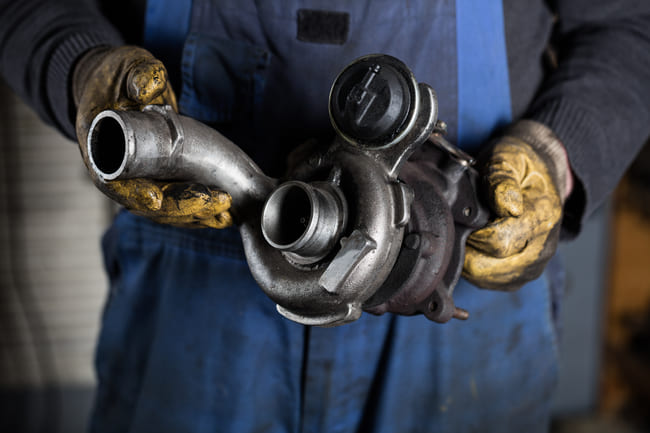
The Volvo C30's T5 gasoline engine often develops problems with the turbocharger, typically occurring between 100,000-150,000 km. Symptoms start with loss of power, whistling noises when accelerating and blue smoke from the exhaust. The turbocharger loses boost pressure, which is noticeable through sluggish acceleration and reduced torque. Bearing damage in the turbocharger is particularly critical and can be caused by irregular oil changes or the use of inferior oils. The problem is often exacerbated by clogged oil supply lines to the turbocharger, resulting in insufficient lubrication. Severe damage can lead to complete turbocharger failure and the engine will no longer start properly.
A systematic check is crucial for the longevity of the turbocharger. The precise Volvo C30 T5 turbocharger systems require high-quality engine oils with correct specifications and change intervals of maximum 10,000 km to ensure optimum lubrication. A regular check of the boost pressure and the oil supply lines can reveal signs of wear at an early stage. The correct warm-up and cool-down phase of the engine is essential for turbocharger service life.
Volvo C30: 2.0 diesel injection system defects
The 2.0 diesel engine of the Volvo C30 has considerable weak points in the injection system, which can manifest themselves as early as 80,000 km. Frequent complaints concern defective injectors, which lead to uneven engine running, increased fuel consumption and black smoke. The common rail system is susceptible to contamination by low-quality fuel, which clogs the fine nozzles of the injectors. In addition, problems can occur with the high-pressure pump, which can no longer build up the necessary pressure for injection. Symptoms include starting problems, especially when the engine is cold, loss of power and increased exhaust emissions. In severe cases, the injection system no longer functions properly and the engine runs in emergency mode.
Regular maintenance is essential for the reliability of the injection system. The sensitive Volvo C30 2.0 diesel injectors require high-quality fuel and regular system cleaning every 30,000 km to avoid deposits. A professional diagnosis can identify defective components at an early stage before major damage occurs. The use of fuel additives and premium diesel can significantly extend the life of the system.
Additional common faults of the Volvo C30
Based on the experiences of Volvo C30 owners, the following additional problems occur:
- Xenon headlight ballast failure: often occur after 60,000-80,000 km, headlights flicker or fail completely
- Window regulator motor defects: Rear window regulators in particular often fail after 70,000-90,000 km due to wear and tear on the motors
- ABS sensor corrosion: Corrosion problems can occur on the wheel speed sensors from as little as 50,000 km, especially during winter operation
- Fuel pump 1.8 petrol failure: mainly affects the 1.8 petrol engine after 120,000-150,000 km with sudden total failure
- Steering gear leaks: Hydraulic oil leaks in the steering gear often occur after 100,000-130,000 km
- Premature battery wear: The starter battery already shows weaknesses after 3-4 years, especially with frequent short journeys
- Thermostat defects: Thermostats can jam after 80,000-100,000 km in both petrol and diesel engines

Volvo C30: weaknesses and strengths
| Strengths |
Weak points |
| High passive safety |
Powershift transmission problems |
| Solid body workmanship |
Air conditioning compressor failures |
| Good road holding |
DPF clogging in diesel |
| Comfortable seats |
Electronic parking brake malfunctions |
| Extensive safety package |
T5 turbocharger problems |
| Attractive design |
Injection system defects 2.0 diesel |
| Solid petrol engines (except T5) |
High repair costs |
The Volvo C30 is a vehicle with a strong character and typical weaknesses of modern technology. While the basic substance and safety are convincing, the complex technical systems such as Powershift transmission and electronic components require special attention. Consistent maintenance and the timely replacement of wear-prone parts are crucial for longevity. The diesel variants in particular require an adapted driving style for optimum functioning of the exhaust gas aftertreatment system.


 29 October 2025 (updated)