
Table of Contents

 6 May 2026 (updated)
 Rechargeable & Electric Cool Boxes Explained
Electric cool boxes provide a reliable way to keep food and drinks chilled during camping trips, long drives, or picnics, removing the need for disposable ice packs. These powered units offer consistent cooling and are available in various forms, from simple 12V models to advanced portable fridges with rechargeable battery options.
Understanding the Core Technologies
The effectiveness and cost of an electric cool box are largely determined by its cooling technology. There are several types available on the UK market, each suited to different uses and budgets — with thermoelectric, compressor, and absorption (sometimes sold as 3-way) models all widely available, particularly for camping and caravanning. If you are considering an absorption model, please note that when operated on the gas function, these units must only ever be used in well-ventilated areas. Using any gas-burning appliance in a confined or enclosed space — such as a tent, small van, or sealed caravan — poses a serious risk of carbon monoxide (CO) poisoning. Carbon monoxide is colourless and odourless and can be fatal. Always ensure adequate ventilation and follow the manufacturer's safety instructions.

Thermoelectric Cool Boxes
Thermoelectric models are the most common and affordable type of electric cool box. They operate using the Peltier effect, where an electric current moves heat from one side of a semiconductor to the other, cooling the interior. These units are lightweight and often capable of warming as well as cooling. However, their performance is relative to the ambient temperature, typically cooling to about 15-20°C below the outside air. This makes them ideal for day trips or keeping already cool items chilled, but they can struggle in very hot weather. It is important to note that in warm conditions — for example, inside a hot car in summer — a thermoelectric box may not be able to maintain the temperatures required for safe storage of high-risk foods such as raw meat, fish, or dairy products. The Food Standards Agency advises that such foods should be kept at 8°C or below, with a recommended target of 5°C. If you plan to transport or store these types of food, a compressor cool box is a more suitable choice.
Compressor Cool Boxes
Compressor cool boxes function like a domestic refrigerator, using a refrigerant and a compression cycle to achieve and maintain a set temperature. This technology allows them to operate as true portable fridges or even freezers, capable of reaching sub-zero temperatures — including freezing point — even in warm ambient conditions, though actual performance will vary depending on factors such as external temperature, ventilation, how often the lid is opened, and the model in question. While heavier and more expensive, their efficiency and powerful cooling performance make them the superior choice for multi-day camping and off-grid adventures, and they can play an important role in helping to keep food at safe temperatures — provided food is pre-chilled before packing, the lid is opened as little as possible, and general food hygiene guidance is followed.
Sold by AUTODOC Sold by AUTODOC Sold by AUTODOC Sold by AUTODOC Sold by AUTODOC
-48%
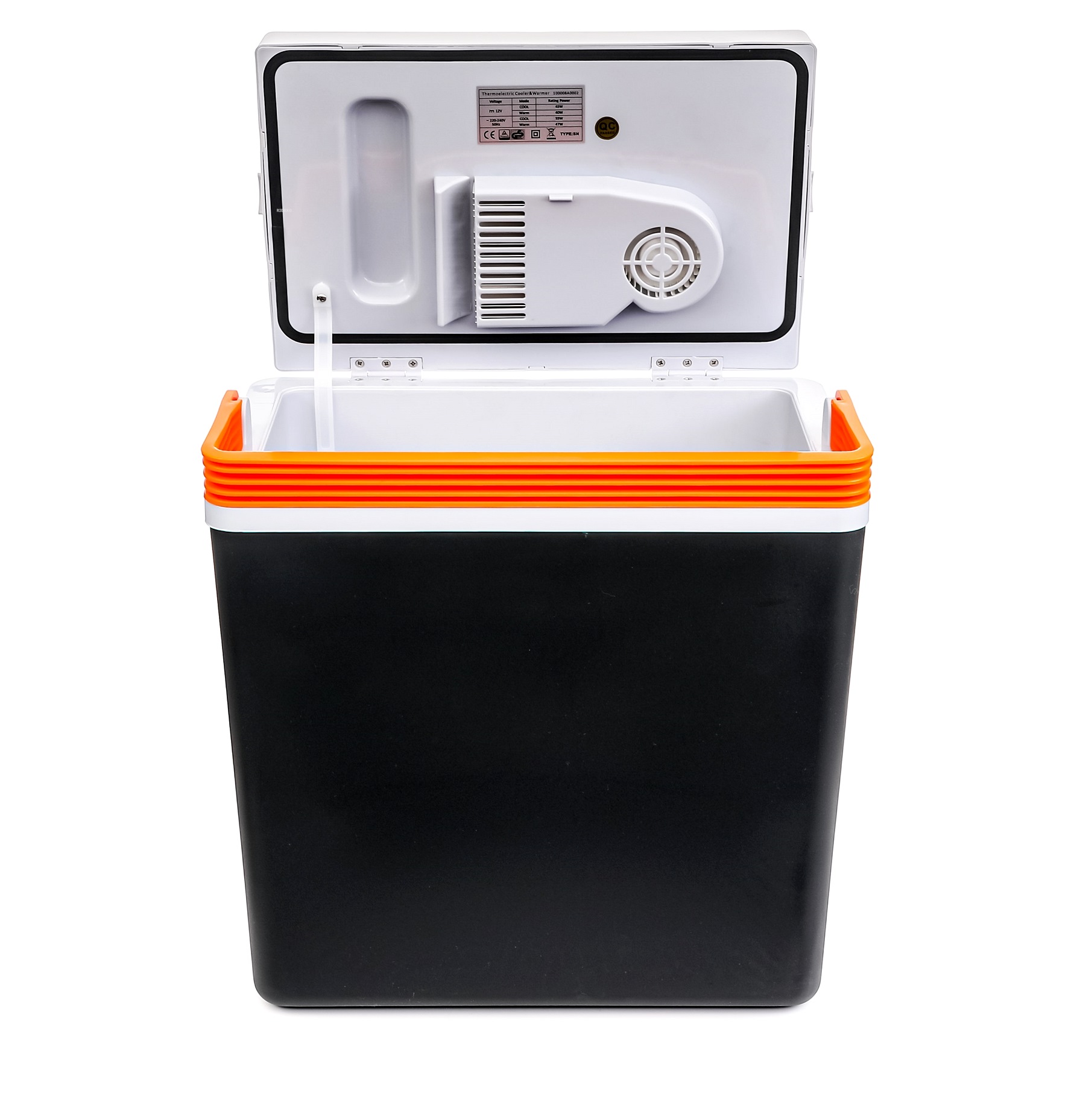 RIDEX Cool box
12V 220-240V, F, 20l, thermoelectric, portable
Article number: 100008A0002
compared to
RRP
£130.50
£67. 49
Price per item
price incl. 20% VAT, excl. delivery costs
-42%
RIDEX Cool box
12V 220-240V, F, 20l, thermoelectric, portable
Article number: 100008A0002
compared to
RRP
£130.50
£67. 49
Price per item
price incl. 20% VAT, excl. delivery costs
-42%
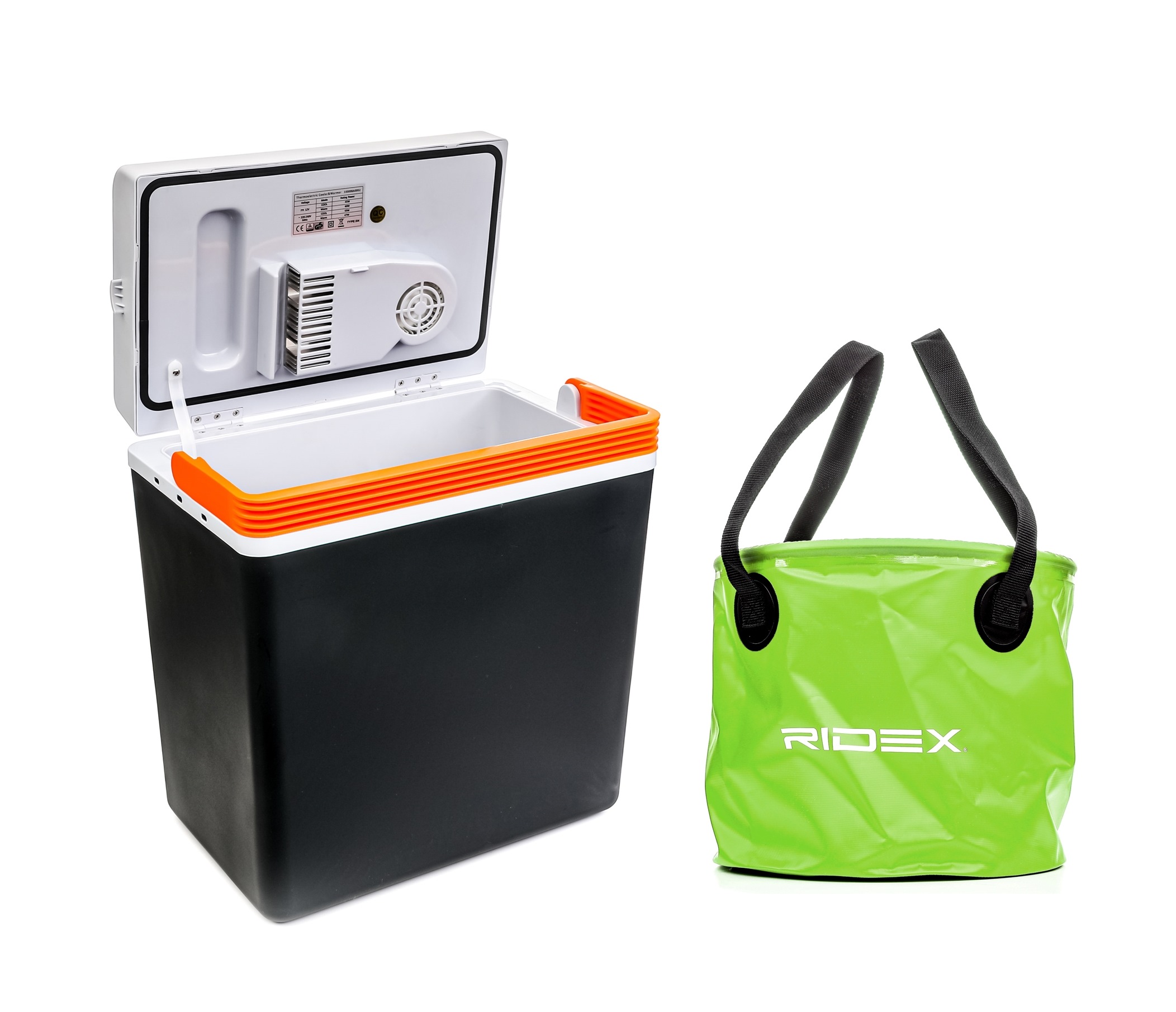 RIDEX Cool box
Article number: 100008A0005
compared to
RRP
£148.00
£84. 84
(Price per set)
price incl. 20% VAT, excl. delivery costs
-42%
RIDEX Cool box
Article number: 100008A0005
compared to
RRP
£148.00
£84. 84
(Price per set)
price incl. 20% VAT, excl. delivery costs
-42%
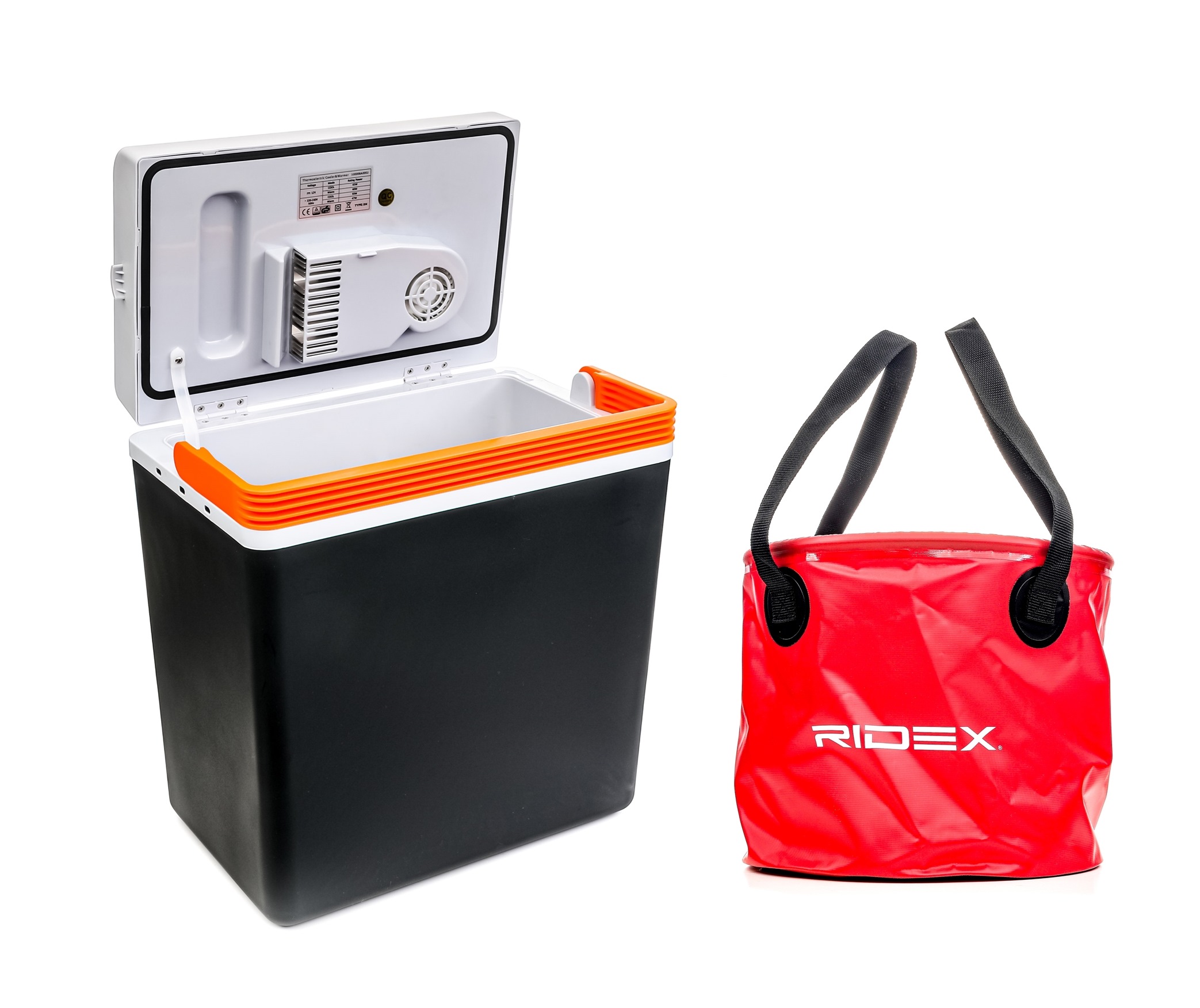 RIDEX Cool box
Article number: 100008A0004
compared to
RRP
£148.00
£84. 84
(Price per set)
price incl. 20% VAT, excl. delivery costs
-42%
RIDEX Cool box
Article number: 100008A0004
compared to
RRP
£148.00
£84. 84
(Price per set)
price incl. 20% VAT, excl. delivery costs
-42%
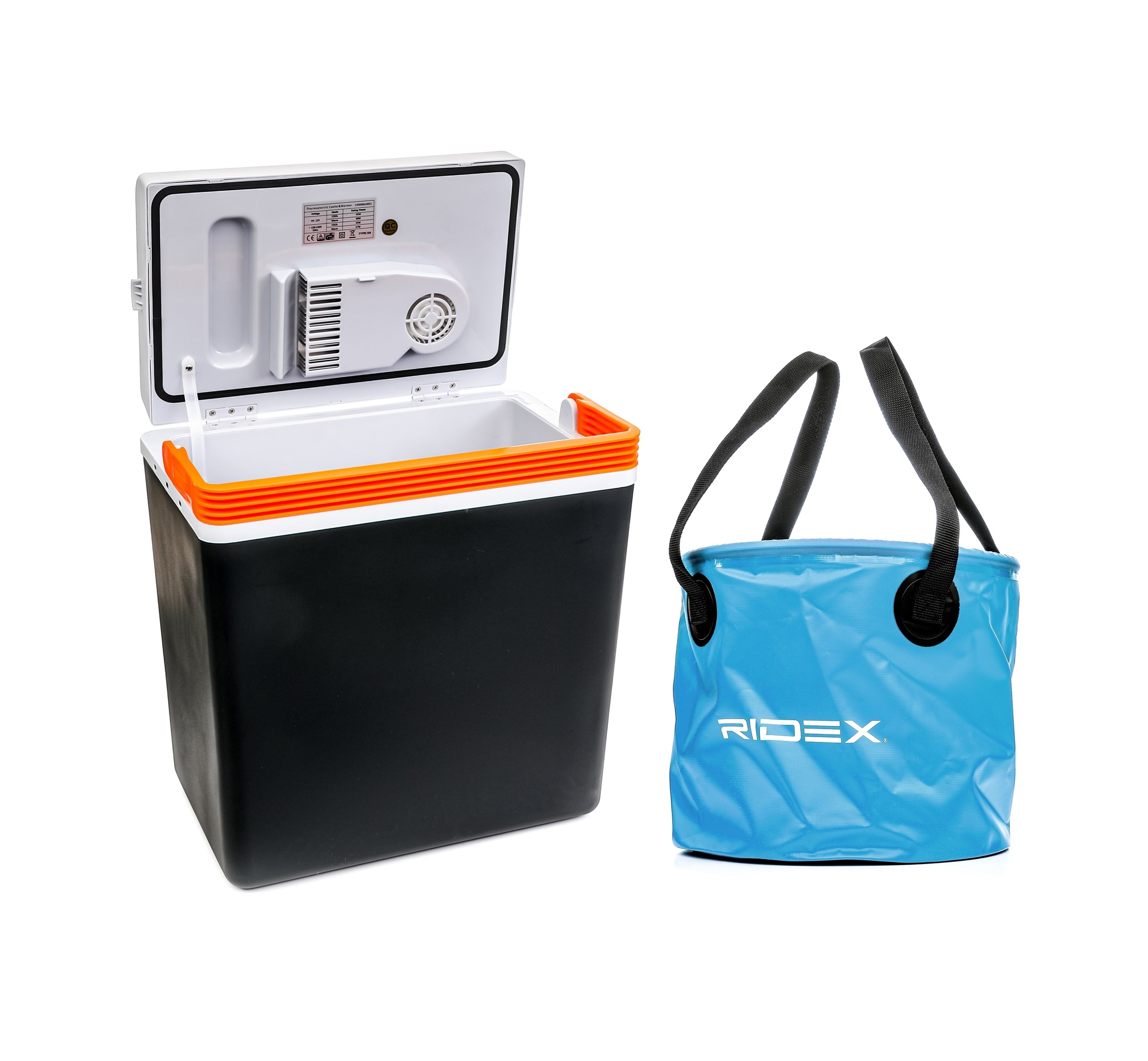 RIDEX Cool box
Article number: 100008A0006
compared to
RRP
£148.00
£84. 84
(Price per set)
price incl. 20% VAT, excl. delivery costs
RIDEX Cool box
Article number: 100008A0006
compared to
RRP
£148.00
£84. 84
(Price per set)
price incl. 20% VAT, excl. delivery costs
 Article number: 44-210#
£195. 99price incl. 20% VAT, excl. delivery costs
Article number: 44-210#
£195. 99price incl. 20% VAT, excl. delivery costs
Powering Your Electric Cool Box
Modern cool boxes offer a range of power solutions, providing flexibility for use in a vehicle, at a campsite with mains electricity, or completely off-grid.
- 12V Car Socket: The most common power source is the 12V socket (cigarette lighter) found in virtually all vehicles. This is perfect for keeping contents cool while driving, but it's important not to leave a cool box running for extended periods with the engine off, as it can drain the car's battery.
- 230V Mains Power: Many models can be powered from a standard UK mains socket using an adapter. This is ideal for pre-cooling the box at home before a trip or for use at campsites with electric hook-up facilities.
- Integrated Batteries: A growing number of high-end compressor models feature integrated or removable rechargeable battery packs. These offer true cordless freedom, allowing you to place the cool box anywhere for several hours without an external power source.
- Portable Power Stations: For extended off-grid use, many 12V or mains-powered cool boxes can be paired with a separate portable power station, provided the unit's voltage requirements, power draw, and connector type are compatible with the power station's outputs — so it is always worth checking specifications before purchasing. These lithium battery units can often be recharged via solar panels and typically feature multiple outputs such as USB ports for charging phones and other devices. Runtime varies considerably depending on the power station's capacity, the cool box's power consumption, ambient temperature, and how often the lid is opened — larger, higher-capacity units may sustain a cool box for an extended period, while smaller units will offer more limited runtime.
Key Features to Compare

When selecting an electric cool box, it is important to assess several key factors to ensure it meets your specific requirements for capacity, efficiency, and convenience.
| Feature | Thermoelectric Cool Box | Compressor Cool Box |
|---|---|---|
| Cooling Performance | Cools to 15-20°C below ambient | Maintains a set temperature below ambient, typically reaching sub-zero or even freezing point depending on the model |
| Power Consumption | Constant draw (approx. 3-5 amps) | Cycles on/off (lower average draw) |
| Typical Price Range | Entry-level models are typically the more affordable option, making them accessible for occasional use | Premium technology means a significantly higher price; costs vary widely depending on capacity and specification |
| Best Use Case | Day trips, picnics, short journeys | Multi-day camping, caravanning, off-grid use |
Capacity and Portability
Capacity is measured in litres and dictates how much you can store. A compact 25-litre box is often sufficient for a weekend trip for two people, while larger families may prefer a 40-litre or 50-litre model for longer holidays. Consider the external dimensions and weight, especially for compressor models, which are significantly heavier. Features like wheels and telescopic handles can greatly improve the portability of larger units.
Energy Efficiency
Energy efficiency is crucial, particularly when running from a battery. Compressor models are generally more efficient over a 24-hour period because they cycle on and off to maintain temperature, whereas most thermoelectric units draw power continuously. When shopping for an electric cool box in the UK, it is worth checking the energy label, which uses an A to G scale — A being the most efficient and G the least. This rescaled system has been in place since March 2021, replacing the older A+++ to G system, and applies to refrigerating appliances including portable cool boxes. Energy ratings vary considerably between models and technologies, so comparing labels is a useful way to assess running costs alongside other features. Look for models with an "Eco" mode, which reduces power consumption once the desired temperature is reached.
Conclusion
The choice between an electric cool box and a traditional ice-filled one depends entirely on your needs for convenience, performance, and duration of use. For short trips and picnics, a simple thermoelectric model offers an affordable upgrade from a passive cool box. For serious campers, caravanners, or anyone needing reliable refrigeration for multiple days, a compressor cool box, often paired with a portable power station, represents a worthwhile investment for its superior cooling power and efficiency. If you have questions about a product's power requirements or specifications, the AUTODOC customer support team may be able to help you compare options and find a model that suits your needs.


