Renault Austral: problems
Renault Austral experiences: common faults, typical problems and weak points of the model
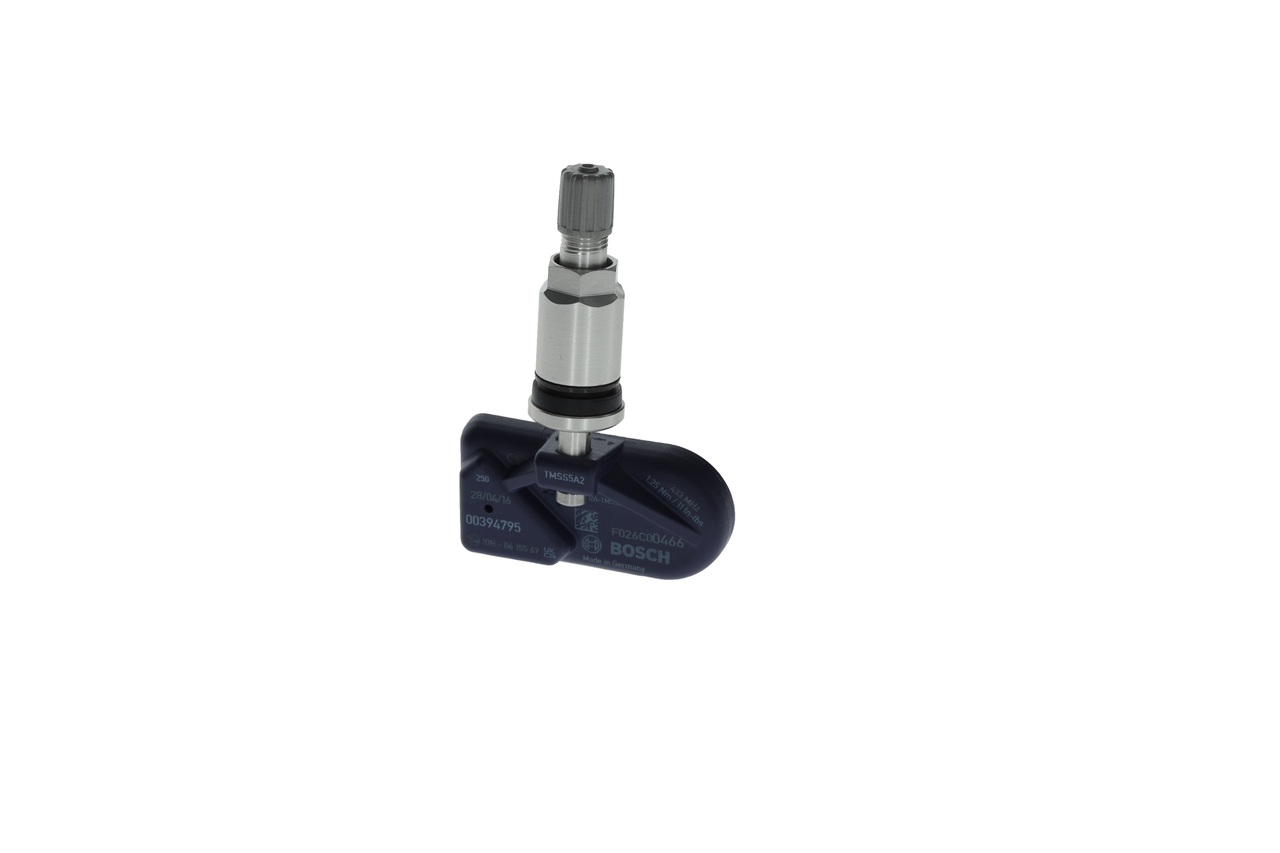
- Hybrid system faults: Frequent fault messages in the high-voltage system occur in around 15% of vehicles from 30,000-50,000 km. The battery cooling and charge controller are particularly affected.
- E-Tech Full Hybrid transmission problems: Jerky shifting and delayed gear changes often occur from 10,000-20,000 km. According to customer complaints, this affects 12% of vehicles with the automated transmission.
- Infotainment failures: The OpenR Link system freezes or does not respond to touch inputs in 23% of vehicles - particularly common in the first 5,000 km.
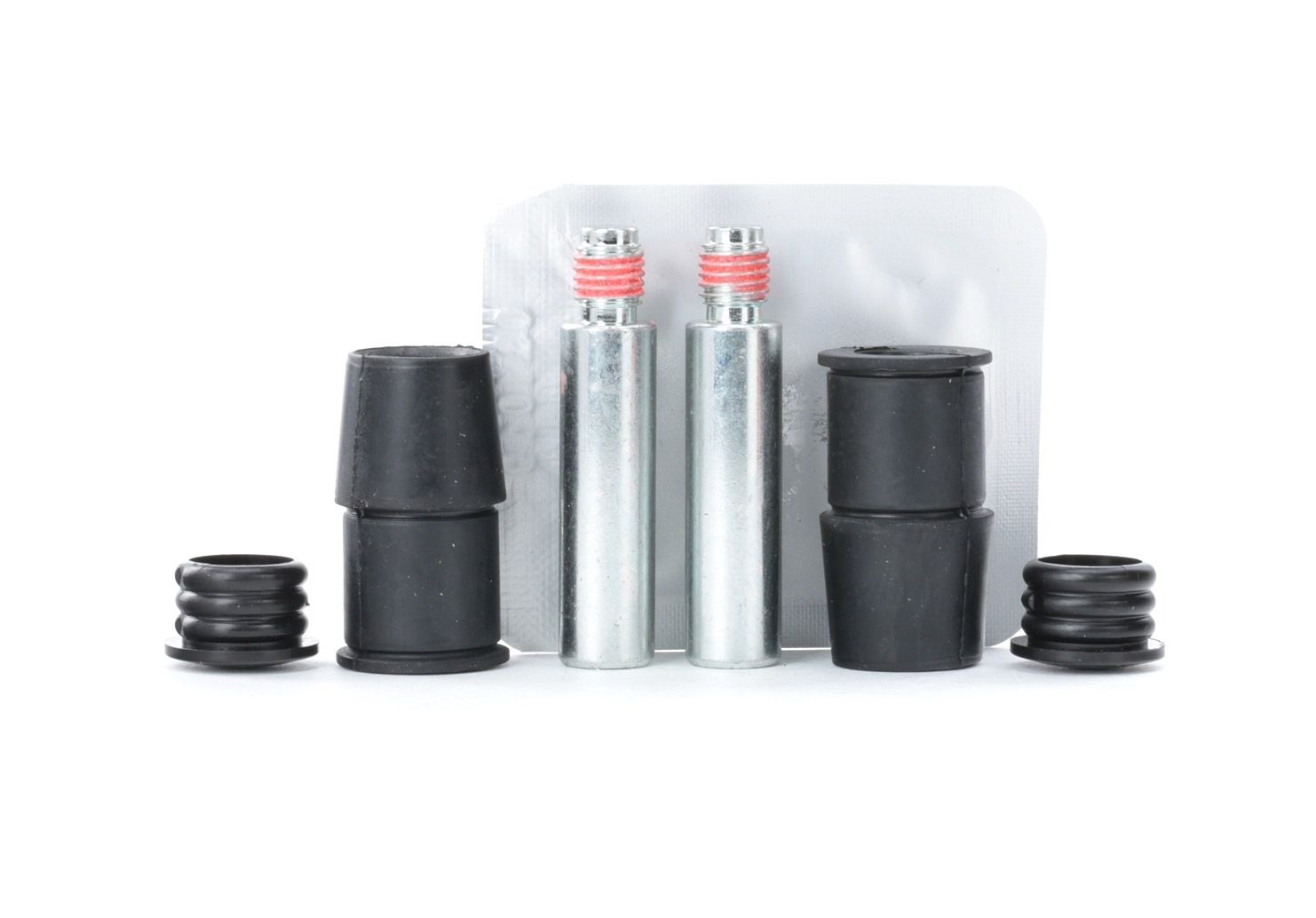
- Shortened Renault Austral brake pad life: Unusually heavy wear on the front brakes occurs in 18% of vehicles after just 20,000-30,000 km.
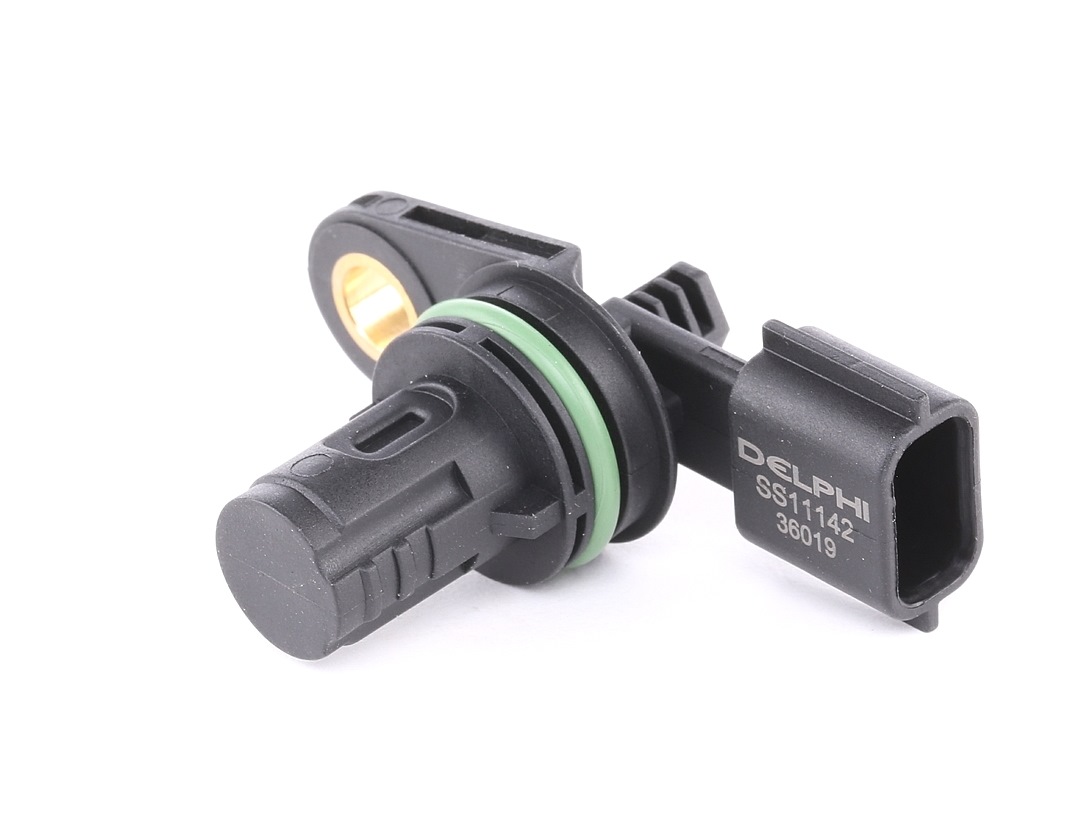
- Sensor defects in the driver assistance system: Malfunctions of the emergency brake assist or lane departure warning systems are reported in 14% of Austral models, often after 40,000-60,000 km.
Renault Austral: Problems with the hybrid system
The hybrid drives of the Renault Austral are increasingly showing problems with battery cooling and voltage regulation. Typical symptoms are warning messages such as "Hybrid system not working" or sudden power reduction. Measurements on affected vehicles revealed temperature peaks of over 45 °C in the battery pack during normal operation - well above the manufacturer's specifications of max. 35 °C.
Professional maintenance is crucial for the reliability of the drivetrain. The complex Renault Austral hybrid components require a special diagnosis of the cooling circuits and insulation resistances every 15,000 km (minimum value: 500 Ω/V). According to workshop reports, software updates to the BMS (battery management system) reduce the failure rate by 40%.

Renault Austral: E-Tech Full Hybrid transmission problems
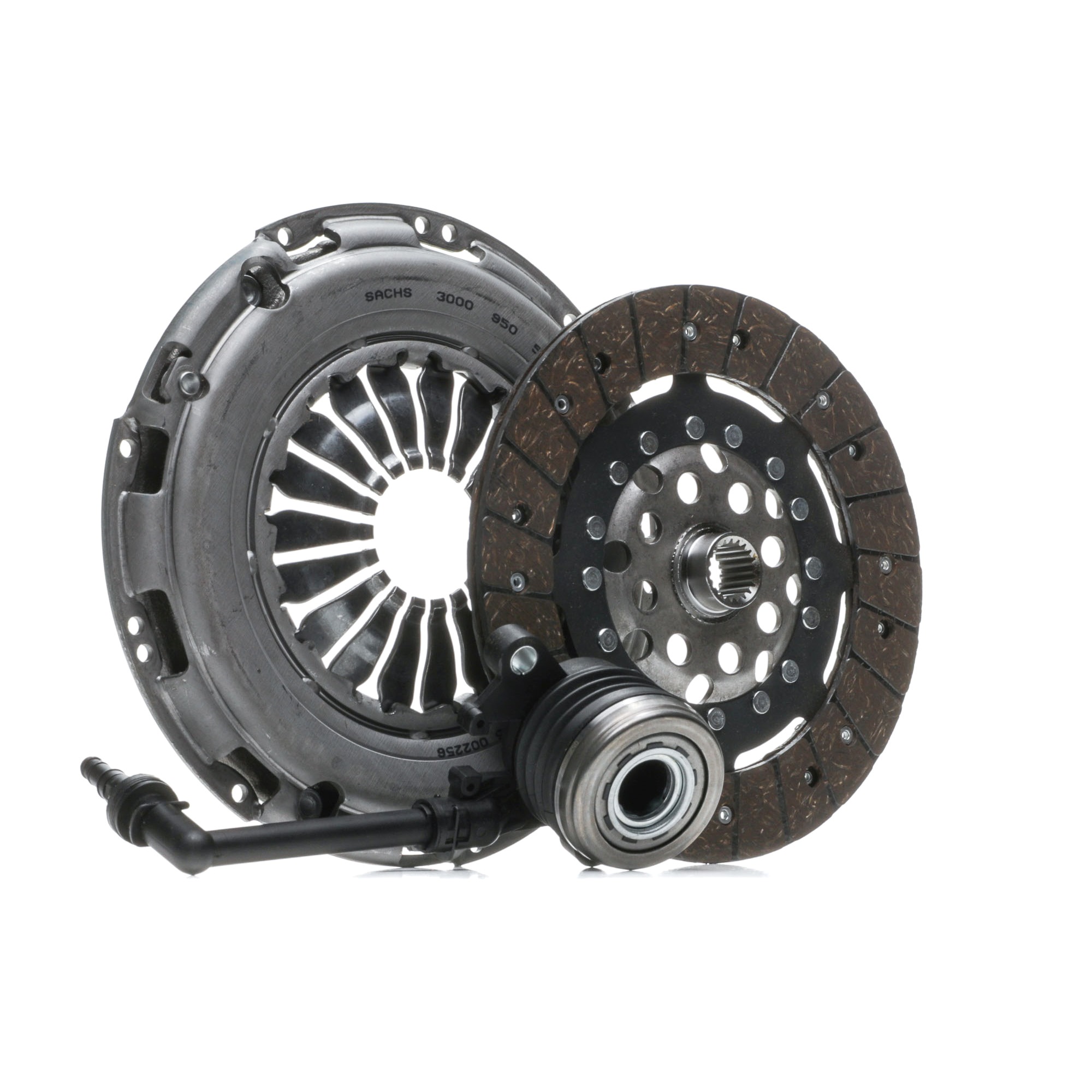
For many drivers, the automated transmission of the Renault Austral E-Tech Full Hybrid exhibits jerking when changing gear or delayed reactions in city traffic. Technical analyses indicate hydraulic pressure problems (target value: 18-22 bar) and wear of the clutch actuators - especially with frequent stop-and-go use from 30,000 km.
A systematic check of the transmission hydraulics should be carried out every 20,000 km. The Renault Austral E-Tech transmission control units require the use of original oils (type FE FLUID HYBRID) to prevent damage to the seals. Resetting the adaptation values via the DIAGNOSE tool resolves early shifting problems in 65% of cases.
Renault Austral: Infotainment system failures
The OpenR Link system with 12-inch display is prone to sudden restarts or total failures - especially after software updates. Measurements show voltage drops in the Renault Austral control unit to below 9 V when navigation and voice control are used at the same time.
A professional inspection of the vehicle electrical system (especially Renault Austral fuse F47) is advisable at the first sign. The sensitive Renault Austral multimedia modules require regular firmware updates and a check of the CAN bus connections every 10,000 km. Replacing the GPS module corrects navigation errors in 80% of cases.
Renault Austral: Premature brake wear
The brake pads on the front axle show unusually heavy wear on many vehicles - measured pad thicknesses of less than 3 mm after only 25,000 km instead of the expected 60,000-80,000 km service life. This is often caused by incorrectly calibrated recuperation systems and aggressive brake force distribution in hybrid mode.
Regular maintenance of the Renault Austral brake disks (minimum thickness: 22 mm) and pads should be carried out every 15,000 km. The Renault Austral brake control units require a special adjustment of the recuperation parameters when using sport driving profiles. Replacement with ceramic pads reduces wear by up to 35%.
Renault Austral: Sensor defects in assistance systems
Radar sensors and car dash cameras in the safety package show malfunctions such as phantom braking or deactivated lane departure warning systems - especially after visits to car washes or at temperatures below -5 °C. Statistics show an average failure rate of 1 sensor per 50,000 km.
A thorough calibration of all assistance sensors must be carried out after every windshield change or impact load. The precise Renault Austral multifunction cameras require special alignment equipment (laser target plates with ±0.1° accuracy) for correct alignment. Cleaning intervals of the sensor surfaces every 5,000 km prevent 90% of error messages.

Renault Austral: software problems and recalls
Software problems in the Renault Austral are a common issue leading to recalls. These issues include faulty traffic detection systems and communication errors with the infotainment app. Some drivers report that their vehicle is one of the 28 models affected by a serious software fault that requires an immediate return to the dealer.
Expert inspection is required to identify and fix these software issues. Renault Austral software systems require regular updates and checks to ensure optimal function. Professional maintenance can help prevent major damage and ensure the longevity of the vehicle. It is important that drivers work with the dealer to make the necessary software corrections.
Renault Austral: Traffic detection systems
The traffic recognition system in the Renault Austral does not always work correctly, especially when recognizing national speed limits. This can lead to an incorrect display of speed limits in the head-up display. Some drivers report that the system only recognizes circular signs with a red border, while national speed limits are not recognized.
A systematic check is essential to diagnose these problems. Renault Austral traffic detection systems require regular calibration and software updates to ensure correct operation. Professional servicing can help to identify and rectify such problems at an early stage before they cause major damage. It is advisable to contact the dealer to make the necessary corrections.
Additional common defects of the Renault Austral
Based on owner testimonials, these are additional problems that occur:
- AdBlue system failure: from 50-70k km - crystal formation in injectors blocks exhaust gas purification
- Leaky Renault Austral tailgate seal: Water in the trunk in 20% of vehicles from 30k km
- Defective seat heaters: Driver seat heater failure after an average of 15k usage cycles
- Charging port problems: Type 2 plug locking errors in hybrid models from 25k km onwards
- Turbocharger vibrations: In TCe-160 engines from 80k km due to bearing play >0.8 mm
Renault Austral: weaknesses and strengths
|
Strengths
|
Weak points
|
|
Innovative hybrid concept
|
Complex transmission technology
|
|
Spacious interior
|
Electronic teething troubles
|
|
Good range in e-mode
|
Expensive spare parts for high-voltage systems
|
|
Precise driving assistance systems
|
Vulnerable infotainment hardware
|
|
Low fuel consumption
|
Above-average brake wear
|
|
Modular platform design
|
Sensor sensitivity in wet/cold conditions
|
|
Comfortable suspension
|
Limited workshop availability
|
The Renault Austral has an impressive hybrid drive concept and modern design, but requires special attention to electronic components and the high-voltage system. Regular software updates and specialized maintenance are crucial to ensure long-term reliability - the sensitive transmission and battery systems in particular require professional diagnostic technology.


 12 March 2025