Table of Contents

 29 September 2025 (updated)
 Skoda Octavia engines
Since its launch in 1996, the Skoda Octavia has become one of the Czech manufacturer's most successful models, offering an impressive Skoda Octavia engine range across four generations. Each generation has brought new technologies and different drive concepts, ranging from proven naturally aspirated engines to modern hybrid drives. The technological evolution of Skoda Octavia engines reflects the development of the entire automotive industry.

Skoda Octavia engines: Generation I (1996-2010)
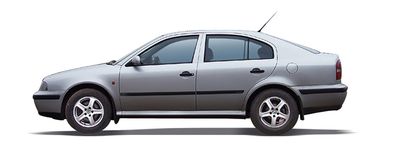
The first Skoda Octavia generation was a milestone for the brand and established itself as a reliable compact car with solid engines. Most Skoda Octavia engines of this generation easily reached 300,000 to 400,000 kilometers with proper maintenance, with the 1.9 TDI diesels being particularly durable. Major repairs were typically due between 200,000 and 250,000 kilometers, mainly on the clutch, timing belt and injection system. The absolute top engine of this generation was the 1.9 TDI with 110 hp, which perfectly combined robustness, economy and reliability. Generation I was characterized by simple but proven technology - still without complex electronics, but with durable mechanical components that rarely caused major damage even at higher mileages.
Skoda Octavia petrol engines: Generation I (1996-2010)
The Skoda Octavia petrol engine range included various naturally aspirated engines, starting with the 1.4-liter engine (MPI) with 44 kW (60 PS) and 55 kW (75 PS). The most popular was the 1.6 MPI with 74 kW (100 PS), which proved to be particularly reliable. For sportier demands, there was the 1.8-liter turbo (1.8 T) with 110 kW (150 hp) and later 132 kW (180 hp), as well as the 2.0-liter engine with 85 kW (115 hp). The Skoda Octavia naturally aspirated engines were considered indestructible - the 1.6 MPI developed into the most reliable petrol engine of the generation, while the 1.8 T offered more power but occasionally had problems with the turbocharger and cooling system. The simple MPI engines were low-maintenance and often reached over 400,000 kilometers without major repairs.
Skoda Octavia diesel engines: Generation I (1996-2010)
The Skoda Octavia diesels were dominated by the legendary 1.9 TDI in various output levels from 66 kW (90 PS) to 110 kW (150 PS). These Skoda Octavia TDI engines with pump-nozzle injection were considered virtually indestructible and regularly achieved mileages of 500,000 kilometers and more. The 1.9 TDI with 81 kW (110 PS) was the bestseller and combined moderate performance with exceptional reliability. Later came the more modern 2.0 TDI with 103 kW (140 hp) and common-rail injection, which ran somewhat more smoothly but did not quite achieve the robustness of the 1.9 TDI. The Skoda Octavia 1.9 TDI engines only required regular timing belt changes every 120,000 kilometers and occasional repairs to the injection system.
| Skoda Octavia engine | Power output | Fuel consumption | Typical weaknesses | Rating |
|---|---|---|---|---|
| 1.4 MPI | 60-75 HP | 6.8-7.5 l/100km | Weak-chested, but robust | Good |
| 1.6 MPI | 100 HP | 7.2-7.8 l/100km | Practically no weaknesses | Very good |
| 1,8 T | 150-180 HP | 8.5-9.2 l/100km | Turbocharger, cooling system | Average |
| 2.0 MPI | 115 HP | 8.0-8.5 l/100km | Thirsty, but reliable | Good |
| 1.9 TDI | 90-150 HP | 5.0-6.2 l/100km | Timing belt, injection system | Very good |
| 2.0 TDI | 140 HP | 5.5-6.0 l/100km | Less robust than 1.9 TDI | Good |
Skoda Octavia engines: Generation II (2004-2013)

The second Skoda Octavia generation brought a significant modernization of the engine range and introduced TSI petrol engines for the first time. Reliability varied greatly between the engine types: While the tried-and-tested TDI diesels continued to reach 350,000 to 450,000 kilometers, the early TSI engines showed the first problems with the timing chain and turbocharger between 120,000 and 180,000 kilometers. Major repairs were typically due between 250,000 and 300,000 kilometers for the diesels, and significantly earlier for the TSI petrol engines. The outstanding engine of this generation was the 2.0 TDI with 125 kW (170 PS), which combined sporty performance with high reliability. Generation II marked the transition to more modern technologies such as common-rail injection and turbocharging in petrol engines, although this initially led to teething troubles.
Skoda Octavia petrol engines: Generation II (2004-2013)
The Skoda Octavia petrol engine range was fundamentally revised and now included modern TSI engines alongside the tried and tested naturally aspirated engines. The 1.4 TSI was available with 90 kW (122 PS) and later 118 kW (160 PS), while the 1.8 TSI with 118 kW (160 PS) offered sportier performance. The 1.6 MPI with 75 kW (102 PS) was still available for those looking to save money. The Skoda Octavia TSI engines of the early generation suffered from the typical problems of the first TSI era: timing chain problems, increased oil consumption and turbocharger damage made them the most problematic engines. The 1.6 MPI, on the other hand, remained the most reliable petrol engine, even though it was technically outdated. The powerful Octavia RS received a 2.0 TSI with 147 kW (200 PS), which offered impressive performance, but was also prone to oil consumption and turbocharger problems.
Skoda Octavia diesel engines: Generation II (2004-2013)
The Skoda Octavia diesel range was completely converted to common rail technology and included the 1.6 TDI with 77 kW (105 PS) as well as various 2.0 TDI variants from 103 kW (140 PS) to 125 kW (170 PS). The tried-and-tested 1.9 TDI continued to run in parallel, but was gradually replaced by the more modern units. The Skoda Octavia 2.0 TDI engines proved to be significantly more refined and quieter than their predecessors, while retaining their high level of reliability. The 2.0 TDI with 103 kW (140 PS) became a bestseller and offered an excellent balance between performance, consumption and durability. The Octavia RS TDI with 125 kW (170 PS) was the sportiest diesel and combined impressive driving performance with the durability typical of TDI engines.
| Skoda Octavia engine | Power output | Fuel consumption | Typical weaknesses | Rating |
|---|---|---|---|---|
| 1.6 MPI | 102 HP | 7.5-8.0 l/100km | Outdated, but robust | Good |
| 1.4 TSI | 122-160 HP | 6.8-7.5 l/100km | Timing chain, oil consumption | Problematic |
| 1.8 TSI | 160 HP | 7.2-7.8 l/100km | Turbocharger, oil consumption | Moderate |
| 2.0 TSI | 200 HP | 8.0-8.5 l/100km | Oil consumption, turbocharger | Moderate |
| 1.6 TDI | 105 HP | 4.8-5.5 l/100km | Occasional DPF problems | Good |
| 1.9 TDI | 105 HP | 5.2-5.8 l/100km | Timing belt, loud | Very good |
| 2.0 TDI | 140-170 HP | 5.0-5.8 l/100km | Very reliable | Very good |
Skoda Octavia engines: Generation III (2013-2020)

The third Skoda Octavia generation marked a significant leap in quality, especially in the TSI petrol engines, which had largely overcome their teething troubles. Most Skoda Octavia engines of this generation reach 250,000 to 350,000 kilometers with proper maintenance, with the TDI diesels remaining the long-distance winners. Major repairs were typically due between 180,000 and 220,000 kilometers, mainly on the turbocharger, injection system and exhaust gas aftertreatment. The absolute highlight was the 2.0 TDI with 135 kW (184 PS), which was used in the Octavia RS and combined sporty performance with high efficiency. This generation also introduced natural gas drive (G-TEC) for the first time and significantly refined the TSI technology. The Skoda Octavia engines benefited from more sophisticated turbochargers, improved injection systems and optimized engine control.
Skoda Octavia petrol engines: Generation III (2013-2020)
The Skoda Octavia petrol engine range was completely revised and exclusively comprised modern TSI engines. The 1.0 TSI with 85 kW (115 PS) established itself as an economical entry-level engine, while the 1.4 TSI with 110 kW (150 PS) became a bestseller. For sporty demands, there was the 1.8 TSI with 132 kW (180 PS) and the 2.0 TSI with 169 kW (230 PS) in the Octavia RS. The third-generation Skoda Octavia TSI engines proved to be significantly more reliable than their predecessors - the 1.4 TSI with the EA211 engine base developed into the best petrol engine of the generation and was practically free of production problems. The 1.0 TSI impressed with its low consumption and surprisingly smooth running, while the powerful variants occasionally still had problems with increased oil consumption.
Skoda Octavia diesel engines: Generation III (2013-2020)
The Skoda Octavia diesel range was based on the proven EA288 engine family and included the 1.6 TDI with 81 kW (110 PS) and various 2.0 TDI variants from 110 kW (150 PS) to 135 kW (184 PS). All Skoda Octavia TDI engines had modern common-rail injection with up to 2,000 bar pressure and complied with the Euro 6 standard. The 2.0 TDI with 110 kW (150 PS) proved to be the most reliable engine of the entire generation and offered a perfect balance between performance, consumption and durability. The Octavia RS TDI with 135 kW (184 hp) was the sportiest diesel and achieved impressive driving performance with a fuel consumption of just 4.2 liters per 100 kilometers. There were occasional problems with the complex exhaust gas aftertreatment, especially on short journeys.
Skoda Octavia natural gas drive: Generation III (2013-2020)
As a special feature, Skoda offered the Octavia G-TEC with a 1.4 TSI engine that could run on both natural gas and petrol. With an output of 81 kW (110 PS) and a natural gas consumption of just 2.9 kg per 100 kilometers, this Skoda Octavia engine was particularly environmentally friendly and cost-effective to run. Reliability was good, with only the natural gas system requiring occasional maintenance.
| Skoda Octavia engine | Power output | Fuel consumption | Typical weaknesses | Rating |
|---|---|---|---|---|
| 1.0 TSI | 115 HP | 5.0-5.8 l/100km | Practically no weaknesses | Very good |
| 1.4 TSI | 150 HP | 5.5-6.2 l/100km | Very reliable | Very good |
| 1.8 TSI | 180 HP | 6.8-7.5 l/100km | Occasional oil consumption | Good |
| 2.0 TSI | 230 HP | 7.2-8.0 l/100km | Oil consumption with sports driving | Good |
| 1.4 G-TEC | 110 HP | 2.9 kg/100km | Natural gas system maintenance-intensive | Good |
| 1.6 TDI | 110 HP | 3.8-4.5 l/100km | DPF problems on short journeys | Good |
| 2.0 TDI | 150-184 HP | 4.0-4.8 l/100km | Very robust and economical | Very good |
Skoda Octavia engines: Generation IV (2020-today)

The current Skoda Octavia generation consistently focuses on electrification and modern drive technologies. Mild hybrid systems and plug-in hybrids are available for the first time, while the combustion engines have been further refined. As the generation has only been on the market since 2020, there is no long-term experience yet, but the first few years show promising approaches. Most Skoda Octavia engines of this generation promise a service life of over 300,000 kilometers, with hybrid technology intended to take the strain off the combustion engines. The top-of-the-range engine is the 2.0 TSI with 180 kW (245 PS) in the Octavia RS, which is said to be significantly more reliable than previous high-performance TSIs thanks to improved technology. Generation IV marks the transition to electromobility, but retains proven combustion engines for traditional buyers.
Skoda Octavia petrol engines: Generation IV (2020-today)
The Skoda Octavia petrol engine range includes the 1.0 TSI with 81 kW (110 PS), the 1.5 TSI with 110 kW (150 PS) and the powerful 2.0 TSI with 180 kW (245 PS) in the Octavia RS. The 1.5 TSI features mild hybrid technology with a 48-volt system and cylinder deactivation, which significantly reduces fuel consumption. The fourth-generation Skoda Octavia TSI engines benefit from years of development work and are regarded as the most sophisticated TSI engines ever. The 1.5 TSI eTSI with mild hybrid is developing into the best petrol engine of the generation and combines good driving performance with low consumption and high reliability. Initial long-term tests show no significant problems, only the complexity of the mild hybrid systems could lead to higher repair costs in the long term.
Skoda Octavia diesel engines: Generation IV (2020-today)
The Skoda Octavia diesel range has been reduced to two modern 2.0 TDI engines (EA288 evo) with 85 kW (115 PS) and 110 kW (150 PS). Both engines feature twin-dosing technology to reduce nitrogen oxide emissions and meet the Euro 6d standard. The Skoda Octavia 2.0 TDI with 110 kW (150 PS) continues the tradition of reliable TDI engines and is considered one of the best diesel engines on the market. With a test consumption of just 4.0 liters per 100 kilometers and high reliability, it is ideal for frequent drivers. However, the complex exhaust gas aftertreatment requires regular highway driving to regenerate the particulate filter.
Skoda Octavia hybrid drive: Generation IV (2020-today)
The Skoda Octavia iV as a plug-in hybrid combines a 1.4 TSI with an electric motor to produce a system output of 150 kW (204 PS). With an electric range of up to 60 kilometers and a standard consumption of 1.2 liters per 100 kilometers, this Skoda Octavia engine is particularly efficient. Reliability is good so far, with the only disadvantages being the complexity of the system and the higher weight due to the batteries. The DSG gearbox works very harmoniously with the hybrid system.
| Skoda Octavia engine | Power output | Fuel consumption | Typical weaknesses | Rating |
|---|---|---|---|---|
| 1.0 TSI | 110 HP | 5.2-5.8 l/100km | No series problems so far | Very good |
| 1.5 TSI eTSI | 150 HP | 4.8-5.5 l/100km | Mild hybrid system complex | Very good |
| 2.0 TSI | 245 HP | 7.0-7.8 l/100km | No long-term experience yet | Good |
| 2.0 TDI | 115-150 HP | 3.8-4.5 l/100km | Complex exhaust gas aftertreatment | Very good |
| 1.4 iV Hybrid | 204 HP | 1.2 l/100km + electricity | Complex, heavy | Good |

Conclusion: The best Skoda Octavia engines of all generations
The development of Skoda Octavia engines over four generations shows a continuous improvement in terms of reliability, efficiency and environmental compatibility. While the early generations impressed with their mechanical robustness, the modern units offer a perfect balance between performance, consumption and durability. The TDI diesels have remained the long-distance winners across all generations, while the TSI petrol engines have successfully overcome their initial problems.
- Best Skoda Octavia gasoline engine:
The 1.4 TSI (150 PS, Generation III) and the 1.5 TSI eTSI (150 PS, Generation IV) share this title - both offer excellent reliability, moderate fuel consumption and good driving performance.
- Best Skoda Octavia diesel engine:
The 2.0 TDI (150 PS, Generation III & IV) impresses with its exceptional durability, lowest fuel consumption and high suitability for everyday use across all generations.
- Best Skoda Octavia hybrid engine:
The 1.4 iV Hybrid (204 PS, Generation IV) with its high efficiency and electric range of 60 kilometers for environmentally conscious drivers.
For maintenance and spare parts for all Skoda Octavia generations, AUTODOC offers a comprehensive range of original and quality spare parts with fast delivery and expert advice.
TOP Products on the topic: