Table of Contents

 29 September 2025 (updated)
 BMW 1 Series engines
Since its introduction in 2004, the BMW 1 Series has established itself as a compact premium sedan with rear-wheel drive and later front-wheel drive, with each generation offering a diverse BMW 1 Series engine range with different technological approaches. From the first in-line six-cylinder engines to modern three-cylinder turbo engines, the development of the BMW 1 Series engines reflects the changes in the automotive industry.

BMW 1 Series Generation I (2004-2013)
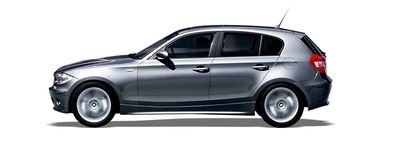
The first BMW 1 Series generation was a pioneering achievement as a compact BMW with classic rear-wheel drive and a longitudinally mounted engine. These BMW 1 Series engines typically reached 250,000 to 350,000 kilometers with proper maintenance, and the six-cylinder naturally aspirated engines were particularly durable. Major repairs were usually due between 150,000 and 200,000 kilometers, mainly on the water pump, thermostat and valve cover gasket. The absolute highlight was the N54 3.0-liter biturbo in the 135i with 306 hp, which was considered one of the best BMW engines of its time despite occasional turbocharger problems. This generation was characterized by the classic BMW philosophy: Inline engines with excellent running smoothness and sporty character, albeit with higher fuel consumption than the competition.
BMW 1 Series petrol engines: Generation I (2004-2013)
The BMW 1 Series petrol engine range comprised various four-cylinder and six-cylinder engines. The entry-level engines were the N42/N46 1.6-liter four-cylinder with 85 kW (115 hp) and the N43/N46 2.0-liter four-cylinder with 110-125 kW (150-170 hp). These BMW 1 Series engines suffered from typical problems such as defective valve cover gaskets, water pump problems and, in the case of the N43, problems with direct injection. The six-cylinder naturally aspirated N52 engines (2.5 and 3.0 liters) with 160-200 kW (218-272 hp) were considered very reliable and refined. The absolute top engine was the N54 3.0-liter biturbo with 225 kW (306 hp) in the 135i, which occasionally exhibited turbocharger problems and injection valve coking, but nevertheless achieved legendary status.
BMW 1 Series diesel engines: Generation I (2004-2013)
The BMW 1 Series diesels were dominated by the tried and tested four-cylinder series. The N47 2.0-liter diesel was available in various output levels from 85 kW (116 hp) to 150 kW (204 hp). These BMW 1 Series TDI engines (BMW only called them "d") proved to be very economical and reliable, only the early N47 engines (2007-2009) occasionally showed problems with the timing chain. The BMW 118d with 105 kW (143 hp) became the most popular diesel of the generation - it offered an excellent combination of performance, fuel consumption of only 4.5-5.2 liters and high reliability. The powerful BMW 123d with 150 kW (204 hp) was a real insider tip for sporty drivers.
| BMW 1 Series engine | Power output | Fuel consumption | Typical weaknesses | Rating |
|---|---|---|---|---|
| N42/N46 1.6L | 115 HP | 7.2-8.1 l/100km | Valve cover gasket, water pump | Average |
| N43/N46 2.0L | 150-170 HP | 7.5-8.5 l/100km | Direct injection, valve cover | Moderate |
| N52 2.5/3.0L | 218-272 HP | 8.2-9.8 l/100km | Very reliable | Very good |
| N54 3.0L Biturbo | 306 HP | 9.8-11.2 l/100km | Turbocharger, fuel injectors | Good |
| N47 2.0L Diesel | 116-204 HP | 4.5-5.8 l/100km | Early timing chain (until 2009) | Very good |
BMW 1 Series Generation II (2011-2019)

The second BMW 1 Series generation retained the rear-wheel drive and refined the engine technology considerably. With proper maintenance, these BMW 1 Series engines easily reached 300,000 to 400,000 kilometers, with the revised diesel engines being considered particularly durable. Major repairs were usually only due after 200,000 kilometers, mainly on the turbocharger and high-pressure pump in the diesels. The absolute highlight was the N55 3.0-liter turbo with 240-250 kW (326-340 hp) in the M135i, which largely eliminated the problems of the N54 and is considered one of the best BMW six-cylinder turbo engines. This generation marked the transition to modern turbocharged engines with significantly improved efficiency and increased reliability.
BMW 1 Series petrol engines: Generation II (2011-2019)
The BMW 1 Series petrol engine range was completely revised and now mainly comprised turbocharged engines. The N13 1.6-liter turbo with 100 kW (136 hp) served as the entry-level engine, but proved to be problematic with frequent turbocharger damage and oil consumption. The N20 2.0-liter turbo with 135-180 kW (184-245 hp) was much more reliable and offered a good balance between performance and consumption. The absolute highlight was the N55 3.0-liter turbo with 240-250 kW (326-340 hp) in the M135i, which, as a further development of the N54, eliminated its teething troubles and proved to be extraordinarily reliable. For the first time, these BMW 1 Series engines offered a combination of high performance and acceptable fuel consumption.
BMW 1 Series diesel engines: Generation II (2011-2019)
The BMW 1 Series diesel engines were fundamentally revised. The N47 was further developed into the N47N and later replaced by the B47. These engines were available in power levels from 85 kW (116 hp) to 170 kW (231 hp). The BMW 118d with 110 kW (150 hp) developed into the most reliable engine of this generation - it offered a test consumption of only 4.2-4.8 liters per 100 km with high everyday suitability. The powerful BMW 125d with 160 kW (218 hp) was a real insider tip for sporty drivers who attached importance to efficiency. All BMW 1 Series diesels had modern common-rail injection with particulate filters and complied with the Euro 5 standard.
| BMW 1 Series engine | Power output | Fuel consumption | Typical weaknesses | Rating |
|---|---|---|---|---|
| N13 1.6L Turbo | 136 HP | 6.4-7.2 l/100km | Turbocharger, oil consumption | Problematic |
| N20 2.0L Turbo | 184-245 HP | 6.8-8.1 l/100km | Occasional timing chain | Good |
| N55 3.0L Turbo | 326-340 HP | 8.2-9.1 l/100km | Very reliable | Very good |
| N47N/B47 Diesel | 116-231 HP | 4.2-5.6 l/100km | Robust, economical | Very good |
BMW 1 Series Generation III (2019-today)

The third BMW 1 Series generation marked a radical change with the switch to front-wheel drive and a transverse engine layout. These BMW 1 Series engines are based on the modular BMW architecture and are expected to reach 250,000 to 350,000 kilometers with proper maintenance, with the three-cylinder engines being surprisingly robust. Since the generation has only been on the market since 2019, there is no long-term experience yet, but the first tests show promising approaches. The top engine is the B48 2.0-liter turbo with 225 kW (306 hp) in the M135i xDrive, which offers impressive performance despite front-wheel drive. This generation relies entirely on turbocharged engines and represents BMW's answer to the competition from the Audi A3 and Mercedes A-Class.
BMW 1 Series petrol engines: Generation III (2019-today)
The BMW 1 Series petrol range is based entirely on turbocharged B-series engines. The B38 1.5-liter three-cylinder turbo with 100-103 kW (136-140 hp) serves as the entry-level engine and surprises with its smooth running and reliability. The B48 2.0-liter four-cylinder turbo is available in power levels from 141 kW (192 hp) to 225 kW (306 hp). The BMW 118i with the B38 engine develops into the most economical gasoline engine of the generation with a fuel consumption of only 5.8-6.4 liters per 100 km. The BMW M135i with the B48 engine (225 kW/306 hp) offers impressive performance despite front-wheel drive, but is already showing the first signs of the well-known B48 problems with oil consumption when driven in a sporty manner.
BMW 1 Series diesel engines: Generation III (2019-today)
The BMW 1 Series diesel engines are based on the tried-and-tested B47 engine in various output levels from 85 kW (116 hp) to 140 kW (190 hp). The BMW 118d with 110 kW (150 hp) continues the tradition of reliable BMW diesels and offers a test consumption of just 4.1-4.6 liters per 100 km. These BMW 1 Series diesels feature modern exhaust gas aftertreatment with SCR catalytic converter and meet the Euro 6d standard. The BMW 120d with 140 kW (190 hp) is the most powerful diesel of the generation and offers an excellent combination of performance and efficiency.
| BMW 1 Series engine | Power output | Fuel consumption | Typical weaknesses | Rating |
|---|---|---|---|---|
| B38 1.5L Turbo | 136-140 HP | 5.8-6.4 l/100km | So far no serial problems | Very good |
| B48 2.0L Turbo | 192-306 HP | 6.2-7.8 l/100km | Oil consumption for sports variants | Good |
| B47 2.0L Diesel | 116-190 HP | 4.1-4.8 l/100km | Very reliable | Very good |

Conclusion: The best BMW 1 Series engines of all generations
The development of the BMW 1 Series engines clearly shows the change from classic naturally aspirated engines to modern turbo engines with a simultaneous change in drive concepts. While the first two generations with rear-wheel drive and in-line engines embodied the classic BMW philosophy, the third generation with front-wheel drive brought a completely new direction. The BMW 1 Series diesel engines remained reliable and economical throughout all generations, while the gasoline engines showed a continuous development towards more efficiency and increased performance at the same time.
- Best BMW 1 Series gasoline engine:
The BMW 1 Series N55 3.0-liter turbo (326-340 hp, Generation II) combines classic BMW inline six-cylinder culture with modern turbo technology and exceptional reliability.
- Best BMW 1 Series diesel engine:
The BMW 1 Series B47 2.0-liter diesel (150 hp, Generation II & III) offers the best combination of reliability, economy and everyday usability across all generations.
- Best overall BMW 1 Series engine:
The BMW 1 Series N52 3.0-liter naturally aspirated engine (258-272 hp, Generation I) is considered one of the best BMW engines of all time with exceptional smoothness and durability.
For maintenance and spare parts for all BMW 1 Series generations, AUTODOC offers a comprehensive range of original and quality spare parts with fast delivery and expert advice.
TOP Products on the topic: