Table of Contents

 31 July 2023
 Vauxhall Mokka: automatic gearbox problems, turbo faults, and other malfunctions
The Vauxhall Mokka is a compact crossover SUV that was first introduced in 2012. It has a stylish and modern design with a spacious and well-equipped interior. It is available with a range of petrol and diesel engines, as well as a hybrid option, offering a good balance between performance and fuel efficiency which makes it a popular vehicle for many drivers. Here we’ll explore some of the most common problems and faults of the Vauxhall Mokka.
EGR valve
Several symptoms may indicate EGR (Exhaust Gas Recirculation) valve problems in the Vauxhall Mokka. These can include reduced engine performance, such as diminished acceleration or power. You could also experience rough idling, stalling, or misfiring and notice black smoke coming from the exhaust or an increase in fuel consumption and the check engine light on the dashboard may also come on. The Vauxhall Mokka EGR valve may need to be repaired or replaced to restore proper engine performance.
Automatic gearbox
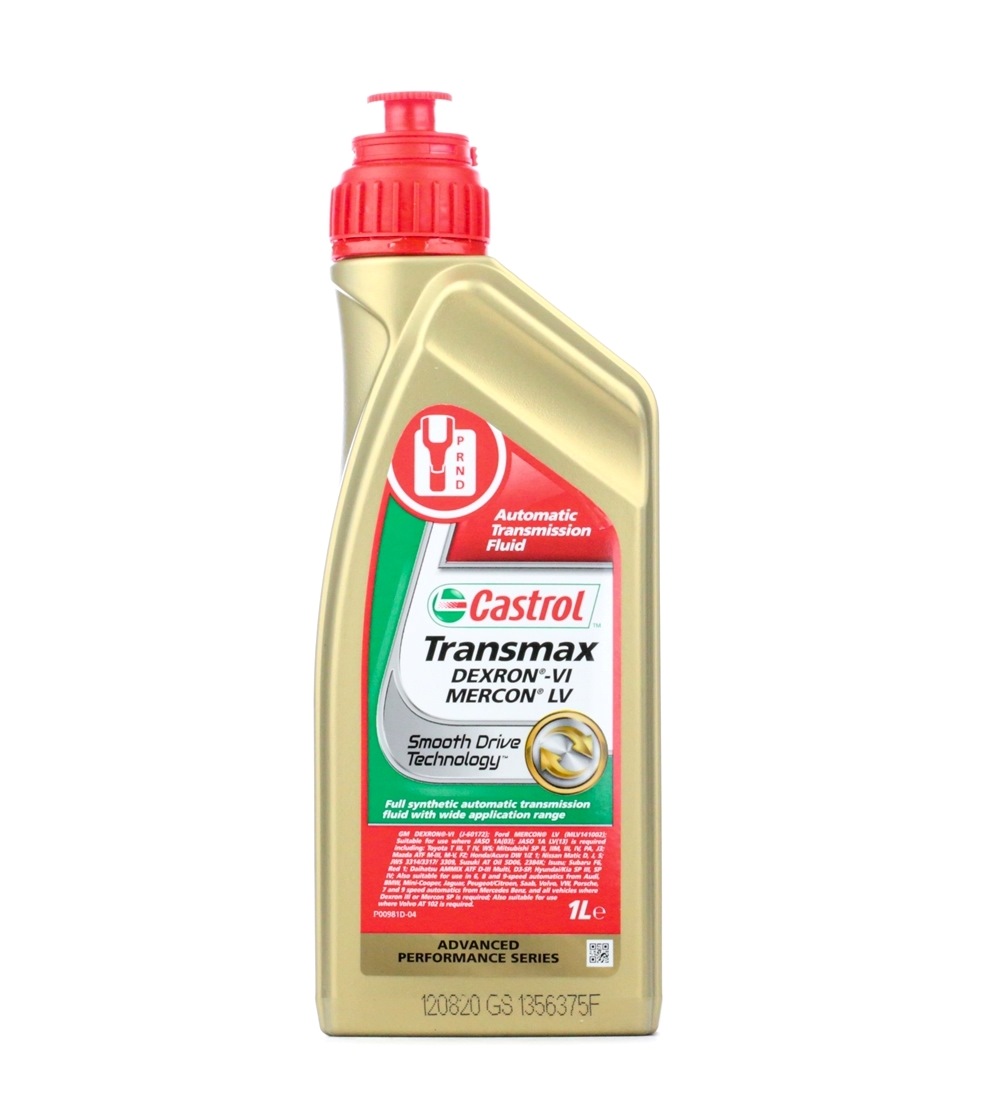
Like any other car, the Vauxhall Mokka can experience issues with its automatic gearbox. A typical problem is a shifting delay, where the gearbox takes a few seconds to respond to gear changes. You may also experience jerky or rough shifting between gears. Transmission fluid leakage can also occur, leading to a reduction in fluid levels and eventual transmission failure. In addition, unusual noises or vibrations coming from the transmission may indicate a problem and you may need to change the transmission fluid, or repair or even replace the transmission.
Sold by AUTODOC Sold by AUTODOC Sold by AUTODOC Sold by AUTODOC Sold by AUTODOC
-42%
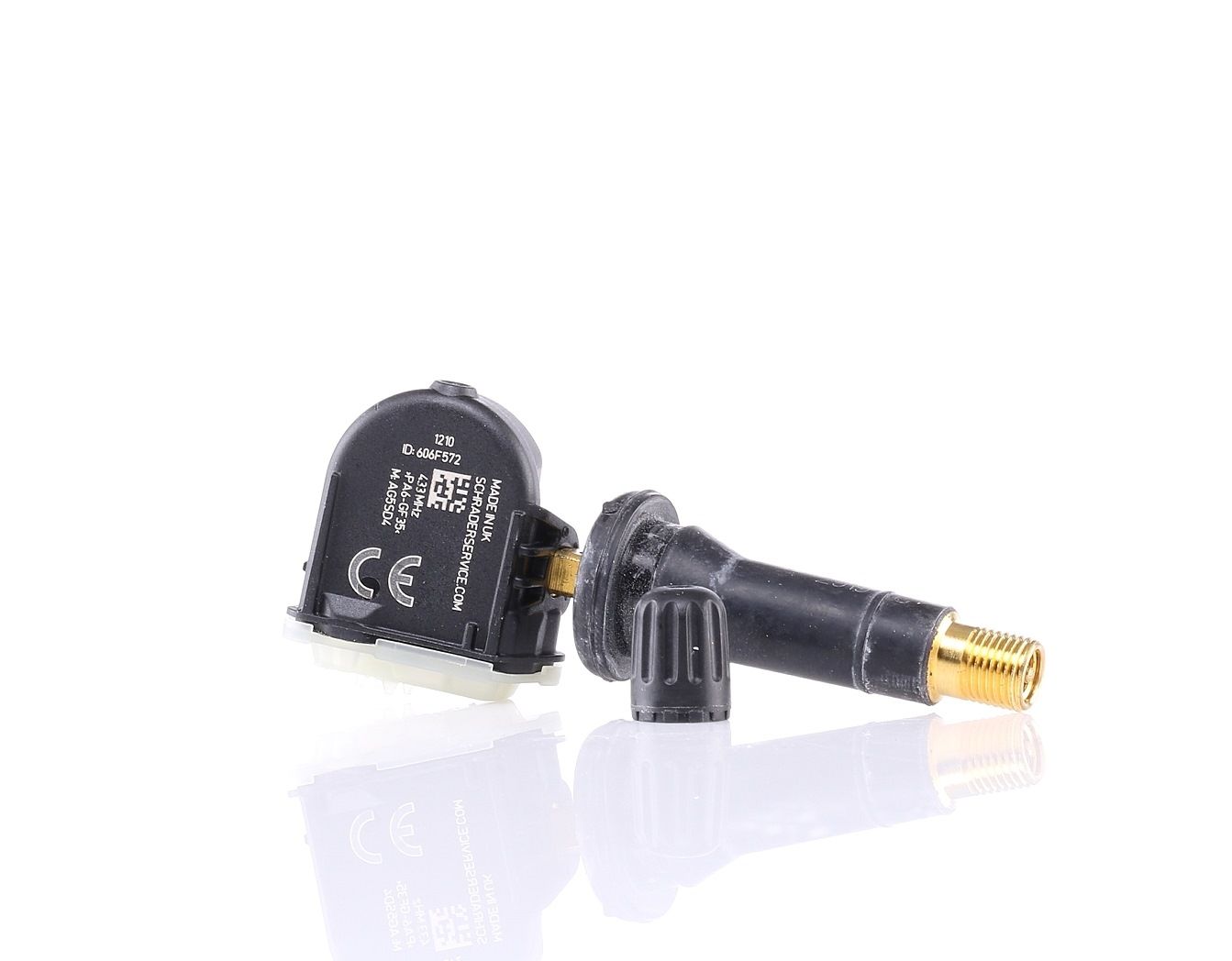
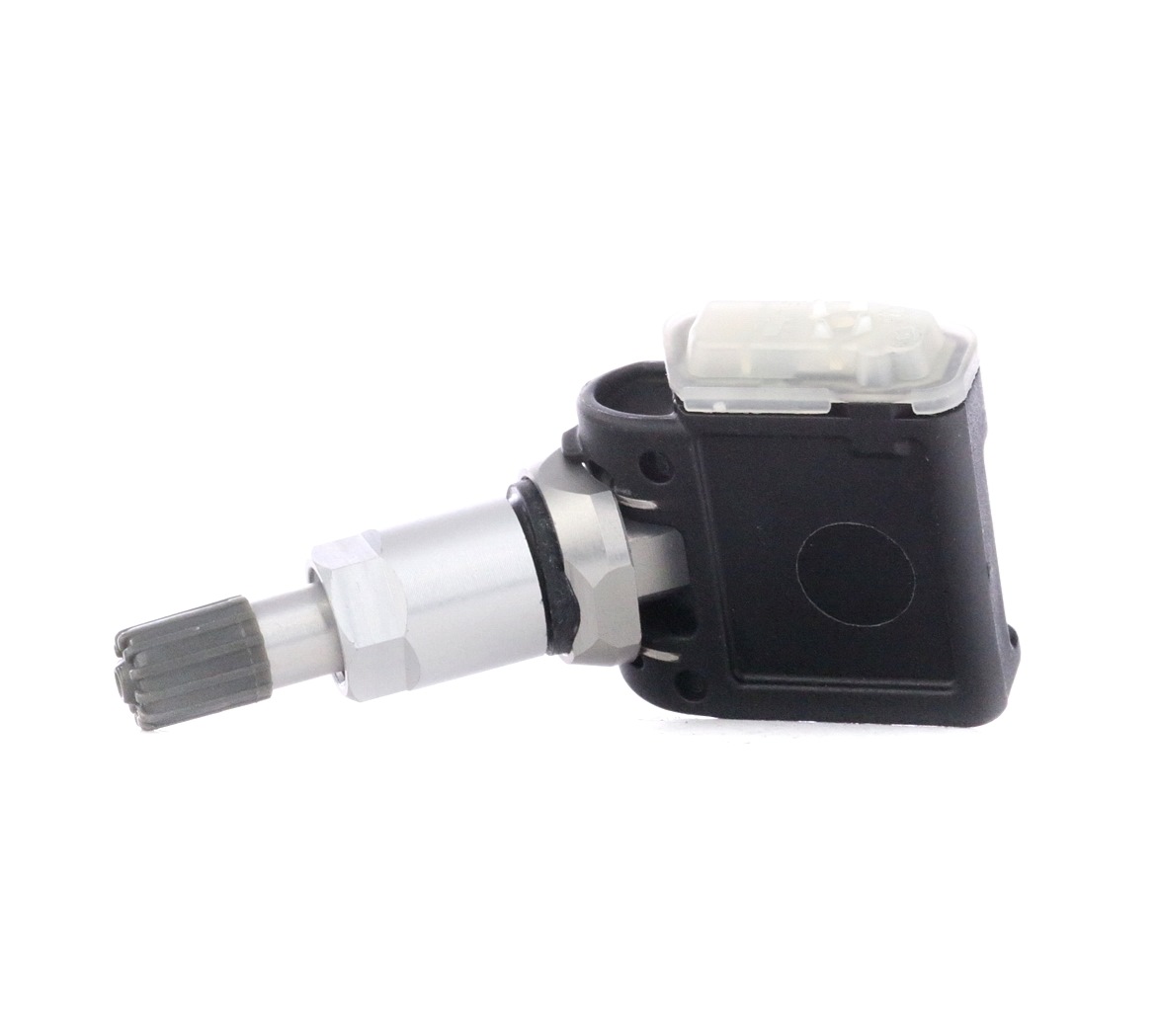 RIDEX Tyre pressure sensor (TPMS)
with groove, with valves
Article number: 2232W0084
compared to
RRP
£43.80
£24.99£99.96 / Price per 4 items
price incl. 20% VAT, excl. delivery costs
RIDEX Tyre pressure sensor (TPMS)
with groove, with valves
Article number: 2232W0084
compared to
RRP
£43.80
£24.99£99.96 / Price per 4 items
price incl. 20% VAT, excl. delivery costs
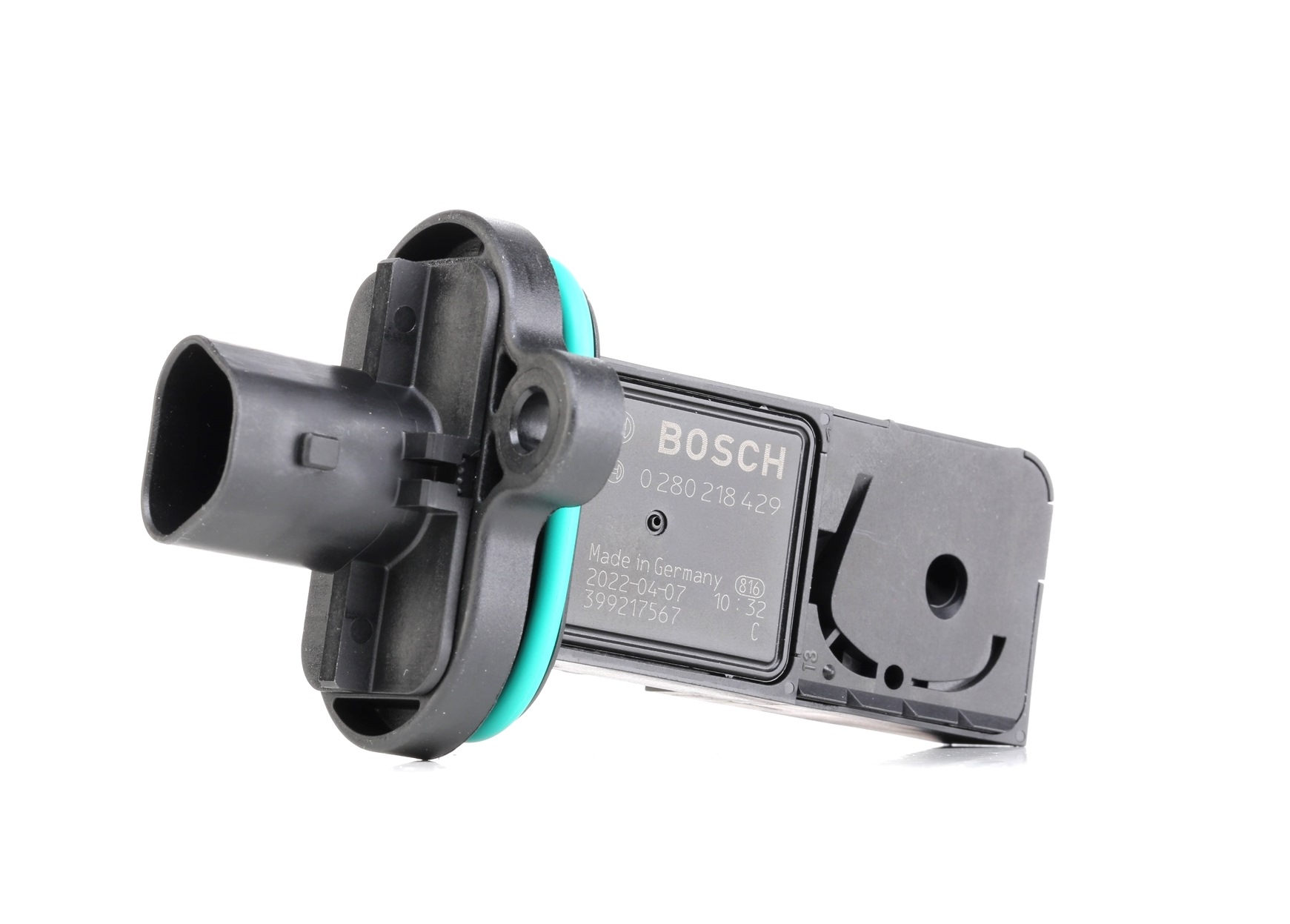 BOSCH Mass air flow sensor
Article number: 0 280 218 429
£41.99price incl. 20% VAT, excl. delivery costs
BOSCH Mass air flow sensor
Article number: 0 280 218 429
£41.99price incl. 20% VAT, excl. delivery costs
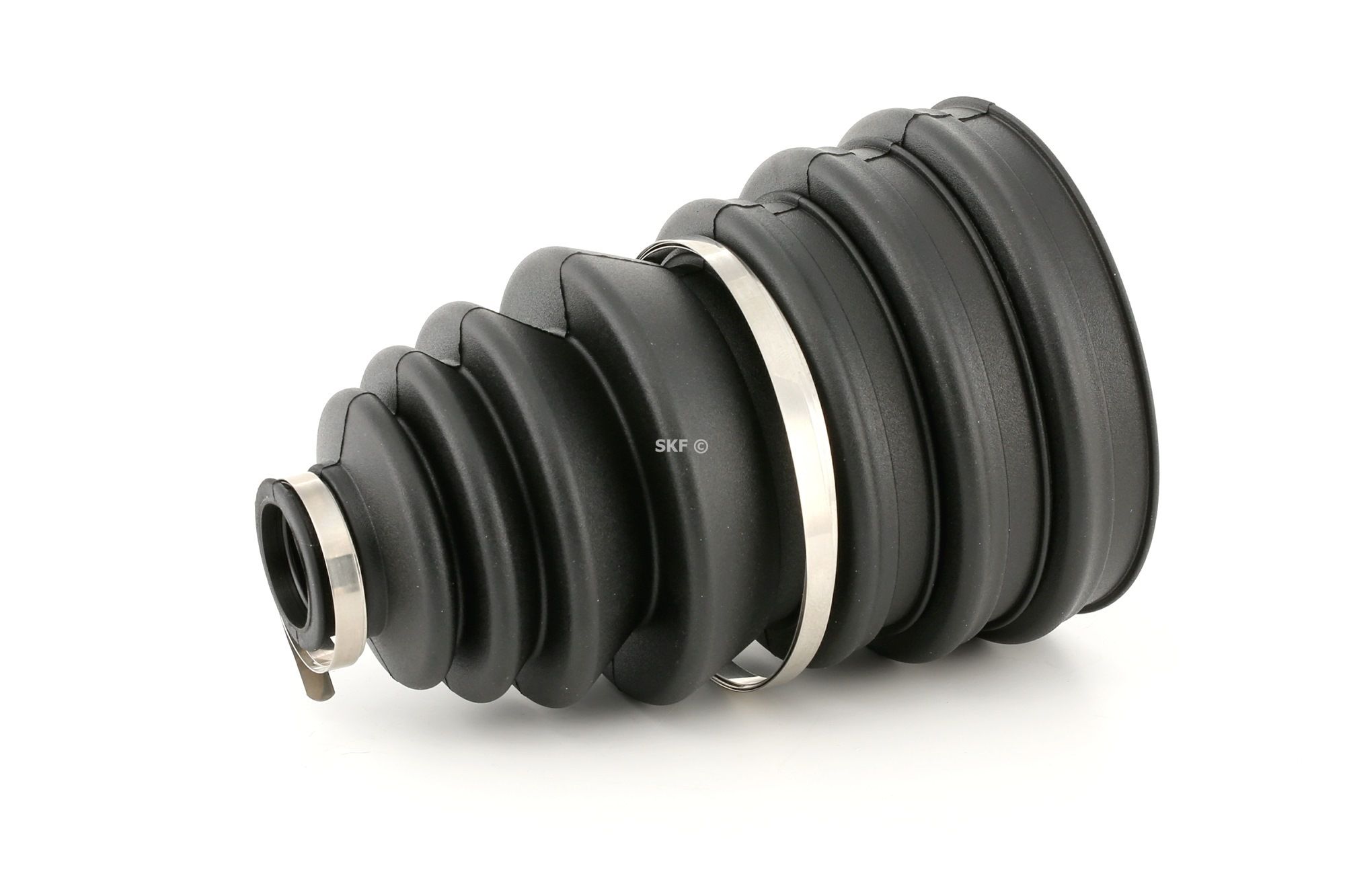 SKF Bellow Set, drive shaft
146 mm, with clamps
Article number: VKJP 01001
£14.49£28.98 / Price per 2 items
price incl. 20% VAT, excl. delivery costs
SKF Bellow Set, drive shaft
146 mm, with clamps
Article number: VKJP 01001
£14.49£28.98 / Price per 2 items
price incl. 20% VAT, excl. delivery costs
 Article number: EK720
£125.99price incl. 20% VAT, free delivery
Article number: EK720
£125.99price incl. 20% VAT, free delivery
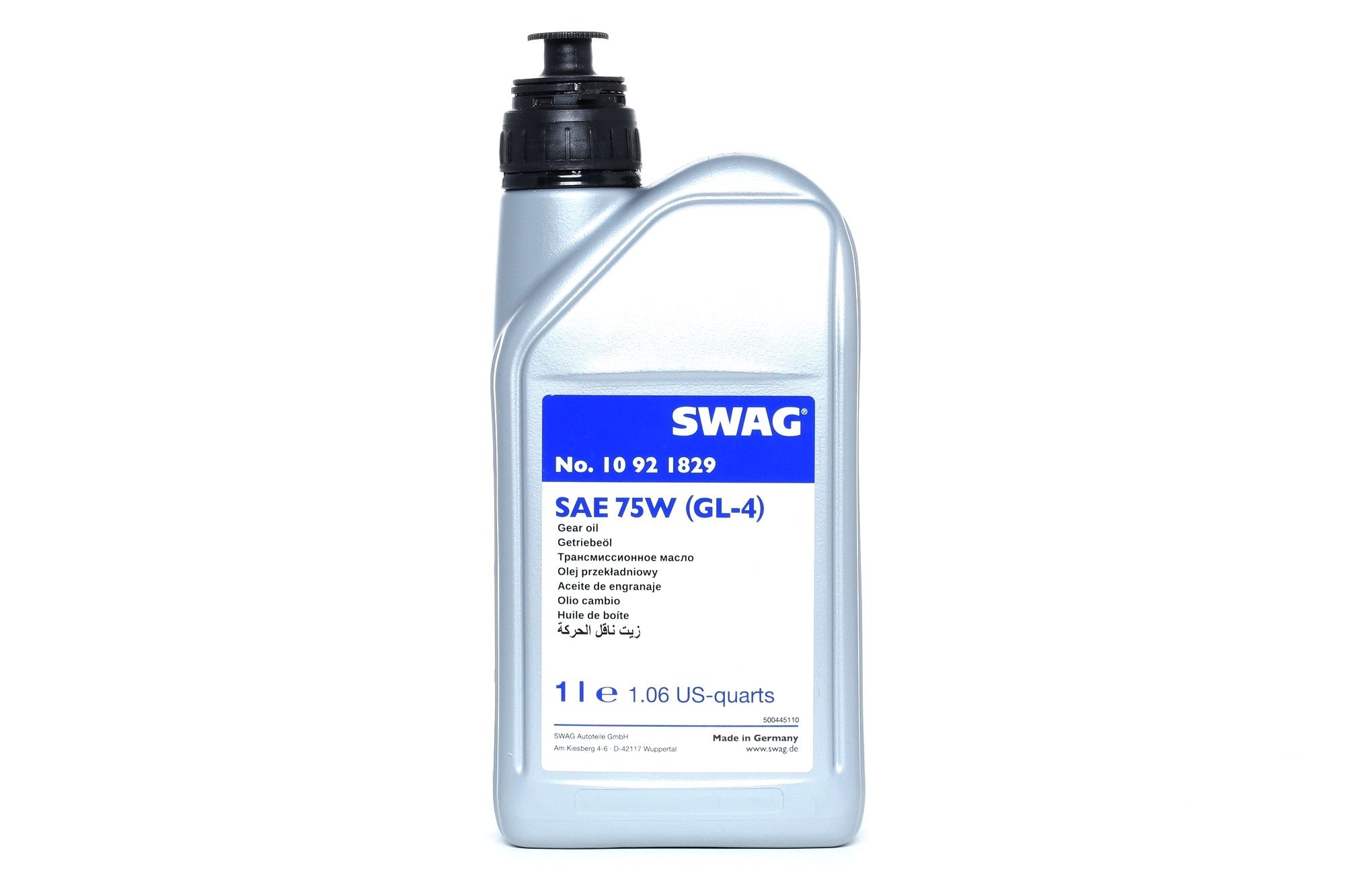 SWAG Manual Transmission Oil
Capacity: 1l
Article number: 10 92 1829
More
£18.49
£18.49
for 1 litre
price incl. 20% VAT, excl. delivery costs
SWAG Manual Transmission Oil
Capacity: 1l
Article number: 10 92 1829
More
£18.49
£18.49
for 1 litre
price incl. 20% VAT, excl. delivery costs
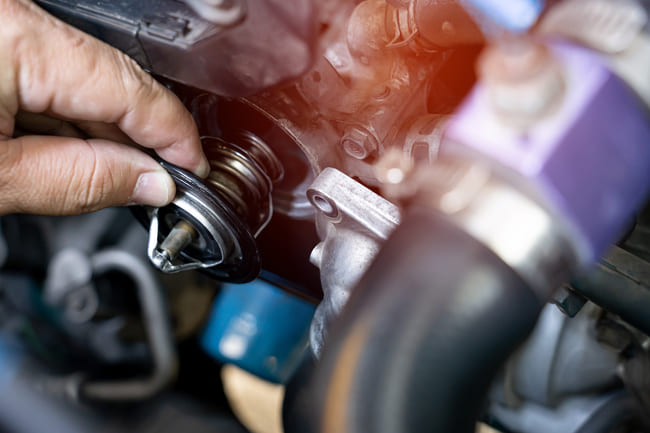
Thermostat
Some signs can tell you that the Vauxhall Mokka thermostat is malfunctioning. One of the most common is that the engine overheats which will be indicated by a rise in the temperature gauge on the dashboard. You may also notice that the engine takes longer than usual to warm up.
Turbo and clutch
These can be indicated by a whining or grinding noise coming from the engine, or smoke coming from the exhaust. Other symptoms are the check engine light on the dashboard turning on and a loss of engine power or acceleration, all of which indicate a problem with the turbo. As for the clutch, you may experience a grinding noise or difficulty changing gears. Other signs include a burning smell coming from the engine compartment or vibration in the pedal, which can mean that your clutch plate or flywheel is worn.
Other typical malfunctions
Water pump
The pump may overheat, resulting in engine damage. Coolant may also be leaking from the engine bay, which can be a sign of a faulty water pump or damaged seal. Another symptom is a squeaking or grinding noise from the engine, which can indicate a worn or damaged water pump bearing.
Engine
The engine is known to misfire causing rough running or excessive vibration. Reduced power and acceleration have also been reported and are often caused by faulty sensors, clogged fuel injectors, or damaged Vauxhall Mokka spark plugs.
Sold by AUTODOC Sold by AUTODOC Sold by AUTODOC Sold by AUTODOC Sold by AUTODOC
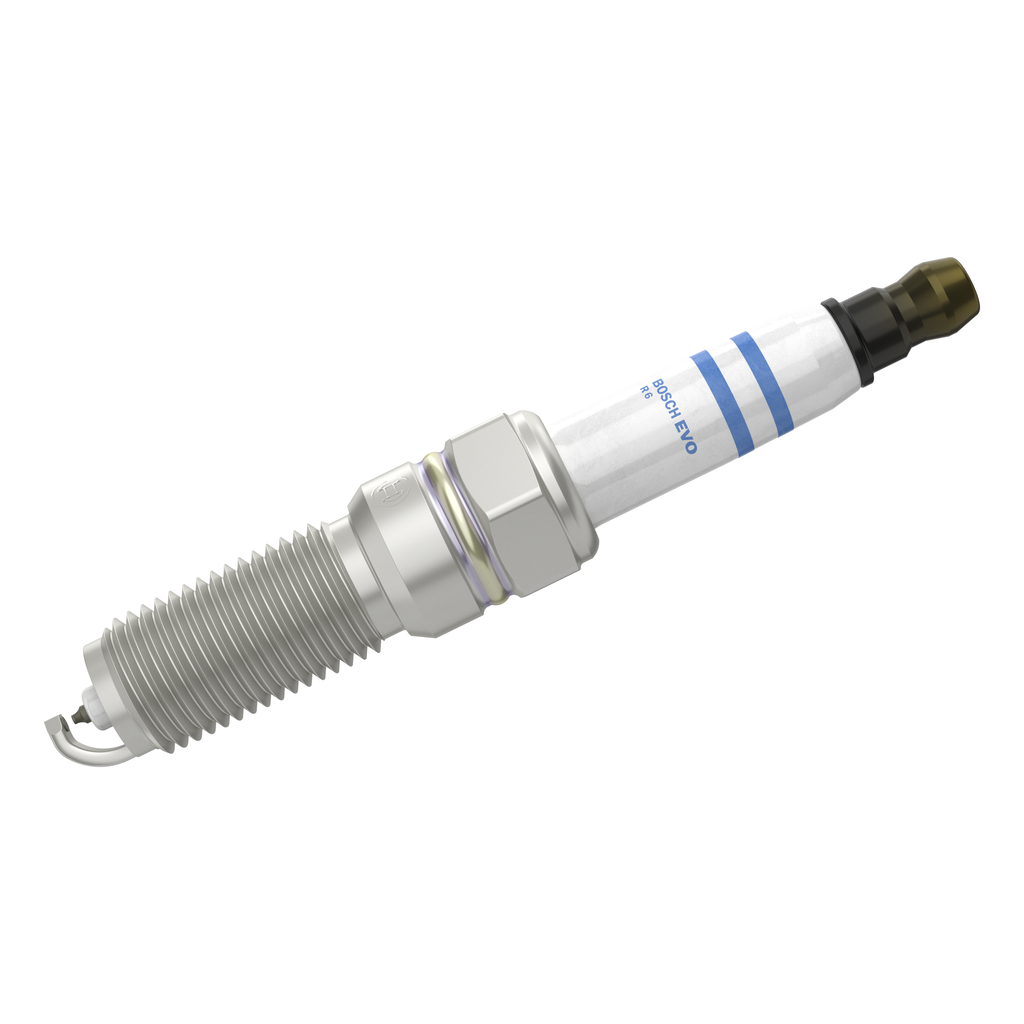 BOSCH Spark plug
M 12 x 1,25, Spanner Size: 14
Article number: 0 242 145 606
£17.49
Price per item
£52.47 / Price per 3 items
price incl. 20% VAT, excl. delivery costs
BOSCH Spark plug
M 12 x 1,25, Spanner Size: 14
Article number: 0 242 145 606
£17.49
Price per item
£52.47 / Price per 3 items
price incl. 20% VAT, excl. delivery costs
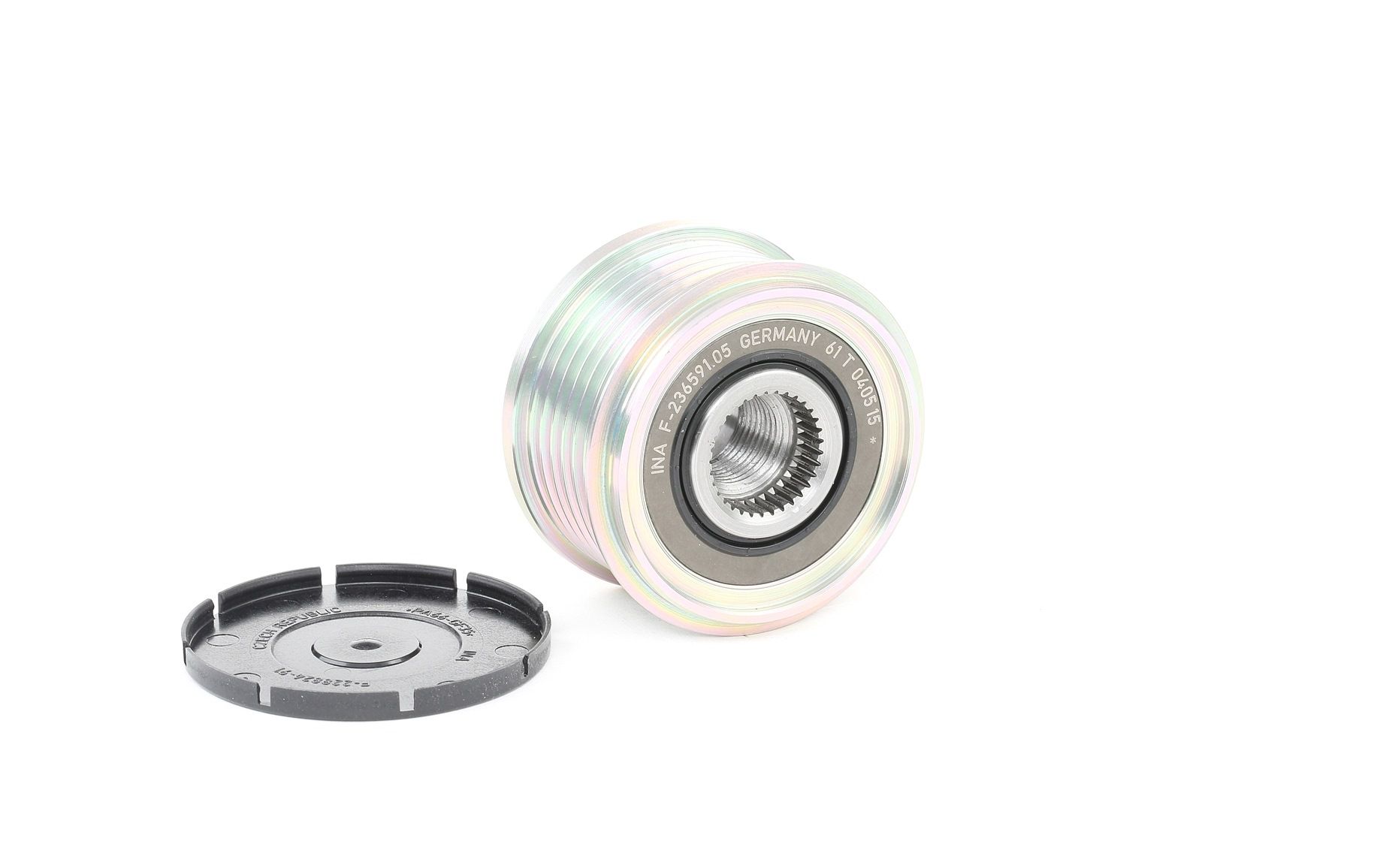 INA Alternator Freewheel Clutch
Requires special tools for mounting
Article number: 535 0194 10
£25.99price incl. 20% VAT, excl. delivery costs
INA Alternator Freewheel Clutch
Requires special tools for mounting
Article number: 535 0194 10
£25.99price incl. 20% VAT, excl. delivery costs
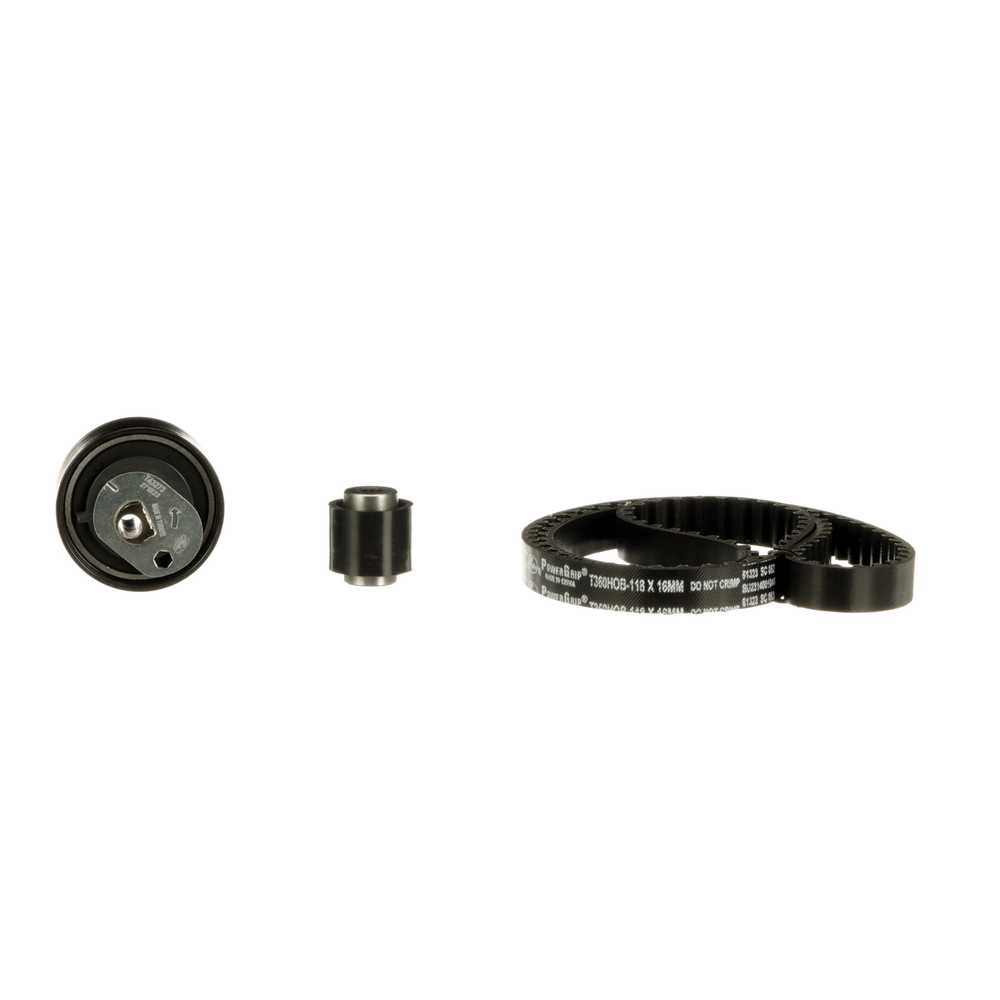 GATES Timing belt kit
Article number: K01T360HOB
£72.49price incl. 20% VAT, excl. delivery costs
GATES Timing belt kit
Article number: K01T360HOB
£72.49price incl. 20% VAT, excl. delivery costs
 Article number: 107037
£11.99price incl. 20% VAT, excl. delivery costs
Article number: 107037
£11.99price incl. 20% VAT, excl. delivery costs
 Article number: 109171
£57.49
£14.37
for 1 litre
price incl. 20% VAT, excl. delivery costs
Article number: 109171
£57.49
£14.37
for 1 litre
price incl. 20% VAT, excl. delivery costs
Coil pack
In the case of a failing coil pack, you may notice misfiring, rough idling, reduced power and poor fuel economy and your check engine light will come on.
Catalytic converter
If the Vauxhall Mokka catalytic converter fails, you may experience reduced engine power, reduced fuel economy and an unpleasant odour from the exhaust system. You may also notice a check engine light on the dashboard, indicating a problem with the emission system.
General maintenance
Proper maintenance is essential to keep your Vauxhall Mokka running smoothly and reliably. This includes following the recommended service schedule, keeping tyres properly inflated, replacing air filters and worn brakes promptly, checking battery terminals for corrosion, monitoring coolant levels and having any unusual symptoms checked by a qualified mechanic. By following these maintenance tips, you can help ensure that your Mokka continues to perform at its best for many years to come.
Top products related to this topic: