Problems with the Opel Insignia

Reliability Opel Insignia: common problems, issues symptoms and faults
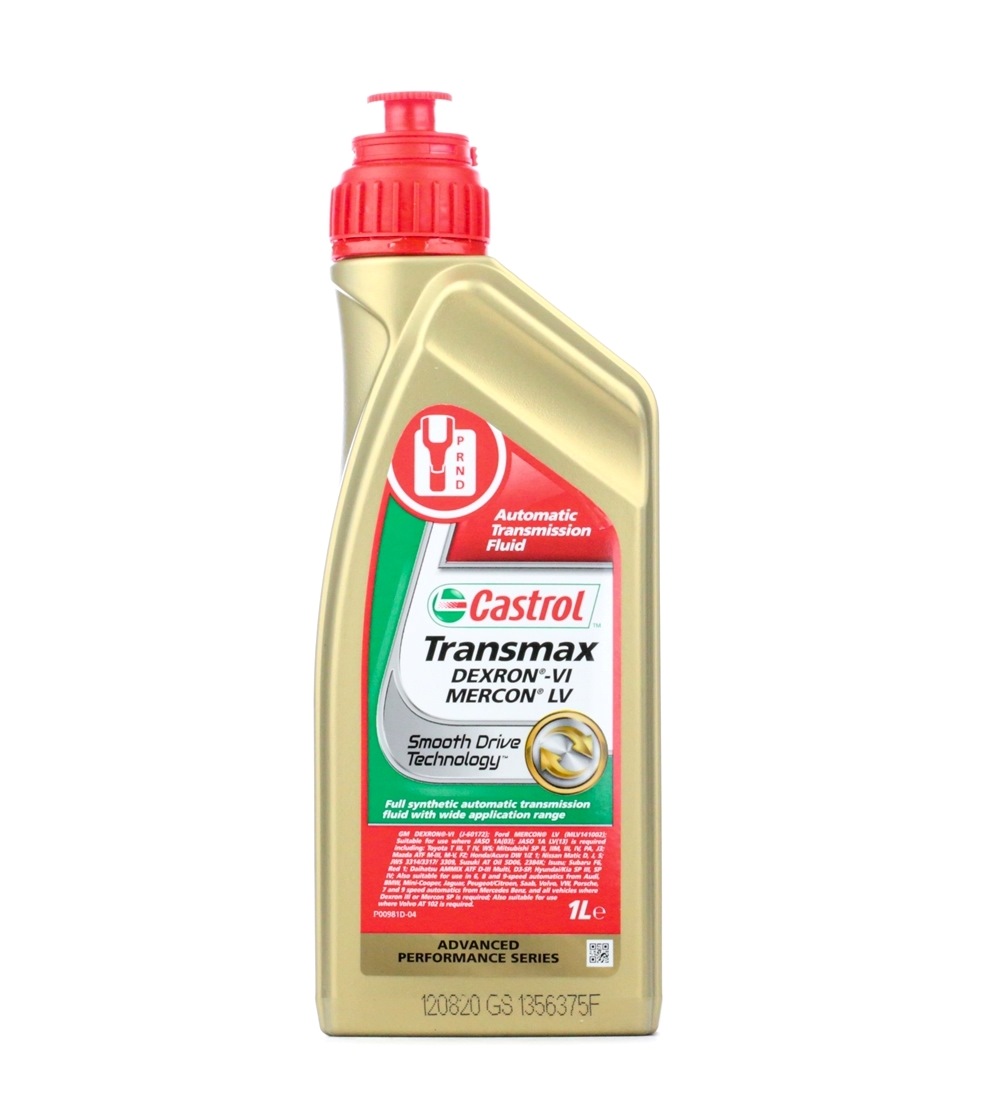
- Automatic transmission problems: The automatic transmission of the Opel Insignia shows frequent weak points, especially in models with high mileage. Symptoms include jerky shifting, loss of power and complete failure of the transmission, often between 80,000-120,000 km.
- AdBlue system faults: The AdBlue system in diesel engines does not work properly, resulting in engine power reduction and starting problems. These faults often occur after 60,000-100,000 km and require costly repairs.
- Trunk electronics fault: The electric trunk lock does not start or does not switch correctly, leading to safety problems. These complaints often manifest themselves after 40,000-70,000 km mileage.
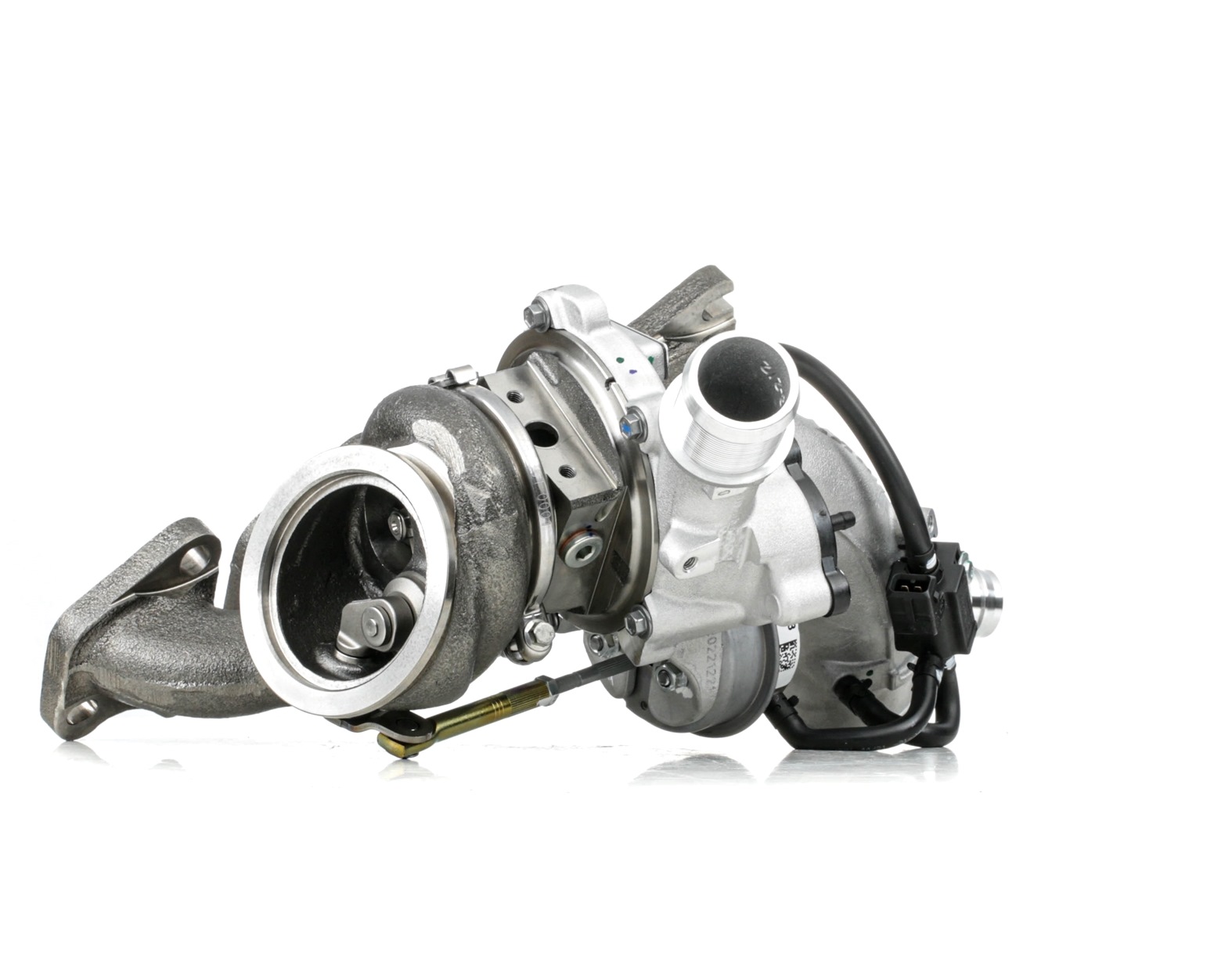
- Turbocharger defects in 2.0 CDTI: The turbocharger in 2.0 CDTI 170 hp and 174 hp diesel engines shows reduced reliability and service life, with typical failures between 100,000-150,000 km due to wear of the bearings and seals.
Opel Insignia: Problems with the automatic transmission

The automatic transmission of the Opel Insignia has significant common faults, which manifest themselves through various symptoms. Vehicles with higher mileage are particularly affected, with the first signs often appearing between 80,000 and 120,000 kilometers. The reliability of the transmission suffers from various factors such as irregular maintenance, extreme driving conditions and material wear. Typical complaints include jerky shifting, delayed gear changes, loss of power and, in severe cases, complete transmission failure. The service life of the automatic transmission can be extended considerably by taking preventive measures, but the repair costs are often very high. Drivers report sudden breakdowns in which the transmission no longer shifts properly or fails completely.
Regular maintenance is essential for the longevity of the transmission system. The sensitive Opel Insignia automatic transmissions require special attention with oil change intervals every 60,000 km and regular checks of the transmission electronics. A systematic check of the transmission control unit and hydraulic components can prevent major damage and ensure optimum functionality.
Opel Insignia: Problems with the AdBlue system
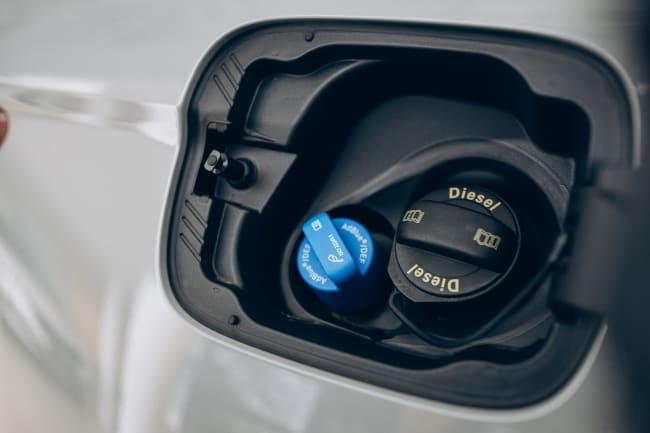
The AdBlue system in Opel Insignia diesel models, especially in the 2.0 CDTI 170 hp and 174 hp diesel, shows recurring weak points that can lead to significant malfunctions. The system does not function correctly, which manifests itself in error messages in the display, reduced engine performance and, in extreme cases, starting prevention. Common faults typically occur after 60,000 to 100,000 kilometers and mainly affect the AdBlue tank, the dosing unit and the sensors. The reliability of the system is affected by crystal formation, freezing at low temperatures and clogging of the lines. Breakdowns can also be caused by low-quality AdBlue or extended downtimes, whereby the service life of the components depends heavily on the quality of the urea solution used.
A professional inspection is required for early detection of AdBlue system problems. The complex Opel Insignia AdBlue systems require regular inspections every 15,000 km and only high-quality AdBlue for optimum function. Preventive maintenance by flushing the system and replacing the filters can prevent costly repairs.
Opel Insignia: Problems with the trunk electronics
The electronic trunk locking system of the Opel Insignia has typical problems that manifest themselves in various faults. The system does not start, does not switch properly or reacts to commands with a delay, which leads to considerable safety and comfort problems. These complaints often occur after only 40,000 to 70,000 kilometers and affect both the mechanical and electronic components. Common faults include defective actuators, worn microswitches, corroded contacts and software errors in the control unit. The reliability of the trunk system is affected by moisture, temperature fluctuations and mechanical wear. Symptoms are often manifested by intermittent malfunctions, where the trunk sometimes does not work and then works normally again.
A systematic check is necessary to diagnose the trunk electronics problems. The sensitive Opel Insignia trunk locking systems require regular cleaning of the contacts and lubrication of the mechanical parts every 20,000 km. Professional maintenance can prevent premature failures and ensure the longevity of the system.
Opel Insignia: Problems with turbocharger in 2.0 CDTI engines
The turbocharger in the 2.0 CDTI engines with 170 hp and 174 hp diesel has characteristic weak points that have a negative impact on reliability and service life. Typical breakdowns occur between 100,000 and 150,000 kilometers and manifest themselves in reduced boost pressure, excessive exhaust emissions, unusual noises and loss of power. Common faults affect the turbocharger bearings, seals, vanes and waste gate control. The system does not function optimally if the oil or coolant supply is insufficient, leading to premature wear. Complaints also include the characteristic whistling of defective turbochargers and bluish exhaust smoke. Service life can be significantly reduced by aggressive driving, irregular oil changes and the use of inferior fuels.
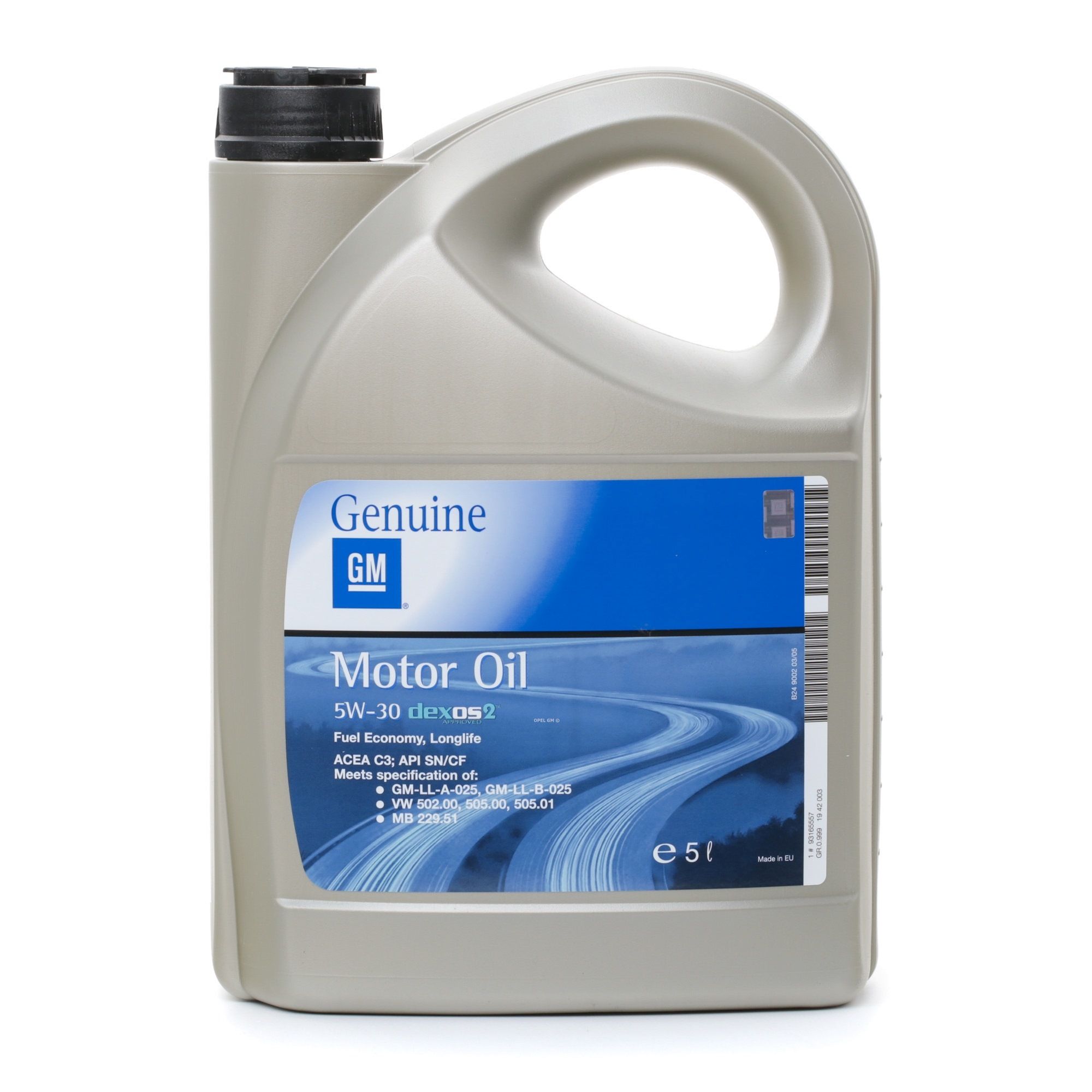
Professional maintenance is essential for the turbocharger to function optimally. The precise Opel Insignia turbocharger systems require high-quality engine oils and regular oil changes every 15,000 km as well as air filter checks. Preventive measures such as correct warm-up and cold running behavior can significantly extend turbocharger service life.
Opel Insignia: Problems with 1.5 Turbo and GSI engines
The 1.5 Turbo 165 hp and GSI 230 hp engines of the Opel Insignia have specific weak points that manifest themselves in various symptoms. With the 1.5 diesel variants, frequent faults typically occur after 80,000 to 120,000 kilometers, while the powerful GSI engines often show the first problems after just 60,000 kilometers. Reliability is affected by problems with direct injection, turbocharger wear and timing chain problems. The system does not function optimally if there are problems with the high-pressure pump or clogged injectors. Breakdowns are manifested by rough idling, loss of power, increased fuel consumption and characteristic engine noises. The OPC 325 hp versions show additional complaints regarding the cooling and charge air system, whereby the service life depends heavily on the driving style and maintenance quality.
Regular maintenance is crucial for the longevity of high-performance engines. The demanding Opel Insignia Turbo engines require premium fuels and shortened service intervals every 10,000 km for sporty use. Expert monitoring of the engine parameters and regular cleaning of the injection system can prevent expensive repairs.
Opel Insignia: Problems with 2.8 V6 Turbo 4x4 system
The 2.8 V6 Turbo 4x4 system of the Opel Insignia exhibits complex problems that affect both the engine and the all-wheel drive system. Common faults typically occur between 90,000 and 140,000 kilometers and include turbocharger defects, all-wheel drive clutch wear and cooling system problems. The reliability of the 2.0 turbo system is affected by high thermal stress and complex control electronics. The all-wheel drive system does not shift correctly between modes, resulting in jerking on start-up and uneven power distribution. Symptoms also include overheating, loss of power and error messages in the display. Breakdowns can be caused by a defective all-wheel drive clutch, worn universal joints or problems with the torque vectoring system. The service life is reduced by intensive use of the all-wheel drive system and inadequate maintenance of the differentials.
A systematic check is necessary for the complex V6 all-wheel drive systems. The sophisticated Opel Insignia 4x4 components require special transmission oils and regular checks of the all-wheel drive clutch every 40,000 km. Professional maintenance of the cooling and lubrication systems can prevent premature failure of the expensive components.
Additional common faults of the Opel Insignia
Based on the experiences of Opel Insignia drivers, the following additional problems occur:
- Power window defects: Often occur after 50,000-80,000 km, especially in the rear windows due to wear and tear on the motors and guide rails.
- Air conditioning compressor problems: Typically manifest after 70,000-110,000 km due to leaks in the refrigerant circuit and defective compressor clutches.
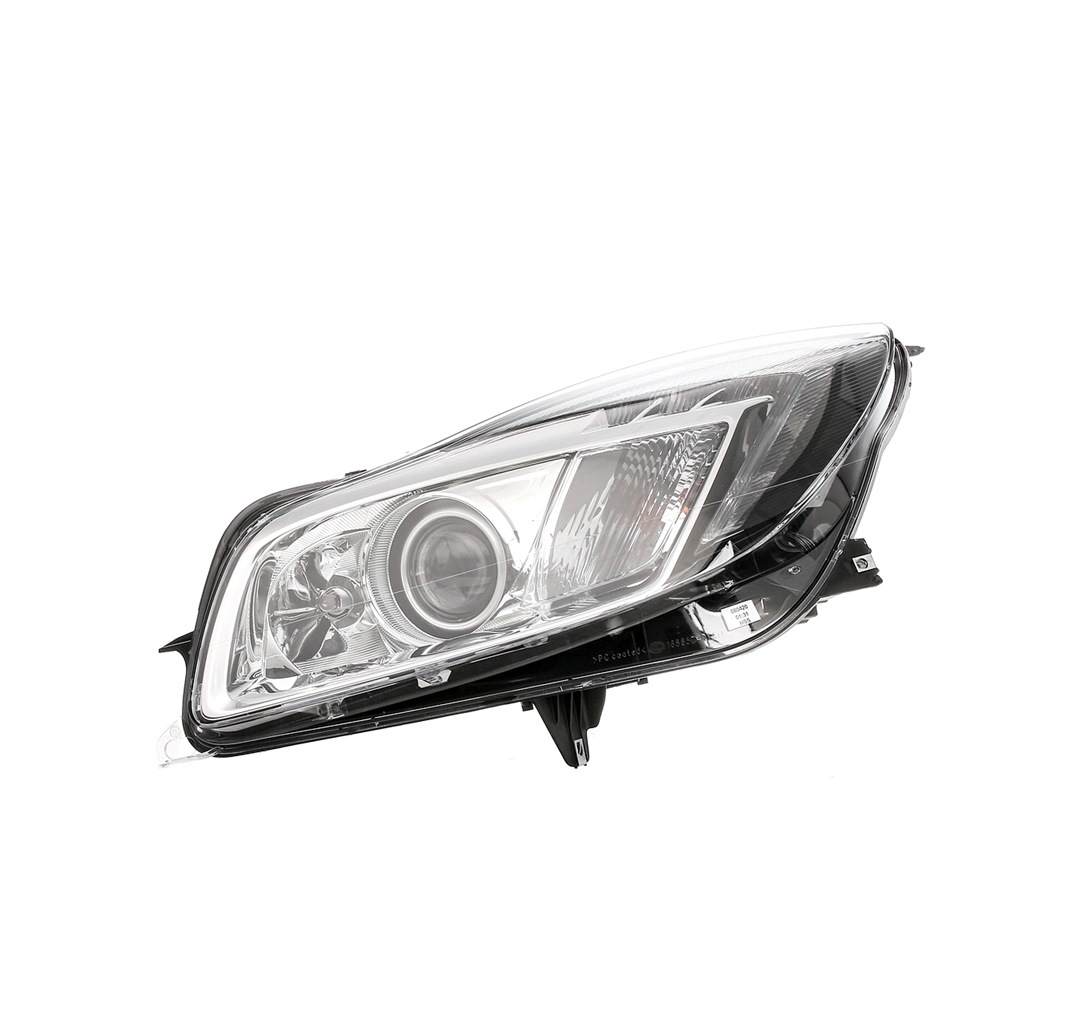
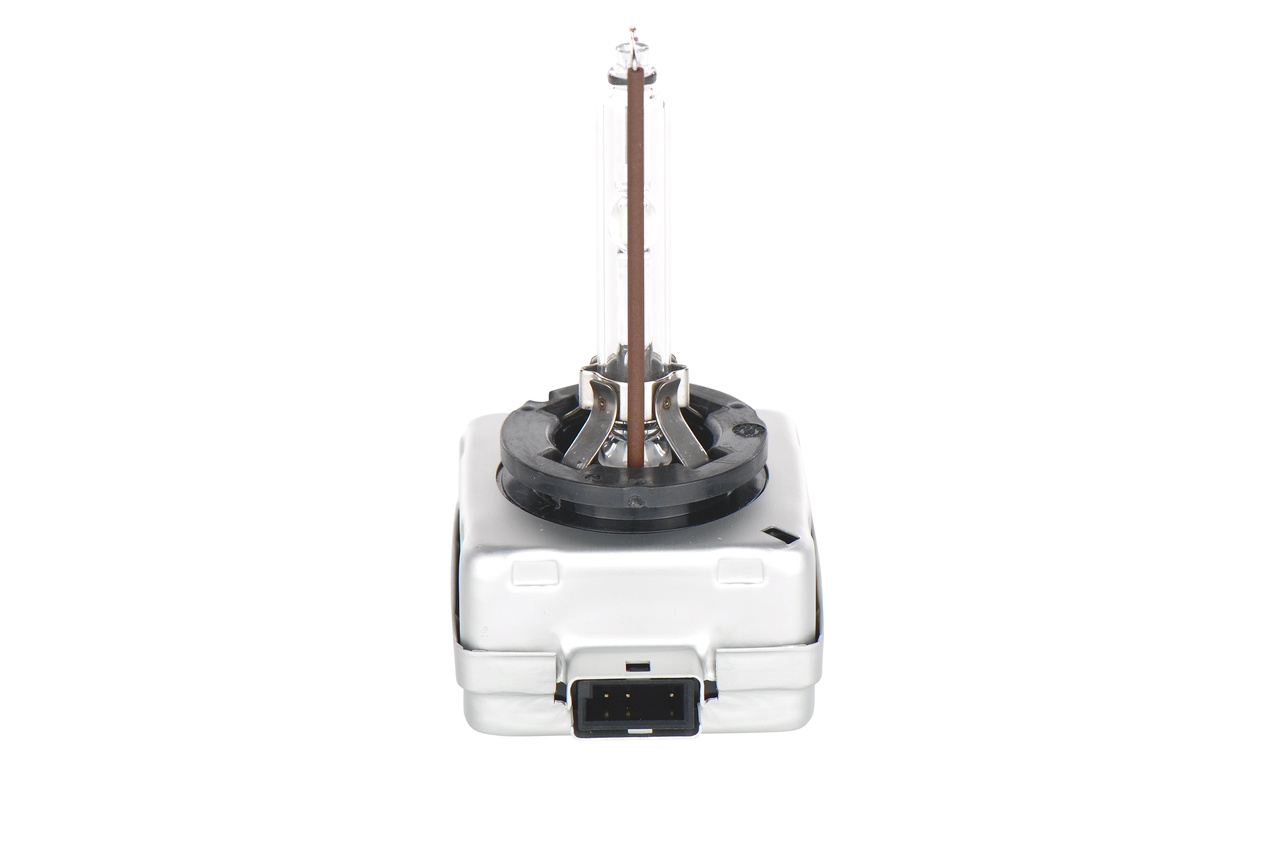
- Xenon headlight failures: Often occur after 60,000-90,000 km due to defective ballasts and worn burners, especially with frequent use.
- Fuel pump defects: Typically show up between 100,000-150,000 km due to pump element wear and clogged filters.
- Tie rod wear: Often occurs after 40,000-70,000 km due to aggressive driving and poor road conditions.
- Brake wear: The front brake discs in particular show premature wear after 30,000-50,000 km with a sporty driving style.
- Battery discharge problems: Often manifest themselves after 3-5 years due to defective control units and standby consumers.

Opel Insignia: weaknesses and strengths
| Strengths |
Weak points |
| Comfortable chassis |
Automatic transmission problems |
| Spacious interior |
AdBlue system faults |
| Modern infotainment systems |
Turbocharger wear |
| Good road holding |
Trunk electronics fault |
| Extensive engine program |
High repair costs |
| Elegant design |
Complex electronics |
| Solid workmanship |
Fuel pump defects |
The Opel Insignia proves to be an ambitious mid-range vehicle with modern technologies, but it requires regular and expert maintenance. The most common problems concern complex electronic systems and wearing parts, which can be managed if detected in good time and repaired professionally. It is particularly important to adhere to the maintenance intervals and use original spare parts to ensure longevity.


 30 October 2025 (updated)