Table of Contents

 10 September 2025 (updated)
 What a CV boot is on a car and symptoms of malfunction
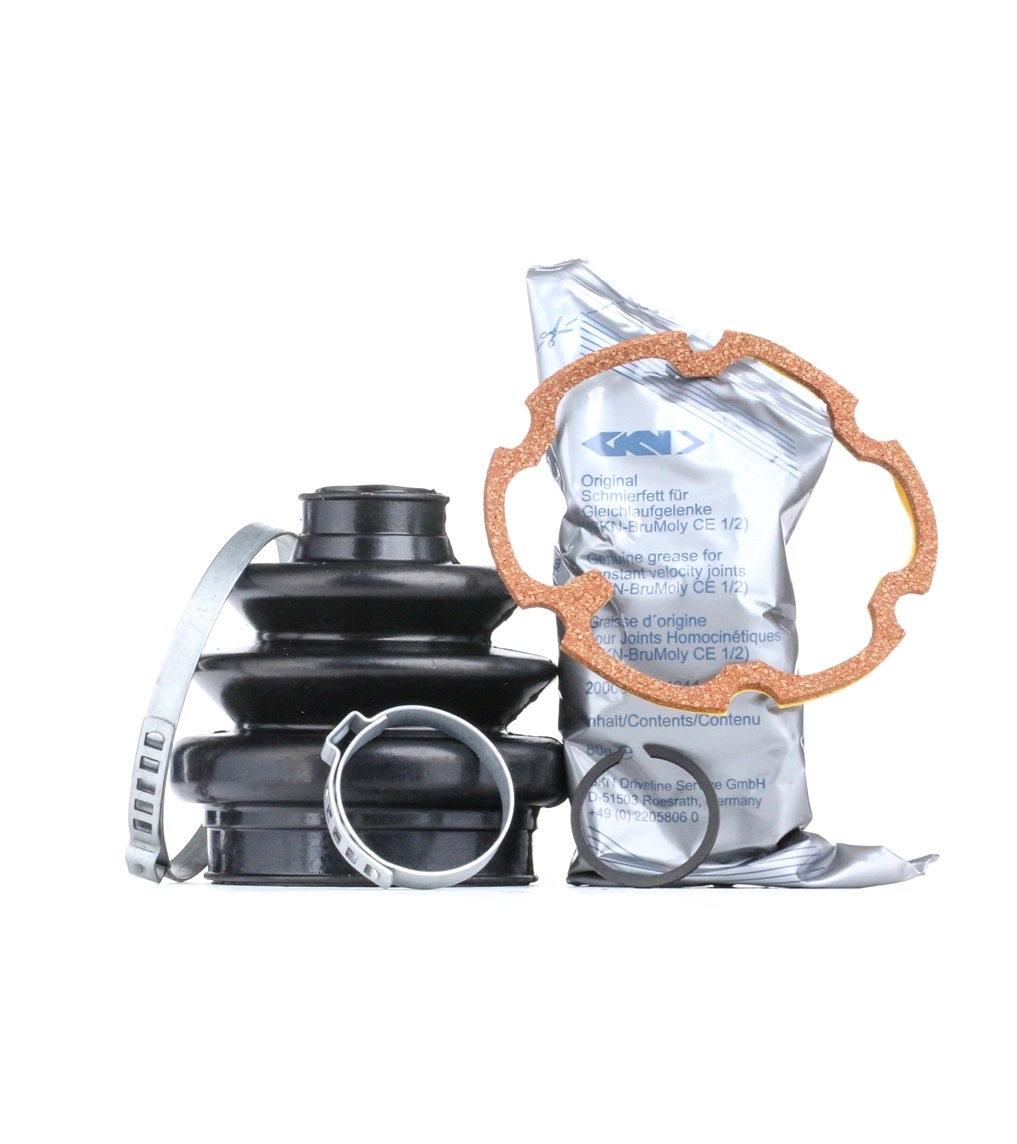
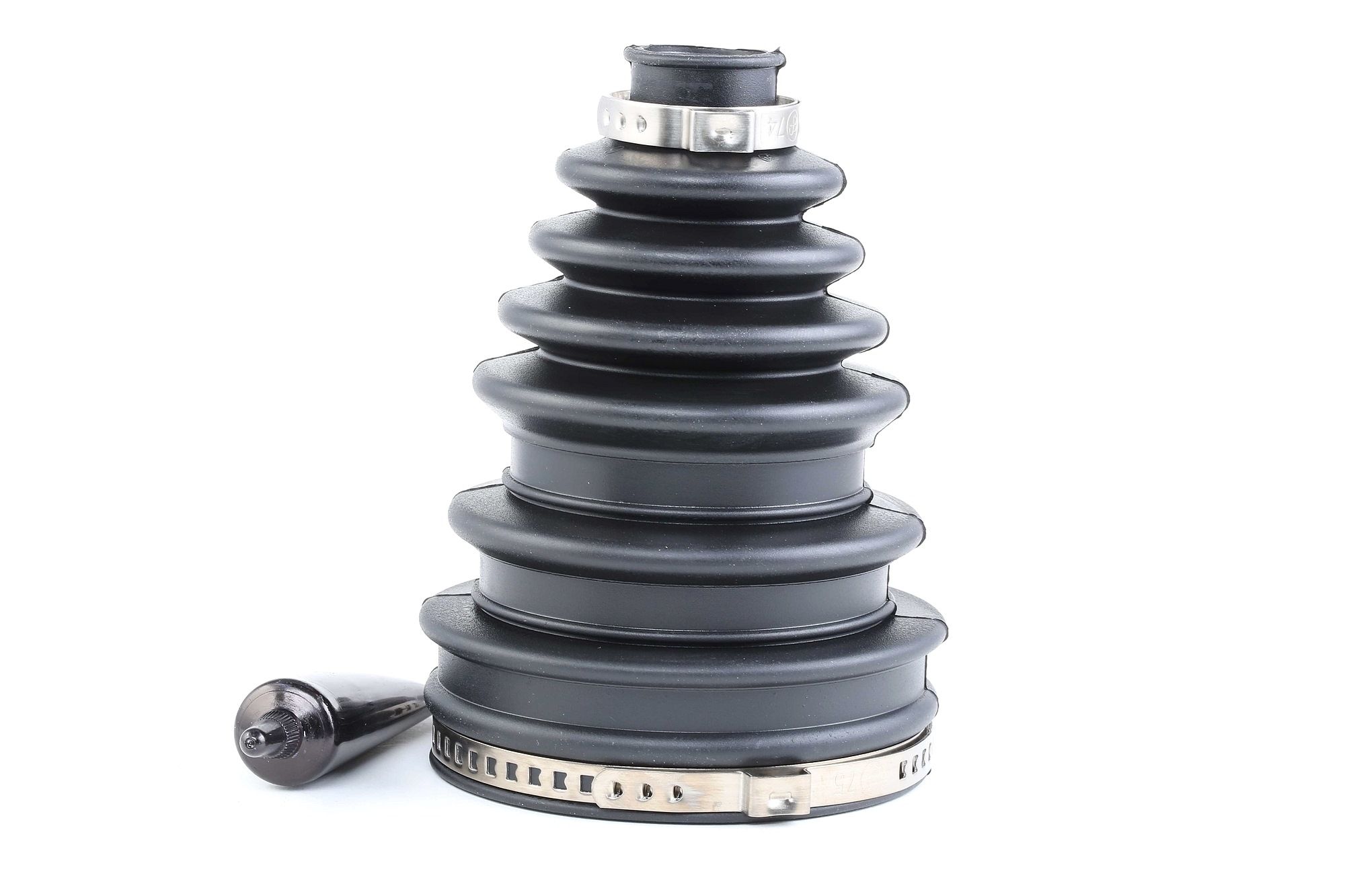
Have you ever wondered how your car manages to deliver power to the wheels while still turning smoothly around corners? One of the key components responsible for this is the constant velocity (CV) joint. Found in both front-wheel drive and four-wheel drive vehicles, the CV joint allows the transmission to transfer power to the wheels at a constant speed, even when the suspension is moving or the wheels are turned. To ensure its proper function and longevity, the joint is enclosed in a protective rubber or plastic covering known as the CV boot. This boot is designed to keep out dirt, debris and moisture while keeping the grease inside, preventing damage and excessive wear. In this article, we’ll explore what a CV boot is, why it matters, and how to spot the warning signs of a fault.
What is the function of a CV boot?

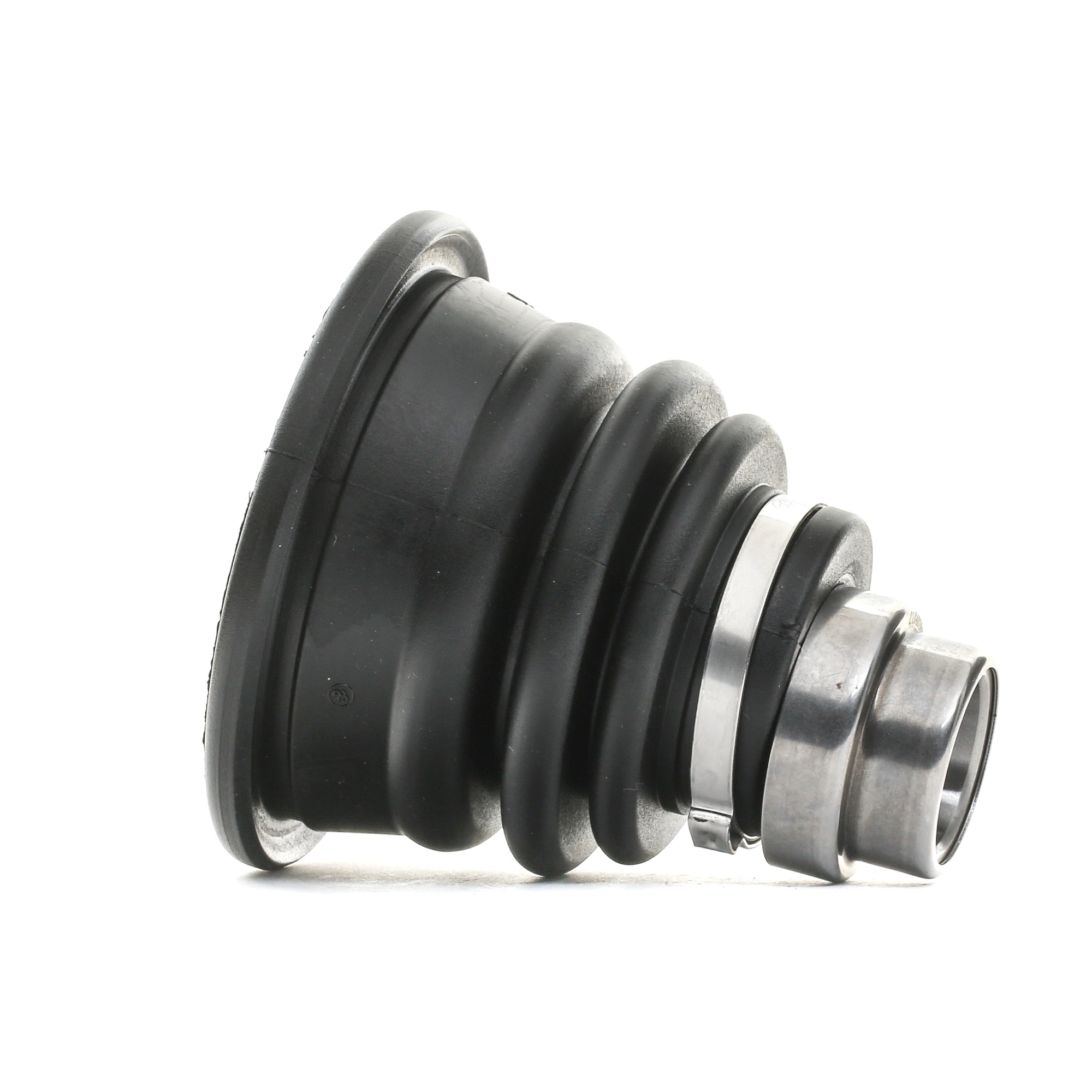
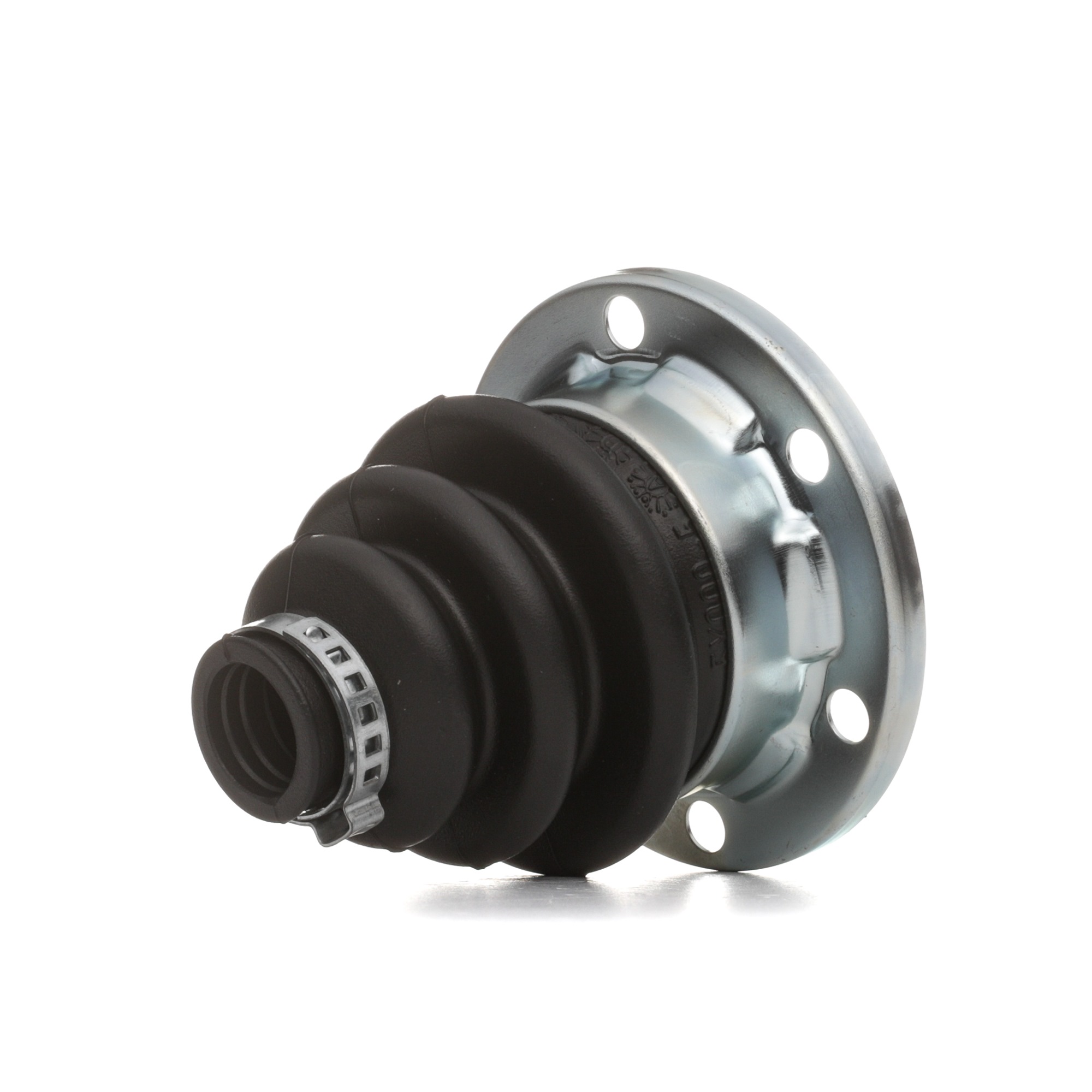
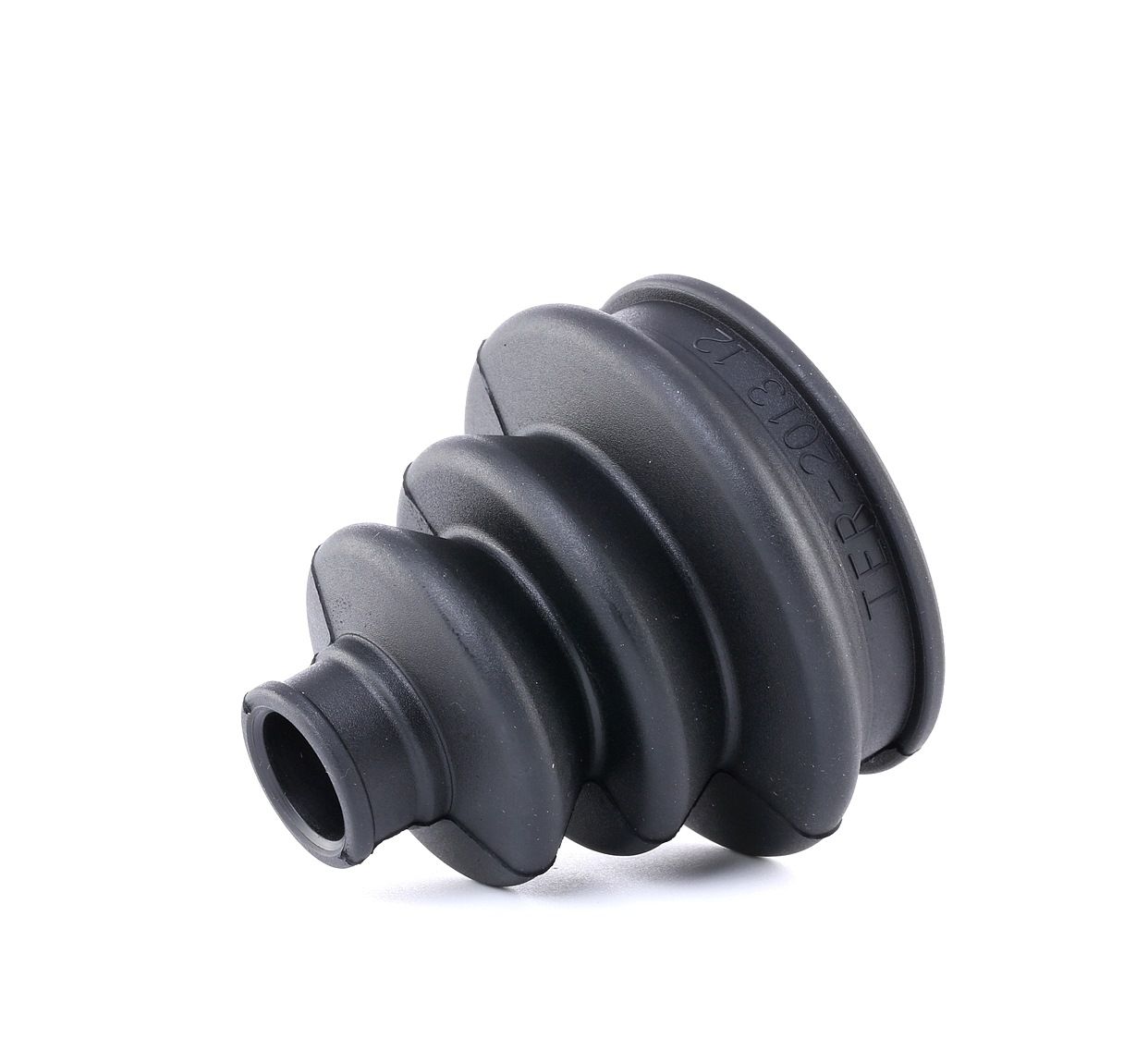
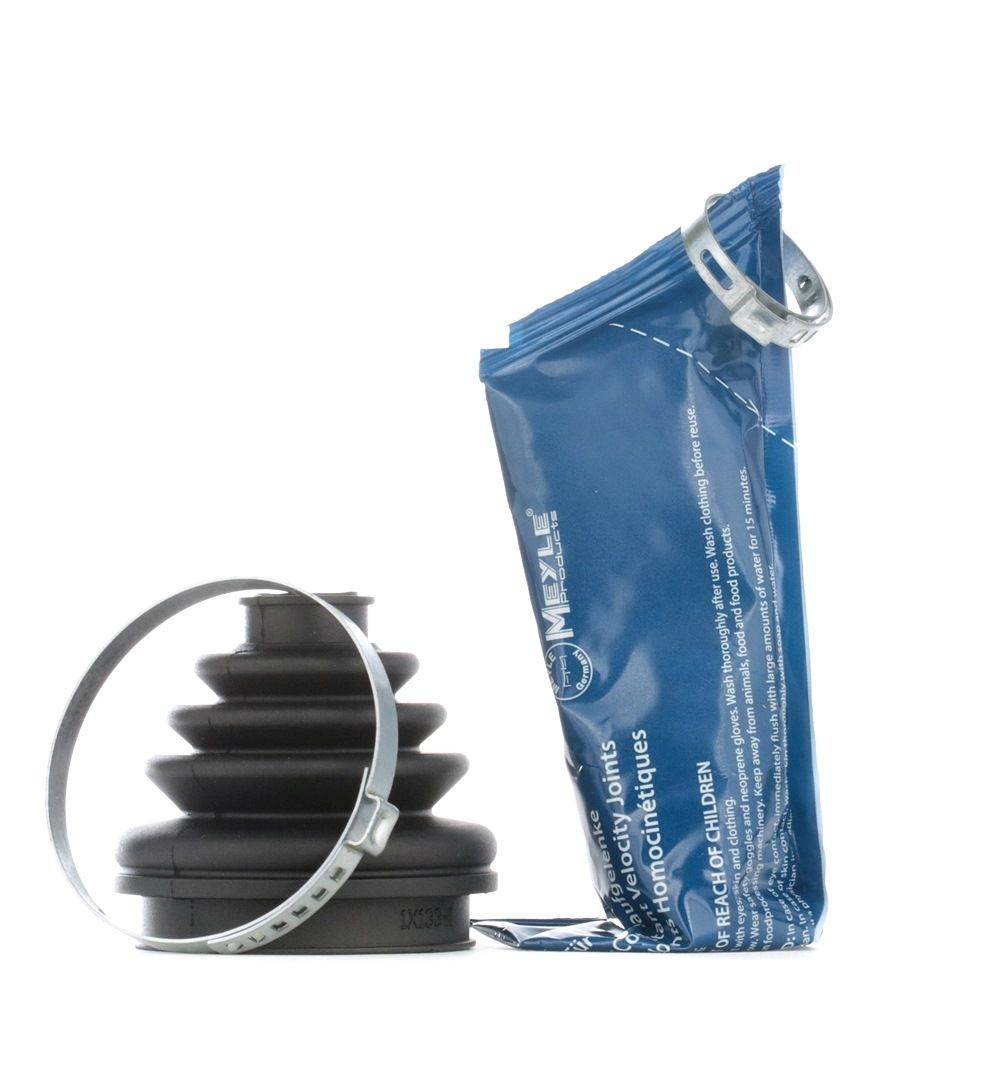
The CV joint is a crucial part of your vehicle’s driveline system, responsible for transferring power from the transmission to the wheels while allowing for movement at varying angles. The CV boot encases this joint and serves as a protective barrier, preventing dirt, debris, and moisture from entering and causing damage. It also contains grease that lubricates the joint, ensuring smooth operation and minimising wear over time.
Symptoms of malfunction
Over time, the boot can deteriorate or become damaged due to various factors such as exposure to the elements, road debris or age. When the boot fails, it can lead to loss of grease and the ingress of contaminants into the joint, causing accelerated wear and possible failure of the joint. Common signs of a failing boot include clicking or popping noises during cornering, grease leaks, or excessive vibration.
If a boot, such as a VW Golf CV boot is damaged or shows signs of wear, it is important to have it replaced with a stretch cv boot or repaired immediately. Ignoring this can lead to more extensive damage to the joint, most likely resulting in a loss of power to the wheels or even complete failure, rendering the vehicle inoperable and also putting you and your passengers’ safety at risk.
Sold by AUTODOC Sold by AUTODOC Sold by AUTODOC Sold by AUTODOC Sold by AUTODOC
-42%
 AUTOFREN SEINSA Bellow Set, drive shaft
93 mm, transmission sided
Article number: D8260
compared to
RRP
£21.90
£12.49£24.98 / Price per 2 items
price incl. 20% VAT, excl. delivery costs
-23%
AUTOFREN SEINSA Bellow Set, drive shaft
93 mm, transmission sided
Article number: D8260
compared to
RRP
£21.90
£12.49£24.98 / Price per 2 items
price incl. 20% VAT, excl. delivery costs
-23%
 FEBI BILSTEIN Bellow Set, drive shaft
Thermoplast, with screw
Article number: 49070
compared to
RRP
£18.99
£14.49£28.98 / Price per 2 items
price incl. 20% VAT, excl. delivery costs
-12%
FEBI BILSTEIN Bellow Set, drive shaft
Thermoplast, with screw
Article number: 49070
compared to
RRP
£18.99
£14.49£28.98 / Price per 2 items
price incl. 20% VAT, excl. delivery costs
-12%
 Article number: 03312
compared to
RRP
£4.89
£4.29price incl. 20% VAT, excl. delivery costs
-25%
Article number: 03312
compared to
RRP
£4.89
£4.29price incl. 20% VAT, excl. delivery costs
-25%
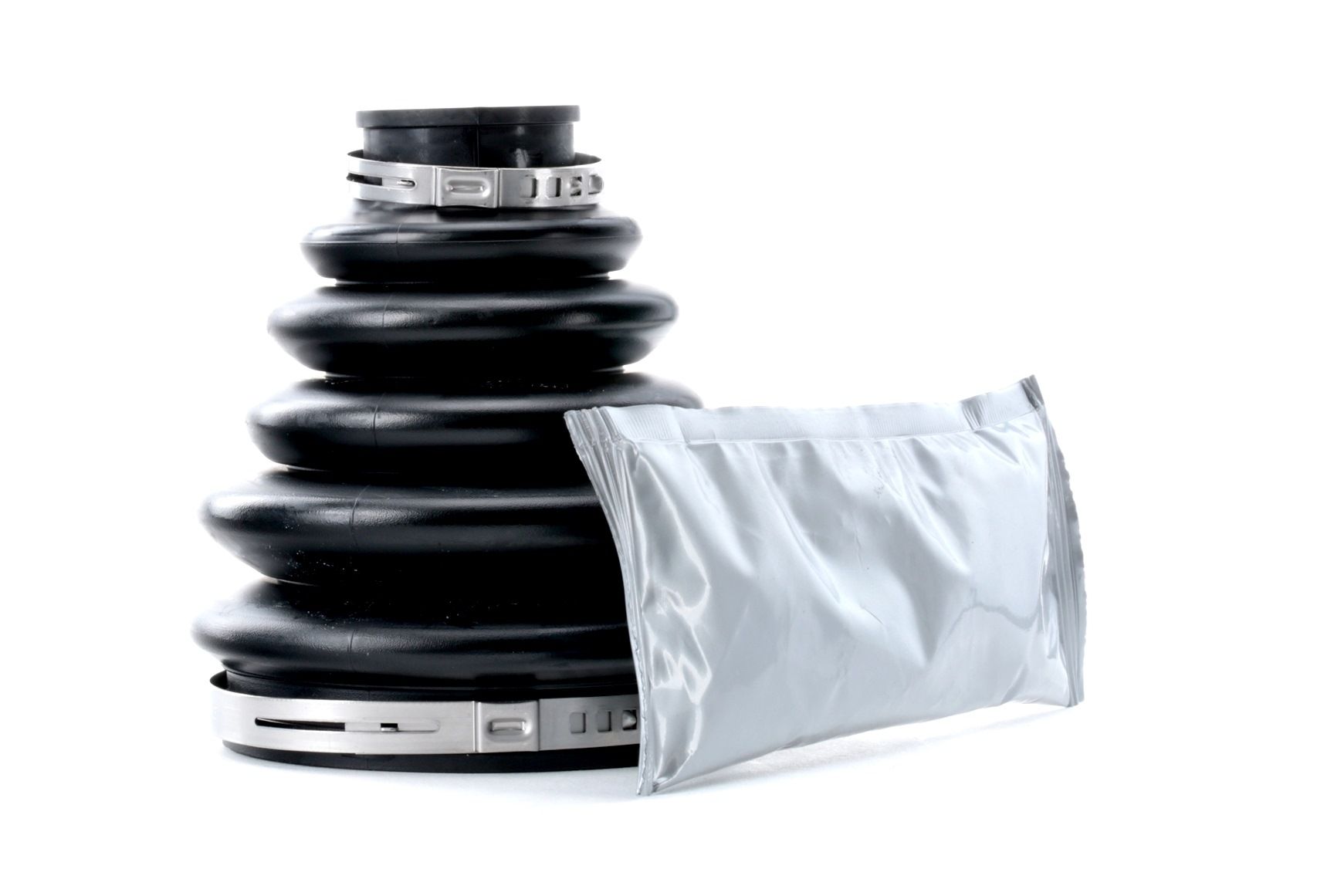 FEBI BILSTEIN Bellow Set, drive shaft
Article number: 32662
compared to
RRP
£17.99
£13.49£26.98 / Price per 2 items
price incl. 20% VAT, excl. delivery costs
FEBI BILSTEIN Bellow Set, drive shaft
Article number: 32662
compared to
RRP
£17.99
£13.49£26.98 / Price per 2 items
price incl. 20% VAT, excl. delivery costs
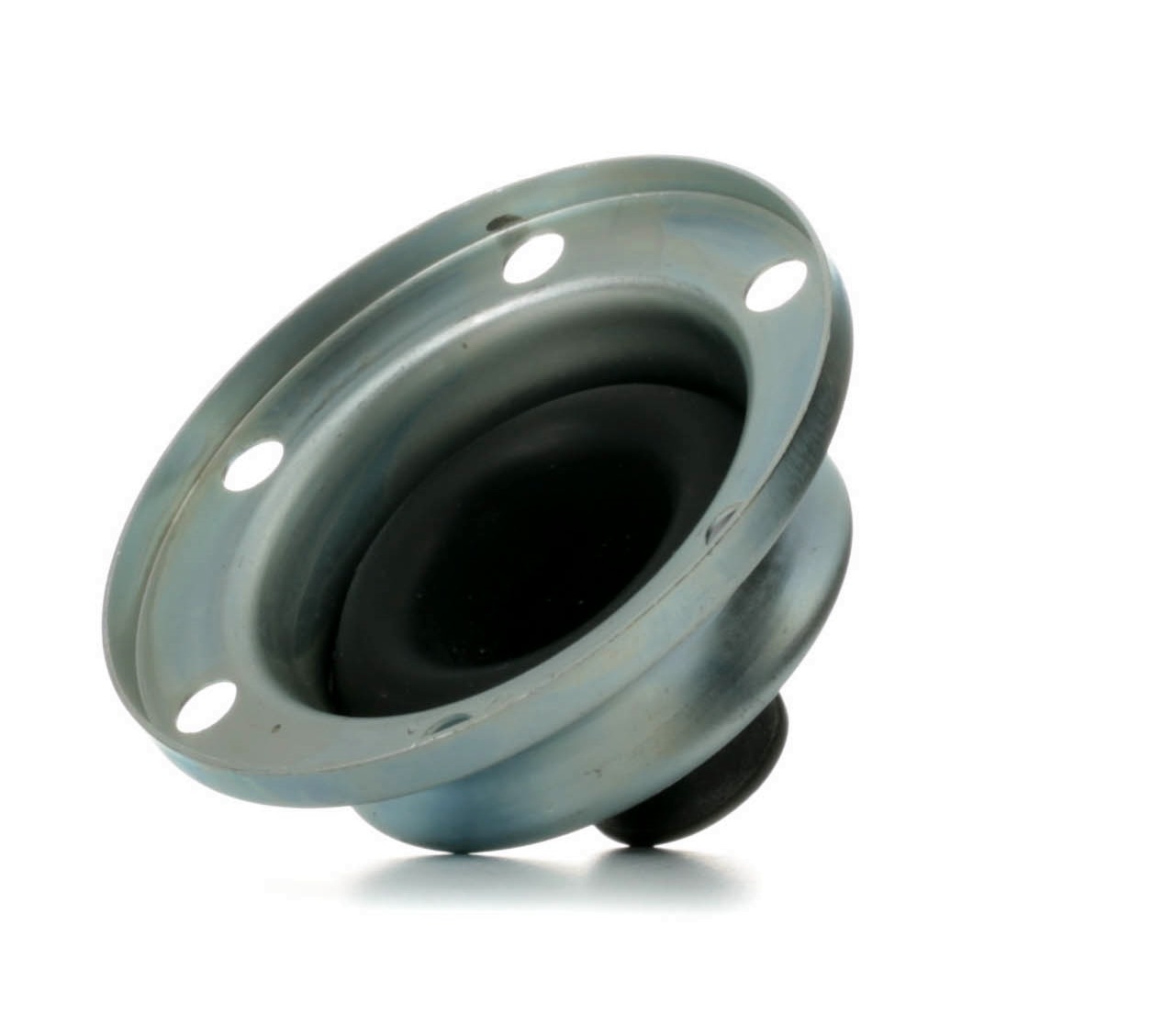 PASCAL Bellow Set, drive shaft
transmission sided
Article number: G5Y002PC
£12.99£25.98 / Price per 2 items
price incl. 20% VAT, excl. delivery costs
PASCAL Bellow Set, drive shaft
transmission sided
Article number: G5Y002PC
£12.99£25.98 / Price per 2 items
price incl. 20% VAT, excl. delivery costs
What is a stretch CV boot?
Stretch CV boots are often used as a temporary or quick fix for damaged or torn boots, providing a cost-effective alternative to replacing the entire CV joint or axle. They can be fitted without special tools or dismantling other components, saving you both time and effort.
Made from durable, elastic materials such as thermoplastic elastomer (TPE) or rubber, the stretch CV boot is engineered to expand and slide over the joint using a cone tool or air-assisted device, then contract to form a tight seal. It accommodates a range of CV joint sizes, making it suitable for various car models. Once positioned correctly, it is securely fastened at both ends using metal clamps or high-strength zip ties. While some versions are designed to be split and wrapped around the joint, most modern stretch boots are installed in one piece to ensure a more secure and longer-lasting fit.
Although stretch boots can extend the life of the CV joint and help prevent costly replacements, they are generally best suited for temporary use or lower-stress driving conditions. AUTODOC experts recommend using them as a short-term solution while planning for more permanent repairs. For heavily worn joints or long-term reliability, replacing the original boot with an OEM part or replacing the joint entirely may still be the best option.
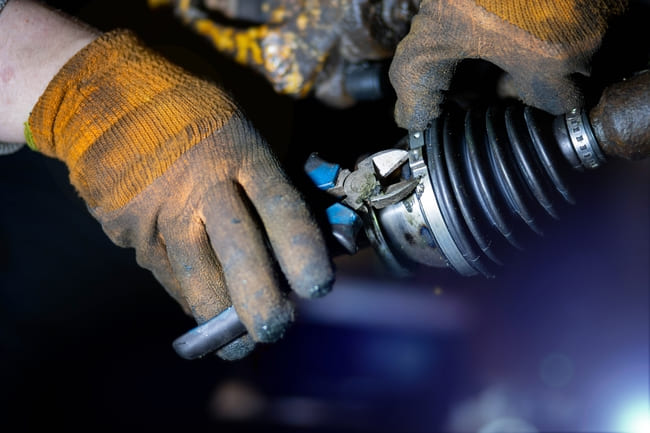
TIP:
Warming the stretch CV boot with a hair dryer before installation can make the material more flexible and easier to manoeuvre over the CV joint, especially in colder conditions. This simple step can help avoid tears during fitting and ensure a snug, secure seal.
That said, it’s worth keeping in mind that while stretch CV boots offer convenience and ease of installation, they may not provide the same level of long-term protection as conventional one-piece boots. Their design, particularly if split or made of thinner material, can make them more vulnerable to water, dirt, and grit ingress, factors that accelerate wear and reduce the lifespan of the CV joint. For this reason, stretch boots are generally viewed as a temporary measure and should be replaced with a more durable solution when possible.
How much does a boot joint cost?
Despite its critical role in protecting the CV joint, the boot itself comes at a small price. Depending on your vehicle’s make and model, the CV joint boot price starts at around £8, making it quite affordable to replace. Prices may vary slightly based on the material, brand, or whether it’s a stretch boot or a standard one-piece version, but overall, it remains a cost-effective component to replace.
Sold by AUTODOC Sold by AUTODOC Sold by AUTODOC Sold by AUTODOC Sold by AUTODOC
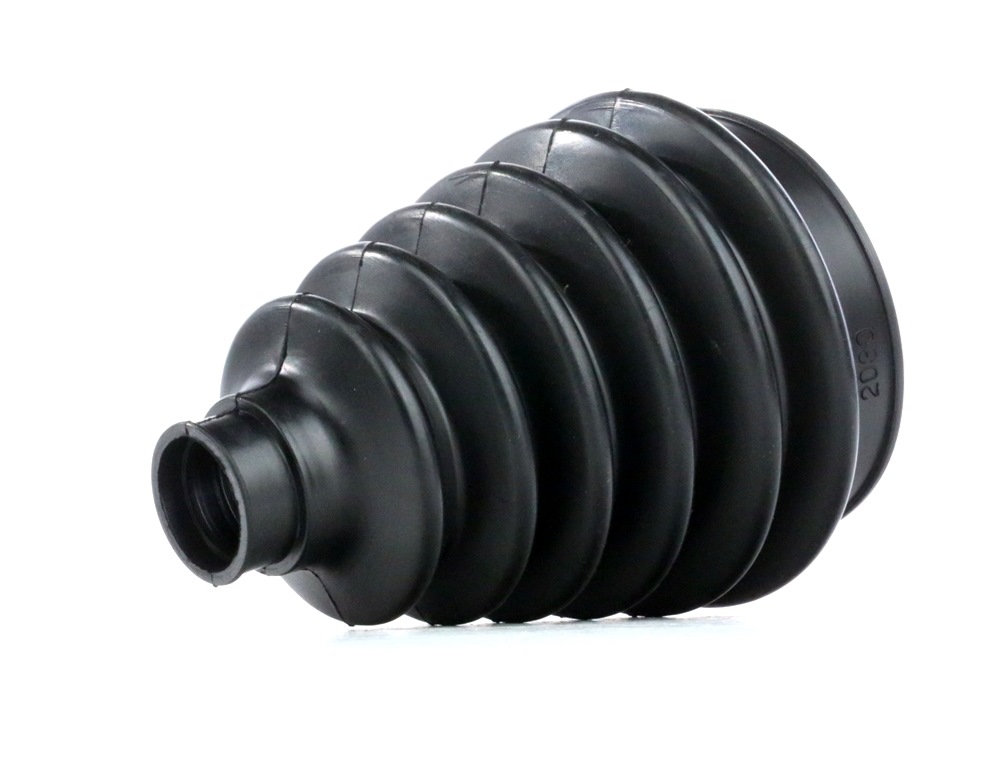 MAXGEAR Bellow Set, drive shaft
Front Axle, Rear Axle
Article number: 49-1925
£8.59
Price per item
price incl. 20% VAT, excl. delivery costs
MAXGEAR Bellow Set, drive shaft
Front Axle, Rear Axle
Article number: 49-1925
£8.59
Price per item
price incl. 20% VAT, excl. delivery costs
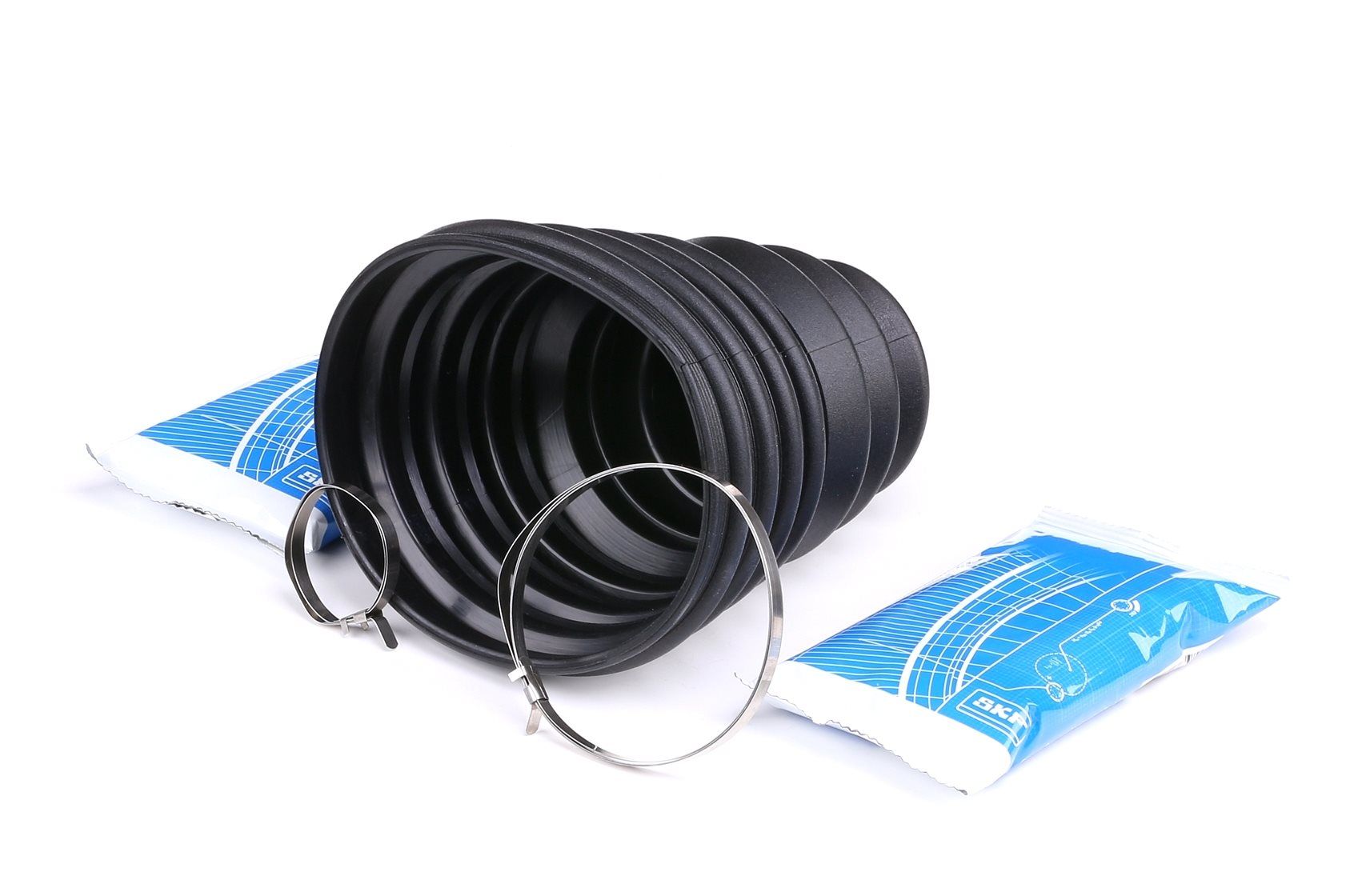 SKF Bellow Set, drive shaft
156 mm, with clamps
Article number: VKJP 01003
£13.99£27.98 / Price per 2 items
price incl. 20% VAT, excl. delivery costs
-27%
SKF Bellow Set, drive shaft
156 mm, with clamps
Article number: VKJP 01003
£13.99£27.98 / Price per 2 items
price incl. 20% VAT, excl. delivery costs
-27%
 Article number: 100421
compared to
RRP
£10.99
£7.99£15.98 / Price per 2 items
price incl. 20% VAT, excl. delivery costs
-14%
Article number: 100421
compared to
RRP
£10.99
£7.99£15.98 / Price per 2 items
price incl. 20% VAT, excl. delivery costs
-14%
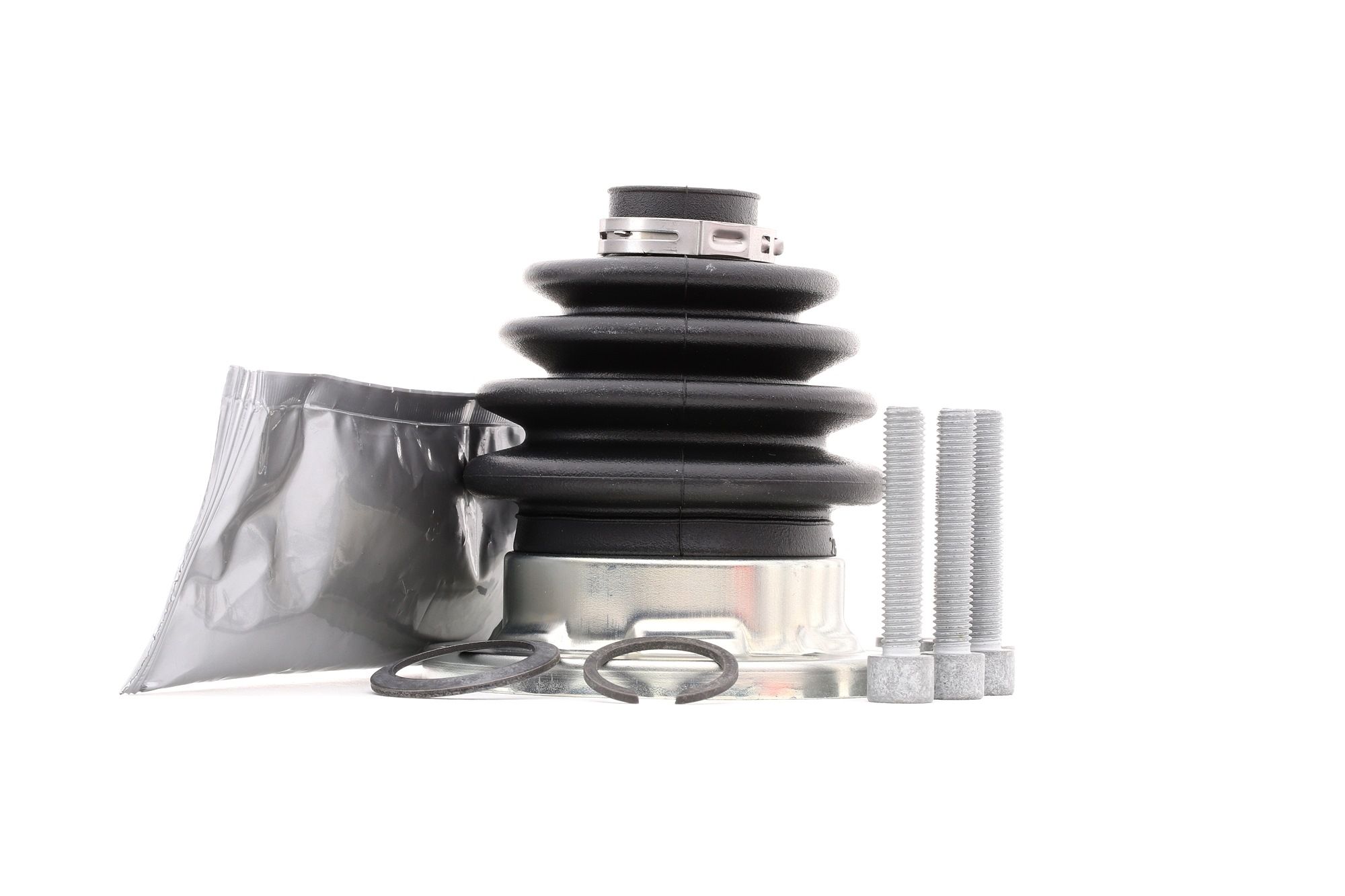 FEBI BILSTEIN Bellow Set, drive shaft
Rear Axle, Wheel Side, Rubber
Article number: 08303
compared to
RRP
£13.99
£11.99£23.98 / Price per 2 items
price incl. 20% VAT, excl. delivery costs
FEBI BILSTEIN Bellow Set, drive shaft
Rear Axle, Wheel Side, Rubber
Article number: 08303
compared to
RRP
£13.99
£11.99£23.98 / Price per 2 items
price incl. 20% VAT, excl. delivery costs
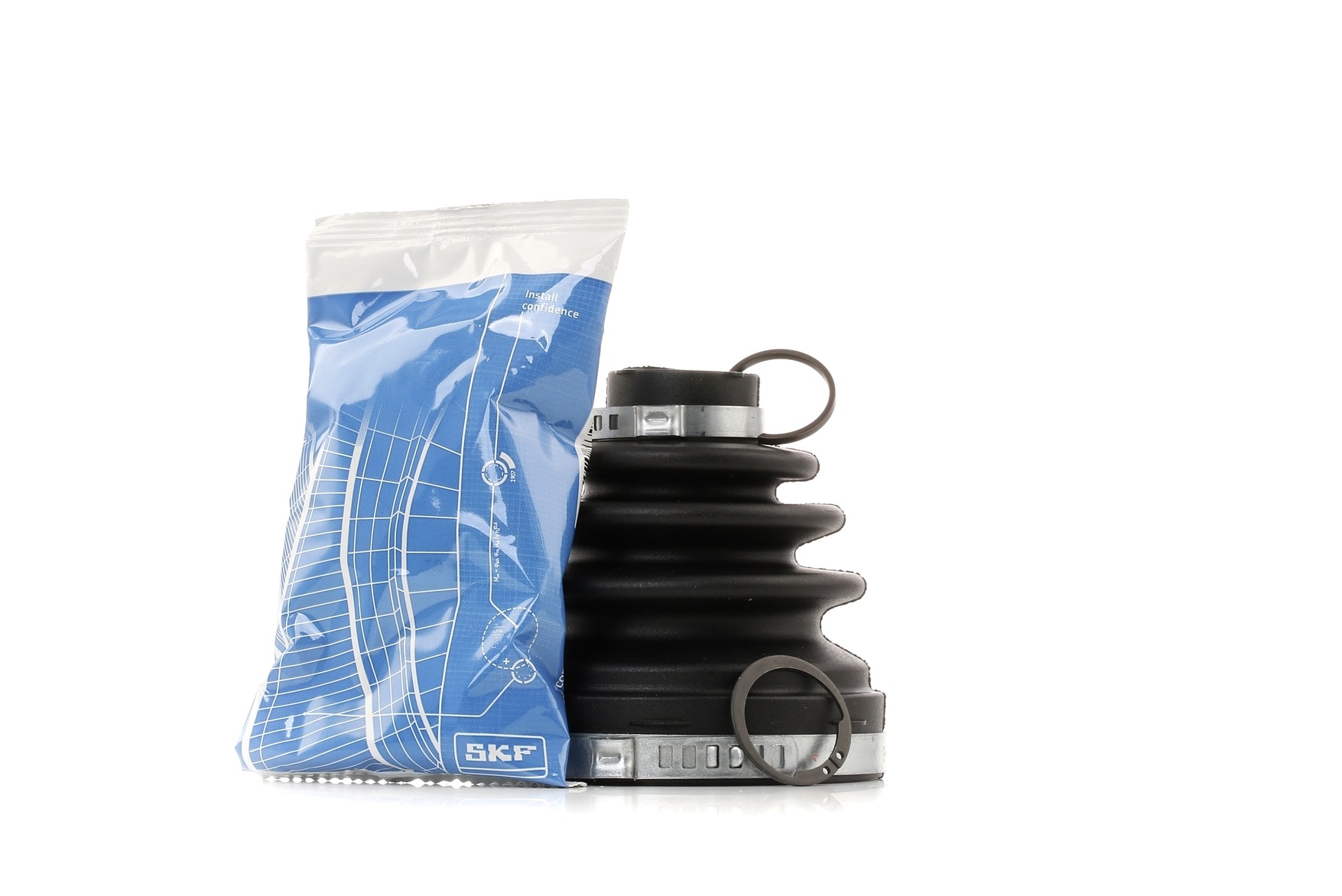 SKF Bellow Set, drive shaft
92 mm
Article number: VKJP 8433
£13.49£26.98 / Price per 2 items
price incl. 20% VAT, excl. delivery costs
SKF Bellow Set, drive shaft
92 mm
Article number: VKJP 8433
£13.49£26.98 / Price per 2 items
price incl. 20% VAT, excl. delivery costs
Conclusion
The CV boot may be a small and often overlooked component, but it plays a vital role in maintaining your vehicle’s driveline health. By sealing in lubrication and keeping out dirt and moisture, it ensures the CV joint functions smoothly over time. Recognising the signs of wear such as clicking noises, vibrations, or grease leaks can help you act quickly and avoid costly damage. Whether opting for a temporary stretch boot or a full replacement, regular inspection and timely maintenance of the CV boot can greatly extend the life of your car’s drivetrain and keep you safe on the road.
FAQs
What happens if I drive with a damaged CV boot?
Driving with a damaged CV boot can lead to grease leakage and the entry of dirt and moisture, which will wear out the CV joint quickly. If left unrepaired, it could result in complete joint failure and potentially leave your vehicle inoperable.
How long does a CV boot typically last?
A CV boot can last for many years under normal driving conditions, but factors such as rough terrain, extreme weather, and road debris can cause it to wear out sooner. Regular checks during routine servicing are recommended.
Can I replace a CV boot myself?
Yes, if you have some mechanical experience, replacing a CV boot, especially a stretch CV boot can be a manageable DIY task. However, using proper tools and following safety guidelines is essential. For permanent repairs, a mechanic is usually recommended.
A useful video on this topic:
CV boot replacement
Top products related to this topic: