
Table of Contents
 28 November 2025 (updated)
 Torque converter: how it works, failure symptoms, and replacement cost
If your automatic car is struggling to accelerate, making unusual noises, or refusing to move altogether, the torque converter could well be the culprit. In this guide, we’ll break down how it works, the warning signs of failure, and what it may cost to replace it.
How does a torque converter work?
In simple terms, a torque converter performs the role of a clutch in vehicles with automatic transmissions. It transfers rotating power from the engine to the transmission and multiplies torque during acceleration, making smooth driving possible, especially when starting off.
A modern torque converter consists of three main components:
- Impeller (pump): connected to the engine via the transmission housing, it spins and pushes transmission fluid outward using centrifugal force.
- Turbine: located opposite the impeller, it receives the fluid and rotates to transmit power to the transmission and, ultimately, the wheels.
- Stator: positioned between the impeller and turbine, it redirects fluid back to the impeller at an optimal angle to improve efficiency and torque multiplication.
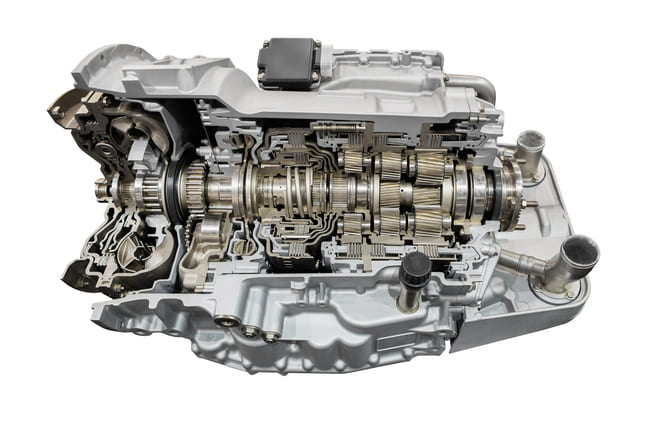
Most modern converters also include a lock-up clutch, which engages at higher speeds to create a direct connection between the engine and transmission, improving fuel efficiency.
Common symptoms of a failing torque converter
When a torque converter starts to fail, it can affect the entire driving experience. Here are the key warning signs to look out for:
1. Slipping transmission
You may notice the engine revving without a corresponding increase in speed. A “slipping” converter can overheat the transmission fluid and cause accelerated wear.
2. Poor acceleration
If the car hesitates, lags, or feels sluggish when you press the accelerator, the converter may not be transferring power efficiently due to internal damage or pressure issues.
3. Irregular idling
An unstable idle, either too high or too low, can indicate a torque converter malfunction. The lock-up clutch might be engaging at the wrong time or not disengaging properly.
4. Unusual noises
Listen out for grinding, clicking, or whining noises coming from the transmission. These often result from worn bearings or damaged internal components.
5. No movement in drive or reverse
If your vehicle starts but refuses to move in any gear/mode, the torque converter may have failed completely.
-20%
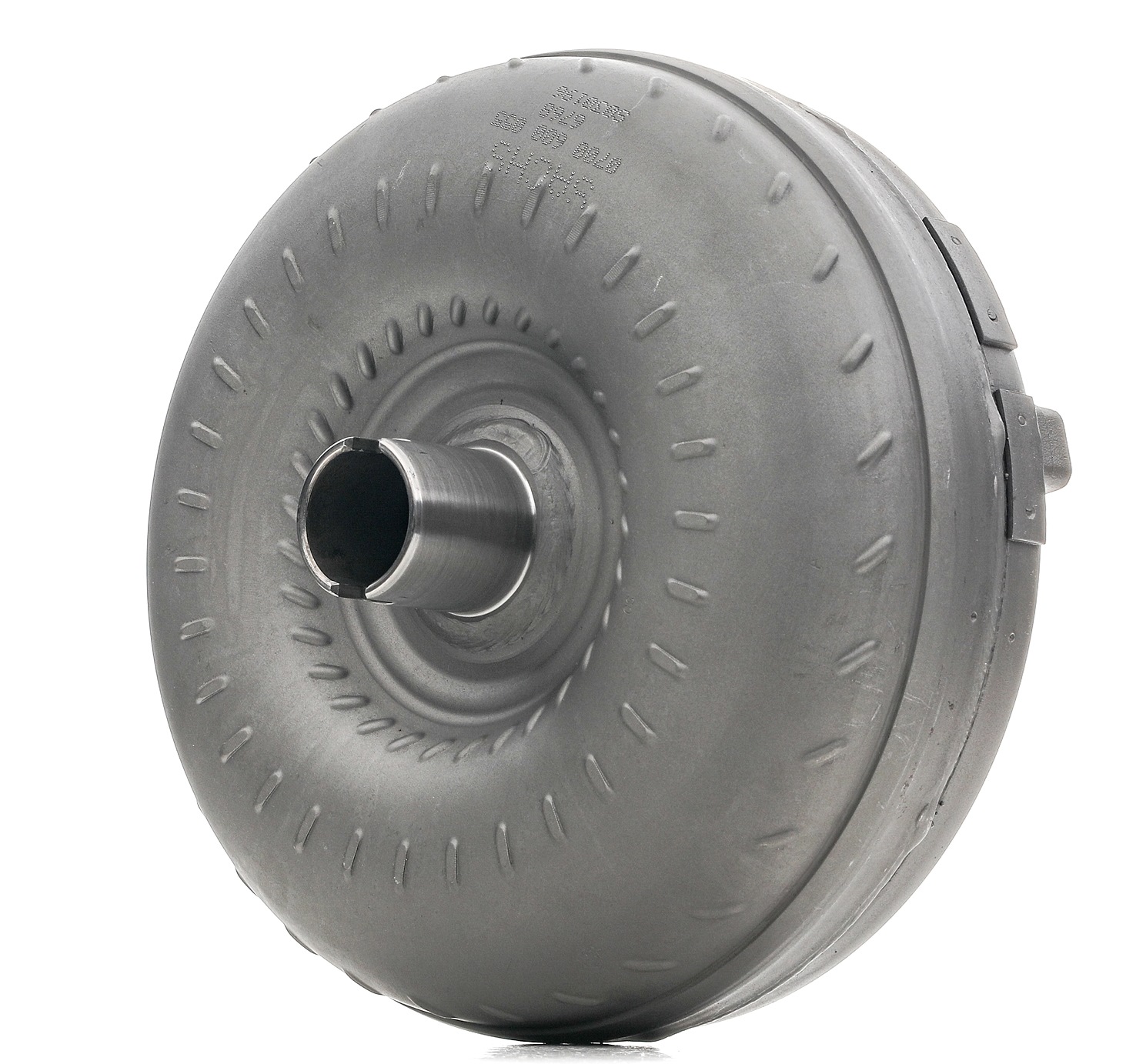 SACHS Torque Converter
Ø: 260 mm
Article number: 0700 600 055
compared to
RRP
£558.49
£441.50price incl. 20% VAT, free delivery
-34%
SACHS Torque Converter
Ø: 260 mm
Article number: 0700 600 055
compared to
RRP
£558.49
£441.50price incl. 20% VAT, free delivery
-34%
 Article number: 0700 600 108
compared to
RRP
£601.58
£393.00price incl. 20% VAT, free delivery
-11%
Article number: 0700 600 108
compared to
RRP
£601.58
£393.00price incl. 20% VAT, free delivery
-11%
 Article number: 0700 002 221
compared to
RRP
£637.14
£564.00price incl. 20% VAT, free delivery
-24%
Article number: 0700 002 221
compared to
RRP
£637.14
£564.00price incl. 20% VAT, free delivery
-24%
 Article number: 0700 001 717
compared to
RRP
£970.88
£728.50price incl. 20% VAT, free delivery
-12%
Article number: 0700 001 717
compared to
RRP
£970.88
£728.50price incl. 20% VAT, free delivery
-12%
 Article number: 0700 600 033
compared to
RRP
£594.33
£520.00price incl. 20% VAT, free delivery
Article number: 0700 600 033
compared to
RRP
£594.33
£520.00price incl. 20% VAT, free delivery
Common problems and diagnosis
Worn bearings
Worn bearings are a frequent issue. While they may not immediately affect gear shifting, they often produce unusual noises. A good first step is to inspect the car gearbox oil (transmission fluid). If you find metal shavings or the oil appears dark brown or black, it could point to bearing failure.
Replacing your transmission fluid and filter on time every time is a cost-effective way to prevent major damage. Regular gearbox oil changes are much cheaper than a full torque converter replacement.
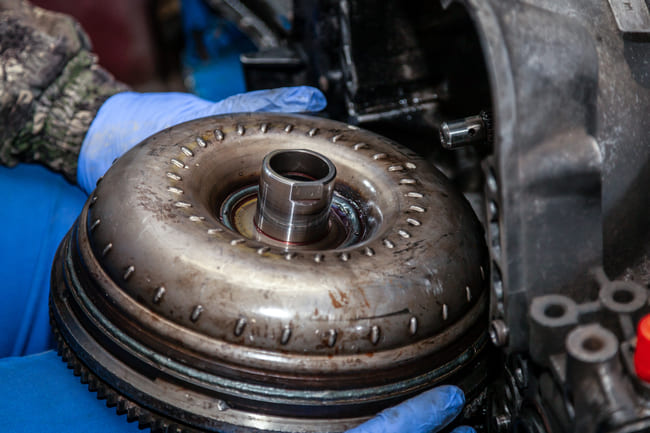
Lock-up clutch and solenoid failures
The lock-up clutch engages to create a direct connection between the engine and transmission. If it malfunctions, the converter may overheat or stick, leading to heavy acceleration, shuddering, or inconsistent gear engagement.
One of the most overlooked components is the solenoid, an electromagnetic valve that controls hydraulic fluid pressure. A faulty solenoid or malfunctioning clutch magnet can mimic serious converter issues, so it should be tested before replacing the entire unit. This can be done during a professional diagnosis or DIY inspection if you're comfortable working with car engine parts and the transmission.
When and how to replace a torque converter
Replacing a torque converter is a labour-intensive process, often requiring the removal of the transmission. This is why mechanics generally recommend replacing the entire unit rather than attempting to fix individual internal components.
Should you buy a new or used torque converter?
AUTODOC mechanics advise choosing a new torque converter. While used parts may be tempting due to lower prices, their internal condition is usually unknown, and they may fail prematurely, costing you even more in the long run.
-15%
 Article number: 0700 600 035
compared to
RRP
£566.17
£478.00price incl. 20% VAT, free delivery
-34%
Article number: 0700 600 035
compared to
RRP
£566.17
£478.00price incl. 20% VAT, free delivery
-34%
 Article number: 0700 600 090
compared to
RRP
£661.16
£430.50price incl. 20% VAT, free delivery
-9%
Article number: 0700 600 090
compared to
RRP
£661.16
£430.50price incl. 20% VAT, free delivery
-9%
 Article number: 0700 600 007
compared to
RRP
£552.31
£498.50price incl. 20% VAT, free delivery
-23%
Article number: 0700 600 007
compared to
RRP
£552.31
£498.50price incl. 20% VAT, free delivery
-23%
 Article number: 0700 600 049
compared to
RRP
£639.38
£491.00price incl. 20% VAT, free delivery
-8%
Article number: 0700 600 049
compared to
RRP
£639.38
£491.00price incl. 20% VAT, free delivery
-8%
 Article number: 0700 600 045
compared to
RRP
£566.17
£516.50price incl. 20% VAT, free delivery
Article number: 0700 600 045
compared to
RRP
£566.17
£516.50price incl. 20% VAT, free delivery
Average replacement cost in the UK
Torque converter replacement in the UK typically costs between £400 and £1,000, depending on your vehicle's make and model. This includes:
- Labour: £250–£600 (due to the time-intensive removal of the transmission)
- Parts: £150–£400 for a new torque converter
Note: these are average costs – luxury or performance models may cost significantly more.
How to extend the life of your torque converter
Prevention is always cheaper than repairs. Here are a few pro tips to keep your torque converter and transmission healthy:
- Change your transmission fluid every 30,000–60,000 miles or as recommended by your manufacturer.
- Avoid harsh acceleration from a standstill, which puts extra stress on the converter.
- Never tow loads heavier than your car’s rating; excess weight increases torque demands.
- Keep your eyes and ear peeled for early signs (slipping, noises, delayed shifting) and act quickly.
Learn more in this handy video guide on how to avoid classic transmission mistakes:
Top Automatic Transmission Blunders You Must Dodge
Summary
The torque converter may be tucked away out of sight, but it plays a key role in smooth driving. Knowing the symptoms of failure and addressing them early can help you avoid expensive repairs and ensure your vehicle remains safe and reliable on the road.
Stay informed and inspect your transmission fluid regularly to keep the transmission in a good condition. By learning how your automatic transmission works, you can avoid overloading it or causing it to wear prematurely.

Frequently Asked Questions (FAQ)
Q: Can a faulty torque converter damage the transmission?
A: Yes. Overheating or fluid contamination caused by a failing converter can lead to severe transmission damage.
Q: Can I drive with a bad torque converter?
A: Not for long. Continued driving can lead to complete transmission failure and very costly repairs.
Q: Is a torque converter the same as a clutch?
A: Not exactly. While it performs a similar function in automatic cars, it uses fluid dynamics instead of friction plates.
Explore More from AUTODOC
- Shop car gearbox oil and filters
- Browse car engine parts
- Find the right torque converter for your car
Top products related to this topic:


